Clearing a gutter safely
Decide first whether you are going up or staying down. Everything else follows from that one choice.
From the ground or from a ladder
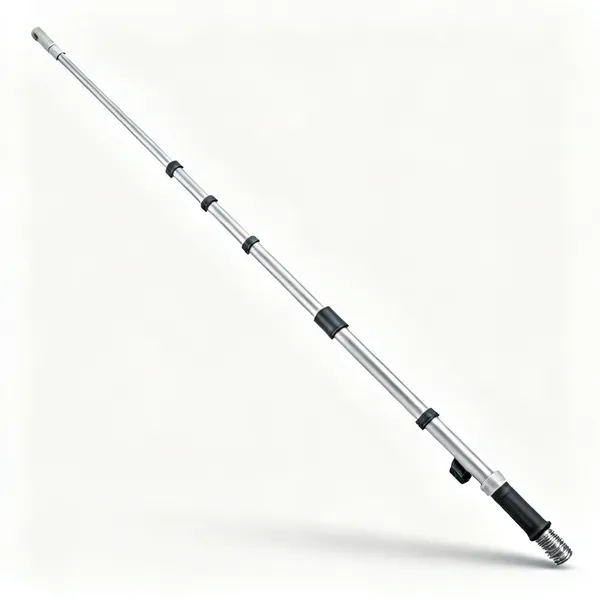
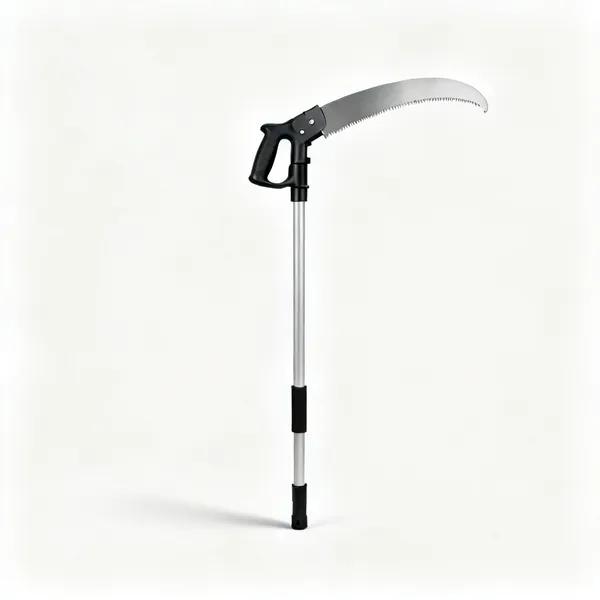
Working from the ground with a telescopic pole is genuinely safer and genuinely worse at the job. You cannot see into the gutter, you cannot feel what you are moving, and a pole at four metres is unwieldy. It works well on light leaf litter and poorly on compacted silt.
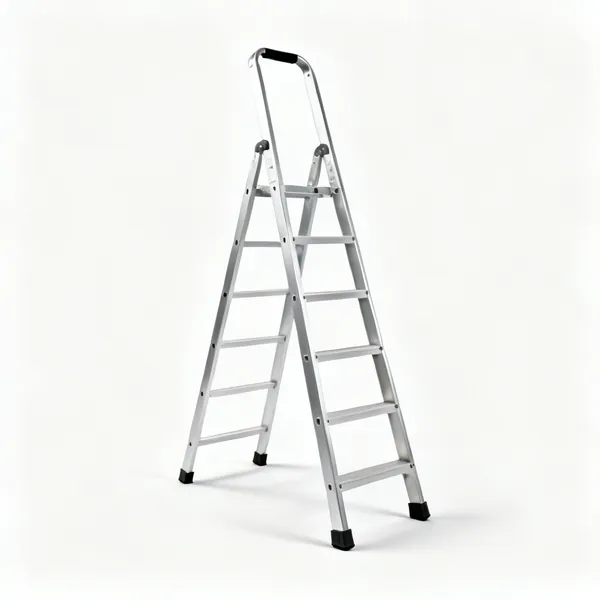
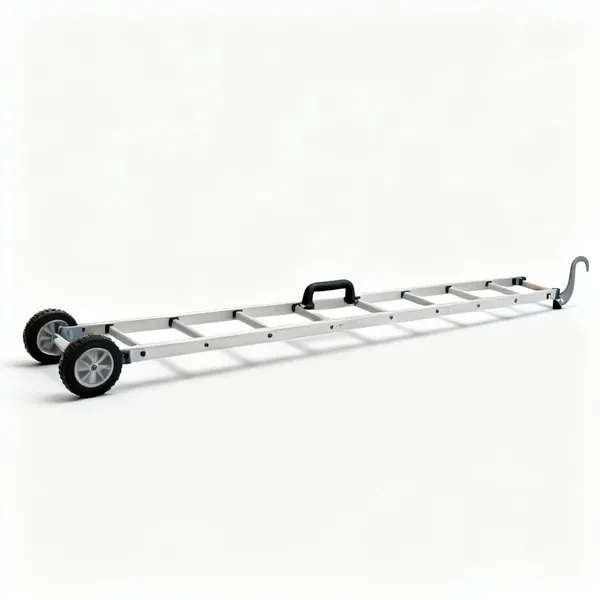
From a ladder you can see, reach and clear properly, and you are up a ladder with one hand holding a tool. For most single storey and many two storey houses a ladder with a stand-off is the practical answer. Above two storeys, the honest advice is to pay someone.
- Ground based
- Safe, blind, and effective on loose leaves. Poor on packed silt and moss, and slow.
- Ladder
- You can see and clear properly. Needs a stand-off, level footing and someone knowing you are up there.
- Above two storeys
- Scaffold tower or a contractor. The fall distance is what makes this different, not the difficulty.
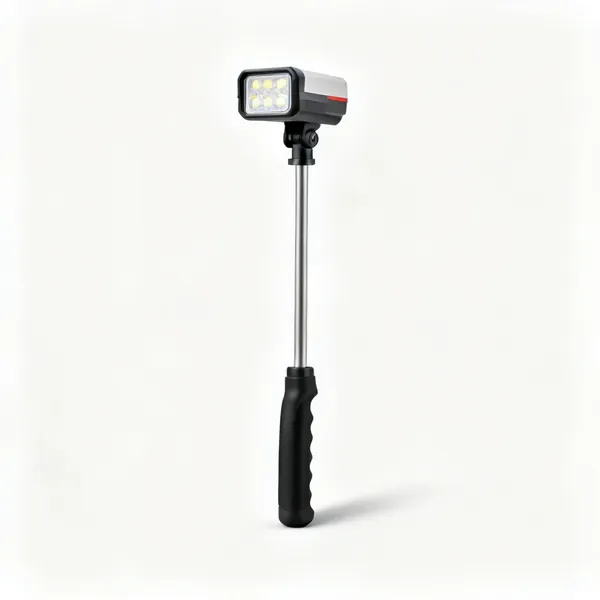
- Gutter vacuum with a camera
- Ground based and not blind. The best of both, and the most expensive option here.
The ladder is the dangerous part
Falls from ladders while cleaning gutters are one of the most common causes of serious domestic injury, and almost all of them come from the same three things: the ladder resting on the gutter, the feet not level, and reaching sideways rather than moving the ladder.
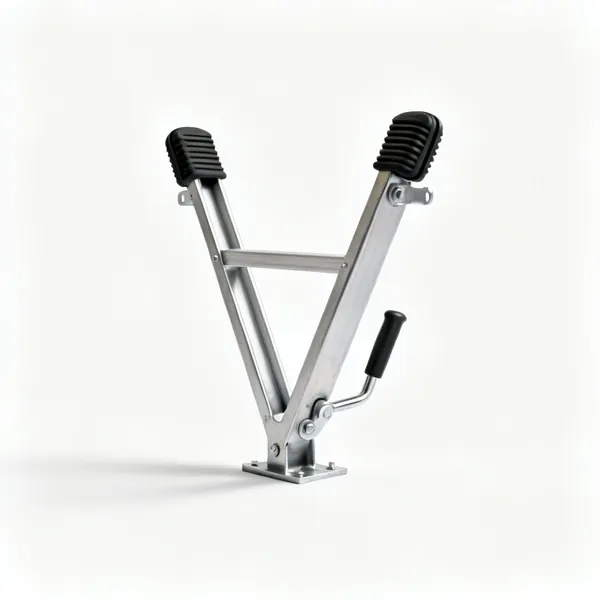
A stand-off bracket holds the ladder off the wall so it does not bear on the gutter and so you are not leaning around it. Set the ladder at about 75 degrees, one out for every four up, and move it every arm's length rather than stretching.
- Never rest on the gutter
- Plastic gutter is not a structural member. A stand-off puts the load on the wall instead.
- One out to four up
- About 75 degrees. Too steep and it tips back, too shallow and the feet slide out.
- Move it, do not reach
- Keep your hips inside the stiles. Overreaching sideways is what tips a ladder.
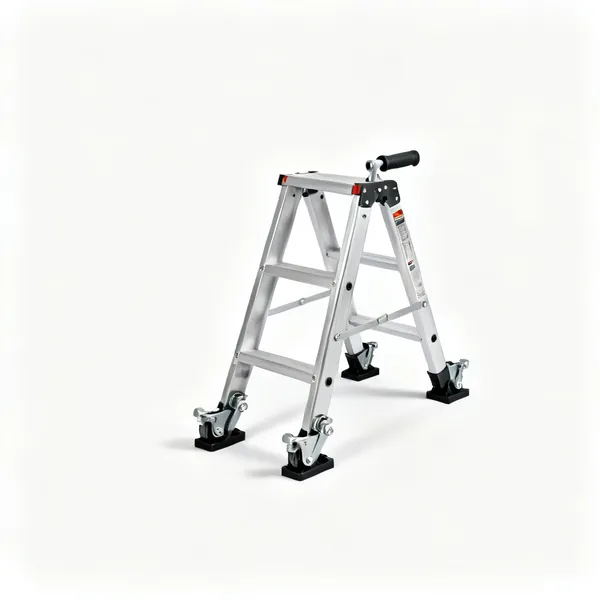
- Level and secure feet
- On soft ground use a board. A leveller foot handles a step or a slope properly.
- Tell someone
- A fall with nobody knowing where you are is the part that turns an injury into something worse.
The order that works
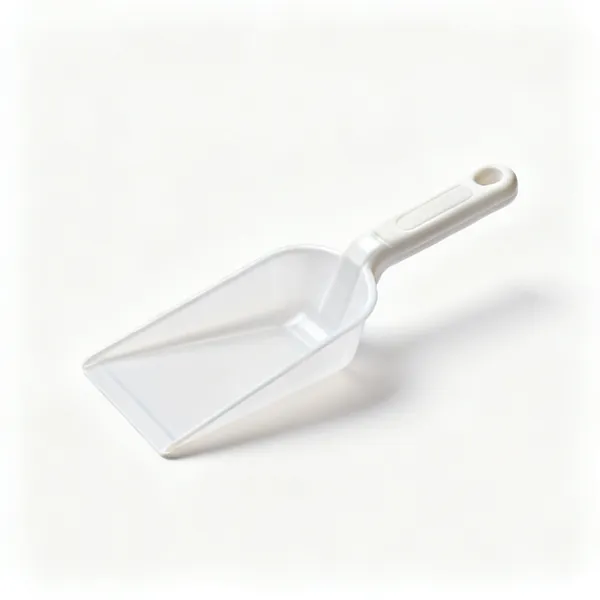
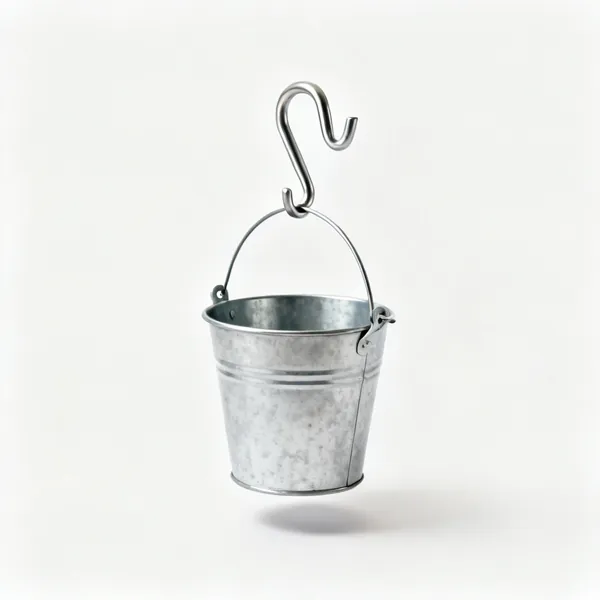
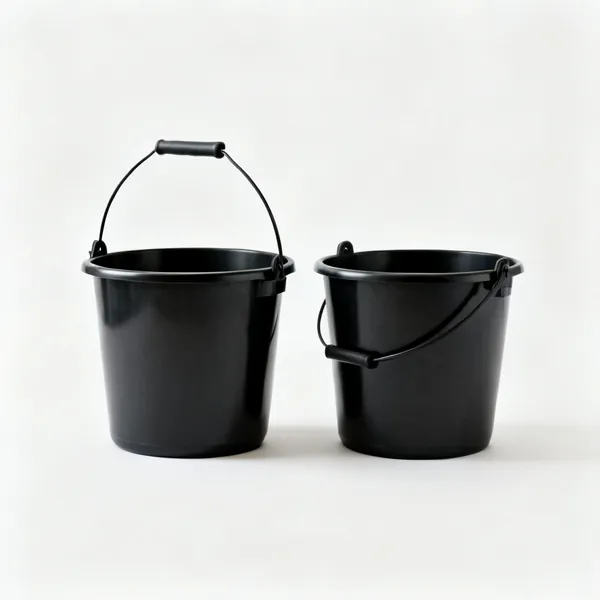
Scoop the bulk out into a bucket rather than flicking it onto the ground, because you will only have to pick it up. Work from the outlet backwards so you are not pushing debris toward a downpipe you have not cleared.
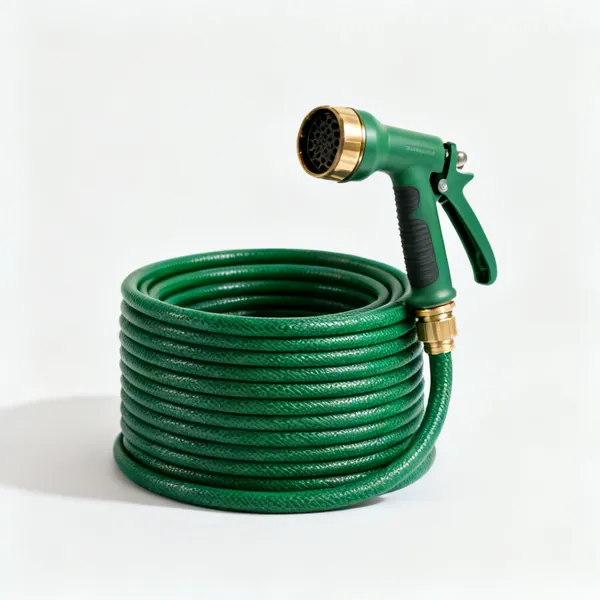
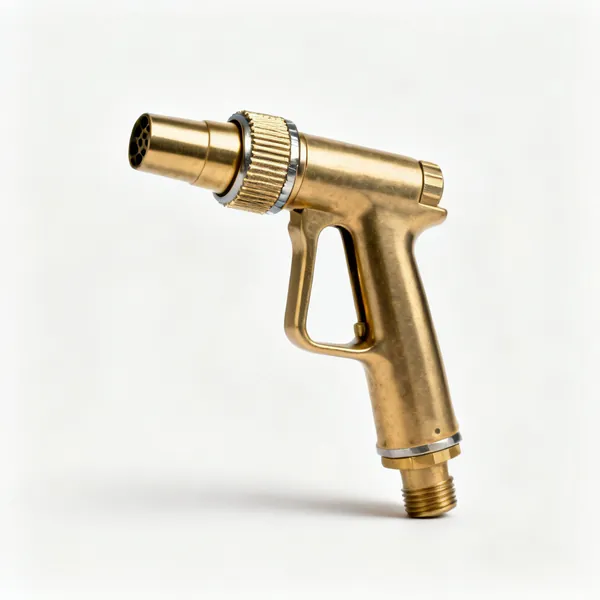
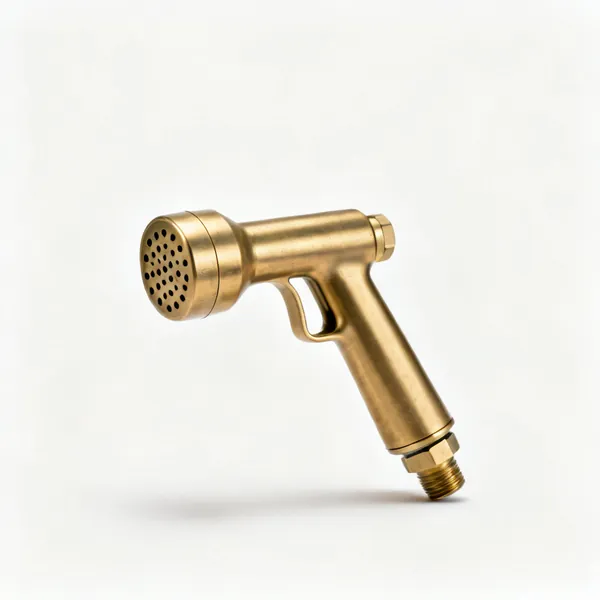
Then flush with a hose to move the fine silt and confirm the fall. That is the step that finds the real problem: a gutter that looks clear but ponds because it has sagged, or an outlet that is blocked below the visible section.
- Bulk out first, into a bucket
- Flicking it down means clearing the flowerbed afterwards, which is the longer job.
- Work away from the outlet
- Clear the downpipe end first, then push nothing toward it.
- Flush and watch
- A hose reveals ponding, a sagging run and a blocked outlet, none of which look like anything dry.
- Check the downpipe runs
- Water at the bottom, not just water going in at the top. A blocked shoe backs the whole run up.
Blocked downpipes and outlets
A blocked downpipe is different from a full gutter and needs different tools. If water goes in at the top and does not come out at the bottom, the blockage is inside the pipe, usually at a bend or a shoe.
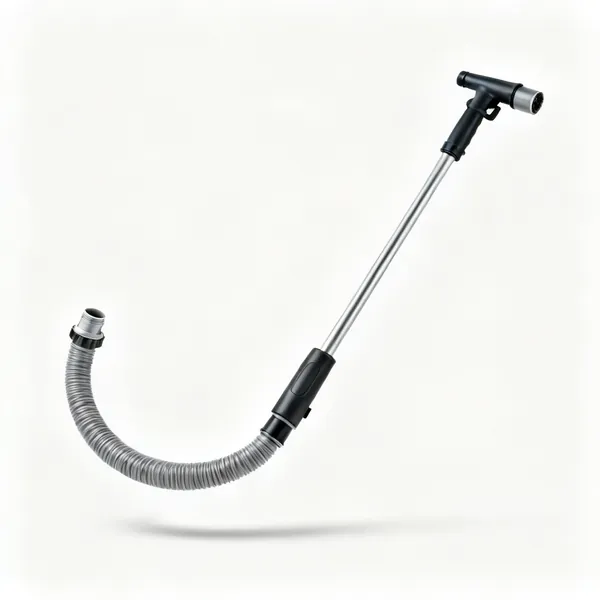
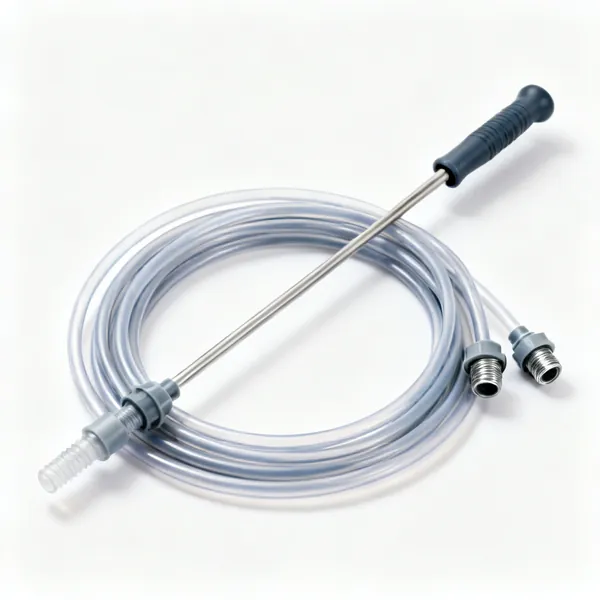
A drain auger or a length of flexible rod pushed up from the bottom is more effective than anything from the top, because gravity is helping you and the debris comes out where you can collect it. A hose bag or a jetting nozzle clears the rest.
- Test top and bottom
- In at the top and out at the bottom. If not, the blockage is in the pipe rather than the gutter.
- Work from the bottom up
- Gravity helps, and the debris arrives somewhere you can collect it rather than falling back.
- Bends and shoes
- Almost every downpipe blockage is at a change of direction. Check those first.
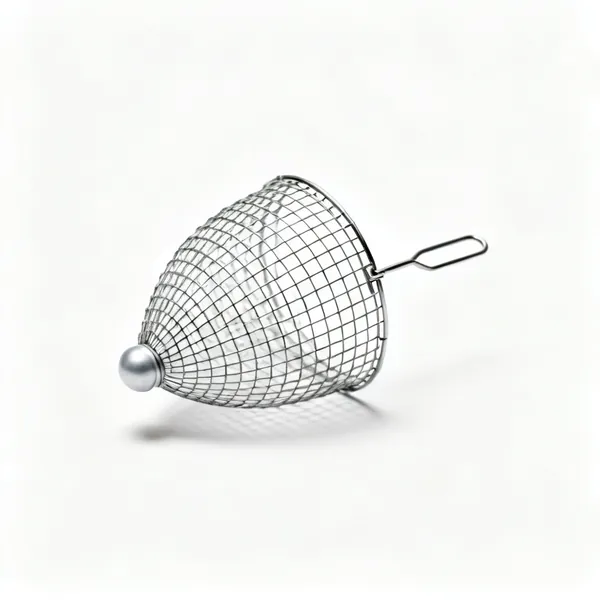
- Fit a leaf guard at the outlet
- A balloon or a hopper grille catches what would otherwise pack the bend solid.
Doing it less often
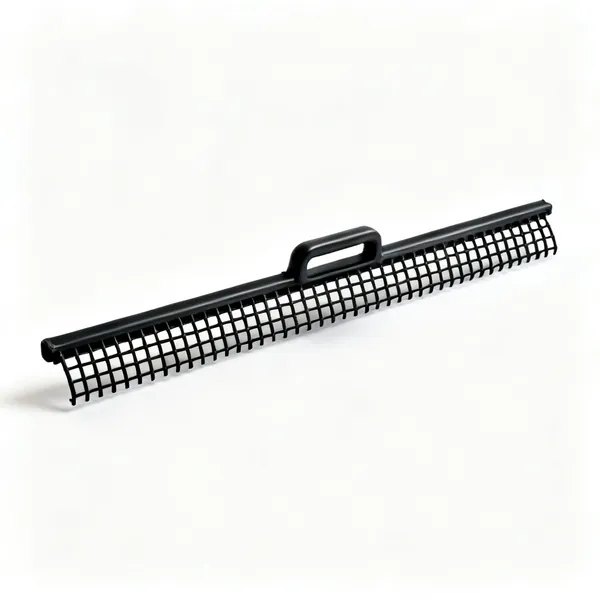
Guards and brushes reduce how often a gutter needs clearing rather than eliminating it. Mesh guards work well against leaves and eventually silt up with fine debris, so they change the job rather than removing it.
Twice a year is the usual recommendation, in late autumn once the leaves are down and in spring after the winter. If your gutters need clearing more often than that, something specific is causing it, usually one overhanging tree.
- Guards change the job
- Leaves stay out, fine silt still gets in. You clean the guard instead of the gutter.
- Late autumn and spring
- After the leaves fall and after the winter. Twice a year suits most houses.
- Look at the trees
- One overhanging branch causes most of the problem. Pruning it is a permanent fix.
- Check the joints while you are there
- A weeping union is easier to see with the gutter empty, and it is the other thing that gets missed.
Frequently asked questions
- What is the best tool for cleaning gutters?
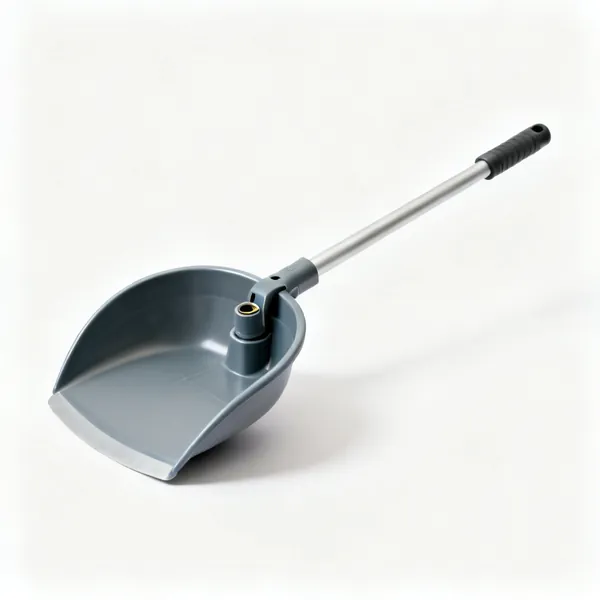
- A gutter scoop and a bucket from a ladder with a stand-off, then a hose to flush. For working from the ground, a telescopic pole with a curved scoop head or a gutter vacuum with a camera. The choice is really between seeing what you are doing and staying on the ground.
- Can I clean gutters from the ground?
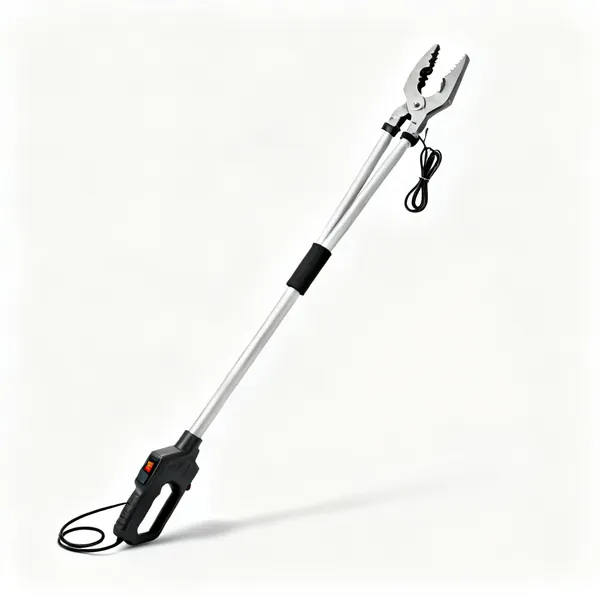
- Yes, with a telescopic pole and a scoop or tong head, or a gutter vacuum. It works well on loose leaf litter and much less well on compacted silt and moss, and you cannot see what you are doing unless the tool has a camera. It is considerably safer.
- How do I clean gutters without a ladder?
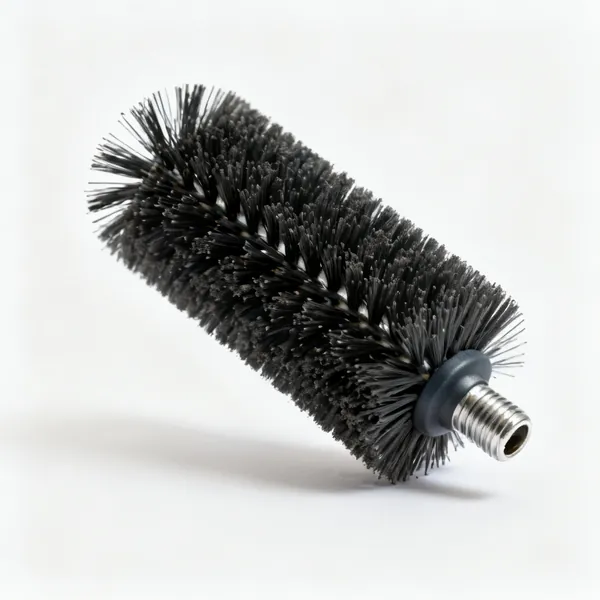
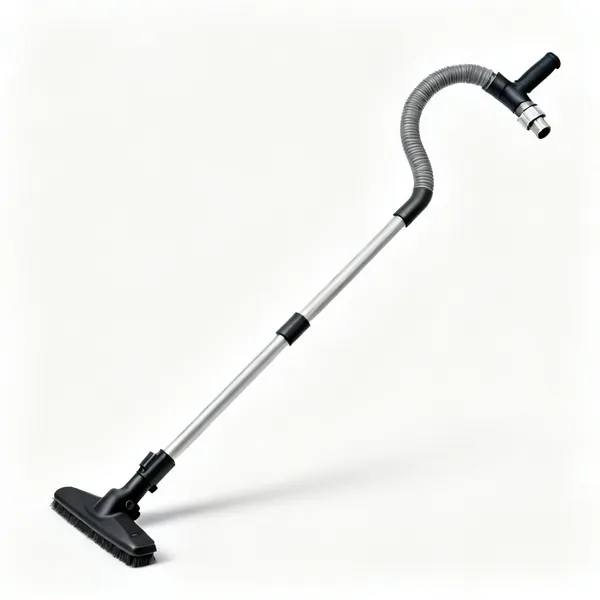
- A telescopic gutter pole with a scoop, tong or brush head reaches most single and two storey gutters. A gutter vacuum attachment on a wet and dry vacuum does the same job with suction. A camera head lets you see into the gutter without going up to it.
- How often should gutters be cleaned?
- Twice a year suits most houses: in late autumn once the leaves are down, and in spring after the winter. If yours need doing more often than that, there is usually one specific cause, most often a single overhanging tree, and pruning it fixes the problem permanently.
- How do I unblock a downpipe?
- First check whether water goes in at the top and comes out at the bottom, which tells you the blockage is in the pipe. Then work from the bottom upward with a drain auger or flexible rods, because gravity helps and the debris comes out where you can collect it.
- Is a gutter vacuum worth buying?
- For a large house, a lot of trees or anyone who should not be on a ladder, yes. It clears from the ground with suction rather than scraping, and with a camera head you can see what you are doing. It is the most expensive option here and it does not replace flushing afterwards.
- Can I rest my ladder on the gutter?
- No. Plastic gutter is not a structural member and it will crack or pull off its brackets, usually while you are on the ladder. Use a stand-off bracket, which holds the ladder away from the wall so the load goes into the brickwork and you are not leaning around the gutter.
- Do gutter guards actually work?
- They keep leaves out effectively and they do not keep fine silt, moss and grit out, so they change the job rather than removing it. You end up clearing the guard instead of the gutter, which is easier but still needs doing, and some types are awkward to lift and refit.