Working with metal roofing
Cut cold, never hot. Everything else follows from protecting the coating.
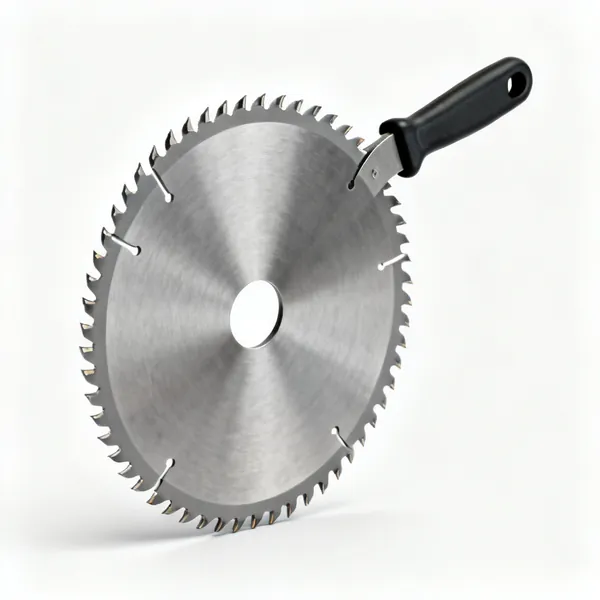
Never cut metal roofing with an abrasive disc
An angle grinder does three things to a coated steel sheet, all bad. It burns the coating either side of the cut, it throws hot swarf across the sheet where each particle burns into the finish, and it leaves a heat affected edge with no protection left on it.
Every one of those becomes a rust spot within a year or two, and they appear across the whole roof rather than just at the cut. Nibblers, snips and shears cut cold, and that is the entire reason they are used.
- Cold cutting only
- Nibbler, snips, shears or a fine tooth metal saw. All of them leave the coating intact.
- Hot swarf is the worse damage
- Sparks land across the whole sheet and each one burns a spot that rusts. Not just at the cut.
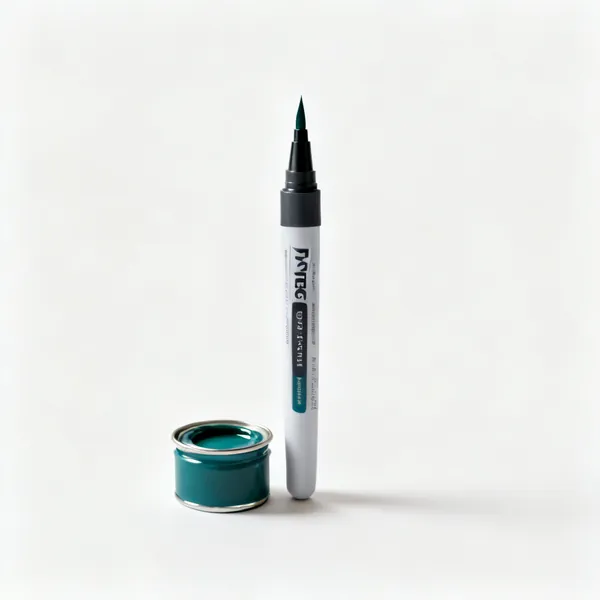
- Touch in every cut edge
- Even a cold cut exposes bare steel at the edge. Coating pen or paint, every time.
- Sweep the sheet down
- Steel filings left lying on a coated sheet rust and stain it permanently. Brush off before you leave.
Fixings and where they go
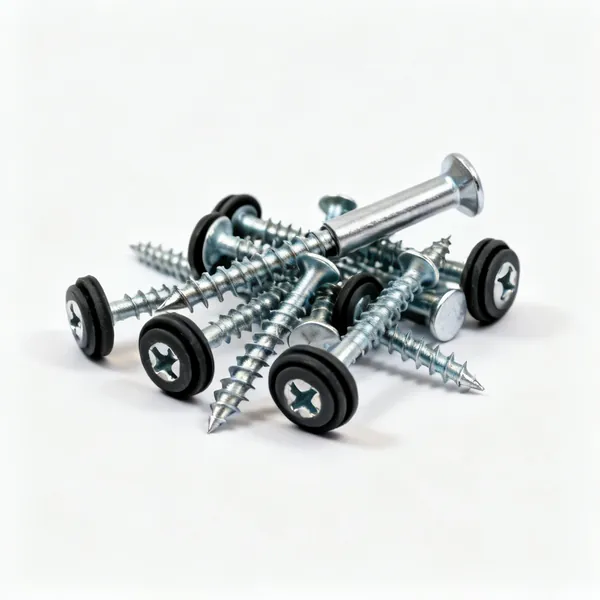
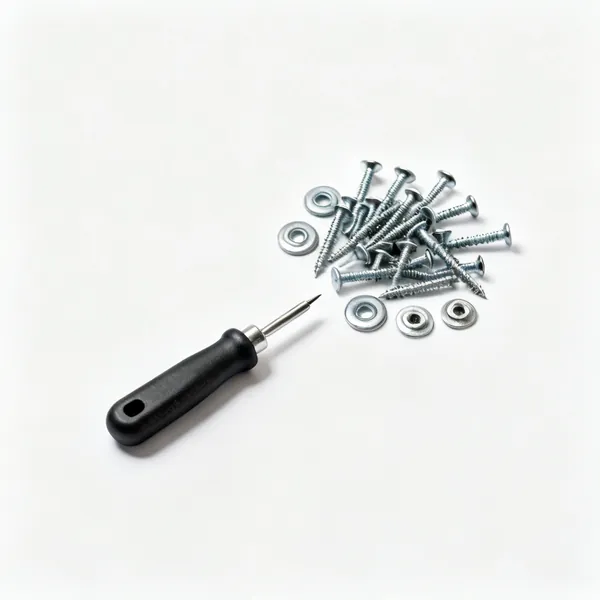
Profiled sheet is fixed with self drilling screws carrying a bonded EPDM washer. The washer must be compressed just enough to form a visible seal and no more: overtightened it extrudes out sideways and dimples the sheet, and both of those leak.
Position matters as much as torque. On most profiles the fixing goes through the crown rather than the valley, so water running in the valley never meets the fixing at all. Fixing through the valley is a common mistake that puts a hole at the lowest point.
- Crown, not valley
- On most profiles. A fixing in the valley sits where the water runs, which is exactly wrong.
- Washer just compressed
- A visible seal all round. Extruded sideways means overtightened, and it leaks and dimples.
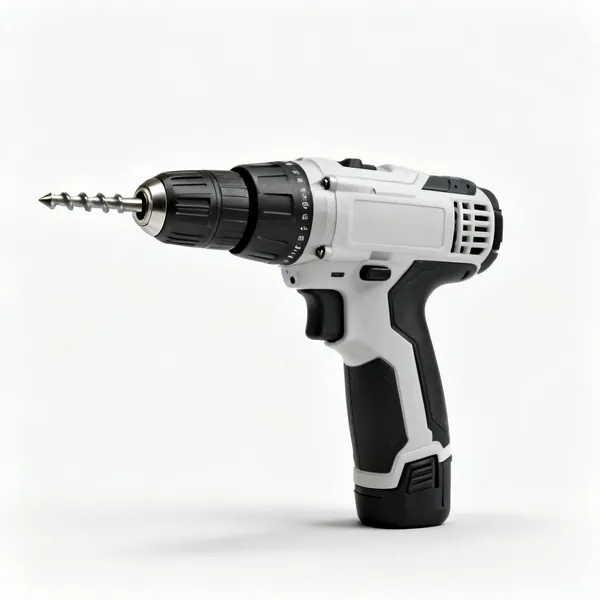
- A depth setting driver
- A clutch or nose stop repeats the correct compression across hundreds of screws. Feel does not.
- Stitch the side laps
- Short stitching screws between sheets at the lap, which is what stops them lifting and drumming in wind.
Folding and seaming fully supported metal
Zinc, copper and standing seam steel are not screwed through the face at all. They are held by concealed clips and joined by folding the sheet edges together, so the finished surface has no penetration in it.
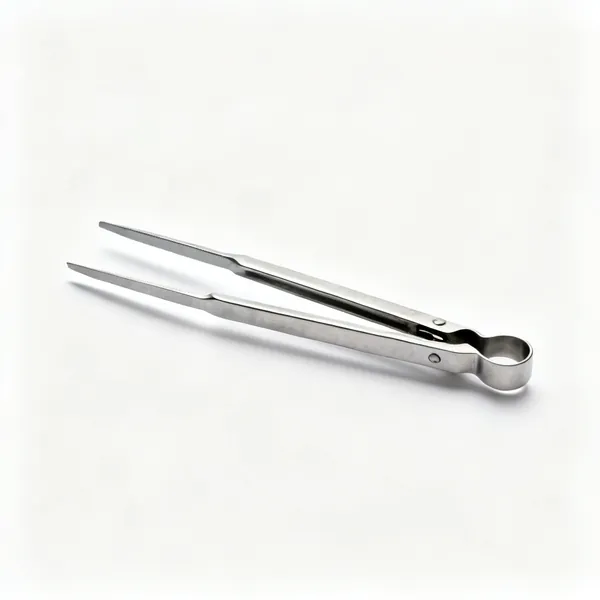
The tools are therefore hand seamers and folding tongs rather than drivers. A seam is closed in stages, usually a single fold then a double, and each stage is worked along the whole length before the next rather than finished at one point.
- No fixings through the surface
- Concealed clips take the sheet. That is the whole point of the system and why it lasts.
- Fold in stages
- Work the whole length to a single fold, then the whole length again for the double. Not point by point.
- Allow for movement
- Metal expands significantly over a long bay. Clips are designed to let it slide, and fixing it solid buckles it.
- Zinc needs warmth
- Below about 10 degrees zinc becomes brittle and cracks when folded. Warm it or wait.
Handling sheets without damaging them
A long profiled sheet is light, flexible and has edges sharp enough to open a hand to the bone. It is also a sail: a sheet caught by wind at eaves height takes an adult with it, which is a real cause of roofing accidents.
Carry sheets on edge rather than flat, two people to anything over about three metres, and never in wind. Set them down on battens rather than on grit, because a single stone under a sheet dents it permanently.
- Never in wind
- A sheet is a sail and it will take you off the roof. There is no technique that makes this safe.
- Carry on edge, two people
- Flat it flexes and catches the wind. On edge it is rigid, and over three metres it needs two.
- Set down on battens
- One stone under a sheet dents it permanently, and the dent is visible for the roof's whole life.
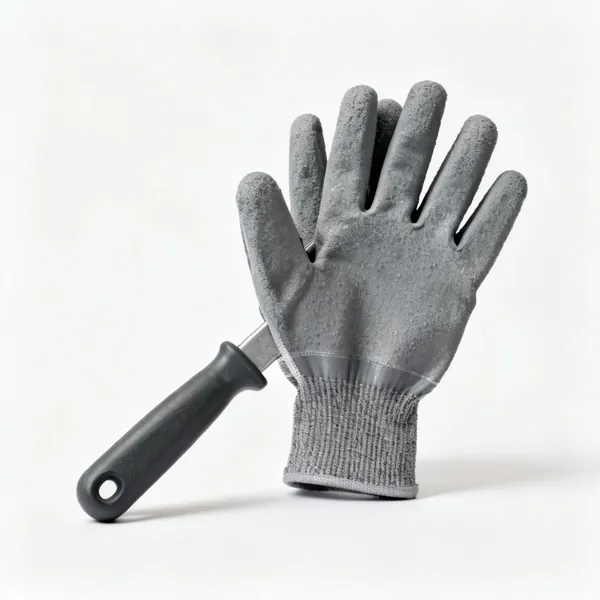
- The edges are the hazard
- A cut sheet edge is sharper than any tool here. Gloves are not optional on this material.
Metals that must not touch
Different metals in contact with moisture present set up a galvanic cell and the less noble one corrodes. Copper against zinc, copper against aluminium and copper against galvanised steel are all combinations that destroy the second metal, usually faster than anyone expects.
It also works at a distance: rainwater running off a copper roof onto zinc below will corrode the zinc. So the check is not only what touches, but what drains onto what.
- Copper kills zinc and aluminium
- In contact or by run off. Copper above either of them is a design fault, not a detail.
- Match the fixings
- Stainless with most, and never plain steel or copper fixings into aluminium or zinc.
- Check the run off path
- Not just contact. Water off one metal onto another carries the reaction downstream.
- Separate with a membrane
- Where two metals must meet, an inert separating layer is what stops the cell forming.
Frequently asked questions
- What tools do I need for metal roofing?
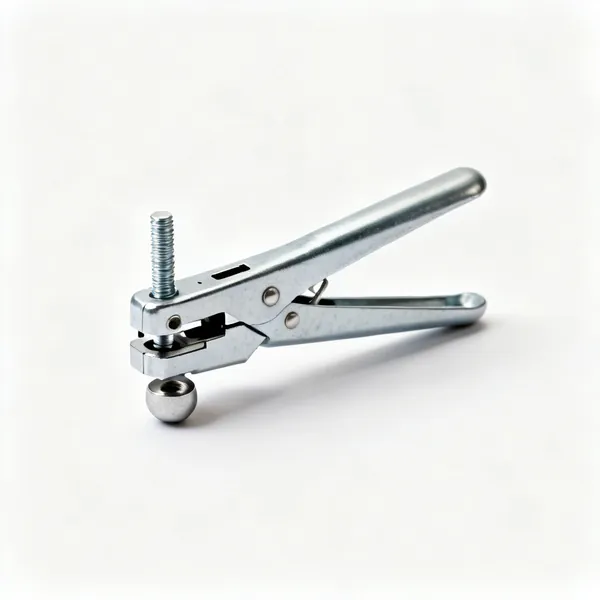
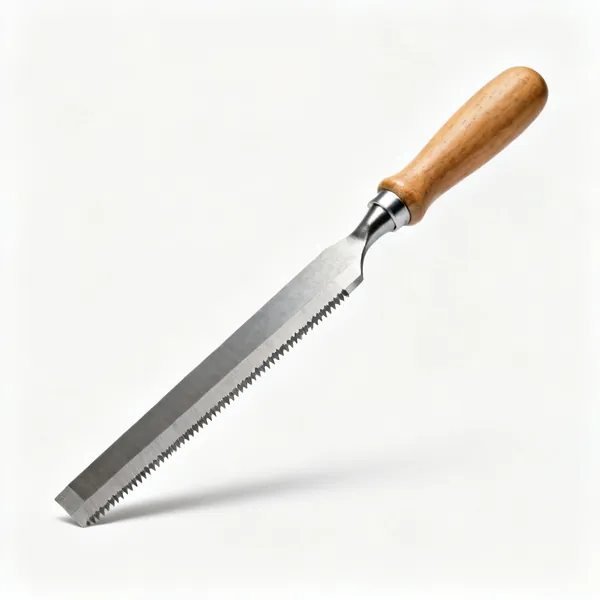
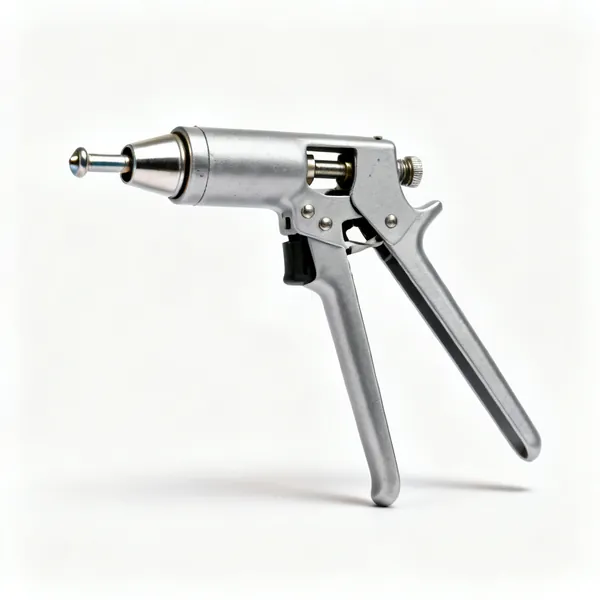
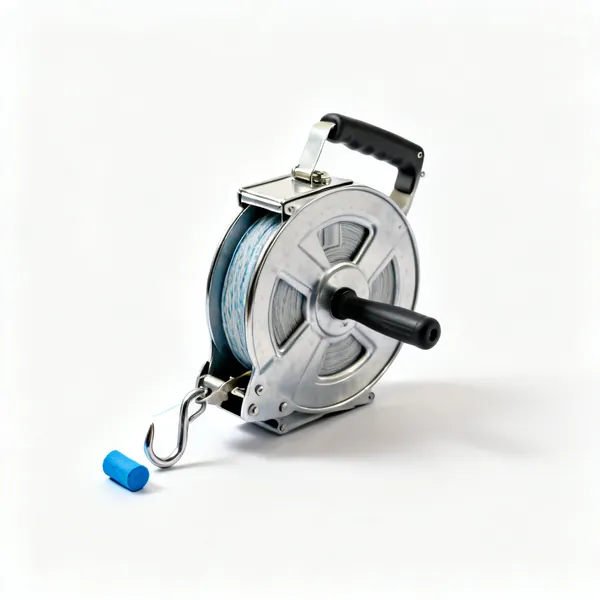
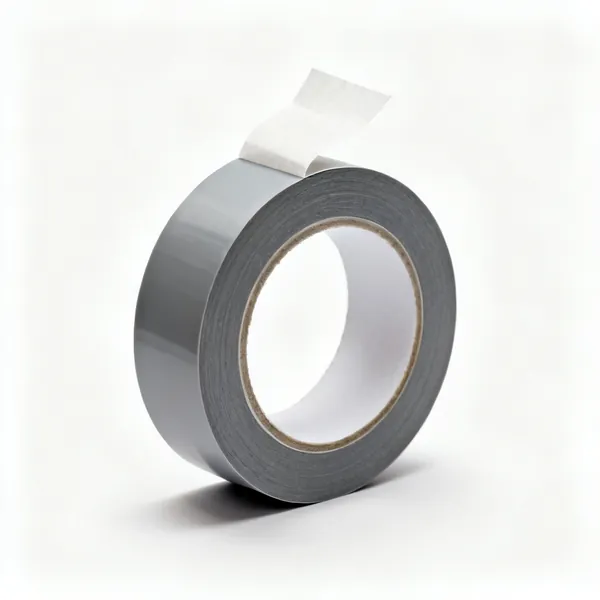
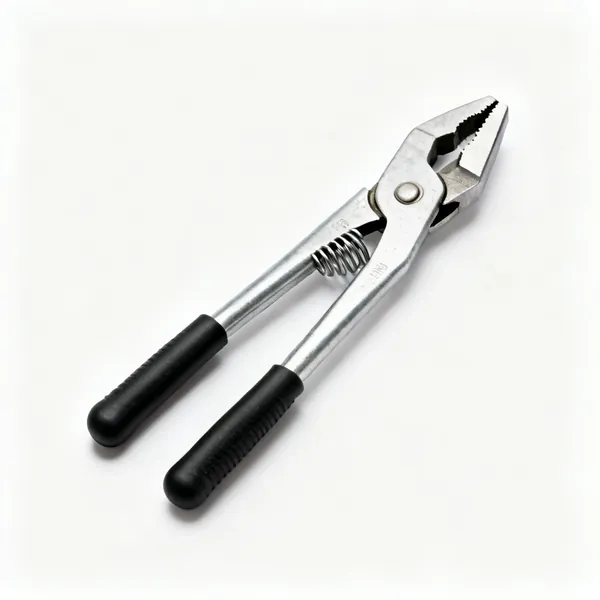
- For profiled sheet: aviation snips, a nibbler or shears, a self drilling screw driver with depth control, a hand seamer, a rivet gun, a tape and chalk line, and touch up paint. For standing seam and zinc, add folding tongs, seaming tools and a bending brake.
- Can I cut metal roofing with an angle grinder?
- No, and it is the most damaging mistake in metal roofing. It burns the coating either side of the cut, and it throws hot swarf across the whole sheet where each particle burns a spot that then rusts. Use a nibbler, shears or snips, which cut cold.
- What is the best tool for cutting metal roofing sheet?
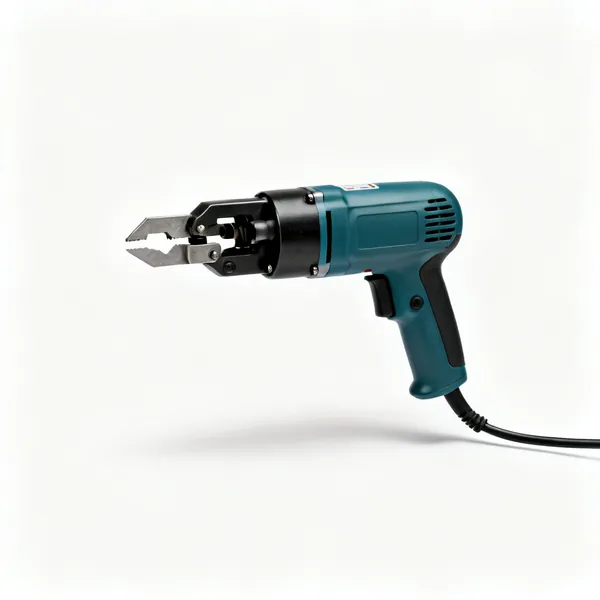
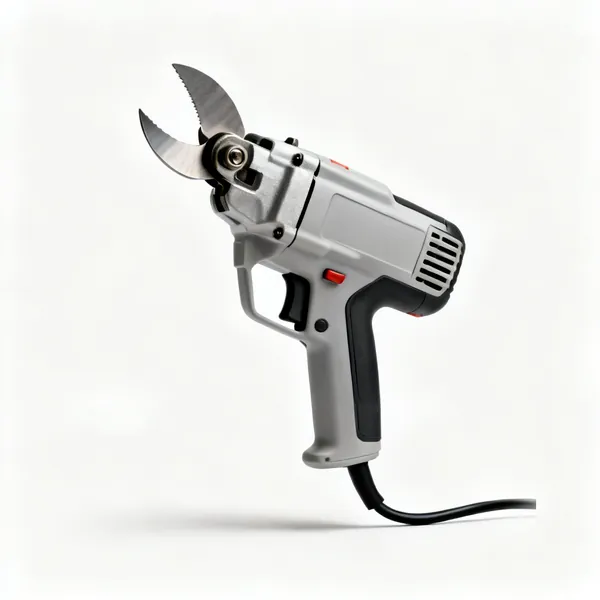
- A nibbler for long cuts and curves, because it punches out a slot at a time and leaves the sheet undistorted and the coating intact. Aviation snips for short cuts and notches. Powered shears for straight cuts in volume. All cut cold, which is what matters.
- Where do the fixings go on a profiled sheet?
- Through the crown of the profile on most systems, not the valley, so water running down the valley never reaches the fixing. Fixing through the valley puts a hole at the lowest point of the sheet, which is a common mistake and a direct cause of leaks.
- How tight should roofing screws be?
- Just enough that the bonded washer is visibly compressed all the way round and no more. Overtightened, the washer extrudes out sideways and the sheet dimples, and both of those leak. A driver with a depth stop or clutch repeats it reliably across hundreds of screws.
- What is a hand seamer used for?
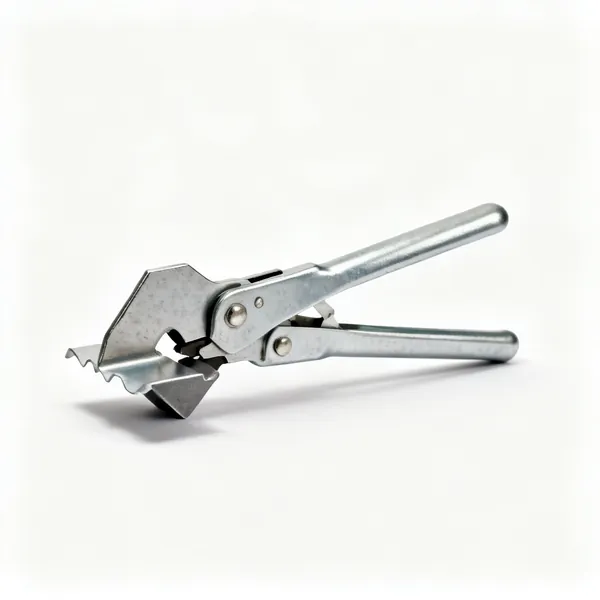
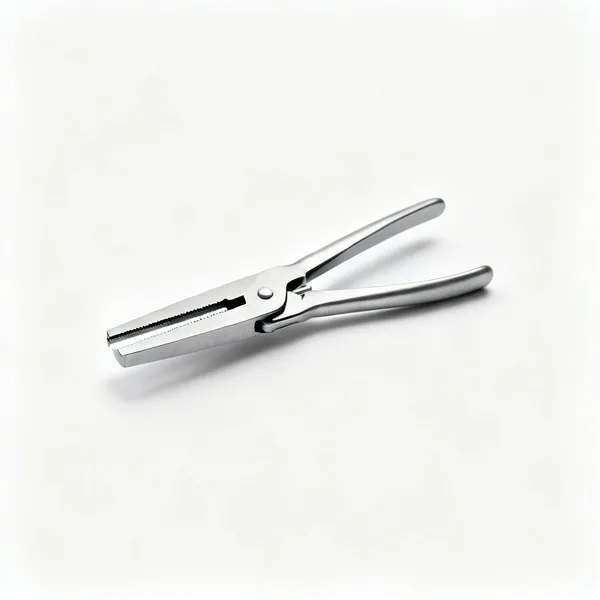
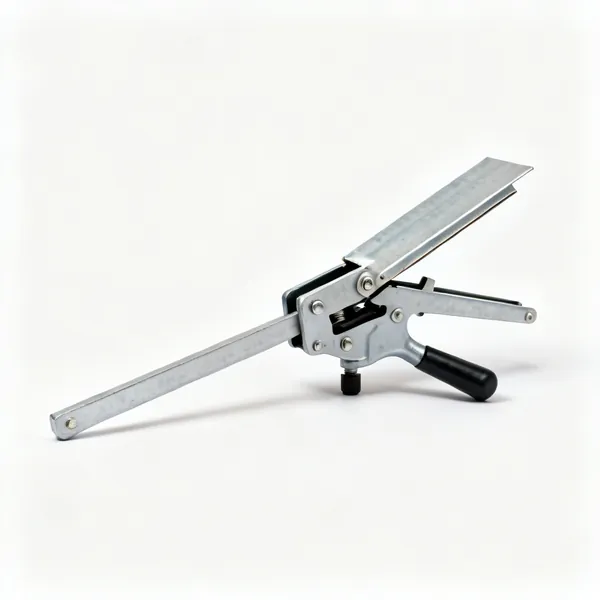
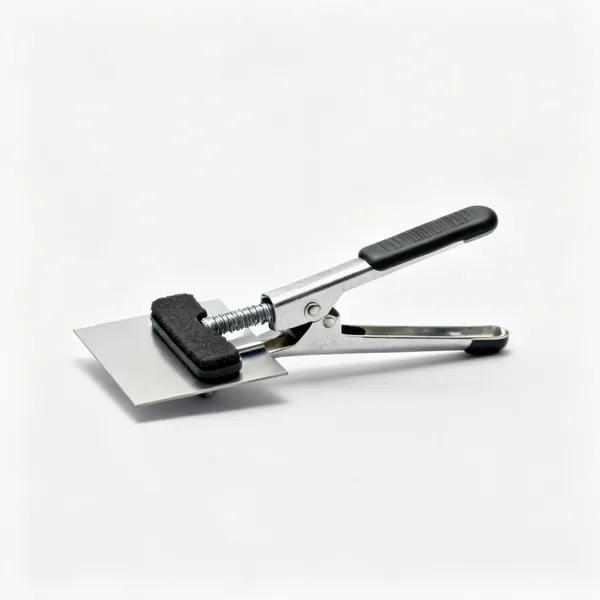
- Folding and flattening a sheet edge by hand, either to form a stiffened edge or to close a seam. Its wide flat jaws grip the full width of the fold at once, which is what makes the bend straight rather than a series of local kinks.
- Why should copper never touch zinc?
- Because with moisture present they form a galvanic cell and the zinc corrodes rapidly. It also works at a distance, so rainwater running off a copper roof onto zinc below will corrode it. The check is what drains onto what, not only what touches.
- Can I fold zinc in cold weather?
- Below about 10 degrees zinc becomes brittle and cracks when folded, sometimes in a way that only appears later. Warm the sheet or wait for a milder day. This is the reason zinc work is often scheduled around the weather rather than the programme.