The hierarchy of fall protection
Avoid working at height, then prevent the fall, then reduce its consequences. In that order, every time.
Avoid, prevent, mitigate
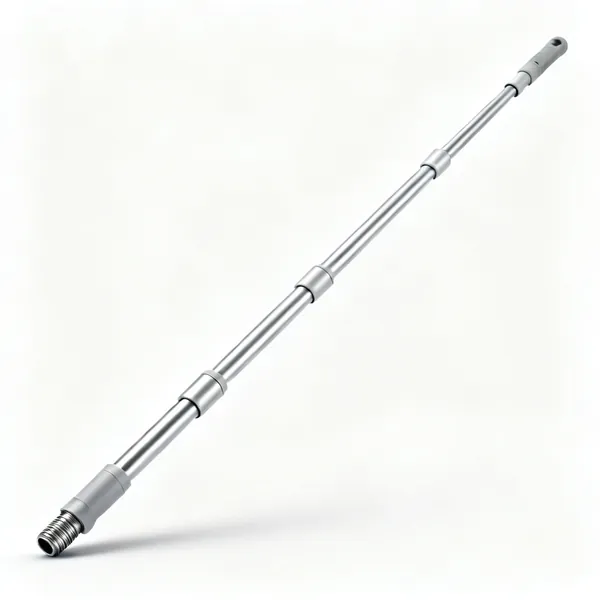
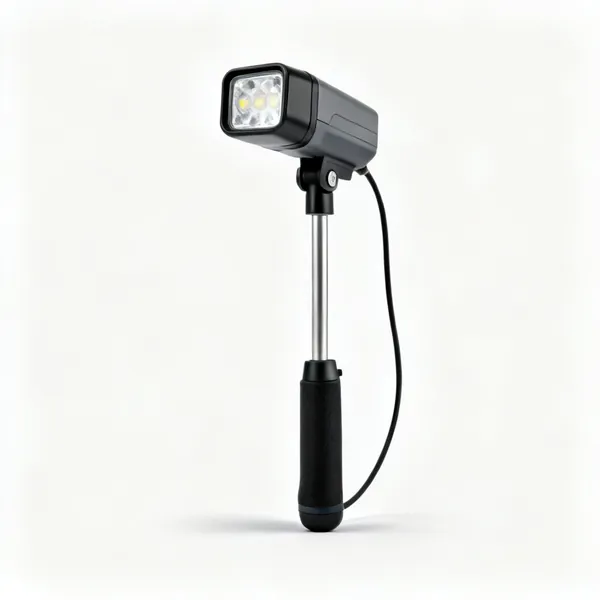
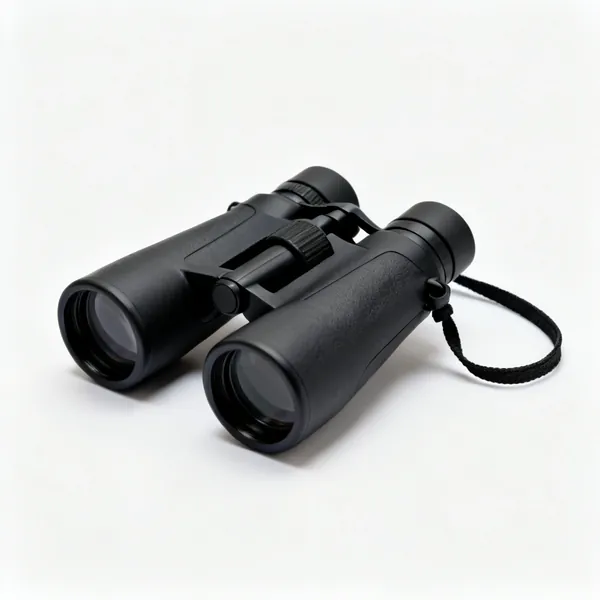
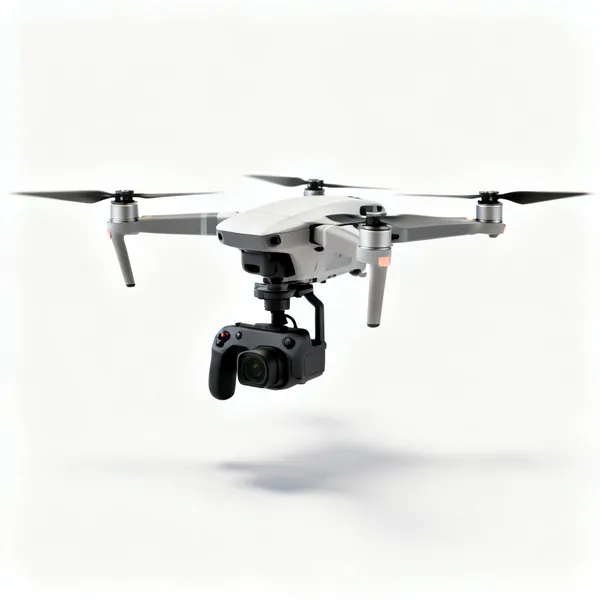
The legal and practical order is always the same. First, can the work be done without going onto the roof at all? A telescopic pole, a camera on a pole or a drone survey often answers a question that would otherwise mean climbing.
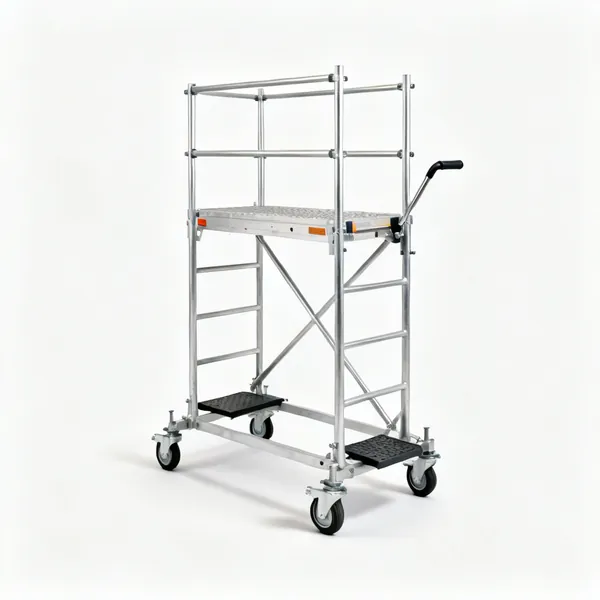
Second, if you must go up, can the fall be prevented rather than survived? Edge protection, a tower, a properly guarded platform. Third, and only third, if a fall remains possible, reduce its consequences with a harness and a fall arrest system. Most domestic roof accidents involve someone jumping to step three.
- Avoid
- Pole tools, cameras, drones, or doing the work from inside. The safest roof work is none.
- Prevent
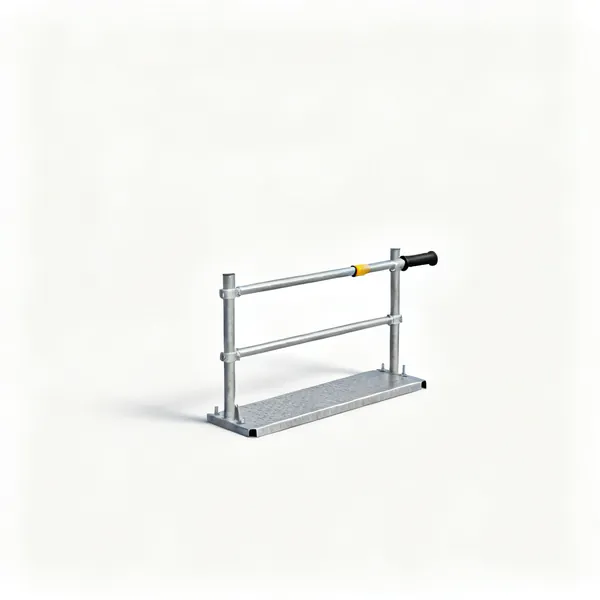
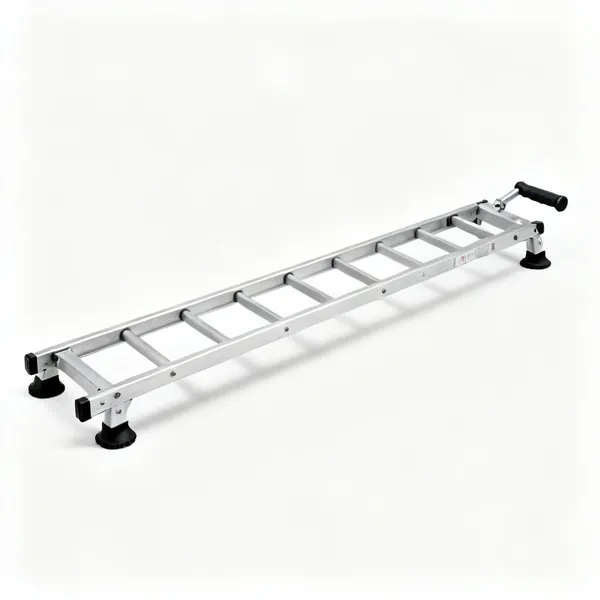
- Edge protection, towers, guarded platforms, crawl boards. Nobody falls, so nothing has to arrest them.
- Mitigate
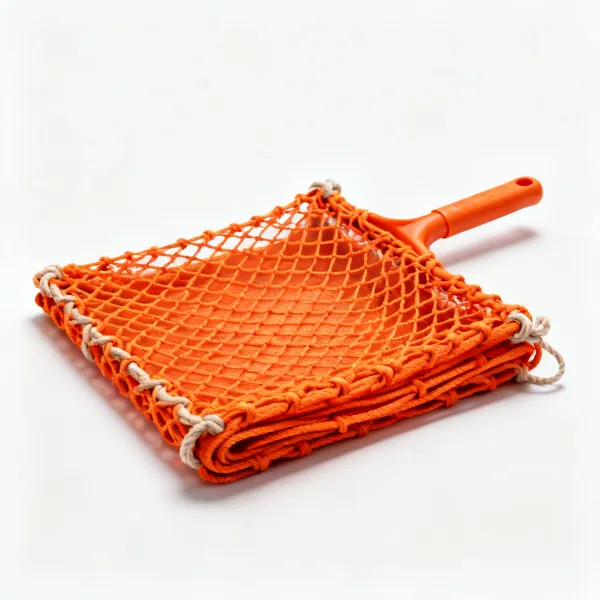
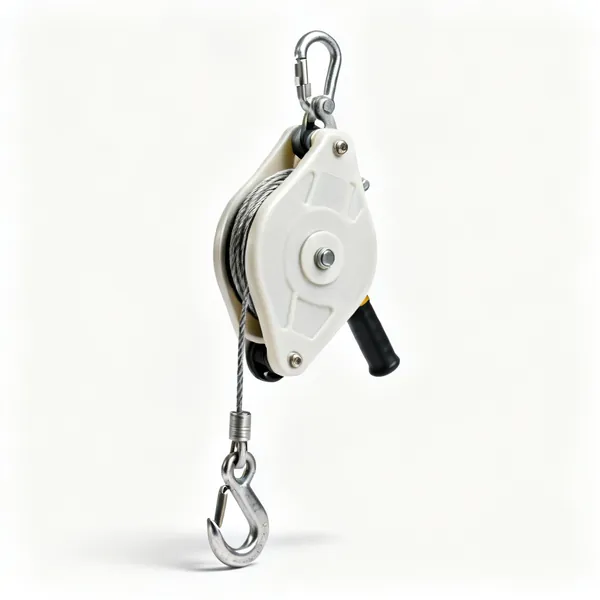
- Harness, lanyard, anchor, airbags, nets. The fall happens and is survived. Last resort, not first.
- Collective before personal
- Protection that works for everyone on site beats equipment each person must fit correctly.
Fragile surfaces kill people
Roof lights, old asbestos cement sheets, corroded metal and fibre cement all look walkable and are not. A significant proportion of roof fatalities are falls through a surface rather than off an edge, and roof lights are often painted over or covered in moss so they are not obvious.
The rule is to treat any sheeted roof as fragile unless it has been confirmed otherwise, and to work from crawl boards or staging that spans the purlins rather than standing on the sheets at all.
- Assume fragile
- Any sheeted or lightweight roof, until confirmed otherwise. Age alone makes a sheet unreliable.
- Roof lights are invisible
- Painted, mossy or dirty ones look identical to the sheet around them. Locate them from inside first.
- Span the purlins
- Crawl boards or staging carry your weight to the structure. Standing on a sheet is trusting the sheet.
- Cover or fence openings
- A roof light either gets a load bearing cover or a fence around it, before work starts.
Ladders are access, not a workplace
A ladder is for getting to a working position, not for working from for any length of time. Regulations permit short duration low risk work from a ladder, and gutter cleaning at a stretch with a tool in one hand is not really either of those things.
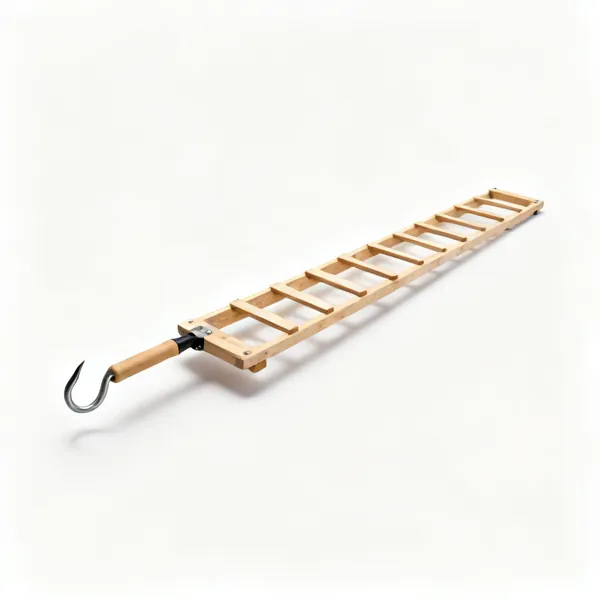
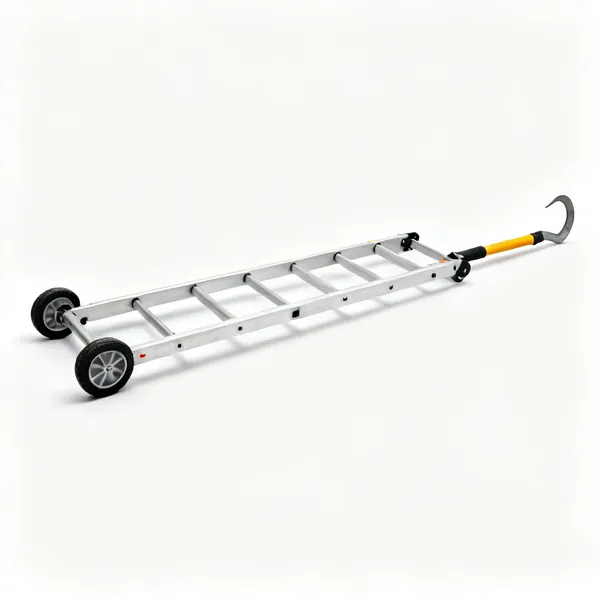
A ladder should be at one out to four up, footed on level ground, secured at the top or footed by someone, and never leaned on a gutter. A roof ladder with a ridge hook is the correct way to get onto a pitched roof, and it takes two people to place safely.
- Access, not a platform
- Short duration work only. If it takes more than a few minutes, use a tower.
- One out to four up
- About 75 degrees, level feet, secured at the top or footed. All four, not whichever is convenient.
- Never on the gutter
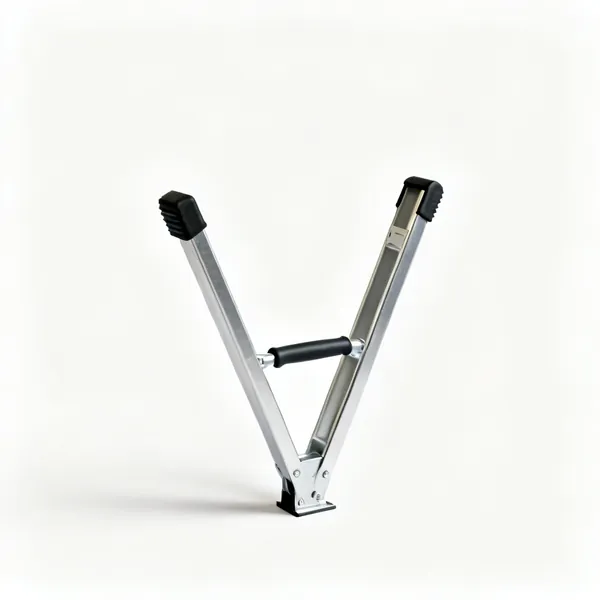
- A stand-off transfers the load to the wall. Plastic gutter is not a structural member.
- Roof ladder for the slope
- Ridge hook over the ridge, wheels to run it up. A two person job to place, every time.
If you use a harness, use it properly
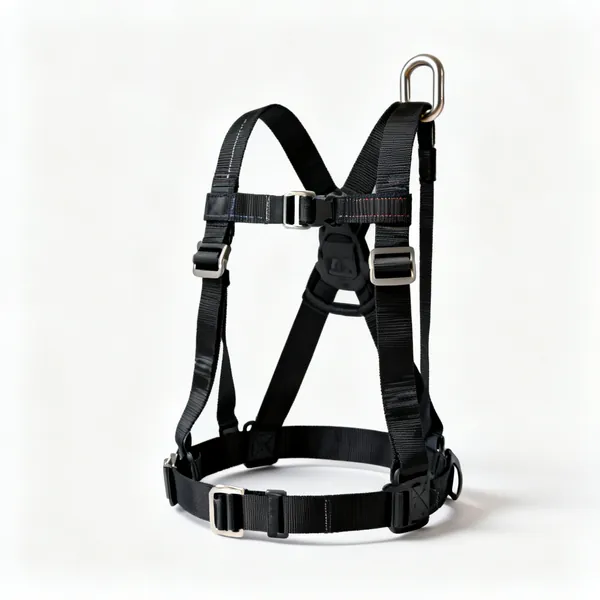
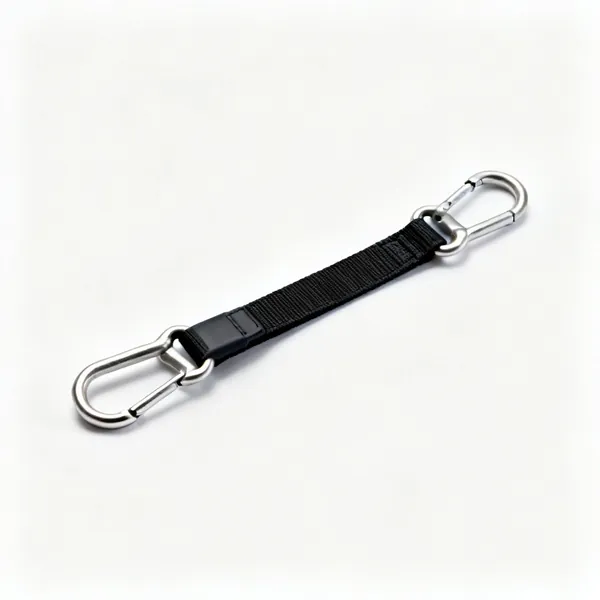
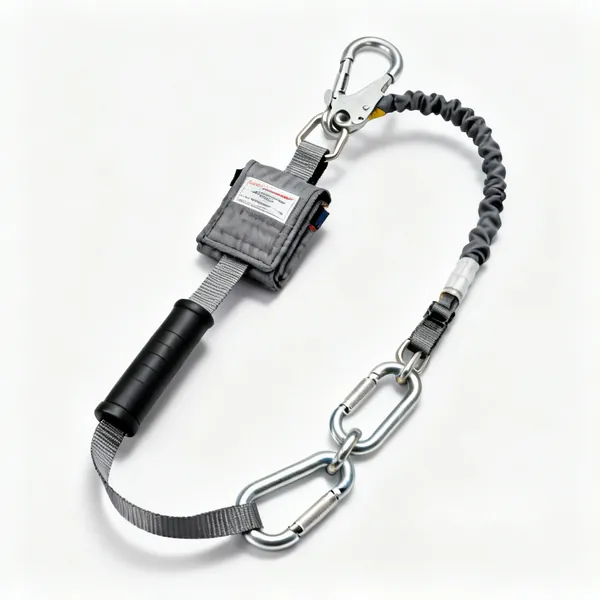
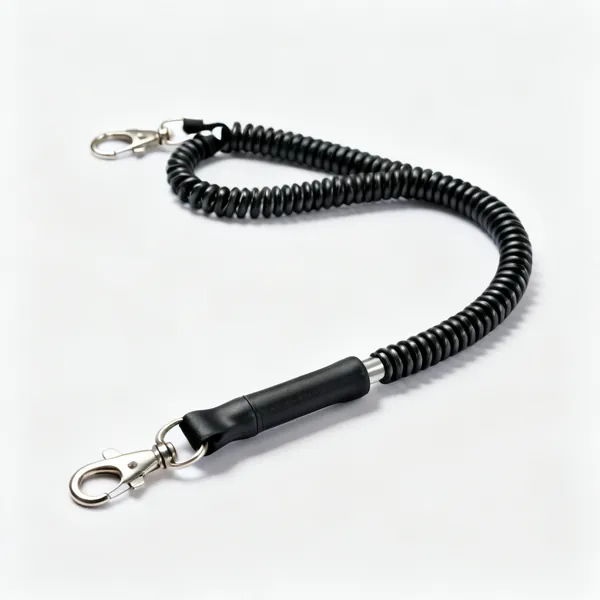
A harness on its own does nothing. It needs an anchor rated for fall arrest, a lanyard short enough that you cannot reach the edge or a shock absorbing one that limits the arrest force, and enough clearance below for the system to deploy before you reach the ground.
That last point is the one that catches people out. A shock absorbing lanyard needs several metres of clear fall below the anchor to work as designed. On a two storey domestic roof there is often not enough, which means restraint rather than arrest is the correct system.
- Restraint beats arrest
- A lanyard short enough that you cannot reach the edge means the fall never happens.
- Check the clearance
- A shock absorbing lanyard needs several metres below the anchor. Domestic eaves often do not have it.
- The anchor is the system
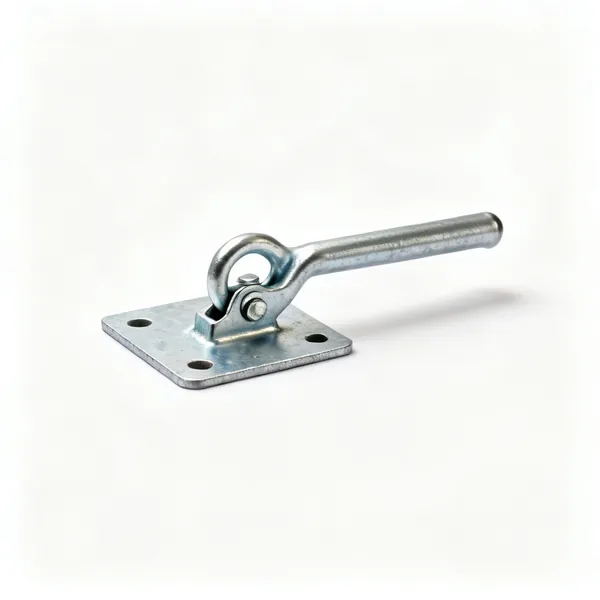
- Rated, installed and inspected. A harness clipped to a chimney or a vent pipe is not protection.
- Never work alone in a harness
- Suspension trauma is a real risk within minutes. Somebody has to be able to get you down.
- Inspect before every use
- Webbing, stitching, buckles, the lanyard and the indicator. A harness that has arrested one fall is scrap.
When to employ someone instead
Worth saying plainly. Above two storeys, on a steep pitch, on a fragile roof, in wind, or where the work needs both hands and more than a few minutes, the honest answer for most people is a scaffold or a roofing contractor.
The equipment on this page can make roof work safe, and only if it is correctly specified, correctly installed and correctly used, and knowing whether that is the case is itself a skill. Buying a harness does not transfer that skill.
- Above two storeys
- Scaffold or a contractor. The fall distance changes the outcome, not the difficulty of the work.
- Wind
- Sheet material becomes a sail and you become unstable. There is no equipment answer to working in wind.
- Wet, mossy or frosty
- Tiles and sheets become genuinely slippery. This is when experienced roofers come down.
- Equipment is not competence
- Correct specification, installation and use. Owning the kit is the smallest part of it.
Frequently asked questions
- What safety equipment do roofers need?
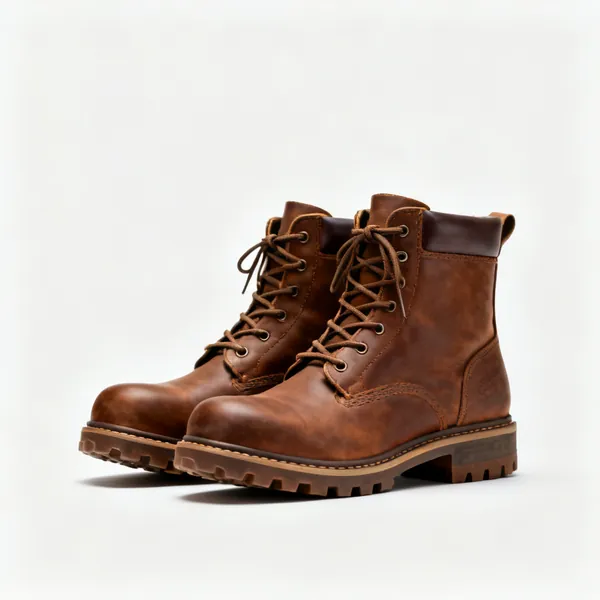
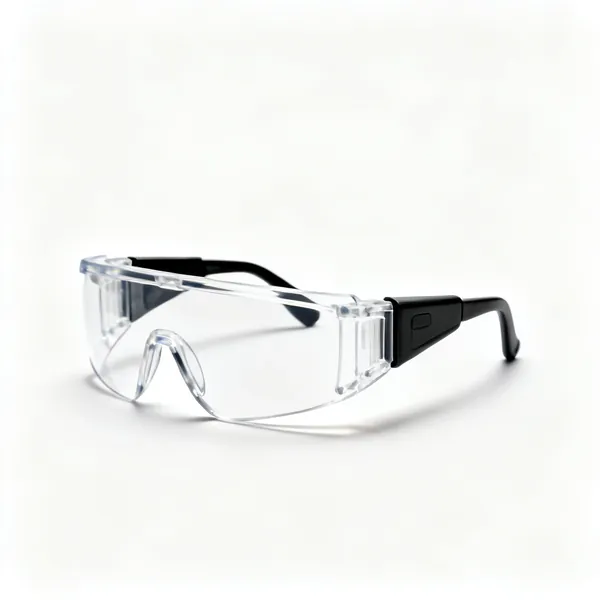
- In hierarchy order: means of avoiding roof access at all, then collective prevention such as edge protection, towers and crawl boards, then personal fall protection meaning a harness, a rated anchor and a lanyard. Plus a helmet, footwear with grip and eye protection.
- Do I need a harness to work on a roof?
- Only if a fall remains possible after you have exhausted the options above it. Edge protection or a tower prevents the fall entirely, which is better than surviving one. A harness is the last level of the hierarchy, not the first thing to buy.
- What is the difference between fall restraint and fall arrest?
- Restraint uses a lanyard short enough that you physically cannot reach the edge, so no fall occurs. Arrest allows the fall and stops it, which needs a shock absorber and several metres of clearance below the anchor. Restraint is preferable wherever it is workable.
- How high can I work from a ladder?
- The question is not height but duration and risk. A ladder is access equipment, suitable for short duration low risk work only. Anything taking more than a few minutes, or needing both hands, or involving reaching, needs a tower or a platform instead.
- What is a crawl board for?
- Spreading your weight across the roof structure rather than onto the covering. On a fragile or sheeted roof it carries the load to the purlins, so you are never standing on a sheet. On tiles it prevents breakage and gives grip on a slope.
- Are roof lights dangerous to walk on?
- Extremely, and they are frequently invisible. Age, paint, dirt and moss make a roof light look identical to the sheet around it, and falls through them are a significant share of roof fatalities. Locate them from inside first, then cover or fence them before work begins.
- Can I anchor a harness to a chimney?
- No, not unless it has been specifically assessed and it is almost never suitable. A fall arrest anchor must be rated, correctly installed and inspected, because arresting a fall generates forces far higher than a person's weight. An unrated anchor is not protection.
- When should I get a scaffold instead?
- Above two storeys, on a steep pitch, on a fragile roof, for anything lasting more than a short visit, or where the work needs both hands. Scaffold or a tower prevents the fall rather than arresting it, which puts it higher in the hierarchy as well as being easier to work from.