Choosing chimney sweeping tools
The list above is what exists. This is how to decide which of it you actually need, what separates a tool worth keeping from one that ends up at the back of a drawer.
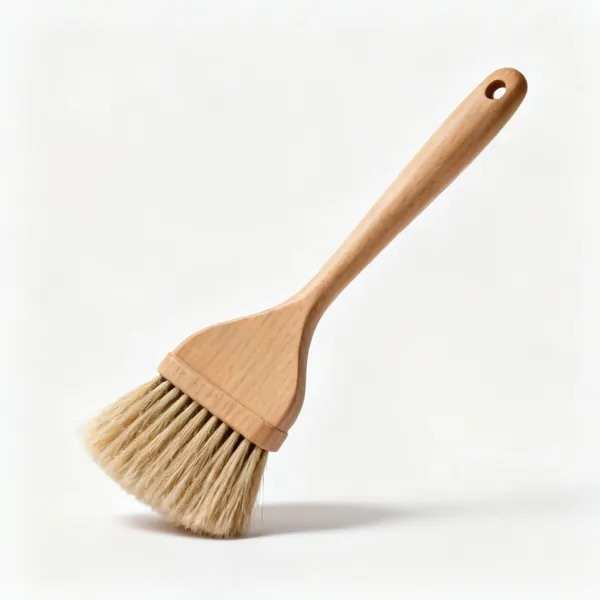
Match the brush to the flue
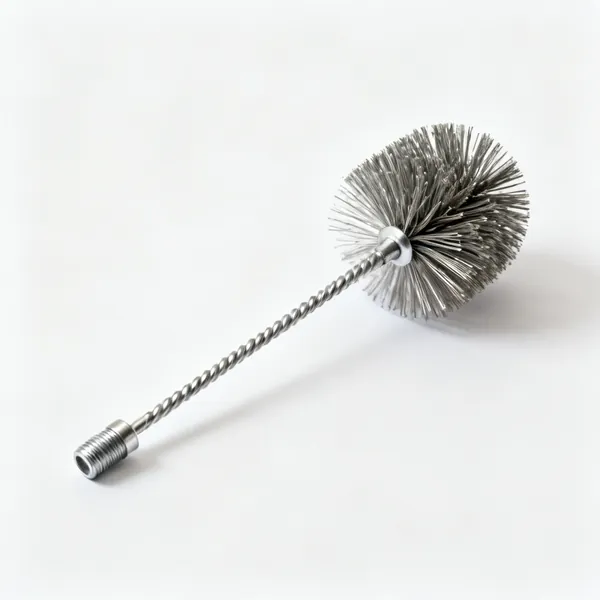
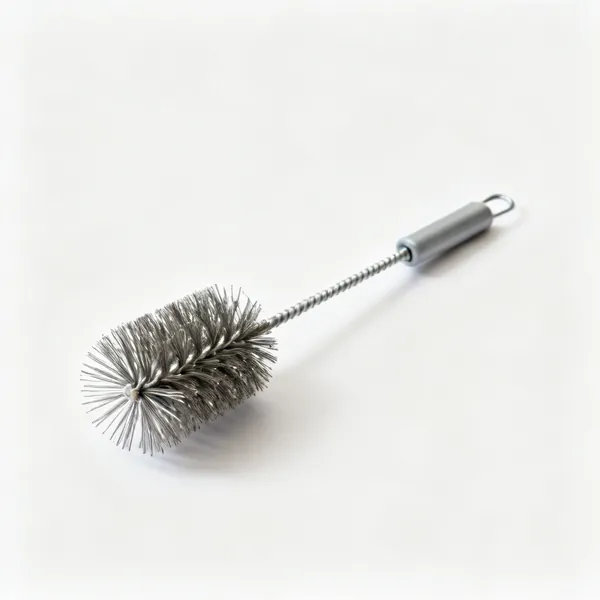
A traditional masonry flue takes a stiff steel or polypropylene brush. A stainless steel flexible liner does not: a steel brush abrades the thin liner wall and can perforate it, which then leaks combustion gases into the building.
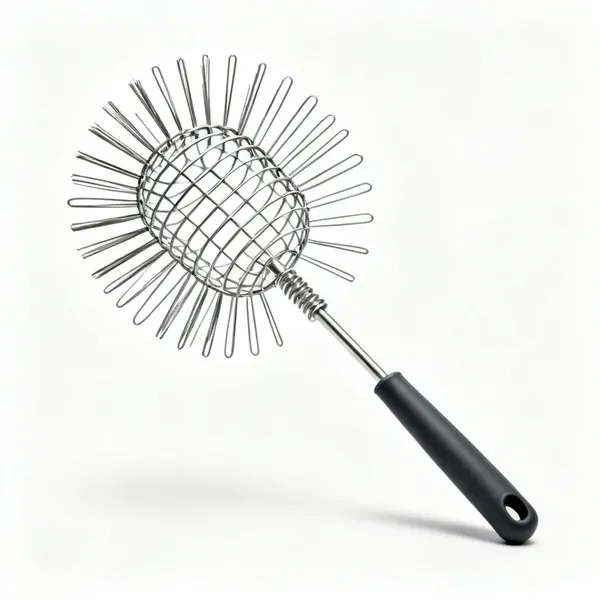
Liners take a soft polypropylene brush or power sweeping with a nylon whip. Clay lined and pumice flues sit in between and generally take polypropylene. If you do not know what the flue is, find out before pushing anything up it.
- Masonry takes steel
- A traditional brick or stone flue is robust enough for a stiff steel brush.
- Flexible liners take polypropylene
- Steel abrades and can perforate a thin stainless liner. This one is expensive.
- Power sweeping for liners
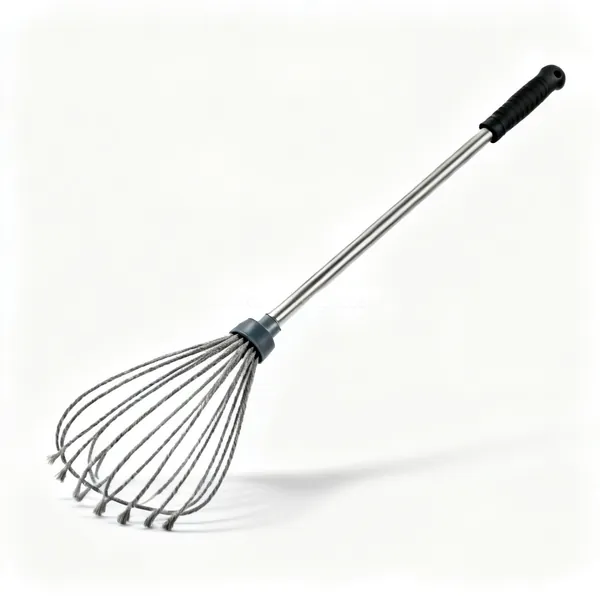
- A nylon whip on a rotary rod cleans thoroughly without abrading the wall.
- Identify the flue first
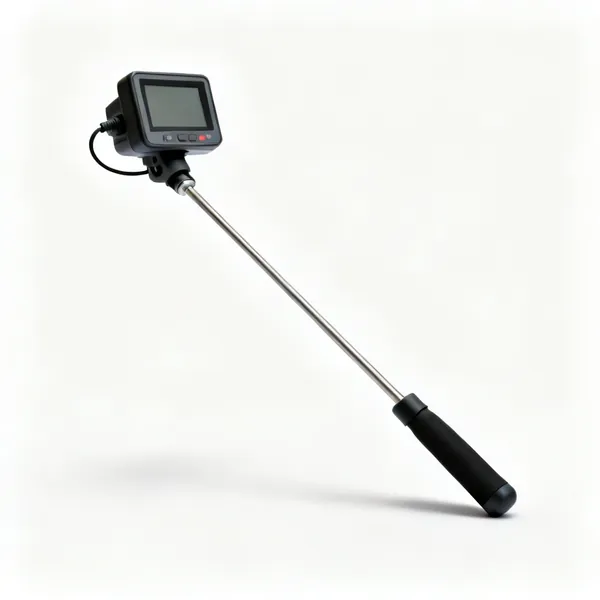
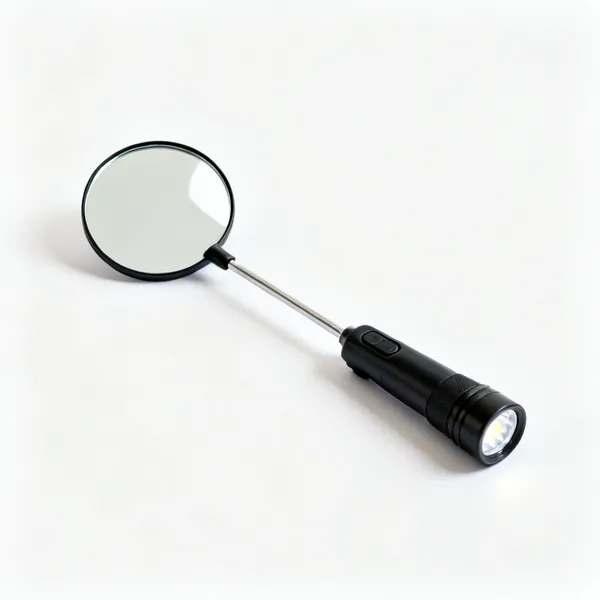
- Look at the appliance install paperwork or up the flue with a mirror and a light.
Brush size and rod direction
The brush should be the flue size or slightly larger so the bristles are in contact all round. Too small and it passes soot without disturbing it; far too large and it can jam, which is how brushes get left in chimneys.
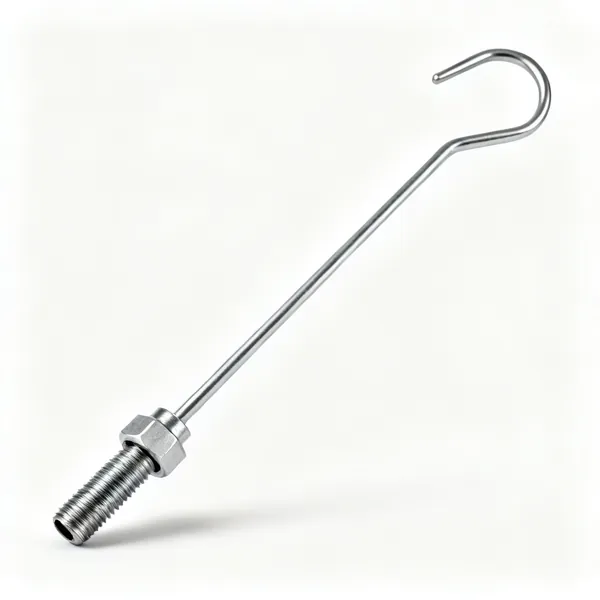
Rods are screwed together and must only be turned clockwise while in the flue. Turning anticlockwise unscrews a joint, and the brush plus the rods above it stay up there, which turns a morning's job into a serious problem.
- Flue size or slightly larger
- Bristles in contact all round. Undersize passes soot without moving it.
- Clockwise only
- Anticlockwise unscrews a joint and leaves the brush in the flue. This is the rule.
- Do not force a jam
- Back off and reassess. Forcing a jammed brush is how it stays there permanently.
- Count the rods
- So you know how far up you are and whether you reached the top.
Keeping the soot in the chimney
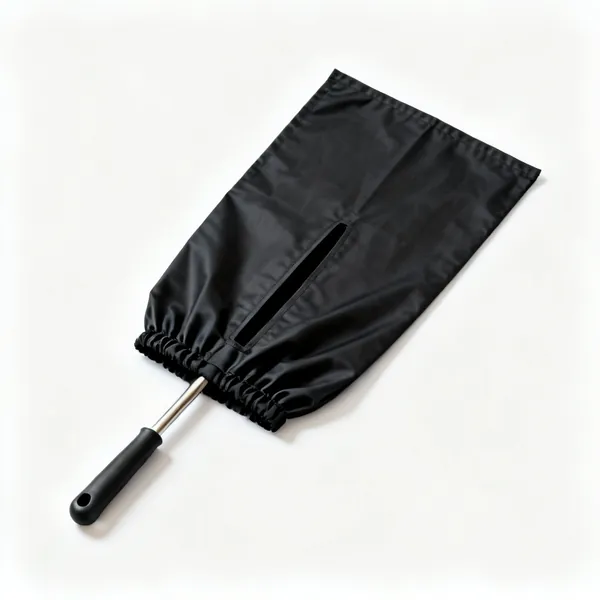
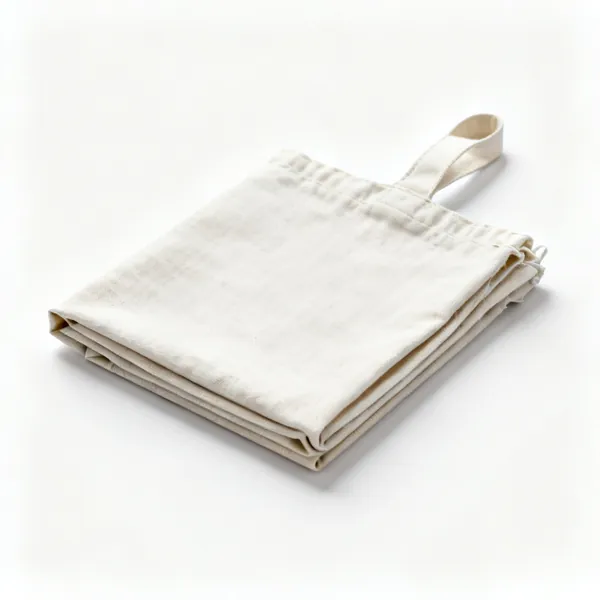
Soot is fine, black, greasy and it goes everywhere. A sweeping sheet sealed across the fireplace opening with the rods passing through a slit is what makes the difference between a clean job and redecorating.
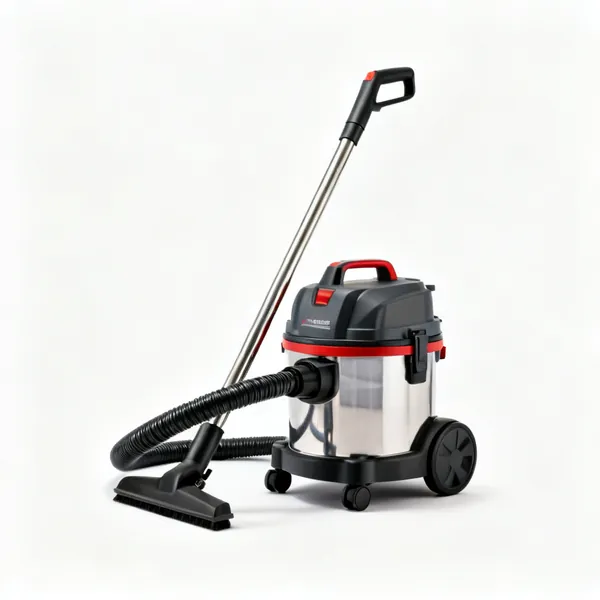
A vacuum is part of that rather than an afterthought. It has to be one rated for fine dust, because a domestic vacuum passes soot straight through the motor and blows it back into the room as a cloud.
- Seal the opening
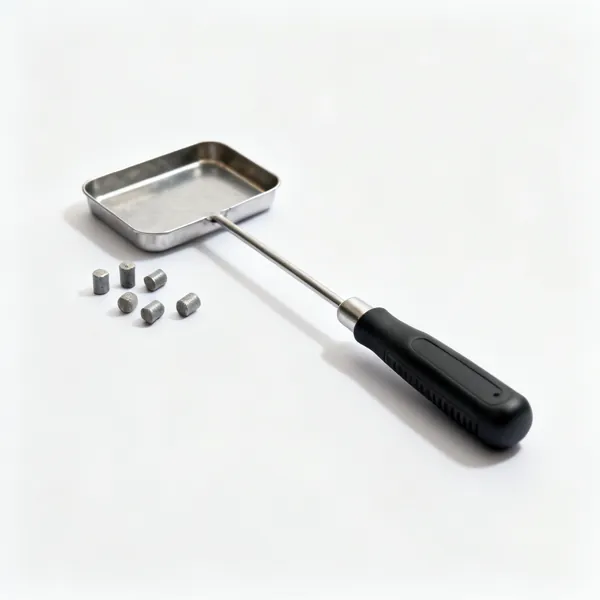
- A sheet across the fireplace with a rod slit. Not a dust sheet on the hearth.
- M class vacuum
- A domestic vacuum passes soot through the motor and blows it back into the room.
- Cover the room, not the hearth
- Soot travels further than seems possible. Furniture and floor, not just in front.
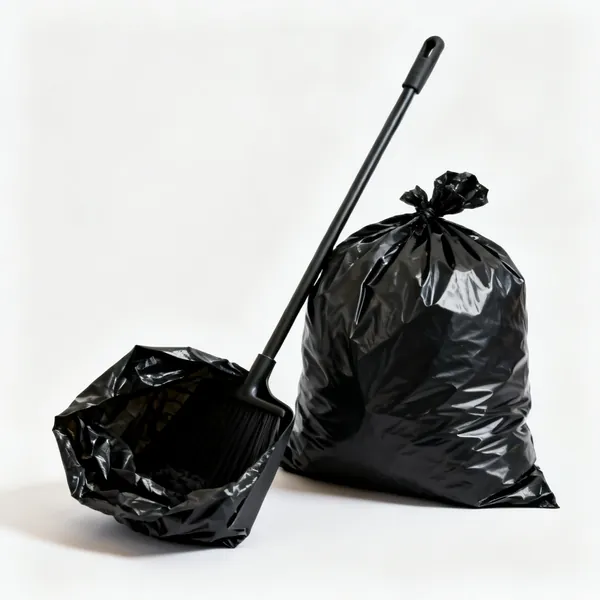
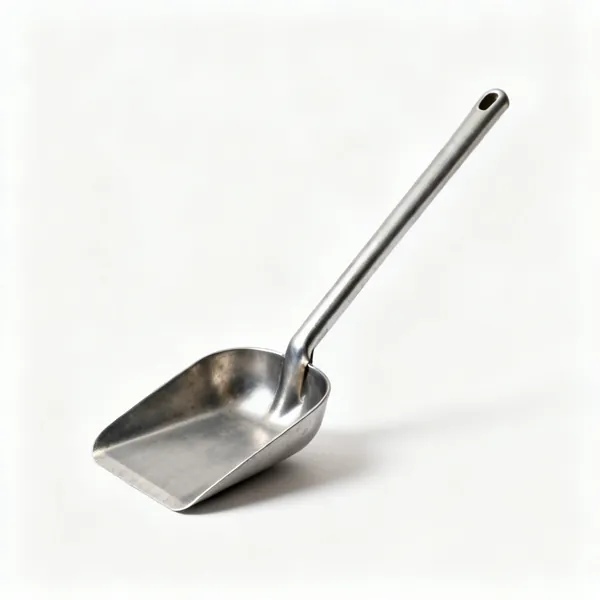
- Bag it inside the fireplace
- Soot bagged where it fell rather than carried across a carpet in a shovel.
How often, and what the certificate is for
Wood and solid fuel generally need sweeping at least once a year and often twice for heavy use, because creosote builds fast. Gas and oil flues need checking annually by a competent person even though they produce little soot.
The certificate matters because most home insurance requires evidence of regular sweeping to pay out on a chimney fire, and because a sweep inspects the flue while they are there. Finding a cracked liner or a bird's nest is arguably worth more than the sweeping.
- At least annually
- Twice a year for heavy wood or solid fuel use. Creosote accumulates faster than soot.
- Insurance wants the certificate
- Most policies require evidence of sweeping to pay out on a chimney fire.
- The inspection is the value
- A cracked liner, a nest or a missing pot found before it matters.
- Season matters
- Before the heating season, and after a summer when birds have had access.
Carbon monoxide and what a blocked flue does
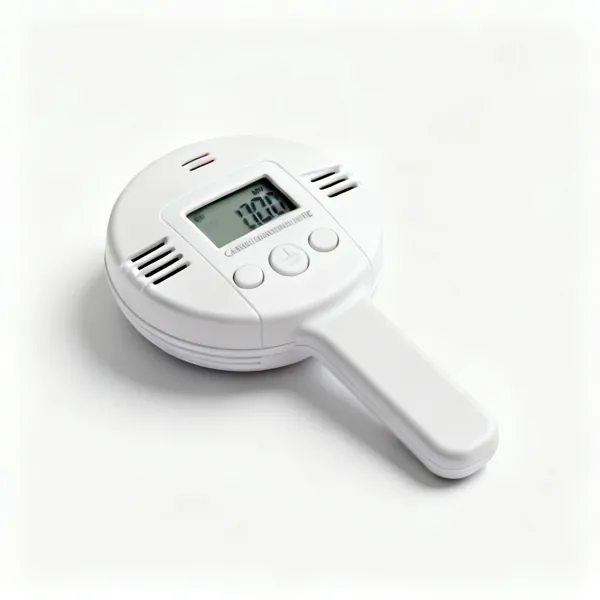
A blocked or damaged flue spills combustion gases into the room, and carbon monoxide is odourless and kills without warning. A CO alarm in the room with the appliance is a legal requirement in new installations and a sensible one everywhere.
Wet or unseasoned wood is the other cause of rapid creosote build up. It burns cool, deposits tar in the flue, and that tar is what a chimney fire actually burns. Dry fuel sweeps less often and burns hotter for the same wood.
- CO alarm in the room
- Odourless and it kills without warning. Required in new installs, sensible everywhere.
- Burn dry fuel
- Wet wood burns cool and deposits tar, which is what a chimney fire burns.
- Smoke test after sweeping
- Confirms the flue draws and is not leaking into the building. A quick check.
- Stop using a suspect flue
- A flue that spills smoke into the room is not a nuisance, it is a hazard.
Frequently asked questions
- What tools do I need to sweep a chimney?
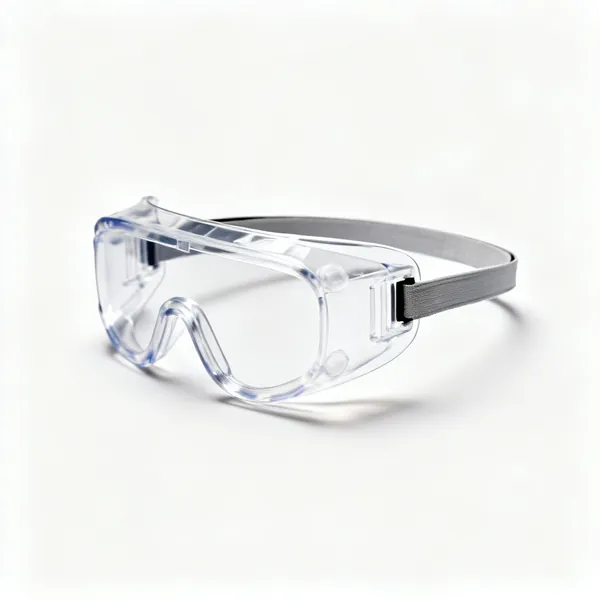
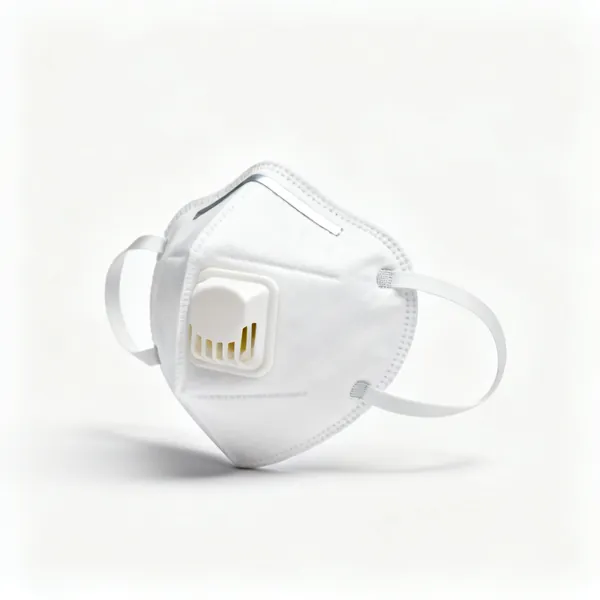
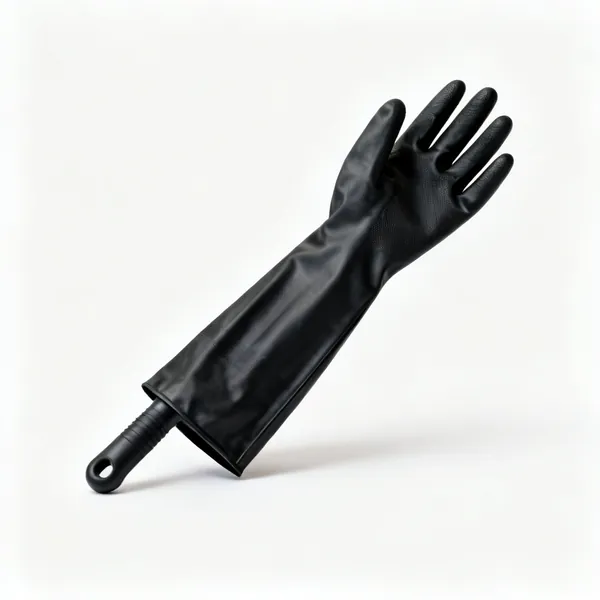
- Sweeping rods, a brush matched to the flue, a sweeping sheet to seal the fireplace, an M class vacuum for fine dust, gloves, goggles and a dust mask. Add a mirror and torch to inspect the flue and a CO alarm for the room.
- Can I use a steel brush in a flexible chimney liner?
- No. A steel brush abrades the thin wall of a stainless flexible liner and can perforate it, which then leaks combustion gases into the building. Liners take a soft polypropylene brush or power sweeping with a nylon whip instead.
- What size chimney brush do I need?
- The flue size or slightly larger, so the bristles stay in contact all round. Undersize and it passes soot without disturbing it. Far oversize and it can jam, which is how brushes end up left permanently in chimneys.
- Which way should you turn chimney sweeping rods?
- Clockwise only while they are in the flue. Turning anticlockwise unscrews a rod joint, and the brush plus whatever is above it stays up the chimney. That turns a morning's job into an expensive problem.
- How often should a chimney be swept?
- At least once a year for wood and solid fuel, and often twice with heavy use, because creosote builds up quickly. Gas and oil flues produce little soot and still need an annual check. Most insurers require evidence of regular sweeping.
- What is power sweeping?
- A flexible rotary rod driven by a drill with a nylon whip or brush head, which cleans thoroughly without abrading the flue wall. It is the standard method for flexible liners and is more effective than a hand brush on hard baked deposits.
- Why do I need a chimney sweep certificate?
- Most home insurance policies require evidence of regular sweeping to pay out on a chimney fire, so without one a claim can be refused. The inspection that comes with it is arguably worth more, since it finds a cracked liner or a bird's nest before it matters.
- Does burning wet wood affect the chimney?
- Considerably. Unseasoned wood burns cool and deposits tar and creosote in the flue rather than passing out as gas. That deposit is what a chimney fire actually burns, so wet fuel means more frequent sweeping and a higher fire risk for less heat.