Choosing fascia and soffit tools
The list above is what exists. This is how to decide which of it you actually need, what separates a tool worth keeping from one that ends up at the back of a drawer.
Capping over is not replacing
Cladding new plastic over existing timber fascia is quicker and cheaper, and it seals in whatever condition that timber is in. If it is sound and dry it may last; if it has any rot the covering keeps it damp permanently and the rot continues out of sight.
It also usually blocks the ventilation path and traps the felt edge in the wrong position. Full replacement exposes the rafter feet so they can be inspected, which is the only way to know what the roof edge is actually doing.
- It hides the condition
- Rotten timber under new plastic stays damp and keeps rotting, unseen.
- Inspect the rafter feet
- The only reason to take the old boards off. This is what full replacement buys.
- Ventilation gets blocked
- Capping usually closes the soffit ventilation path, which causes condensation above.
- Sound dry timber can be capped
- It is not always wrong. It is wrong when nobody looked first.
The roof needs to breathe at the eaves
A cold roof space relies on air entering at the eaves and leaving at the ridge. Block the eaves and moisture from the house condenses on the underside of the roof, which then rots the timbers and soaks the insulation.
So a soffit needs continuous ventilation: a vented soffit board, circular vents at intervals, or an over fascia vent where the soffit is too narrow. The figure is usually equivalent to a continuous 25mm gap along both eaves.
- Air in at eaves, out at ridge
- Blocking the eaves is what causes condensation on the roof underside.
- Equivalent to a 25mm gap
- Continuous along both eaves. Vented soffit or vents at intervals achieve it.
- Do not let insulation block it
- Insulation pushed into the eaves closes the path. Rafter trays hold it clear.
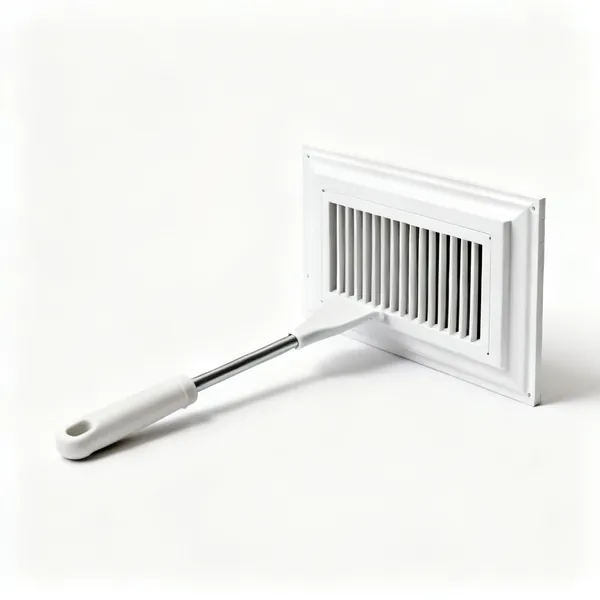
- Over fascia vent
- Where the soffit is too narrow to ventilate. Fitted at the felt edge instead.
The felt edge and the support tray
Roofing felt should discharge into the gutter, not stop short over the fascia or sag back into the eaves. Old felt is almost always cracked or short at the edge, which is where water gets behind the fascia and into the rafter feet.
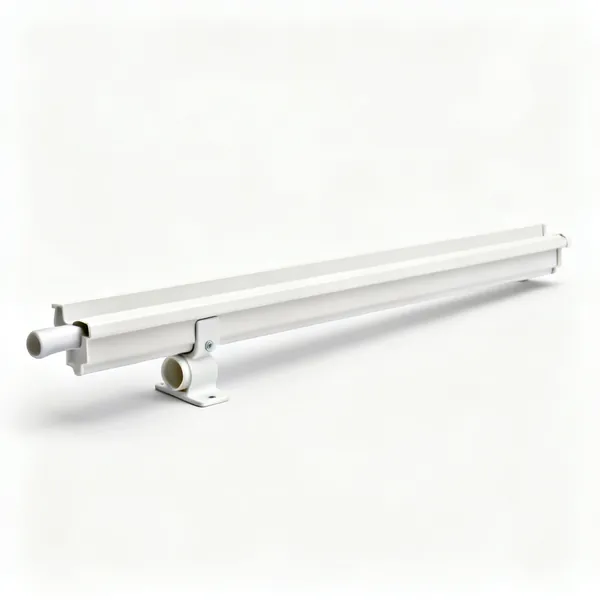
An eaves felt support tray is a rigid plastic profile that carries the felt over the fascia and into the gutter. Fitting one during a fascia replacement is quick, cheap and it addresses the actual cause of most eaves rot.
- Felt must reach the gutter
- Stopping short is how water gets behind the fascia into the rafter feet.
- Fit a support tray
- A rigid profile carrying the felt over the fascia. Cheap and it fixes the real cause.
- Old felt is brittle
- It will crack when disturbed. Plan to trim it back and support it rather than reuse it.
- Check the first course
- Lift a tile at the eaves to see what the felt is doing before deciding anything.
Fitting plastic boards properly
UPVC expands and contracts noticeably with temperature, so boards need a small expansion gap at joints and fixings must not be driven so tight that the board cannot move. Butt joints go under a joint trim, not sealed tight.
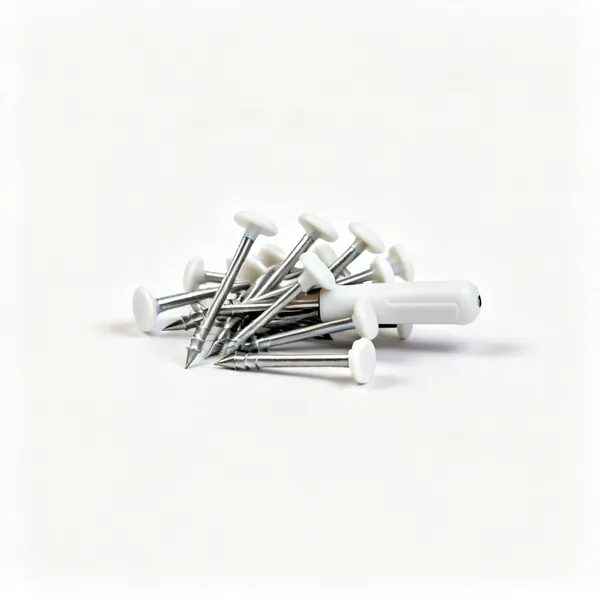
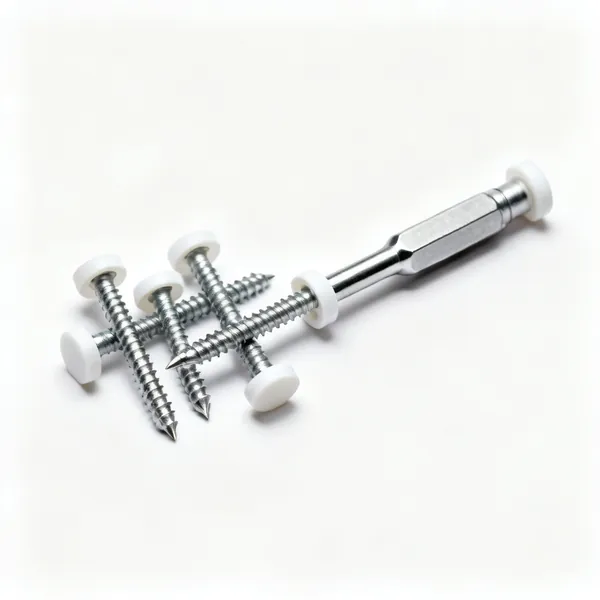
Fix with polytop nails or stainless screws into the rafter feet, at the spacing the manufacturer gives, and never with ordinary steel nails, which rust and streak the board within a couple of years.
- Allow for expansion
- UPVC moves with temperature. A tight joint buckles in summer.
- Do not overtighten fixings
- The board must be able to move slightly. Nailed hard, it distorts.
- Stainless or polytop only
- Ordinary steel rusts and streaks white plastic within a couple of years.
- Fix into rafter feet
- Not into the old fascia if it is being kept. Fixings need something structural.
Working at the eaves safely
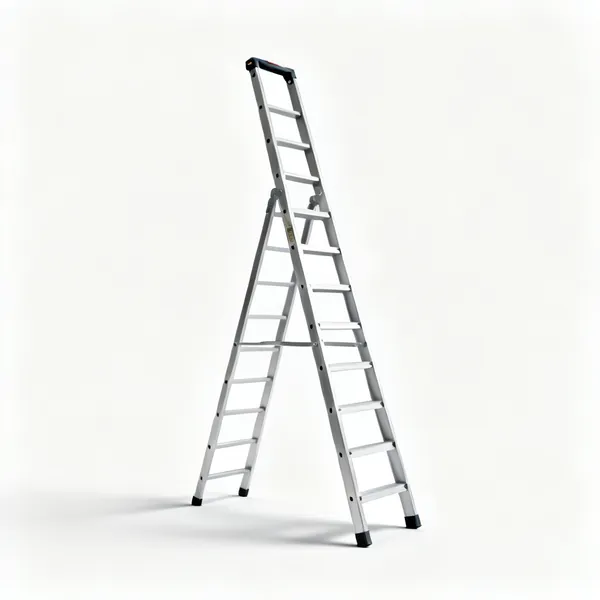
Fascia work is at height along a length, which is exactly the situation a ladder handles worst, because it encourages reaching sideways. That reach is the movement that causes falls, and the eaves is roughly where a fall becomes serious.
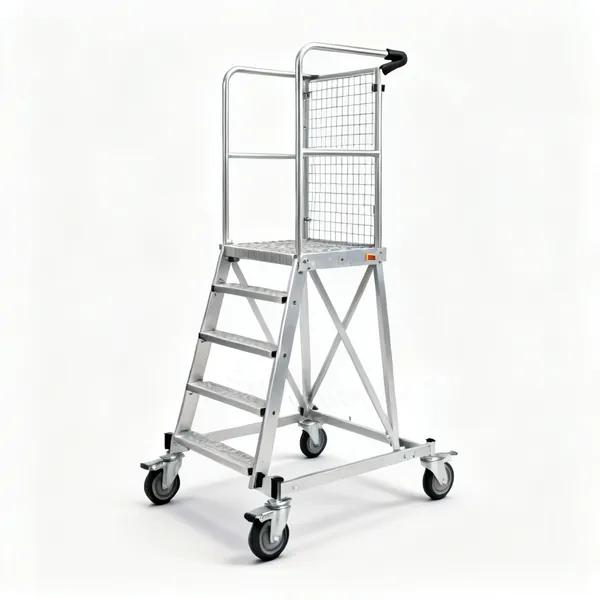
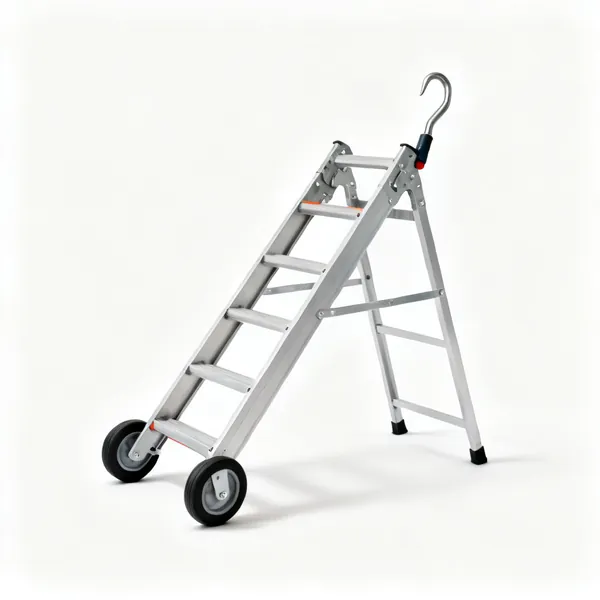
A tower or a scaffold along the elevation is the right answer for a whole run. Where a ladder is used it needs a stand off to clear the gutter, and it gets moved rather than leaned from.
- Do not reach sideways
- Move the ladder. Reaching along an eaves is the classic fall movement.
- Tower for a full run
- A day's hire against working off a ladder along ten metres of fascia.
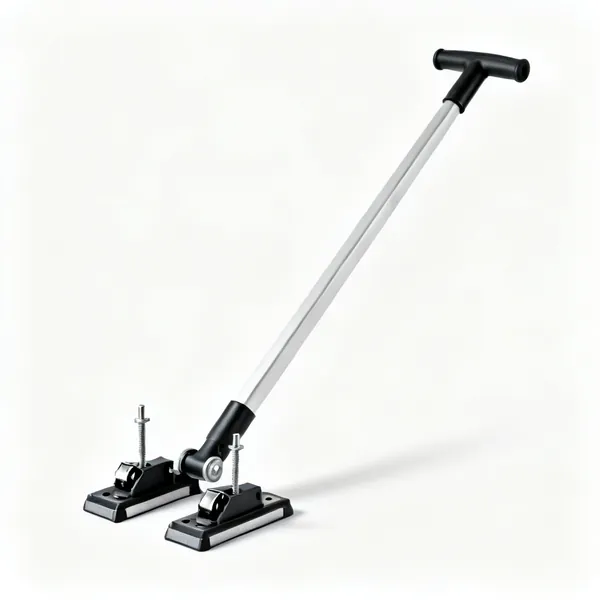
- Ladder stand off
- Holds the ladder clear of the gutter, which otherwise takes the load and breaks.
- Nothing loose above
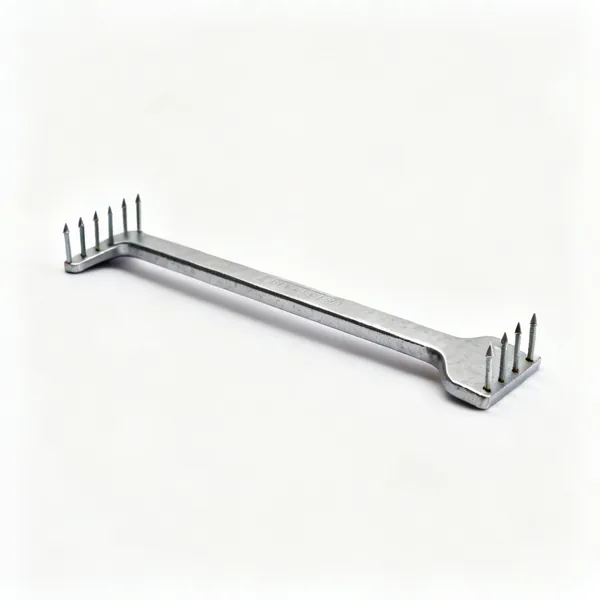
- A dropped ripper or a length of board from eaves height reaches the ground fast.
Frequently asked questions
- What tools do I need to replace fascia and soffit?
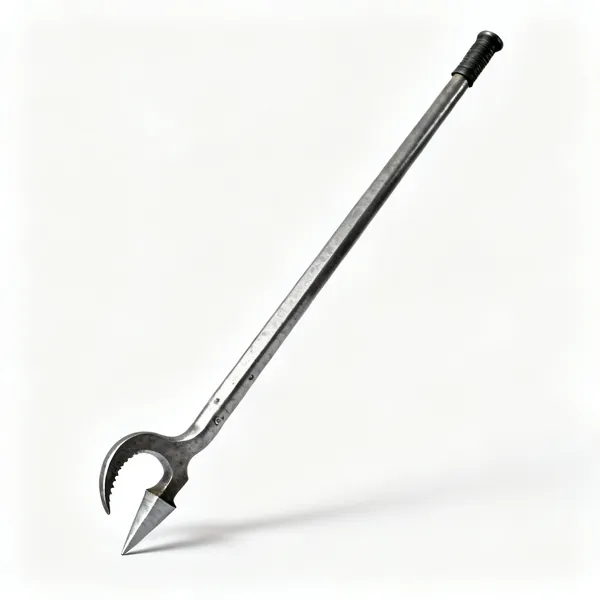
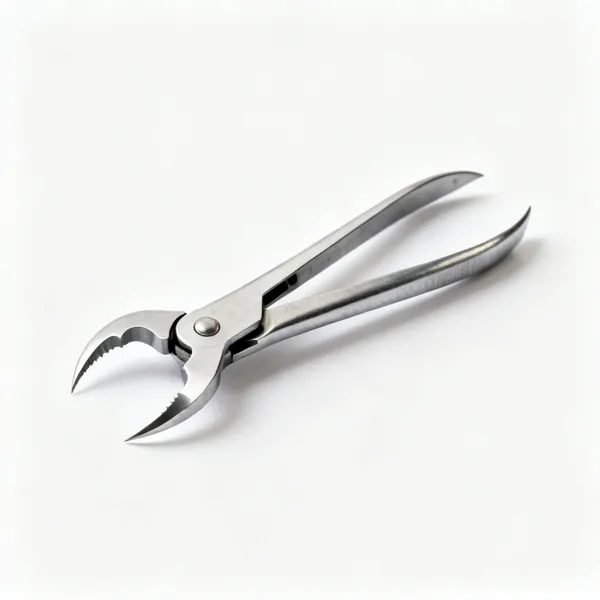
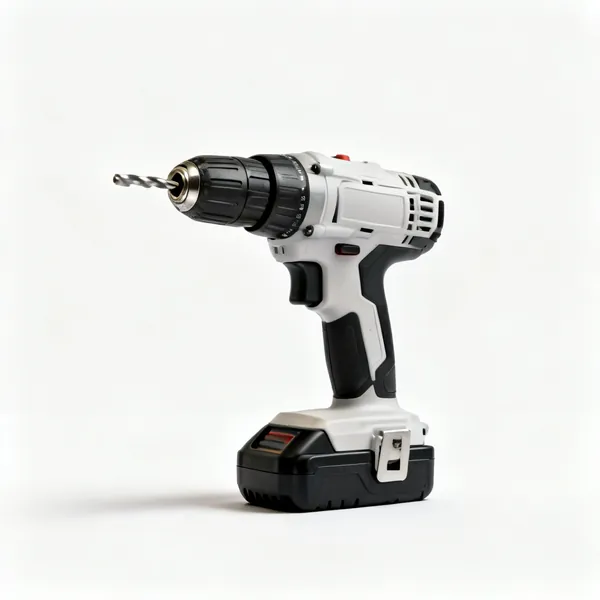
- A pry bar and nail puller for removal, a fine tooth saw or plastic shears for cutting UPVC, a cordless drill, polytop nails or stainless screws, a slate ripper for the eaves course, and safe access. Add an eaves felt support tray and soffit vents.
- Can you fit new fascia over old timber?
- Only if the timber is genuinely sound and dry, and only if the ventilation path and felt edge are still correct. Capping over rot seals it in and keeps it damp permanently, and the rot then continues out of sight in the rafter feet.
- Why does a soffit need ventilation?
- A cold roof space relies on air entering at the eaves and leaving at the ridge. Block the eaves and moisture from the house condenses on the underside of the roof, rotting the timbers and soaking the insulation. The requirement is roughly a continuous 25mm gap.
- What is an eaves felt support tray?
- A rigid plastic profile fitted at the eaves that carries the roofing felt over the fascia and into the gutter. Old felt usually stops short or sags back, which lets water behind the fascia into the rafter feet, and this addresses that directly.
- What nails should you use for UPVC fascia?
- Polytop nails or stainless screws, and never ordinary steel, which rusts and streaks white plastic within a couple of years. Fix into the rafter feet at the manufacturer's spacing and not so tight that the board cannot move with temperature.
- How do you cut UPVC fascia board?
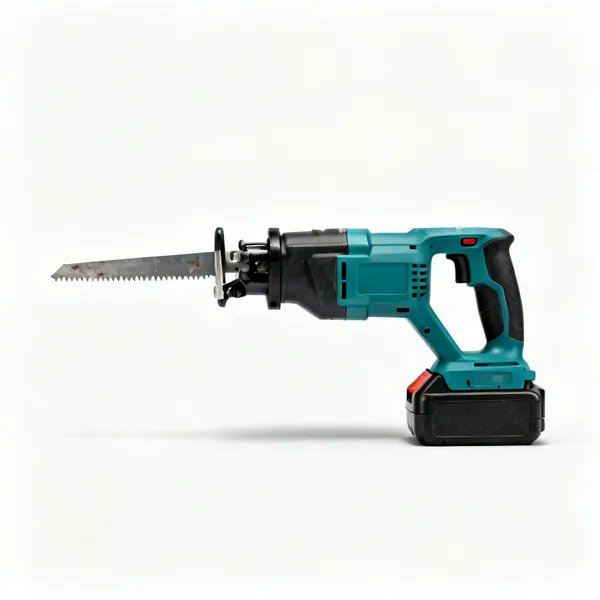
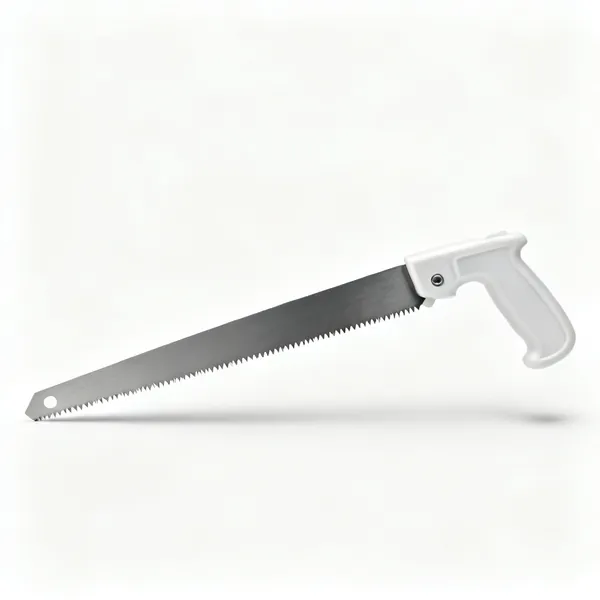
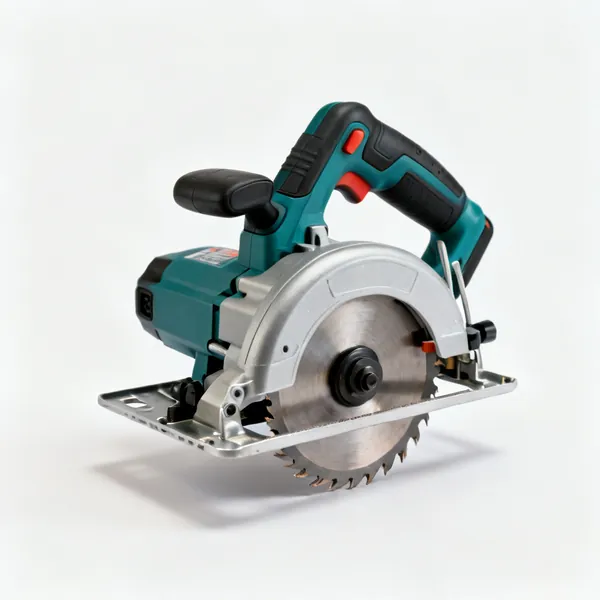
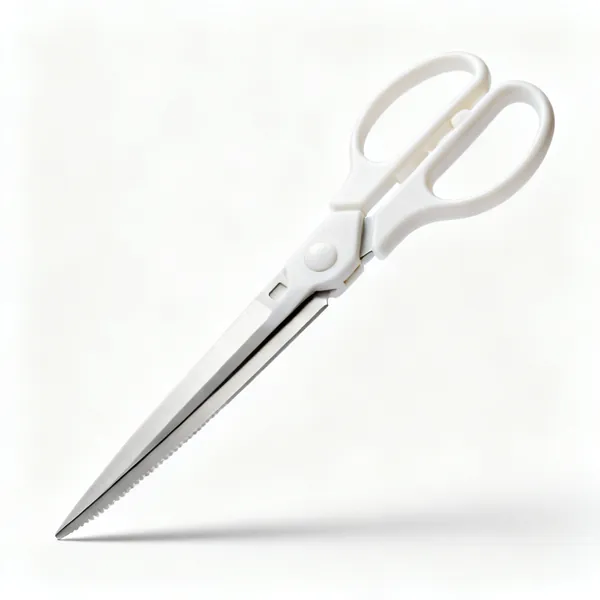
- A fine tooth saw, either a hand panel saw with fine teeth or a circular saw with a high tooth count blade, cutting slowly so the plastic does not melt. Plastic shears are neater for soffit board and produce no dust at all.
- Do you need a slate ripper for fascia work?
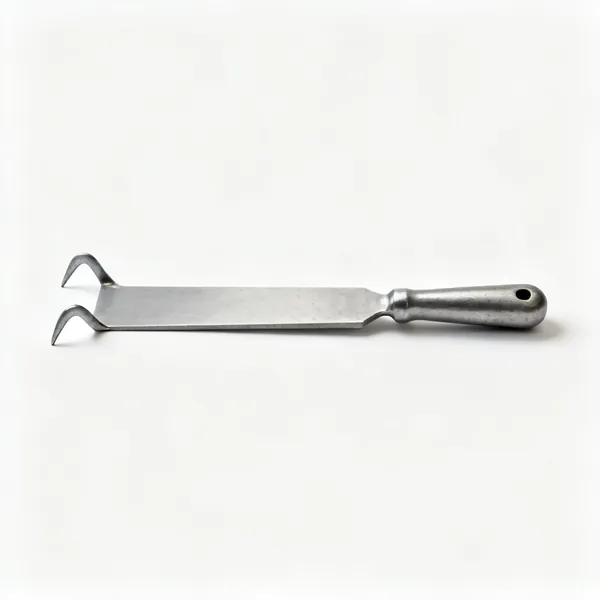
- Usually, because the eaves course of tiles or slates has to be lifted to reach the felt and the top of the fascia. A ripper cuts the fixing nails from below without breaking the slate, which is the only way to lift one that is nailed.
- Should I replace the gutter at the same time?
- Almost always. The gutter comes off to reach the fascia anyway, the brackets fix into the new board, and old brackets rarely line up with new fixing positions. Doing it separately means taking the gutter off twice for no saving.