Cutting sheet without ruining it
Cold cutting, then deburr, then touch in the edge. Three steps, and skipping the third is what starts the rust.
Why an angle grinder ruins the sheet
Three separate kinds of damage, and only one of them is at the cut. The heat of the disc burns off the zinc and paint coating for some distance either side, leaving bare steel that will rust. The cut edge itself is heat affected and has no coating left at all.
The worst is the swarf. An abrasive disc throws a shower of white hot steel particles across the sheet, and each one lands and burns into the coating. Those appear as a rash of rust spots across the whole panel within a year or two, nowhere near the cut, and nothing removes them.
- Coating burnt either side
- Well beyond the cut line. Bare steel is exactly where a coated sheet begins to fail.
- Hot swarf across the panel
- Each particle burns a spot. This is the damage people do not connect to the grinder afterwards.
- Heat affected edge
- No coating and altered steel. It rusts from the cut inward regardless of what you paint on.
- It also voids warranties
- Most sheet manufacturers exclude damage from abrasive cutting explicitly.
Which cold cutter for which cut
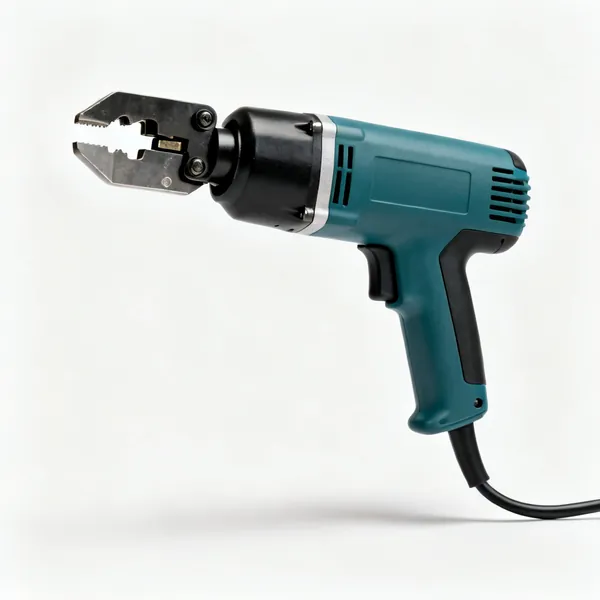
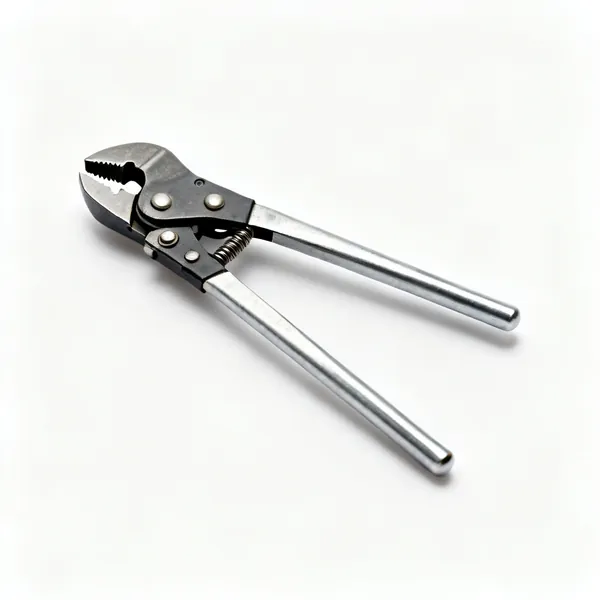
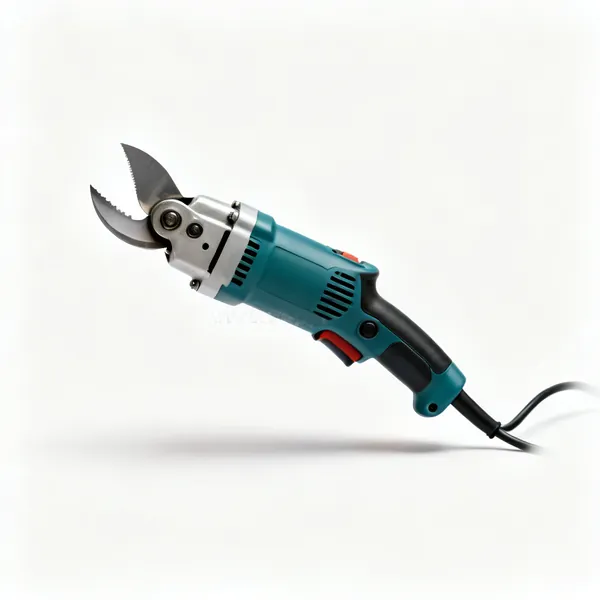
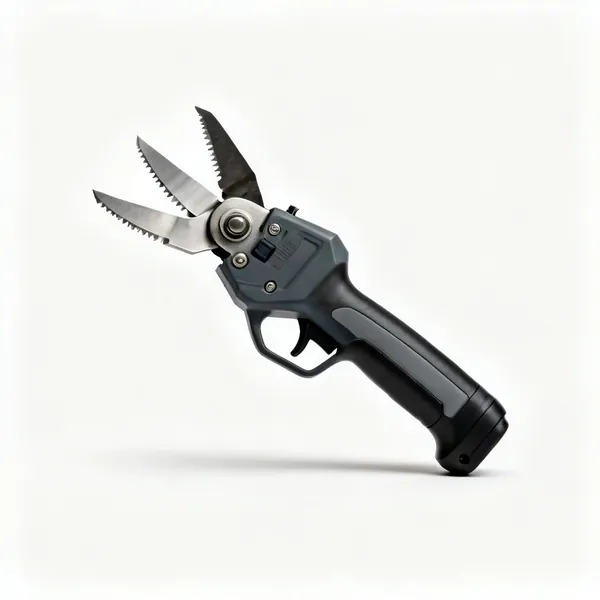
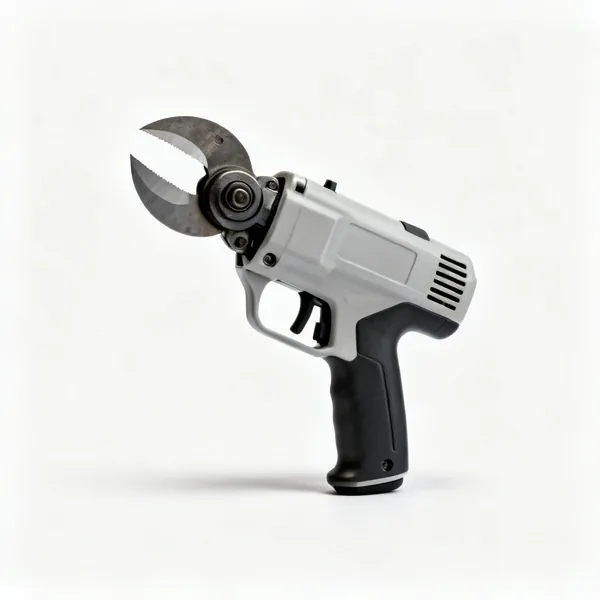
For a long straight cut along the sheet, power shears or a nibbler. For a cut across the profile ribs, a profile cutter or a nibbler, because ordinary shears crush the ribs flat as they close. For a short notch or a corner, aviation snips.
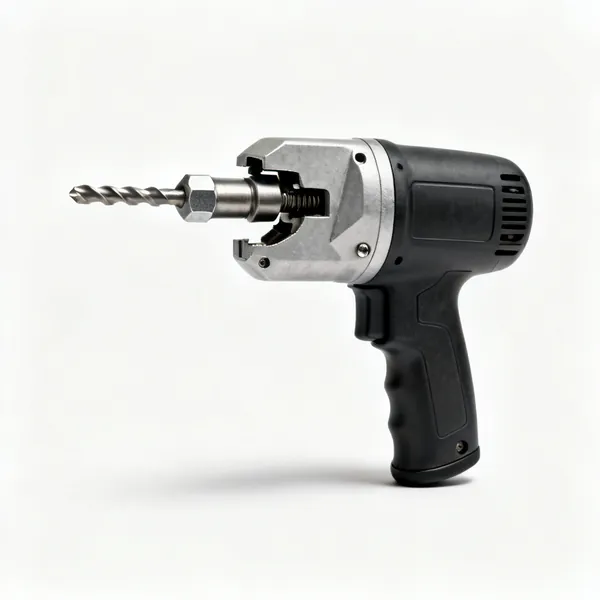
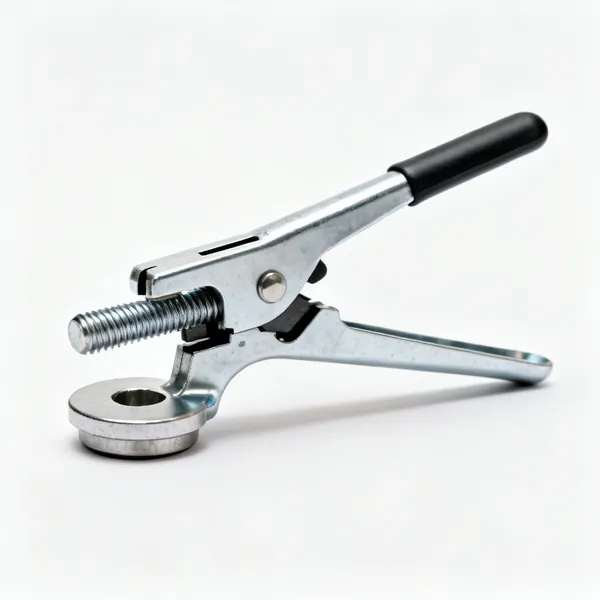
For an internal cutout, such as a vent or a pipe penetration, a nibbler started from a drilled hole, or a hole punch if it is round and the right size. A nibbler is the one tool that does almost all of this, which is why it is the first thing to buy.
- Long straight
- Power shears or a nibbler. Shears are faster, a nibbler leaves the sheet flatter.
- Across the ribs
- Profile cutter or nibbler. Ordinary shears flatten the profile at the cut.
- Notches and corners
- Aviation snips, left and right hand so the offcut curls away from your hand.
- Internal cutouts
- Nibbler from a drilled start hole, or a hole punch for a round penetration.
Distortion, and why nibblers are worth it
Shearing pushes the two sides of the cut apart, so any shearing tool leaves the sheet slightly deformed near the cut. On a hidden edge that goes under a flashing it does not matter. On a visible edge it does.
A nibbler punches out a slot at a time, so it removes material rather than parting it, and the surrounding sheet stays flat. That is why it is the tool for a cut edge that will be seen, and why it is slower.
- Shearing distorts
- Unavoidable, because shearing works by pushing the two sides apart as it cuts.
- Nibbling does not
- It removes a slug at a time, so the sheet either side stays flat. Slower, and cleaner.
- Keep the distorted edge hidden
- Under a flashing or a lap. Plan which side of the line is the offcut before you cut.
- Support the sheet
- An unsupported sheet flexes as the tool works, which distorts it more than the cut itself does.
Finish every cut edge
A cold cut still exposes bare steel at the cut face, because the coating is on the surfaces rather than through the material. Left untouched that edge rusts, and the rust then creeps under the coating.
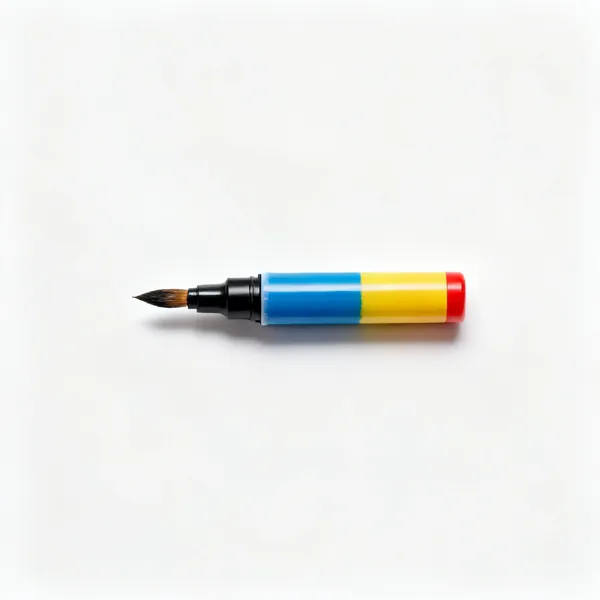
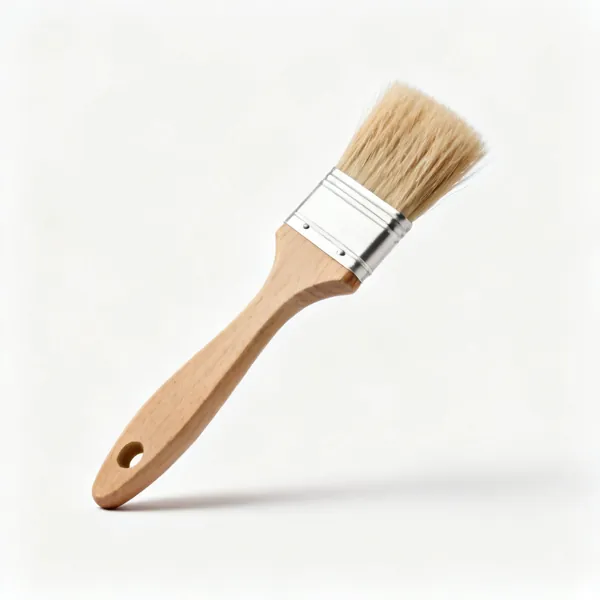
So deburr the edge, brush any swarf off the sheet, and touch in the cut with a coating pen matched to the finish. It takes seconds per cut and it is the difference between a roof that lasts its design life and one that shows rust lines at every panel end.
- Deburr first
- A burr holds water against the exposed steel, and it is sharp enough to cut a hand.
- Touch in every cut
- Coating pen or matched paint on the cut face. Seconds per cut, and it is what stops edge rust.
- Brush the swarf off
- Steel filings left on a coated sheet rust in place and stain it permanently.
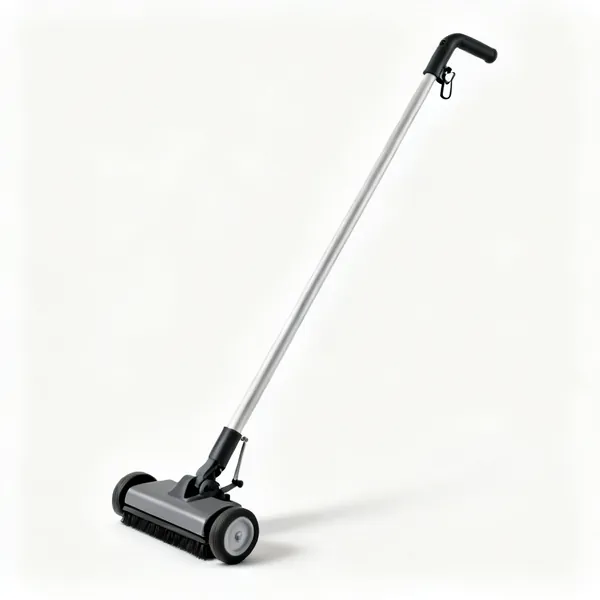
- Magnetic sweep below
- Filings and offcuts on the ground find tyres and feet, and they rust into paving.
The edges and the offcuts
A freshly cut coated steel edge is one of the sharpest things on a building site and it does not look it. Deep cuts to hands and forearms are the characteristic injury of this work, more than any fall.
Long thin offcuts are worse than the sheet, because they flex and whip. Collect them as you go rather than letting them accumulate on a slope, where they slide and where you will kneel on them.
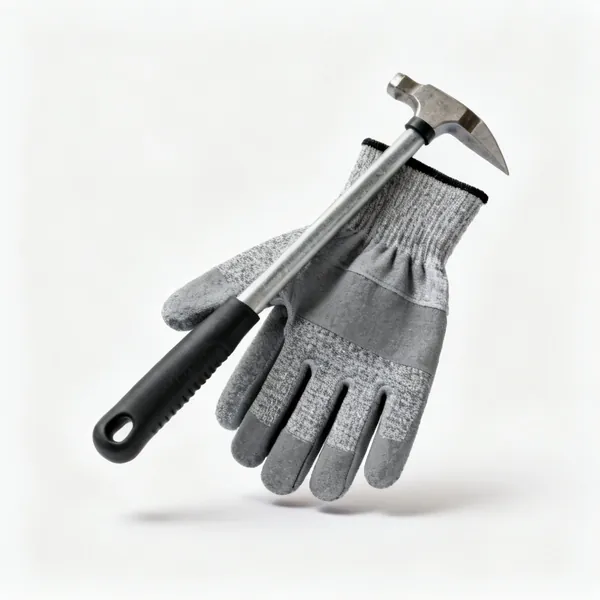
- Gloves always
- Cut resistant, close fitting. The edge does not look sharp and it opens a hand to the bone.
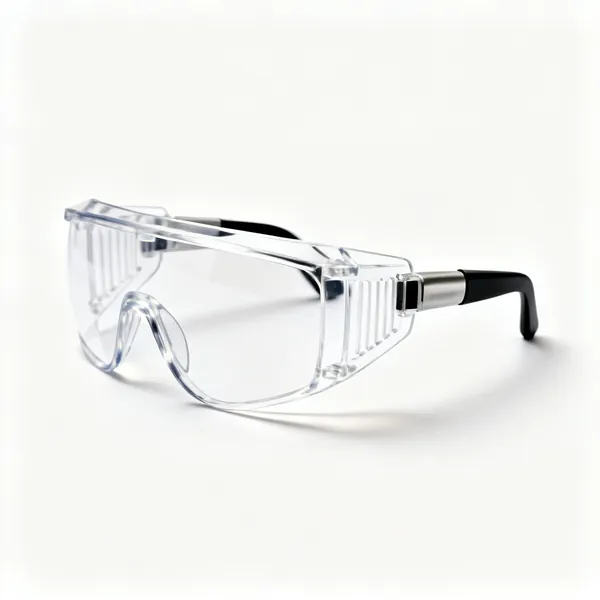
- Eye protection
- Nibblers eject slugs at speed, and snips flick offcuts upward toward your face.
- Collect offcuts immediately
- Thin strips slide on a slope, whip when handled, and are the thing you will kneel on.
- Never cut in wind
- A sheet being cut is unsupported at one edge, and a gust takes both the sheet and you.
Frequently asked questions
- What is the best tool for cutting metal roofing?
- A nibbler for most cuts, because it works cold, follows curves, cuts across profile ribs and leaves the sheet undistorted. Power shears for long straight cuts in volume, and aviation snips for notches and corners. All three cut cold, which is the thing that matters.
- Can I cut metal roofing with an angle grinder?
- No. It burns the coating either side of the cut, leaves a heat affected edge with no protection, and throws hot swarf across the whole sheet where each particle burns a spot that rusts. The damage appears across the panel, not just at the cut, and it voids most warranties.
- What is a nibbler and how does it work?
- A tool that punches out a small slot with each stroke, removing material rather than parting it. Because nothing is pushed apart the sheet stays flat, and because there is no heat the coating survives. It follows any line, including curves and internal cutouts.
- Why do shears distort the sheet?
- Because shearing works by pushing the two sides of the cut past each other, which deforms the metal near the line. It is unavoidable with any shearing tool. Keep the distorted side on the offcut, or use a nibbler where the edge will be visible.
- How do I cut across the ribs of a profiled sheet?
- With a profile cutter, which has a head shaped to cut through the rib without crushing it, or with a nibbler. Ordinary snips or shears flatten the profile at the cut as their jaws close, which shows as a crushed rib at the sheet end.
- Do I need to paint the cut edge?
- Yes. The coating is on the surfaces rather than through the material, so a cut exposes bare steel at the edge whatever tool you used. Left untreated it rusts and the rust creeps under the coating. A touch up pen matched to the finish takes seconds per cut.
- How do I cut a hole for a pipe or vent?
- Drill a start hole and work outward with a nibbler for anything shaped or oversize, or use a screw driven hole punch for a round penetration of a standard size. A hole saw chatters and tears in thin coated sheet and leaves a ragged edge.
- Why is metal roofing sheet so dangerous to handle?
- A freshly cut coated edge is extremely sharp and does not look it, and deep cuts to hands and forearms are the characteristic injury of this work. Long thin offcuts are worse because they flex and whip. Cut resistant gloves are not optional on this material.