Disclosure

Tools for cleaning a conservatory roof

Telescopic brushes, water fed poles and gutter tools, all 28 working from the ground. You cannot stand on a conservatory roof: polycarbonate and glazing bars carry almost no point load, and falls through them cause serious injury.

12 are marked essential: for most conservatories a telescopic brush, a hose and a soft cloth.

Part of the full roofing tools list, 83 tools in 8 groups.

Reaching from the ground 7

The whole job, ideally. A pole and a hose reaches most conservatory roofs without anyone leaving the ground.

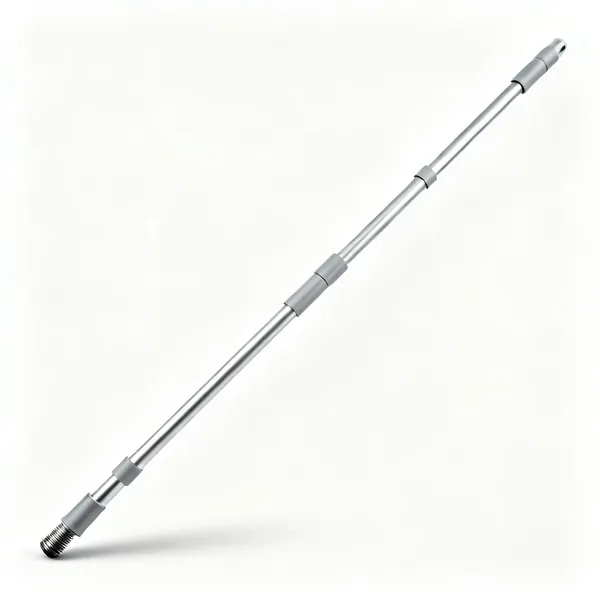
  • Telescopic pole: A long telescopic aluminium cleaning pole in several sections with a threaded endEssential

    Telescopic pole

    A multi section pole taking interchangeable heads, reaching across a conservatory roof from the ground. Rigidity matters more than length, since a whippy pole at full extension cannot be controlled.

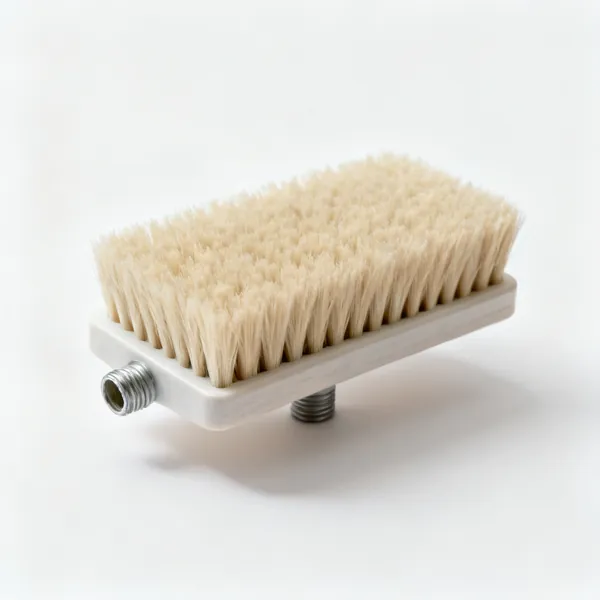
  • Soft brush head: A wide soft bristled cleaning brush head alone, with a short stubby threaded collar on the backEssential

    Soft brush head

    Soft flagged bristles that lift dirt without hazing the plastic. A stiff brush marks polycarbonate within a few cleans, and the haze cannot be polished out.

  • Water fed brush: A water fed cleaning brush head with jets and a hose connection on a pole fitting

    Water fed brush

    A brush with jets that feed clean water through the head, so the surface is rinsed continuously as it is brushed. It keeps grit moving off rather than dragging it across.

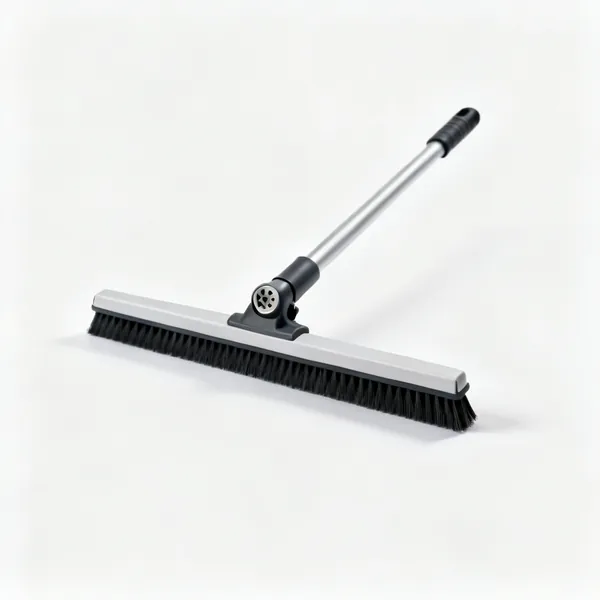
  • Pole squeegee: A wide rubber squeegee head with a pole attachment socket

    Pole squeegee

    A rubber blade on a pole fitting for drying glass without spotting. On a glass conservatory roof this is what turns a clean roof into a clear one.

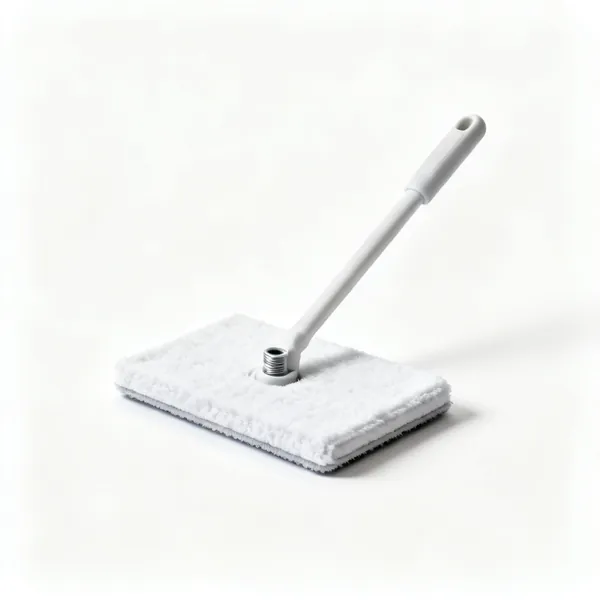
  • Microfibre head: A flat rectangular microfibre cleaning pad head alone, with a short stubby threaded collar

    Microfibre head

    A soft pad for a final wipe on glazing bars and cappings. Non abrasive and it lifts the film a brush leaves behind, which is what shows in low sun.

  • Pole camera

    Pole camera

    Shows the roof, the box gutter and the flashing on a screen without anyone going up. It is how you find out whether the roof needs cleaning or repairing.

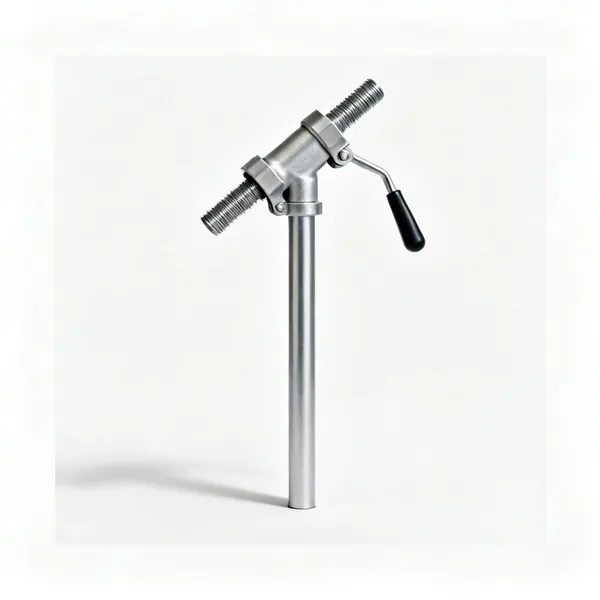
  • Angle adaptor

    Angle adaptor

    Sets the head at an angle to the pole so a brush lies flat on a shallow roof pitch from the ground. Without it the head only ever contacts on one edge.

Washing and rinsing 7

Mild detergent, plenty of water and nothing abrasive. Rinse before you brush, because grit is what scratches.

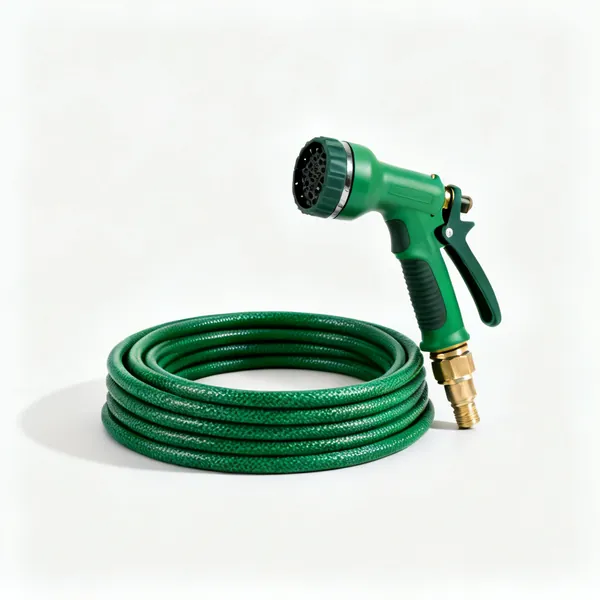
  • A coiled green garden hose with a brass connectorEssential

    Garden hose

    Rinses the loose grit off before a brush touches the surface, which is the step that prevents scratching. Also the final clean water rinse that stops streaking.

  • Fan spray nozzle: An adjustable hose spray nozzle set to a wide fan patternEssential

    Fan spray nozzle

    A wide gentle pattern that rinses without forcing water into the seals. A jet setting on a conservatory roof does what a pressure washer does, only slower.

  • Mild detergent: A plastic bottle of mild neutral cleaning detergent concentrateEssential

    Mild detergent

    A neutral cleaner suitable for polycarbonate and glazing seals. Solvents craze polycarbonate and alkaline cleaners attack the gaskets, and both faults are permanent.

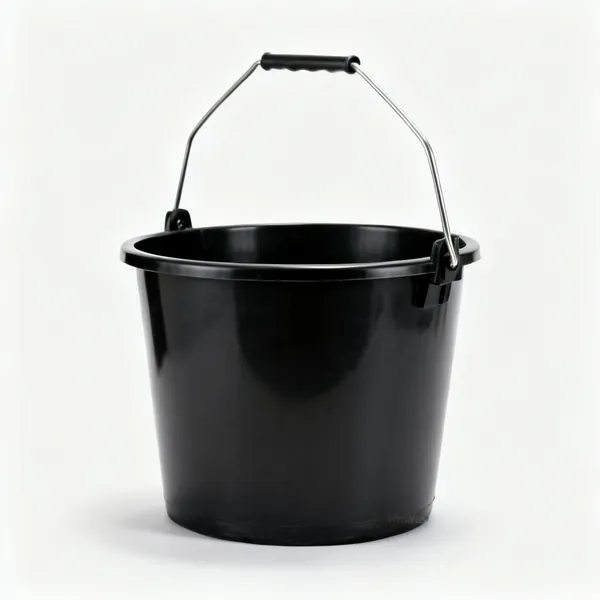
  • A black plastic builders bucket with a steel handleEssential

    Bucket

    For the detergent solution, and to rinse the brush in before it goes near the roof. A brush that has been on the ground carries grit, and that grit draws lines.

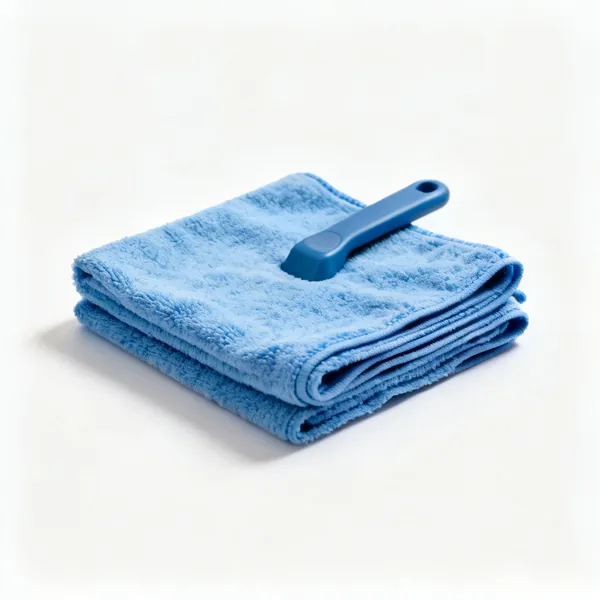
  • Microfibre cloths: A folded stack of blue microfibre cleaning clothsEssential

    Microfibre cloths

    For the frame, cappings and any glass within reach. Non abrasive, and they lift the residue that leaves a visible film when the sun is low.

  • Algae treatment: A plastic spray bottle of algae and mould removal treatment

    Algae treatment

    A surface biocide that slows regrowth on the glazing and the frame. It does nothing for algae inside the flutes of polycarbonate, which is a different problem.

  • A small bottle of clear plastic polish restorer with a cloth beside it

    Plastic polish

    Restores clarity to lightly hazed polycarbonate and reduces how readily dirt sticks. It will not remove a scratch, and it is worth testing on a low panel first.

The box gutter and flashing 7

The part nobody cleans and the part that causes the leaks. Do it before the glazing.

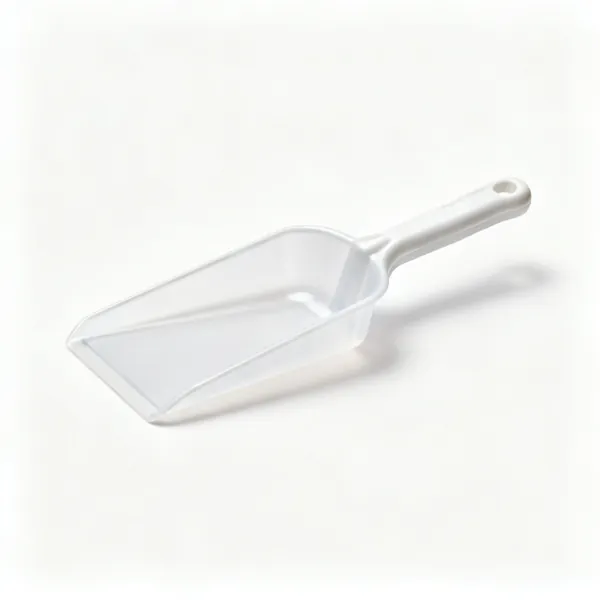
  • Gutter scoop: A narrow plastic gutter cleaning scoop with a moulded handleEssential

    Gutter scoop

    A narrow plastic scoop that lifts silt and leaves out of a box gutter. Plastic rather than metal, because the gutter is often lead or plastic and a metal edge scores it.

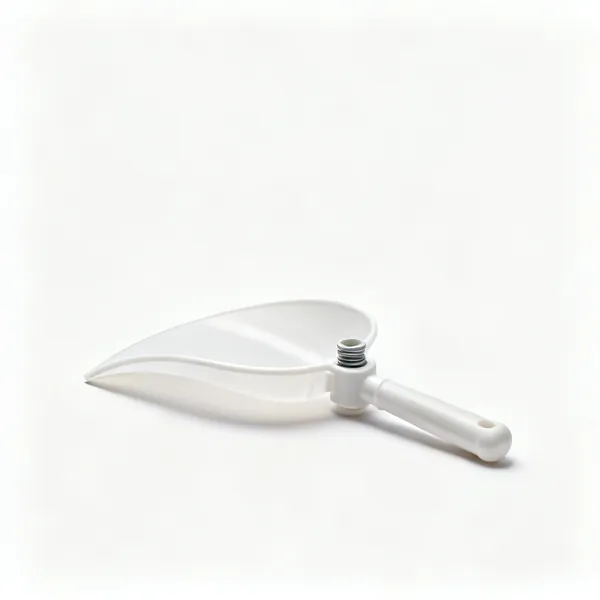
  • Pole scoop head: A curved plastic gutter cleaning scoop head alone, with a short stubby threaded collarEssential

    Pole scoop head

    A curved scoop on a pole fitting for a box gutter reached from the ground. It works on loose material, and packed silt needs a ladder alongside and a hand scoop.

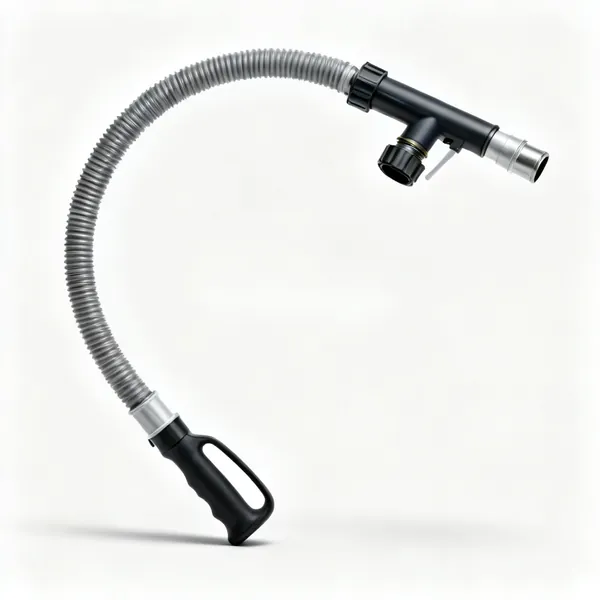
  • Gutter rinse wand: A curved hose gutter cleaning wand attachment with a nozzle and hose fitting

    Gutter rinse wand

    A curved hose attachment that flushes a gutter from the ground. It shows whether the run falls to its outlet, which is what a dry inspection cannot tell you.

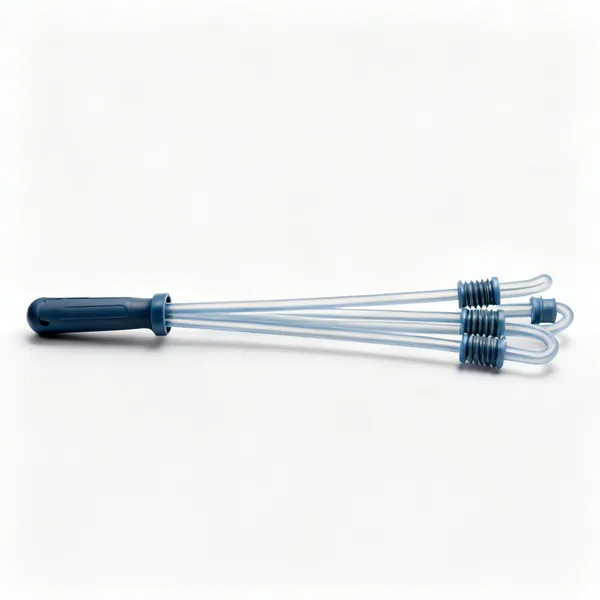
  • Flexible rod: A set of flexible plastic drain clearing rods with threaded connectors

    Flexible rod

    Clears a blocked box gutter outlet or downpipe. That outlet is invisible from the ground and it is the single most common cause of a conservatory leak.

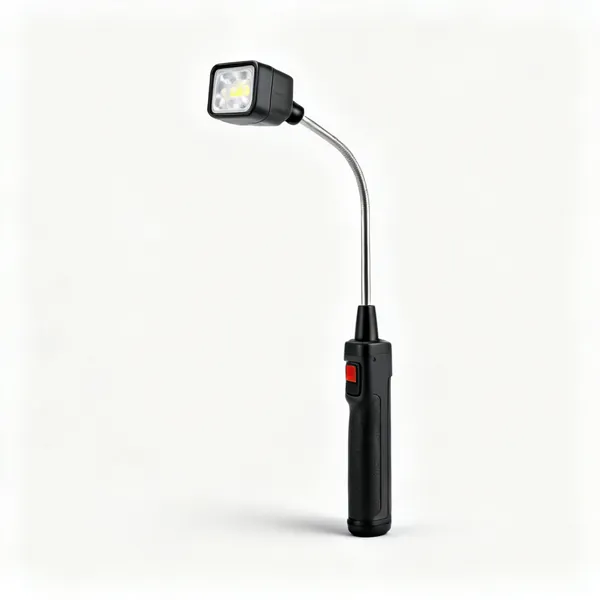
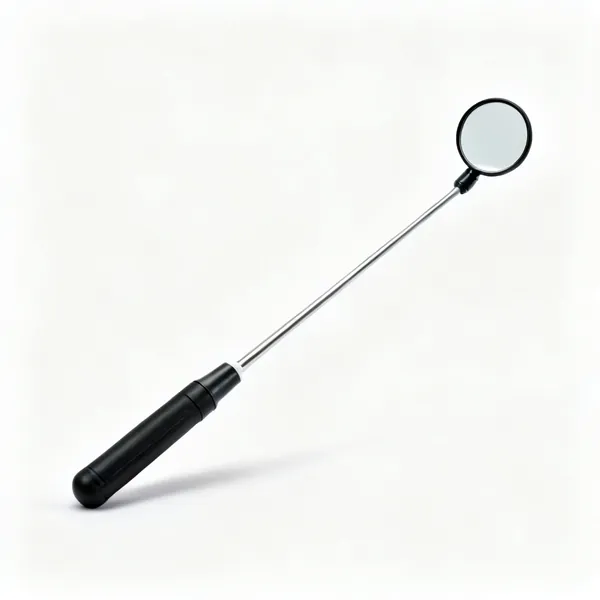
  • A telescopic inspection mirror with a small round mirror on an extending shaft

    Inspection mirror

    A telescopic mirror to see under a flashing and into the back of a box gutter. That is where the fault is and it is the one place a pole camera struggles to point.

  • A cartridge of grey roof and gutter sealant with a cut nozzle

    Roof and gutter sealant

    For a lifted flashing edge or a failed box gutter joint, found while the gutter is empty. Doing it now avoids a second visit and a ladder set up twice.

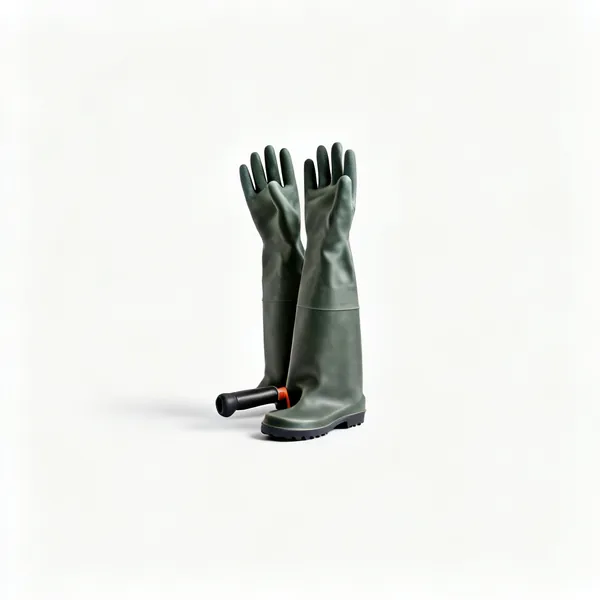
  • A pair of long cuffed heavy duty rubber gauntlet glovesEssential

    Gauntlet gloves

    Box gutter debris is wet, gritty and full of whatever the roof has collected. Long cuffs, because a short glove fills the moment you reach along the gutter.

Access, where it is needed 7

Alongside the roof, never on it. Most of the risk in this job is the ladder rather than the cleaning.

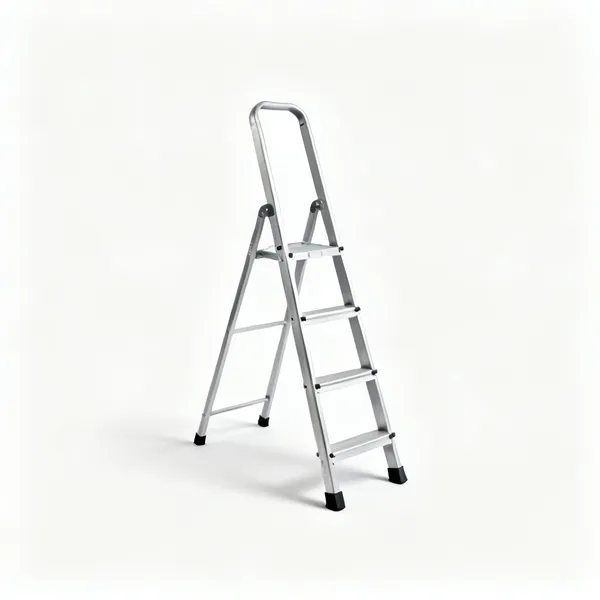
  • An aluminium extension ladder with two sections and rubber feet

    Extension ladder

    Set against the house wall alongside the conservatory at one out to four up, never leaning on the roof or the frame. Neither is designed to carry a ladder or a person.

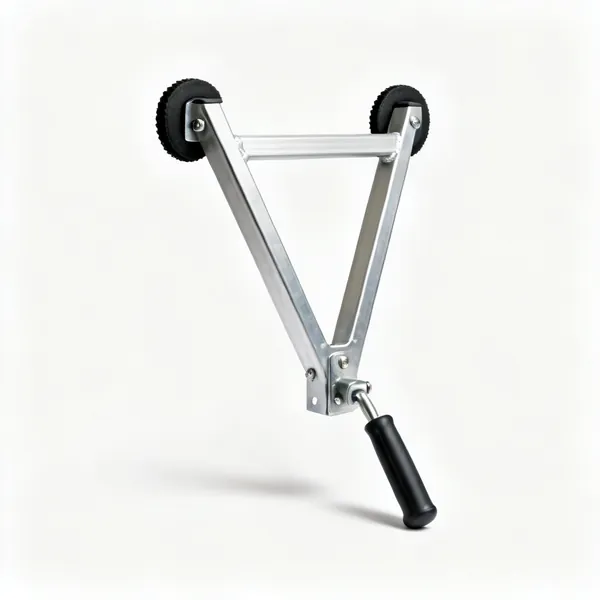
  • A metal ladder stand off bracket

    Ladder stand-off

    Holds the ladder off the wall so it clears the conservatory gutter and eaves entirely. It is what makes a ladder alongside a conservatory workable at all.

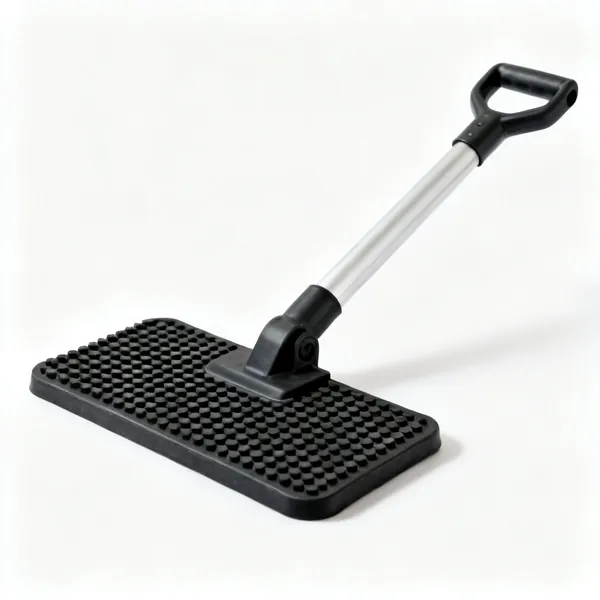
  • Ladder foot mat: A rubber ladder foot anti slip grip mat

    Ladder foot mat

    A grip mat under the ladder feet on paving or decking, which is what a conservatory usually sits on. Smooth wet paving is exactly what a ladder foot slides on.

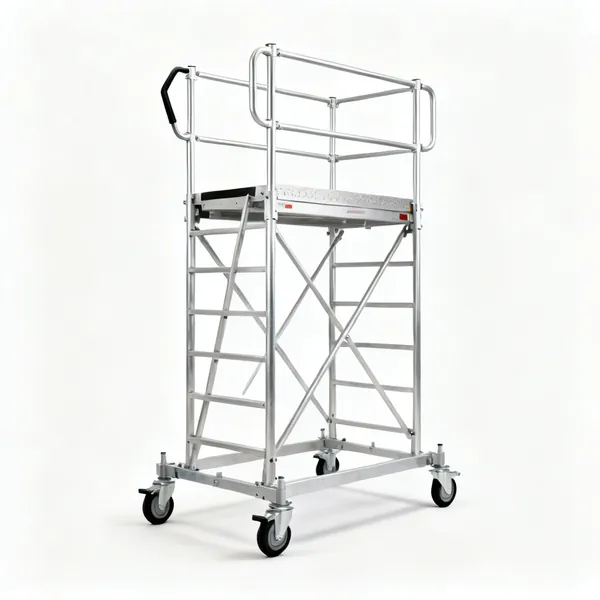
  • Alloy tower: An aluminium mobile scaffold tower with a platform, guard rails and wheels

    Alloy tower

    For a large or high conservatory where poles will not reach. It gives a working platform beside the roof, which is the correct answer to something out of reach.

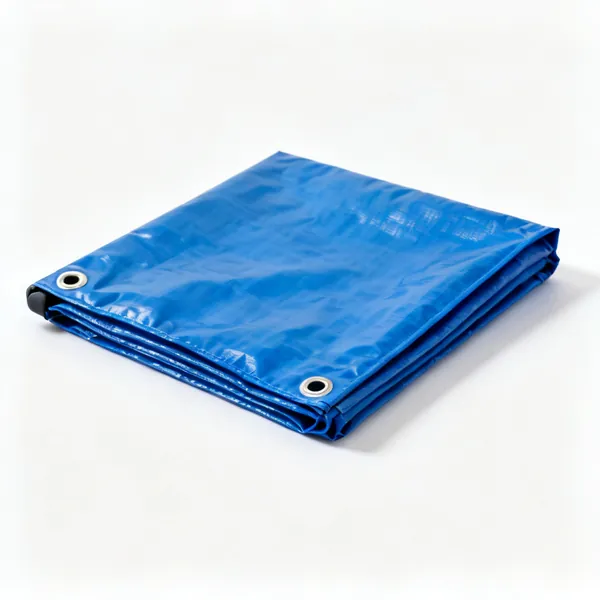
  • Ground sheets: A folded blue polypropylene ground sheet with eyeletsEssential

    Ground sheets

    Under the working area, because what comes off a conservatory roof and out of its gutter lands on paving, decking or planting directly below.

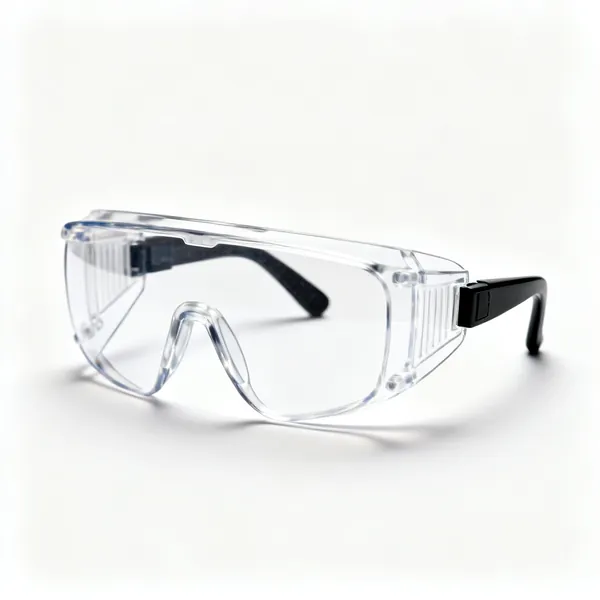
  • A pair of clear lens safety glasses with side shieldsEssential

    Safety glasses

    Working overhead with water and detergent means both, plus grit, coming down into your face. Cheap, and the one injury here that does not recover.

  • Waterproof jacket: A folded yellow waterproof work jacket

    Waterproof jacket

    Every drop you put on an overhead surface comes back down. It sounds trivial and it is what decides whether the job gets finished properly or hurried.

Cleaning a conservatory roof safely

From the ground, with soft tools and no pressure washer. The roof will not take your weight and the plastic scratches.

You cannot stand on it

A conservatory roof is a fragile surface in the formal sense. Polycarbonate sheet carries almost no point load, glazing bars are not walkways, and even toughened glass units are not designed to be stood on. Falls through conservatory and rooflight glazing are a recognised cause of serious injury.

That is why the whole job is done from the ground with poles, or from a ladder set alongside and never resting on the roof. If something genuinely cannot be reached from either, the answer is a tower or a contractor rather than a careful step onto a glazing bar.

No point load at all
Not on the sheet, not on the bars. Both are glazing components rather than structure.
Never rest a ladder on it
The ladder goes alongside against the wall, or on a stand-off. Not on the roof or the frame.
Poles first
Almost all of it is reachable from the ground with a telescopic brush and a hose.
Out of reach means a tower
Not a careful step onto a bar. That is the decision that causes the accidents.

No pressure washer

A pressure washer does three things to a conservatory roof, all of which cost money. It drives water past the seals and into the roof, it lifts the capping and the gaskets on the glazing bars, and on polycarbonate it strips the UV coated surface layer.

That coating is what stops the sheet yellowing and going brittle. Once it has been blasted off, the sheet degrades in a few years rather than twenty. A soft brush and a hose does the job without any of that.

It forces water past the seals
Straight into the roof build up and often into the room. The leak appears later and looks unrelated.
It lifts cappings and gaskets
Once a capping has lifted it does not reseat, and the roof then leaks at that bar.
It strips the UV layer
On polycarbonate that coating is the sheet's whole lifespan. Removing it is not recoverable.
Soft brush and hose instead
Slower and it cleans just as well without any of the above.

Green algae inside polycarbonate

Multiwall polycarbonate is hollow, and the green staining people find most annoying is algae growing inside the flutes rather than on the surface. Washing the outside does nothing to it, which is why the roof still looks green after cleaning.

It gets in through unsealed or failed ends. The sheet ends should be sealed with breather tape and closed with an end cap, and if algae is inside, the honest position is that it cannot be cleaned out effectively. Flushing sometimes helps a little; usually it means resheeting.

Green inside is algae in the flutes
Washing the surface will not touch it. This is why the roof still looks green afterwards.
It enters at the sheet ends
Failed or missing breather tape and end caps. That is the fault to fix, not the algae.
It is not really cleanable
Flushing occasionally helps. Mostly it means the sheet has reached the end of its life.
Seal new sheet properly
Breather tape and end caps at both ends. It is what determines whether this happens at all.

The box gutter is where the leaks are

Where a conservatory roof meets the house there is usually a box gutter or a lead flashing, and that is the detail that actually causes most conservatory leaks. It is also the part nobody cleans, because it is the hardest to see.

It fills with leaves and silt, ponds, and then backs up under the flashing. Clearing it is part of cleaning the roof rather than a separate job, and it is worth doing first because the debris from it ends up on the glazing anyway.

Clear it first
Whatever comes out of it lands on the glazing, so doing it first saves cleaning twice.
It causes most leaks
A blocked box gutter ponds and backs up under the flashing, and the leak looks like a roof fault.
Check the outlet runs
Water in at the top and out at the bottom. A blocked outlet is invisible from the ground.
Look at the flashing while you are there
The gutter is only accessible now, and a lifted flashing is easy to see with it empty.

Everything about not scratching it

Polycarbonate is soft. A grain of grit trapped in a brush head will draw a line across a panel that cannot be polished out, and a stiff brush will haze the whole surface over a few cleans.

So rinse the brush before it touches the roof, rinse the roof before you brush it, use soft bristles, and keep anything abrasive away entirely. No scouring pads, no glass scrapers, no household cream cleaners.

Rinse first, brush second
Grit on the surface is what scratches, carried by the brush. Wash the loose material off first.
Rinse the brush too
A brush that has been on the ground has grit in it, and it takes that grit straight onto the plastic.
Soft bristles only
A stiff brush hazes polycarbonate within a few cleans, and the haze is permanent.
Nothing abrasive
No pads, scrapers or cream cleaners. Mild detergent and water is what the sheet is rated for.

Frequently asked questions

What tools do I need to clean a conservatory roof?
A telescopic pole with a soft brush head, a hose or water fed pole for rinsing, a gutter scoop for the box gutter, a squeegee or microfibre head for glass, and mild detergent. A ladder set alongside if some of it cannot be reached from the ground.
Can you walk on a conservatory roof?
No. Polycarbonate sheet carries almost no point load and glazing bars are not walkways, so both give way. Falls through conservatory and rooflight glazing are a recognised cause of serious injury. Work from the ground with poles, or from a ladder set alongside.
Can I use a pressure washer on a conservatory roof?
No. It forces water past the seals into the roof, lifts the glazing bar cappings and gaskets so they no longer seat, and on polycarbonate it strips the UV coating that determines the sheet's lifespan. A soft brush and a hose cleans just as well.
How do I get rid of green algae in polycarbonate roof panels?
If the green is inside the hollow flutes rather than on the surface, cleaning the outside will not touch it. It entered through failed or missing breather tape and end caps. Flushing occasionally helps a little, but usually it means the sheet has reached the end of its life.
What should I clean a conservatory roof with?
Mild detergent in water with a soft brush, then a clean water rinse. Nothing abrasive, no scouring pads, no glass scrapers and no cream cleaners, because polycarbonate is soft enough that all of them leave permanent marks.
How do I clean the gutter where the conservatory meets the house?
With a scoop on a pole from the ground or from a ladder set alongside, and do it before the glazing rather than after, since the debris lands on the roof. Then flush it and check water comes out of the outlet, because a blocked box gutter causes most conservatory leaks.
Why does my conservatory roof still look green after cleaning?
Because the algae is inside the hollow flutes of the polycarbonate rather than on the surface. Surface washing cannot reach it. It got in through unsealed sheet ends, and it is not really cleanable once established.
How often should a conservatory roof be cleaned?
Twice a year suits most, in spring and after the autumn leaves. Clearing the box gutter matters more often than cleaning the glazing, since a blocked gutter causes leaks while dirty glazing only looks bad.