- What plumbing tools do I need for basic repairs?
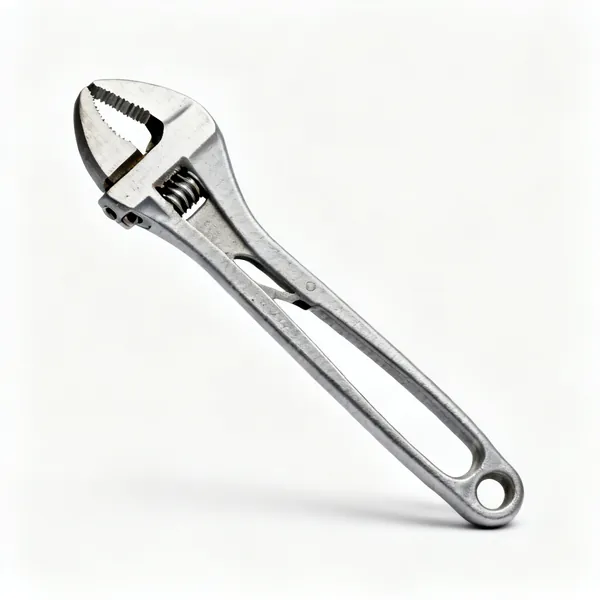
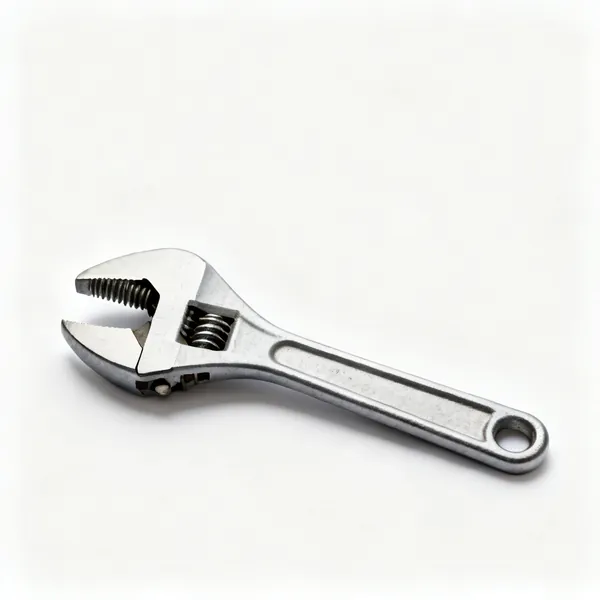
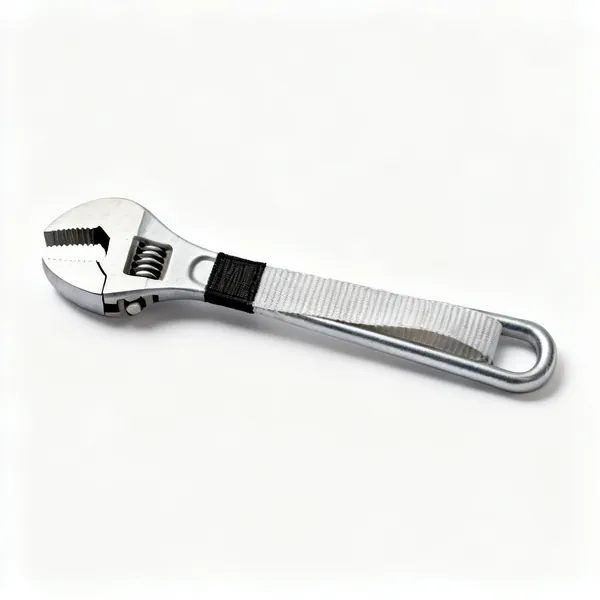
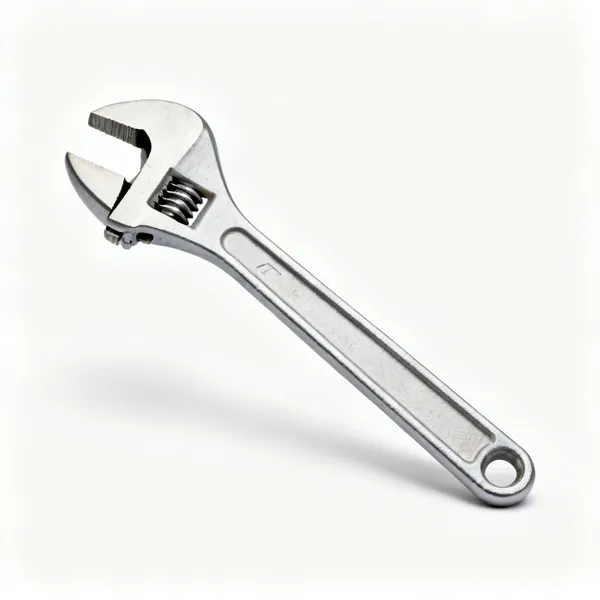
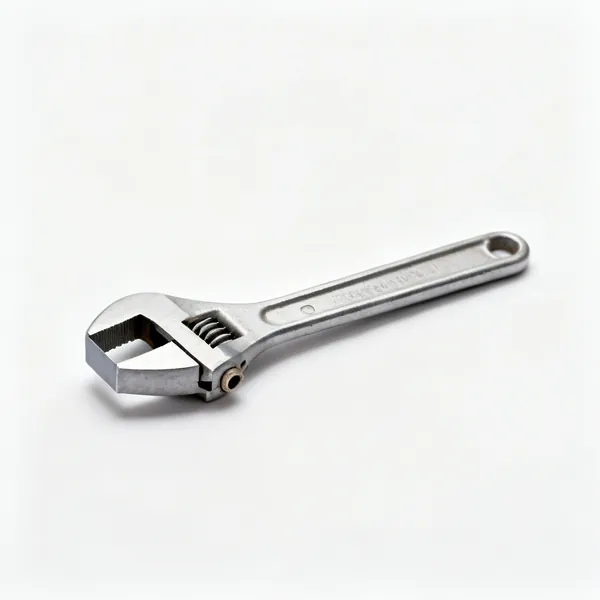
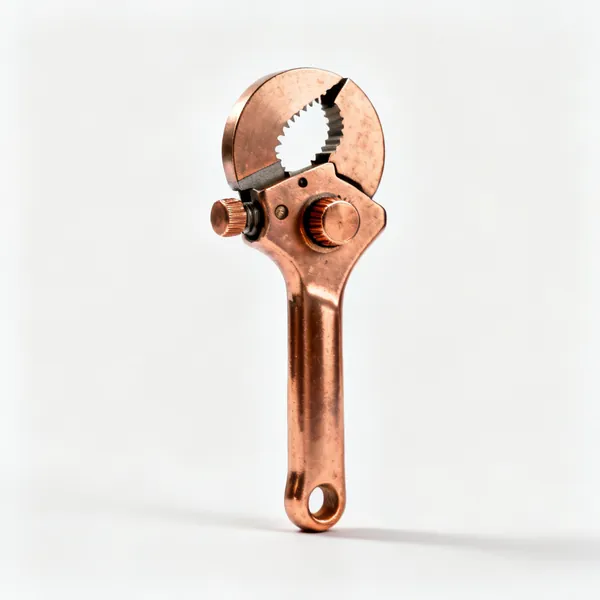
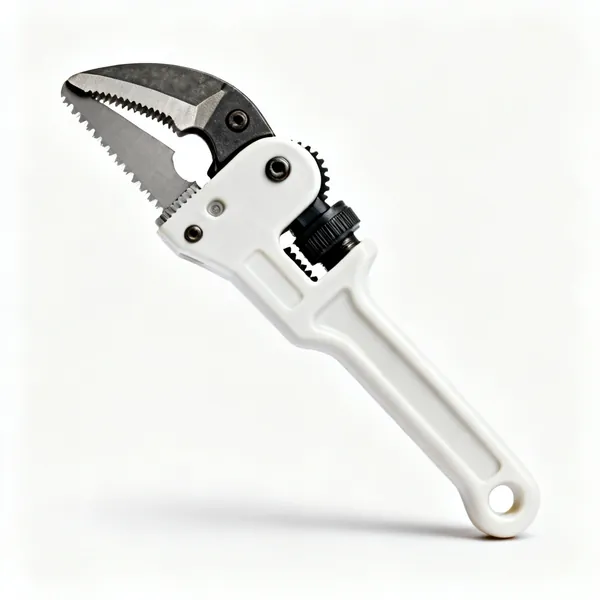
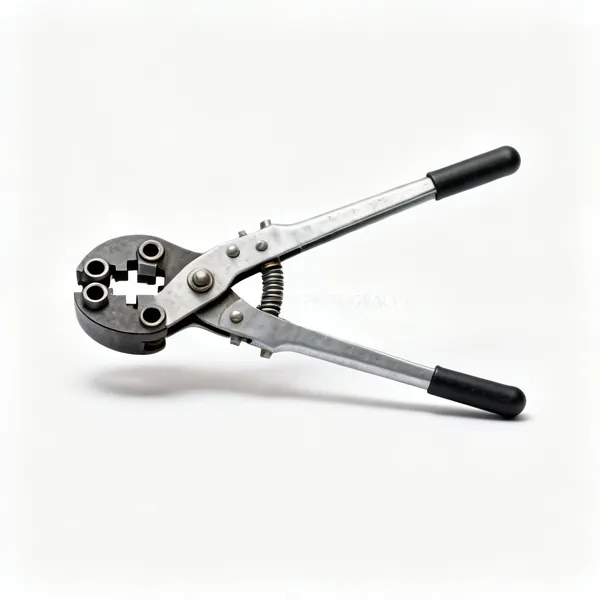
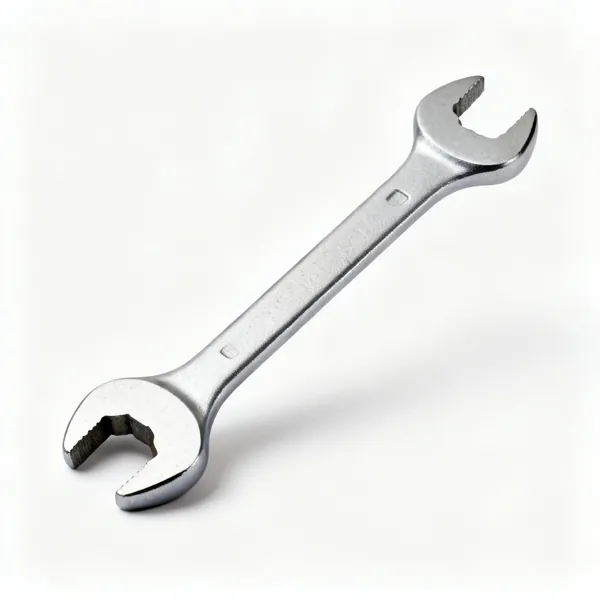
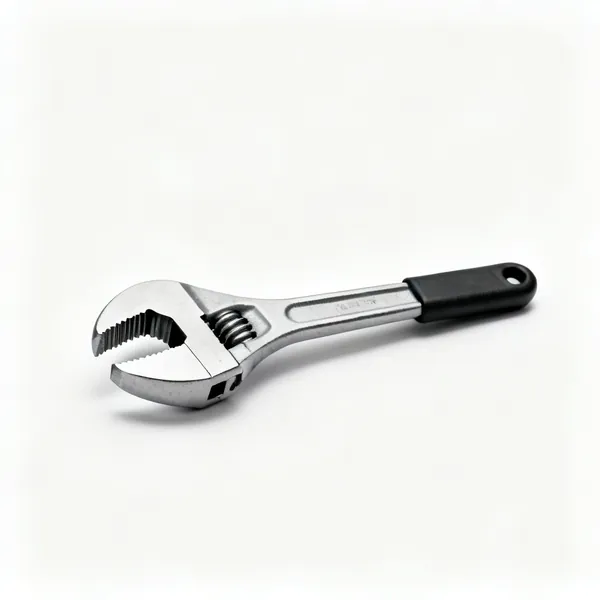
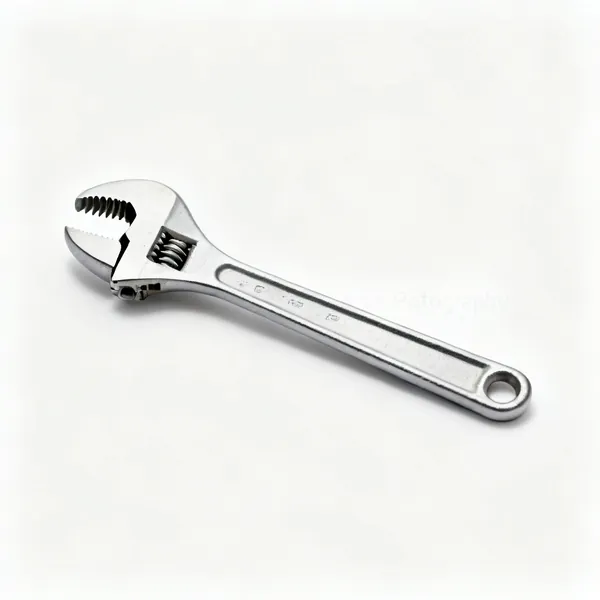
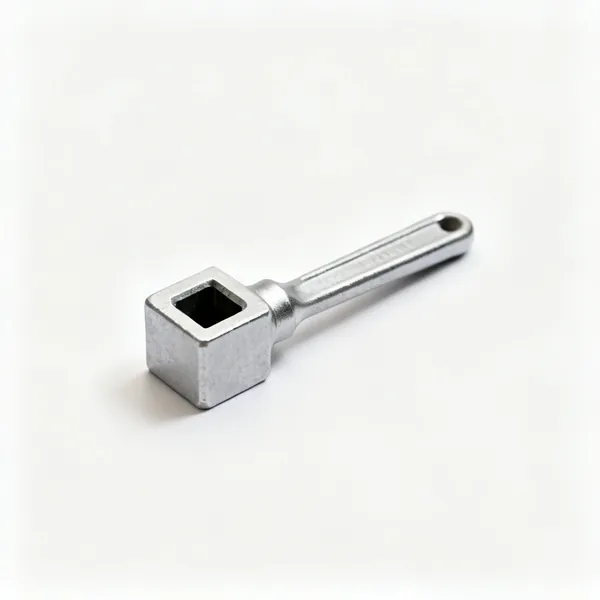
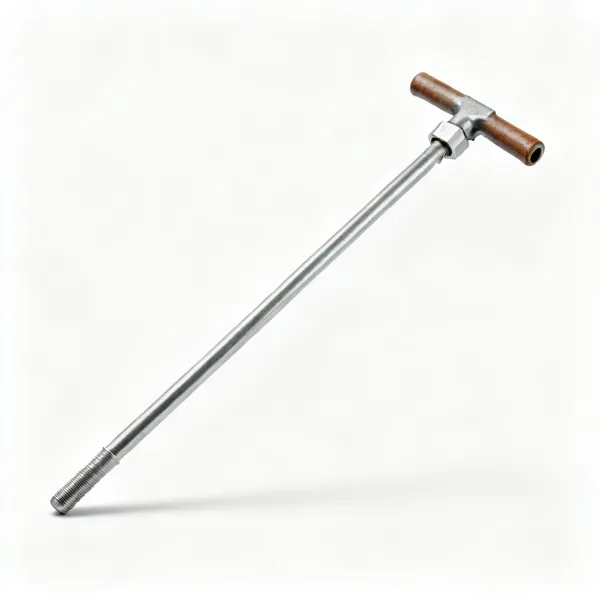
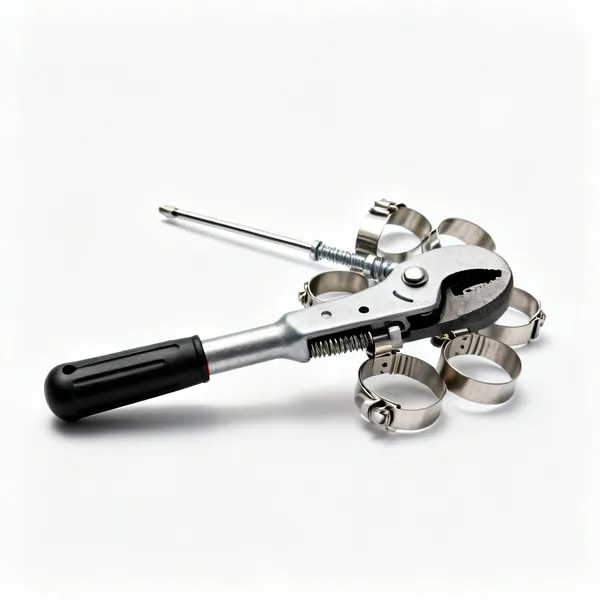
- Water pump pliers, an adjustable spanner, a copper pipe cutter, PTFE tape, a basin wrench, a plunger and a bucket. That handles washers, traps, isolating valves and most weeping joints, which is the majority of domestic plumbing.
- What is the difference between a pipe wrench and water pump pliers?
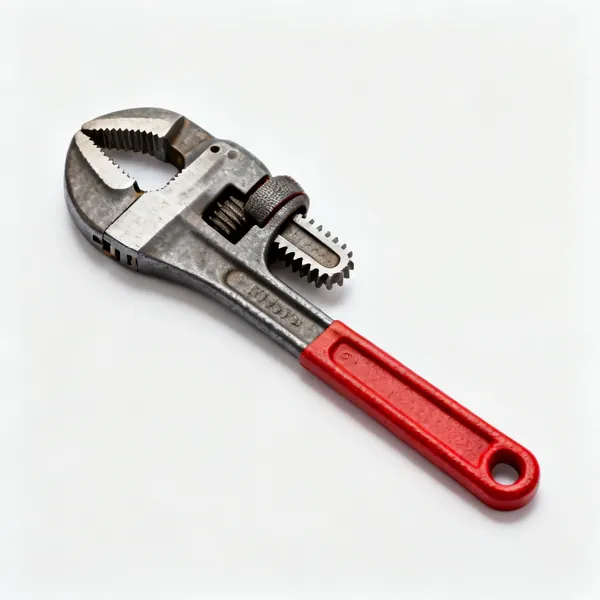
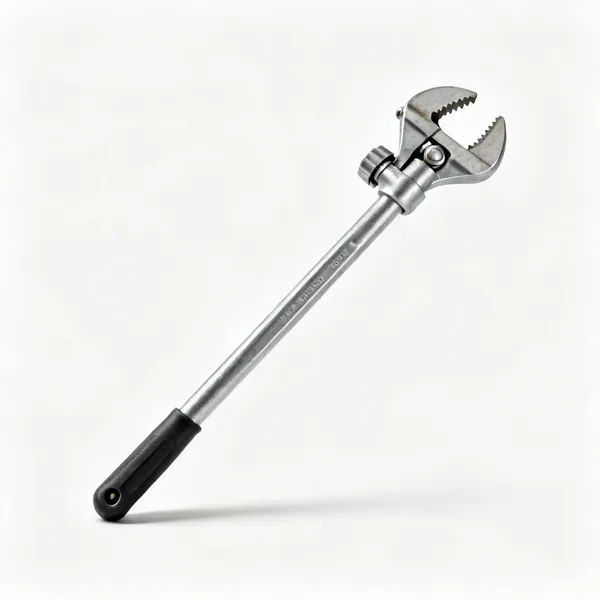
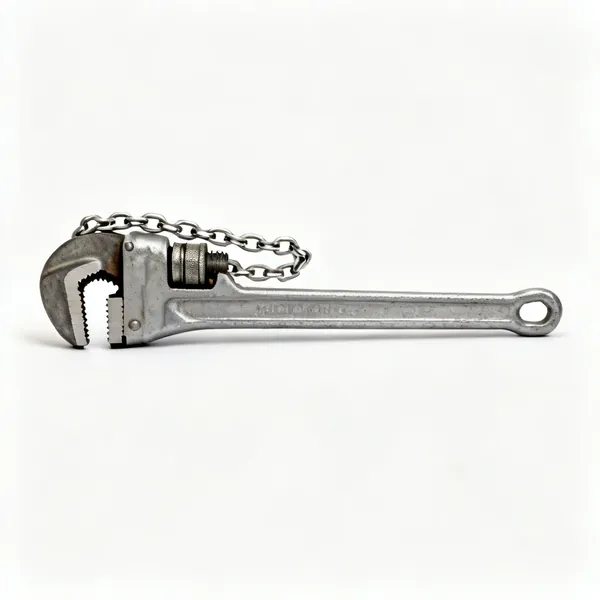
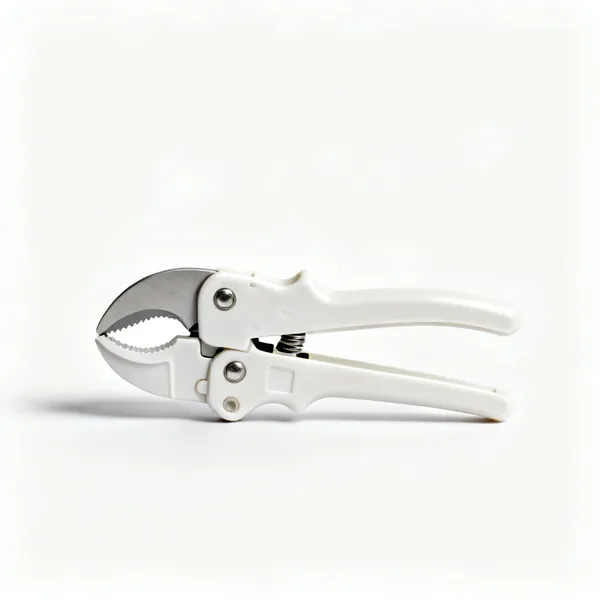
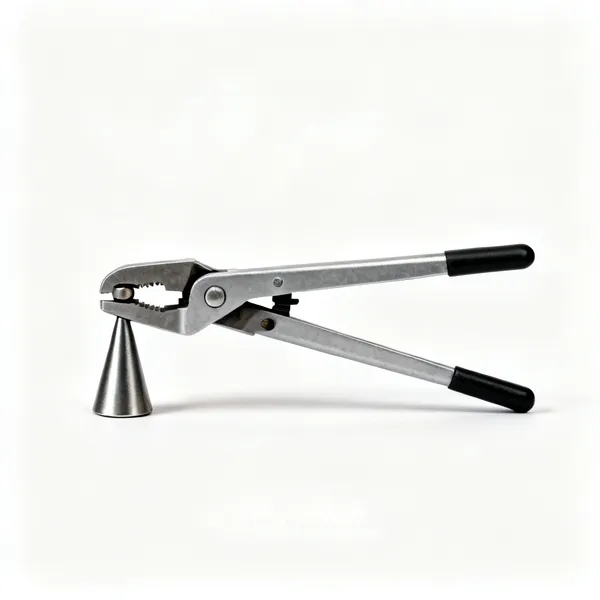
- A pipe wrench has hardened toothed jaws that bite into round pipe and grip harder as you pull, so it marks whatever it touches. Water pump pliers have smooth or lightly serrated parallel jaws that adjust wide, for nuts and fittings you do not want chewed.
- Should I use a pipe cutter or a hacksaw on copper?
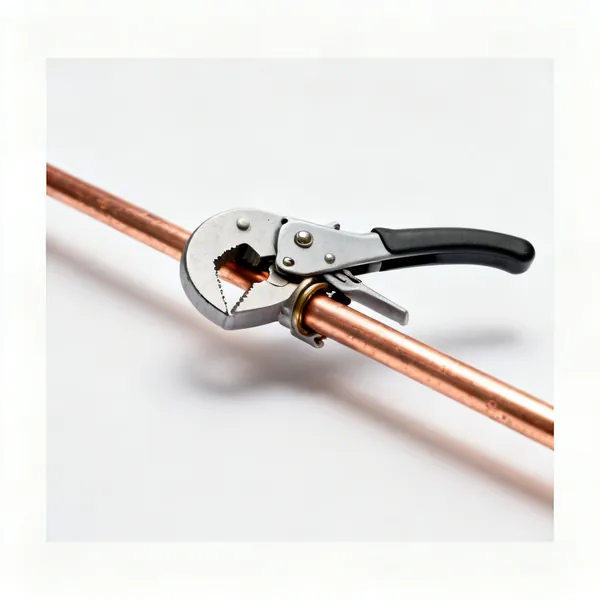
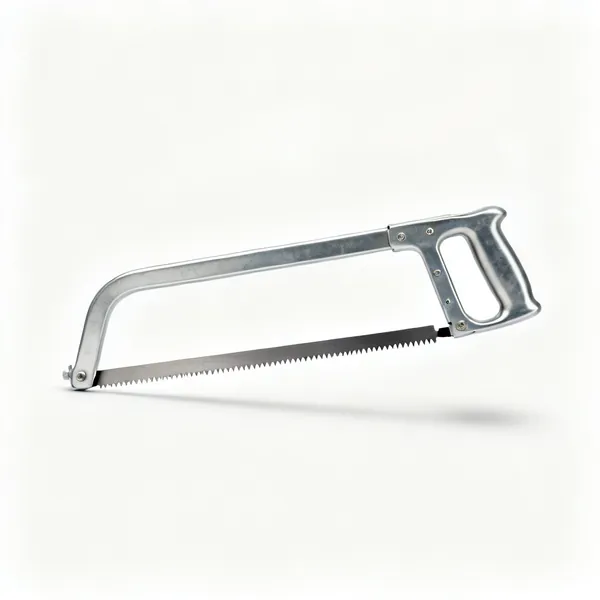
- A pipe cutter, nearly always. It leaves a square burr free end that seals properly. A hacksaw leaves swarf inside the pipe that lodges in the next valve or cartridge, and an out of square end that will not seat.
- What is a basin wrench for?
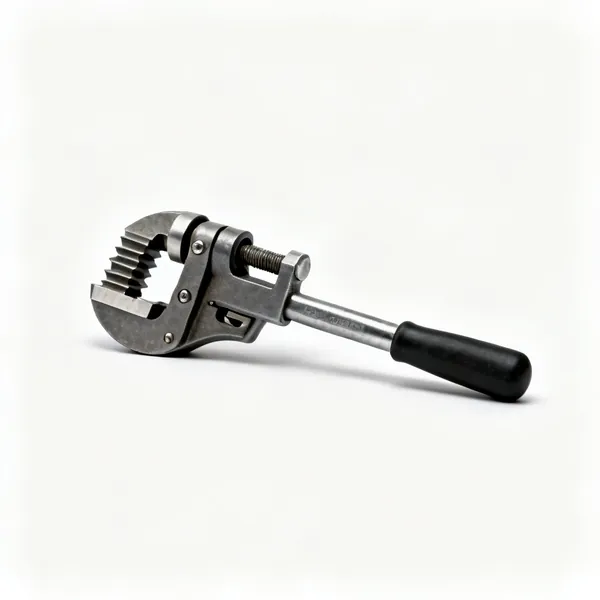
- Reaching the tap connector nuts behind a basin, where there is no room for any normal spanner. It looks like a single purpose oddity because it is one, and it is the only tool that does that job.
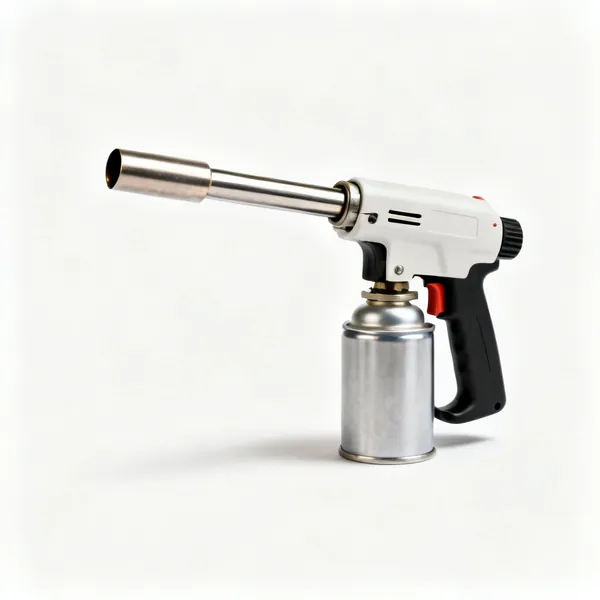
- Do I need a blowtorch, or can I use push fit?
- Push fit is fine, tolerant of slightly damp pipe and much safer in a confined space. Soldered joints are cheaper in fittings, far slimmer, and neater where they will be seen. Most people should own push fit and learn soldering when they need it.
- Why does my compression joint leak?
- Usually overtightening, which deforms the olive, or a mismatched olive from a different brand. Occasionally the pipe end is out of square or scored. Undo it, fit a fresh olive, and tighten firm plus about a quarter turn rather than as hard as possible.
- Where should PTFE tape be used?
- On threaded joints only, wound in the direction that tightening will not unwrap. It does nothing on a compression olive or a push fit, and on a compression joint it can hold the olive off its seat and cause the leak you were trying to prevent.
- How do I unblock a drain without chemicals?
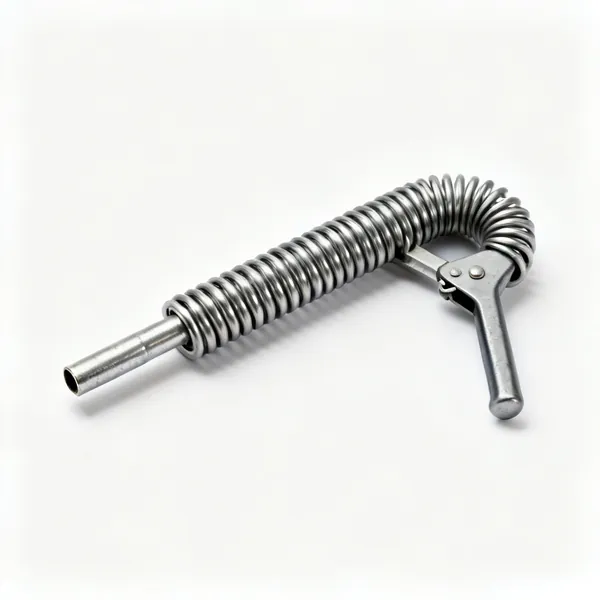
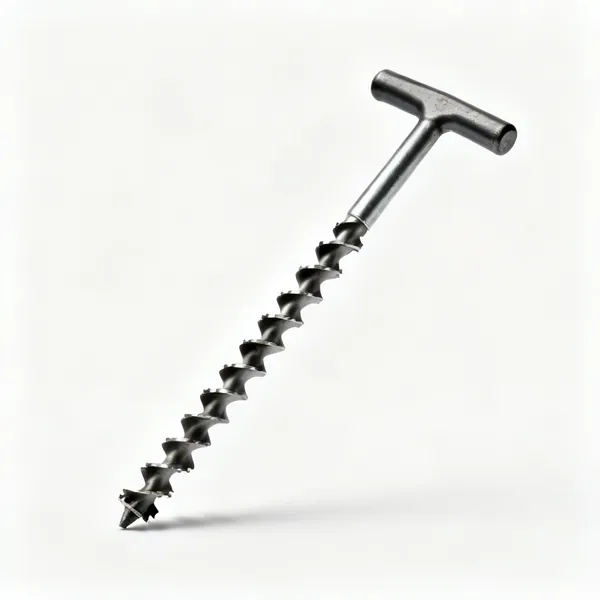
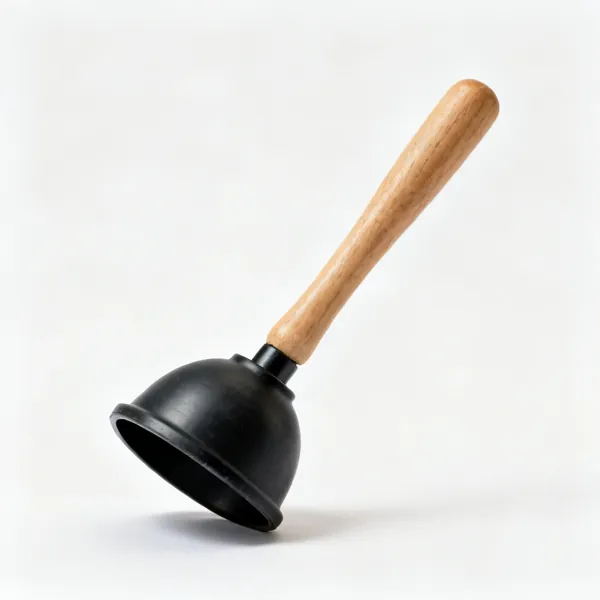
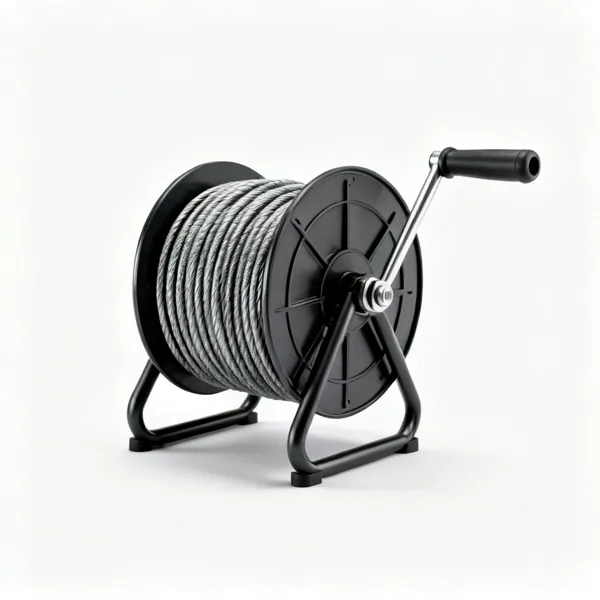
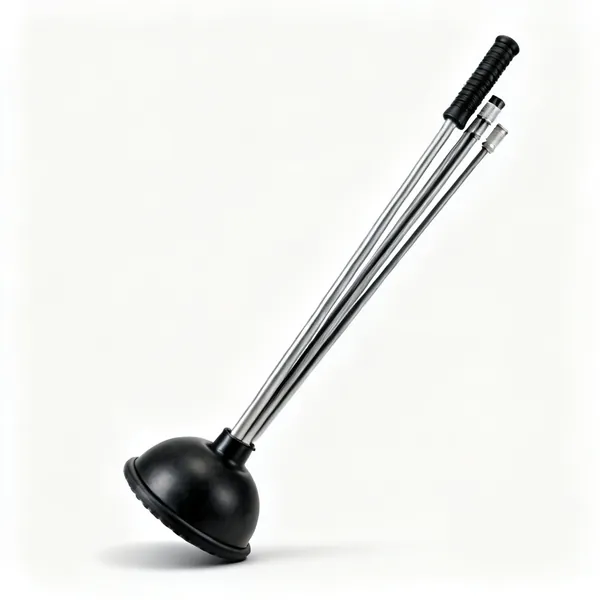
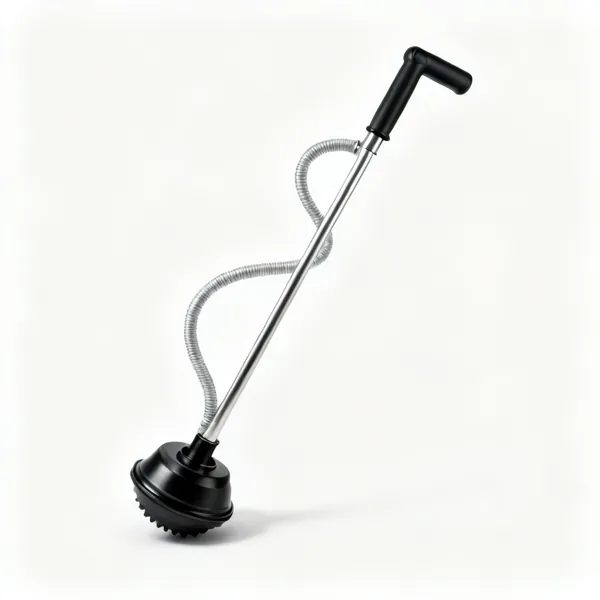
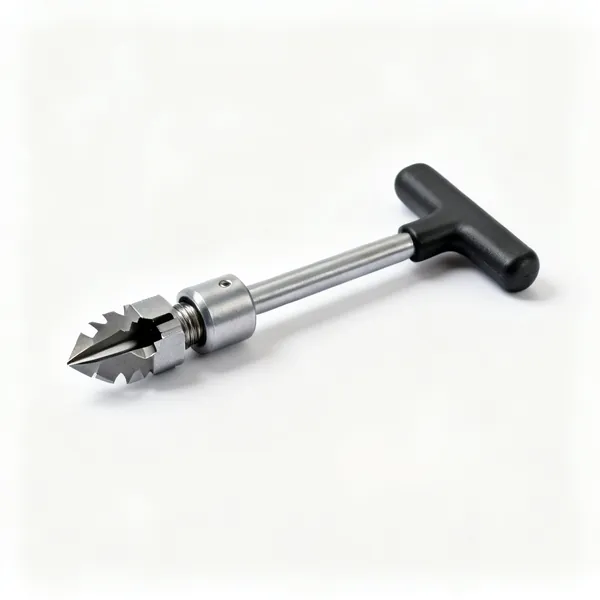
- A plunger for a sink, a sink auger for a trap and short run, drain rods for an outside run or a manhole. Mechanical clearing removes the blockage; chemicals sometimes dissolve part of it and always sit in the pipe if they do not.
- What is a pipe freezing kit?
- It freezes a plug of water in the pipe so you can work downstream without draining the system. For situations where isolation is impossible or the drain down would be enormous, and it buys you a limited working time.
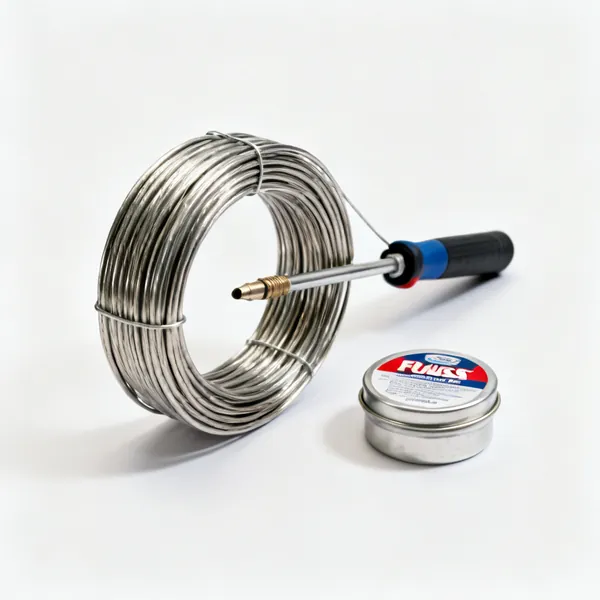
- How do I stop a soldered joint from failing?
- Clean the pipe and fitting properly, flux both, heat the fitting rather than the solder until it draws in on its own, and do not overheat. Burnt flux is the usual cause of a joint that looks perfect and weeps a week later.
- Can I turn the water off myself?
- Yes, at the internal stopcock, usually under the kitchen sink, and there is an external one at the boundary. Test yours now rather than during an emergency, because a valve that has not moved for years often will not.
- How long should I pressure test before closing up?
- At least an hour at normal working pressure, longer if you can, and check every joint by hand and by eye. A weep found while the panel is off is a five minute fix, and the same weep found later is a ceiling.
- What tools do plumbers actually carry every day?
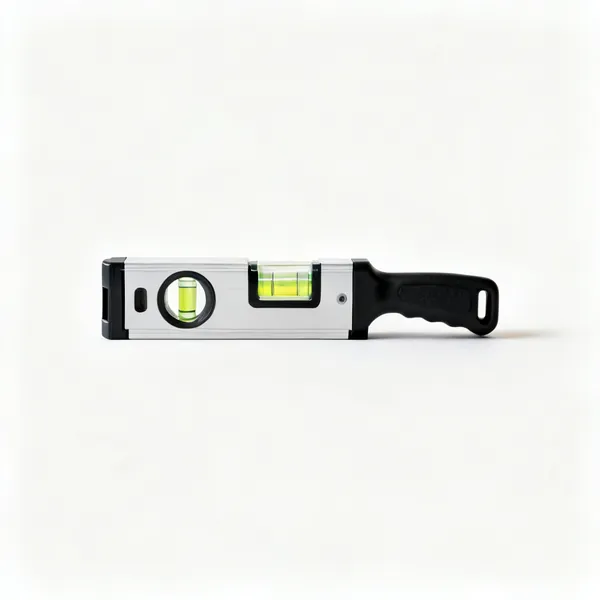
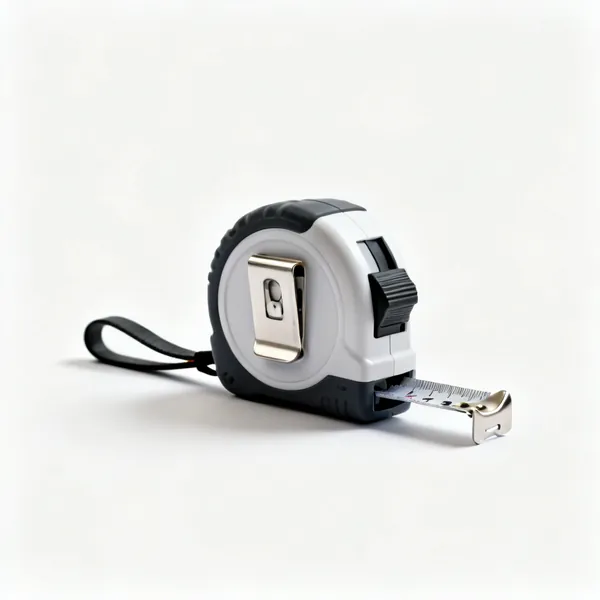
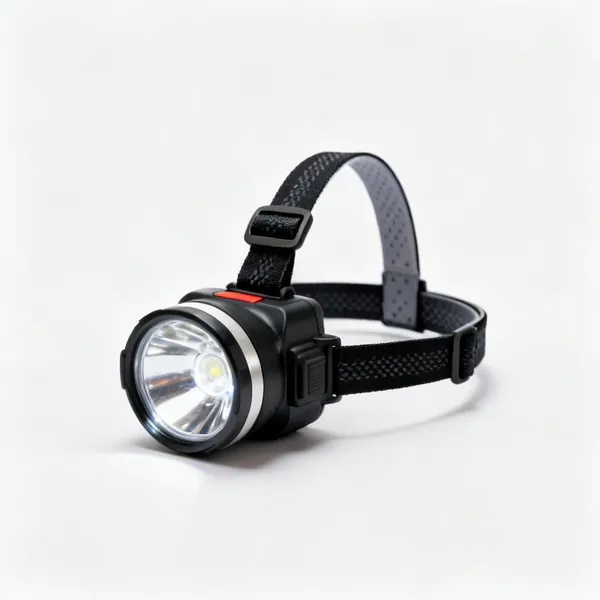
- Far less than a full plumbing tools set. A pipe cutter, two adjustable spanners, water pump pliers, long nose pliers, a basin wrench, screwdrivers, a tape, two spirit levels and a head torch cover most of a working day. The specialist tools come out of the van when a specific job needs them.
- Is it worth buying a plumbing tools kit or individual tools?
- Individual tools, in nearly every case. Kits are priced on piece count, so most of the contents are sizes and types you will not use, and the quality of the pieces you will use is lower than buying those few properly. Graduated sets such as hex keys are the exception.