Disclosure

Tools for plumbing work, job by job

Which tools each plumbing job actually needs, all 32 grouped by the four jobs domestic plumbing consists of: repairs, replacements, alterations and installations. Each step up adds tools rather than replacing them.

26 are marked essential: they appear in more than one of the four jobs.

Part of the full plumbing tools list, 56 tools in 9 groups.

Job one: repairs 8

A drip, a blockage, an airlock or a stuck valve. The cheapest list here, and it fixes most of what goes wrong in a house.

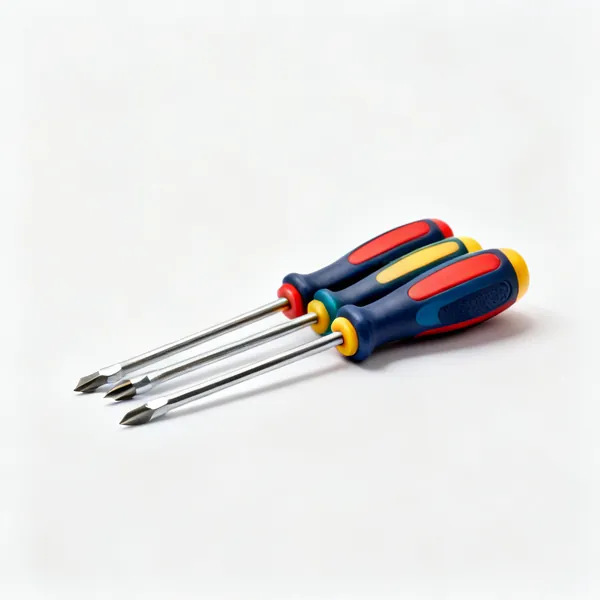
  • Screwdriver set: A set of screwdrivers with different tips and coloured moulded handlesEssential

    Screwdriver set

    Flat, Phillips and Pozidriv in several sizes. Opens isolating valves, tap heads and cistern parts, and matching the tip to fill the head is what stops it slipping and ruining the screw.

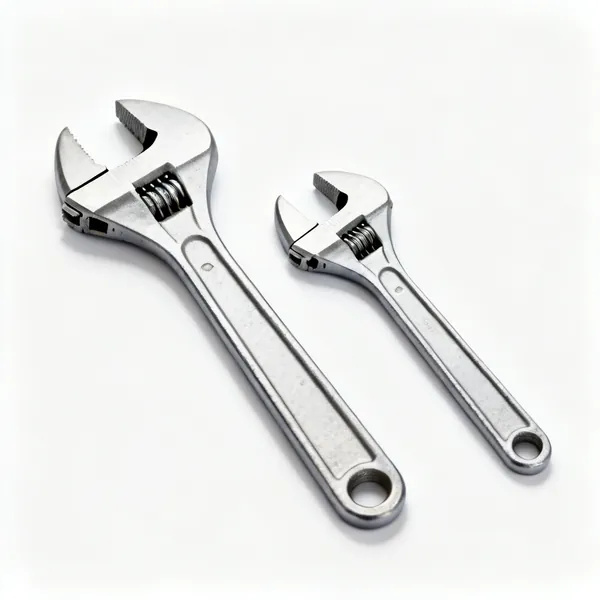
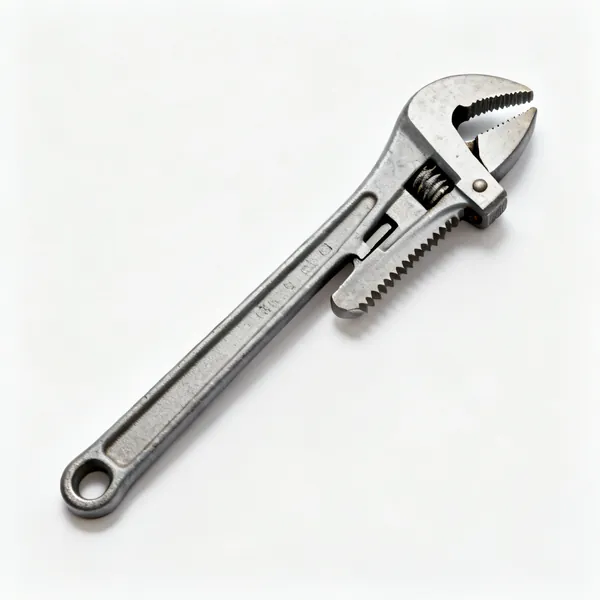
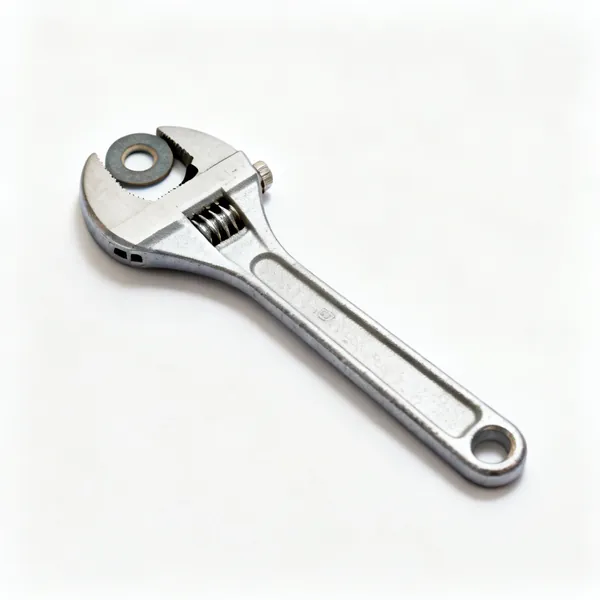
  • Two adjustable spanners of different sizes with knurled adjusting screwsEssential

    Adjustable spanners

    A pair, because nearly every plumbing joint needs one holding and one turning. Buy these properly: a spanner that flexes rounds the nut and then the repair becomes a replacement.

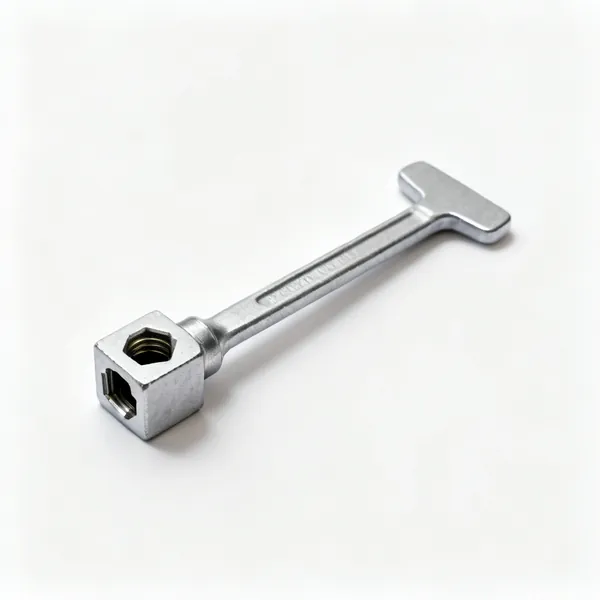
  • A small steel radiator bleed key with a square socket end and a flat handleEssential

    Radiator bleed key

    Releases air trapped at the top of a radiator, which is the most common heating complaint and the cheapest fix. A quarter turn is enough, and turning it right out empties the system.

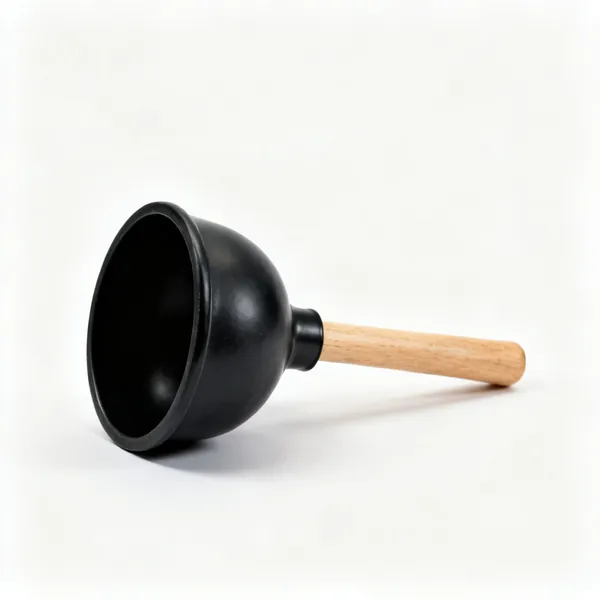
  • A black rubber cup sink plunger with a short wooden handleEssential

    Plunger

    Sends a pressure wave down a blocked waste. Block the overflow and keep water in the bowl, because pressure pulses shift a blockage and pushing into air does almost nothing.

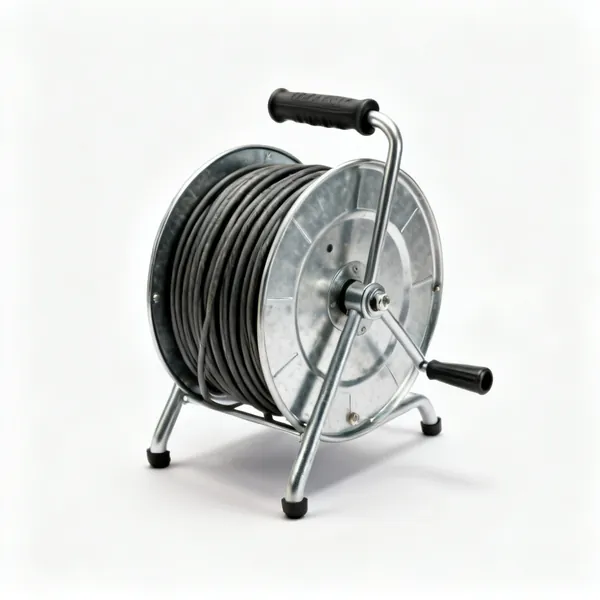
  • Hand auger: A drum hand drain auger with a metal drum, crank handle and coiled cableEssential

    Hand auger

    A spring cable in a drum, turned as it is fed into the pipe so it walks around bends. It reaches the blockage a plunger cannot move, which is most of them past the trap.

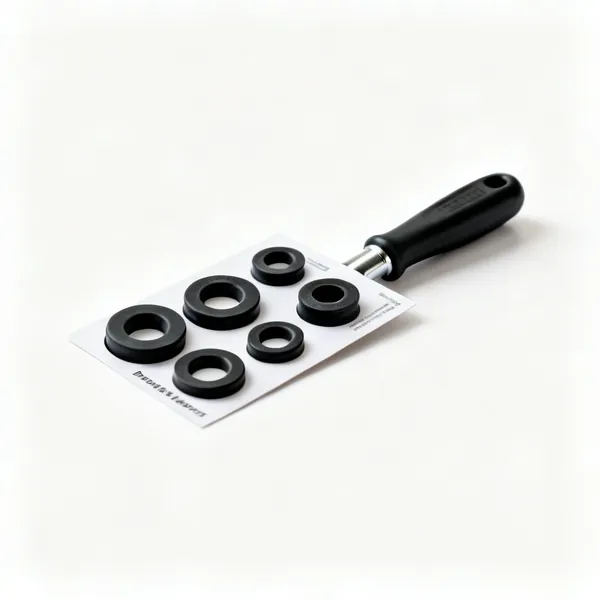
  • Tap washer set: An assortment of black rubber tap washers of different sizes on a cardEssential

    Tap washer set

    Assorted rubber washers, and the cheapest repair in plumbing. If a second new washer drips as fast as the first, the brass seat is pitted and needs regrinding instead.

  • A pair of water pump pliers with an adjustable slip joint and long serrated jawsEssential

    Water pump pliers

    Wide adjustable jaws for a trap nut, a large fitting or a seized valve pin. They mark whatever they grip, so keep them off anything that stays visible afterwards.

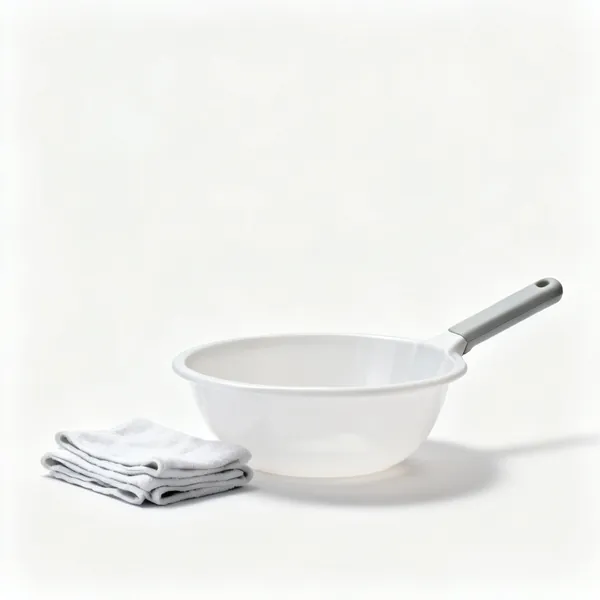
  • Bowl and cloths: A shallow plastic bowl with folded cloths beside itEssential

    Bowl and cloths

    In place before anything is undone, not fetched when water appears. The standing head in a first floor pipe is more than most people expect and it arrives immediately.

Job two: replacements 8

Swapping a tap, a trap or a radiator like for like. Adds access tools rather than pipework tools.

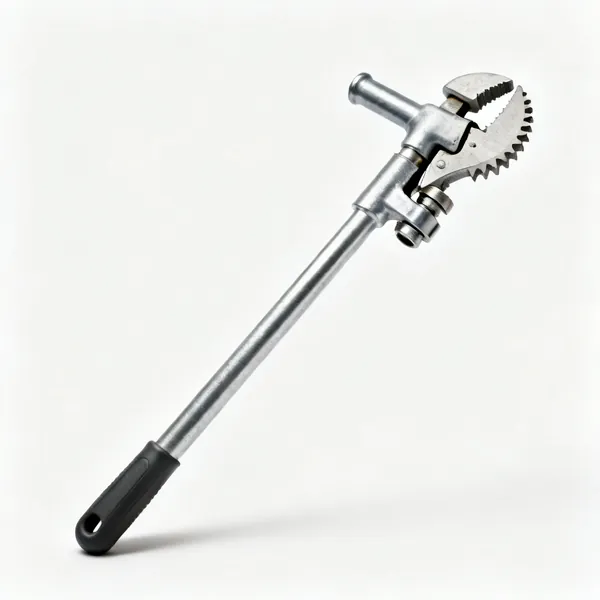
  • A basin wrench with a long steel shaft, T handle and swivelling toothed jawEssential

    Basin wrench

    Reaches the backnut behind a basin, working blind at an angle from below. There is no substitute, and it is the tool that decides whether a tap change is possible at all.

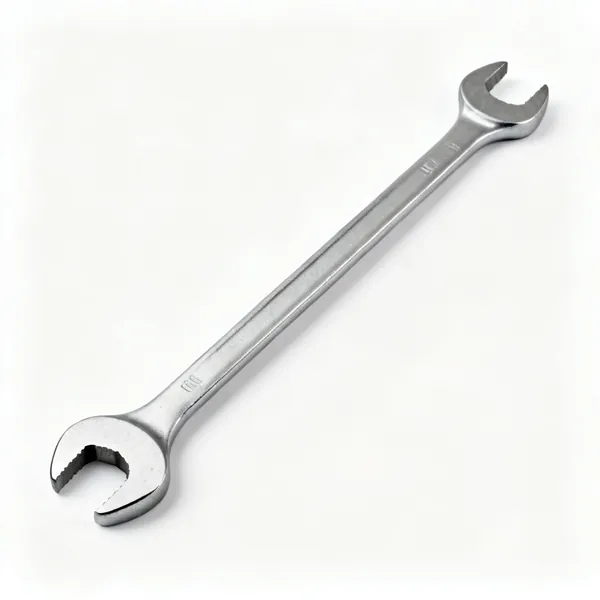
  • A long thin steel radiator spanner with open ends of two sizes

    Radiator spanner

    A long thin spanner for radiator union nuts tight against the panel and the skirting. Cheap, specialist, and it turns an awkward job into a straightforward one.

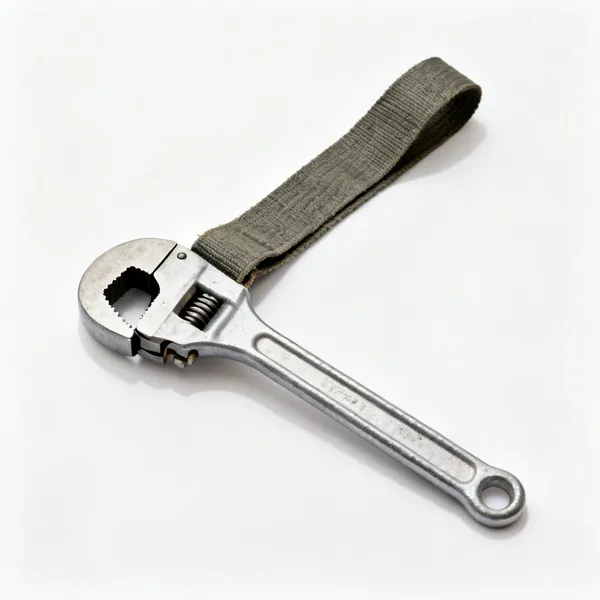
  • A strap wrench with a metal handle and a heavy fabric strapEssential

    Strap wrench

    Grips chrome without scratching it. On any fitting that stays visible this is the difference between an invisible repair and a permanent record of the job.

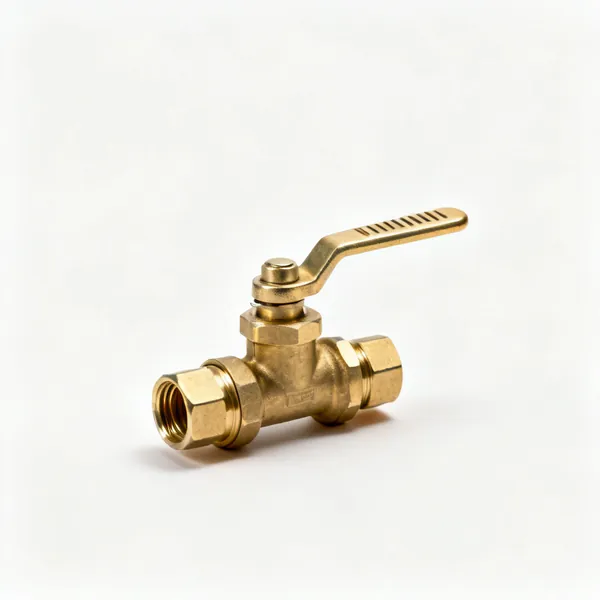
  • A pair of brass slotted screwdriver operated isolating valves with compression endsEssential

    Isolating valves

    Fitted whenever a tail is exposed, so the next job there needs only a screwdriver. This is the single best improvement you can make while something is already apart.

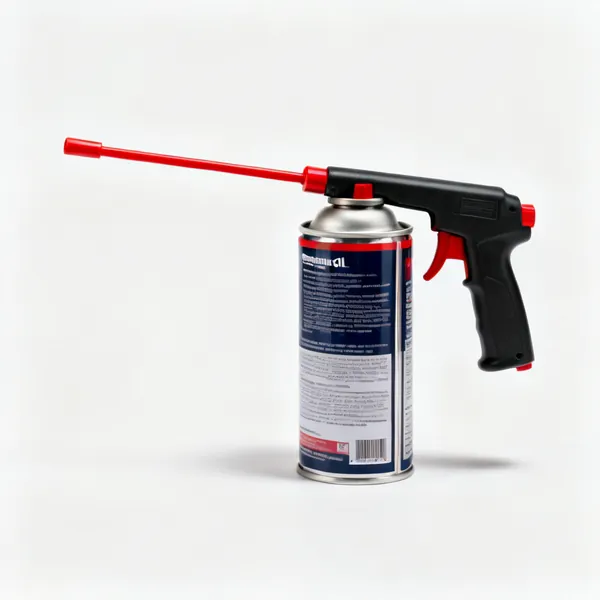
  • A spray can of penetrating oil with a red extension nozzleEssential

    Penetrating oil

    Frees a corroded backnut or union that has not moved in years. Applied the night before rather than applied and immediately forced, which is what snaps the tail instead.

  • Washer assortment: An assortment of plumbing washers of different types and sizesEssential

    Washer assortment

    Fibre, rubber and top hat washers for tails, traps and radiator unions. Always new, because a compressed washer has taken the shape of its old position and will not reseal.

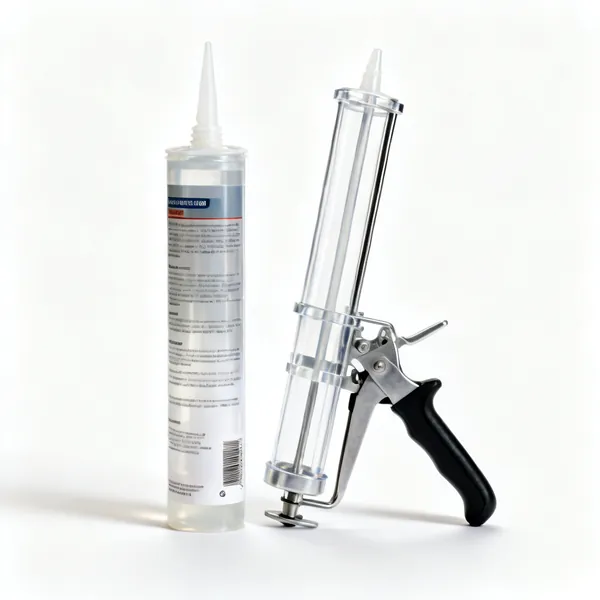
  • Silicone and gunEssential

    Silicone and gun

    Seals a tap base, a sink rim or a shower tray. Under the fitting rather than piped around it afterwards, because a visible external bead traps water instead of shedding it.

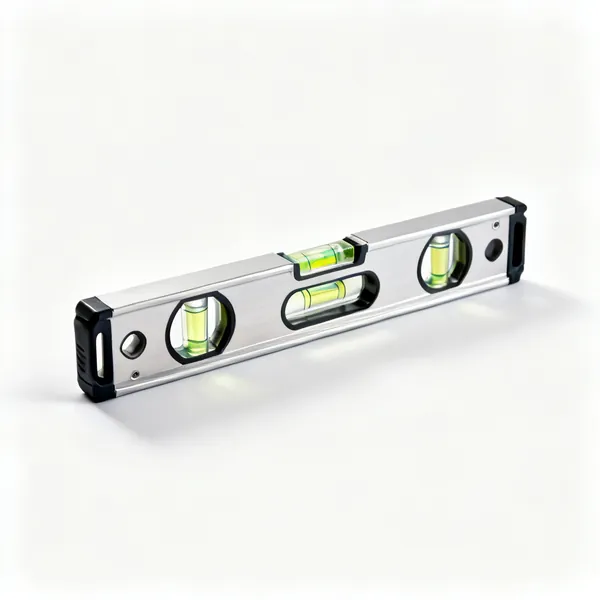
  • An aluminium spirit level with three glass vials and machined edgesEssential

    Spirit level

    A replacement radiator hung out of level traps air permanently, and a basin fitted out of level is visible from the doorway. Almost all complaints are about level, not function.

Job three: altering pipework 8

Moving or extending a run. This is where cutting, bending and joining tools become necessary.

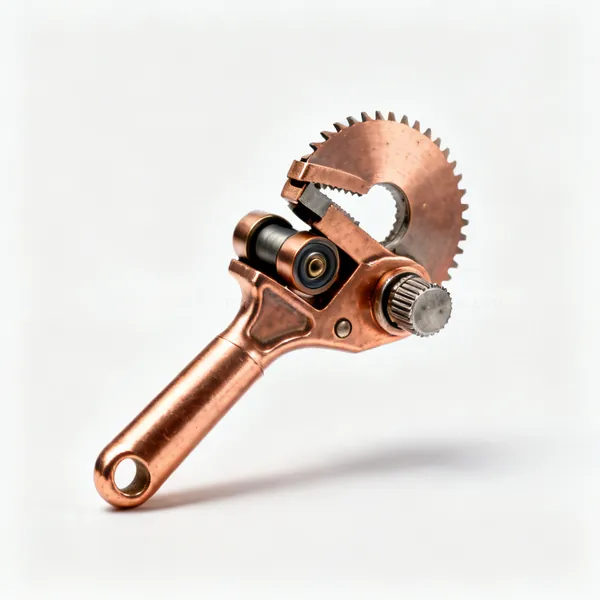
  • Wheel pipe cutter: A copper pipe cutter with a cutting wheel, two rollers and a knurled adjusting knobEssential

    Wheel pipe cutter

    Cuts copper square with no filings inside the pipe. A hacksaw drops swarf into the system, and that swarf ends up in the pump or a valve seat.

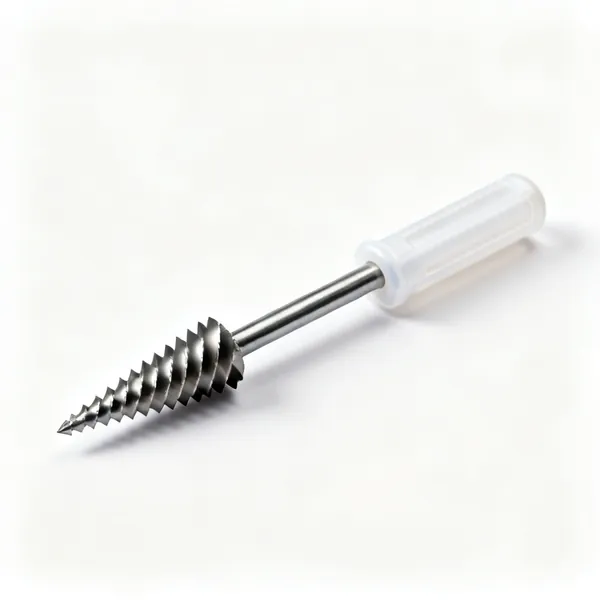
  • A pipe deburring reamer with a conical fluted blade and a plastic handleEssential

    Deburring reamer

    Shaves the internal burr off a cut end. Skipping it is the commonest cause of a joint that weeps months later, which makes it the cheapest insurance in the group.

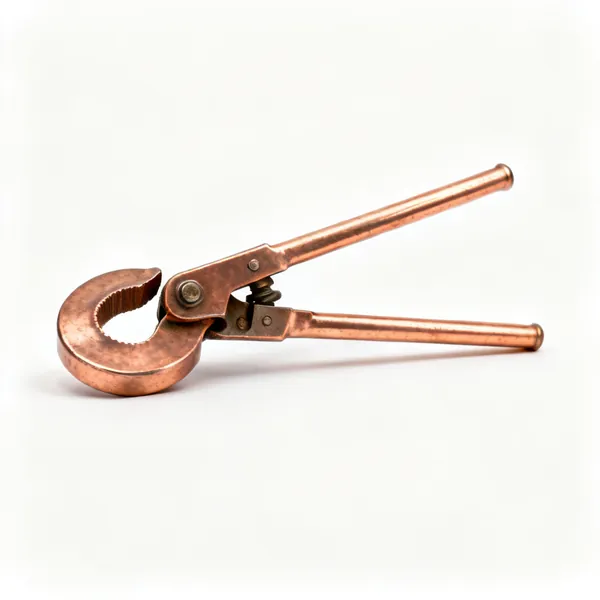
  • Lever pipe bender: A lever type copper pipe bender with two long handles and a curved former

    Lever pipe bender

    Bends copper cold without flattening the bore, removing two soldered joints per corner. Fewer joints means fewer leak paths and better flow through the run.

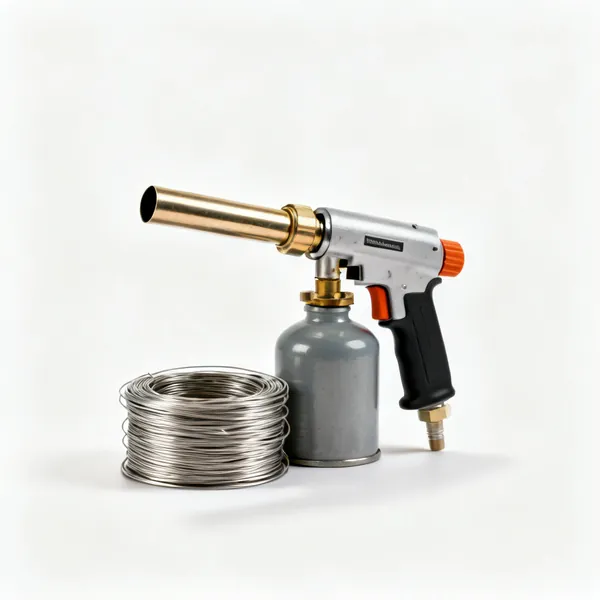
  • Blowtorch and solder: A plumbers blowtorch with a gas canister beside a coil of solder wire

    Blowtorch and solder

    Heats a joint so capillary action draws solder in. Heat the fitting rather than the solder, and never attempt it on a pipe with water still standing in it.

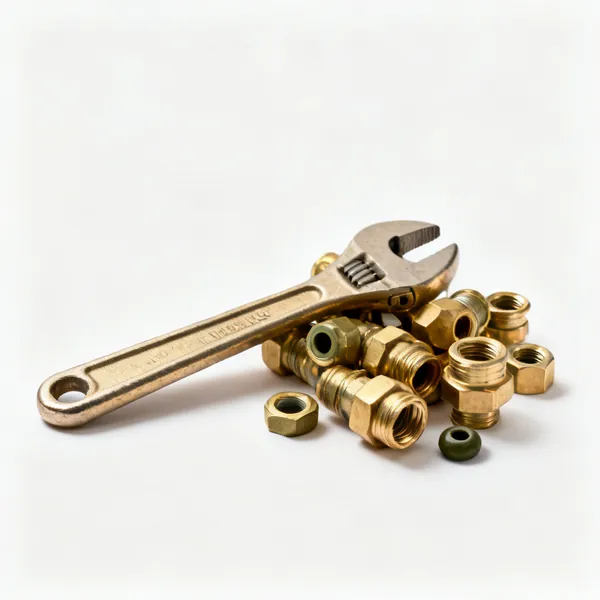
  • Compression fittings: A handful of brass compression plumbing fittings with nuts and olivesEssential

    Compression fittings

    An olive crushed between nut and body, needing only two spanners and no flame. Cheaper than press, more forgiving than solder, and it must stay accessible.

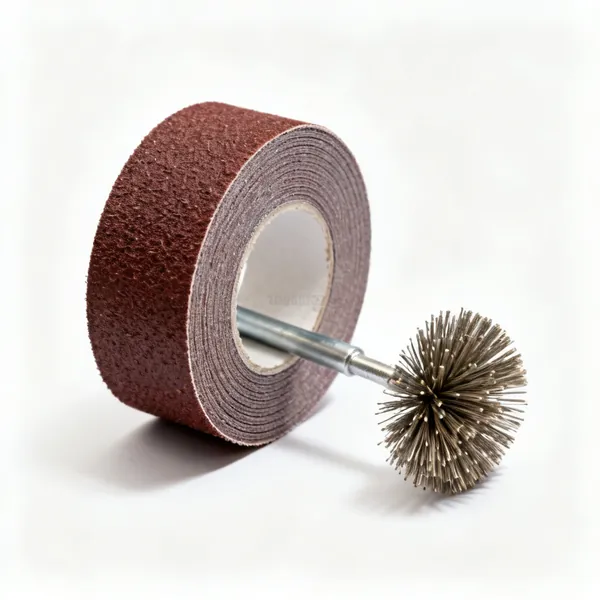
  • Abrasive strip and brushes: A roll of abrasive strip beside a set of round wire fitting brushesEssential

    Abrasive strip and brushes

    Takes the pipe and the fitting socket to bright metal. Solder will not wet oxidised copper, and flux dissolves the oxide that forms while you work rather than what was there before.

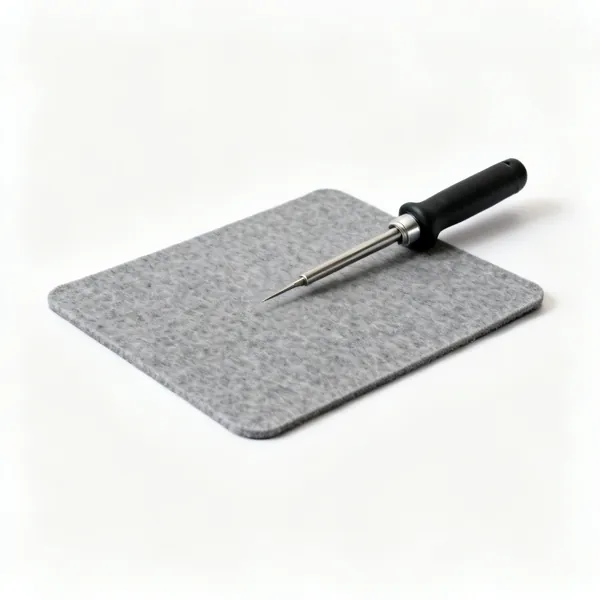
  • Heat proof mat: A grey fibre heat proof soldering mat, a flat rectangular padEssential

    Heat proof mat

    Behind any joint soldered near timber, plasterboard or insulation. A torch job that starts a fire usually shows itself hours later, which is why this is not optional.

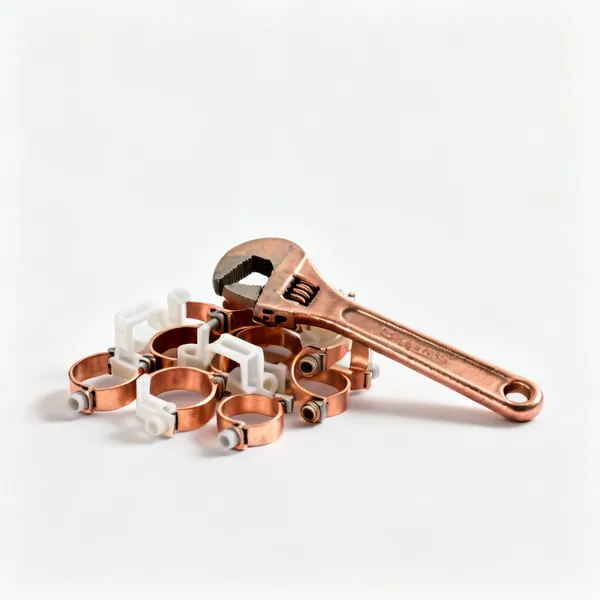
  • A handful of copper and plastic pipe clips of different sizesEssential

    Pipe clips

    Support the run so it does not sag or rattle. Copper expands with hot water, and an unclipped run is what makes a heating system tick as it warms up.

Job four: installing 8

A whole bathroom or kitchen. Everything above plus setting out, drilling and getting the falls right.

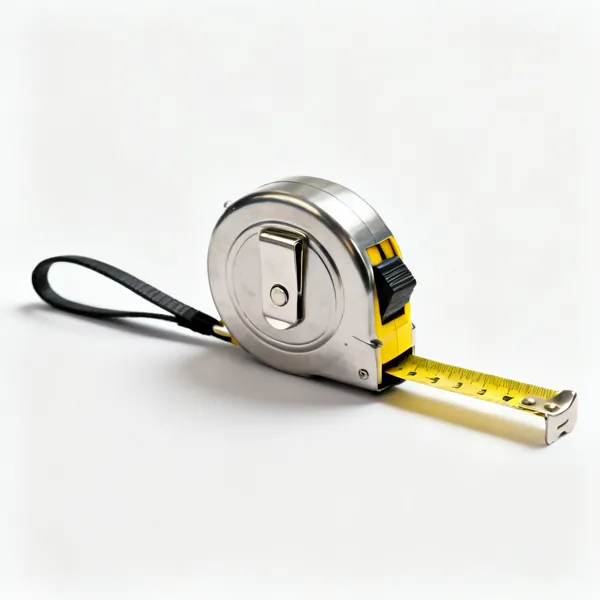
  • A retractable steel tape measure with a yellow blade, belt clip and locking buttonEssential

    Tape measure

    Measured to the fitting shoulder with socket depth allowed at both ends. Forgetting that allowance is the reason a first attempt at a cut length comes out short.

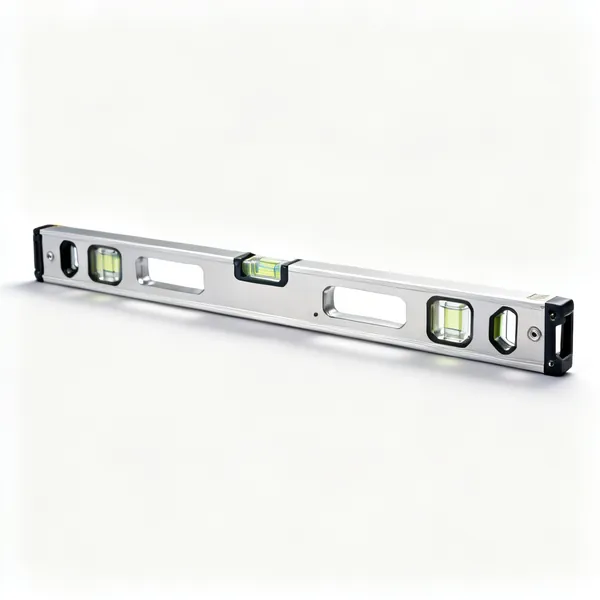
  • Long spirit level: A long aluminium spirit level with several glass vials and machined edgesEssential

    Long spirit level

    Sets a bath, a tray and a long pipe run. A short level over a long distance multiplies its own error, which is how a shower tray ends up draining to the wrong corner.

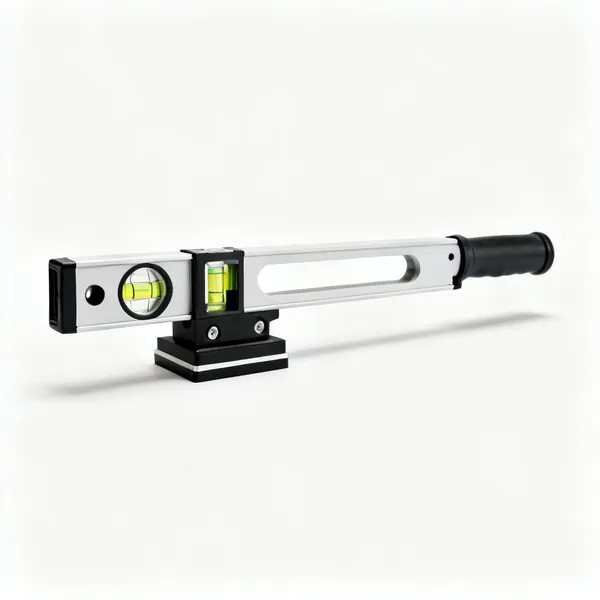
  • A pipe fall gauge level with an offset vial and a magnetic base

    Fall gauge

    Sets a deliberate gradient on a waste run, usually around 1 in 40. Too shallow and it blocks, too steep and the water outruns the solids, which blocks it differently.

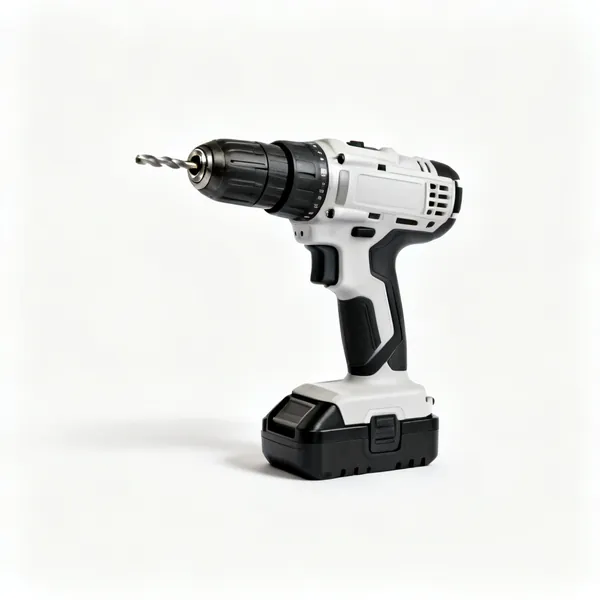
  • A cordless drill driver with a battery, chuck and pistol gripEssential

    Cordless drill

    Fixes clips, brackets and frames. Most of an installation is fixing things to walls rather than joining pipe, which surprises people expecting it to be all soldering.

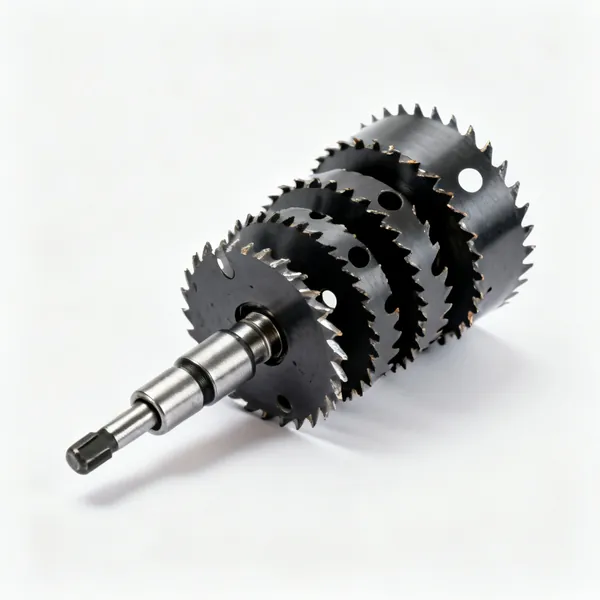
  • Hole saw set: A set of bi metal hole saws of graduated diameters with an arbor

    Hole saw set

    Cuts pipe openings through timber, plasterboard and worktop. Drill from the visible face and back it with scrap, because the exit side always tears.

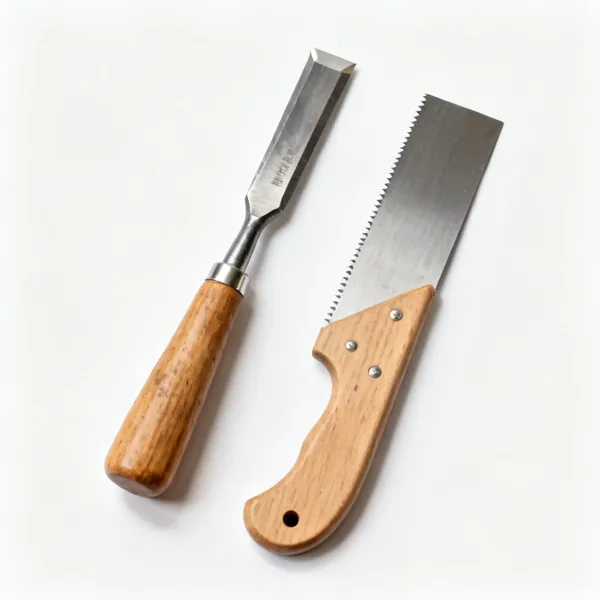
  • Chisel and pad saw: A wood chisel and a pad saw laid side by side

    Chisel and pad saw

    Notches a joist for a pipe run. There are limits on depth and position for structural reasons, and a notch in the wrong place weakens the floor rather than just looking untidy.

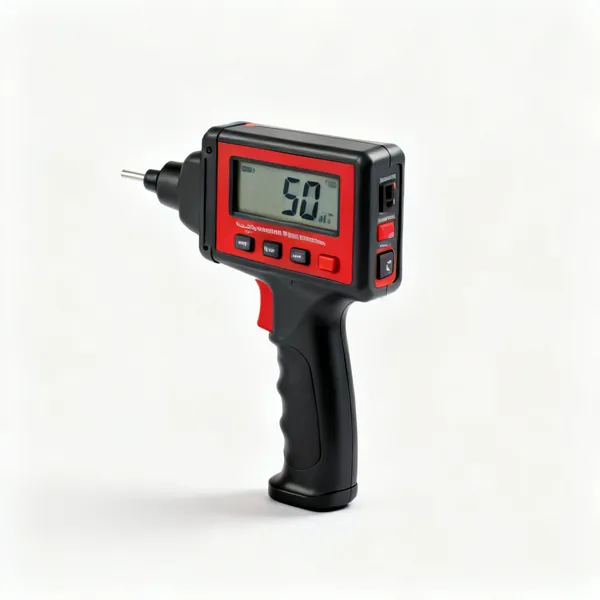
  • A handheld electronic stud and pipe detector with a digital displayEssential

    Detector

    Finds studs, joists, cables and pipes before you drill. In a bathroom the thing behind the plasterboard is often a pipe, and finding it with a drill is memorable.

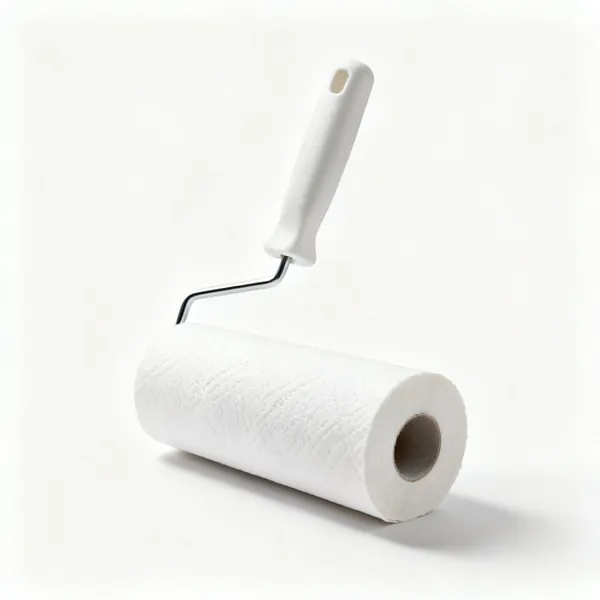
  • Kitchen roll: A roll of white kitchen paper towelEssential

    Kitchen roll

    Dry paper under each joint after filling, checked the next day. It is the only test that finds a weep too slow to see, and it is why it belongs in a tool list.

Buying for the job, not the trade

Work out which of the four jobs you have, buy that list, and stop. The rest can wait until you need it.

Domestic plumbing is four jobs

Repairs, which means a drip, a blockage or a stuck valve, and needs almost no tools. Replacements, meaning swapping a tap, a trap or a radiator for a like for like one, which needs a few specialist access tools. Alterations, meaning moving or extending pipework, which is where cutting, bending and joining come in. And installations, which is all of the above plus setting out.

Each step up adds tools rather than replacing them, so the buying order follows the same sequence. Nobody needs installation tools to fix a dripping tap, and plenty of people buy them anyway.

Repair
A drip, a blockage, a stuck valve. Screwdrivers, a bleed key, a plunger, an auger, a couple of spanners.
Replace
Like for like swaps. Adds a basin wrench, a radiator spanner, water pump pliers, new washers.
Alter
Moving or extending pipe. Adds a cutter, a reamer, a bender, and a joining method.
Install
A whole bathroom or kitchen. Adds setting out, levels, drilling and waste falls.

Where the money should go

Spend on anything that grips or cuts, because when those fail they damage the work rather than just the tool. A cheap adjustable spanner rounds a nut and a cheap pipe cutter wanders off square, and both turn a short job into a long one.

Save on anything that only carries, catches or protects the floor. Buckets, bags, trays and dust sheets do the same job whatever they cost, and they are the items most likely to get damaged or lost.

Buy well
Spanners, cutters, pliers, levels. The failure mode is a damaged fitting, not just a broken tool.
Buy cheaply
Bags, buckets, trays, sheets, pads. Consumable, and no worse for being ordinary.
Skip the big kit
Sets are priced on piece count. You will use a third, and that third is better bought singly.
Hire the expensive things
Press tools, freezing kits and power flushers are hire items for a one off job.

The step every job shares

Every one of the four jobs starts the same way: isolate the water and drain the standing head. The most common cause of a wet floor is not the supply pressure, it is the water still sitting in the pipe above the fitting after the stopcock has been closed.

So know where your stopcock is before you need it, check it actually turns, and fit isolating valves whenever a fitting is off. That last one turns every future job in that spot into a much smaller one.

Find the stopcock first
Before you need it, and check it turns. A seized stopcock discovered mid job is a real problem.
Drain the head
Open the fitting and one lower down. Wait until it stops rather than until it slows.
Fit isolators while you can
Screwdriver operated valves on any tail you have exposed. The best half hour in plumbing.
Have the bowl in place first
Not fetched when water appears. It appears immediately and in more quantity than expected.

What you can and cannot do yourself

In the UK, most water and waste plumbing can be done by a competent person. Gas work cannot: anything on a gas appliance or gas pipework requires Gas Safe registration, and that is a legal requirement rather than a recommendation.

Unvented hot water cylinders also require a specific qualification, and notifiable work under the water regulations includes some connections and fittings. Refrigerant work on heat pumps and air conditioning needs F-Gas certification.

Gas is Gas Safe only
Any gas appliance or gas pipework. Not a grey area and not about confidence.
Unvented cylinders
Require a specific qualification because of the stored energy involved. Also not a grey area.
Refrigerant needs F-Gas
Heat pumps and air conditioning. Required to buy the refrigerant as well as to handle it.
Water and waste, mostly yes
Competent person work, with some notifiable exceptions under the water regulations.

The part that decides whether it was a good job

Test with dry paper under every joint and check again the next day. A compression joint that weeps does it slowly, and a quick look with a torch will not find a drip that takes an hour to form.

Then leave the space better than you found it. How a plumbing job looks and how the room is left afterwards is most of what anyone judges it by, and it is the part that separates work people are pleased with from work that merely functions.

Paper, then wait
Dry paper under each joint, checked after twenty minutes and again the next day.
Full flow test
Run everything hard. It puts the joints under working pressure and flushes debris out.
Level and straight
Almost every complaint about finished plumbing is that something is visibly not straight.
Leave it clean
The last ten minutes are what the job is remembered as. Nobody inspects a solder joint.

Frequently asked questions

What tools do I need for basic plumbing work?
For repairs, very little: screwdrivers, two adjustable spanners, water pump pliers, a bleed key, a plunger and a hand auger. That covers a dripping tap, a blocked waste, an airlocked radiator and a stuck valve, which is most of what goes wrong in a house.
What is the minimum kit to change a tap or a trap?
A basin wrench, two adjustable spanners, water pump pliers, a screwdriver, new washers, PTFE tape, silicone sealant and a bowl. The basin wrench is the one that makes it possible, because the nut behind a basin cannot be reached with anything else.
What do I need to move or extend pipework?
A pipe cutter, a deburring reamer, a lever bender, and a joining method: either a blowtorch with solder and flux, or compression fittings and two spanners, or push fit. Plus a tape, a level and a marker, because a run that starts out of line finishes badly out of line.
Can I do my own plumbing in the UK?
Most water and waste plumbing, yes, as competent person work. Gas work requires Gas Safe registration by law, unvented hot water cylinders require a specific qualification, and refrigerant work on heat pumps or air conditioning requires F-Gas certification.
Should I buy a plumbing tool kit or individual tools?
Individual tools. Kits are priced on piece count, so most of the contents are sizes and types you will not use, and the quality of the pieces you will use is lower than buying those few properly. Graduated sets like hex keys are the exception.
What is the most common mistake in DIY plumbing?
Not draining the standing water after turning the supply off. The pipe above the fitting still holds water, and on a first floor that is a surprising amount, arriving the instant you undo the first nut. Open the fitting and one lower down first, and wait.
Which plumbing tools should I hire rather than buy?
Press tools, pipe freezing kits, power flushing machines, core drills and drain cameras. All are expensive, all are occasional for a homeowner, and hiring one for a weekend costs a fraction of buying it for one job you may never repeat.
How do I check a plumbing job for leaks properly?
Dry every joint, lay dry kitchen roll underneath, then run the system at full flow. Check after twenty minutes and again the next day, because a compression joint that weeps does it slowly enough that a single look with a torch will miss it entirely.