Disclosure

Plumbing tools for under the sink

Traps, wastes, isolators and the tools for the one cupboard where every kitchen and bathroom job ends up, all 30 grouped by the job. Water tracks along pipes and pools at the low point, so the puddle almost never marks its source.

20 are marked essential: most under sink jobs need them.

Part of the full plumbing tools list, 56 tools in 9 groups.

Traps and wastes 8

Plastic, hand tight, and sealed by washers rather than force. The exception is anything that has been there fifteen years.

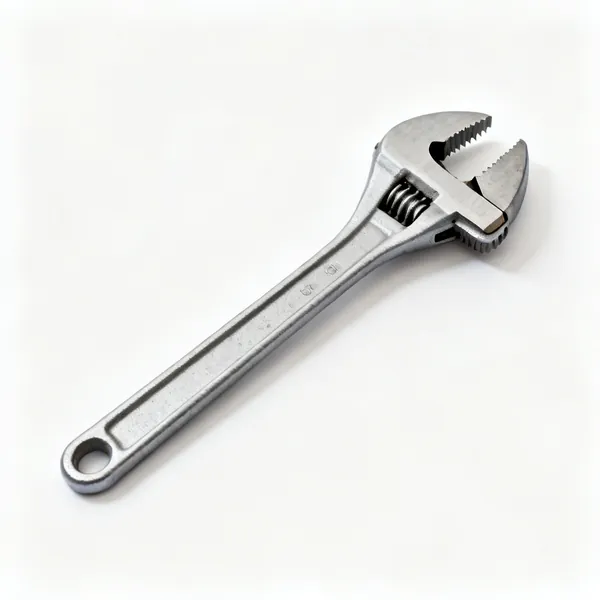
  • A pair of water pump pliers with an adjustable slip joint and long serrated jawsEssential

    Water pump pliers

    Wide adjustable jaws for a trap nut that has not moved in a decade. The serrations mark plastic, which does not matter on a trap being replaced and does on one being reused.

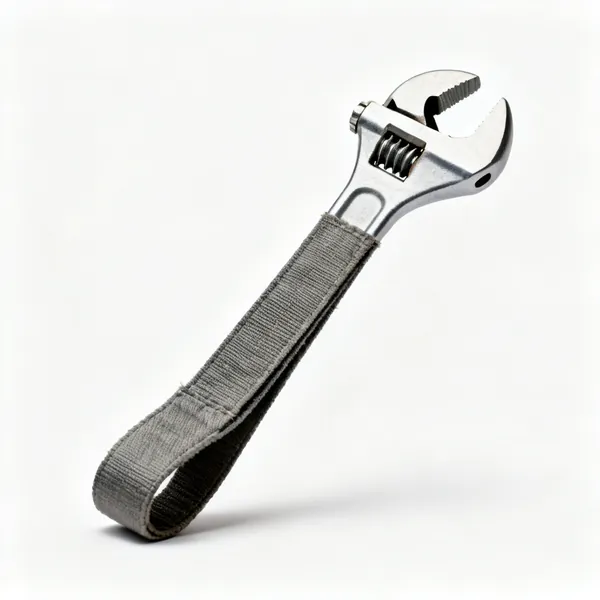
  • A strap wrench with a metal handle and a heavy fabric strapEssential

    Strap wrench

    A fabric strap that grips a chrome bottle trap or a plated waste without marking it. On anything visible this is the difference between an invisible repair and a scratched fitting.

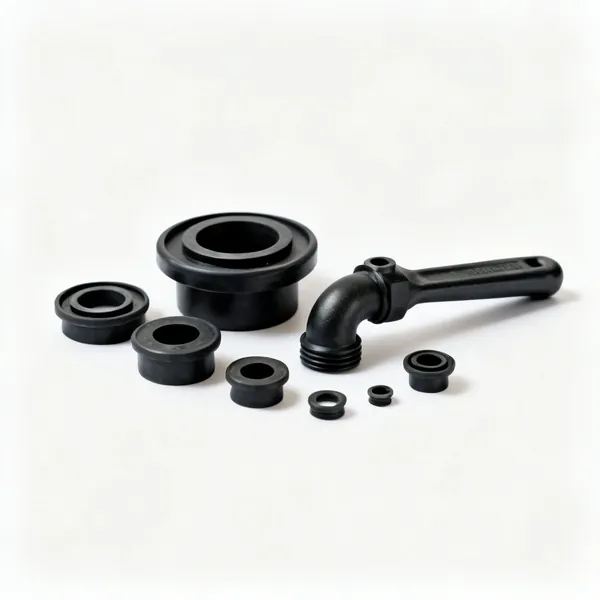
  • Trap washer set: An assortment of black rubber plumbing trap washers of different sizesEssential

    Trap washer set

    Assorted rubber washers for traps and waste connections. Always new: an old washer has taken the shape of its old position and will not seal in a new one.

  • Sink waste spanner: A sink waste nut spanner with a cranked handle and a wide notched jaw

    Sink waste spanner

    A cranked tool that grips the flanged nut holding a sink waste into the bowl. That nut is deep, wide and awkward, and there is no ordinary spanner shaped for it.

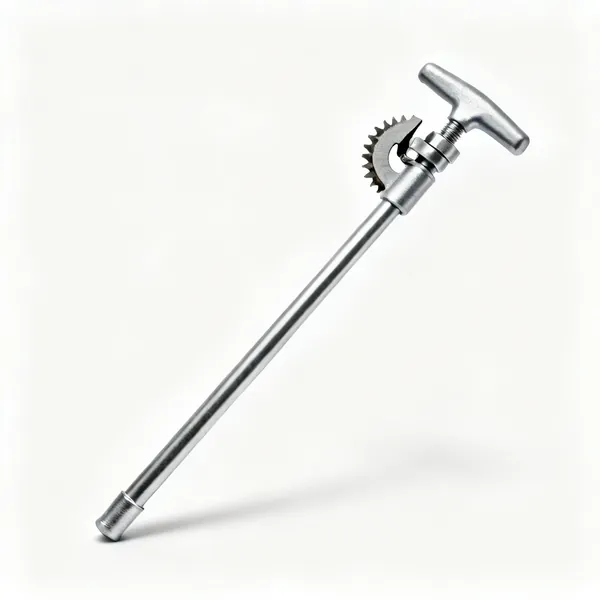
  • A basin wrench with a long steel shaft, T handle and swivelling toothed jawEssential

    Basin wrench

    A long shaft with a swivelling toothed jaw for the tap backnut and the waste nut behind the bowl. Works by feel, which is how everything in this cupboard is done.

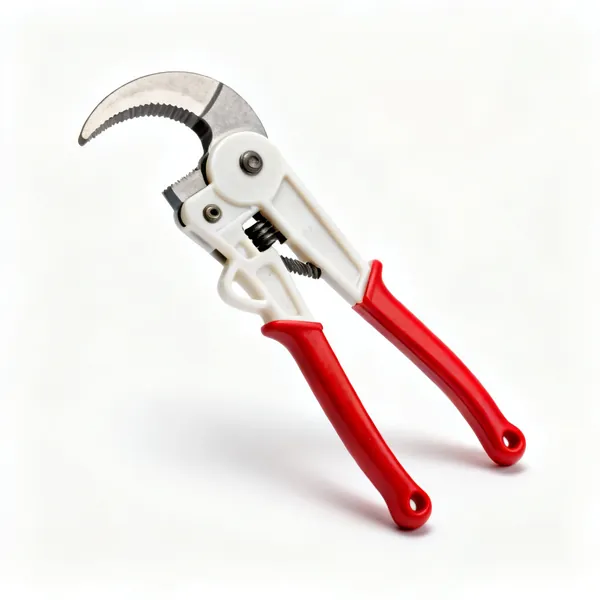
  • A pair of ratcheting plastic pipe shears with a curved blade and red handlesEssential

    Plastic pipe shears

    Cut waste pipe square in one squeeze, which is what lets it bottom out properly in a push fit socket. A saw leaves swarf that then collects at the first bend.

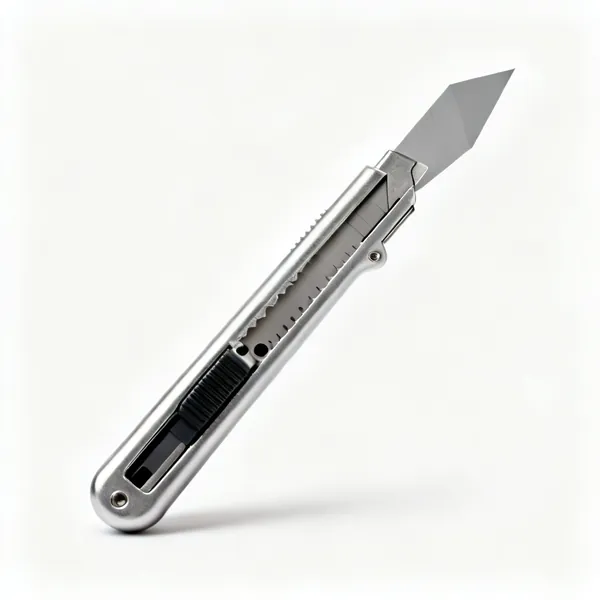
  • A metal bodied utility knife with a retractable trapezoid bladeEssential

    Utility knife

    Chamfers a cut waste pipe so it does not shave the rubber seal as it goes in. Cut away from the hand holding the pipe, which in a cupboard takes deliberate positioning.

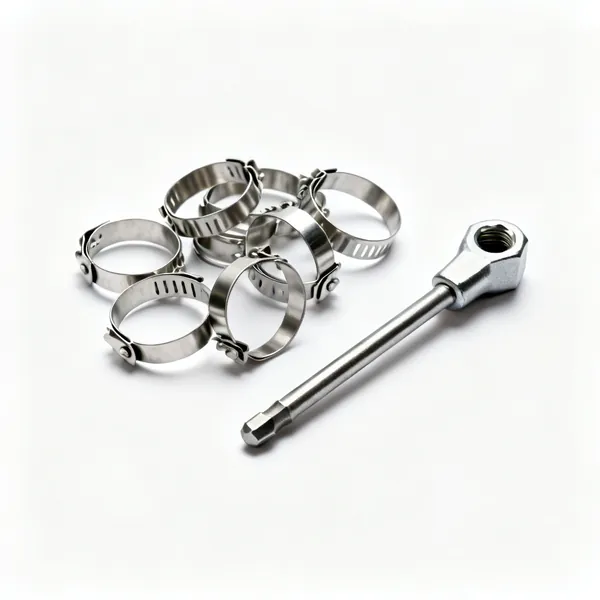
  • Jubilee clips and driver: A handful of stainless steel jubilee hose clips beside a nut driver

    Jubilee clips and driver

    For the appliance waste hose on a trap spigot, which loosens over years of heating and cooling. A nut driver turns them properly where a screwdriver slips off the slot.

Supply side 8

Tails, isolators and the connections that leak under pressure rather than only when water runs.

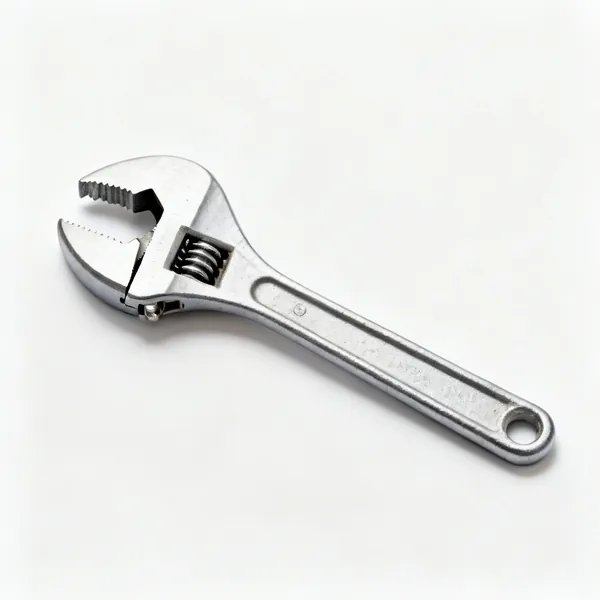
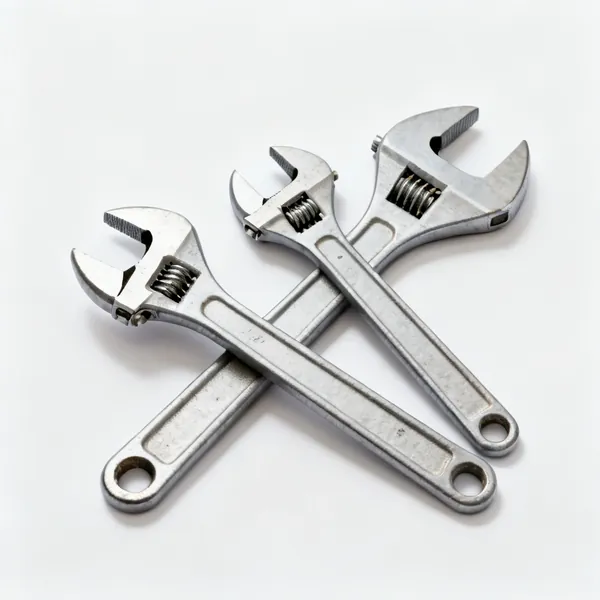
  • Two adjustable spanners of different sizes with knurled adjusting screwsEssential

    Adjustable spanners

    A pair, one holding the fitting and one turning the nut on each tail. A single spanner twists the tail and loosens whatever joint is above it, which weeps later.

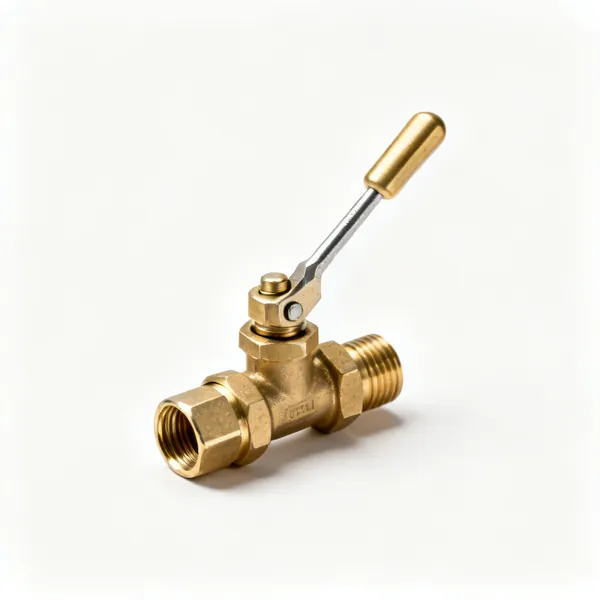
  • A pair of brass slotted screwdriver operated isolating valves with compression endsEssential

    Isolating valves

    Screwdriver operated valves on each tail. Fitting them if they are missing is the best half hour you will spend in the cupboard, because it shrinks every future job.

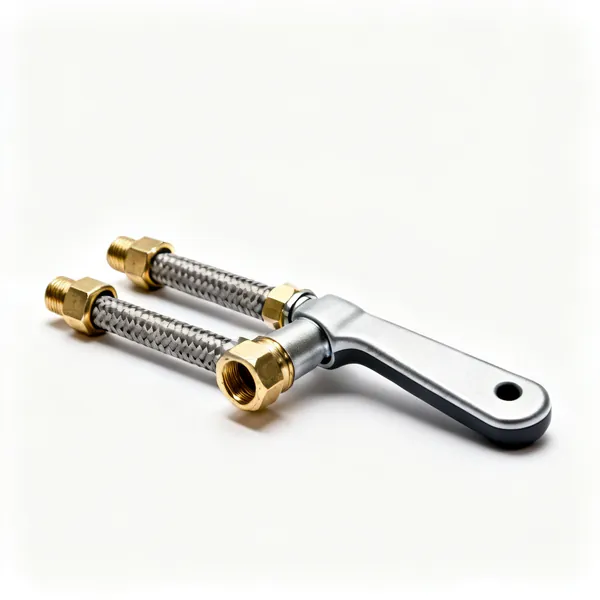
  • Flexible tap connectors: A pair of braided flexible tap connector hoses with brass nutsEssential

    Flexible tap connectors

    Braided hoses joining tap tails to the supply. They fail by bursting rather than weeping, so they are worth replacing on age alone rather than waiting for a symptom.

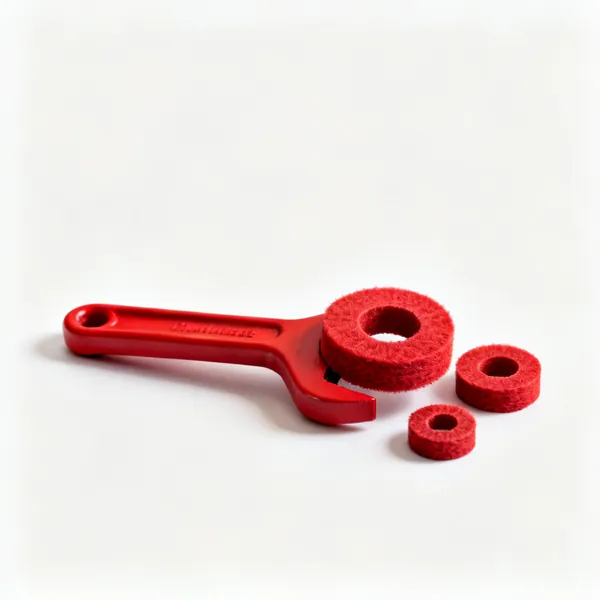
  • Fibre washers: A set of flat red fibre plumbing tail washers of different sizesEssential

    Fibre washers

    Flat washers sealing a tail against a connector. A reused compressed one is a slow weep, and a slow weep under a sink is a swollen cupboard base before anyone notices.

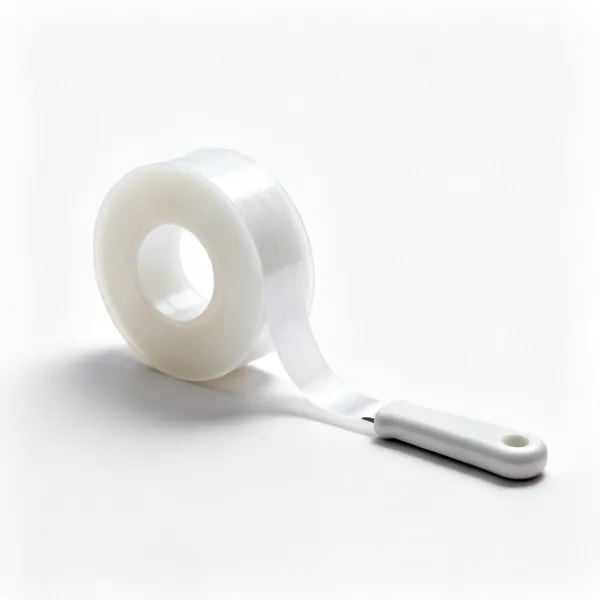
  • PTFE tape: A roll of white PTFE plumbers thread seal tape partly unwoundEssential

    PTFE tape

    Wound clockwise onto a male thread so it tightens as the nut goes on. It seals a sound thread and does nothing at all for a cross threaded one.

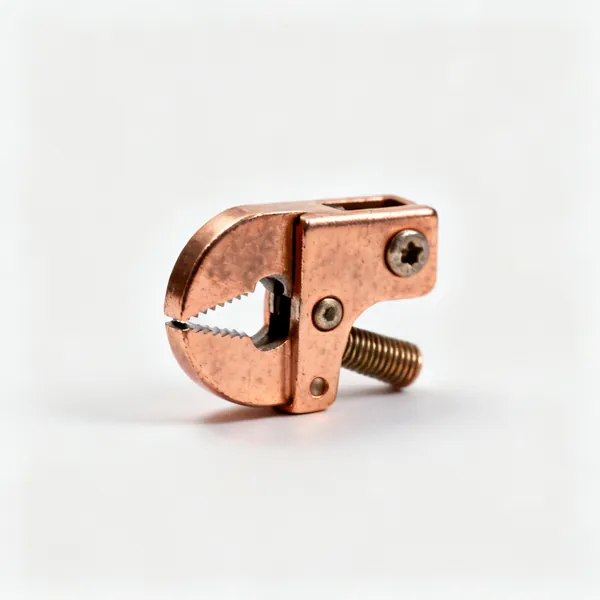
  • Mini pipe cutter: A small mini copper pipe cutter with a compact body, cutting wheel and thumbscrewEssential

    Mini pipe cutter

    Cuts copper in about 25mm of clearance, which is what a pipe clipped to the back of a cupboard gives you. The full size cutter needs a hand's width to swing.

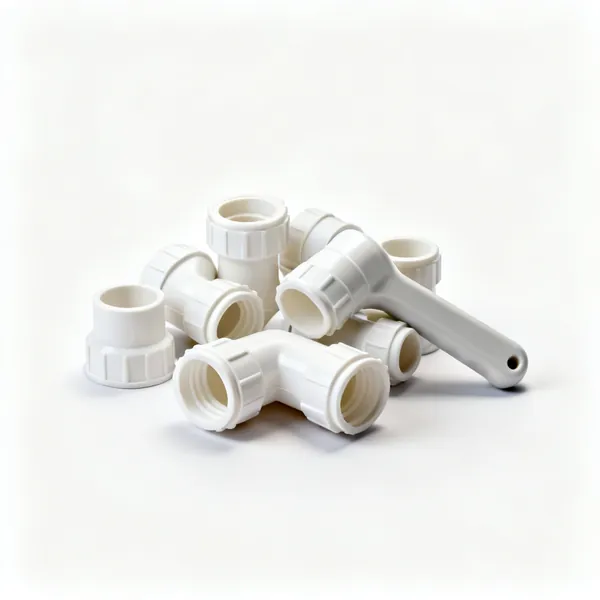
  • Push fit fittings: A handful of white plastic push fit plumbing fittings including elbows and couplings

    Push fit fittings

    Make a joint in seconds with no flame, which matters in a cupboard lined with chipboard. Bulkier than compression and far quicker where access is poor.

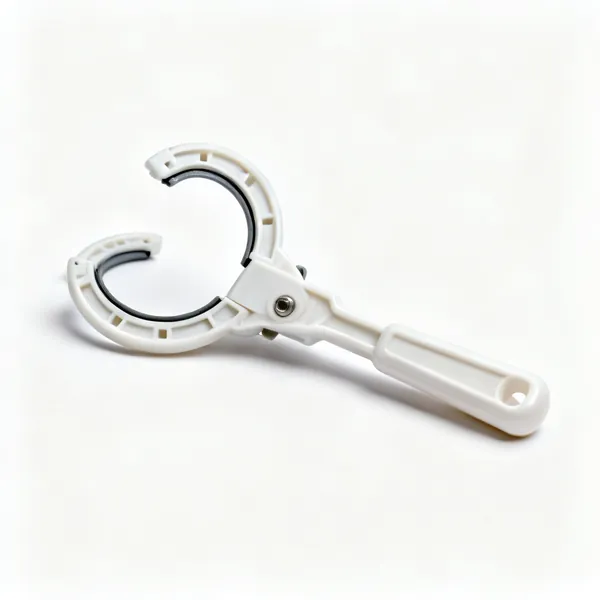
  • Push fit release tool: A set of plastic push fit pipe release tools, horseshoe shaped collar clips

    Push fit release tool

    A horseshoe collar that depresses the grab ring so a connector comes off intact. Without it the fitting is destroyed on removal and has to be replaced.

Finding the leak 6

Water tracks along pipes and pools at the low point. The puddle almost never marks the source.

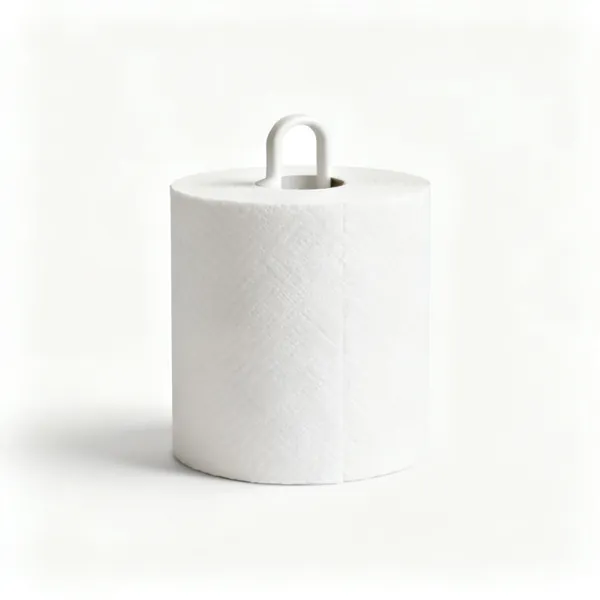
  • Kitchen roll: A roll of white kitchen paper towelEssential

    Kitchen roll

    Laid dry under each joint, it shows which one is wet and reveals a drip too slow to watch for. It is the whole diagnostic method, which is why it counts as a tool here.

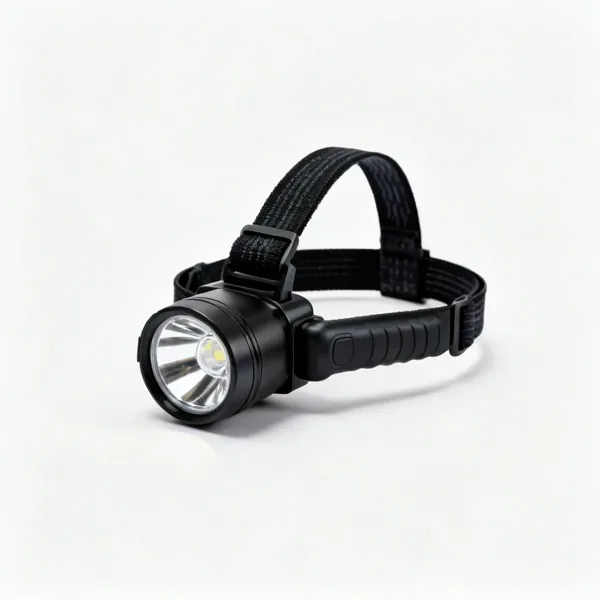
  • A black LED head torch with an adjustable elastic headbandEssential

    Head torch

    Light where you are looking with both hands free. Under a sink there is no light at all and both hands are already holding something.

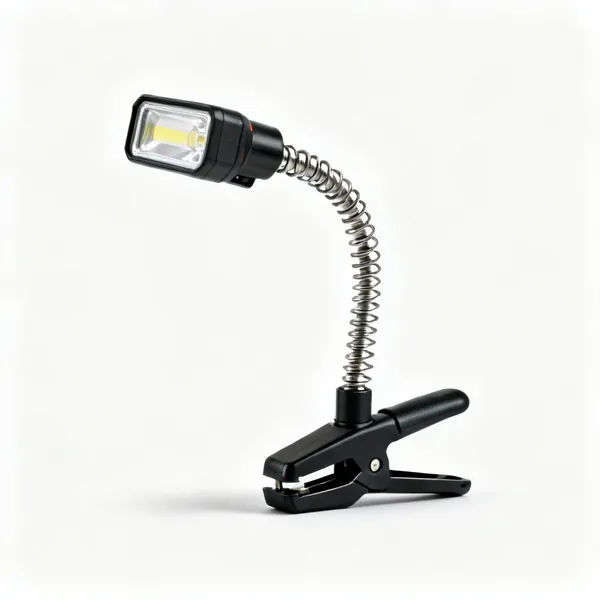
  • Clip on work light: A small LED work light with a spring clamp and a flexible neck

    Clip on work light

    A second light from a different angle, which removes the shadow that a head torch puts exactly where you are looking. Two sources is what makes a small leak visible.

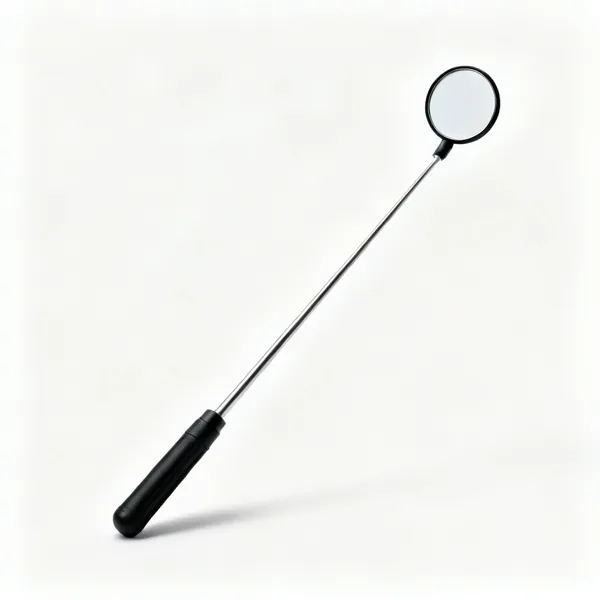
  • A telescopic inspection mirror with a small round mirror on an extending shaftEssential

    Inspection mirror

    For the back of a trap or a tail facing the wall, which is the side the leak is usually on and the one you cannot see. A telescopic stem reaches behind the pipework.

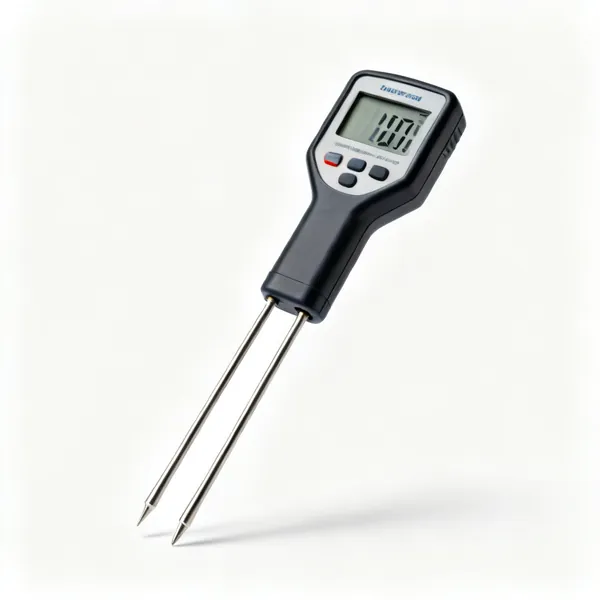
  • A handheld pin type moisture meter with a digital display and two probe pins

    Moisture meter

    Two pins that read damp in a cupboard base or a wall. It tells you whether a stain is an active leak or a historic one, which decides whether there is anything to fix.

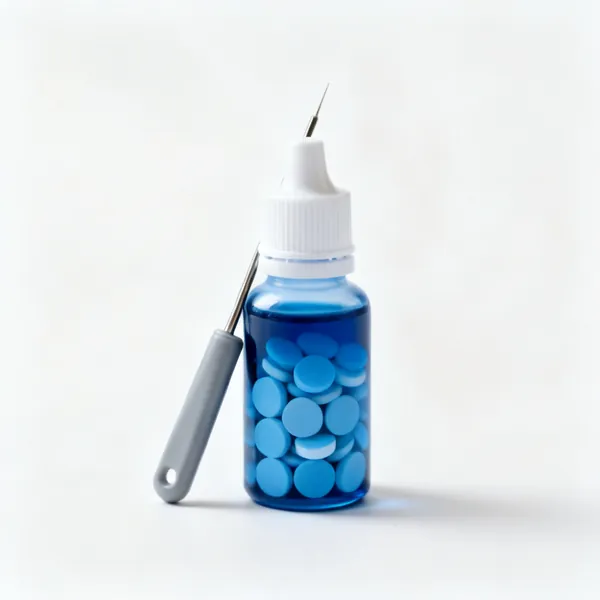
  • A small bottle of blue water tracing dye tablets

    Dye tablets

    Colour the water in the sink so you can see which route it is escaping by. Useful where a waste and an overflow run close together and both look plausible.

Making the space workable 8

Half the difficulty is the cupboard. These are the things that stop it becoming a bigger job than it was.

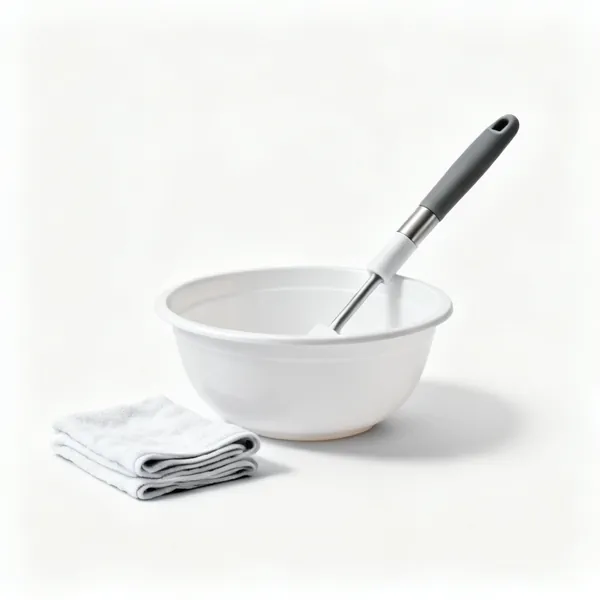
  • Shallow bowl and cloths: A shallow plastic bowl with folded cloths beside itEssential

    Shallow bowl and cloths

    A shallow tray fits under a trap where a bucket does not. Whatever you undo is full of water and it arrives immediately, which is why this is marked essential.

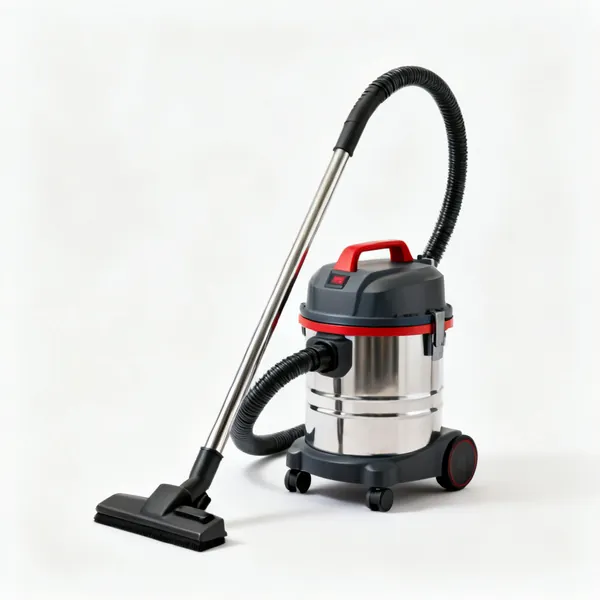
  • Wet and dry vacuum: A small wet and dry workshop vacuum cleaner with a hose

    Wet and dry vacuum

    Clears standing water from a cupboard base and empties a trap before you open it. Chipboard swells permanently once wet, so getting water out quickly genuinely matters.

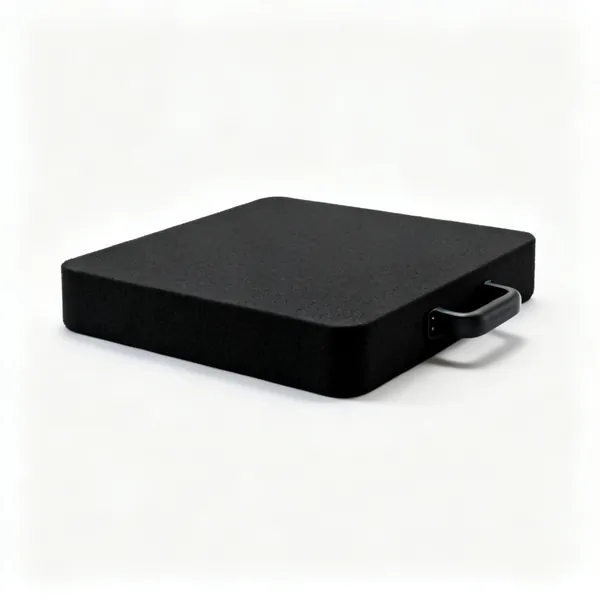
  • A thick black closed cell foam kneeling padEssential

    Kneeling pad

    Between you and a hard kitchen floor for twenty minutes on your side. How long you can hold the position decides how carefully the last connection gets checked.

  • A shallow round magnetic parts tray with a rubber rim

    Magnetic parts tray

    Holds the nuts and washers you have removed, in a cupboard where anything dropped rolls to the back. You cannot get up to look for it without losing your position.

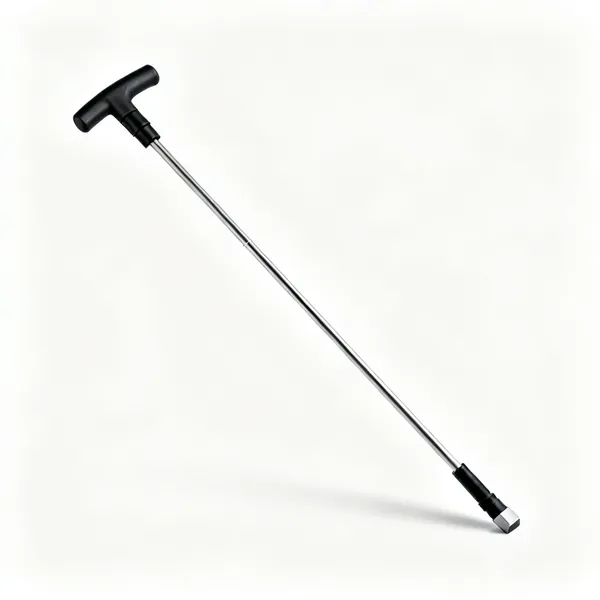
  • A telescopic magnetic pickup tool with a slim extending shaft and magnet tip

    Magnetic pickup tool

    A telescopic wand for the screw that has gone behind the pipework. Everything dropped under a sink lands where a hand will not reach.

  • A cartridge tube of clear silicone sealant with a cut nozzleEssential

    Silicone sealant

    Reseals a sink rim or a tap base, which is where water running down the outside of the pipework usually starts. That is a leak with no joint to tighten.

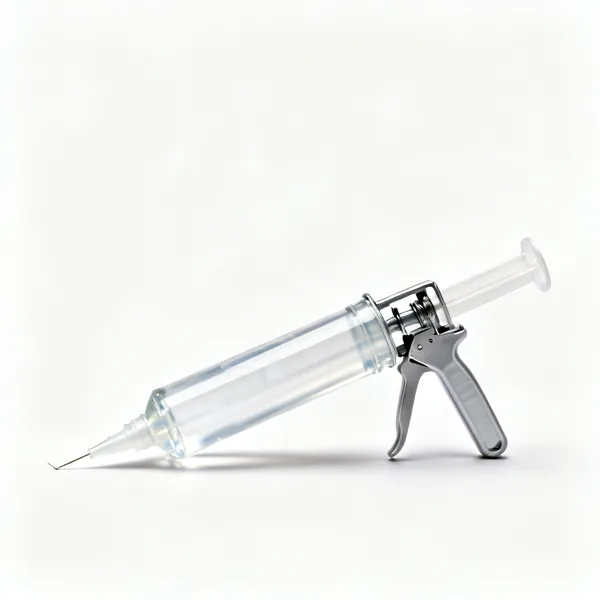
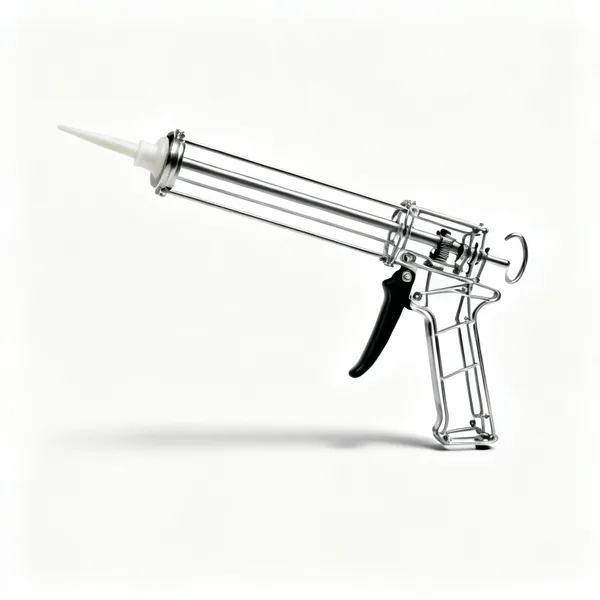
  • Sealant gunEssential

    Sealant gun

    A skeleton frame gun for the cartridge. A smooth ratchet gives an even bead, which matters on a sink rim because it is at eye level every day.

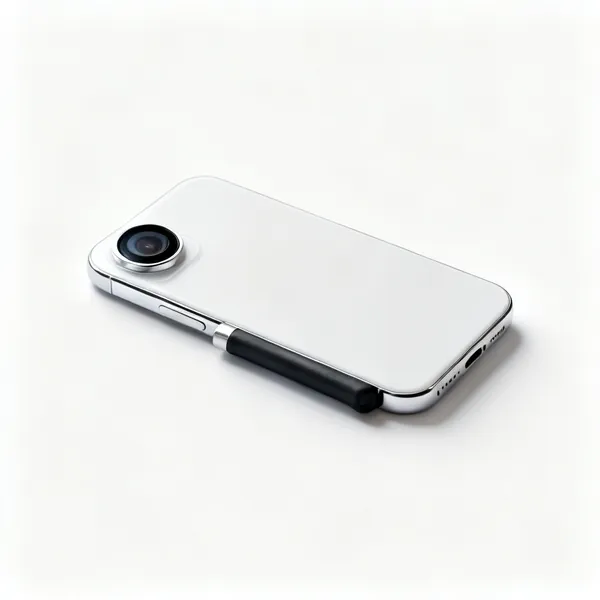
  • Camera or phoneEssential

    Camera or phone

    Photograph the layout before dismantling a multi appliance waste. Reassembling one from memory is how a dishwasher ends up discharging into the sink.

Working under a sink

Empty the cupboard first, put something absorbent down, and find out where the water is actually coming from before undoing anything.

Find the leak before you undo anything

Water runs along pipes and pools at the lowest point, which is almost never where it came from. A wet cupboard base tells you very little on its own, and the temptation is to tighten everything, which sometimes makes it worse.

Dry the whole area, lay kitchen roll under each joint, and run the tap and the waste separately. A supply leak shows with the tap off; a waste leak shows only when water is running through. That one distinction halves the problem.

Dry everything first
You cannot find a new drip in an old puddle. Ten minutes with a cloth saves an hour of guessing.
Paper under each joint
Kitchen roll shows which joint is wet, and it shows a drip too slow to watch for.
Supply or waste
Supply leaks with the tap off. Waste leaks only while water runs. Test them separately.
Check the sink seal too
Water running down the outside of the waste is often the sink rim or the tap base, not the plumbing.

Traps are hand tight, and that is deliberate

A plastic trap seals with a rubber washer compressed by a hand tightened nut. It is designed to be undone without tools, and using pliers on a new one usually cracks the thread or crushes the washer.

The exception is an old one. A trap that has been in place for fifteen years will not move by hand, and that is when water pump pliers or a strap wrench come out. Replace the washers rather than reusing them, because a compressed washer will not reseal.

Hand tight is correct
The washer seals, not the force. Pliers on a new trap crack the thread or crush the seal.
New washers
A compressed washer has taken the shape of its old position and will not seal in a new one.
Check the water seal depth
A trap needs its water seal to block drain smells. A trap fitted dry or too shallow will smell.
Note the layout before dismantling
Photograph it. Reassembling a multi appliance waste from memory is how the dishwasher backs up.

Isolating valves are the best thing in the cupboard

A pair of screwdriver operated valves on the tap tails means the tap, the trap and the tails can all be worked on without touching the mains stopcock. If they are not there, fitting them is the best half hour you will spend under that sink.

Do check they actually close. Old service valves seize partly open, and discovering that after undoing a tail is how a small job becomes a wet one. Open the tap to confirm before committing.

Fit them if they are missing
It turns every future job in that cupboard into a screwdriver job.
Test before trusting
Old valves seize part open. Confirm at the tap rather than assuming the screw turned.
Mark which is which
Hot and cold are not obvious under a sink. A dot of paint saves working it out every time.
Drain the head
Even isolated, the pipe above holds water and it comes out of whatever you undo first.

Washing machines and dishwashers

Appliance connections cause a disproportionate share of under sink leaks. The waste spigot is often connected with a jubilee clip that has never been checked, and the fill hose usually connects to a self cutting valve or a tee that is decades old.

The waste hose also needs a high loop or a standpipe, or the sink drains into the machine. That is a plumbing fault rather than an appliance one, and it is common in kitchens that have been rearranged.

Check the clip
A jubilee clip on a waste spigot loosens over years of heating and cooling. Nip it up while you are there.
High loop or standpipe
Without it, sink water siphons back into the machine. A very common fault in rearranged kitchens.
Replace old fill hoses
They fail by bursting under full mains pressure, which is why they are worth changing on age alone.
Blank unused spigots
An open unused appliance spigot on a trap will leak the first time the sink is filled.

Making the space workable

Empty the cupboard completely first. Working around bottles of bleach on your side is how things get knocked over, and you cannot see what you are doing with the cupboard half full.

Then put a towel or a shallow tray down before anything is undone, and lay your tools out where you can reach them lying down. Once you are in position you cannot get up for the thing you forgot without losing it.

Empty it completely
Not partly. You need the floor space and you need to see the base to spot where water is tracking.
Absorbent down first
A towel or a shallow tray. Chipboard cupboard bases swell permanently once wet.
Tools within reach
Laid out beside you before you get down. Getting up costs you your position and your line of sight.
Two lights
A head torch plus a clip light from another angle. One light source leaves the shadow exactly where the leak is.

Frequently asked questions

What tools do I need to work under a sink?
Water pump pliers, a basin wrench, adjustable spanners, a screwdriver, a bowl and cloths, a head torch and new washers. Add a strap wrench for chrome, and a wet vacuum if the cupboard is already wet. Most under sink jobs need nothing more than that.
How do I find where a leak under the sink is coming from?
Dry everything, lay kitchen roll under each joint, then run the tap and the waste separately. A supply leak shows with the tap off, a waste leak only while water is running. Water tracks along pipes, so the puddle is almost never below its source.
How tight should a sink trap be?
Hand tight. The rubber washer does the sealing, not the force, and a plastic trap is designed to be undone without tools. Using pliers on a new one usually cracks the thread or crushes the washer, which creates the leak you were trying to prevent.
Why does my sink smell?
Usually the trap has lost its water seal, either because it has dried out through lack of use or because it was fitted at the wrong angle so the seal is too shallow. Occasionally an unused appliance spigot has been left open, which bypasses the seal entirely.
Should I fit isolating valves under my sink?
Yes, if they are not already there. A screwdriver operated valve on each tap tail means the tap, the trap and the tails can all be worked on without touching the mains stopcock, and every future job in that cupboard becomes much smaller.
Why does water siphon back into my washing machine?
Because the waste hose has no high loop or standpipe, so water from the sink runs down into the machine instead of away. It is a plumbing fault rather than an appliance one, and it is common in kitchens that have been rearranged since they were plumbed.
Can I reuse the washers in a sink trap?
It is not worth it. A rubber washer takes the shape of its position over years, so it will not seal in a slightly different one, and a set of new ones costs very little. A trap reassembled on old washers is the most common cause of a leak that appears after a repair.
What is the first thing to do before working under a sink?
Empty the cupboard completely and put a towel or shallow tray down. You need the space to lie in, you need to see the base to work out where water has been tracking, and a chipboard cupboard base swells permanently once it gets wet.