Disclosure

Tools for unblocking drains

Plungers, augers, drain rods and jetters, all 27 grouped in the order worth trying them. Where the water backs up tells you how far along the blockage is: one fixture is local, two or more is the shared run below them.

13 are marked essential: for a household, a plunger, a hand auger and gloves.

Part of the full plumbing tools list, 56 tools in 9 groups.

Try these first 6

Nothing to dismantle and nothing to open up. Most household blockages end here.

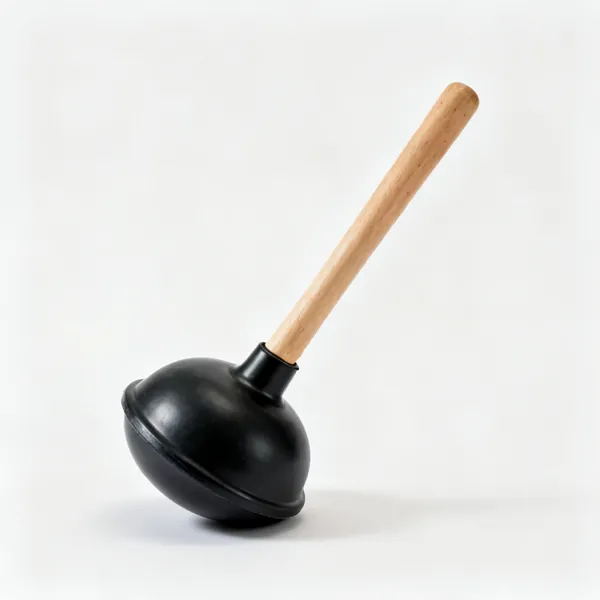
  • A black rubber cup sink plunger with a short wooden handleEssential

    Sink plunger

    A rubber cup on a short handle that sends a pressure wave down the pipe. Block the overflow first, keep water in the bowl and use short sharp strokes, because pressure pulses shift a blockage and steady pushing does not.

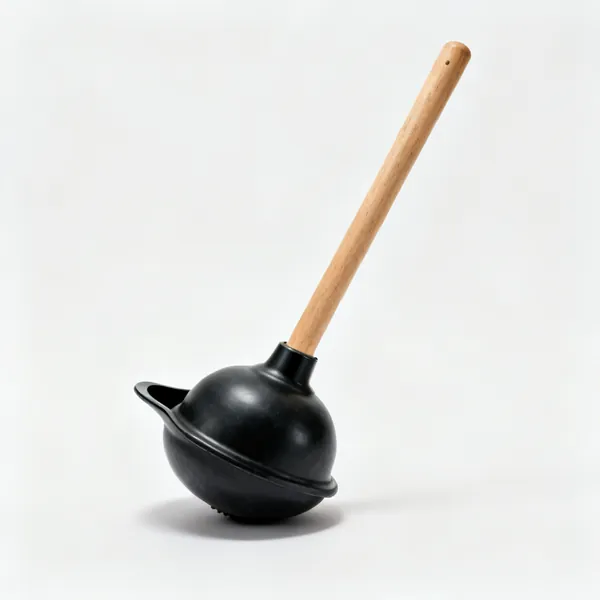
  • A black rubber toilet plunger with an extended flange lip and a long wooden handleEssential

    Toilet plunger

    A flanged cup with an extended lip that seats into the outlet of a pan rather than sitting flat. A flat sink plunger cannot seal against that curve, which is why it does almost nothing on a toilet.

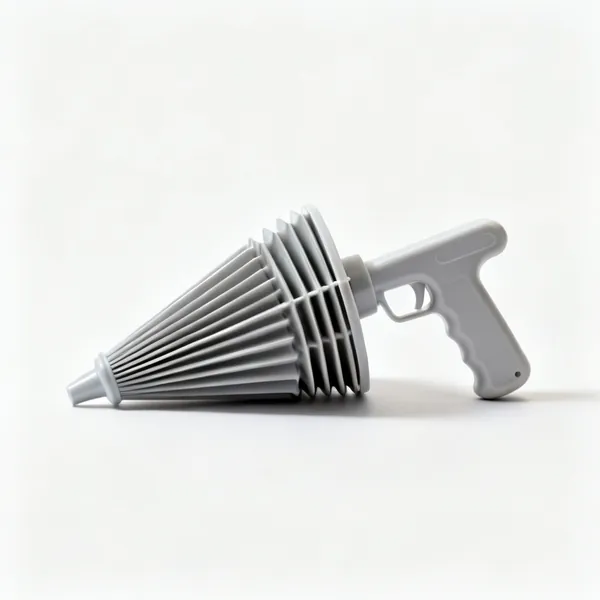
  • Accordion plunger: A plastic accordion bellows plunger with a concertina body and a moulded handle

    Accordion plunger

    A concertina bellows that generates considerably more pressure than a cup for the same effort. It is harder to seat and it will shift a blockage a cup plunger has already failed on.

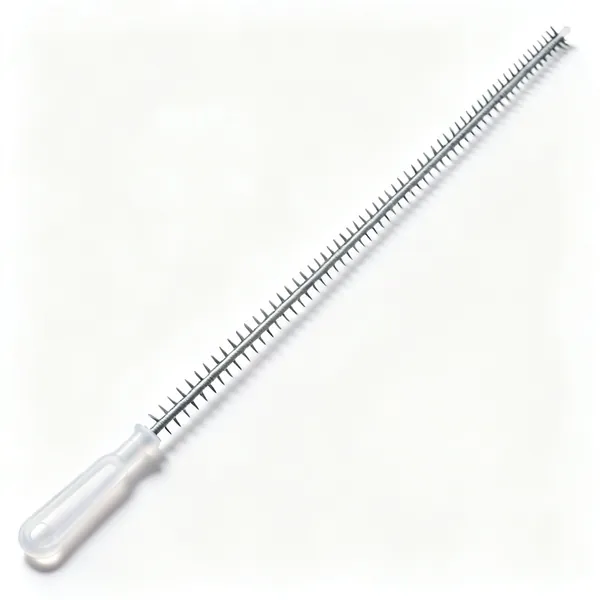
  • Drain hair stick: A long thin plastic drain cleaning stick with rows of barbs along both edgesEssential

    Drain hair stick

    A thin barbed plastic strip pushed into a plughole to hook out the hair caught just below. It costs almost nothing and it solves a genuinely large share of slow bathroom drains in about a minute.

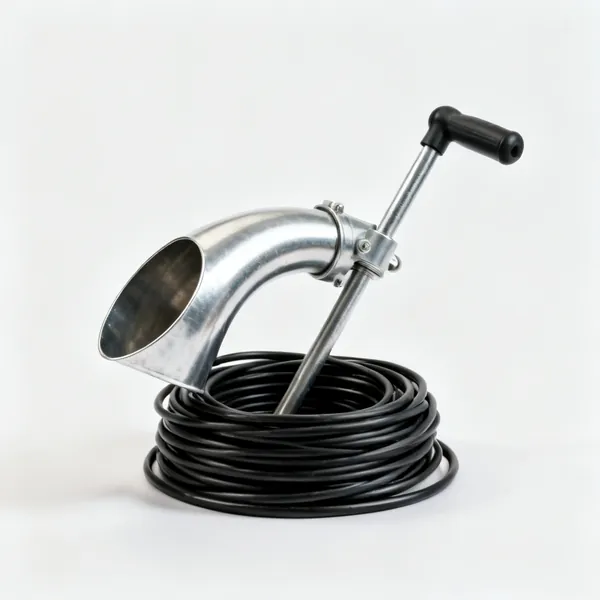
  • A toilet auger with a curved metal sleeve, coiled cable and a crank handle

    Toilet auger

    A short cranked coil in a protective sleeve, designed to reach through the trap of a pan without scratching the glaze. A bare auger cable will mark the porcelain permanently, and this is what avoids it.

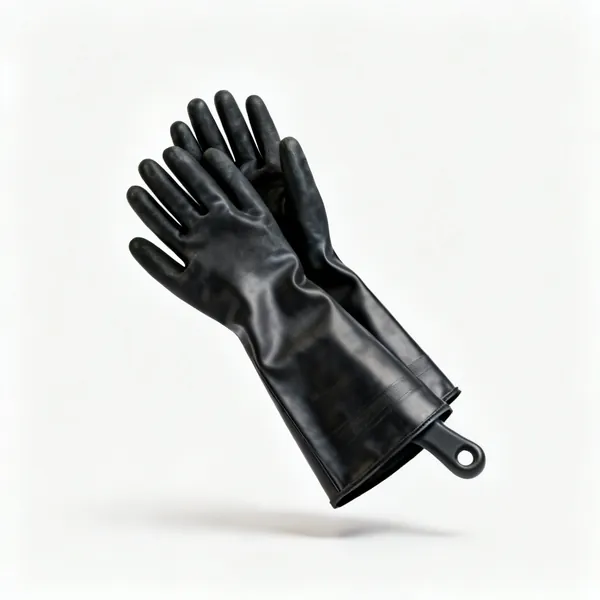
  • Long gauntlet gloves: A pair of long cuffed black rubber gauntlet glovesEssential

    Long gauntlet gloves

    Waste water carries bacteria, and drain work means hands in it. Long cuffs matter because a short glove fills up the moment you reach past the wrist into a chamber or a trap.

Augers and snakes 6

Reaching into the pipe itself. Turn as you push, and never force a cable that has stopped turning.

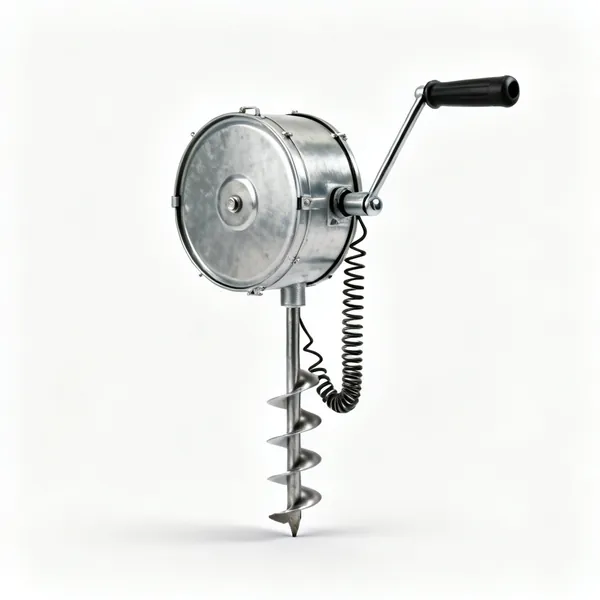
  • A drum hand auger with a metal drum, crank handle and coiled spring cableEssential

    Drum hand auger

    A spring steel cable in a drum with a crank, fed into the pipe while turning. Around 8m of cable reaches most household blockages, and the rotation is what walks the head around bends.

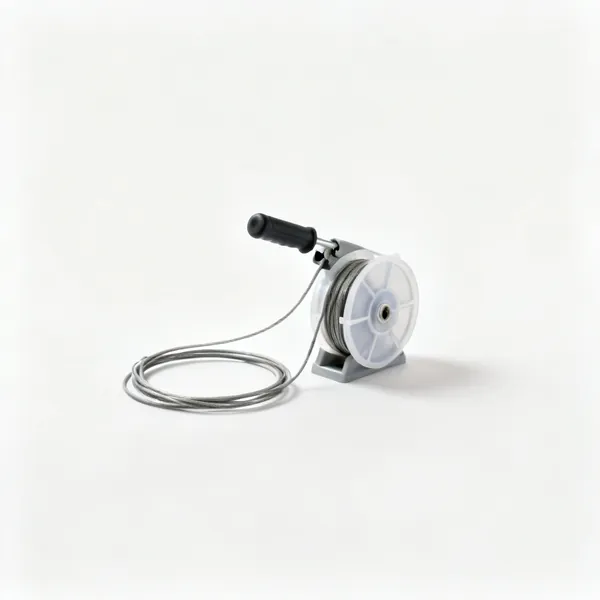
  • Mini sink auger: A small hand sink auger with a thin coiled cable and a compact plastic drumEssential

    Mini sink auger

    A short thin cable for a basin or sink trap, fed through the plughole or the trap opening. Small enough not to jam in a 32mm waste, where a full size auger simply will not go.

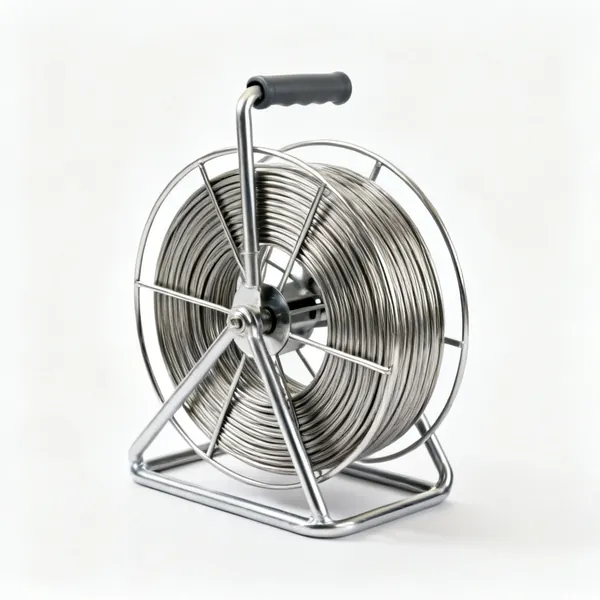
  • Flat steel tape: A coiled flat steel drain clearing tape on a metal reel with a handle

    Flat steel tape

    A stiff flat band on a reel, pushed rather than turned. It gets through a long straight run faster than a coil, and it will not negotiate a tight bend at all.

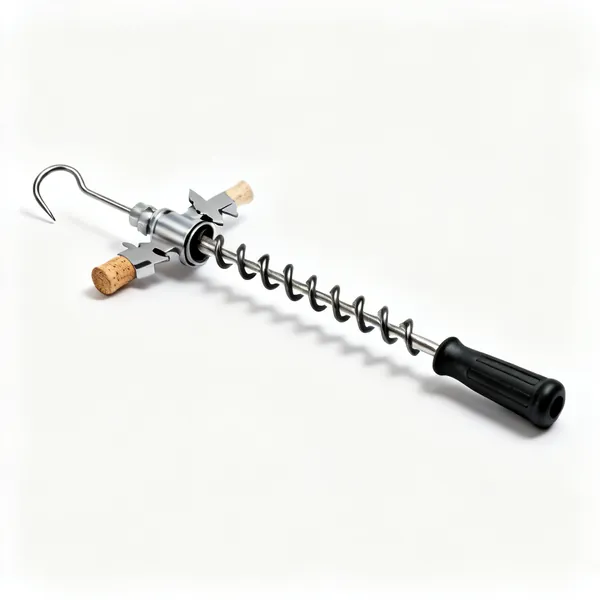
  • Auger head set: A set of drain auger heads including a corkscrew, cutter and hook tips

    Auger head set

    Interchangeable tips: a corkscrew for hooking hair, a cutter for roots, a retrieving hook and a scraper. The head does the work, so matching it to what is blocking the pipe matters more than the cable.

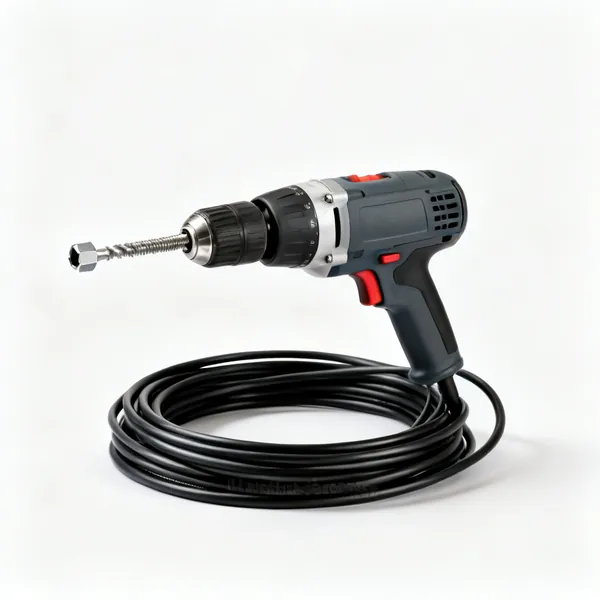
  • Drill driven auger: A drain auger drum with a hex drive shank for a power drill and coiled cable

    Drill driven auger

    A cable drum with a hex shank so a cordless drill turns it. Much less tiring on a long run, and it will kink a cable instantly if you let the drill spin against resistance.

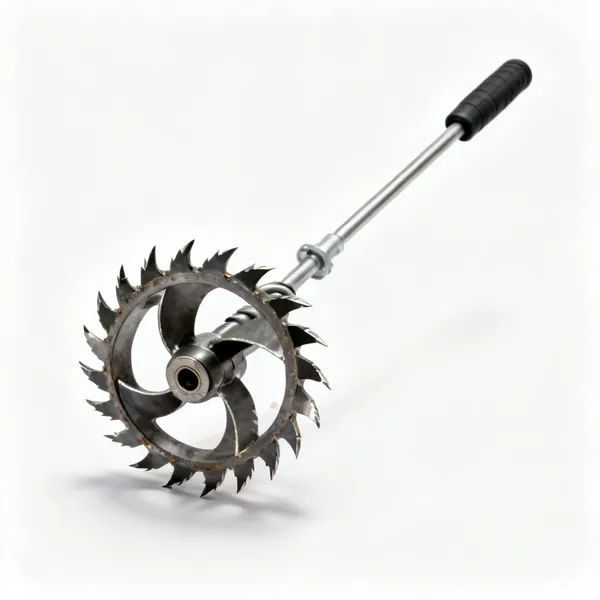
  • A drain auger root cutting head with sharpened rotating blades

    Root cutting head

    A bladed head that cuts through the fine roots which enter an old clay drain at its joints. Root intrusion is the most common cause of a blockage that returns every few months.

Rodding underground drains 7

For the shared run below the house, worked from an inspection chamber. Clockwise only, and start downstream.

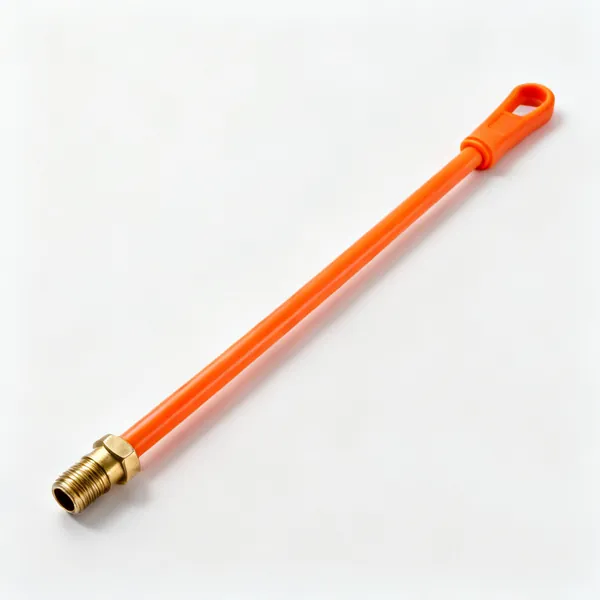
  • A set of flexible orange plastic drain rods with threaded brass end connectorsEssential

    Drain rods

    Flexible polypropylene rods screwed together to push a head along an underground drain. Turn clockwise while pushing and never anticlockwise, because that unscrews a joint and leaves rods in the drain.

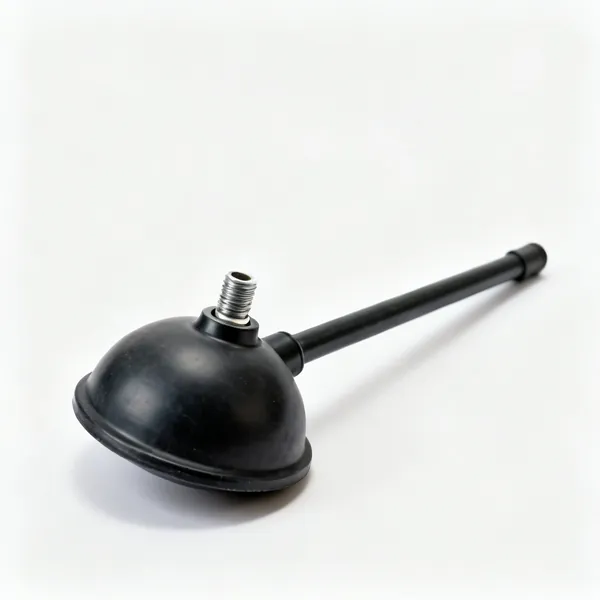
  • Rubber plunger head: A round rubber drain rod plunger head disc with a threaded connectorEssential

    Rubber plunger head

    A disc that screws onto the rods to push a slug of water at the blockage. The first head to fit, because water pressure clears most blockages without any cutting or scraping.

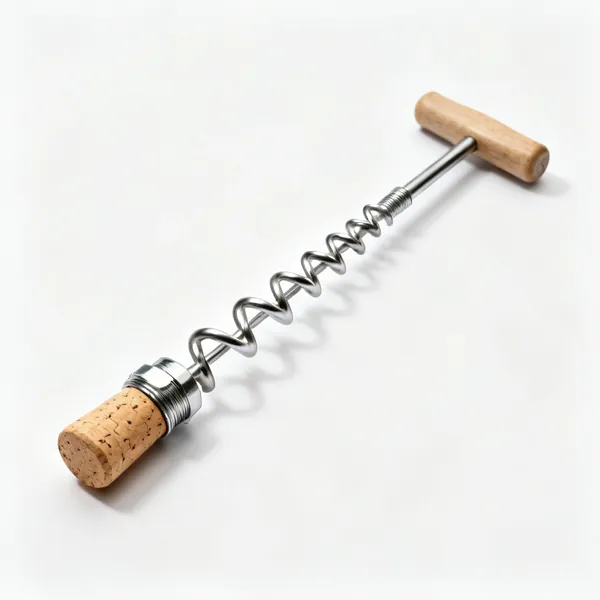
  • A drain rod corkscrew head, a double spiral steel auger with a threaded connector

    Corkscrew head

    A double spiral that bores into a solid blockage and holds it so it can be drawn back. The tool for a rag or a wipe, which will not break up under water pressure however hard you push it.

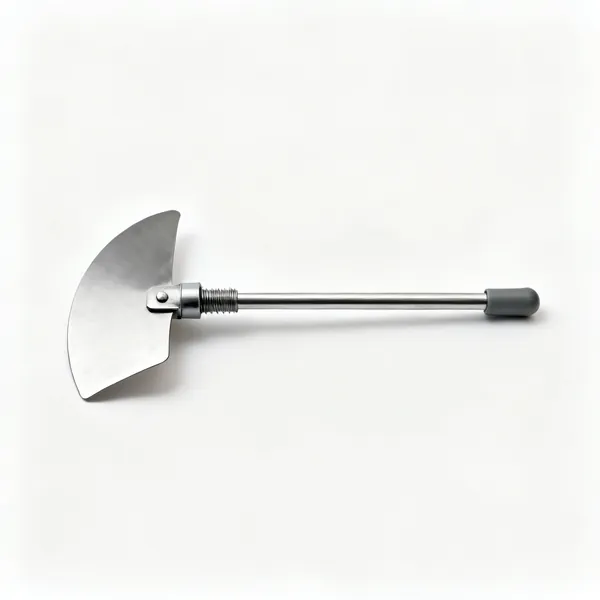
  • A drain rod scraper head, a flat curved steel blade with a threaded connector

    Scraper head

    A flat blade that drags silt and set grease off the invert of the pipe. Used after clearing, because a run that has blocked once has usually narrowed along its length rather than at one point.

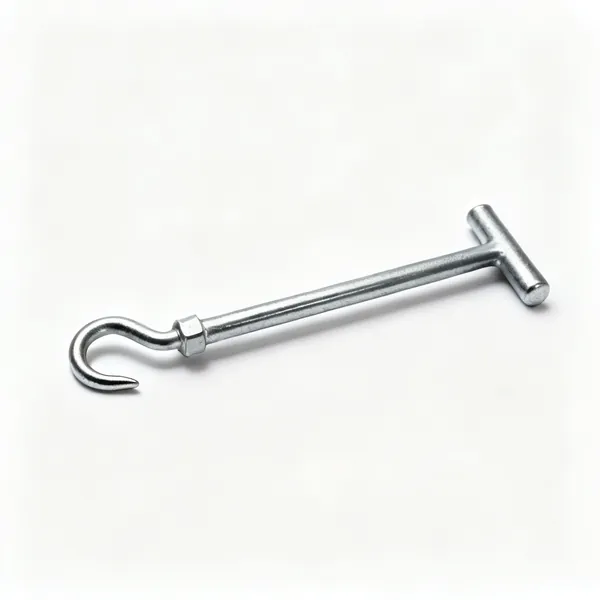
  • Manhole keys: A pair of steel manhole cover lifting keys with hooked ends and T handlesEssential

    Manhole keys

    Hooked lifting keys that fit the slots in an inspection chamber cover. Levering a heavy cover with a screwdriver breaks the cover, the frame or your fingers, and often more than one of the three.

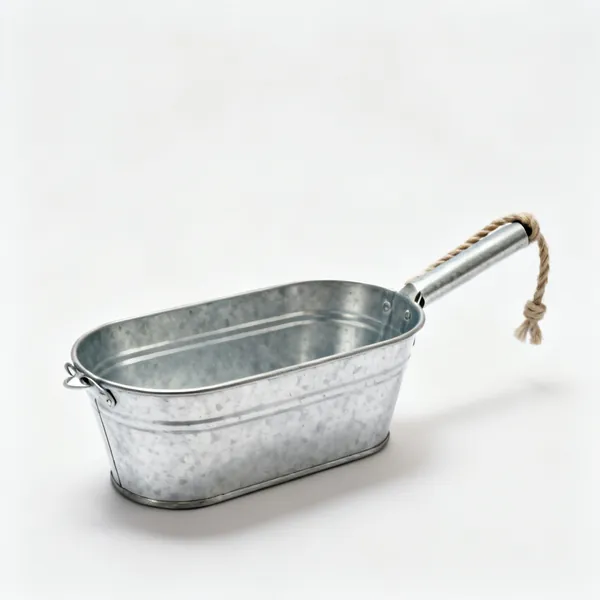
  • Drain bailer: A narrow galvanised metal drain bailing bucket with a rope handle

    Drain bailer

    A narrow bucket on a rope or handle for emptying a flooded chamber before you can see what you are doing. You cannot rod what you cannot see, and a full chamber hides where the flow stops.

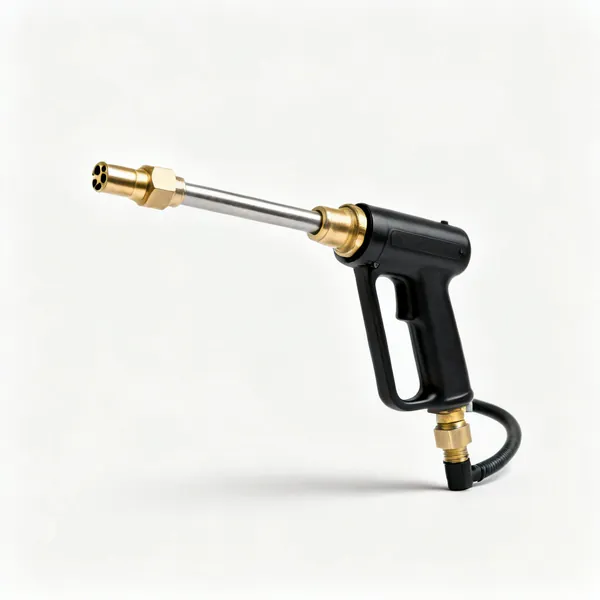
  • A drain jetting nozzle, a brass fitting with small rear facing jet holes and a hose connector

    Drain jetting nozzle

    A nozzle for a pressure washer with rear facing jets that drive it up the pipe while scouring the wall. It cleans the whole bore rather than punching a hole, which is what stops the blockage returning.

Getting to the pipe 8

Sometimes the fastest route is to take the trap off. These are the tools for that, and for seeing what you are dealing with.

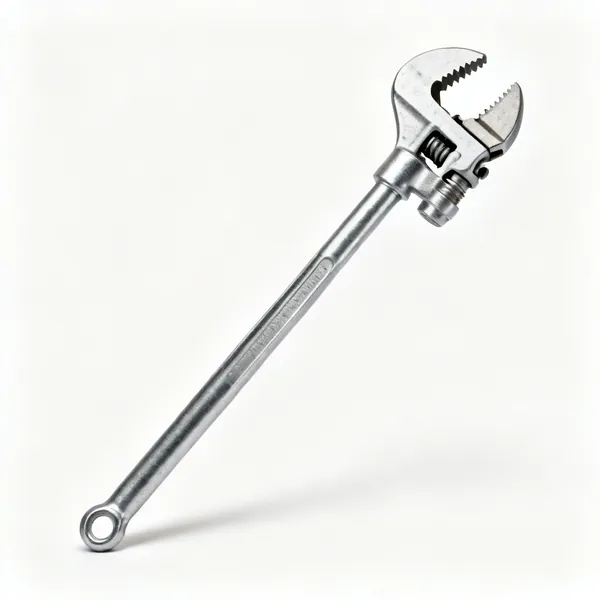
  • A basin wrench with a long steel shaft and a swivelling toothed jaw headEssential

    Basin wrench

    A long shaft with a swivelling toothed jaw that reaches the nuts hidden behind a basin. Those nuts cannot be reached with any ordinary spanner, which is exactly why this tool exists.

  • A pair of water pump pliers with an adjustable slip joint and long serrated jawsEssential

    Water pump pliers

    Wide adjustable jaws for undoing a plastic trap that has been hand tight for a decade. The serrations mark the plastic, which does not matter on a trap you are about to refit and tighten by hand.

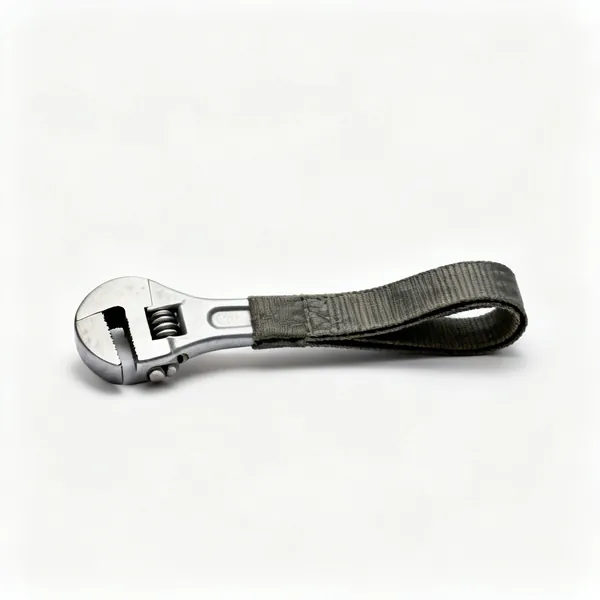
  • A strap wrench with a metal handle and a heavy fabric strap

    Strap wrench

    A fabric or rubber strap that grips a chrome trap or a plated fitting without marking it. Where the trap is visible and staying, this is the tool that keeps it looking undamaged.

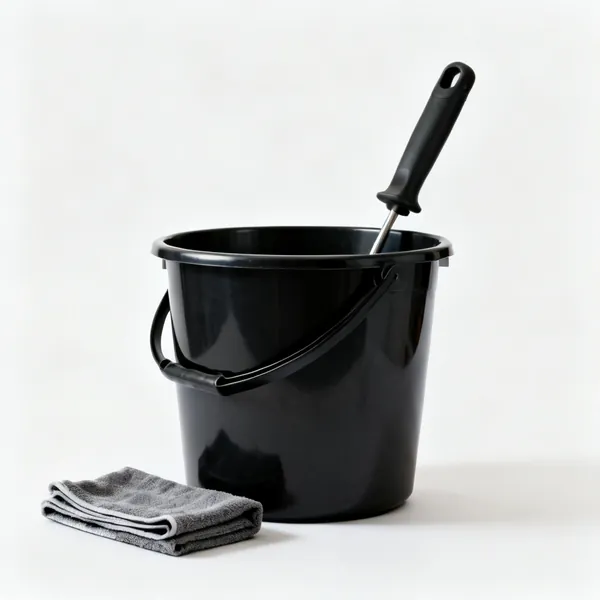
  • Bucket and cloths: A black plastic bucket with a folded cloth beside itEssential

    Bucket and cloths

    Anything you undo below a fixture is full of water, and it comes out immediately. Marked essential because forgetting it is the most reliable way to turn a small job into a floor to dry.

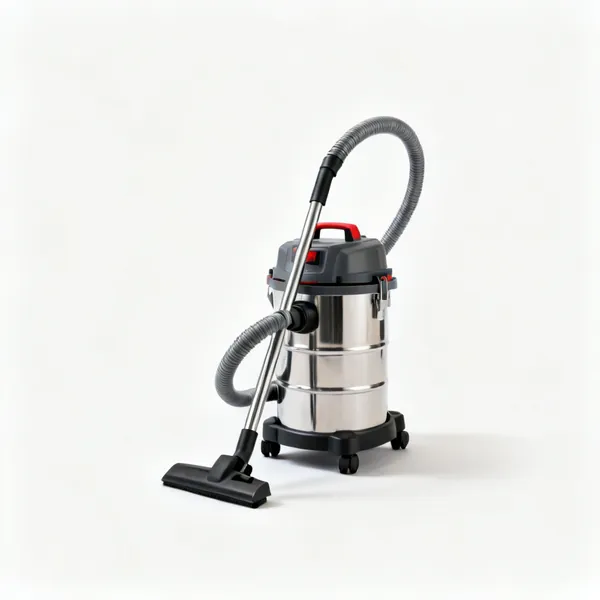
  • Wet and dry vacuum: A wet and dry workshop vacuum cleaner with a hose and a cylindrical body

    Wet and dry vacuum

    Sucks standing water out so you can see the pipe, and on a shallow blockage it will sometimes pull the obstruction out backwards. Set to wet, with the filter removed, or the motor takes the water.

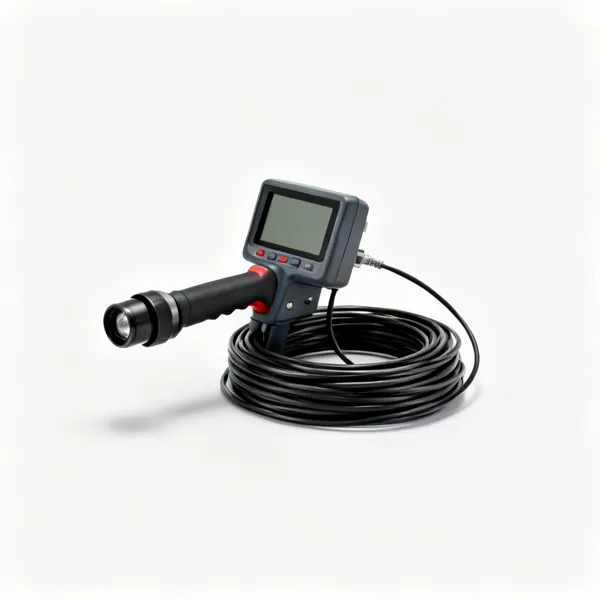
  • Inspection camera

    Inspection camera

    A camera on a flexible cable that shows what the blockage is and how far along it sits. Worth it for a blockage that returns, since a recurring one usually means damage, roots or a bad fall.

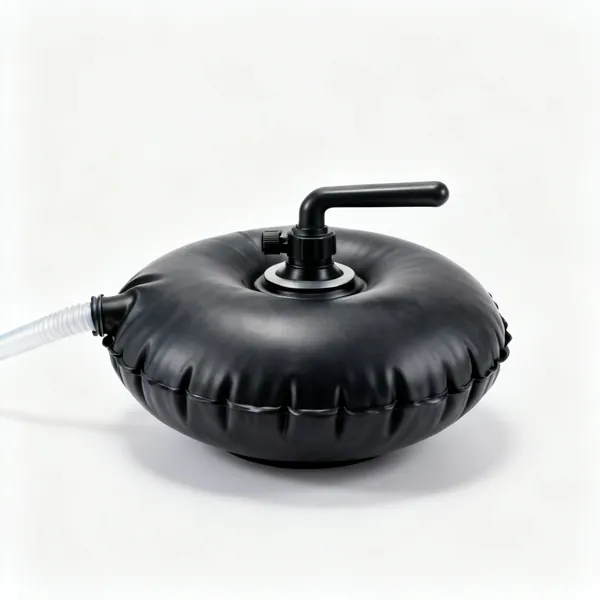
  • Inflatable drain stopper: An inflatable rubber drain stopper bladder with a valve and a short hose

    Inflatable drain stopper

    A bladder inflated inside a pipe to seal it while you work downstream or test a run. It stops the rest of the house discharging onto you halfway through the job.

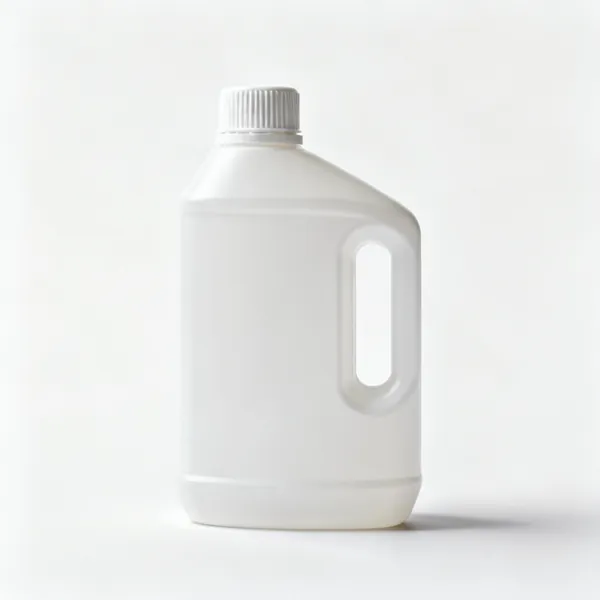
  • A plastic bottle of household disinfectant with a screw capEssential

    Disinfectant

    For the tools, the surfaces and your hands afterwards. Waste water carries bacteria, and the tools that just came out of a drain go back in a bag with everything else you own.

Clearing a blocked drain

Work out how far down the blockage is first. One fixture blocked is local; several blocked at once is the shared run.

Where it backs up tells you where it is

One fixture draining slowly and everything else fine means the blockage is in that fixture's trap or the short branch behind it. That is a plunger or a hand auger job and it needs no drain access at all.

Several fixtures backing up, or a gully overflowing outside, means the blockage is in the shared run they all feed into. Plunging one sink then just moves water about. That is the point at which you open an inspection chamber and use rods.

One fixture
Trap or branch. Plunger first, then a hand auger through the waste or the trap.
Two or more
The shared soil or waste stack below them. Local tools will not reach it.
Gully or chamber overflowing
The underground run. Rods or a jetter, from the chamber downstream of the blockage.
Gurgling with no blockage
Usually a vent problem rather than a blockage. No amount of plunging fixes that.

Plunging properly

A plunger works on pressure waves, not on pushing. Most of the force escapes if the overflow is open, so block it with a wet cloth first. There must also be water in the bowl or the sink, because air compresses and water does not.

Then use short sharp strokes rather than long slow ones, and keep the seal intact between strokes. Pulling the plunger off breaks the pressure and starts again from nothing.

Block the overflow
A wet cloth held over it. Otherwise most of the pressure goes there instead of down the pipe.
Water in the bowl
Water transmits the pressure wave. Plunging into air achieves very little.
Short and sharp
Rapid strokes with the seal held. It is the pressure pulse that shifts a blockage, not steady force.
Stop after a dozen
If it has not moved, it is not going to. Change tool rather than repeating for ten minutes.

Augers and how they clear a blockage

A drum auger, often called a plumber's snake, feeds a flexible spring coil into the pipe. The head either breaks the blockage up, hooks it so it can be pulled back out, or bores a hole through it that then lets the flow finish the job.

Turn as you push, always. Pushing without turning either stops at the first bend or, worse, buckles the cable back on itself, and a kinked cable is finished. If it will not turn, withdraw a little and try again.

Turn while pushing
The rotation walks the head around bends. Pushing alone jams at the first one.
Do not force a kink
A cable folded back on itself is scrap, and it can jam in the pipe. Withdraw and reapproach.
Pull the blockage out where you can
Hair and grease are better retrieved than pushed further along to reassemble downstream.
Flush afterwards
Boring a hole through a blockage is not clearing it. Run water hard for a few minutes to take the rest away.

Rodding an underground run

Rods are screwed together and pushed from an inspection chamber toward the blockage. Always turn them clockwise as you push and never anticlockwise, because anticlockwise unscrews a joint and leaves rods in the drain.

Work from the chamber downstream of the blockage where you can, so the water you release has somewhere to go. Rodding from upstream means whatever clears comes toward you.

Clockwise only
Turning back unscrews the joints. Rods lost in a drain are a considerably bigger problem than the blockage.
Start downstream
So released water runs away rather than back at you through the chamber you are standing over.
Plunger head first
A rubber disc head pushes water at the blockage. Change to a corkscrew or a scraper only if that fails.
Count your rods
It tells you how far along the blockage sits, which is worth knowing if it keeps coming back.

A word on chemical drain cleaners

They work on hair and light grease in a trap and they do very little to a solid blockage further along, because they cannot reach it through standing water. Caustic cleaner sitting in a full pipe is then a hazard for whoever opens the trap next.

They also damage some traps and seals over time. Mechanical clearing is more reliable, and it removes the blockage rather than partially dissolving it and leaving the rest to build up again.

Standing water dilutes it
The cleaner never reaches a blockage below a full pipe at any useful concentration.
Tell anyone who follows you
Opening a trap full of caustic cleaner is how people get chemical burns to the face and eyes.
Never mix products
Different cleaners react with each other, sometimes violently and sometimes producing chlorine gas.
Mechanical first
A plunger and an auger cost once and remove the blockage completely rather than thinning it.

Frequently asked questions

What tool is best for unblocking a drain?
For one slow fixture, a plunger then a hand auger. For several fixtures backing up, drain rods from an inspection chamber. For a recurring blockage, a hydro jetter clears the pipe wall rather than just punching a hole through the obstruction. Match the tool to how far along the blockage is.
How do I know where the blockage is?
By which fixtures are affected. One sink draining slowly means the blockage is in its trap or short branch. Two or more fixtures backing up means it is in the shared run below them. A gully or inspection chamber overflowing means the underground drain.
What is a plumber's snake and how does it work?
A flexible spring steel cable, usually in a drum with a crank handle, fed into the pipe while being turned. The rotation walks the head around bends and either breaks up the blockage, hooks it so it can be pulled out, or bores through it so the flow clears the rest.
Why is my plunger not working?
Usually because the overflow is open, so most of the pressure escapes there instead of going down the pipe. Block it with a wet cloth. Also make sure there is water in the bowl, since water transmits the pressure wave and air just compresses.
Can I use drain rods on a plastic waste pipe?
Not indoors, no. Rods are for underground clay and plastic drains accessed through a chamber, and they are too stiff and too large for a 40mm waste pipe. Use a hand auger of the right diameter inside the house, or dismantle the trap.
Which way do I turn drain rods?
Clockwise, always, whether pushing or pulling. The rods screw together clockwise, so turning anticlockwise unscrews a joint and leaves a section of rod in the drain. That is a much harder problem to solve than the original blockage.
Are chemical drain cleaners worth using?
For hair and light grease in an accessible trap they can work. Against a solid blockage further along they usually do not, because they cannot reach it through standing water at any useful strength. They also leave a caustic hazard for whoever opens the trap next.
What is a drain camera for?
Seeing what the blockage actually is and how far along it sits, rather than guessing. It is worth it for a blockage that keeps returning, because a recurring one usually means a damaged pipe, a root intrusion or a bad fall, and none of those are fixed by clearing it again.