Disclosure

Tools for copper pipe

Everything for working copper, all 28 grouped by the job: cutting and preparing, bending, soldering, and the compression, press and push fit systems that avoid a flame. Clean and bright is the whole secret of a soldered joint.

16 are marked essential: a first kit that can actually plumb in copper.

Part of the full plumbing tools list, 56 tools in 9 groups.

Cutting and preparing 7

Square, clean and deburred. This group decides whether the joint in the next group works.

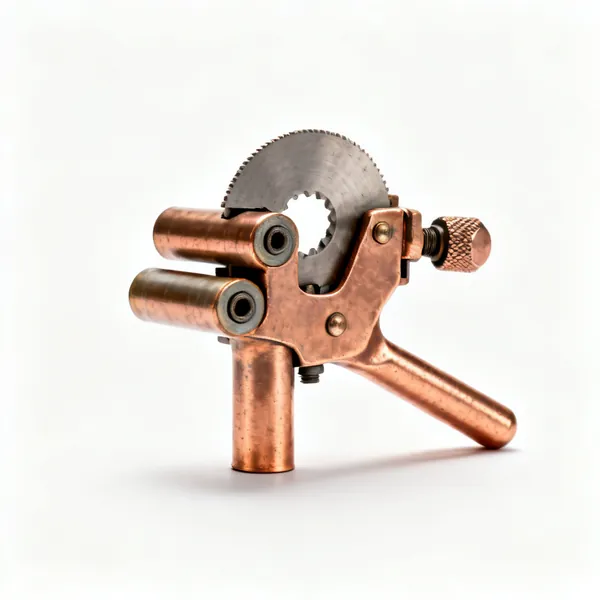
  • Wheel pipe cutter: A copper pipe cutter with a cutting wheel, two rollers and a knurled adjusting knobEssential

    Wheel pipe cutter

    A hardened wheel and rollers tightened progressively while rotating, parting copper square with no filings inside the pipe. That absence of swarf is why it is preferred over a hacksaw on any water system.

  • Mini pipe cutter: A small mini copper pipe cutter with a compact body, cutting wheel and thumbscrewEssential

    Mini pipe cutter

    Rotates in about 25mm of clearance, for pipe already clipped to a wall or passing through a joist. On repair work this is more often the usable cutter than the full size one.

  • A copper pipe slice, a small circular ratcheting ring cutter

    Pipe slice

    A ring that clips fully around the pipe and cuts in two or three hand turns with almost no clearance. One per diameter, so it is a small set rather than one adjustable tool.

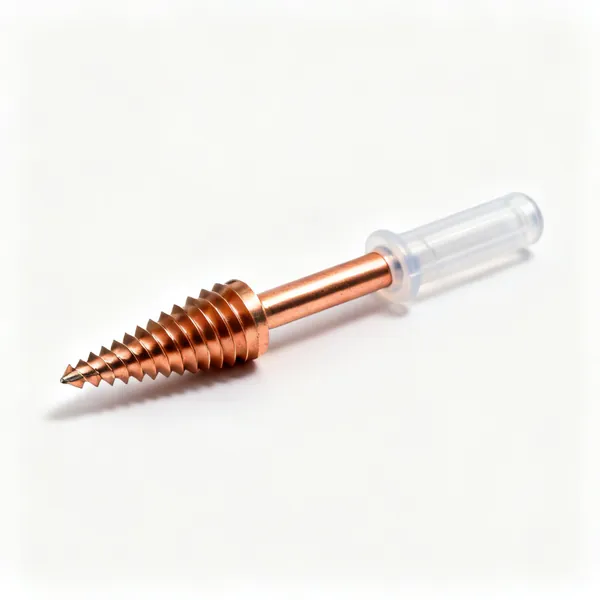
  • A copper pipe deburring reamer with a conical fluted blade and a plastic handleEssential

    Deburring reamer

    Shaves the internal burr that cutting leaves. That burr restricts flow, catches debris and prevents a compression olive seating squarely, which is a leak that appears later rather than at once.

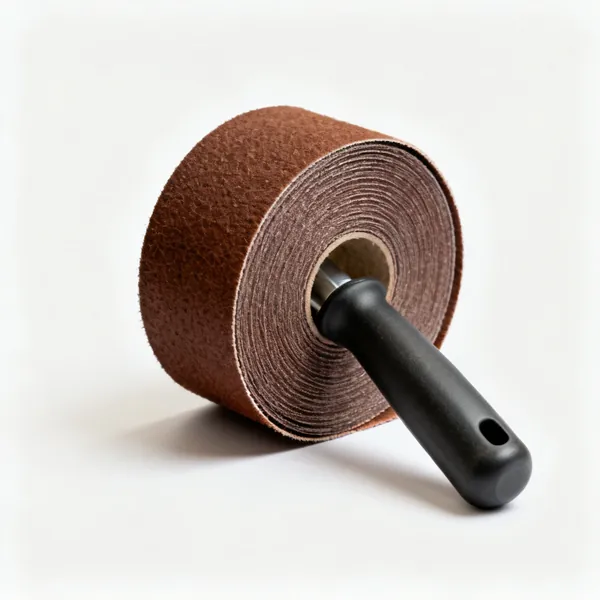
  • A roll of brown cloth backed abrasive strip partly unwoundEssential

    Abrasive strip

    Cloth backed abrasive drawn around the pipe end to take it to bright metal. Clean further back than the fitting covers, because flux and solder travel outward as the joint heats.

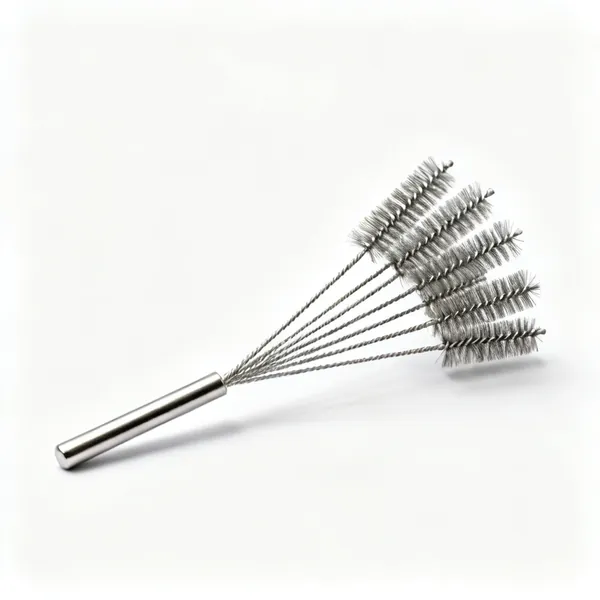
  • Fitting brushes: A set of round wire fitting cleaning brushes of graduated diametersEssential

    Fitting brushes

    Round wire brushes sized to the inside of a fitting socket. The socket is the half of the joint nobody cleans, and it is the half you cannot inspect afterwards.

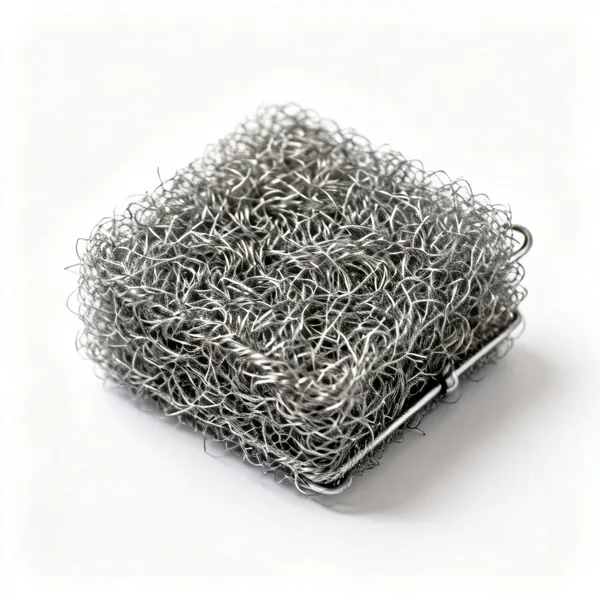
  • A pad of fine steel wire wool

    Wire wool

    Fine steel wool for cleaning where a strip cannot wrap, such as a short stub or inside a bend. It sheds fibres, so keep it away from an open pipe end that will carry water.

Bending 6

Fewer joints, better flow, less solder. The former is what makes a bend rather than a kink.

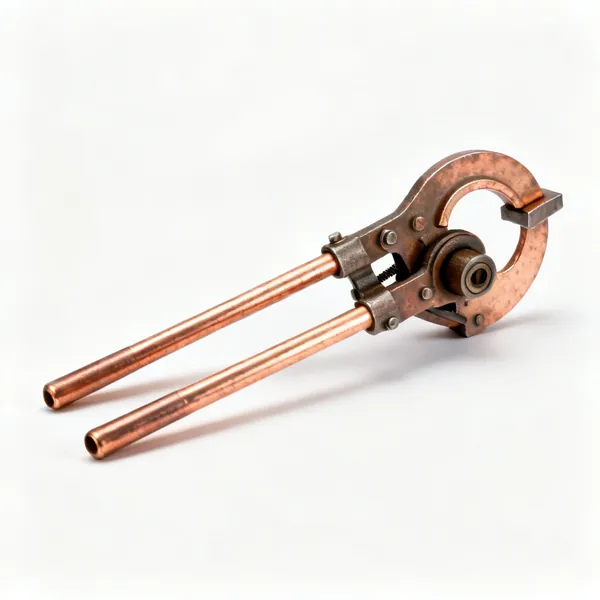
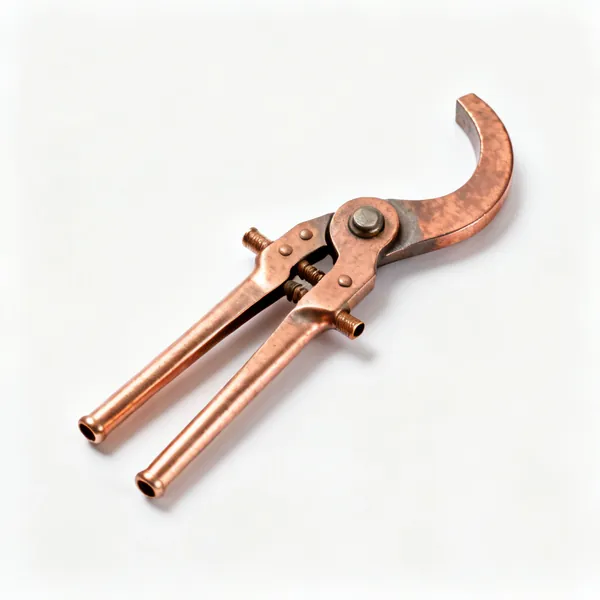
  • Lever pipe bender: A lever type copper pipe bender with two long handles, a curved former and guide rollerEssential

    Lever pipe bender

    A grooved former and guide that bend 15mm and 22mm copper cold without flattening the bore. The scale on the former is how you place the bend where you measured it rather than near it.

  • Scissor bender: A compact scissor type copper pipe bender with two short handles and a curved former

    Scissor bender

    A compact bender for 15mm that works in one hand in a confined space. Less leverage than a lever bender, and it will bend pipe already half fixed in position.

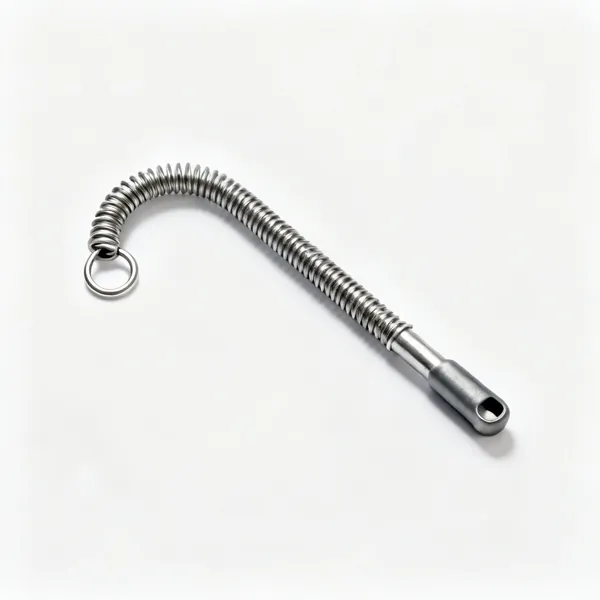
  • Internal bending spring: A coiled steel internal pipe bending spring with a ring at one endEssential

    Internal bending spring

    A close coiled spring pushed inside soft copper to support the wall while it is bent by hand. Twist it before withdrawing, or it grips and stays in the pipe, which is a genuinely annoying afternoon.

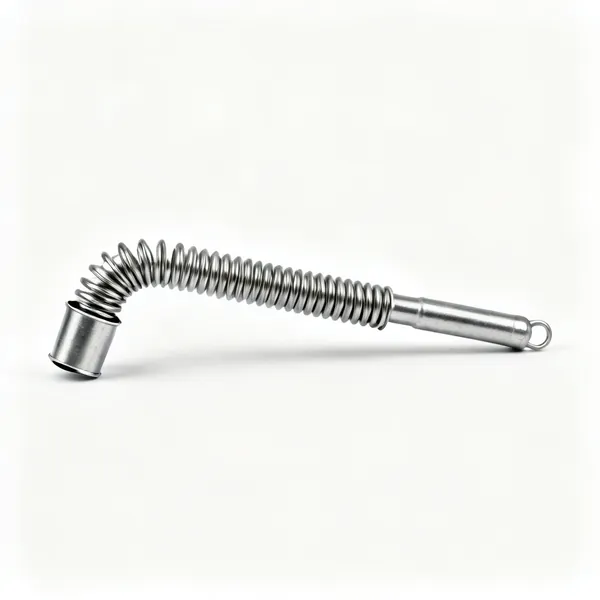
  • External bending spring: A coiled steel external pipe bending spring, a spring sleeve

    External bending spring

    Slides over the pipe rather than inside, so it can support a bend near the end of a length where an internal spring cannot reach past the bend point.

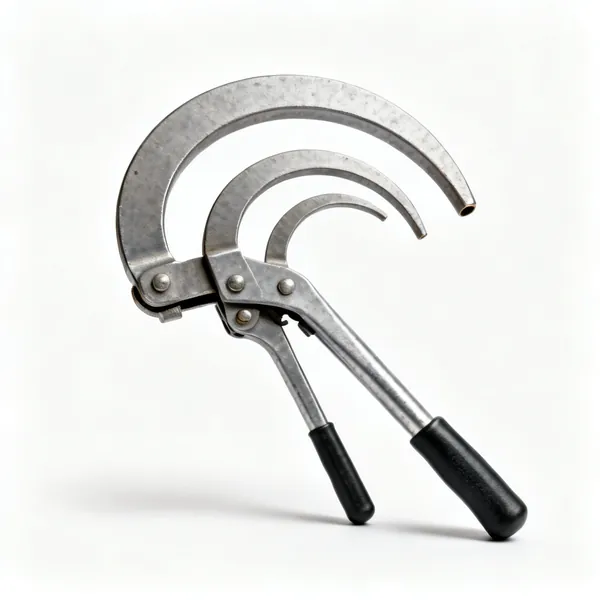
  • Spare bender formers: A pair of curved metal pipe bender formers of different sizes

    Spare bender formers

    Additional guides and formers for other diameters, since a bender is sized to specific pipe. A worn or wrong sized former is what puts a flat spot on the outside of a bend.

  • Pipe straightener

    Pipe straightener

    Rollers that take the coil memory out of soft copper so it runs straight. Coiled pipe never lies flat by hand, and a wavy run looks like a mistake even when it works perfectly.

Soldering 8

Capillary action does the work. Heat the fitting, watch for the flash, and never solder a pipe with water in it.

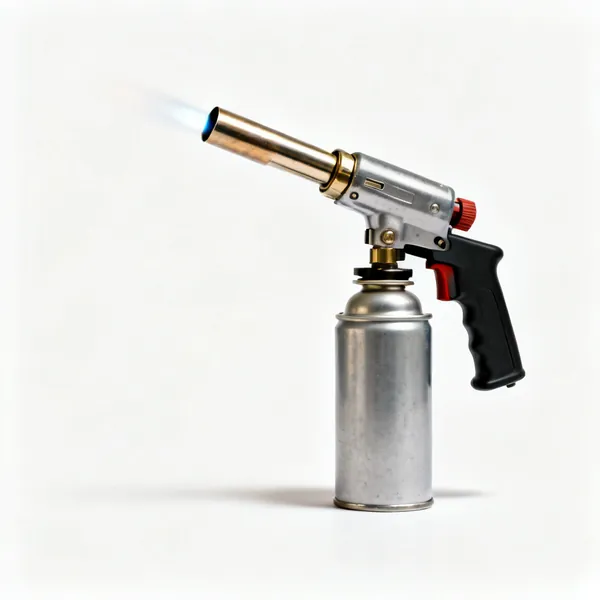
  • A handheld plumbers blowtorch with a gas canister and a self igniting burner headEssential

    Blowtorch

    A gas torch that brings a fitting to soldering temperature in seconds. A self igniting head with an adjustable flame is worth the small extra, because juggling a lighter in a joist bay is how things get burnt.

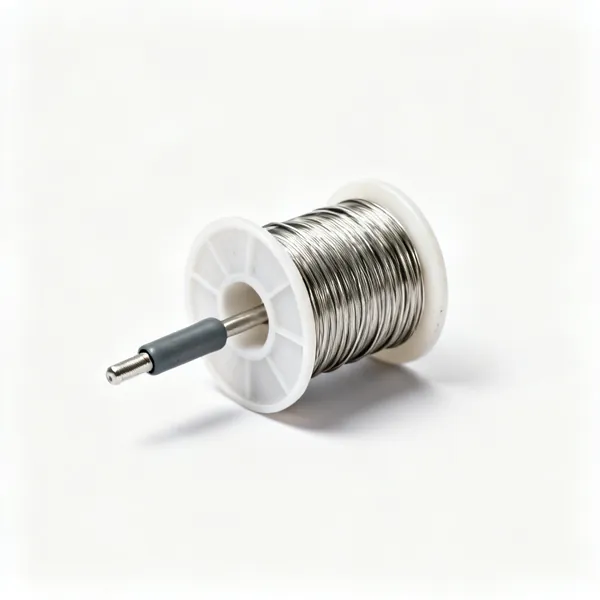
  • Lead free solder: A coil of lead free plumbing solder wire on a small reelEssential

    Lead free solder

    Wire solder drawn into the joint once the fitting is hot. Lead free is required on drinking water and needs a little more heat than the old alloys, which catches people used to them.

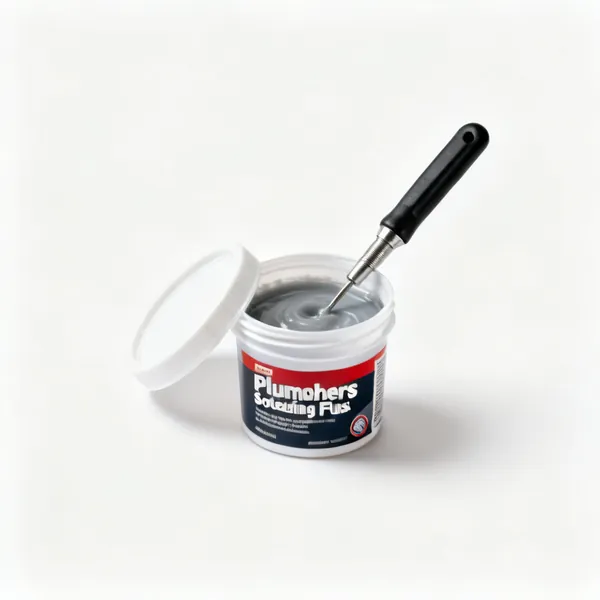
  • A small tub of plumbers soldering flux paste with the lid offEssential

    Soldering flux

    Paste that dissolves the oxide forming while you work, so solder can wet the metal. It is not a substitute for cleaning, and too much of it burns and stops the joint taking at all.

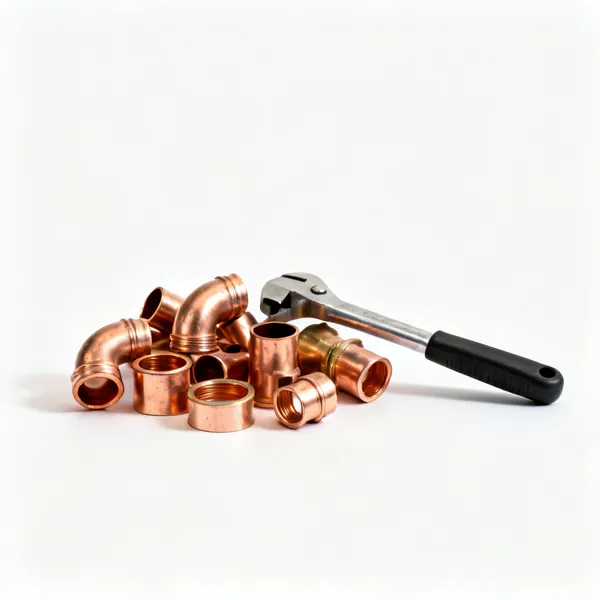
  • Solder ring fittings: A handful of copper solder ring pipe fittings including elbows and couplings

    Solder ring fittings

    Fittings with solder already contained in a ring in the socket, so you only add heat. Easier to get right and marginally more expensive, and the ring can be short on a slightly oversized pipe.

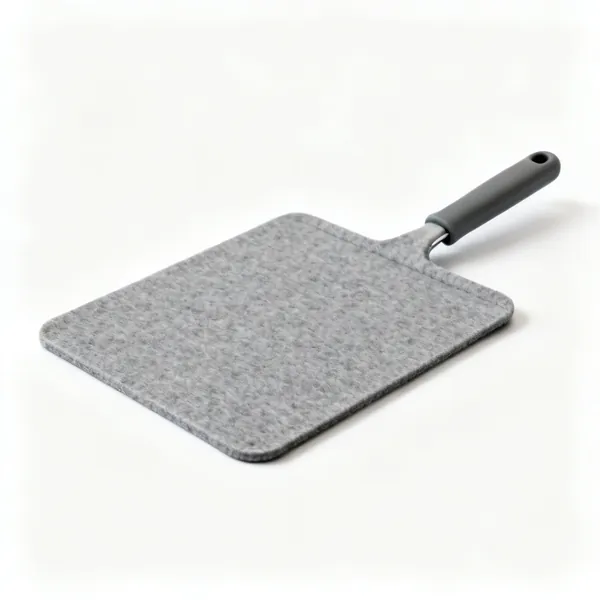
  • Heat proof mat: A grey fibre heat proof soldering mat, a flat rectangular padEssential

    Heat proof mat

    A fibre mat placed behind a joint near timber, plasterboard or insulation. Soldering in a stud wall without one is how a plumbing job becomes a fire several hours later.

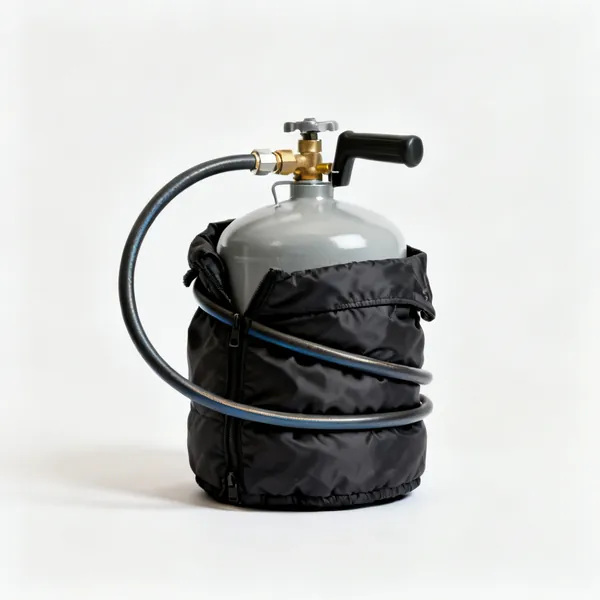
  • A pipe freezing kit with a gas canister, jacket and hose

    Pipe freezing kit

    Freezes a plug of ice in the pipe so a joint can be cut into a system that cannot be drained. Expensive per use and it saves draining a whole heating system for one alteration.

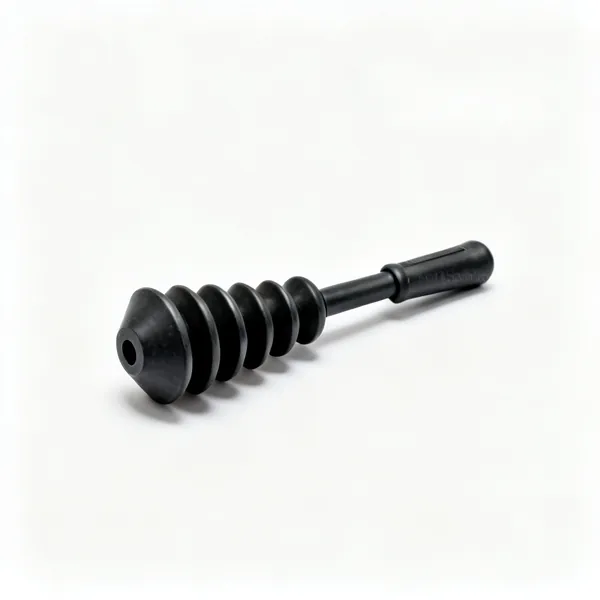
  • Pipe bung set: A set of tapered rubber pipe plug bungs of graduated sizes

    Pipe bung set

    Tapered plugs that stop a drained pipe weeping while you solder above it. A trickle of water is enough to hold the joint at 100 degrees and prevent it ever taking solder.

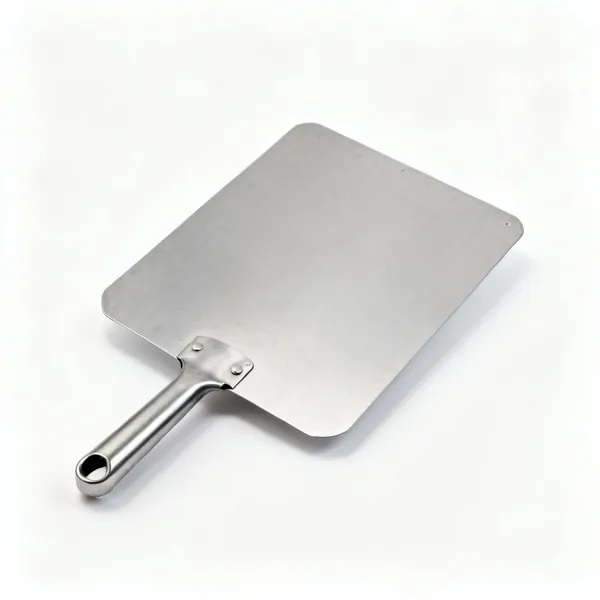
  • Flame protection plate: A rectangular metal flame protection shield plate with a handle

    Flame protection plate

    A rigid shield placed between the torch and anything combustible or already painted. More positive than a mat where you cannot get behind the joint to lay one.

Joints without a flame 7

Compression, press and push fit. Three systems, and the choice is usually about fire risk and access rather than preference.

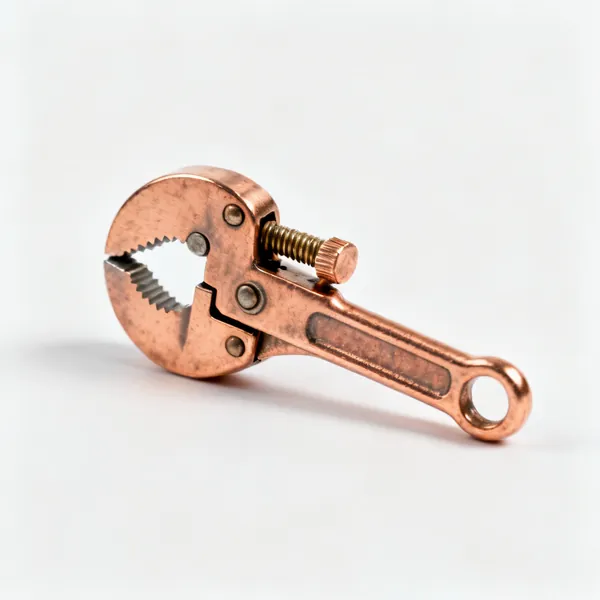
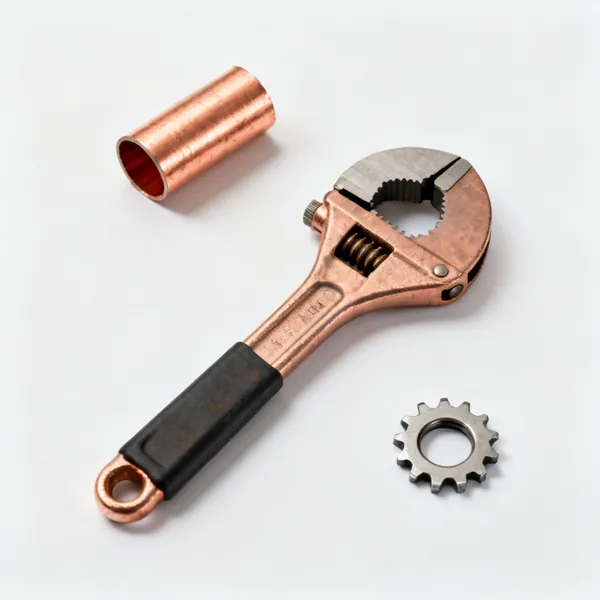
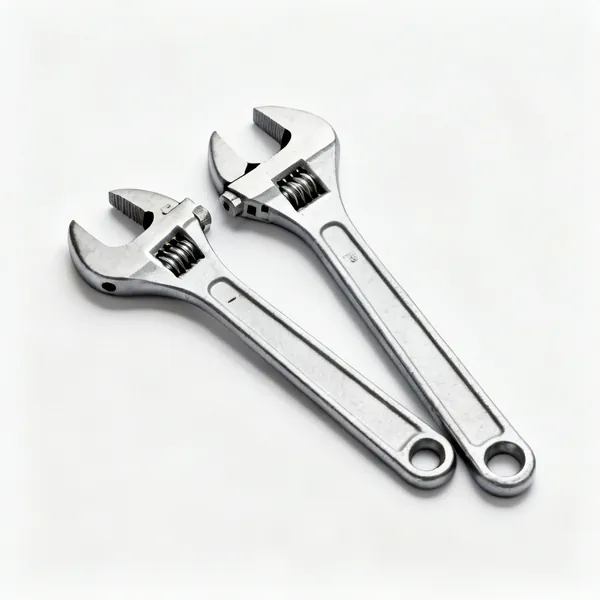
  • Two adjustable spanners of different sizes with knurled adjusting screwsEssential

    Adjustable spanners

    A pair for compression fittings, one holding the body and one turning the nut. A single spanner twists the pipe and quietly loosens whatever joint is behind it.

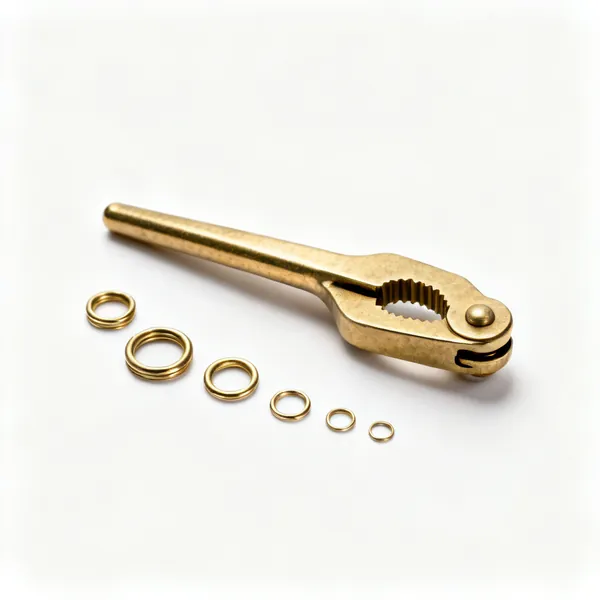
  • Compression olives: An assortment of small brass compression olive rings of different sizesEssential

    Compression olives

    Soft brass rings crushed between nut and fitting to seal. A weeping compression joint that has been tightened properly needs a new olive, because the old one has already been deformed.

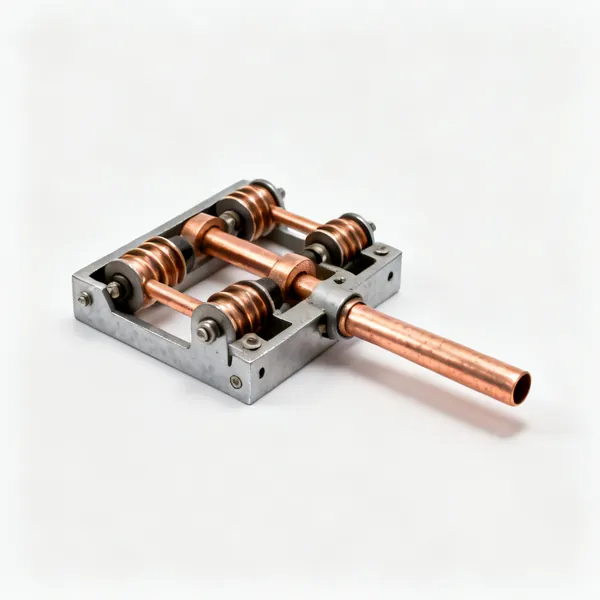
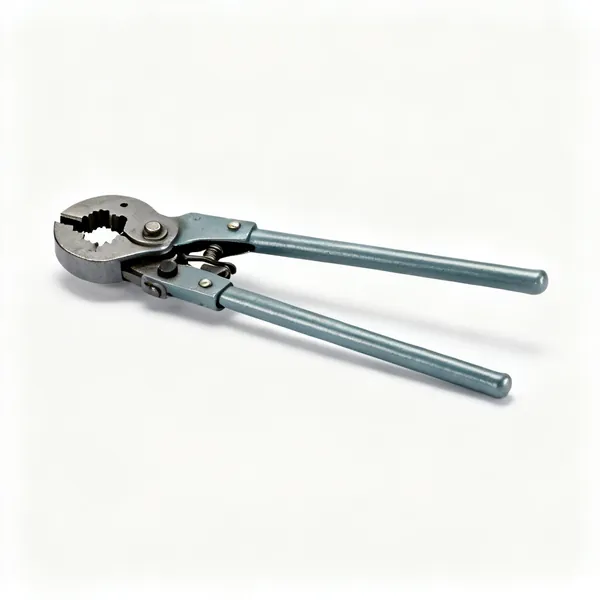
  • A manual hand press tool for pipe fittings with two long handles and a crimping jaw

    Hand press tool

    Crimps a press fitting permanently onto the pipe against an internal O ring, with no heat at all. The reason to own one is fire risk rather than speed, though it is also faster.

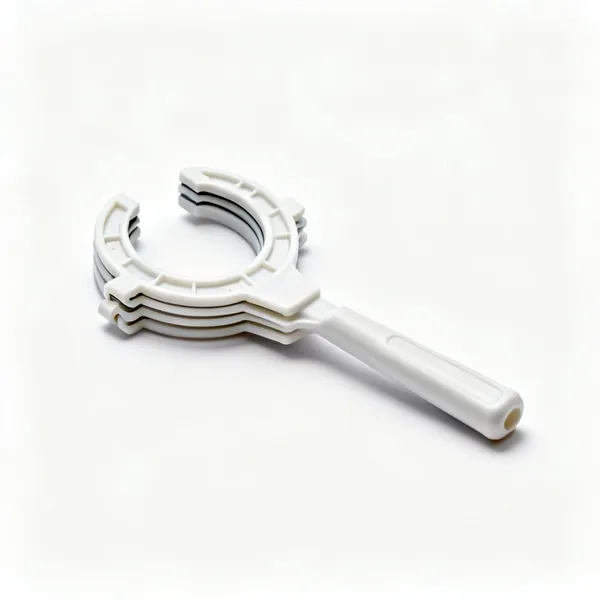
  • Push fit release tool: A set of plastic push fit pipe release tools, horseshoe shaped collar clipsEssential

    Push fit release tool

    A collar or horseshoe clip that depresses the grab ring so a push fit connector can be removed. Without it the fitting is destroyed on removal and cannot be reused.

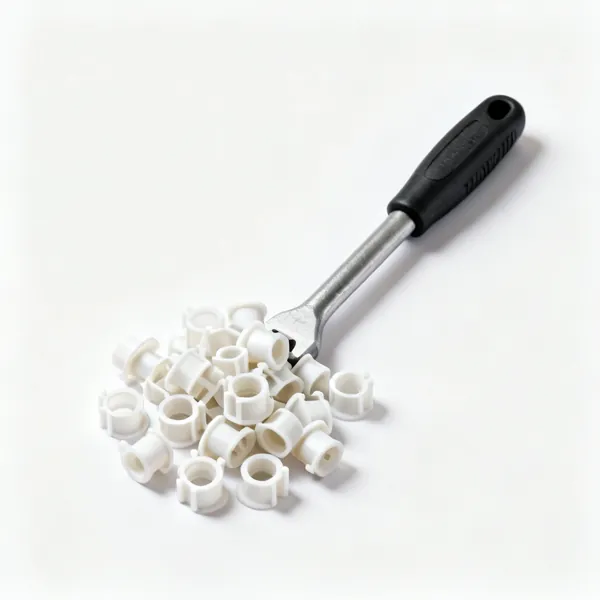
  • Pipe inserts: A handful of small plastic pipe support inserts

    Pipe inserts

    Stiffeners that support the bore of soft pipe inside a push fit or compression joint. Required on plastic and on annealed copper, and leaving one out lets the joint pull off under pressure.

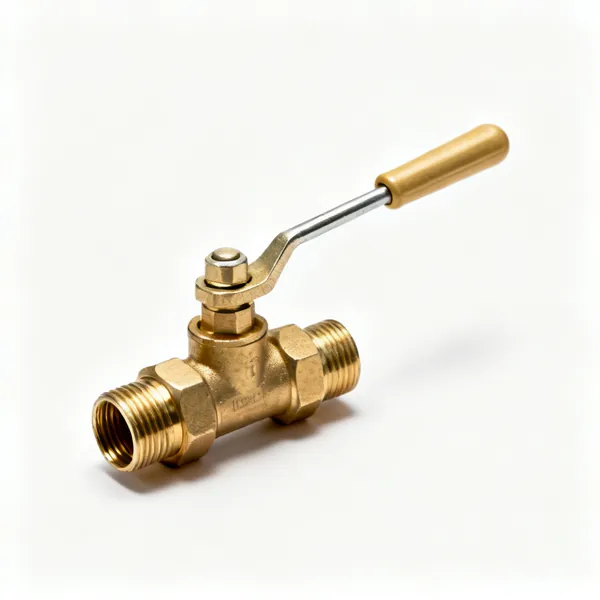
  • A pair of brass slotted screwdriver operated isolating valves with compression endsEssential

    Isolating valves

    Screwdriver operated valves fitted in the run so a section can be isolated later. Fitting them while the pipework is open turns every future repair into a much smaller job.

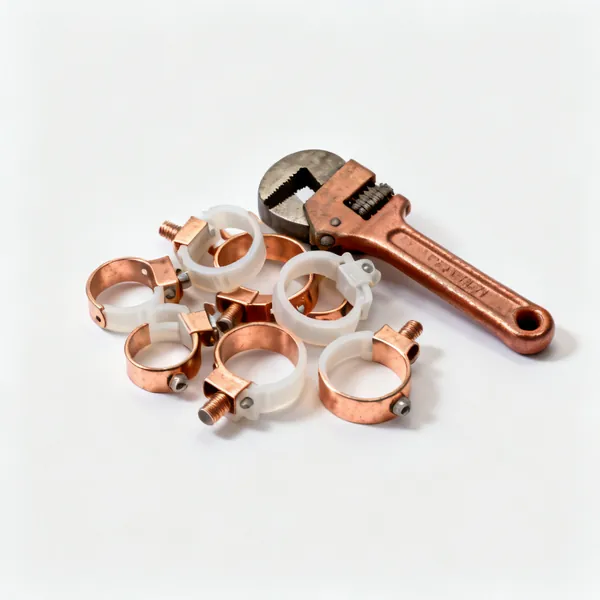
  • A handful of copper and plastic pipe clips of different sizesEssential

    Pipe clips

    Support the run so it neither sags nor rattles when the pump starts. Copper expands noticeably with hot water, and a clipped run that cannot move is what makes a heating system tick.

Working copper pipe

Clean, dry and bright is the whole secret of a soldered joint. The rest is technique that comes quickly.

Clean is the whole job

A soldered joint works by capillary action pulling molten solder into the gap between pipe and fitting. That only happens if the solder wets the metal, and it will not wet copper oxide. So the pipe is abraded to bright metal and the fitting socket is brushed clean, every time.

Flux helps by dissolving the thin oxide that forms while you are working, and it is often mistaken for a cleaner. It is not. A dirty joint with plenty of flux still fails, usually a few weeks later under pressure.

Bright metal, both parts
Abrasive strip on the pipe, wire brush in the socket. Dull copper is oxidised copper.
Clean past the socket
Solder and flux travel with the heat. Cleaning only the covered part leaves oxide at the joint edge.
Flux is not a cleaner
It removes the oxide that forms during the job, not the oxide that was there before you started.
Do not touch the cleaned end
Skin oil is enough to stop solder wetting a patch. Handle the pipe further back.

Heating a joint correctly

Heat the fitting, not the solder and not the pipe alone. When the fitting is at temperature, touching solder to the joint mouth draws it in around the whole circumference in about a second, and you will see it flash.

Overheating is the common error. It burns the flux, which then stops working, and the joint will not take even though it is plainly hot enough. If a joint refuses to take solder, let it cool, clean it again, reflux it and start over.

Heat the fitting
The socket carries the heat into the gap. Playing the flame on the solder just melts it into a blob.
Watch for the flash
Solder drawn in disappears into the joint in about a second. That is the signal to stop.
Overheating burns the flux
A joint that will not take when clearly hot is over-fluxed and burnt. Cool, clean, reflux.
Drain the pipe fully
A trace of water in the pipe holds the temperature at 100 degrees and the joint will never solder. This defeats everyone once.

Bending beats fitting

Every soldered elbow is two joints that can leak and a restriction to flow. A bend is neither, and on 15mm and 22mm a lever bender makes one in seconds. On a run with four corners that is eight fewer joints.

The former sets the radius and supports the wall while it goes round, which is what stops the bore flattening. Bending over your knee looks fine and reduces the bore more than you would think.

Two fewer joints per corner
Fewer leak paths, better flow, and less solder and less time.
Always use a former
It supports the wall. A freehand bend flattens the bore even when it looks acceptable.
Measure to the centre of the bend
Benders work around the mark rather than from it. The tool's own scale tells you where.
Annealed pipe bends easier
Soft coiled copper bends by hand with a spring. Half hard straight lengths need the bender.

When you cannot use a flame

In an occupied building, near a joist, or in a loft full of insulation, hot work is a genuine fire risk and often not permitted. Three systems avoid it entirely: compression, press fit and push fit.

Compression is cheap and fully serviceable, and it must stay accessible. Press fit is fast and permanent but needs an expensive tool. Push fit is the quickest of all and is the one most likely to be objected to on visible pipework.

Compression
An olive crushed between nut and fitting. Cheap, reusable fittings, and it must remain accessible for inspection.
Press fit
A crimped seal, permanent and fast. The tool cost is the barrier, not the fittings.
Push fit
An O ring and grab ring. Fastest of all, and check whether it is acceptable where it will be seen.
Heat mat if you must solder
Behind any joint near timber. A torch job can start a fire that shows itself hours later.

Compression joints and how they leak

A compression joint seals when the nut crushes a brass olive between the pipe and the fitting body. It needs the pipe cut square, deburred, and pushed fully home before the nut is tightened, and it needs the right amount of tightening.

The usual mistake is overtightening, which extrudes the olive and can split the nut. Hand tight plus about one full turn is the general rule, then a quarter turn more if it weeps. A joint that still weeps after that needs the olive replaced, not more force.

Square and deburred
The olive cannot seat evenly on an angled or burred end, and that is most compression leaks.
Home before tightening
Push the pipe fully to the shoulder. Tightening onto a partly inserted pipe seals nothing.
One turn past hand tight
Then a quarter more if needed. Beyond that you are extruding the olive, not sealing it.
Two spanners
One holding the body, one on the nut, or the pipe twists and the joint behind it loosens.

Frequently asked questions

What tools do I need to work with copper pipe?
A wheel pipe cutter, a deburring reamer, abrasive strip and fitting brushes, a lever bender, a blowtorch, lead free solder, flux and a heat mat. Add two adjustable spanners for compression fittings. That is a complete kit for domestic copper plumbing.
Why will my copper joint not take solder?
Three usual causes. The surface was not clean, so the solder cannot wet it. The joint was overheated and the flux has burnt. Or there is still water in the pipe, which holds the temperature at 100 degrees and no joint will solder at that. Drain fully and start again.
Do I heat the solder or the fitting?
The fitting. When it reaches temperature, touching the solder to the mouth of the joint draws it in around the whole circumference in about a second. Playing the flame on the solder just melts it into a blob that sits on the outside.
Can I use lead solder on drinking water pipe?
No. Lead solder is prohibited on potable water systems and has been for decades. Use lead free solder, which needs slightly more heat and behaves a little differently. Lead solder is still sold for non potable and electrical work, so read the label.
How tight should a compression fitting be?
Hand tight plus about one full turn with spanners, then a quarter turn more if it weeps. Beyond that you are extruding the olive rather than sealing it, and you can split the nut. If it still weeps, replace the olive rather than tightening further.
Should I bend copper pipe or use elbows?
Bend where you can. A bend has no joint to leak and restricts flow less than an elbow, and it saves two soldered connections per corner. Use fittings where the radius would be too tight for a bender or where there is no room to swing one.
Are push fit fittings as good as soldered ones?
For performance in service, modern push fit is rated for the same pressures and temperatures. They are bulkier, they cost more per joint, and some people object to them on visible pipework. Their real advantage is speed and no flame at all, which matters in an occupied building.
What is a press fit tool and is it worth it?
A tool that crimps a fitting permanently onto the pipe against an internal O ring, with no heat. It is fast and reliable, and the tool is expensive enough that it only makes sense for regular work or where hot work is not permitted at all.