Buying a first plumbing kit
Buy the day one list properly and add the rest slowly. A large cheap kit is worse than a small good one.
What to turn up with on day one
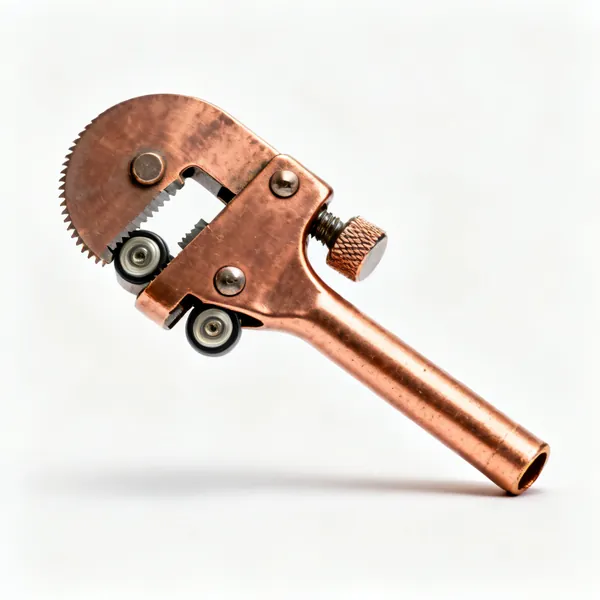
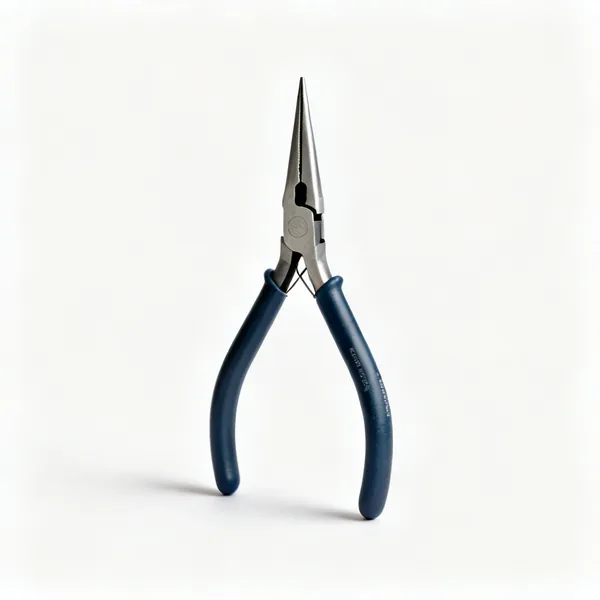
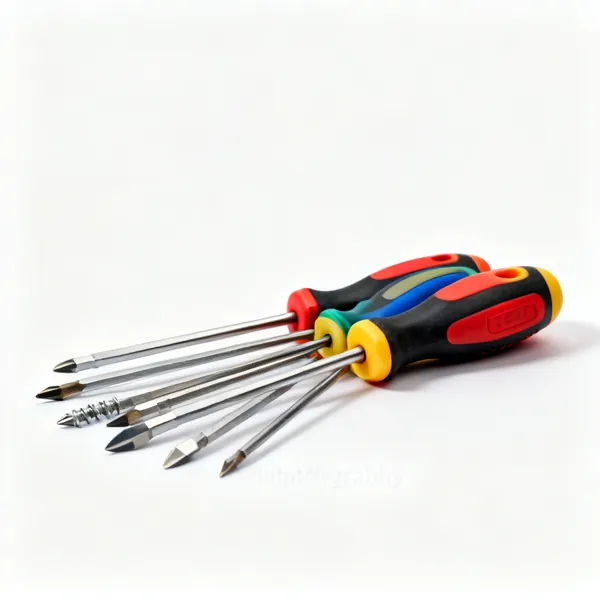
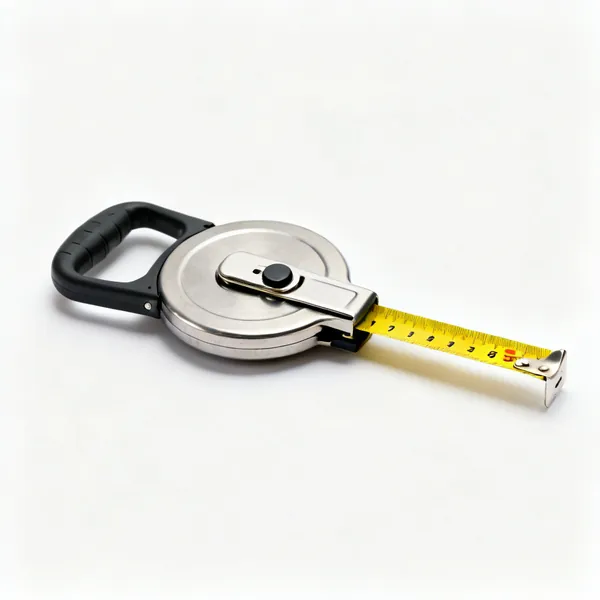
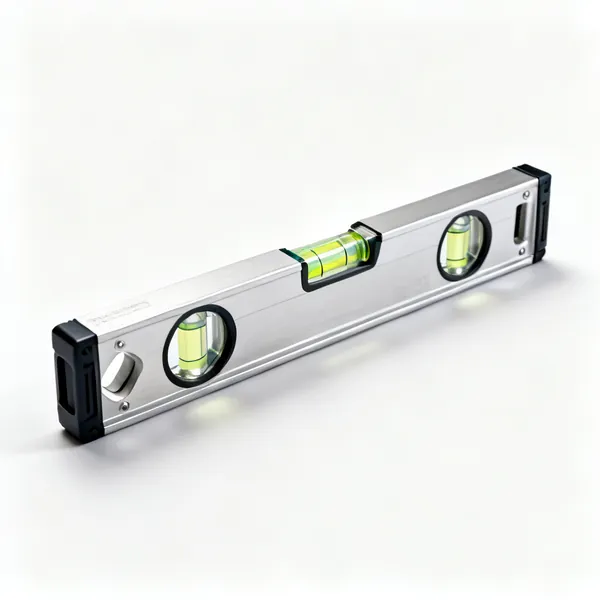
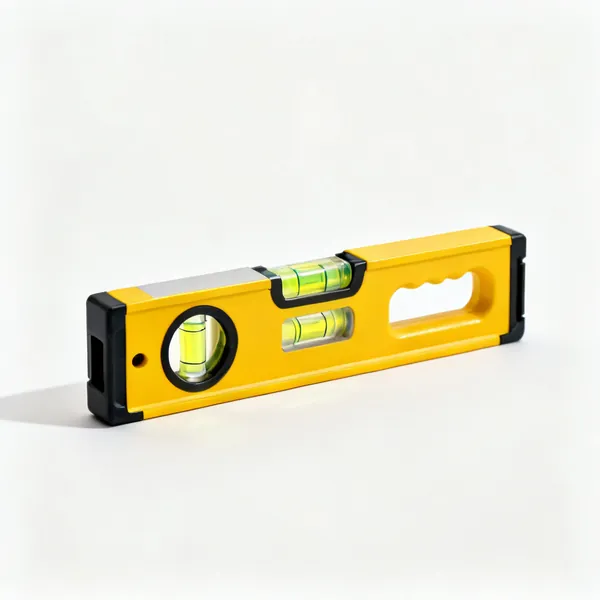
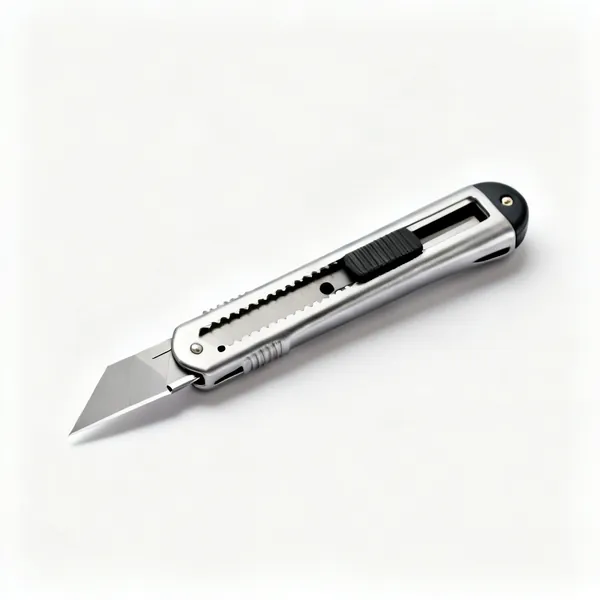
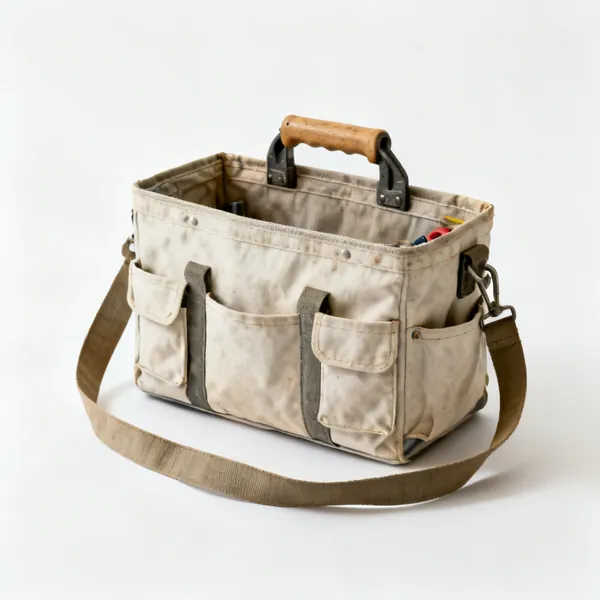
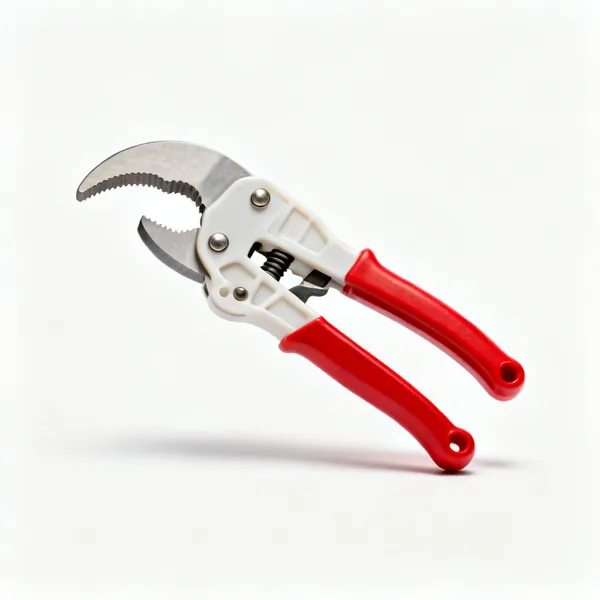
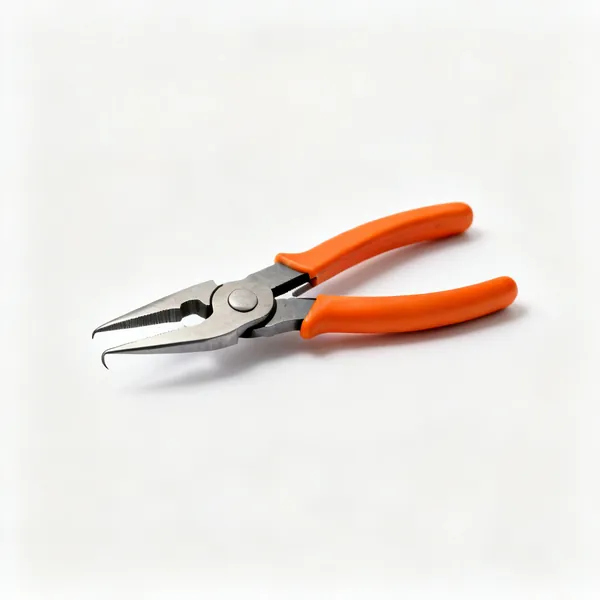
A small bag with the tools you will be handed jobs for: pipe cutter, adjustable spanners, screwdrivers, pliers, tape measure, spirit level, marker and a knife. That is enough to be useful rather than a spectator.
Buy this list properly. These are the tools you will use every day for years, and the difference between a decent adjustable spanner and a cheap one shows up within a week.
- Small bag, good tools
- Ten or twelve items bought well beats a forty piece kit of things that flex and slip.
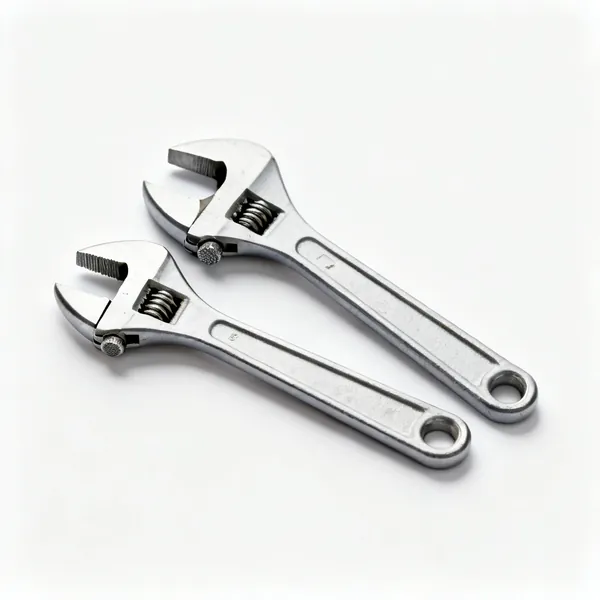
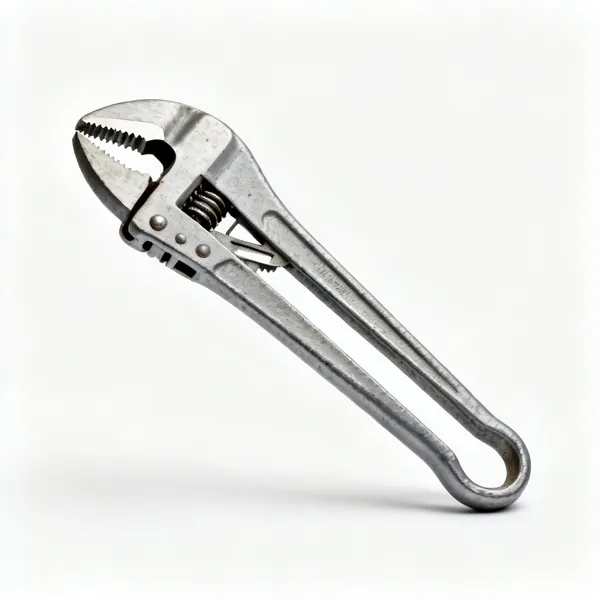
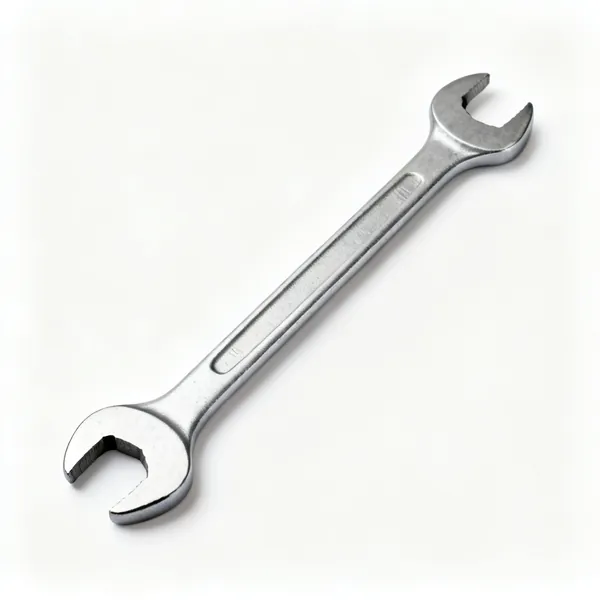
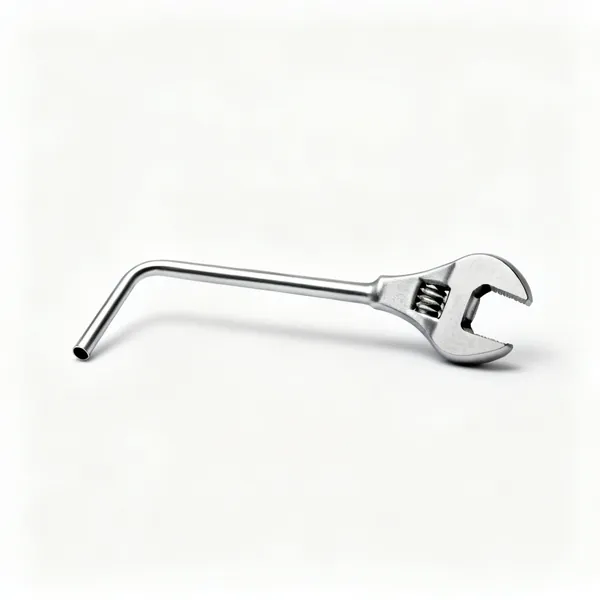
- Two adjustable spanners
- Almost every plumbing joint needs one holding and one turning. One spanner is half a tool.
- Put your name on everything
- Tools migrate on site. A punch mark or a paint stripe is how yours come home.
- Ask what they want you to bring
- Every firm differs, and asking beforehand is a better first impression than guessing.
What the employer supplies
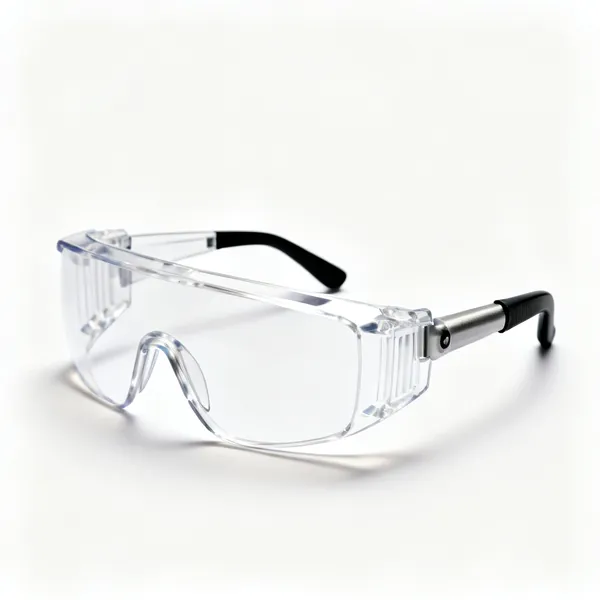
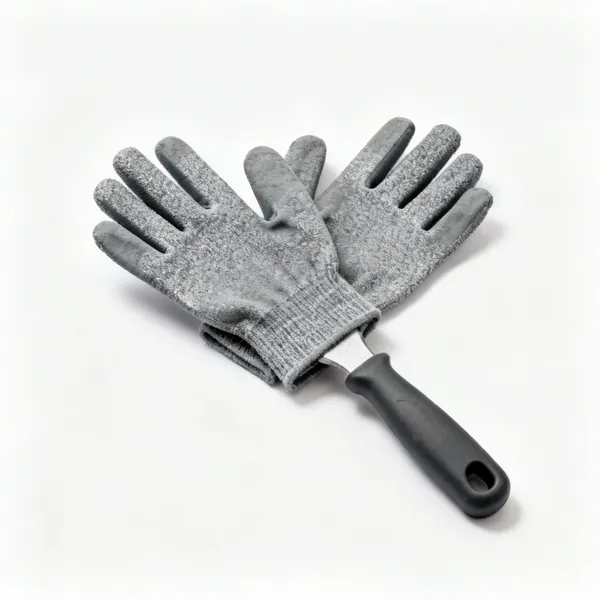
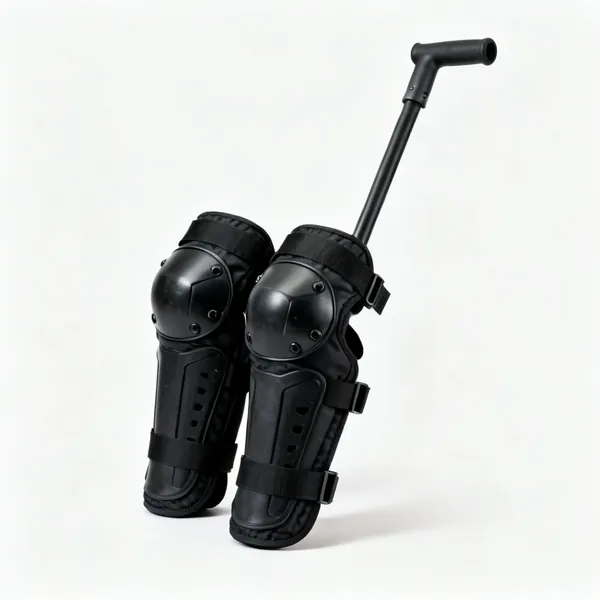
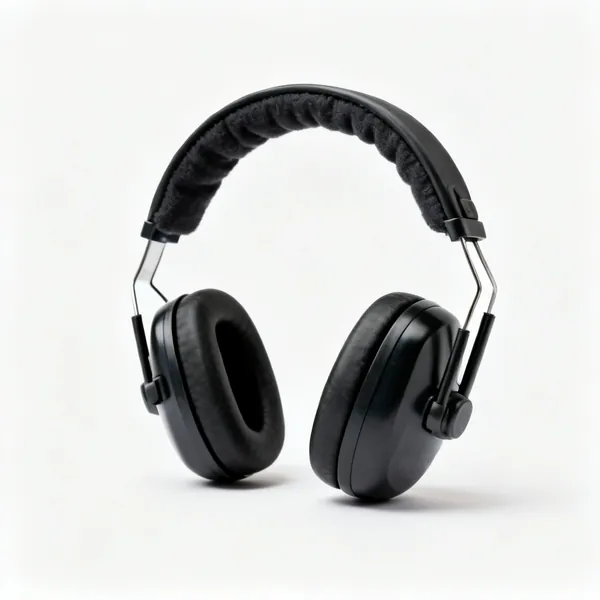
Personal protective equipment is the employer's responsibility, not yours. That means gloves, eye protection, knee pads, ear protection and safety boots where they are required for the work. You should not be buying those out of an apprentice wage.
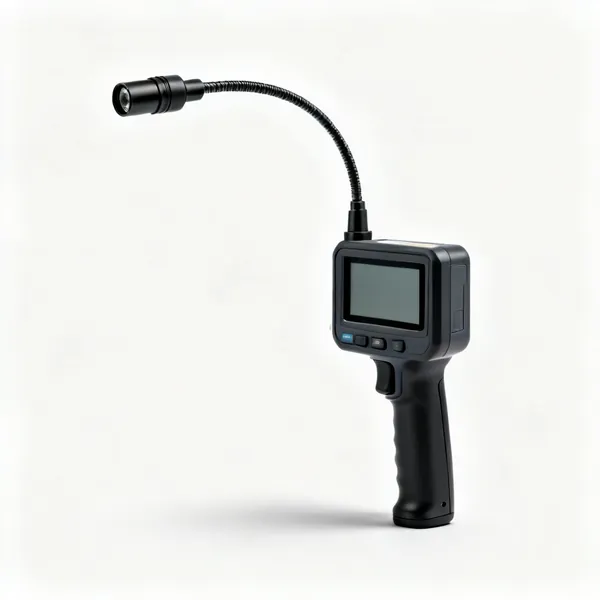
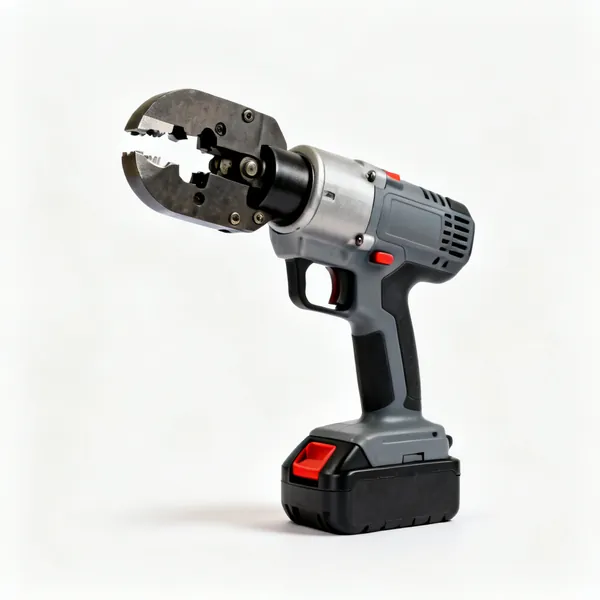
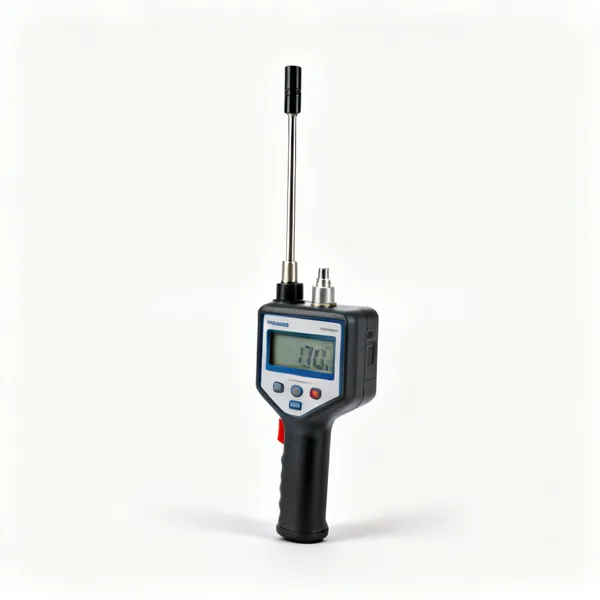
The same applies to expensive shared plant: press tools, power tools, pipe freezing kits, drain cameras, gas analysers and test equipment. If a firm expects an apprentice to provide those, that tells you something about the firm.
- PPE is theirs
- Gloves, glasses, ear defenders, knee pads and boots where required. That is a legal duty, not a favour.
- Plant is theirs
- Press tools, drain cameras, freezing kits, test gear. Nobody starting out should be buying these.
- Calibrated equipment is theirs
- Anything requiring calibration records belongs to the business, because the records do too.
- Ask before you buy anything expensive
- You may be buying something already in the van.
Where to spend and where not to
Spend on anything that grips or cuts. A cheap adjustable spanner flexes and rounds nuts, a cheap pipe cutter wanders off square, and a cheap screwdriver cams out and ruins screw heads. In each case the failure damages the work, not just the tool.
Save on anything that only carries or holds: bags, trays, buckets, dust sheets, kneeling pads. They do the same job whatever they cost, and they get lost and damaged fastest.
- Buy well
- Spanners, pipe cutters, screwdrivers, pliers, levels. The failure mode is a damaged job.
- Buy cheaply
- Bags, trays, buckets, sheets, pads. Consumable by nature and no worse for being ordinary.
- Avoid big sets
- Priced on piece count. You will use a third of it, and that third is better bought singly.
- Second hand is fine for some
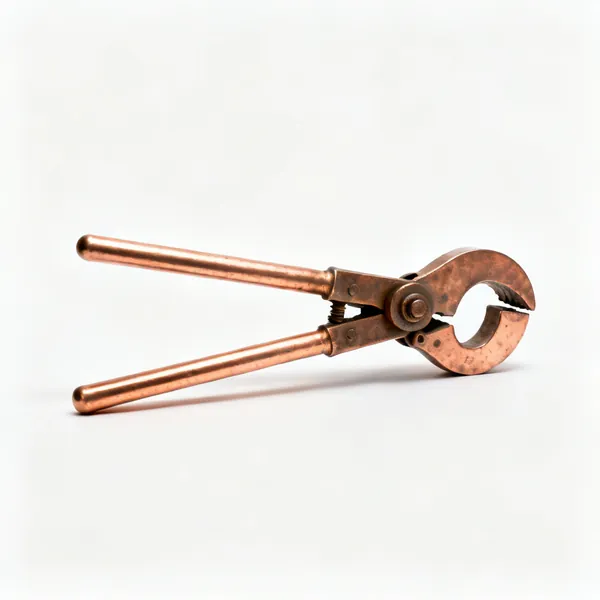
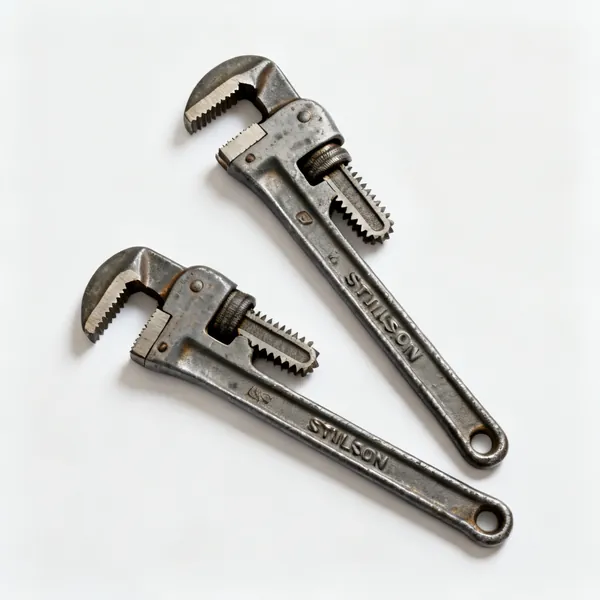
- Pipe wrenches, benders and vices last decades. Measuring tools and levels, buy new.
Looking after them
Plumbing tools live in water, and water is what destroys them. Wipe them at the end of the day, keep bare steel oiled, and never put a wet tool in a closed bag overnight.
Keep the bag organised too. The apprentice who can find the right spanner in ten seconds is more useful than the one with a better spanner somewhere in a pile, and that gets noticed quickly.
- Dry them daily
- A closed bag of wet tools rusts everything in it, including the ones that were dry.
- Oil bare steel
- An oily rag over cutters, benders and wrenches. Ten seconds, and it doubles their working life.
- Organised beats extensive
- Finding the right tool fast is a skill people notice. A pile is not a kit.
- Replace blades and wheels
- A blunt cutter wheel or knife blade makes you look slow when the tool is the problem.
The tools that teach you most
A spirit level and a tape measure. Almost every complaint about finished plumbing is that something is not level, not straight or not where it was supposed to be, and none of that is about skill with a torch.
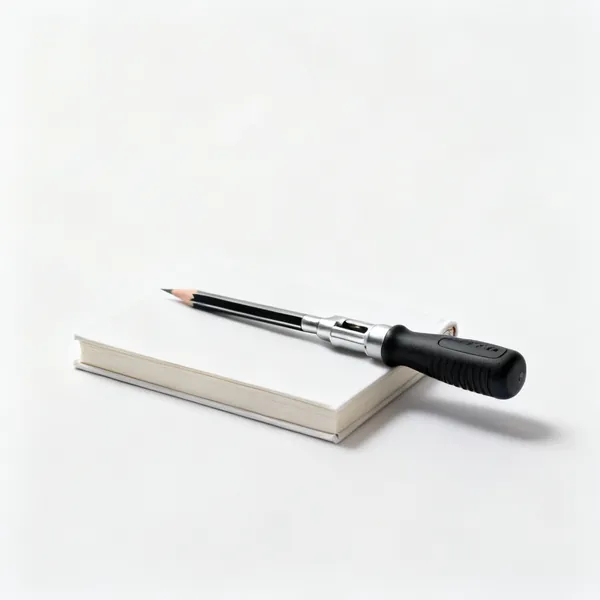
Also a notebook. Write down pipe sizes, fitting names, the order jobs are done in, and what your supervisor tells you once. Nobody minds explaining something twice; they mind explaining it five times.
- Level everything
- Radiators, pipe runs, cisterns, brackets. Being visibly straight is most of what a customer judges.
- Measure twice
- And remember to allow socket depth at both ends, which is the mistake everyone makes for the first month.
- Write it down
- Sizes, names, sequences. A notebook is the cheapest tool here and the most useful in year one.
- Watch the tidy-up
- How a good plumber leaves a room is half the job. It is also the part nobody teaches out loud.
Frequently asked questions
- What tools does a plumbing apprentice need on day one?
- A pipe cutter, two adjustable spanners, a screwdriver set, water pump pliers, long nose pliers, a tape measure, a spirit level, a marker pen, a utility knife and a bag to carry them. Ten or twelve good tools rather than a large cheap kit.
- Should my employer provide my tools?
- They must provide personal protective equipment, which means gloves, eye protection, ear defenders, knee pads and boots where the work requires them. They should also provide expensive shared plant. Basic hand tools are normally yours, but ask before assuming either way.
- How much should I spend on a first plumbing kit?
- Less than you think, and on fewer items than you think. A dozen well chosen tools costs a fraction of a large kit and will serve you better. Spend on anything that grips or cuts, and buy the cheapest version of anything that merely carries or holds.
- Are plumbing tool kits worth buying?
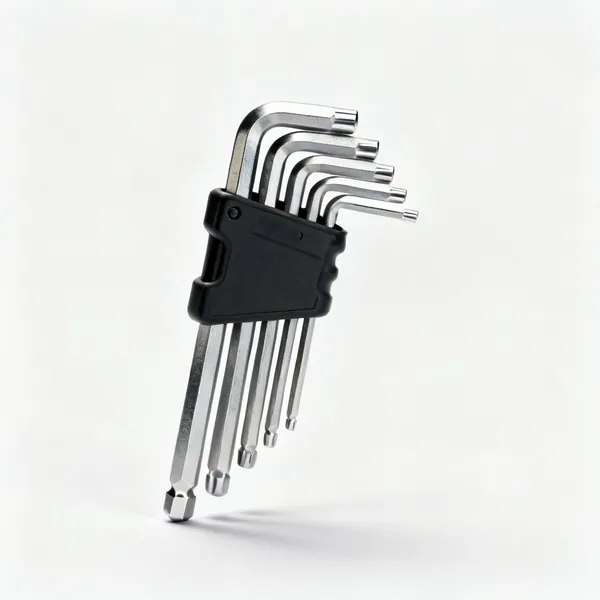
- Usually not. They are priced on piece count, so most of the contents are sizes and types you will not use, and the quality of the pieces you will use is lower than buying those individually. Graduated sets like sockets and hex keys are the exception.
- What is the most useful tool for a plumbing apprentice?
- A spirit level, for an unobvious reason. Most complaints about finished plumbing are that something is not level, not straight or not where it should be. Getting that right is noticed immediately and it does not depend on any skill you have not learned yet.
- Should I buy second hand plumbing tools?
- For pipe wrenches, benders and vices, yes, because they have almost nothing to fail and a good old one beats a poor new one. Buy measuring tools, levels and cutters new, since accuracy and a sharp wheel are exactly what wear out invisibly.
- How do I stop my tools going missing on site?
- Mark every one with a punch mark, a paint stripe or your initials, and count them back into the bag before you leave. Tools migrate on a busy site without anyone intending it, and unmarked tools have no way of finding their way back to you.
- What should I add in my first year?
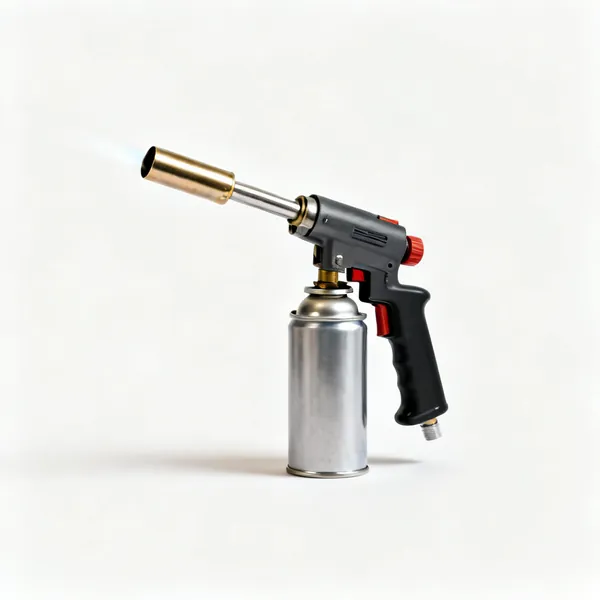
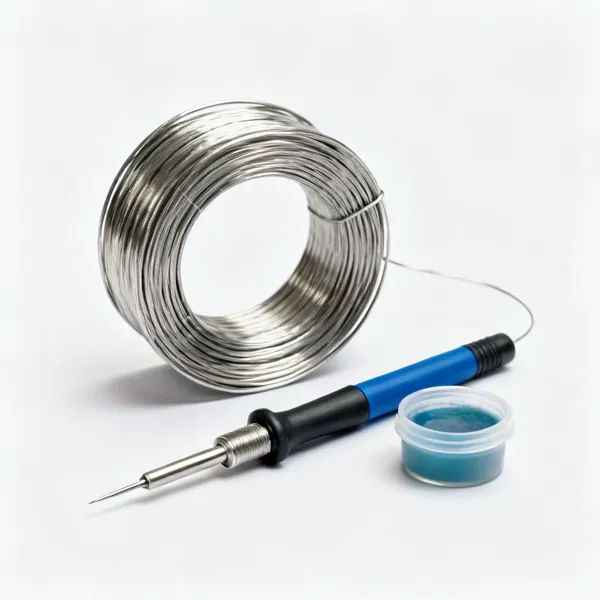
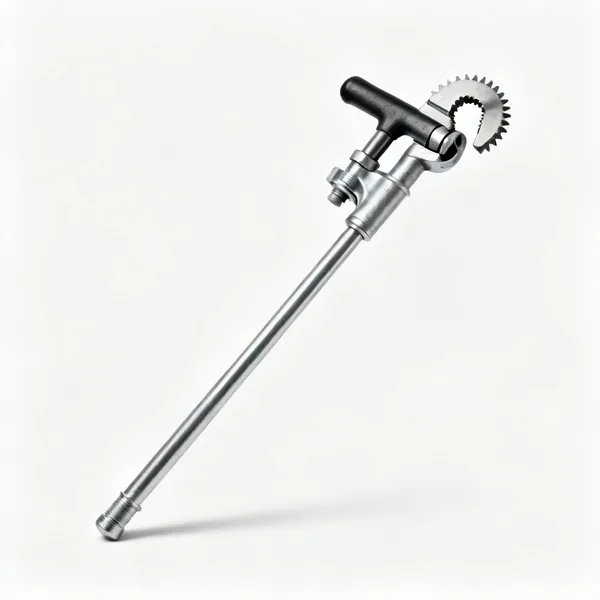
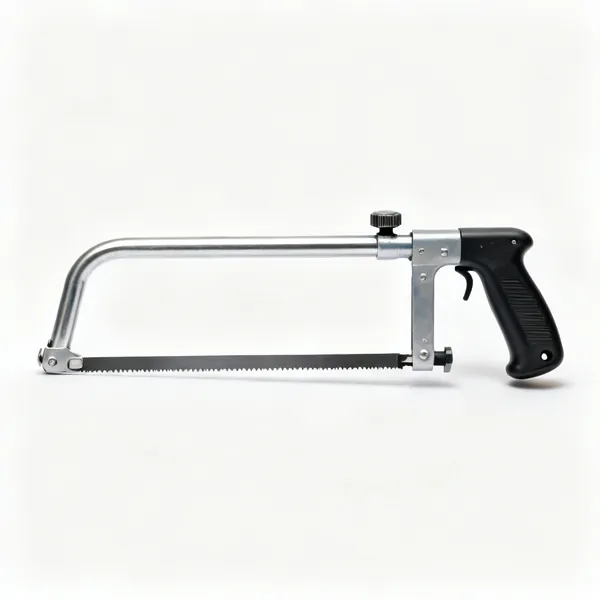
- A pipe bender, a blowtorch with solder and flux, a basin wrench, a pair of pipe wrenches, a hacksaw and a set of hex keys. Add each one when a job needs it rather than in advance, and you will spend less and use everything you own.