- What tools help with plumbing in tight spaces?
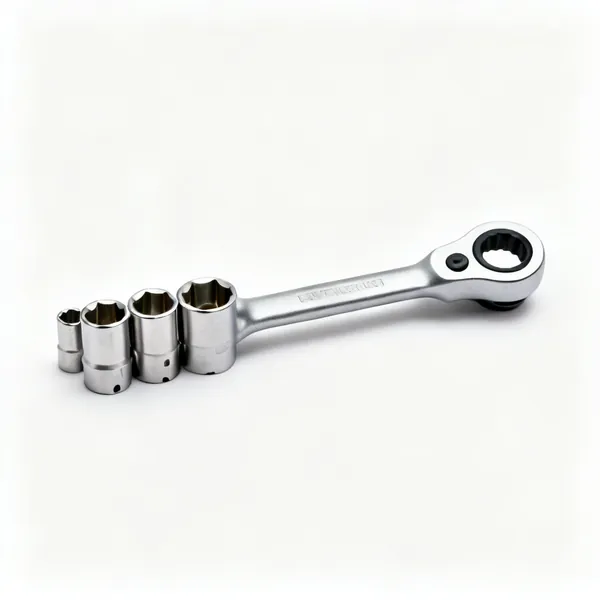
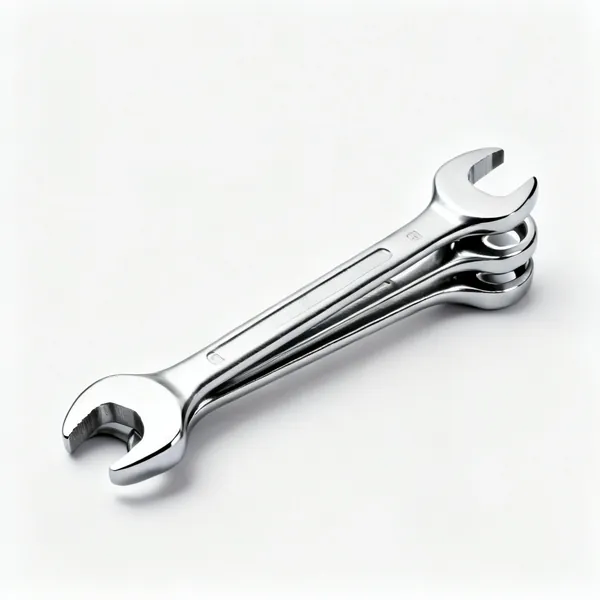
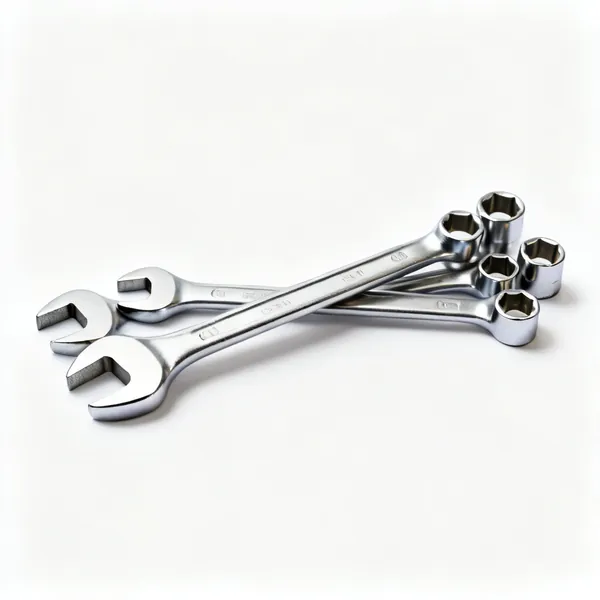
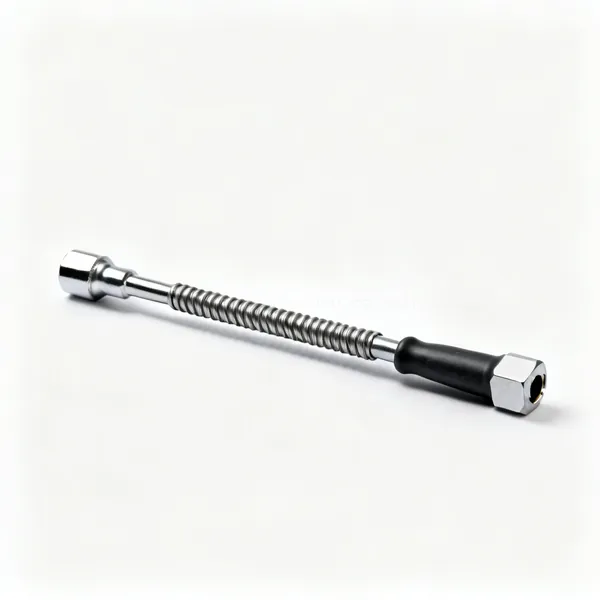
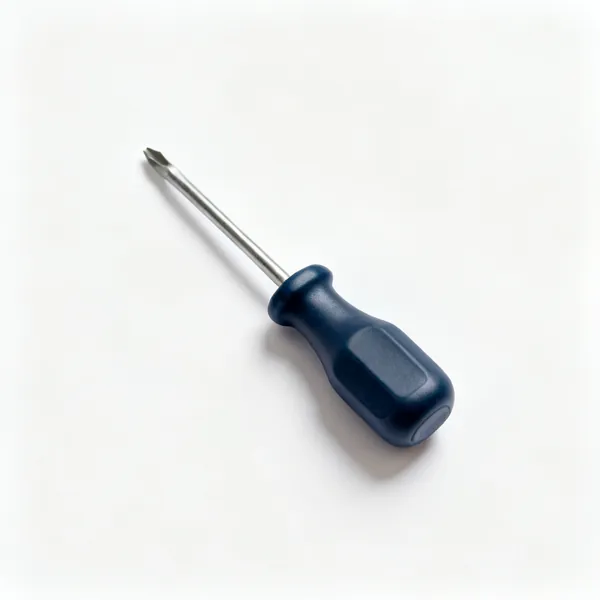
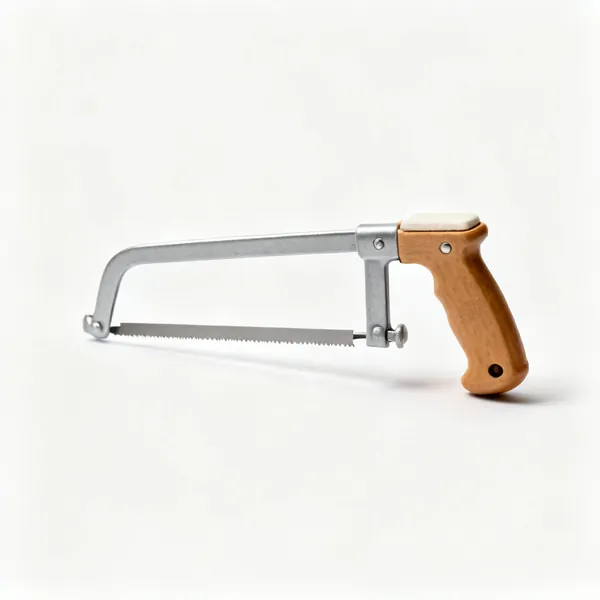
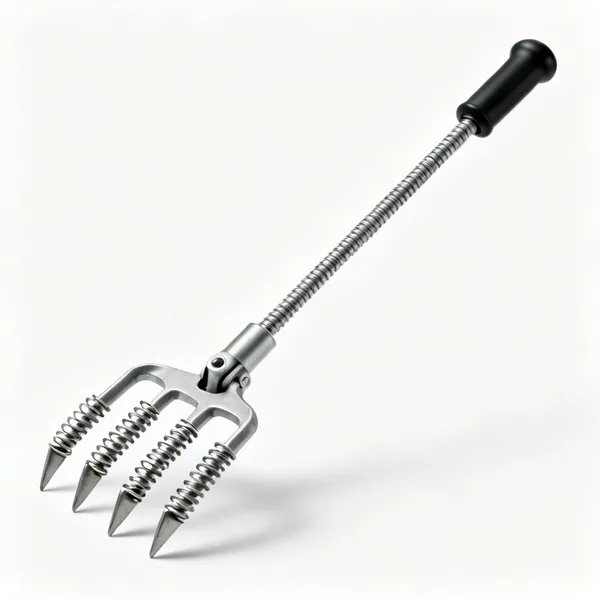
- A basin wrench, stubby screwdrivers, a low profile ratchet with a fine tooth head, offset and ratchet ring spanners, a mini pipe cutter or pipe slice, a flexible extension, a head torch and an inspection mirror. Between them they cover almost every access problem.
- How do I cut a pipe with no clearance around it?
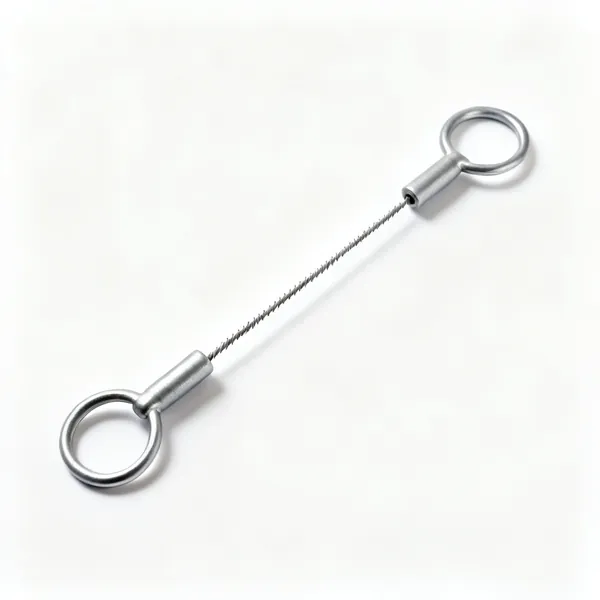
- A pipe slice, which clips fully around the pipe and cuts in a couple of hand turns needing almost no room to rotate. Failing that, a mini cutter needs about 25mm of swing, and a flexible wire saw works behind a pipe with only a few millimetres of clearance.
- What is a basin wrench and why is it needed?
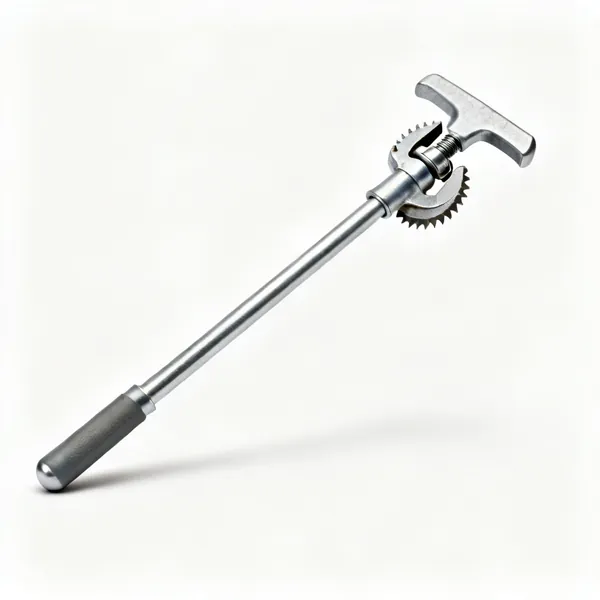
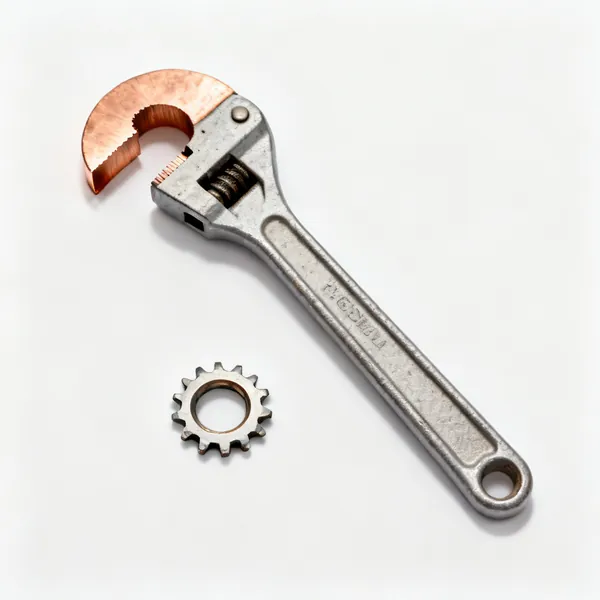
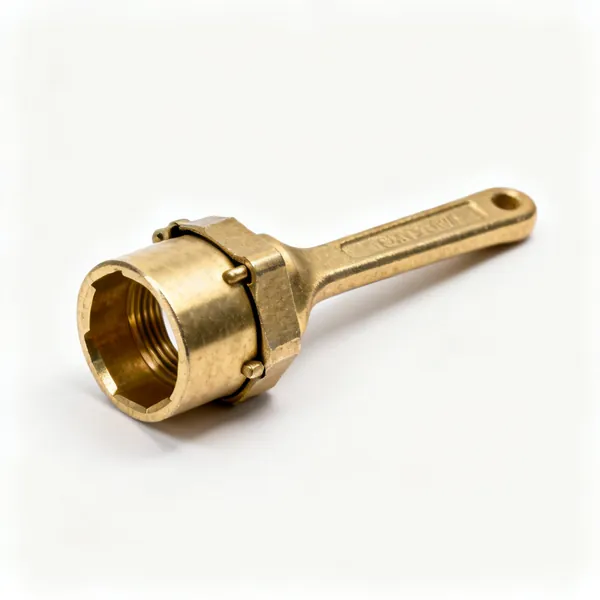
- A long shaft with a swivelling toothed jaw, made for the backnut behind a basin, which sits far back in a narrow gap facing away from you. It grips and turns that nut from below, working entirely by feel, and no ordinary spanner will reach it at all.
- How do I turn a nut with almost no room to swing?
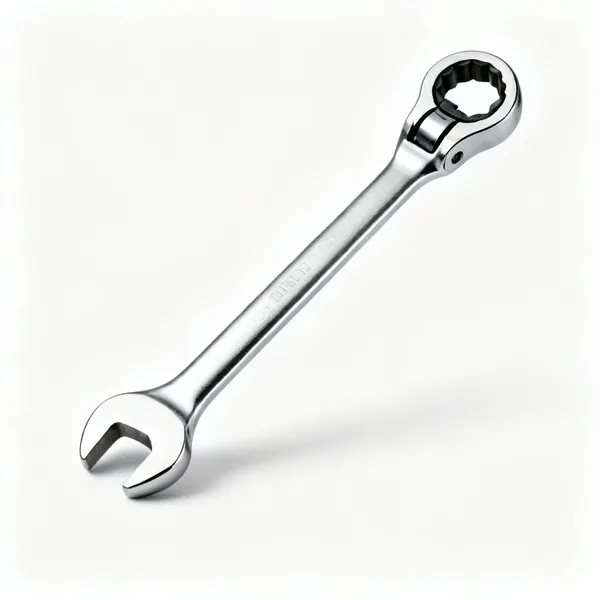
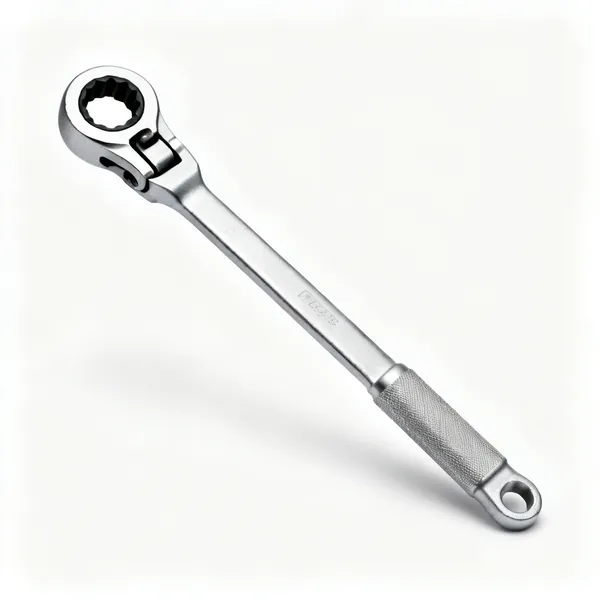
- A ratchet ring spanner needs about five degrees of movement per stroke, against sixty for a plain spanner. Where even that is impossible, a pass through socket or a flexible drive extension will work, or something has to come apart to gain access.
- Is push fit better than soldering in a confined space?
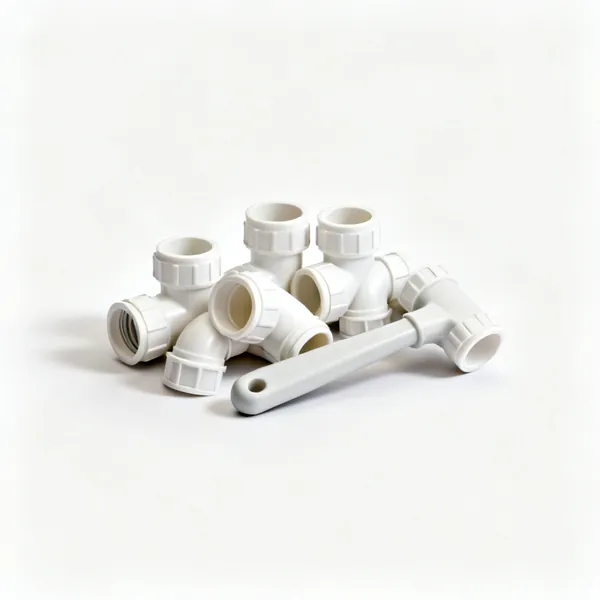
- Usually yes, on both safety and practicality. A push fit joint takes thirty seconds with no flame, which matters when you cannot see behind the joint and it is next to timber or insulation. It is bulkier and costs more per joint, and those rarely outweigh the access advantage.
- What is a low profile ratchet?
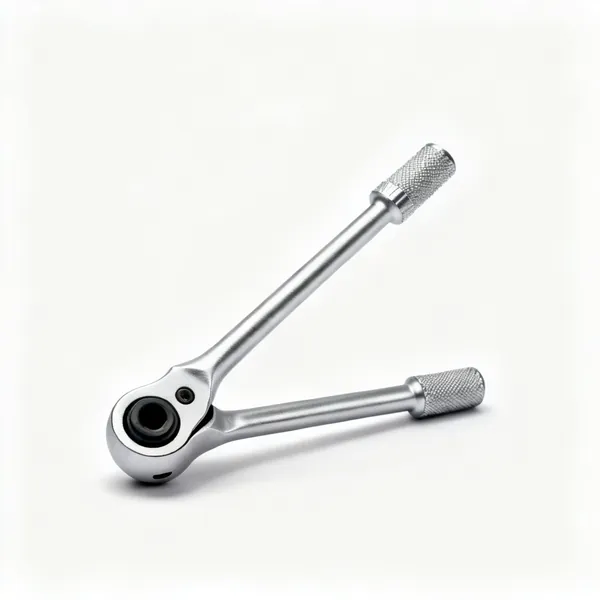
- A ratchet with a very slim head and often a fine tooth mechanism, so it fits into a shallow gap and still turns with a small swing. The head thickness is the specification that matters, because that is what decides whether it goes in the space at all.
- How do I see what I am working on under a sink?
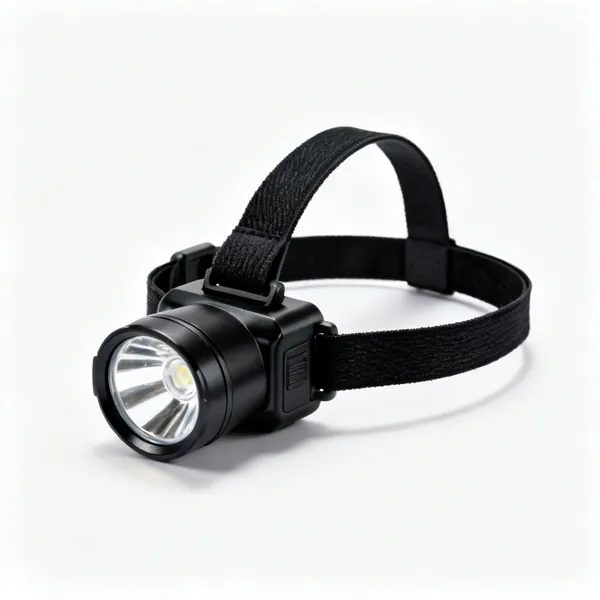
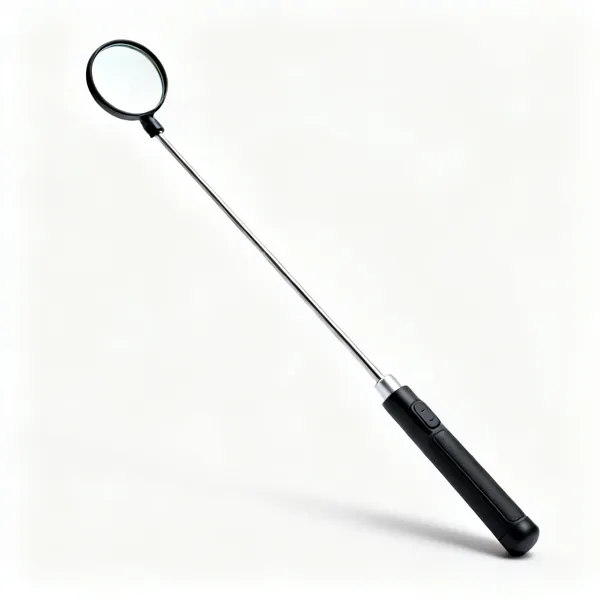
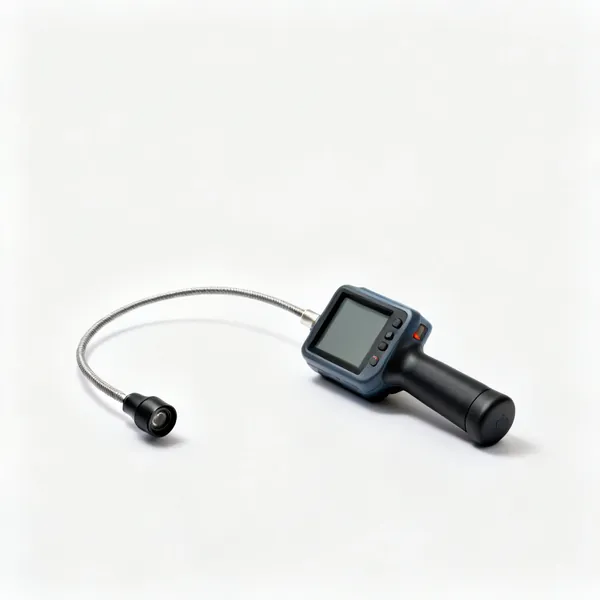
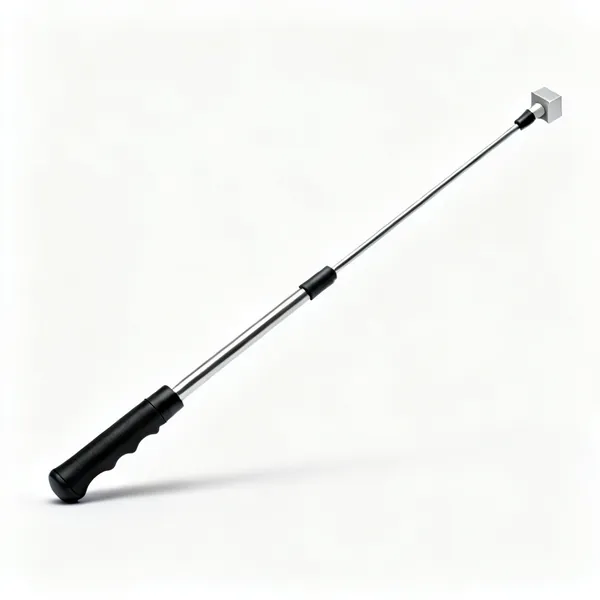
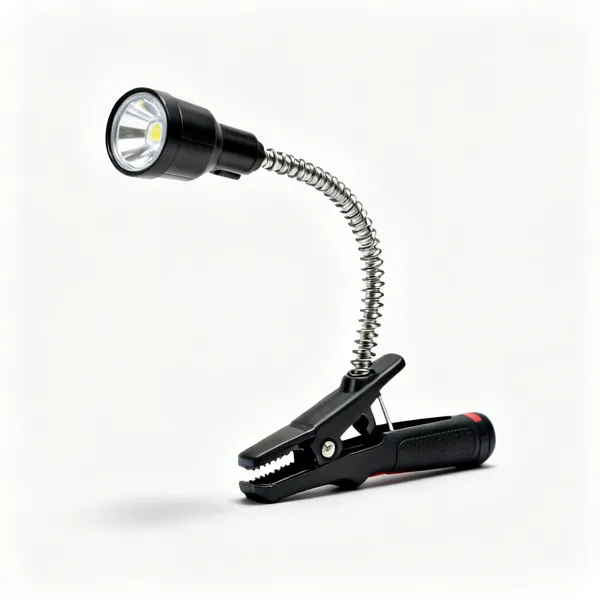
- A head torch, because both hands are occupied and the light needs to point where you are looking. Add a telescopic inspection mirror, since the leak is almost always on the face pointing at the wall, and an inspection camera for anything inside a void.
- Should I take the bath panel or the trap off instead?
- Often, yes. Ten minutes gaining proper access usually saves an hour of blind work and produces a better joint. Fighting a fitting through a 100mm gap is where things get cross threaded, and that turns a small job into a much larger one.