What is in a boilermaker's bag
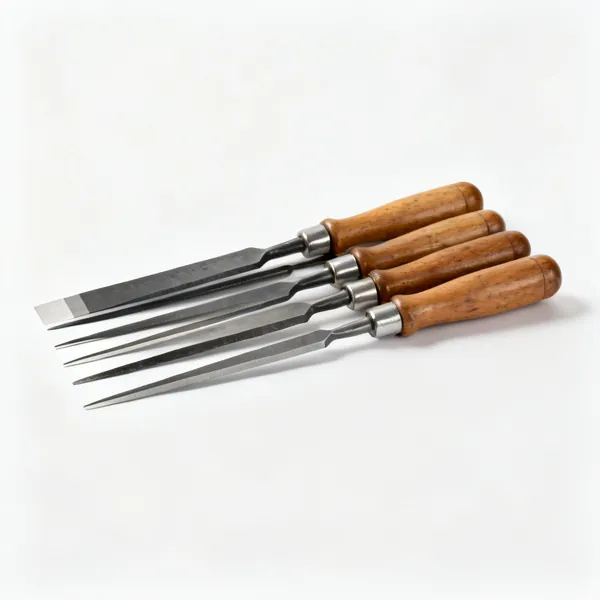
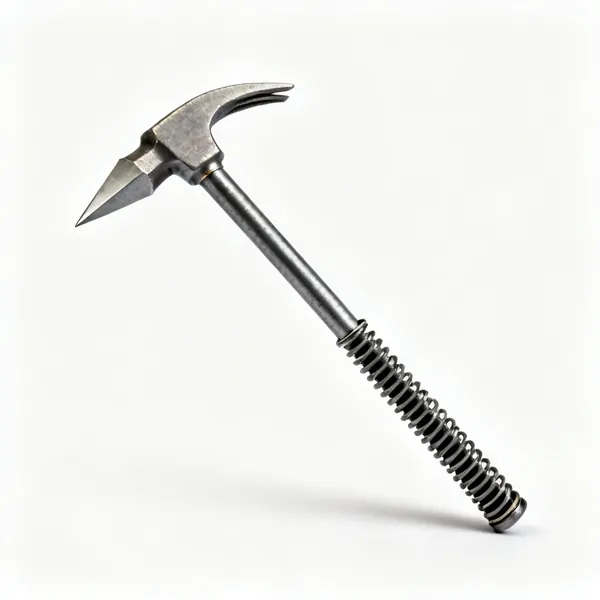
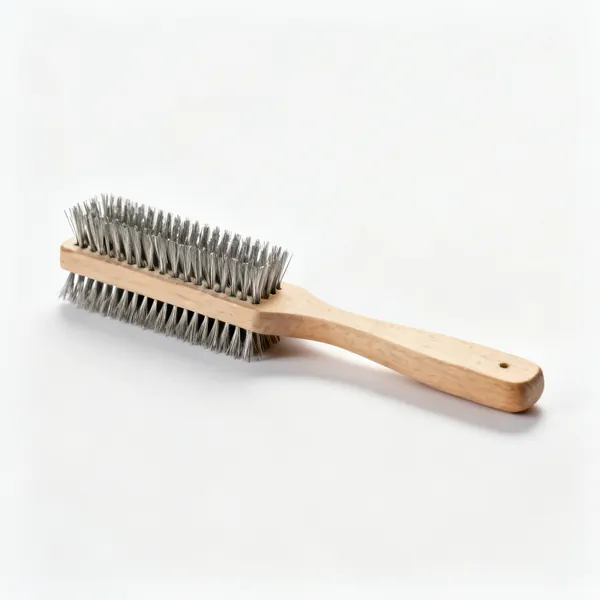
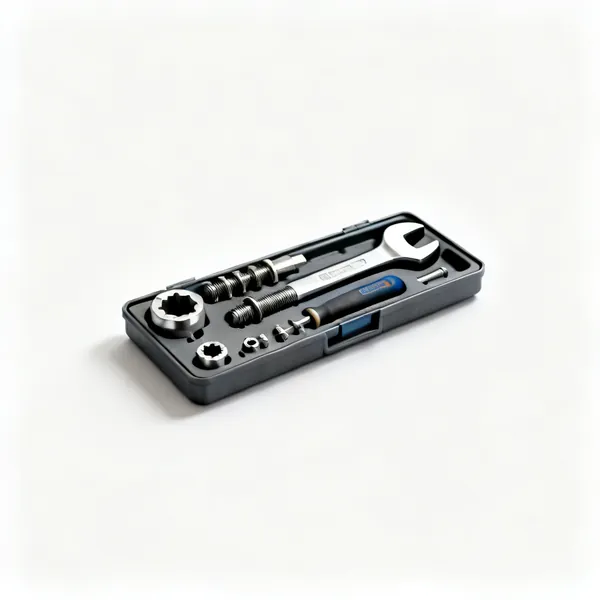
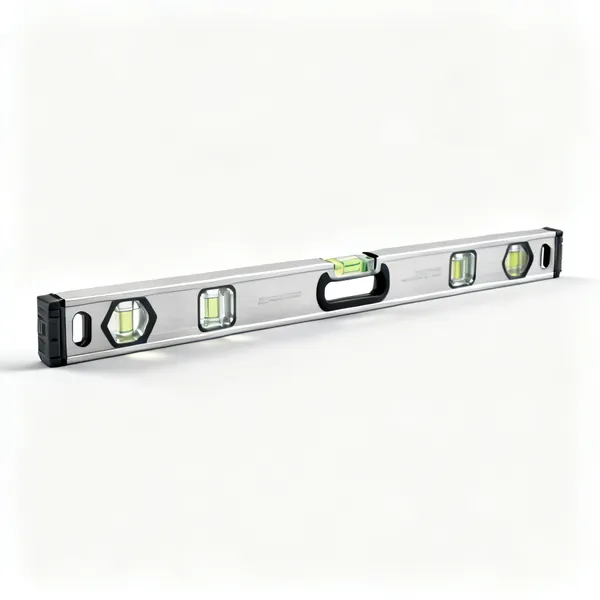
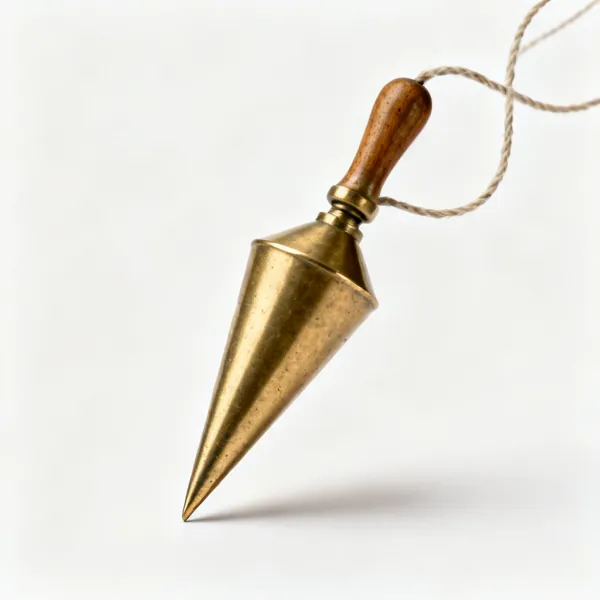
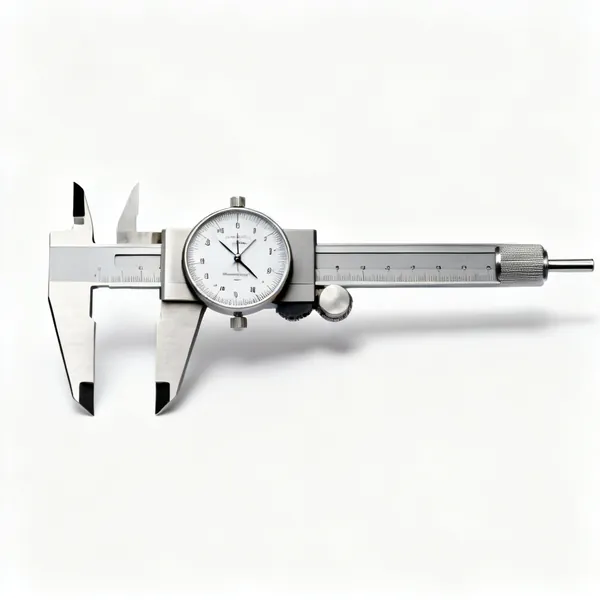
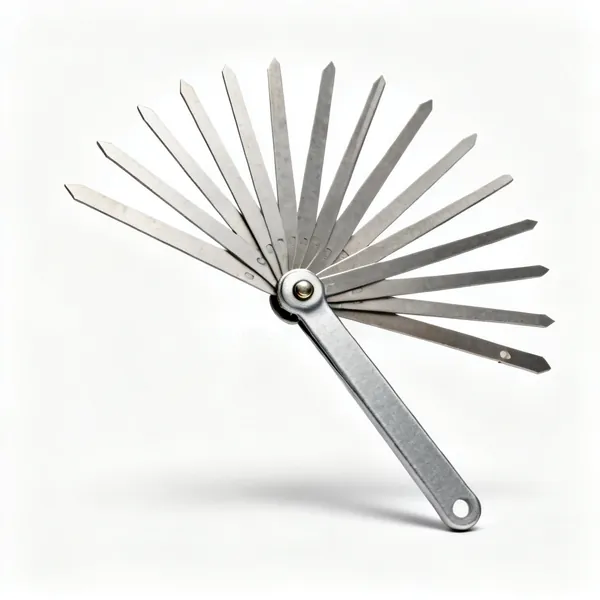
Alignment and layout, mostly. Cutting and welding tools are usually the employer's; the hand tools are yours.
What a boilermaker actually does
The trade covers fabricating and repairing anything that holds pressure or bulk: boilers, pressure vessels, storage tanks, hoppers, ducting and heavy pipework. The material is usually steel plate and heavy wall pipe rather than the copper and plastic of domestic plumbing.
The work divides into layout, cutting and forming, fit up, welding, and testing. Fit up is the part that defines the trade: getting heavy sections into exact alignment so a coded weld can be made, which is a skill in leverage as much as in measurement.
- Layout
- Developing a flat pattern for a shape that will be rolled or bent. Geometry, not just measuring.
- Fit up
- Aligning heavy plate and flanges to a tolerance a welder can work to. The core of the trade.
- Coded welding
- Pressure work is welded to a procedure and inspected. The tools reflect that traceability.
- Testing
- Hydrostatic and pneumatic testing, plus thickness and hardness checks on existing vessels.
Fit up is a leverage problem
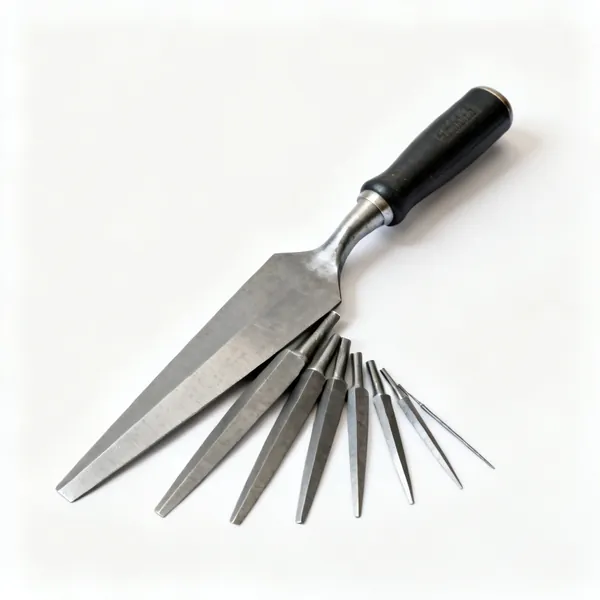
Bringing two heavy sections into line means moving something that weighs more than you do by fractions of a millimetre. That is done with drift pins, bull pins, wedges and dogs rather than by pushing.
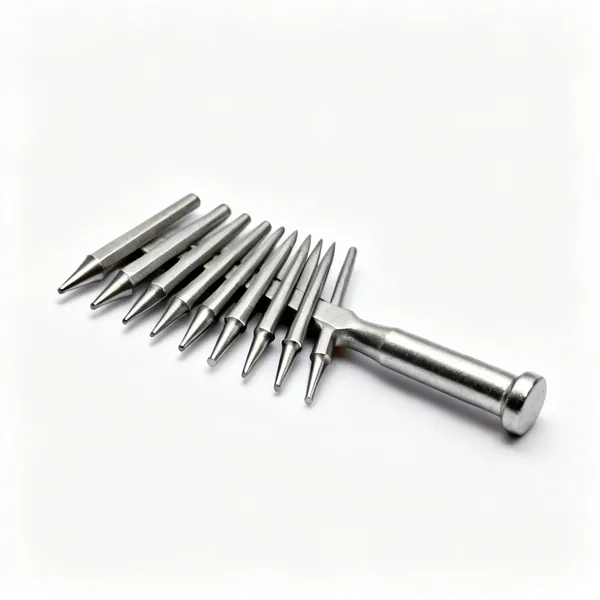
A drift pin tapered into two misaligned bolt holes pulls them into register as it goes in. A bull pin does the same on a larger scale in structural flanges. Fit up dogs are tacked to the plate and then wedged to close a root gap to the exact figure the weld procedure wants.
- Drift and bull pins
- Tapered steel driven into misaligned holes, pulling them into register rather than forcing bolts through.
- Fit up dogs and wedges
- Tacked on and wedged to set a root gap precisely, then ground off after welding.
- Never leave a pin loaded
- A driven pin under tension can spring out with force. Bolt up before withdrawing it.
- Root gap is a specification
- The weld procedure states it. Guessing it is how a joint fails inspection after all the work is done.
Layout means developing a pattern
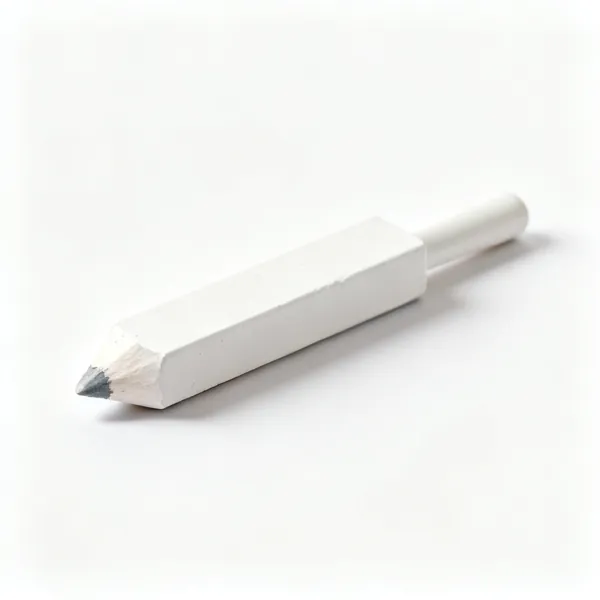
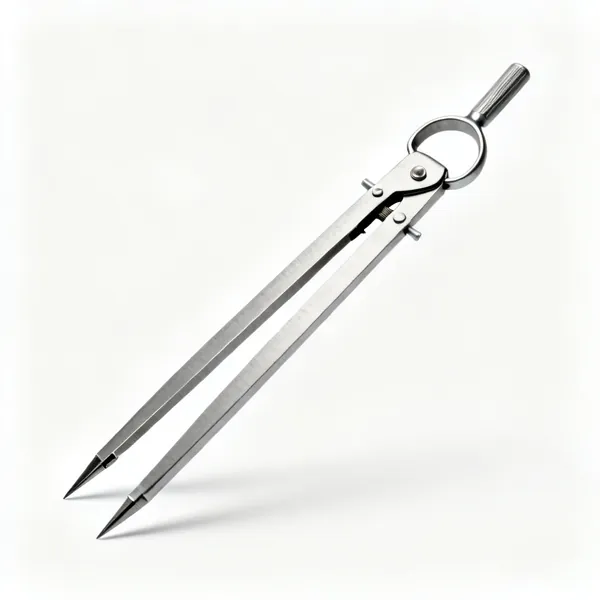
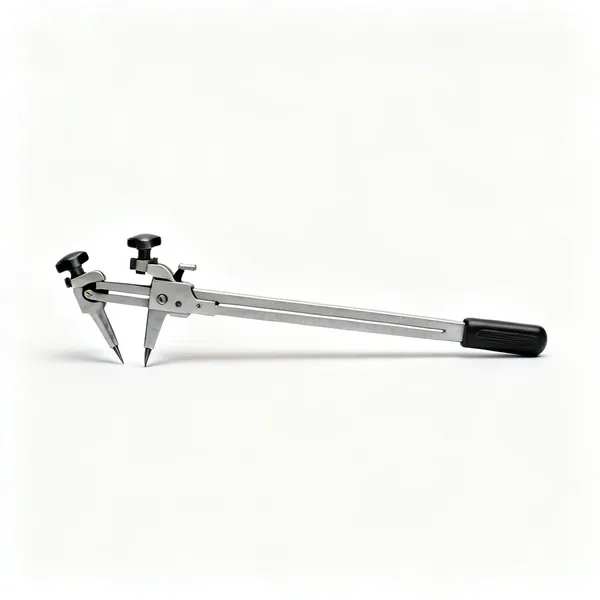
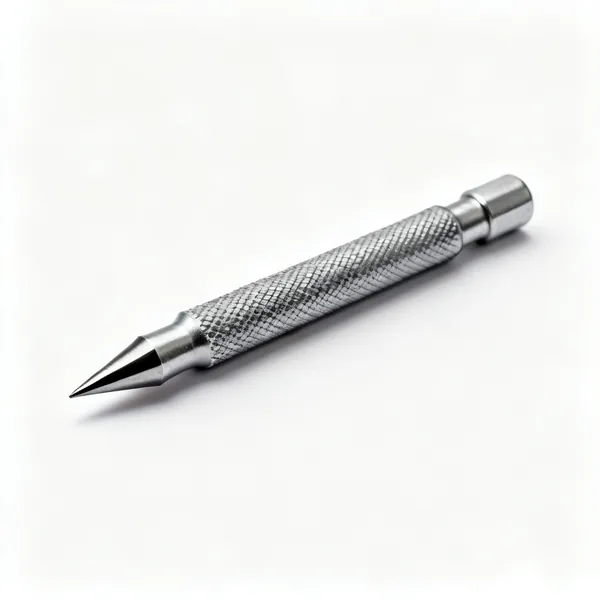
Making a cone, a transition or a pipe branch means working out the flat shape that will produce it once rolled or bent. That is geometry done full size on the plate, with dividers, trammels, a centre punch and chalk.
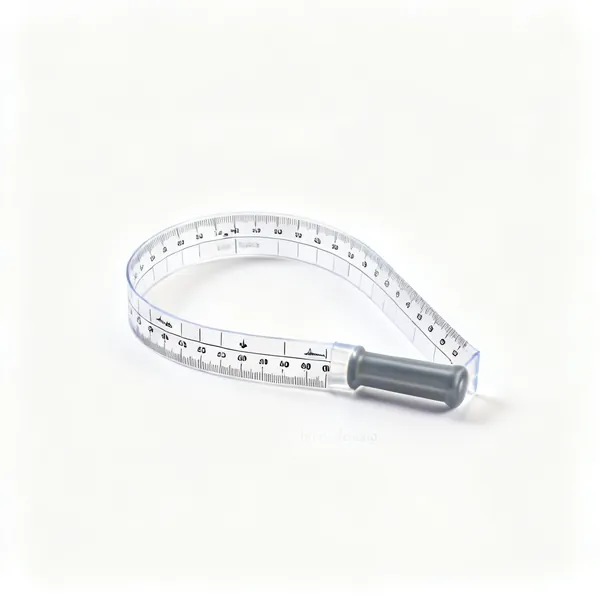
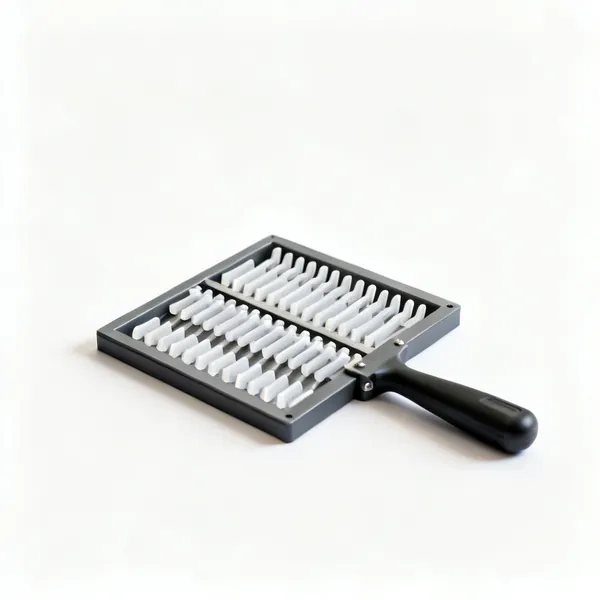
It is why a boilermaker's bag carries tools a plumber's does not: large dividers, a wrap around template, a pipe fitter's protractor and a set of contour markers. Getting the development wrong wastes a whole plate rather than a length of pipe.
- Dividers and trammels
- Scribing arcs full size on plate. A development is drawn rather than calculated on site.
- Wrap around templates
- Marking a saddle or a mitre on pipe, where a flat rule cannot follow the curve.
- Soapstone and punch
- Chalk shows on mill scale and burns off cleanly. Punch marks survive handling and cutting.
- Check before cutting
- A development error costs a plate. Two minutes checking a pattern is always worth it.
The hazards are different from plumbing
Confined space entry, hot work, heavy lifting and suspended loads are routine. A vessel being repaired is a confined space in the formal sense, with entry permits, gas testing and a standby person, and the rules exist because people have died in them.
Struck by and caught between injuries dominate the trade rather than cuts. A driven drift pin under load, a plate swinging on a sling, or a wedge released under tension all move faster than you can.
- Confined space is a permit job
- Gas test, ventilation, standby person, rescue plan. Not a judgement call about how big the tank is.
- Hot work permits
- Residues in a vessel can be flammable long after it has been emptied. This is the classic fatal mistake.
- Never stand in the line
- Of a driven pin, a tensioned wedge or a suspended plate. All of them release without warning.
- Eye and hearing protection
- Grinding and needle gunning inside a vessel is as loud and as dirty as it gets.
Inspection and testing
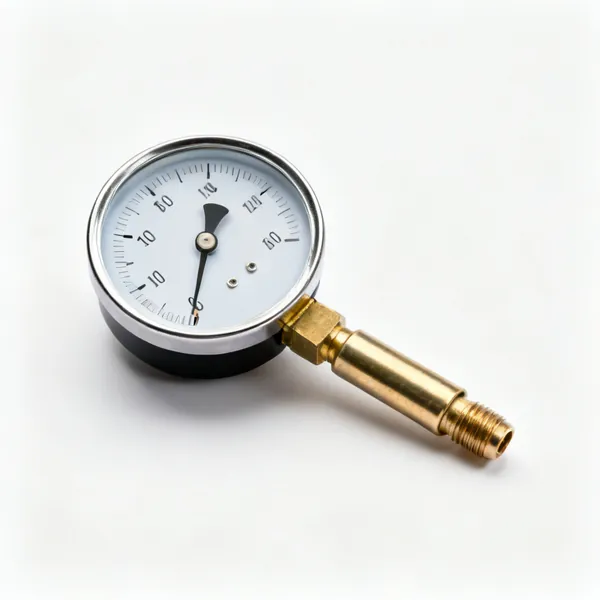
Pressure work is only finished when it has been tested and recorded. Hydrostatic testing fills the vessel with water and pressurises it above working pressure, which is safer than air because water does not store much energy.
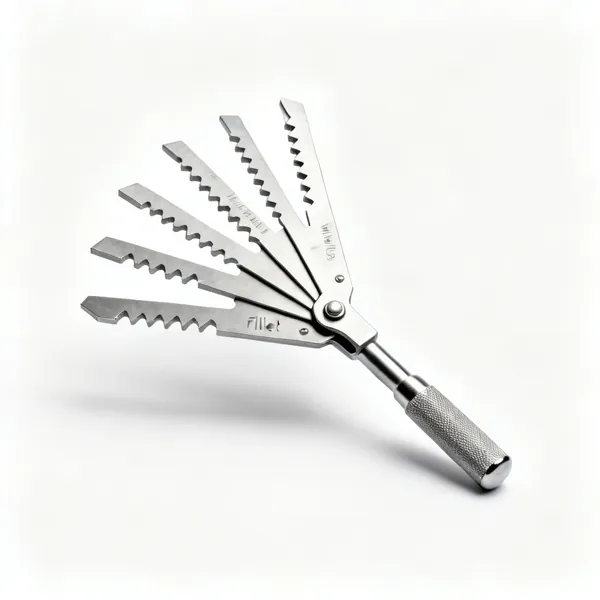
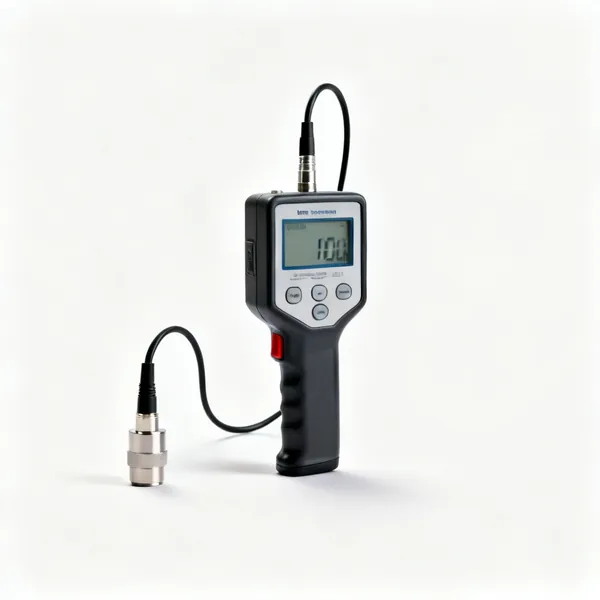
Alongside that, ultrasonic thickness gauges measure remaining wall on an existing vessel, and weld gauges check that a fillet or a cap meets the profile the procedure requires. All of it produces a record, which is the point.
- Hydrostatic over pneumatic
- Water stores far less energy than compressed air. A pneumatic test failure is an explosion.
- Weld gauges
- Check leg length, throat and cap height against the procedure rather than by eye.
- Thickness gauges
- Ultrasonic readings show remaining wall on a vessel that has been in service and is being assessed.
- Record everything
- A pressure test without paperwork has not happened as far as the inspection body is concerned.
Frequently asked questions
- What is the difference between a boilermaker and a plumber?
- A plumber installs and repairs water, waste and heating systems in buildings, mostly in copper and plastic. A boilermaker fabricates and repairs pressure vessels, boilers, tanks and heavy pipework in steel plate, working to welding codes and pressure testing what they build.
- What tools does a boilermaker need?
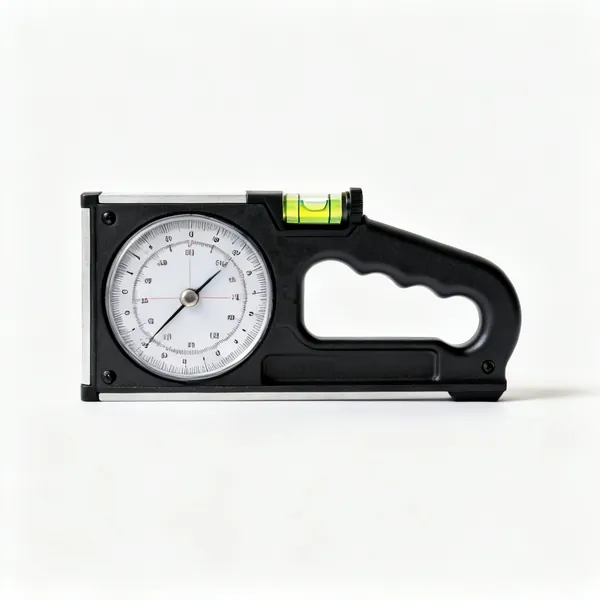
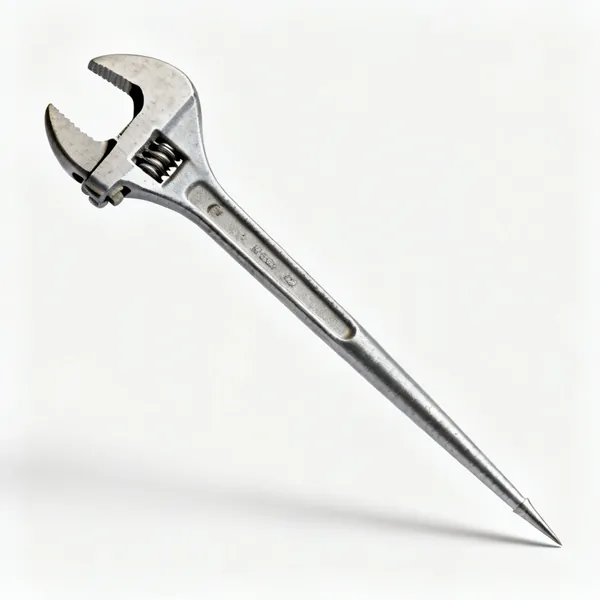
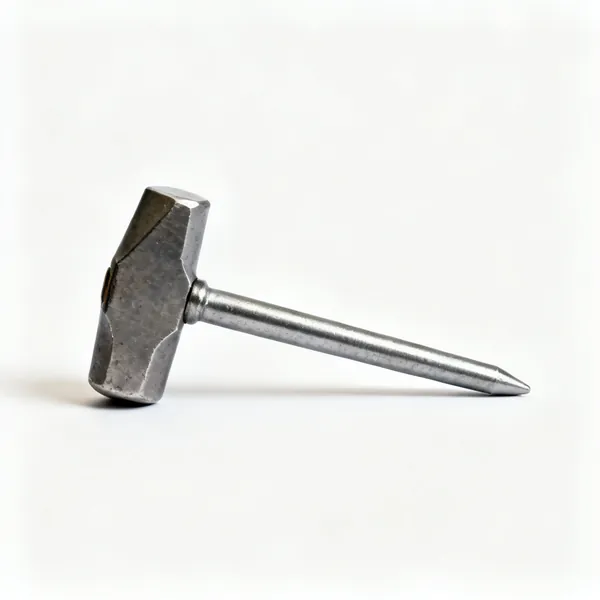
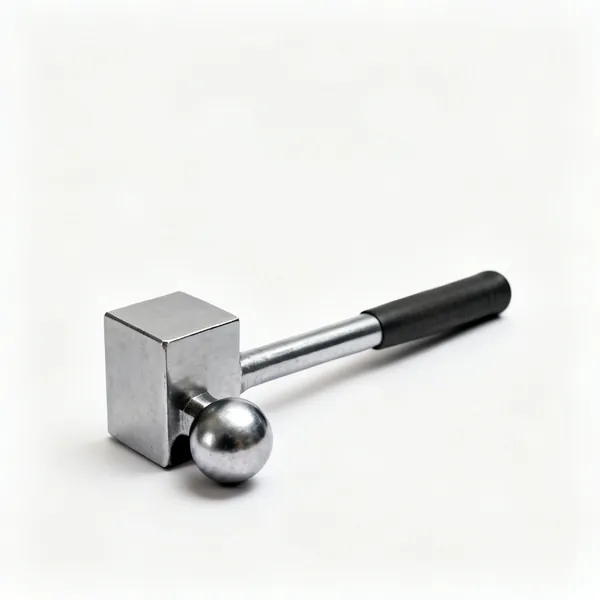
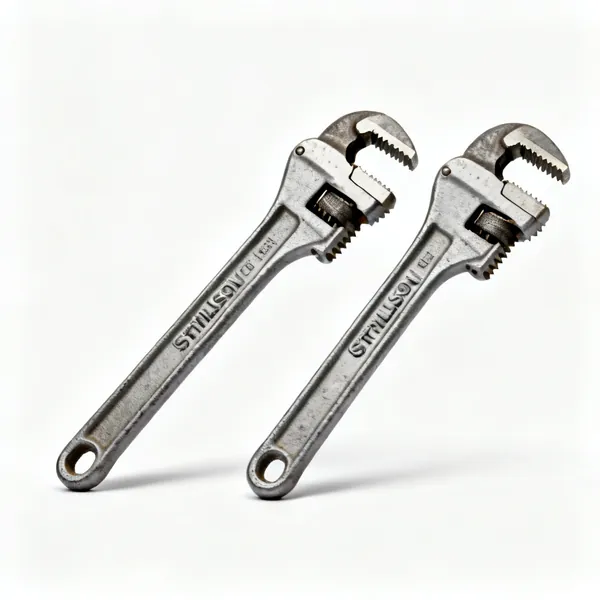
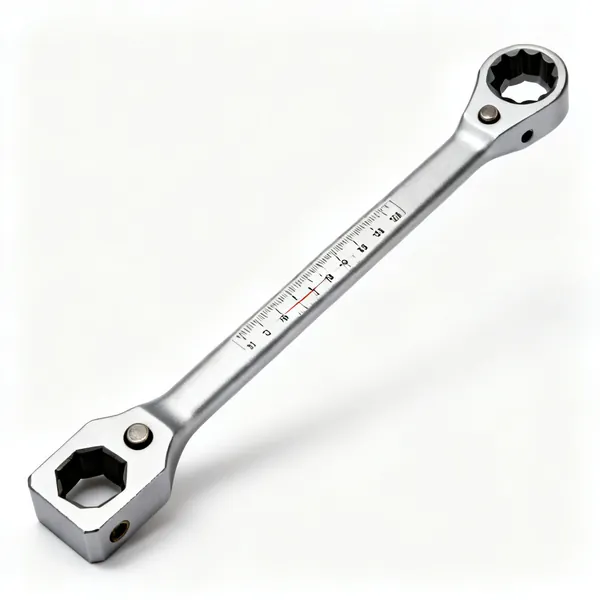
- Layout tools including dividers, a centre punch, soapstone and wrap templates. Fit up tools including drift pins, bull pins, wedges and dogs. A spud wrench, pipe wrenches, a ball pein hammer, files, weld gauges and a levelling set. Cutting and welding plant is usually the employer's.
- What is a spud wrench used for?
- A spanner with a tapered spike on the opposite end. The spanner turns structural bolts and the spike is driven into a misaligned hole to pull two flanges or plates into register, so one tool both aligns and fastens without swapping.
- What is a drift pin?
- A tapered steel pin driven into two holes that do not quite line up, pulling them into register as it goes in. It is how heavy plate and flanges are aligned, because forcing a bolt through misaligned holes damages the thread and often will not work at all.
- What is a fit up dog?
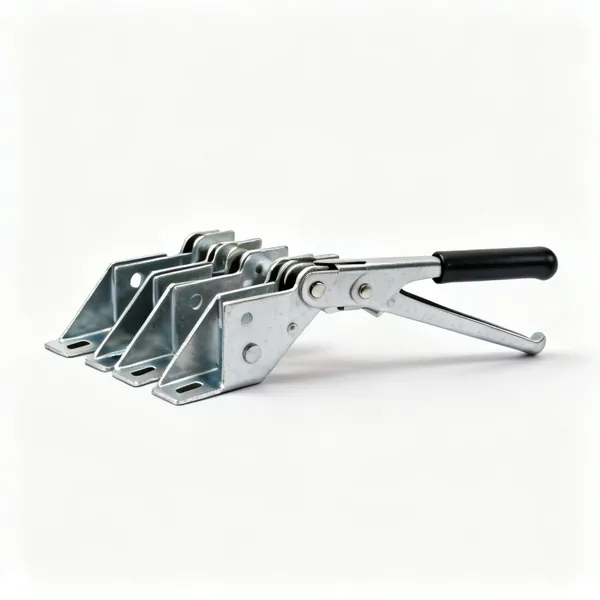
- A steel clip tacked onto the plate beside a joint, with a wedge driven through it to pull the two edges into alignment and set the root gap. After welding the dog is ground off. It is the standard way to hold a heavy joint to the gap the weld procedure specifies.
- Why is a hydrostatic test safer than an air test?
- Because water is nearly incompressible, so it stores very little energy at pressure. If the vessel fails, the pressure drops almost instantly. Compressed air stores a great deal of energy, and a failure under pneumatic test is an explosion rather than a leak.
- Do boilermakers need to be certified welders?
- For pressure work, yes. Welds on vessels and pipework are made to a documented procedure and the welder is qualified to that procedure by test. The qualification is specific to the process, material, thickness and position, so it is not one blanket certificate.
- Why does the trade use soapstone instead of chalk or marker?
- Soapstone shows clearly on mill scale and rusty plate where pencil will not, it survives handling, and it burns away cleanly under a torch or a weld rather than leaving a contaminant. Marker pen residue can affect a weld, which matters on coded work.