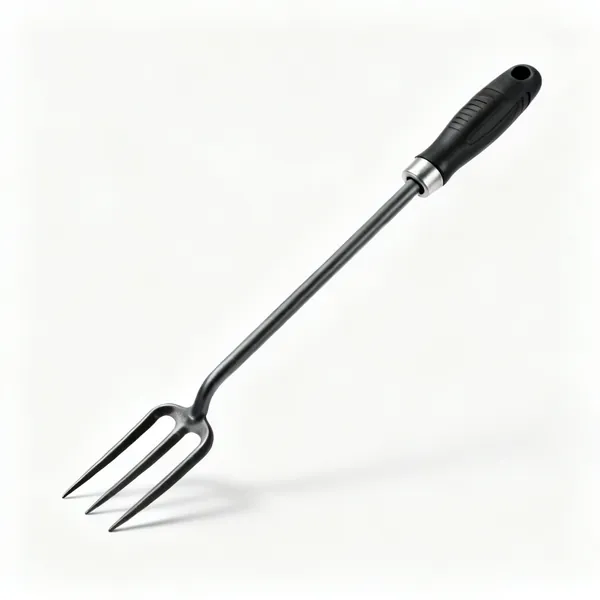
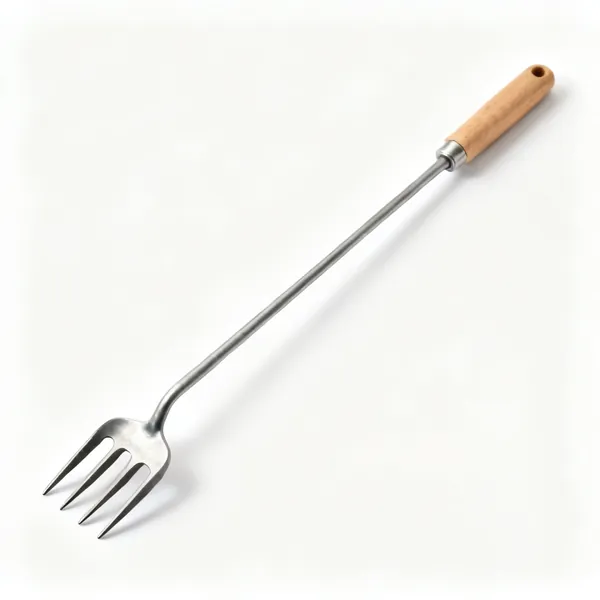
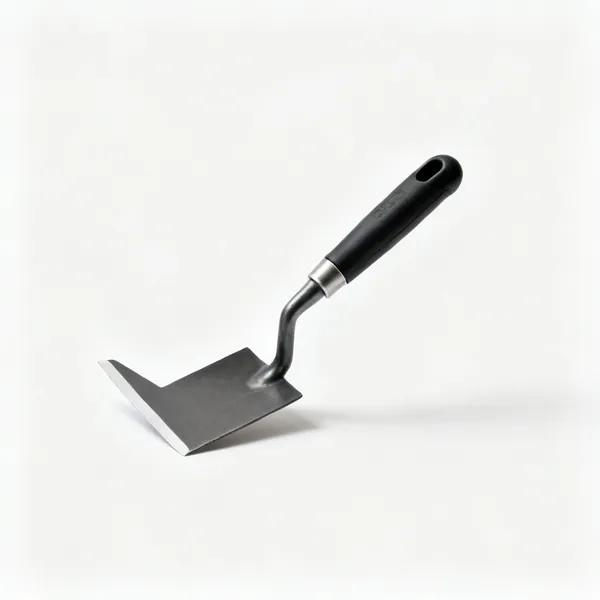
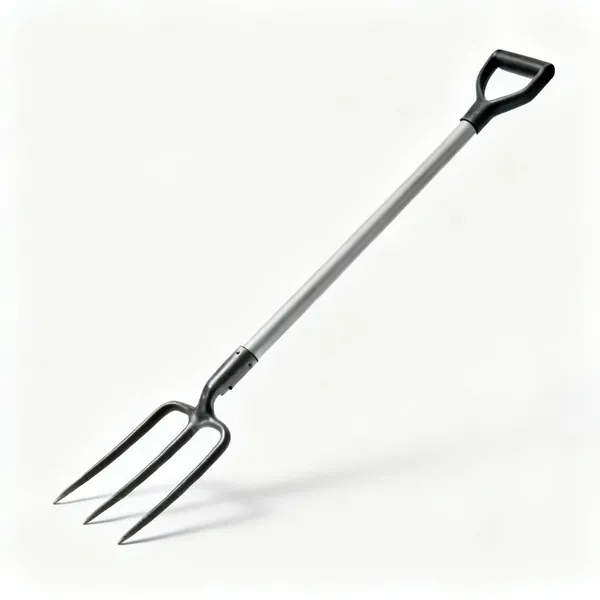
- What garden tools do I need to start?
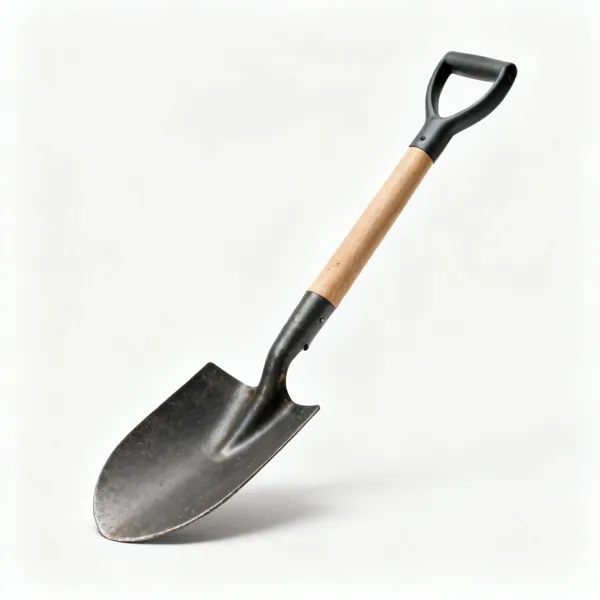
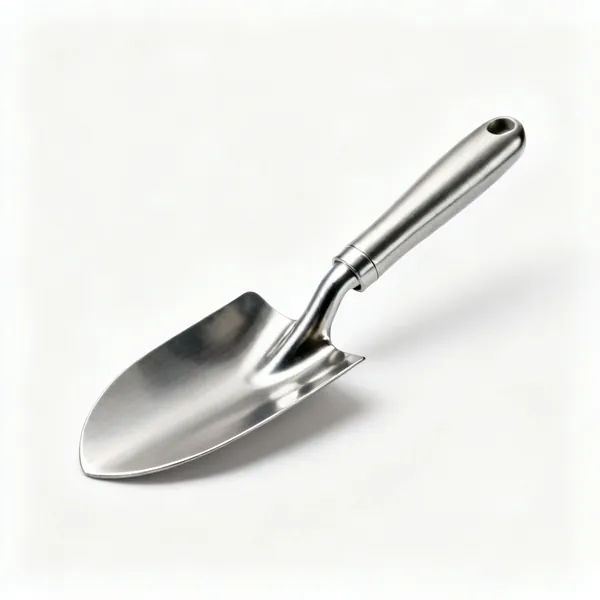
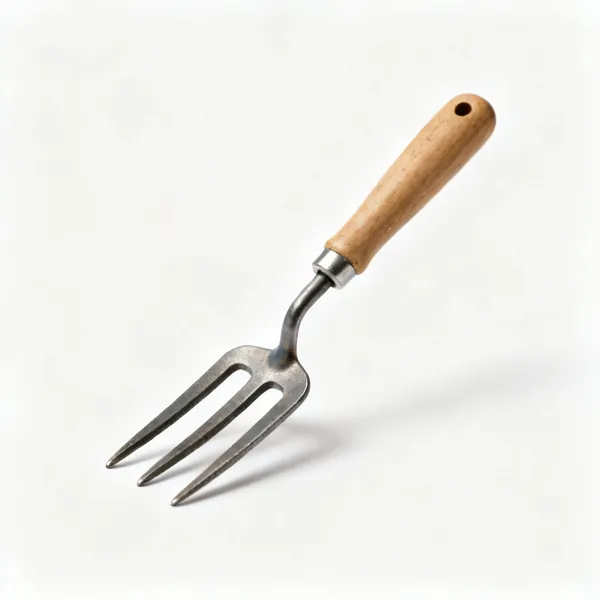
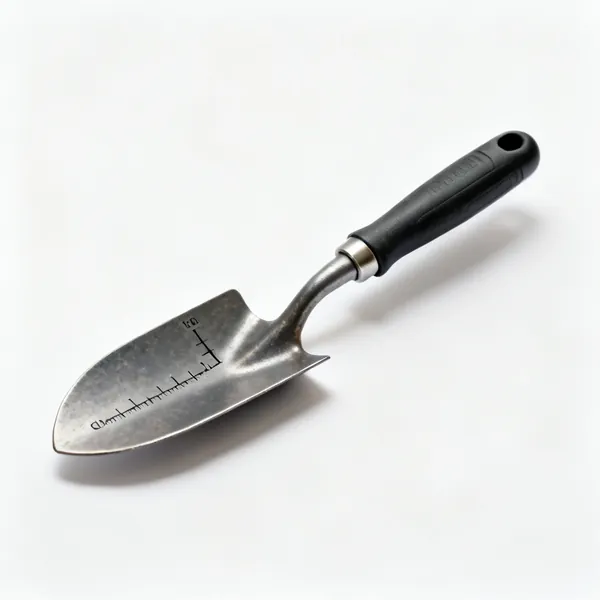
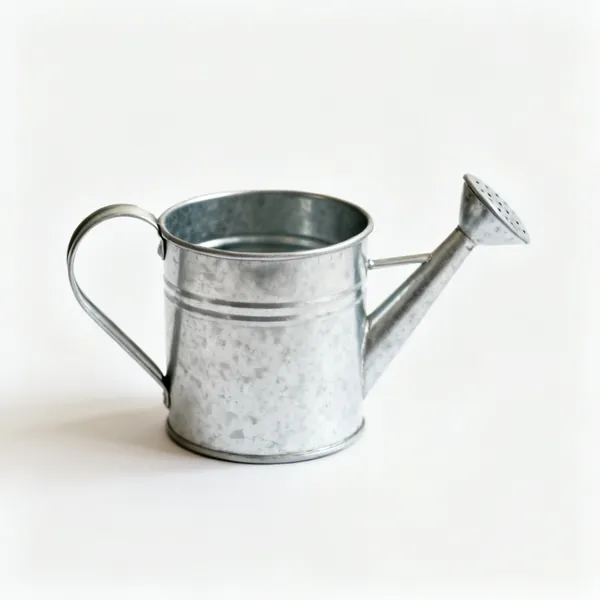
- Six cover almost everything: a digging spade, a digging fork, a hand trowel, a hand fork, secateurs and a watering can. Add gloves, a hoe and a rake once you know what your garden actually needs.
- What is the difference between a spade and a shovel?
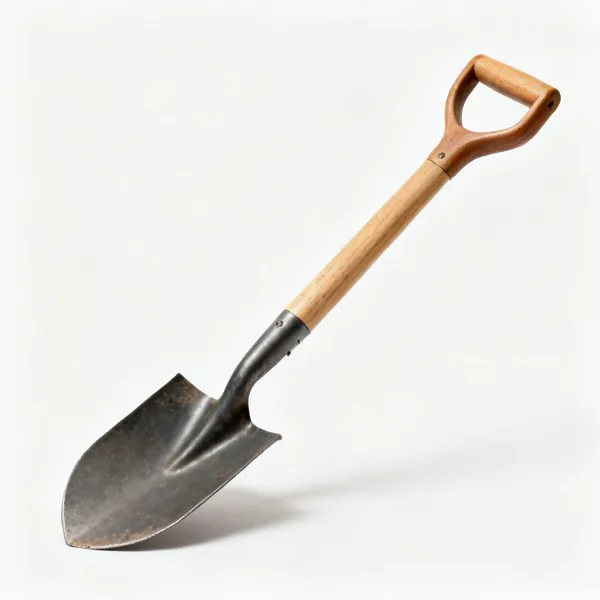
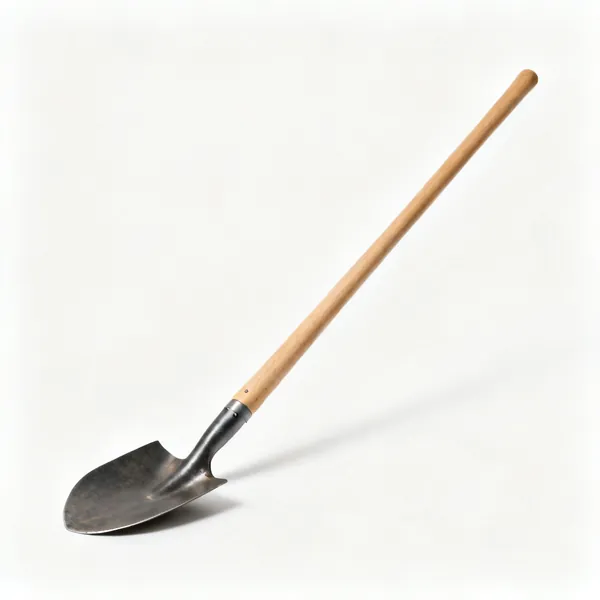
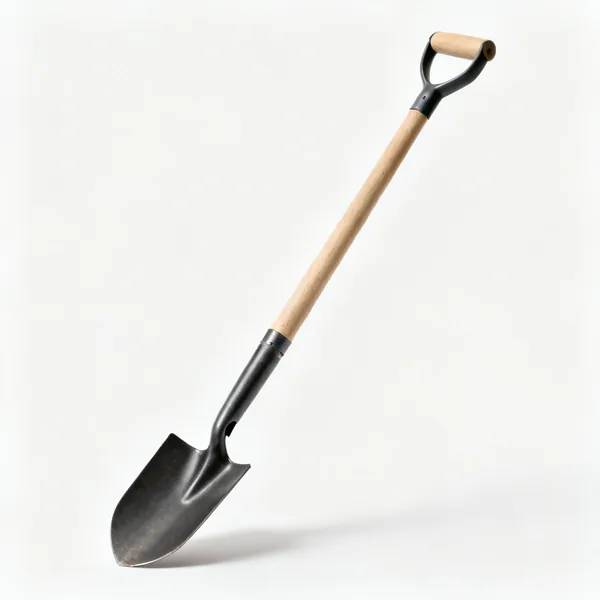
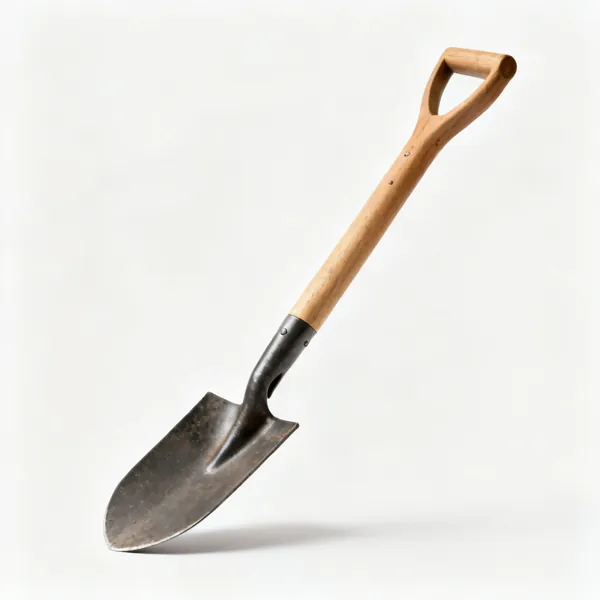
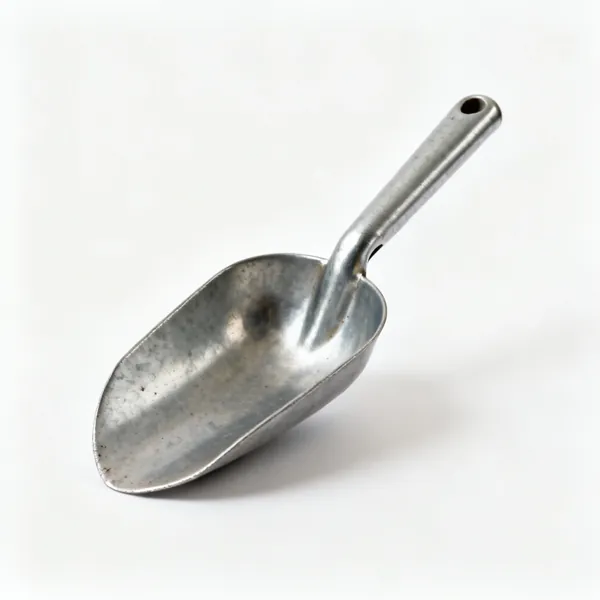
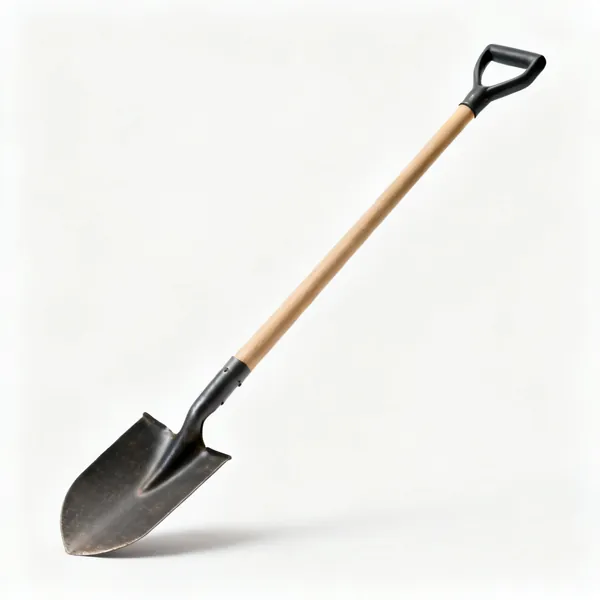
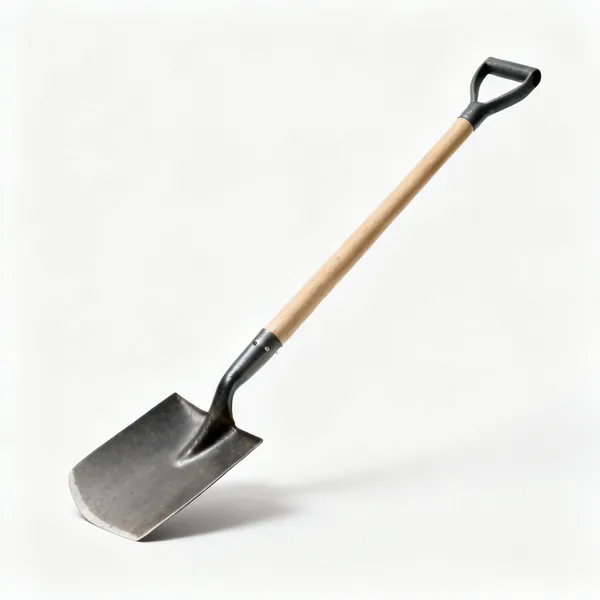
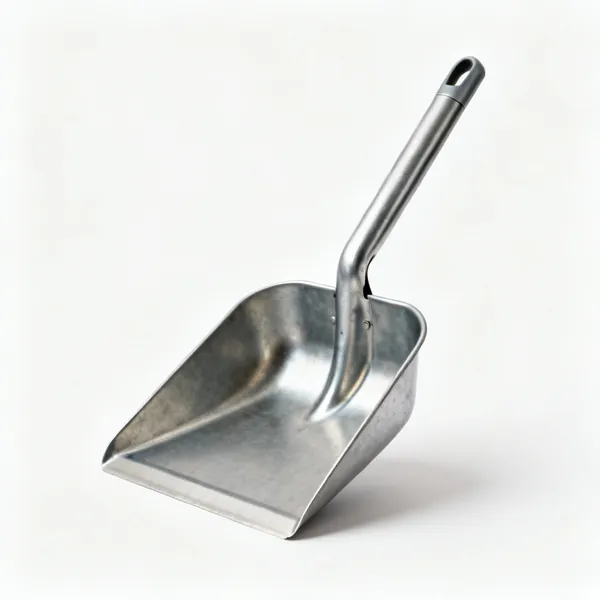
- A spade has a flat straight edge for slicing into soil, cutting turf and edging. A shovel has a curved scoop with raised sides for lifting and moving loose material like gravel or compost. Digging with a shovel is much harder work for a shallower hole.
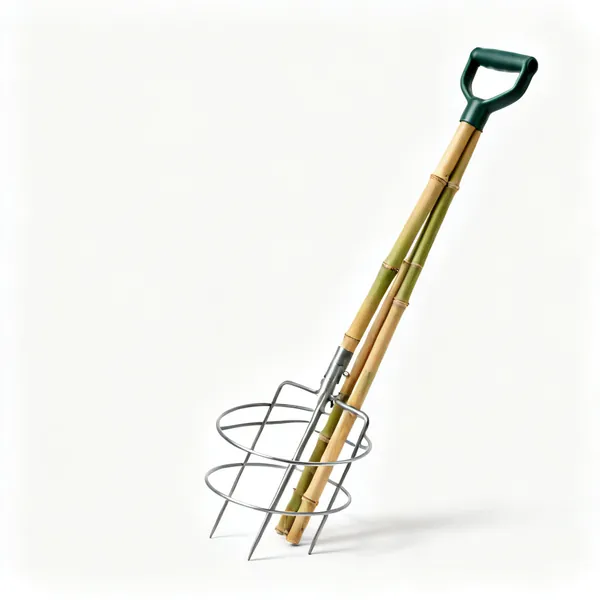
- What is the difference between a garden fork and a cultivator?
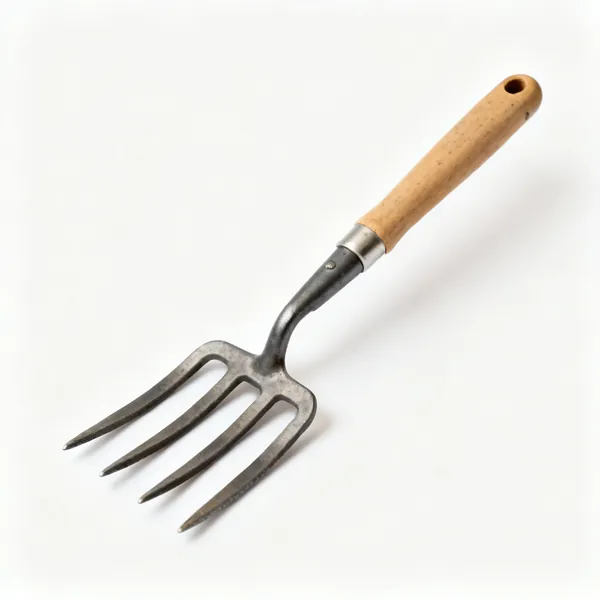
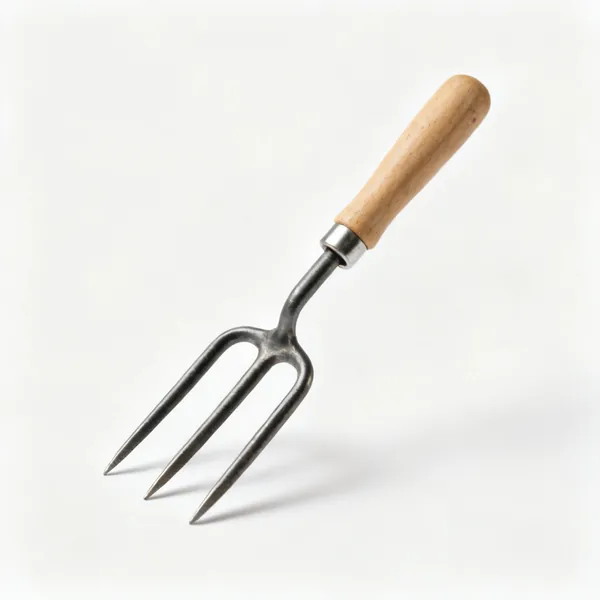
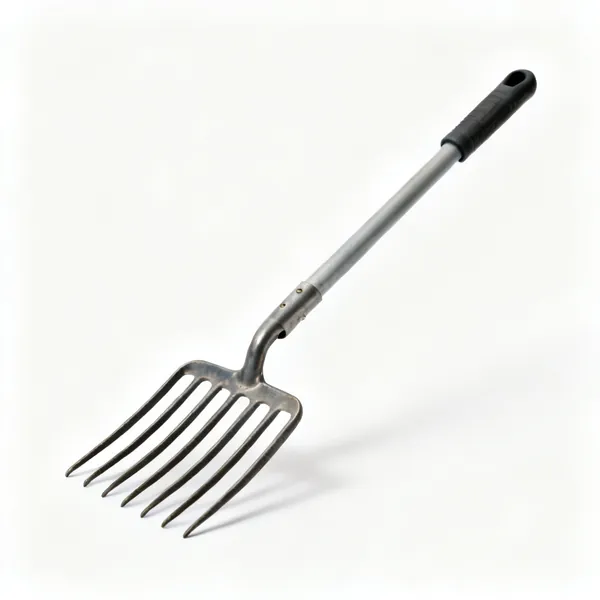
- A digging fork has four thick straight tines for turning soil and lifting plants. A cultivator has curved prongs that scratch and aerate the top few centimetres without turning the soil over, which suits weeding between plants.
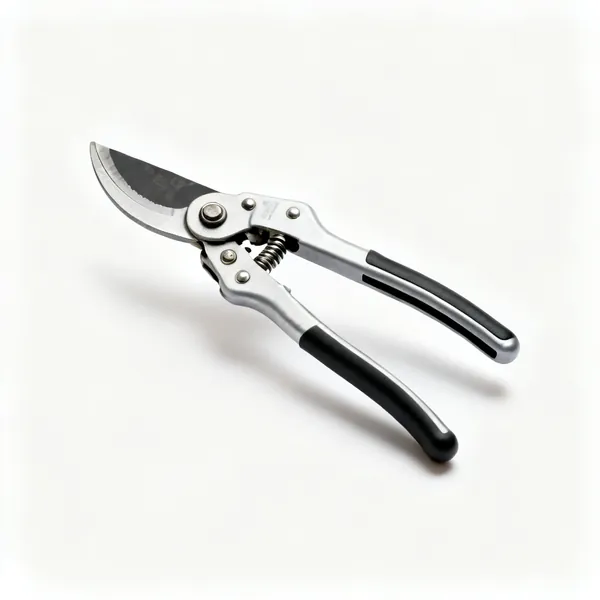
- What is the difference between bypass and anvil secateurs?
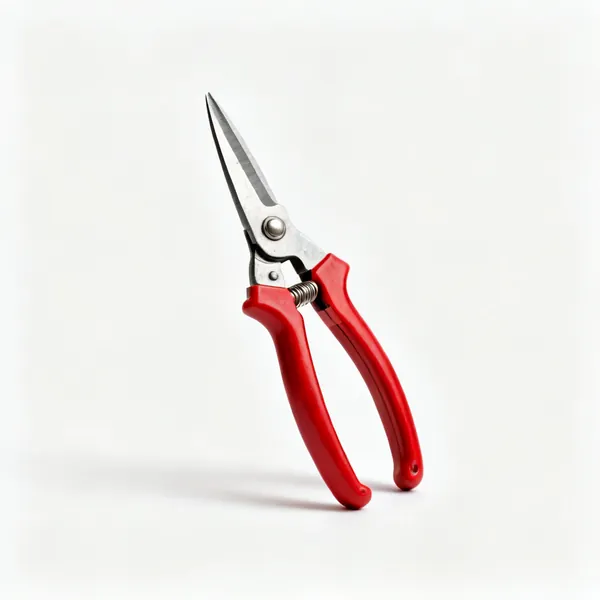
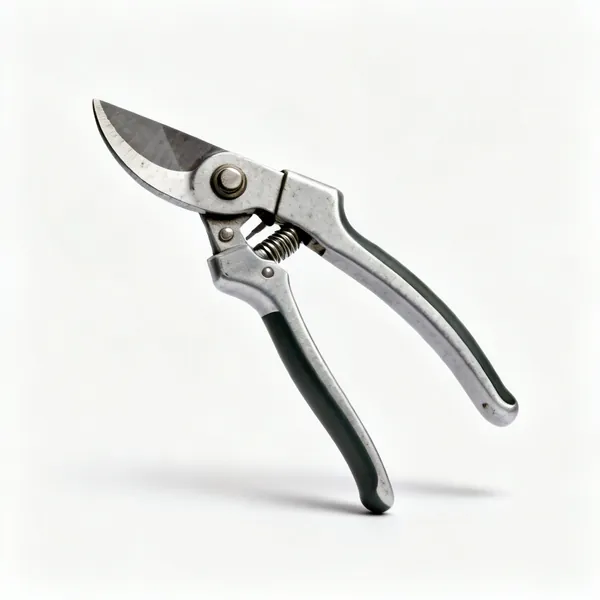
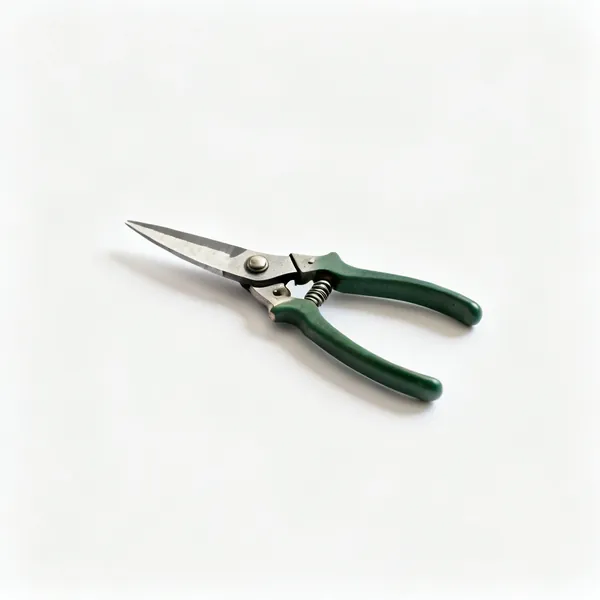
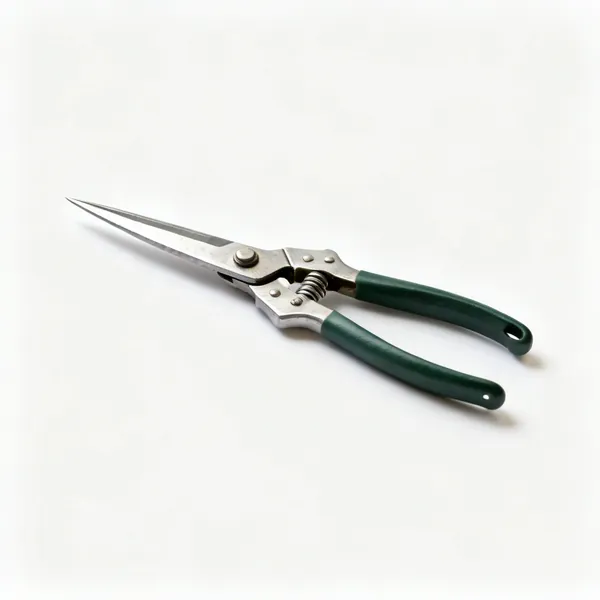
- Bypass blades pass each other like scissors and give a clean cut that heals, so they are right for living stems. Anvil blades crush the stem against a flat plate, which is acceptable on dead wood and damaging on live growth.
- When should I prune?
- As a general rule, prune spring flowering shrubs just after they finish flowering, and summer flowering ones in late winter. Cutting a spring flowerer in winter removes the buds that would have flowered that year.
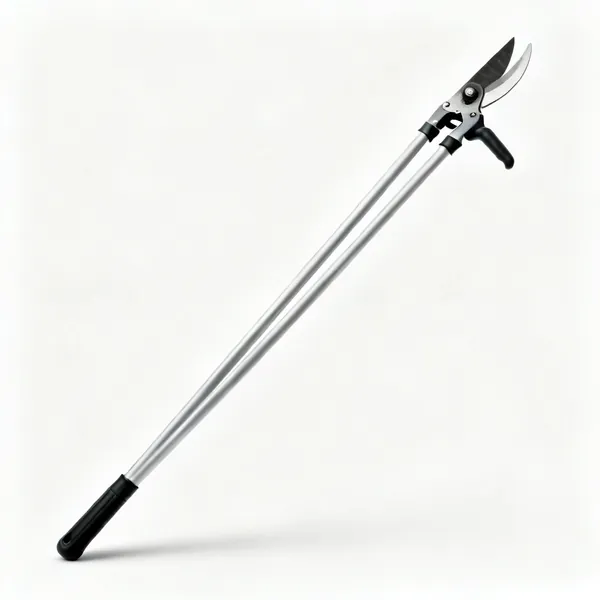
- How thick a branch can I cut with loppers?
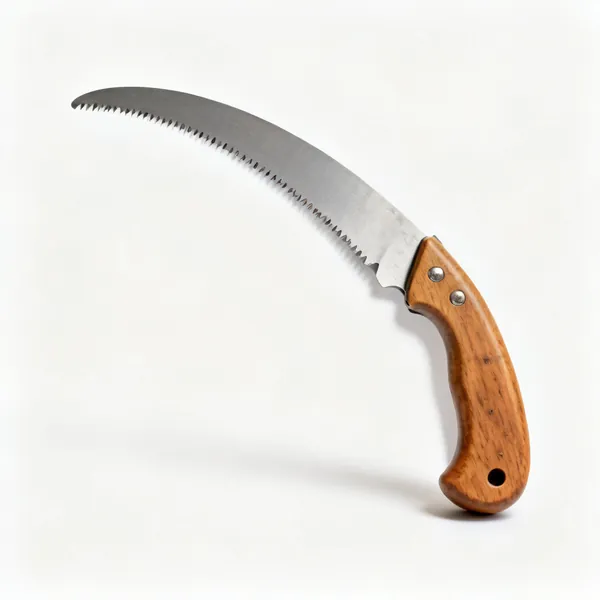
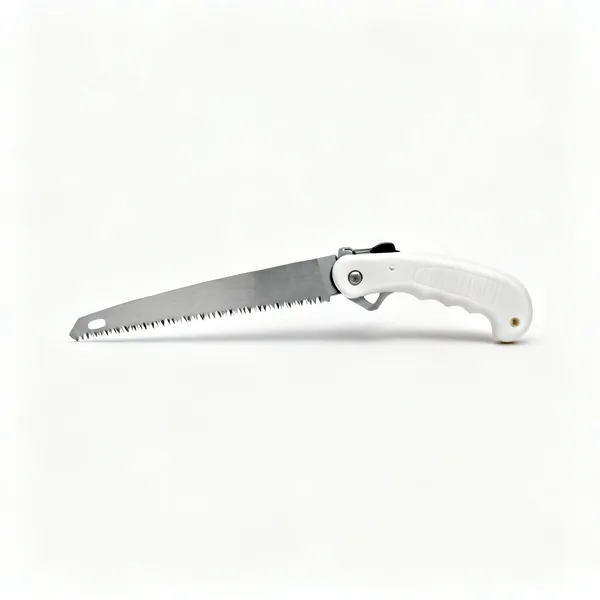
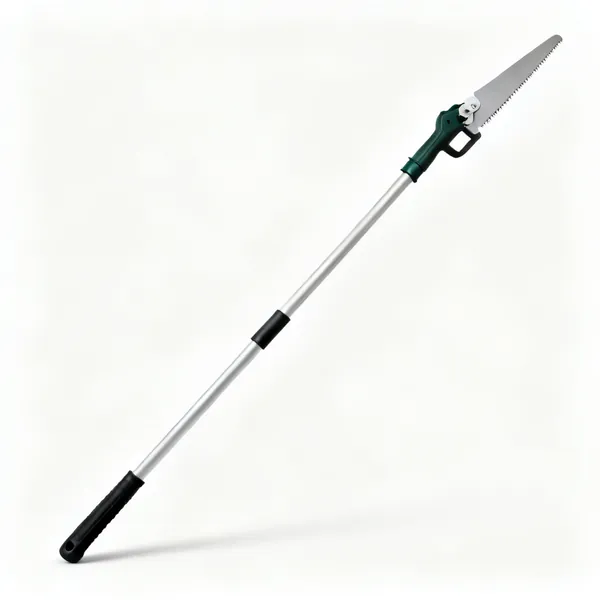
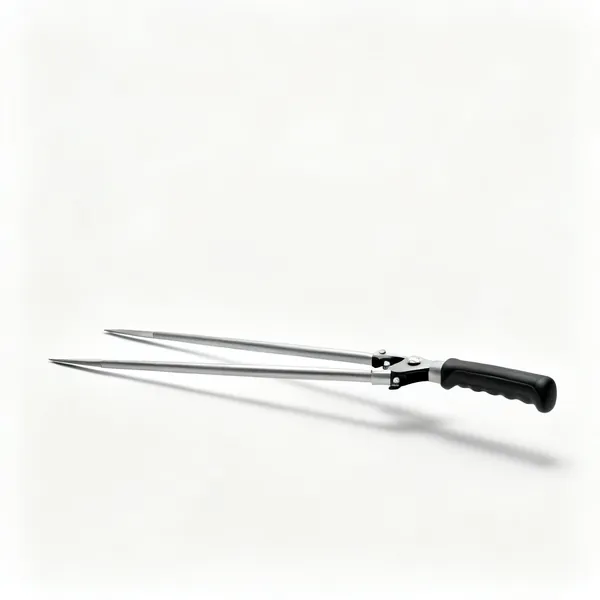
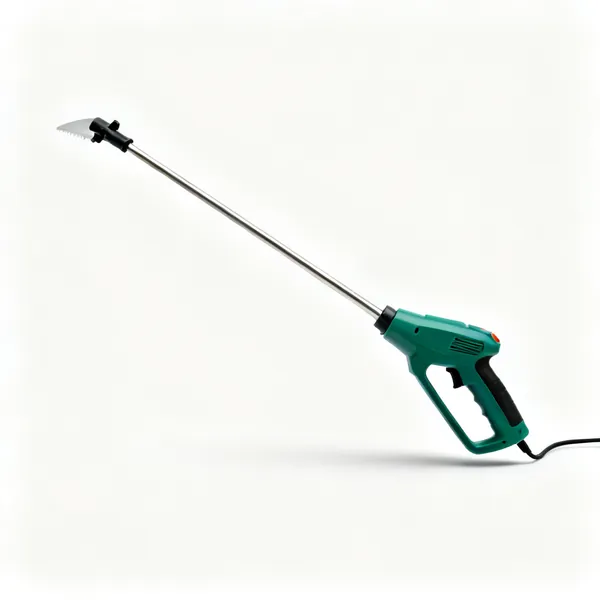
- Roughly up to the thickness of a wrist, though it depends on the loppers and the wood. Above that a pruning saw is faster, safer and gives a cleaner cut, and forcing loppers on thick wood bends the blades.
- Should I buy stainless steel or carbon steel garden tools?
- Stainless slides through soil more easily, does not rust and needs almost no care, which suits digging tools. Carbon steel takes and holds a sharper edge, which matters on cutting tools, and it needs drying and oiling to stay sound.
- Are garden tool sets worth buying?
- Usually not. Sets pad the piece count with narrow gauge tools that flex under real use, and the handles are frequently the cheapest part. Six well made tools bought individually will outlast three sets.
- How do I stop my garden tools rusting?
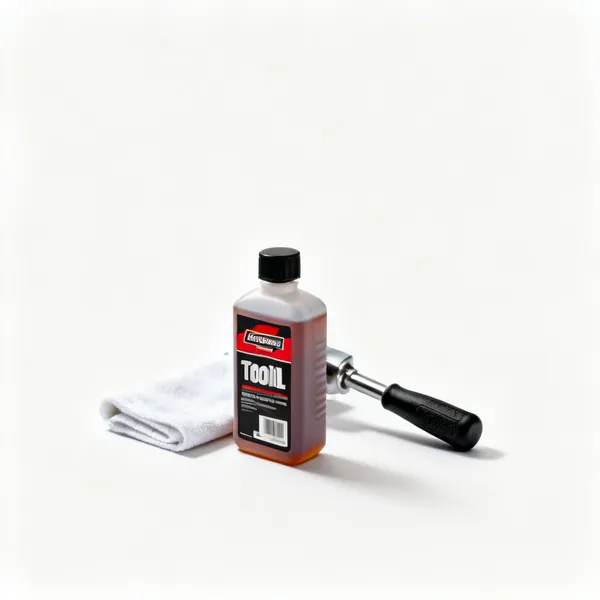
- Clean the soil off before putting them away, since soil holds moisture against the steel. At the end of the season, wipe every metal surface with an oily rag and treat wooden handles with linseed oil.
- Do I need to sharpen a spade?
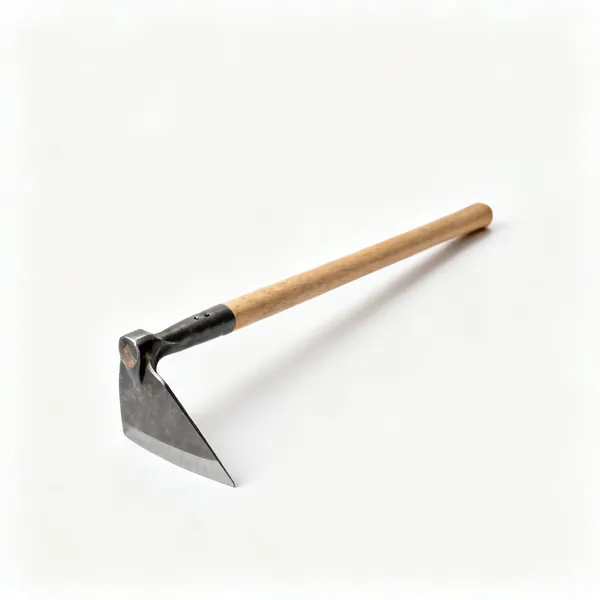
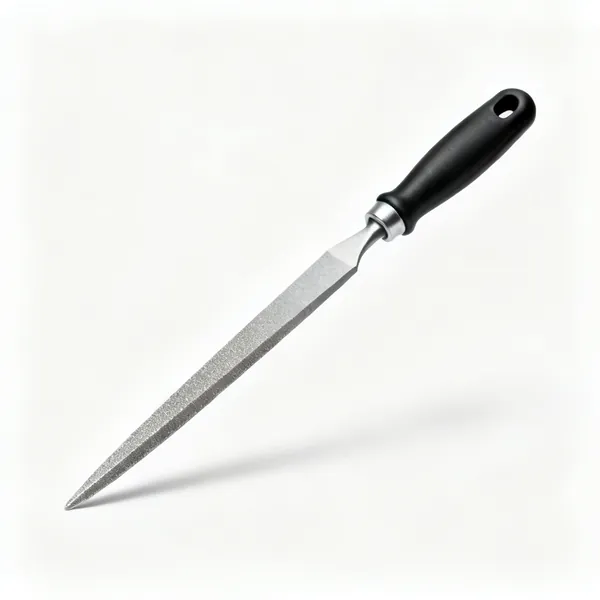
- Yes, and hardly anybody does. A file along the leading edge takes a few minutes and makes cutting through turf and roots dramatically easier. The same goes for hoes, which are cutting tools rather than scraping ones.
- What is the best way to water?
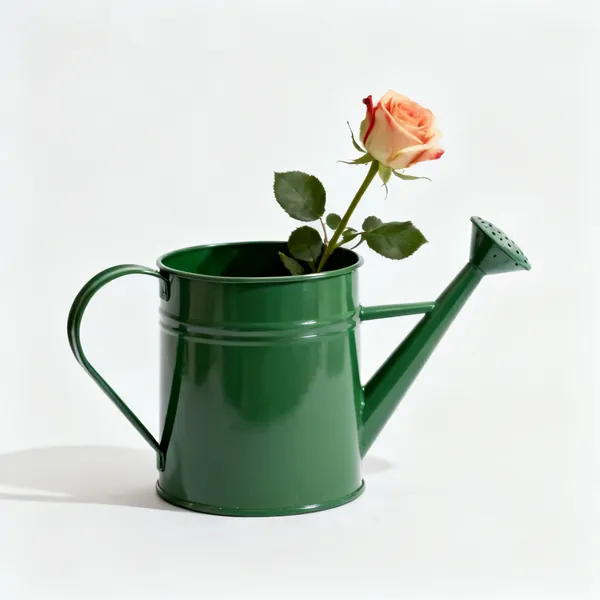
- Thoroughly and less often, at the base of the plant, in the morning. Little and often keeps roots near the surface where they dry out first, and watering foliage in the evening encourages mildew.
- What is scarifying and do I need a special rake?
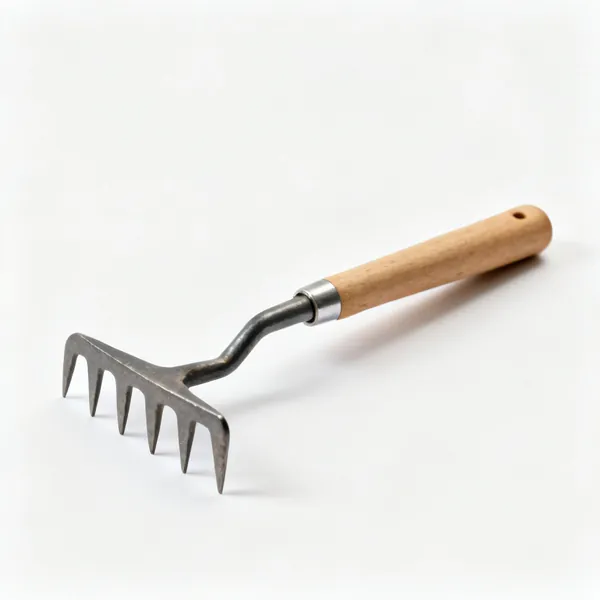
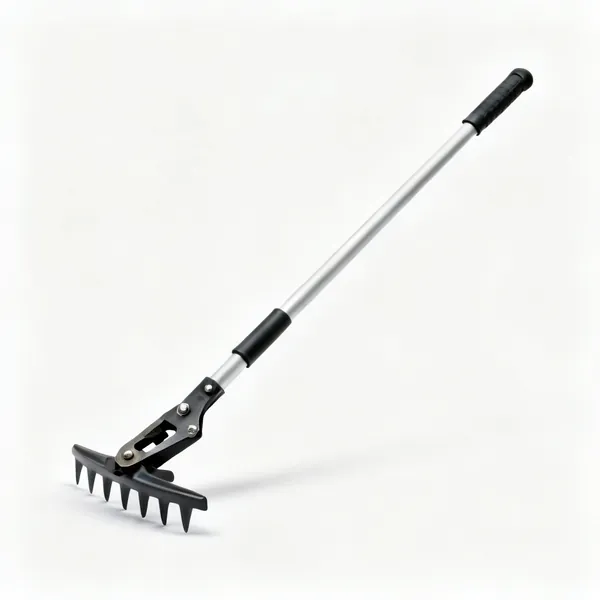
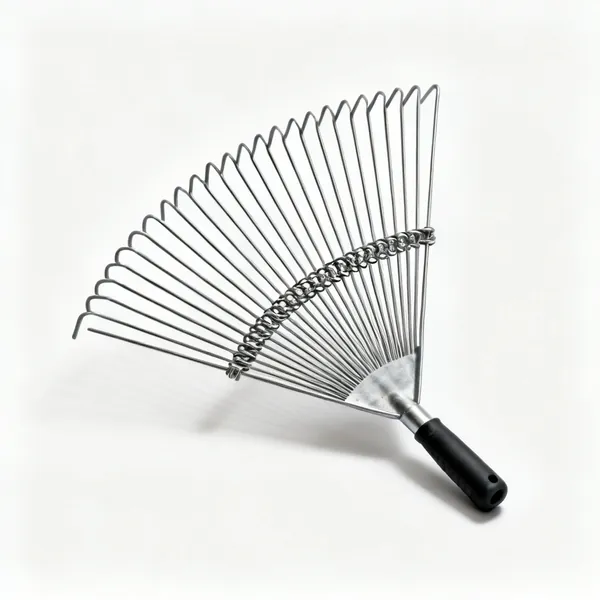
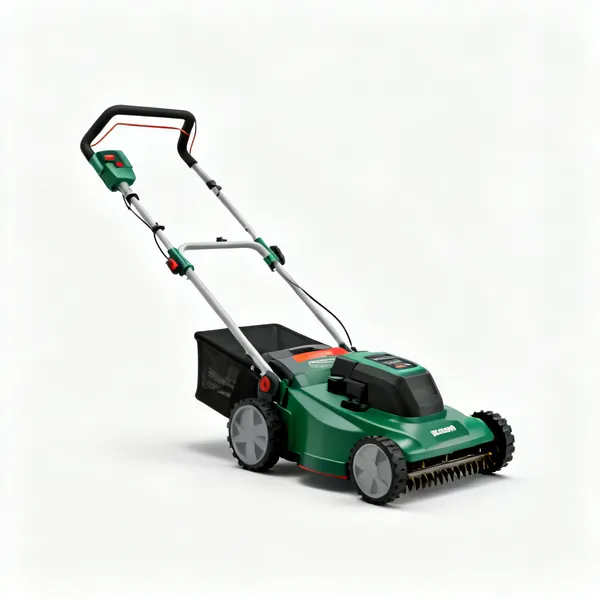
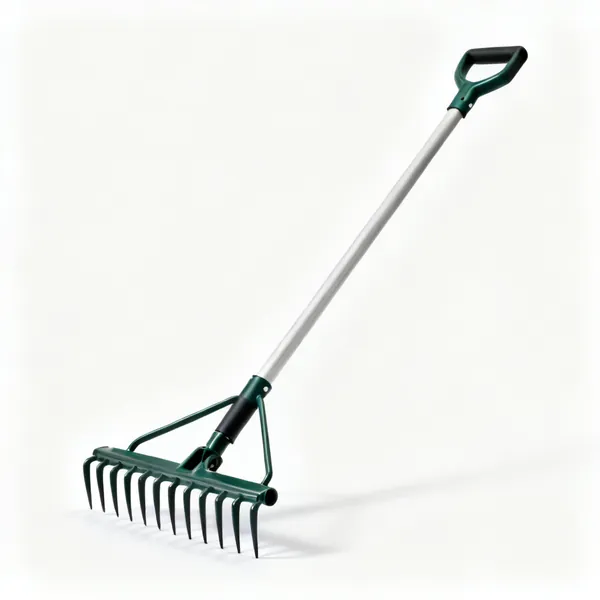
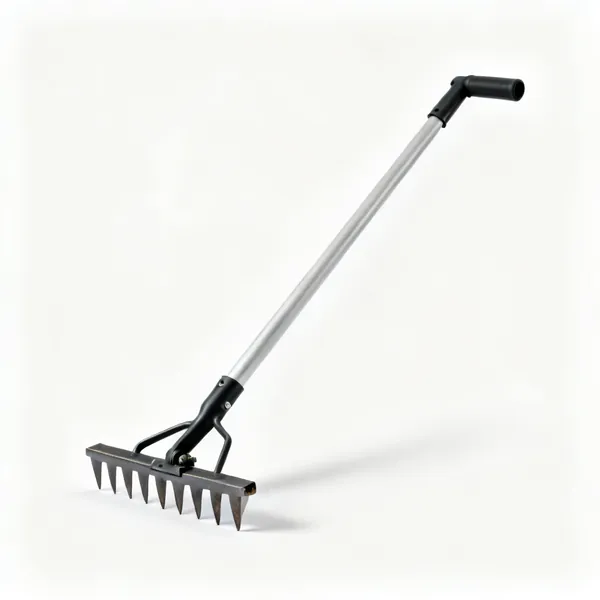
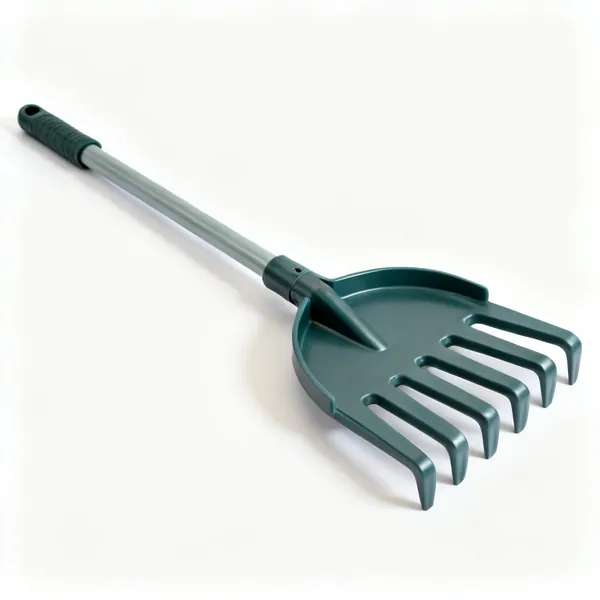
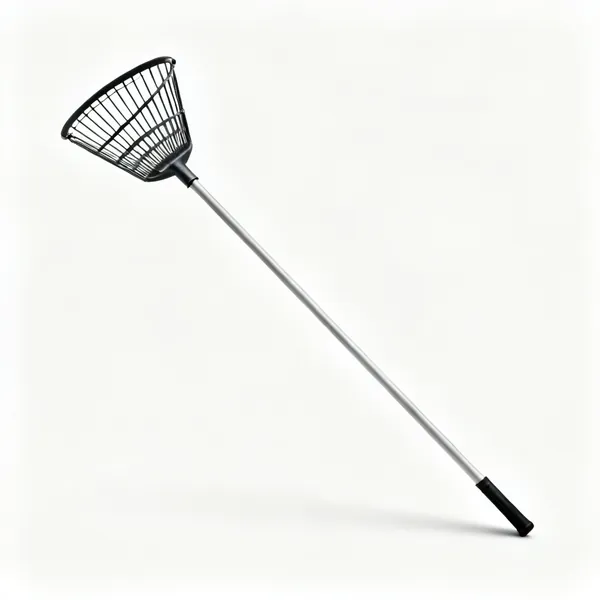
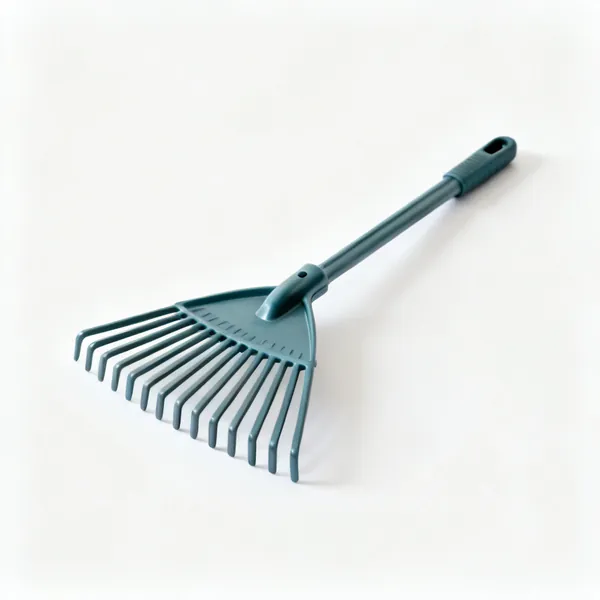
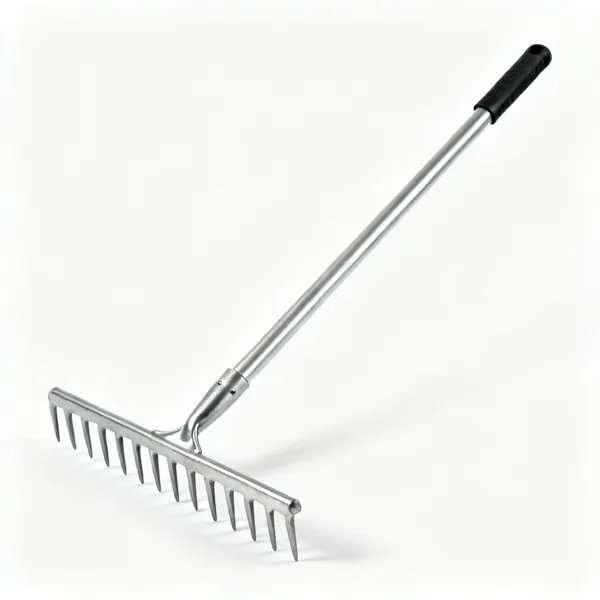
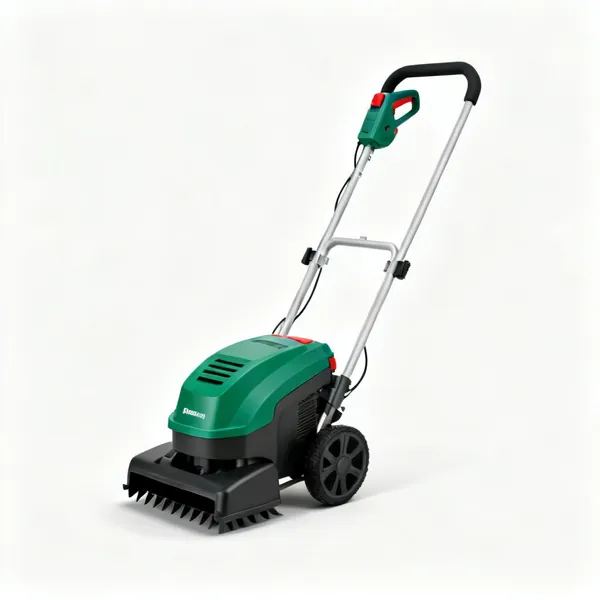
- Scarifying pulls dead thatch out of a lawn so air and water reach the roots. It needs a stiff bladed scarifying rake rather than a springy leaf rake, because the action is raking out rather than gathering up.
- What are the essential garden tools for a beginner?
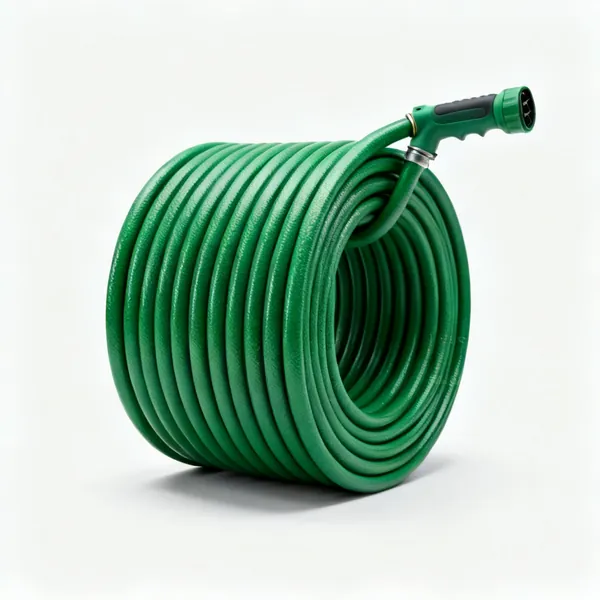
- A spade, a digging fork, a hand trowel, a hand fork, secateurs, a rake, a watering can and a pair of gloves. That handles planting, weeding, pruning and tidying in most gardens. Add loppers, a hoe and a hose once you know which jobs come up most in yours.
- How many garden tools do I actually need?
- Fewer than most people own. Eight or nine cover the great majority of jobs in an average garden, and the rest are bought for a specific task. Buying a large set usually means owning several tools you never pick up and none of the ones you use being particularly good.