Disclosure

Gardening tools for kids

Real steel garden tools sized for children, all 30 grouped by what a child can actually grow. Plastic blades are why most children's sets go unused: they bend on the first stone, and the child concludes gardening does not work.

17 are marked essential: enough to plant and look after a first bed.

Part of the full garden tools list, 122 tools in 10 groups.

A first set that digs 7

Steel where it goes into soil. Five tools that let a child plant and look after their own patch.

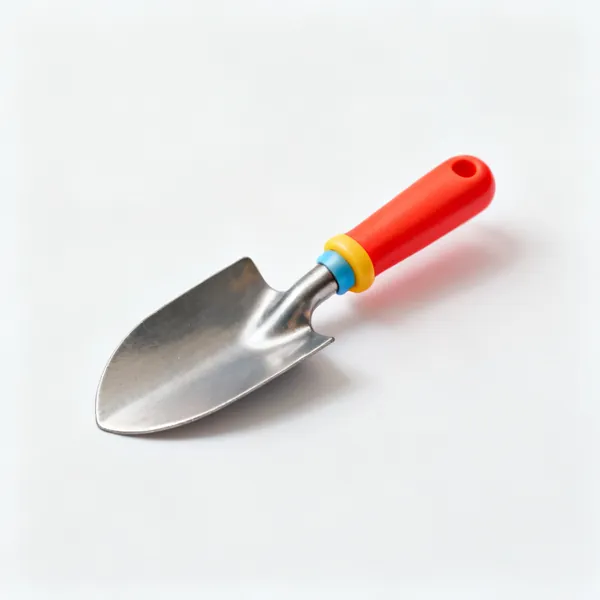
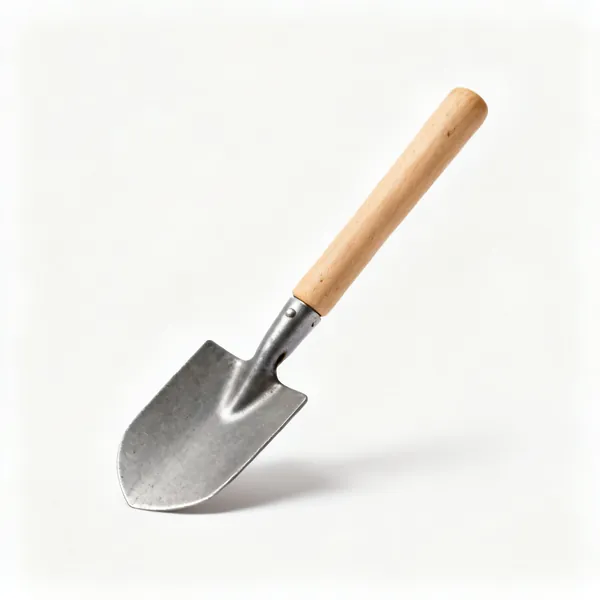
  • Child's steel trowel: A small childs garden trowel with a steel blade and a short brightly coloured handleEssential

    Child's steel trowel

    A real metal blade on a short handle, which is the single thing that decides whether a child's set gets used. A plastic blade bends on the first stone and nothing gets dug at all.

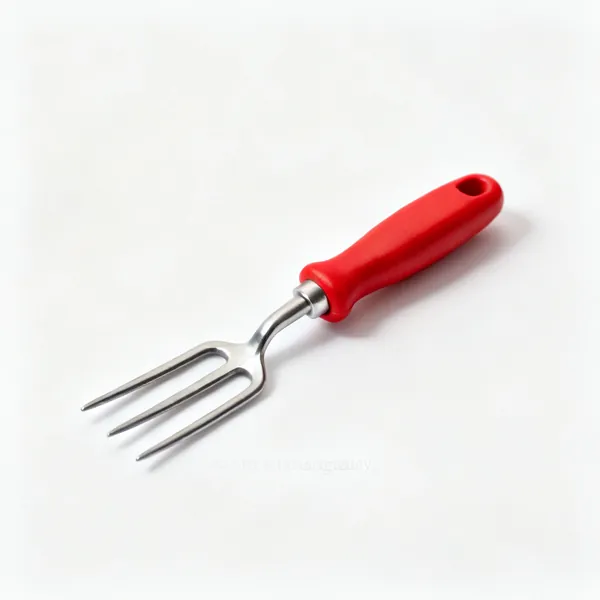
  • Child's hand fork: A small hand fork with three short steel tines and a red moulded handleEssential

    Child's hand fork

    Three steel tines for loosening soil and lifting weeds, sized to a small hand. Paired with the trowel it covers everything a child will want to do in a bed.

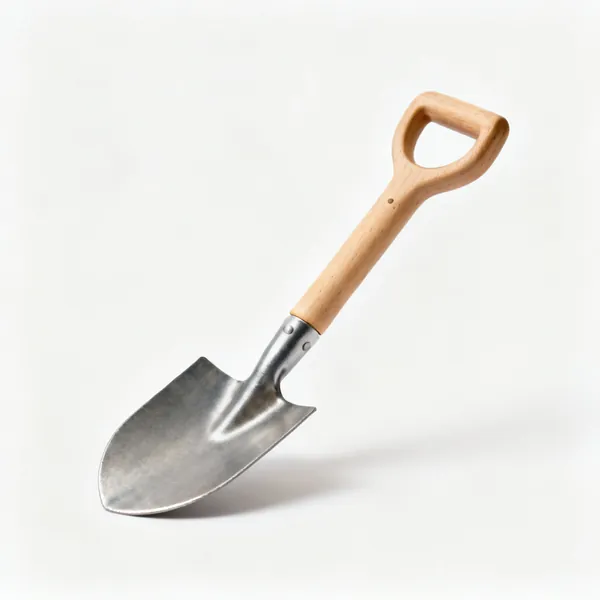
  • Child's spade: A small childs garden spade with a steel blade and a short wooden shaft with a D handleEssential

    Child's spade

    A scaled down digging spade with a steel blade and a short shaft. Short is a safety feature: less leverage means less force, and the handle reaches their hip rather than their chin.

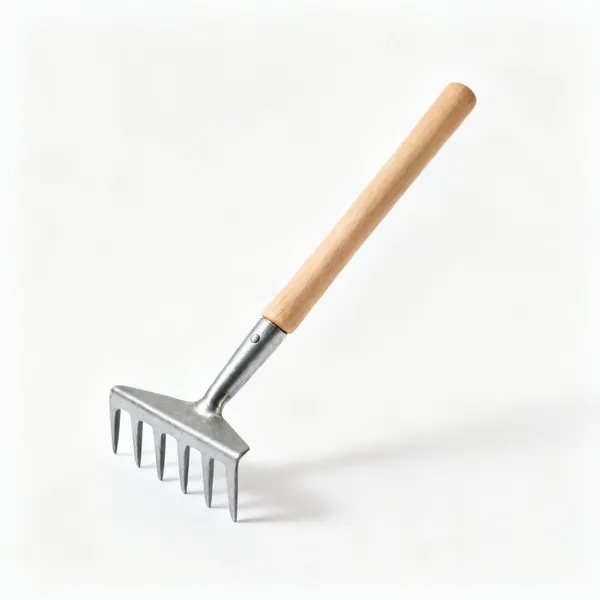
  • Child's rake: A small childs garden rake with a narrow steel head and a short wooden shaftEssential

    Child's rake

    A narrow steel head on a short shaft for levelling soil and raking leaves. Light enough to drag one handed, which is how a child will use it whatever anyone says.

  • Child's hoe: A small childs garden hoe with a flat steel blade and a short wooden shaft

    Child's hoe

    A short handled draw hoe for weeding between rows. It teaches the most useful weeding habit there is, which is dealing with seedlings weekly rather than weeds monthly.

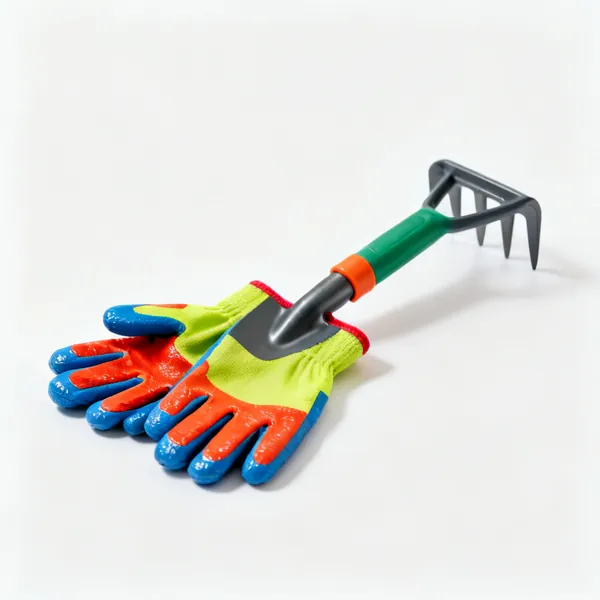
  • Child's gloves: A pair of small brightly coloured childrens gardening gloves with coated palmsEssential

    Child's gloves

    Fitted rather than loose, because a loose glove catches in tools and gets taken off. Mostly about thorns and nettles, both of which end an afternoon on their own.

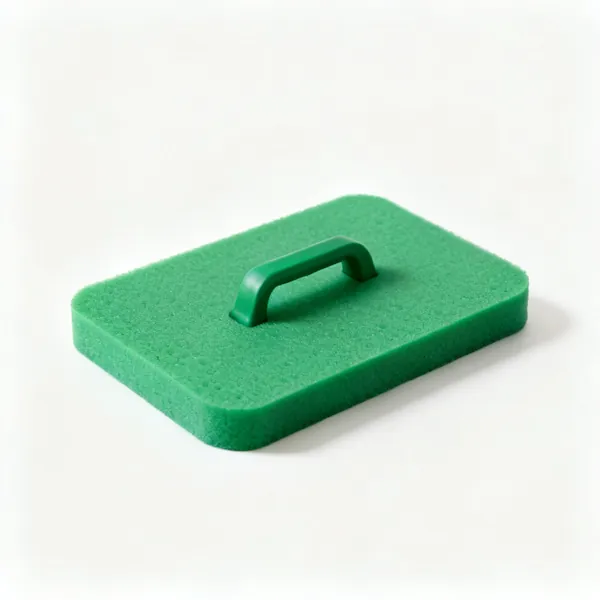
  • A small green closed cell foam garden kneeling pad

    Kneeling pad

    Keeps knees off cold wet ground. It matters because how long a child stays comfortable is exactly how long they stay interested in what they are doing.

Sowing and planting 8

Where a child sees a result. Fast growing things, in their own containers, with something to measure.

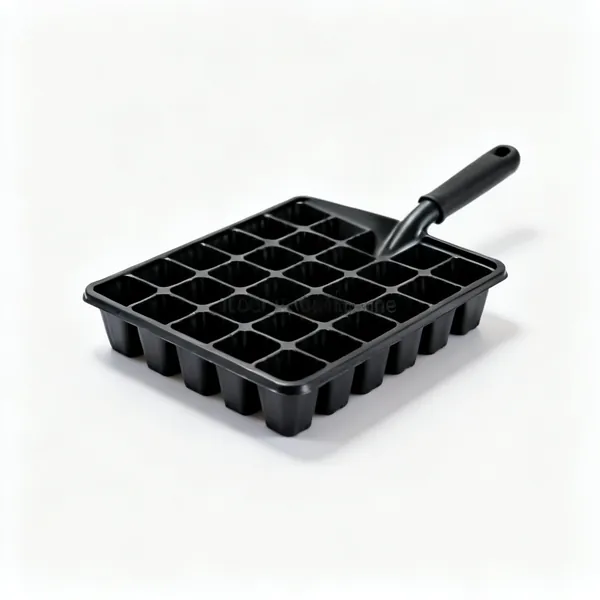
  • Seed trays: A black plastic seed tray with a grid of individual cellsEssential

    Seed trays

    Cell trays so each seedling has its own compartment and can be lifted without disturbing the others. It also means a child can count their plants, which they will.

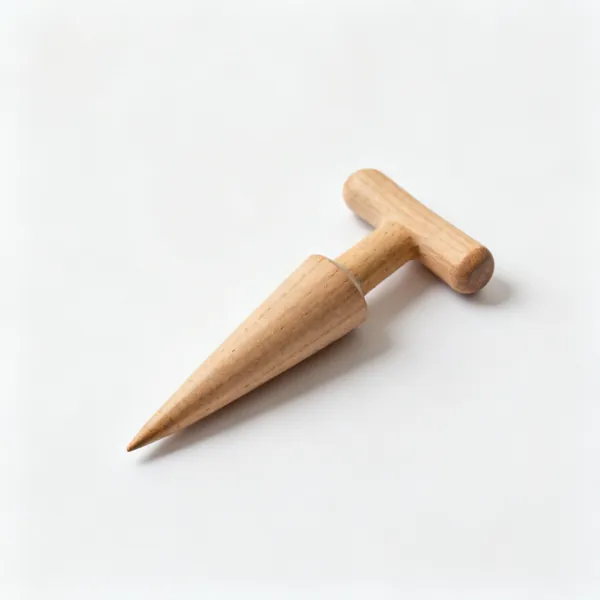
  • A small wooden dibber, a tapered pointed wooden tool with a rounded T handleEssential

    Dibber

    A tapered wooden spike that makes a planting hole by displacing soil. The seedling drops into a hole that already exists, so its roots are never pushed through soil.

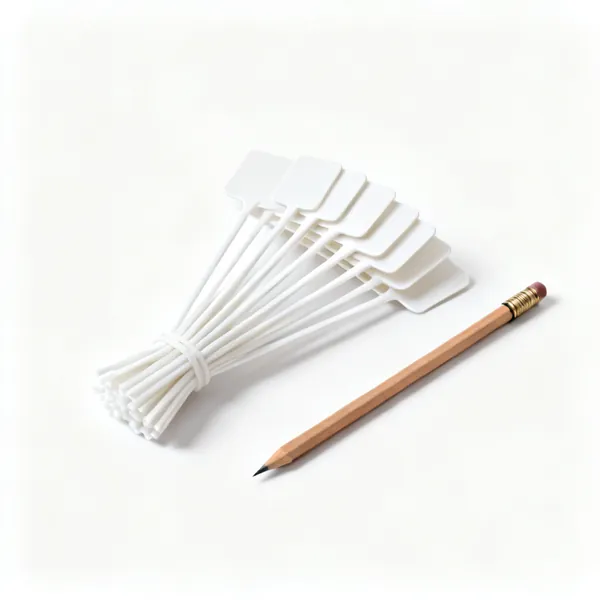
  • A bundle of white plastic plant labels beside a pencilEssential

    Plant labels

    Written at sowing time, because three weeks later nothing is identifiable from its seedlings. Also the part children most enjoy, which makes it easy to insist on.

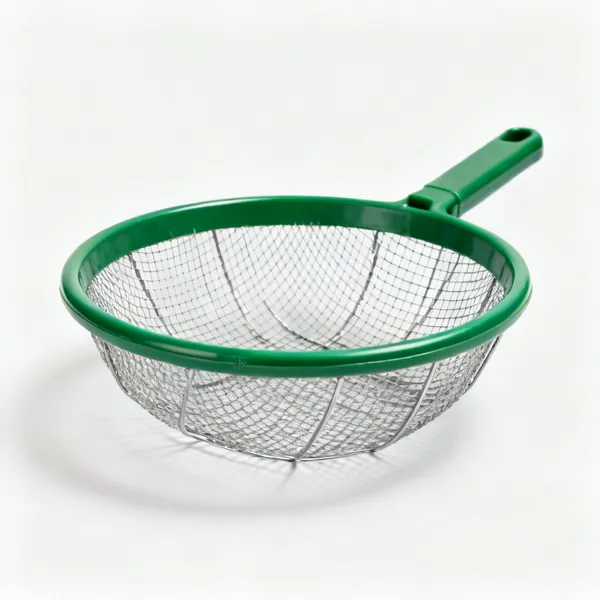
  • A round garden sieve riddle with a green plastic rim and a wire mesh base

    Garden sieve

    A riddle for making fine compost to cover seed and for sifting stones out of soil. Plastic is fine here, and children will use it for its own sake regardless of the plants.

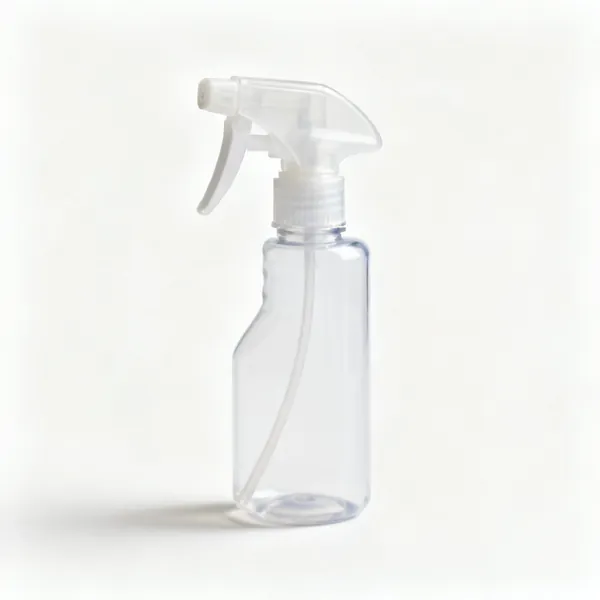
  • Hand mister: A small plastic hand pump mister spray bottle with a trigger and nozzleEssential

    Hand mister

    A fine spray that wets a seed tray without washing the seed out of place. A watering can moves fine seed and buries some of it too deep to come up.

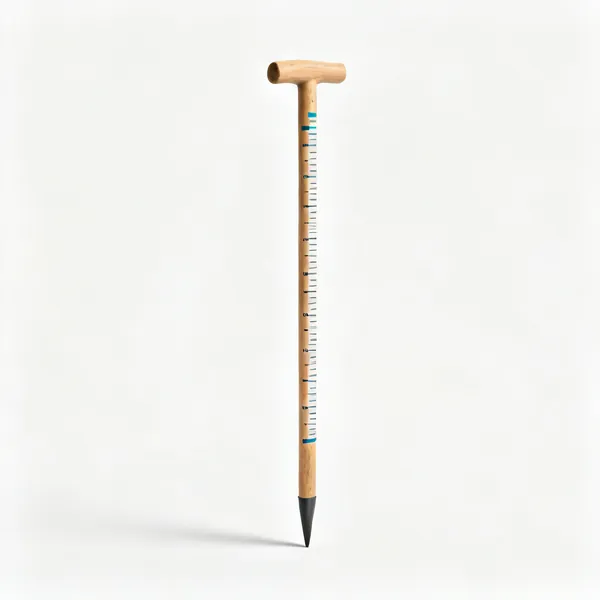
  • Growth measuring stick: A wooden garden cane with painted height measurement markings along it

    Growth measuring stick

    A marked cane pushed in beside a sunflower. It turns slow growth into a weekly result, which is the single most effective way to hold a child's attention over a season.

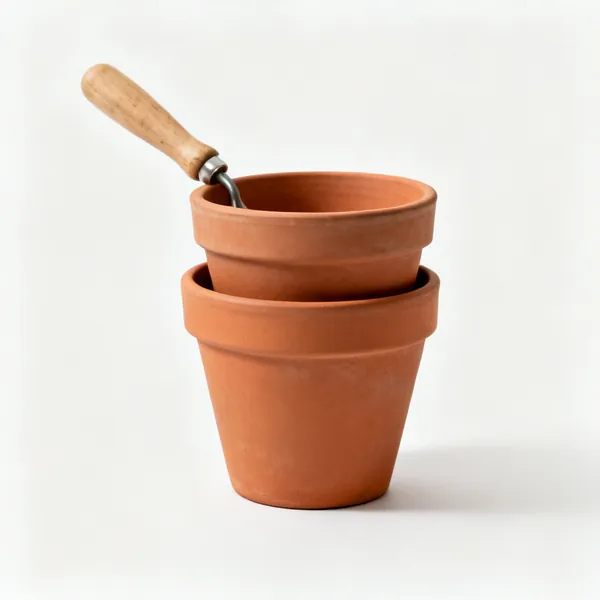
  • Three terracotta plant pots of different sizes stacked beside each otherEssential

    Plant pots

    Their own containers, decided and planted by them. A pot that is theirs gets watered; a corner of a shared bed does not, which is most of why containers work for children.

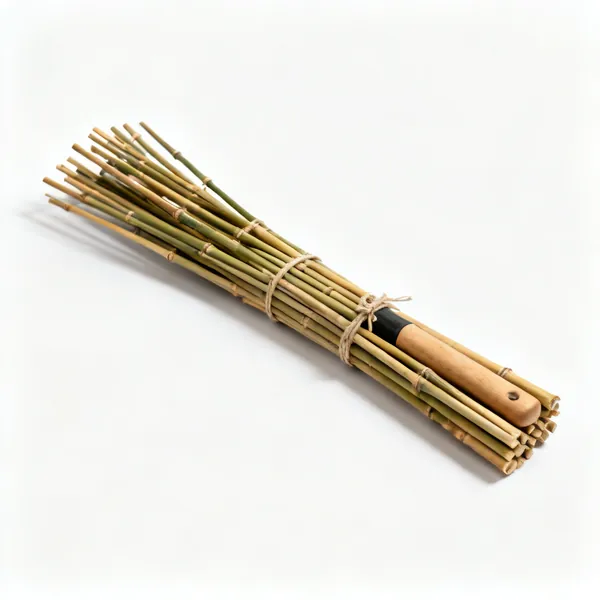
  • Support canes: A bundle of thin bamboo garden canes tied together

    Support canes

    Bamboo canes for beans and sunflowers, pushed in at planting time. Added later they go through the roots of the plant they are meant to support.

Watering and looking after it 7

The jobs that repeat, which is where a child either takes ownership or loses interest.

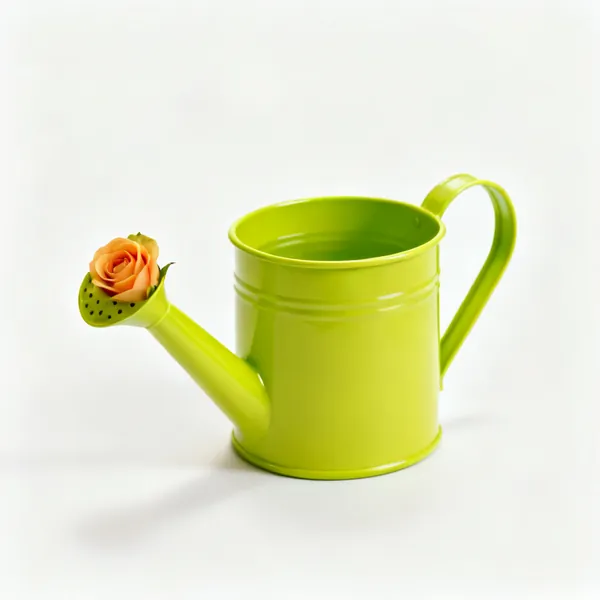
  • Small watering can: A small brightly coloured plastic watering can with a spout and roseEssential

    Small watering can

    About two litres, which is what a child can lift full. A bigger can gets carried half full and spilled, and then watering stops being something they want to do.

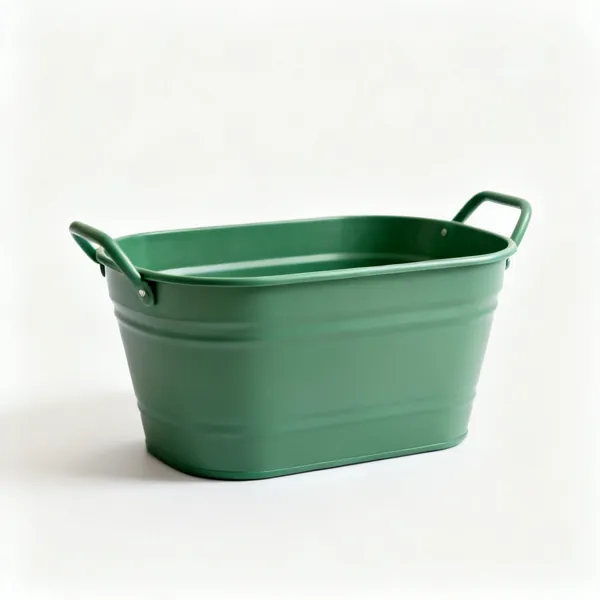
  • A flexible plastic garden trug tub with two handlesEssential

    Garden trug

    A flexible tub for carrying tools out, weeds back and vegetables in. It is also how the tools get returned, which decides whether they exist next weekend.

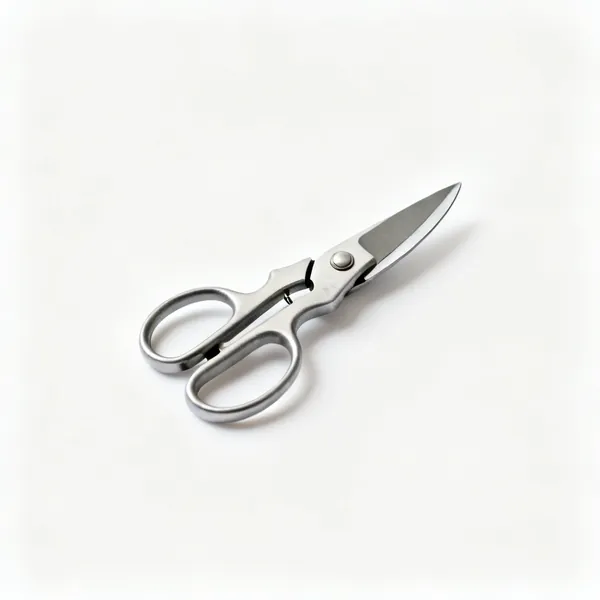
  • Small secateurs: A pair of small sprung bypass secateurs with short handles and a curved blade

    Small secateurs

    Sprung bypass pruners sized for a small hand, for deadheading and cutting flowers. Supervised, because they are as sharp as any secateurs and no safer for being small.

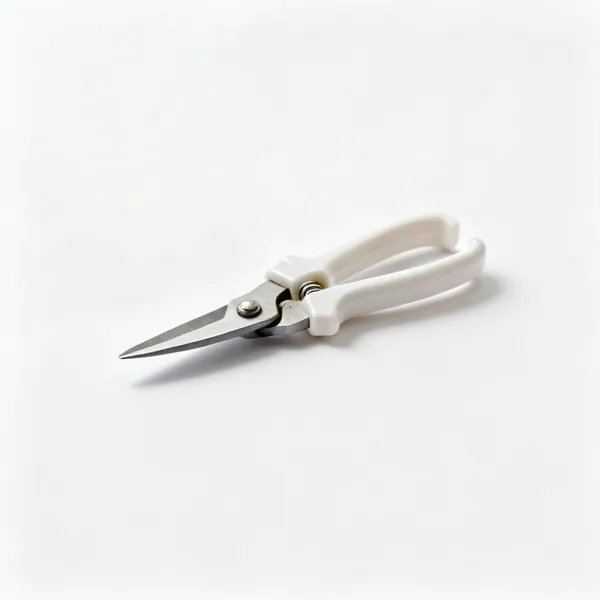
  • A pair of small blunt tipped garden harvesting snips with plastic handlesEssential

    Harvesting snips

    Blunt tipped snips for cutting salad, herbs and flower stems. The blunt tip is the point: it cuts a stem and will not do much if it slips off one.

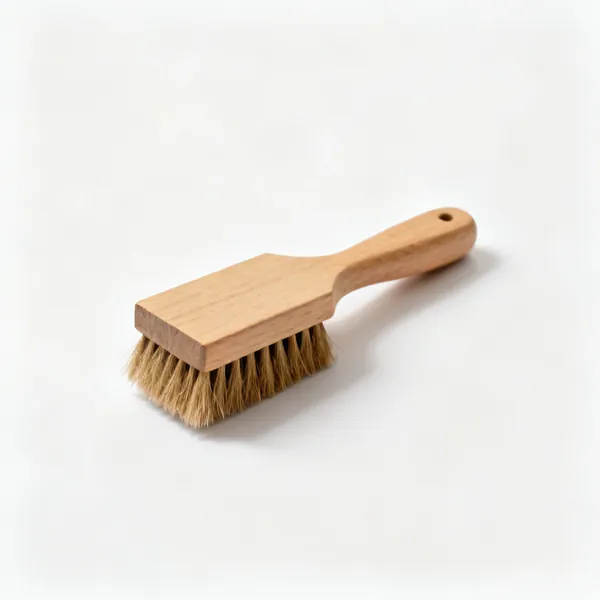
  • Hand brush: A small wooden handled bench brush with stiff natural bristles

    Hand brush

    For sweeping spilled compost off a bench or a path. Clearing up as part of gardening rather than after it is a habit worth building early and easily.

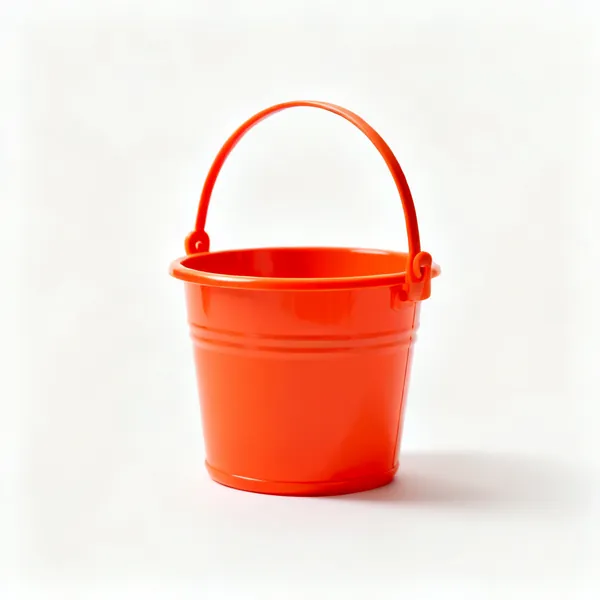
  • A small brightly coloured plastic bucket with a handleEssential

    Bucket

    For water, weeds, stones and whatever else is being collected. It will be used for none of those most of the time and it is still the most used item on the list.

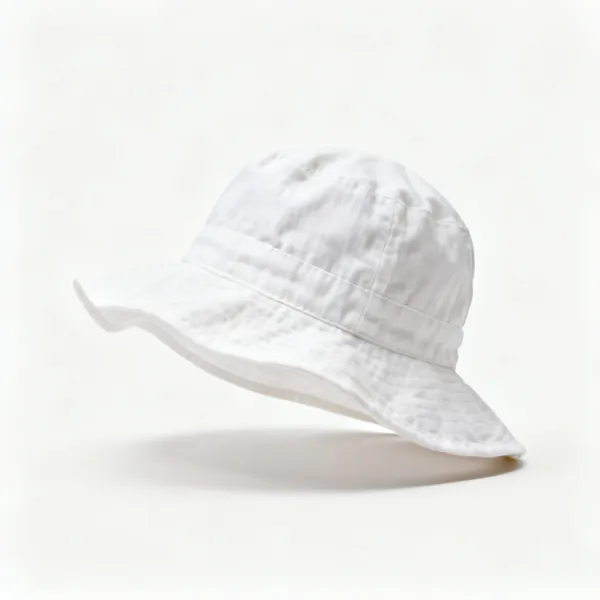
  • A wide brimmed childs cotton sun hatEssential

    Sun hat

    A child gardening in July will stay out far longer than is sensible without being reminded. It is on this list because sun is a real hazard here and the trowel is not.

Wildlife and the off season 8

Something living to look at when nothing is growing, which is what carries interest from one summer to the next.

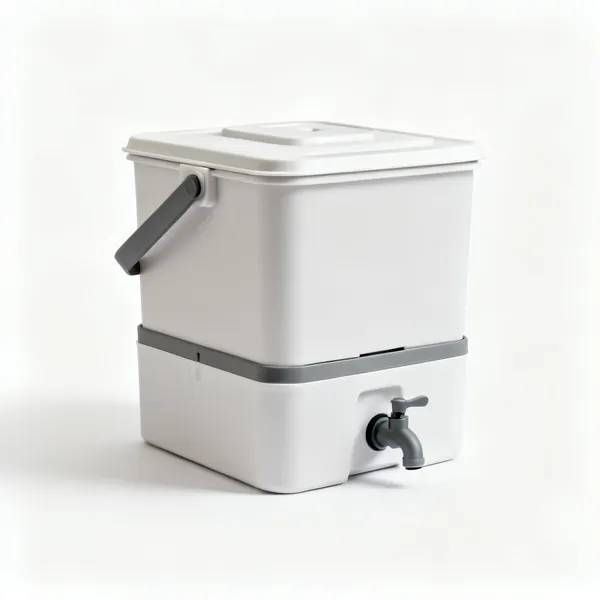
  • A small plastic wormery composting bin with a lid and a tap at the base

    Wormery

    A container of worms that turns kitchen scraps into compost, with a viewing side. It is a working part of the garden and it is fascinating, which is a rare combination.

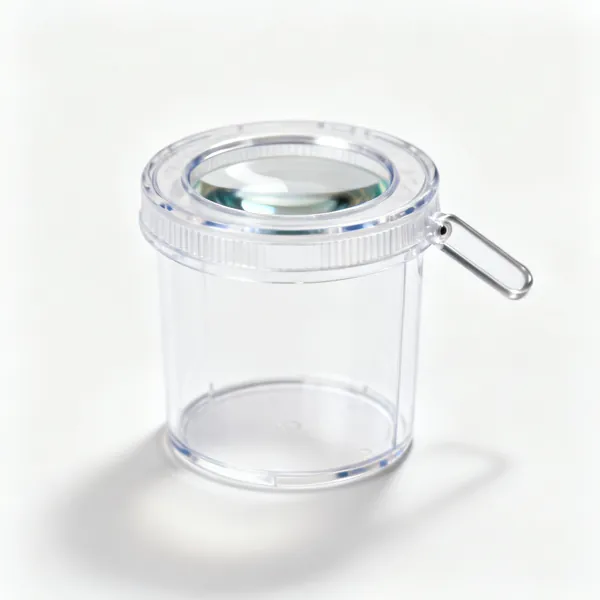
  • Bug viewing potEssential

    Bug viewing pot

    A pot with a magnifying lid so something can be looked at and then put back. It costs almost nothing and it is the item most likely to still be in use in three years.

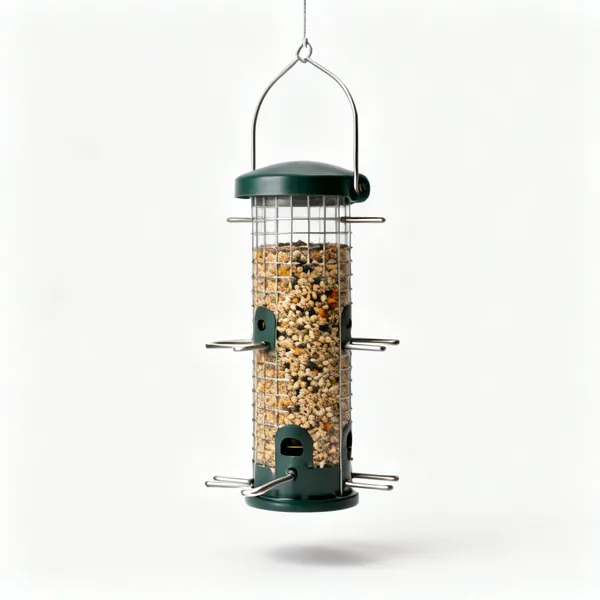
  • Bird feeder: A hanging tubular bird seed feeder with metal perchesEssential

    Bird feeder

    A job that repeats through the winter and produces something to watch. Being relied on to fill it holds attention better than any tool on this page.

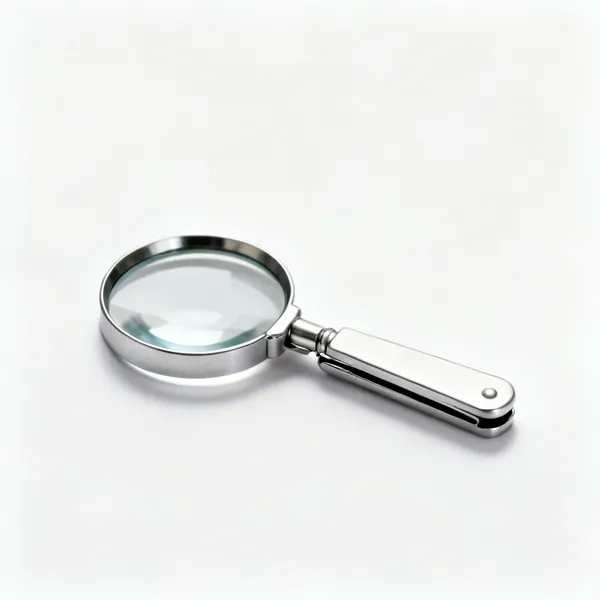
  • Hand lens: A small folding metal hand magnifying lens

    Hand lens

    A folding lens for looking at leaves, seeds and insects properly. It turns a bed into something with detail in it, which is what makes a child look rather than pass through.

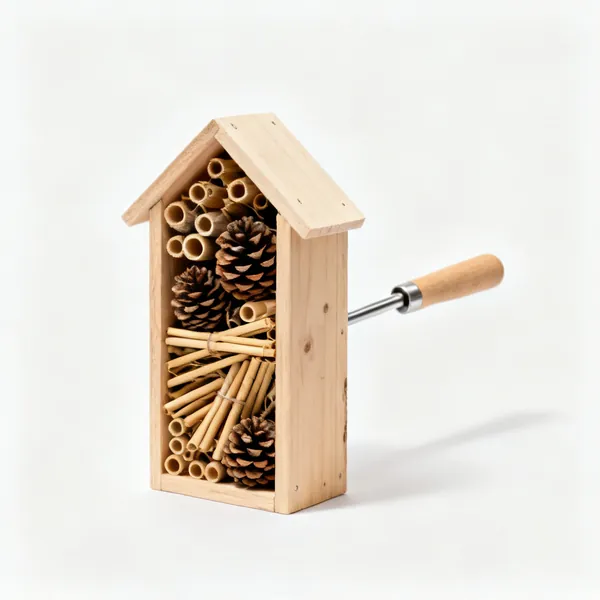
  • A small wooden bug hotel box filled with hollow canes and pine cones

    Bug hotel

    A frame packed with canes, cones and bark for insects to overwinter in. It can be built from scrap in an afternoon, which makes it a project rather than a purchase.

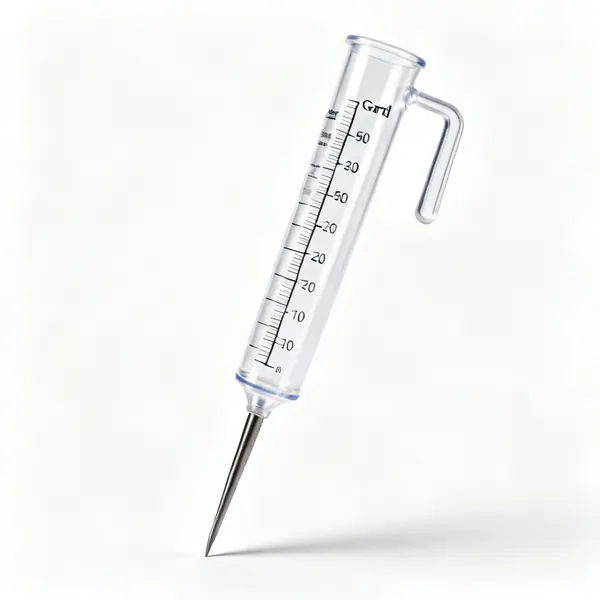
  • A clear plastic garden rain gauge tube with measurement markings and a spike

    Rain gauge

    A marked tube that measures rainfall, giving a number to read and record each week. It also settles the question of whether the containers need watering.

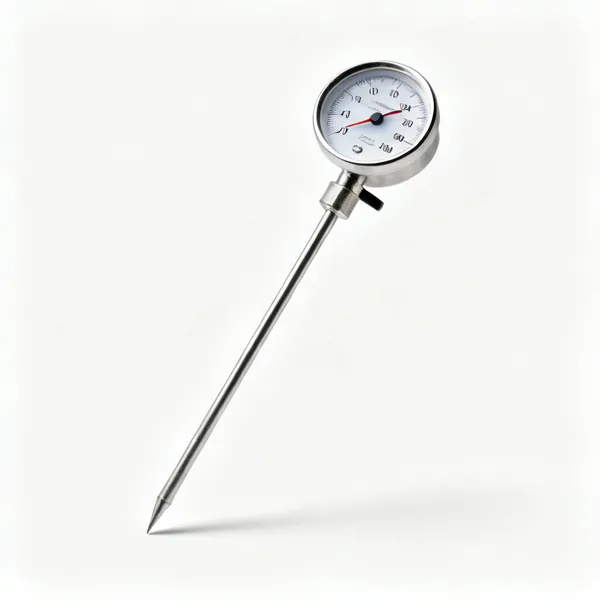
  • A metal soil thermometer with a dial face and a long probe

    Soil thermometer

    Pushed into the soil to read its temperature, which is what actually decides when seed will germinate. It answers why nothing came up in March in a way a calendar cannot.

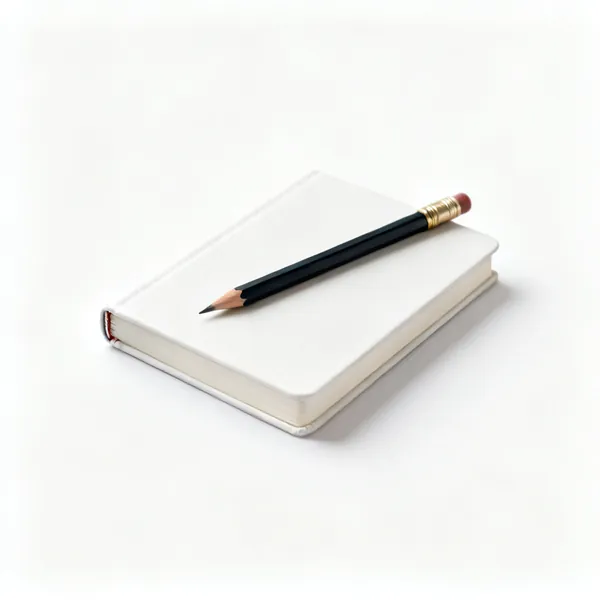
  • Garden notebook: A small hardback notebook with a pencil resting on it

    Garden notebook

    What was sown, when, and what happened. It is the cheapest thing here and it is what turns one summer of interest into a second one the following spring.

Getting a child gardening

Give them their own patch and something fast growing. The tools matter less than whether anything happens before they lose interest.

Steel where it matters

A child's trowel needs a metal blade. Plastic flexes on the first stone, so the child pushes harder, it bends further, and nothing gets dug. That is the whole reason most children's garden sets are abandoned within a fortnight.

What can be plastic is anything that only carries or scoops: a watering can, a bucket, a sieve. What has to be steel is anything that goes into soil. The good news is that a child sized steel trowel and fork cost very little.

Steel blades in soil
Trowel, fork, spade, rake. Plastic bends on the first stone and the child gets nowhere.
Plastic is fine for carrying
Watering can, bucket, sieve, trug. Lighter is better for those and nothing is at risk.
Short shafts, not toy sizes
A short handle is a safety feature. A full length spade cannot be controlled by a child.
Their own tools
Not borrowed adult ones. Ownership is a surprisingly large part of whether they get used.

Grow something fast

A child's patience is measured in days, not seasons. Radishes are ready in about four weeks, cress in a week, sunflowers are visibly taller every few days, and salad leaves can be picked and eaten repeatedly. Those are the things to start with.

Carrots take twelve weeks and mostly fail in stony soil. Parsnips take longer and germinate erratically. Both are bad first crops not because they are difficult but because nothing appears to happen for a month.

Radish, about four weeks
The fastest thing you can pull out of the ground and eat. The classic first crop for good reason.
Sunflowers for height
Visibly taller every few days, and a marked stick to measure against makes it a weekly event.
Cut and come again salad
Picked repeatedly over weeks, so there is something to harvest most times they look.
Avoid slow or fussy
Carrots and parsnips are slow and erratic. Nothing appears to happen and interest goes.

Give them a patch that is theirs

A metre square bed, or two large containers, that they decide about. It will be planted too closely, watered unevenly and weeded selectively, and it will still work, because the plants on this list are forgiving.

The temptation is to tidy it, thin the seedlings properly and take over. Resisting that is harder than any of the gardening and it is the thing that decides whether they come back to it next year.

One square metre is plenty
Or two big containers. Small enough that it never becomes a chore they are behind on.
Let them decide
What goes in, where, and when it gets picked. It being theirs is the whole mechanism.
Do not tidy it
The hardest part. A messy bed they own beats a neat one you took over, by a long way.
Containers work indoors too
A windowsill of cress and herbs runs all winter, which keeps it going out of season.

The real hazards, which are not the tools

Tool injuries in a garden are minor and rare compared with the two things that actually matter: what goes in their mouth, and the sun. Slug pellets, lawn feed, weedkiller and many common ornamental plants are genuinely toxic, and a child gardening is a child with soil on their hands.

So the rules are that chemicals are locked away rather than shelved, hands are washed before eating, and nothing gets tasted unless an adult has confirmed what it is. Tetanus cover is worth checking too, since soil is where it lives.

Chemicals locked, not shelved
Slug pellets, feed and weedkiller. These are the genuine hazard in a garden, not the trowel.
Know your plants
Foxglove, yew, laburnum and monkshood are all common and all toxic. Nothing tasted unless confirmed.
Wash before eating
Soil carries bacteria and, rarely, tetanus and toxocara. Hands before mouth, every time.
Hat and shade
A child gardening in July will stay out far longer than is sensible without being reminded.
Supervise the sharp ones
Secateurs and shears cut. A trowel and a watering can do not need watching.

Keeping them interested past week three

Something to measure, something to harvest, and something living. A marked stick beside a sunflower turns growth into a weekly event. A crop they can pick and eat closes the loop. A wormery or a log pile gives them something to look at when nothing is growing.

The other thing that works is a job that is genuinely theirs and genuinely needed: watering the containers, filling the bird feeder, checking the seed tray. Being relied on holds attention better than being entertained.

Something to measure
A marked stick by a sunflower. It makes a slow process into a weekly result.
Something to eat
Picking and eating is the reward that closes the loop. Salad and radish do it fastest.
Something living
A wormery, a log pile, a bug hotel. Interesting in the months when nothing is growing.
A real job
Watering, feeding birds, checking seedlings. Being needed holds attention better than novelty.

Frequently asked questions

What gardening tools should a child have?
A steel bladed trowel and hand fork, a short handled spade and rake, a small watering can they can lift full, a trug, and gloves that fit. Plastic blades are the reason most children's sets go unused, because they bend on the first stone.
Are plastic children's garden tools any good?
Not for anything that goes into soil. A plastic trowel flexes on the first stone so the child cannot dig, and they conclude gardening does not work. Plastic is fine for watering cans, buckets, sieves and trugs, which only carry rather than cut or dig.
What is the best thing for a child to grow first?
Radishes, ready in about four weeks, or cress in about a week. Sunflowers are visibly taller every few days, and cut and come again salad can be picked repeatedly. Avoid carrots and parsnips, which are slow and erratic so nothing appears to happen for a month.
What age can a child start gardening?
Watering, planting bulbs and picking can start as soon as they can walk steadily. Tools with an edge, meaning secateurs and shears, need supervision and enough patience to keep the other hand clear, which varies far more by child than by age.
How big should a child's garden patch be?
About a square metre, or two large containers. Small enough that it never becomes something they are behind on, and enough to grow four or five different things. The important part is that decisions about it are theirs rather than yours.
Is gardening safe for children?
The tools are the least of it. The genuine hazards are garden chemicals such as slug pellets and weedkiller, toxic ornamental plants including foxglove, yew and laburnum, and sun exposure. Lock chemicals away, confirm plants before anything is tasted, and wash hands before eating.
Do children need gardening gloves?
Yes, and fitted ones rather than loose. Mostly for thorns and nettles rather than tools, and both are enough to end an afternoon. A loose glove also catches in tools and gets taken off within a minute, which defeats the purpose.
How do I keep a child interested in gardening?
Something to measure, something to harvest and something living. A marked stick beside a sunflower turns growth into a weekly event, a picked crop closes the loop, and a wormery or log pile is interesting when nothing is growing. A real job they are relied on for also works.