Gardening with less strength or reach
Work out which of bending, kneeling, reaching or grip is the limit. That one answer picks the tools.
Which of the four is the limit
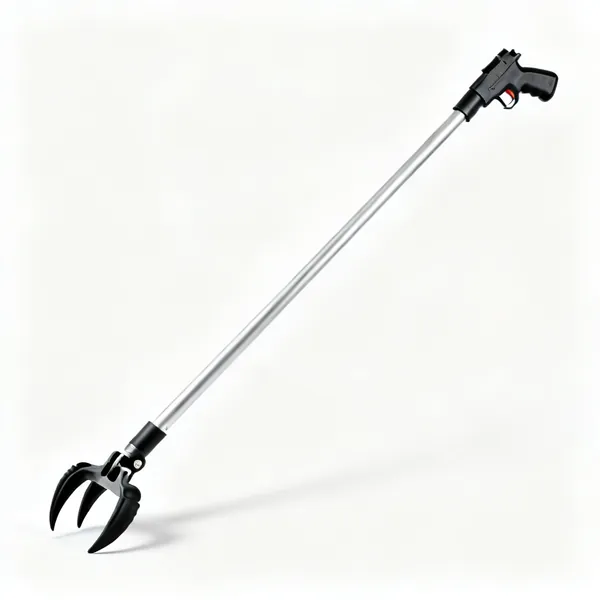
Bending is solved by long handled tools and by raising the work. Kneeling is solved by a kneeler with rails, a seat, or again by raising the work. Reaching is solved by telescopic handles and grabbers. Grip is solved by thicker handles, ratchet mechanisms and spring returns.
The point of separating them is that the answers are different and buying the wrong category helps nothing. A long handled tool does not help a weak grip. A fat handle does not help someone who cannot bend. Work out which limit you are actually working around first.
- Bending
- Long handled tools, and raising the bed. The most common limit and the easiest to design around.
- Kneeling
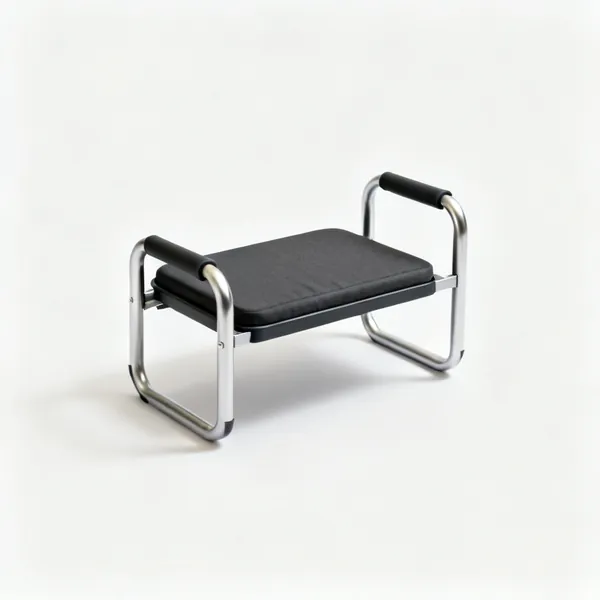
- A kneeler with push up rails, or a seat. Getting back up is usually harder than getting down.
- Reaching
- Telescopic handles and grabbers. Also narrower beds, so nothing is more than an arm's length away.
- Grip
- Thicker handles, ratchets, spring returns. Covered in more depth on the hand tools arthritis page.
Raising the work beats every tool
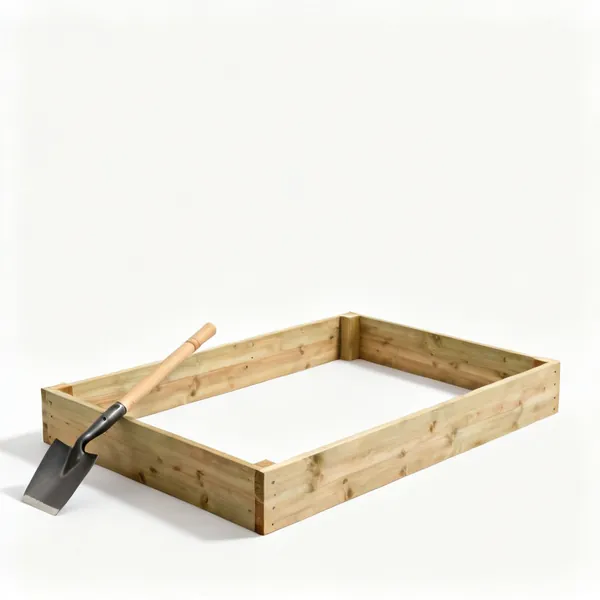
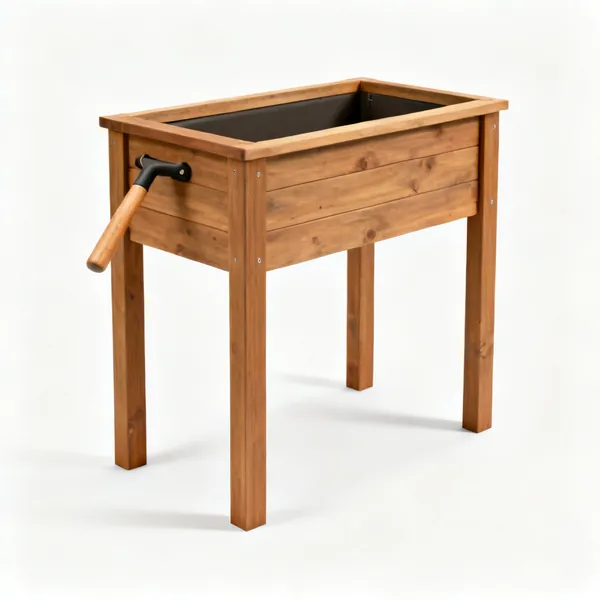
A raised bed at around 600mm can be worked standing with almost no bending, and at 750mm it can be worked from a seat or a wheelchair with knee clearance underneath. Nothing in a tool catalogue changes as much as that does.
Width matters as much as height. A bed reachable from both sides can be 1.2m wide; one against a wall should be no more than 600mm, because the far edge has to be within arm's reach without leaning. Leaning over a bed is the movement raising it was meant to remove.
- 600mm to work standing
- Almost no bending. The single most effective change available in a garden.
- 750mm with knee clearance
- For working seated or from a wheelchair. The clearance underneath matters as much as the height.
- 600mm wide against a wall
- Reachable without leaning. A wide bed against a wall reintroduces the problem it solved.
- Containers do it cheaply
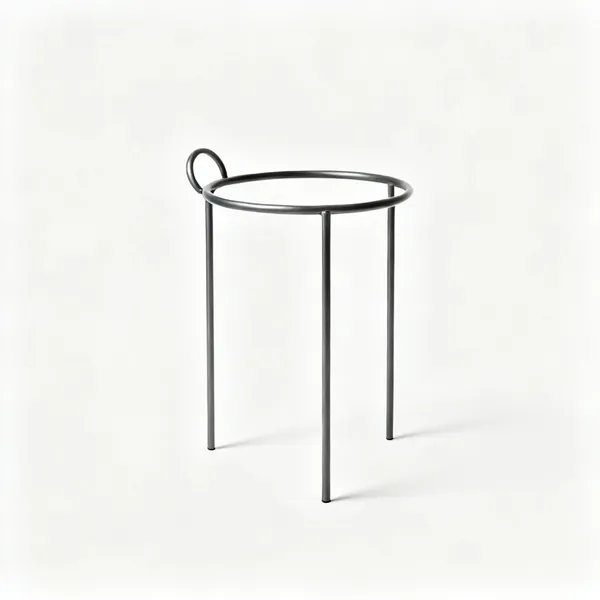
- Large pots on stands or a table achieve most of it without building anything.
Long handled versions of ordinary tools
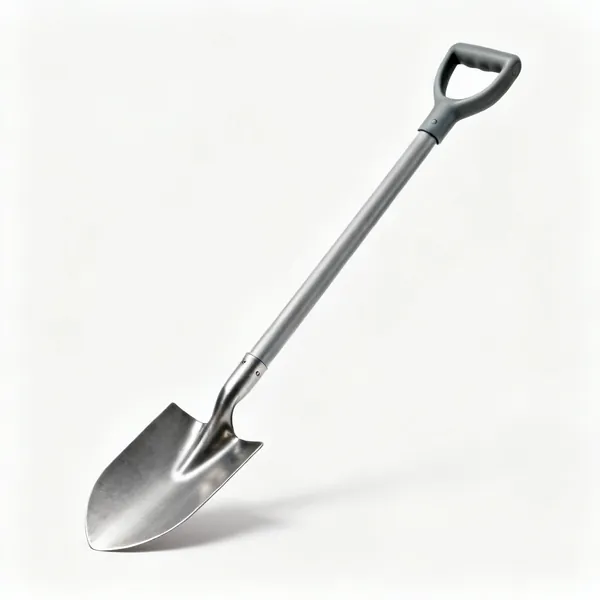
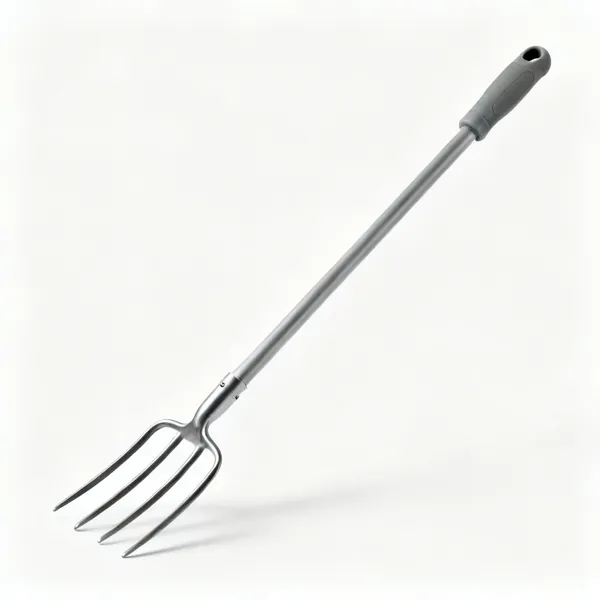
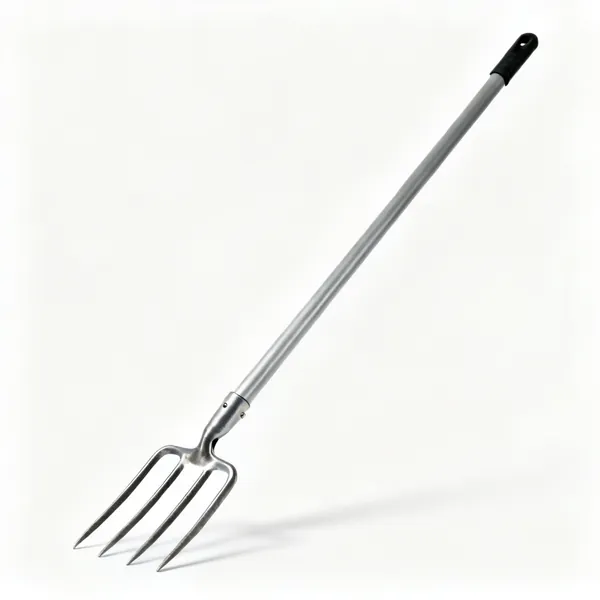
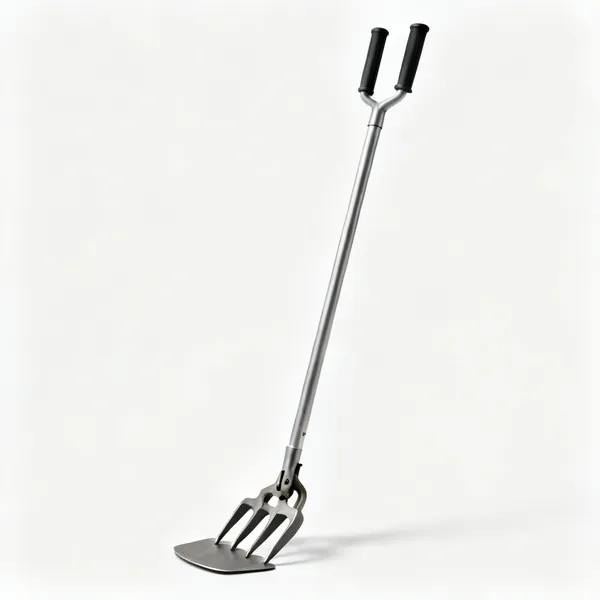
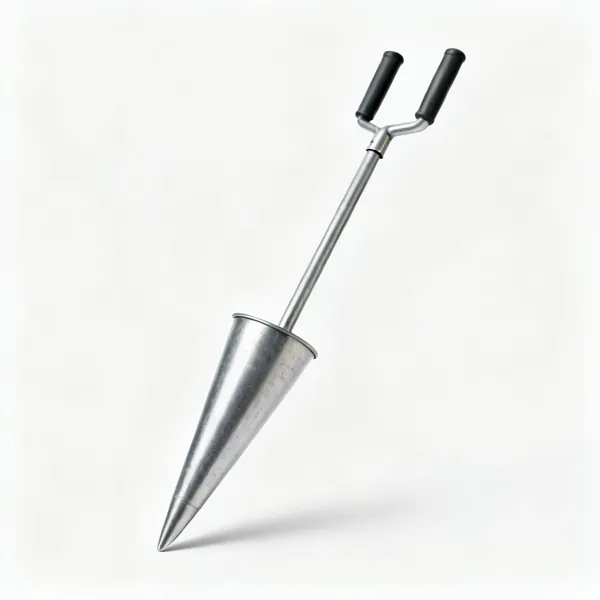
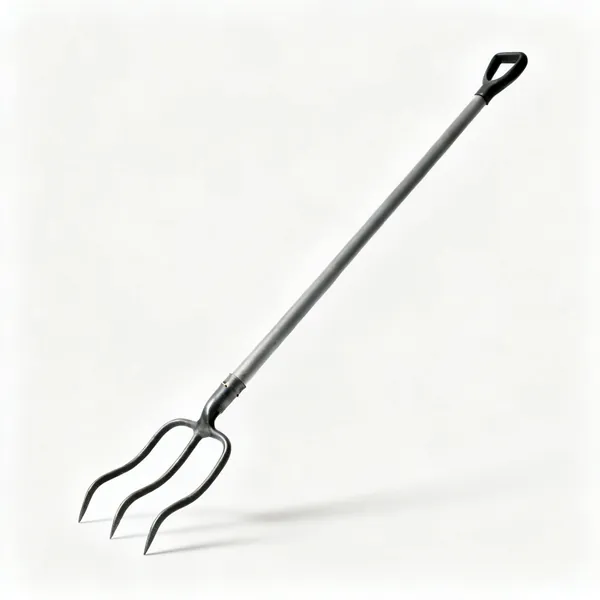
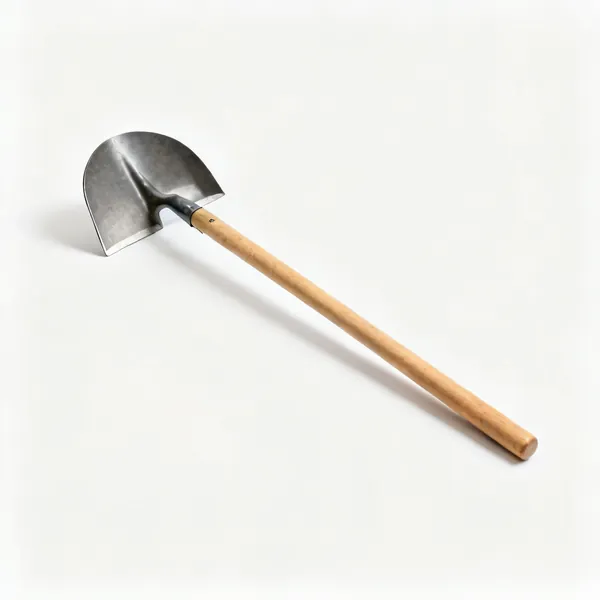
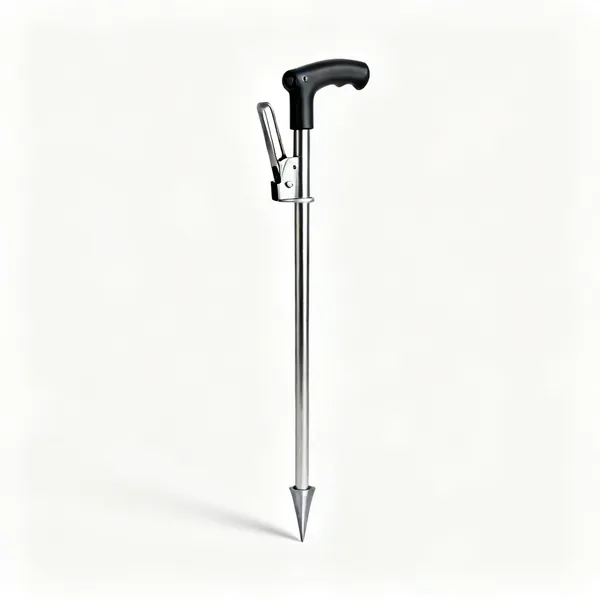
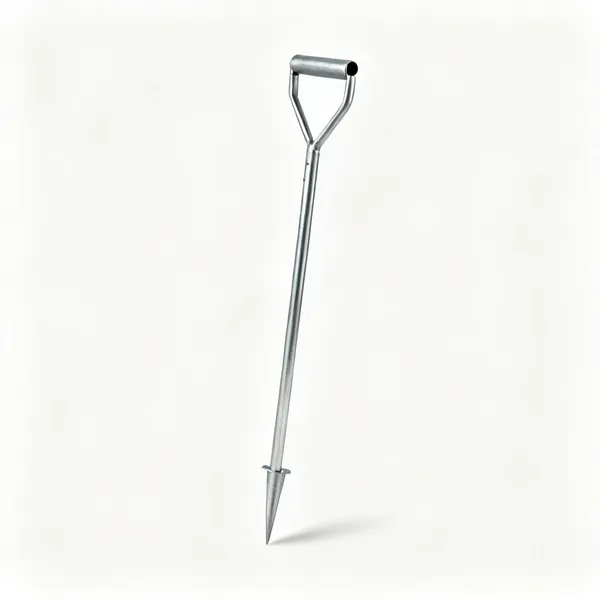
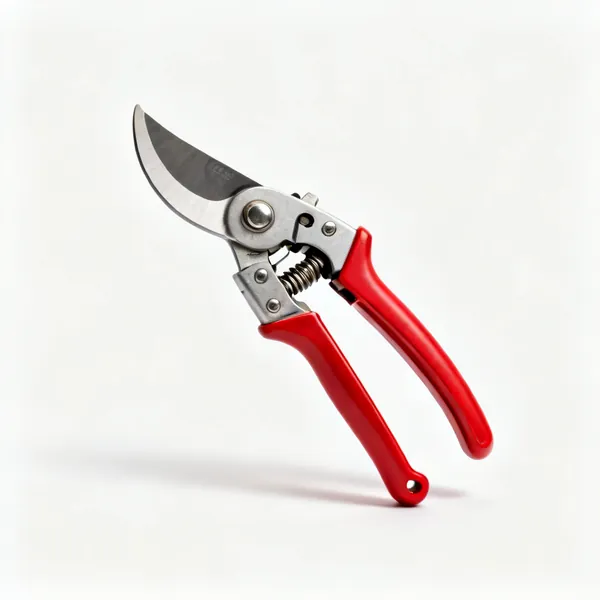
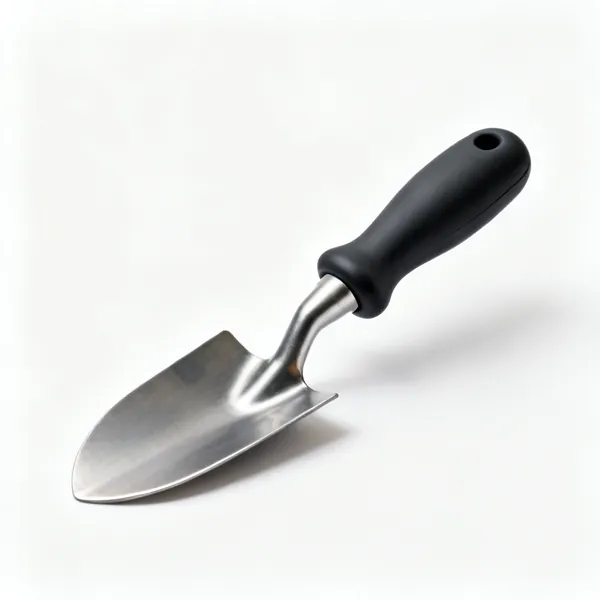
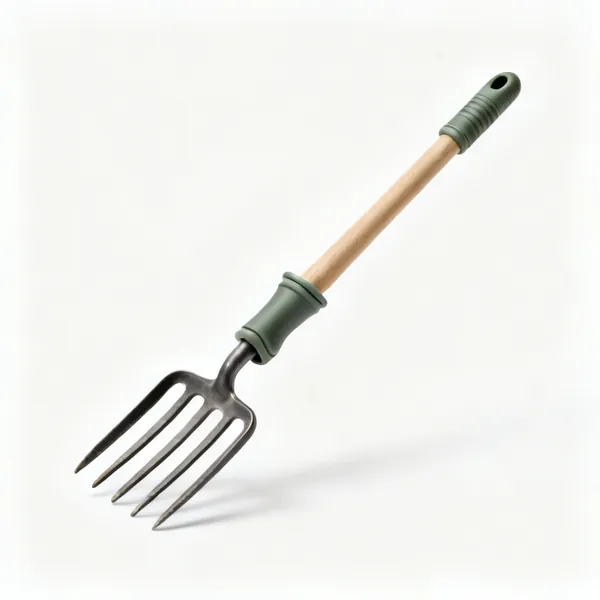
Almost every hand tool now exists in a long handled version: trowel, fork, weeder, cultivator, bulb planter, secateurs. They let the same job be done standing, and the good ones have a shaped grip and a slight bend rather than just a longer stick.
The trade is accuracy. A trowel at the end of a metre of handle is harder to place precisely, so these suit open ground better than close work between plants. Many people use long handled tools for the bulk and keep hand tools for the detail.
- Look for a bend, not just length
- An angled shaft keeps the wrist straight. A plain long stick loads the wrist instead of the back.
- Telescopic where you can
- One tool covering standing and seated work, and shorter for close detail.
- Accuracy is the trade
- Long handled tools suit open ground. Keep short ones for working between plants.
- Check the weight
- A long tool is heavier at the far end than its total weight suggests. Hold one before buying.
Working one handed
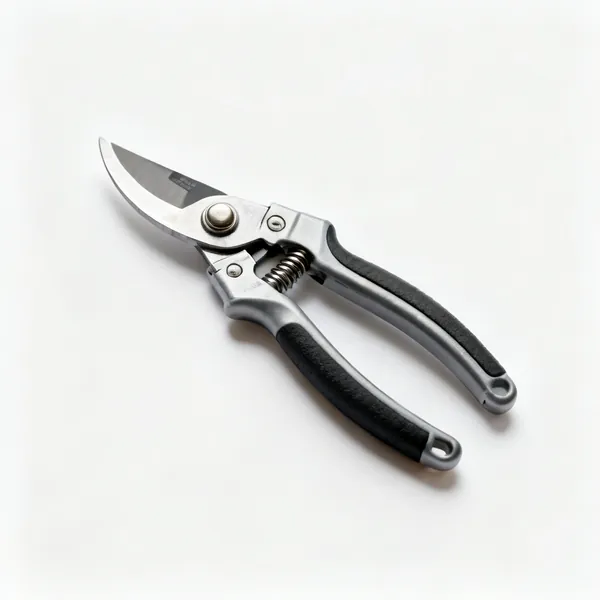
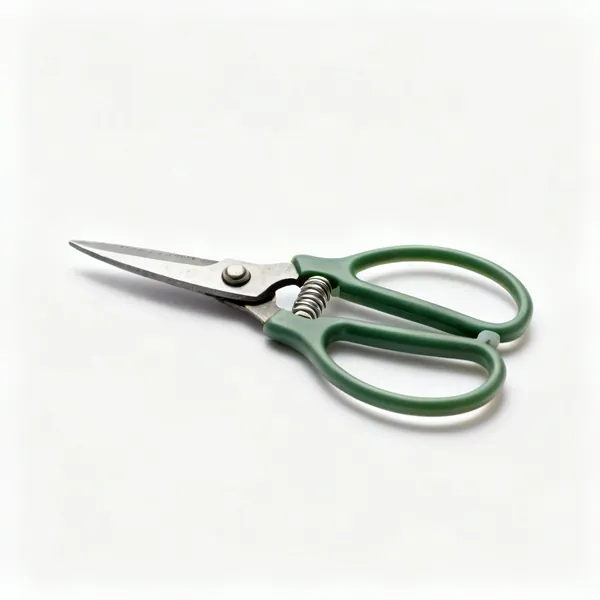
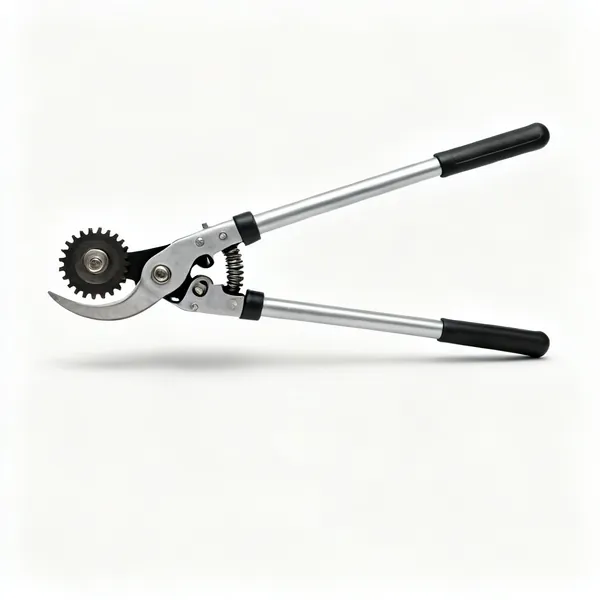
For anyone using a stick, or with use of one hand, the tools that matter are the ones that do not need a second hand to hold the work. Spring loaded shears, ratchet pruners, a trowel with a wrist cuff and a grabber all work one handed by design.
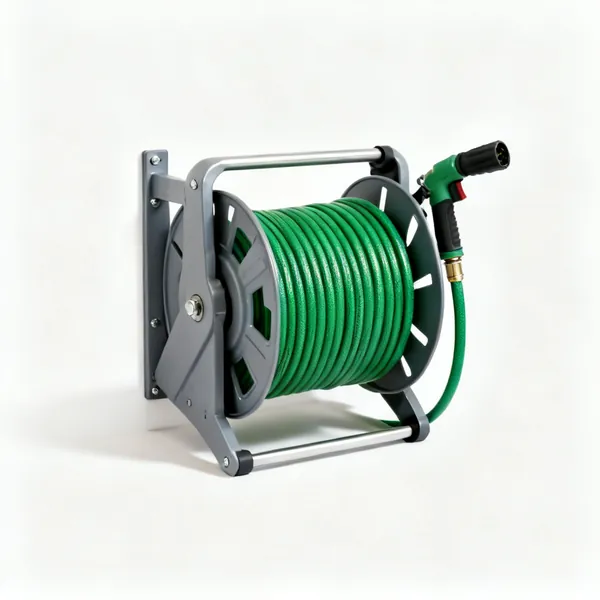
Clamping and holding also solve a lot. A pot held in a stand rather than by hand, a bag opened by a frame rather than held, a hose on a reel rather than coiled. None of these is sold as accessible equipment and all of them remove a second hand from a job.
- Spring returns
- The tool reopens itself, so one hand only ever squeezes. This is the single most useful mechanism.
- Wrist cuffs
- A cuff on a trowel or fork transfers the force to the forearm rather than the fingers.
- Hold the work, not the tool
- A pot stand, a bag frame, a hose reel. Each of them frees the hand that was holding something.
- Ratchets over strength
- Several light squeezes rather than one hard one, which suits a single hand doing all the work.
Where this page stops
This page can say which mechanisms reduce force, which handle shapes load the body less and which garden changes remove bending, because those are properties of tools and gardens and they are the same for everyone.
It cannot say what is right for you. An occupational therapist can assess your specific movement, strength and reach, and can recommend or make adaptations that no catalogue sells. If a tool hurts, that is information rather than something to work through, and the answer is usually a different tool or a different height.
- Try before buying where possible
- Handle shape and weight are personal in a way specifications do not capture.
- Ask an occupational therapist
- They assess the individual and can suggest adaptations that are not sold as products.
- Shorter sessions
- Twenty minutes three times beats an hour once, and no tool choice substitutes for that.
- Pain is information
- Not something to push through. It usually means the wrong tool or the wrong working height.
Frequently asked questions
- What gardening tools are best for elderly gardeners?
- Long handled versions of the tools you already use, so the job is done standing rather than bending. A kneeler with push up rails, ratcheting secateurs, lightweight tools and a grabber. Most of the benefit comes from removing bending and kneeling rather than from any single tool.
- What gardening tools work for someone in a wheelchair?
- Raised beds at around 750mm with knee clearance underneath, so the work is at a reachable height. Then telescopic and long handled tools, a grabber, and lightweight one handed tools. Bed width matters as much as height: no more than about 600mm reachable from one side.
- How high should a raised bed be for accessible gardening?
- Around 600mm to work standing with almost no bending, and around 750mm with clear space underneath to work seated or from a wheelchair. Height alone is not enough: the bed must also be narrow enough to reach across without leaning, which is about 600mm from one side.
- Are long handled garden tools any good?
- For open ground, very. They let digging, weeding and planting be done standing, which removes the bending that is the most common limit. They are less accurate than hand tools between plants, so many people use long handled tools for bulk work and short ones for detail.
- What is the best tool for weeding without bending?
- A stand up weed puller with a foot plate and a lever for tap roots in a lawn, and a long handled hoe or a long handled grubber for beds. Both let you work upright. On a lawn full of dandelions the stand up puller is the difference between doing the job and not.
- How do I garden with one hand?
- Choose tools with spring returns so one hand only ever squeezes, and tools with wrist cuffs that transfer force to the forearm. Then remove the need for a second hand elsewhere: a pot stand instead of holding a pot, a bag frame instead of holding a bag, a hose on a reel.
- What makes a garden kneeler good?
- Side rails you can push up on, which matters more than the padding. Getting back up is usually harder than getting down, and rails let the arms take the load in a straight wrist push. A kneeler that flips over into a low seat covers both jobs.
- Where can I get advice about adapting gardening to my needs?
- An occupational therapist can assess your specific strength, movement and reach and recommend adaptations, including ones that are not sold as products. Thrive in the UK also publishes guidance on accessible gardening and runs practical programmes.