Disclosure

Tools for planting trees

Spades, planting bars, stakes, ties and guards, all 30 grouped in the order the job runs. Most trees that fail were planted too deep, staked too high, or not watered in their second summer, and none of those costs anything to get right.

16 are marked essential: enough to plant and support a young tree properly.

Part of the full garden tools list, 122 tools in 10 groups.

Digging and preparing 7

Wide rather than deep, with the sides broken up. This is where the tree's first two years of root growth is decided.

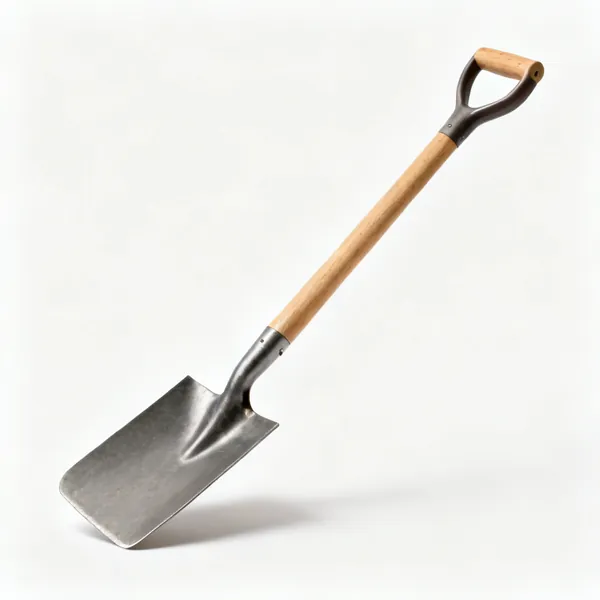
  • A garden digging spade with a flat rectangular steel blade and a wooden shaft with a D handleEssential

    Digging spade

    Cuts the hole and slices its sides. A spade is the only tool most tree planting needs, and it also cuts the turf circle that keeps mowers and strimmers away from the trunk.

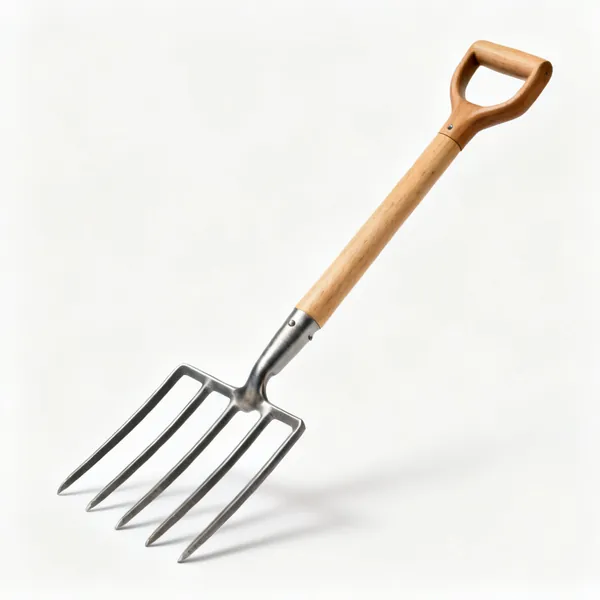
  • Garden fork: A garden digging fork with four square section steel tines and a wooden shaft with a D handleEssential

    Garden fork

    Breaks up the sides and base of the hole so roots can leave it. A smooth spade cut wall in clay is a barrier that roots circle inside rather than growing through.

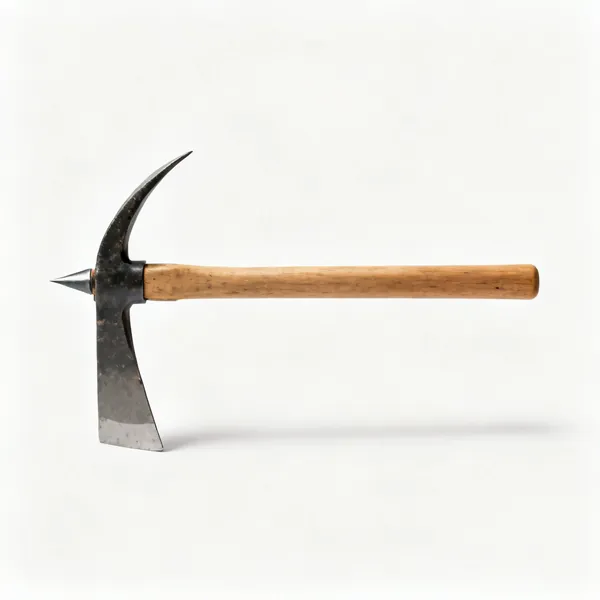
  • A pick mattock with a broad adze blade one side and a sharp point the other on a wooden handle

    Pick mattock

    Breaks stony or compacted ground that a spade will not enter. Its weight does the work, so it starts a hole where pushing a spade harder achieves nothing at all.

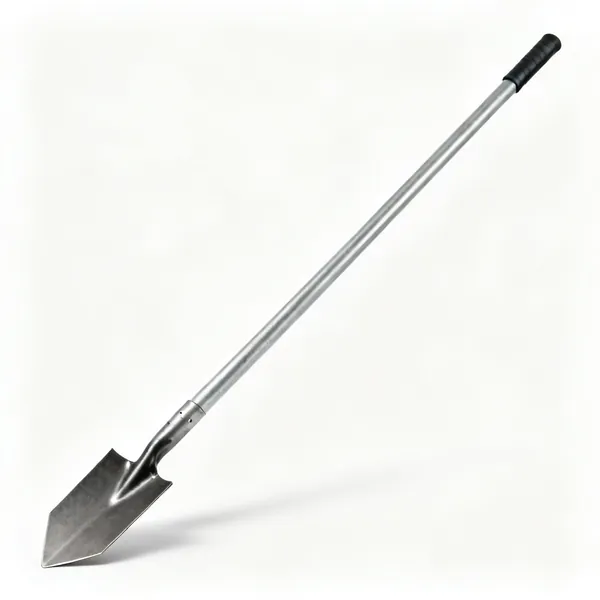
  • A long steel forestry planting bar with a flattened wedge tip

    Planting bar

    A steel bar levered to open a slit for a bare root whip, used in forestry for planting at speed. It plants a small tree in seconds where a spade would take minutes.

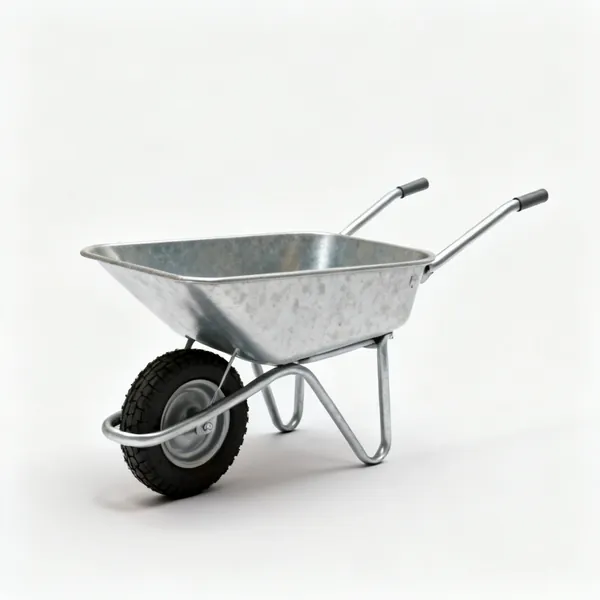
  • A metal wheelbarrow with a single pneumatic wheel, two tubular handles and two legsEssential

    Wheelbarrow

    Moves the spoil out and the mulch in. A tree hole produces more soil than expected, and it has to go somewhere while the tree is being positioned.

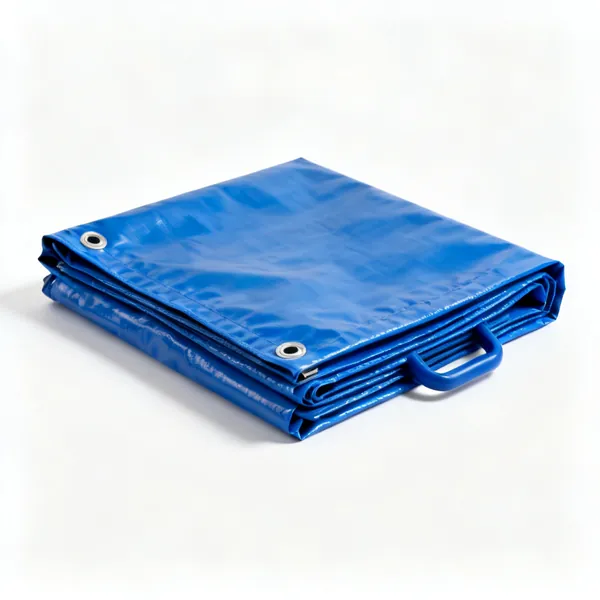
  • Spoil sheet: A folded blue polypropylene tarpaulin sheet with reinforced eyeletsEssential

    Spoil sheet

    A tarpaulin for the excavated soil so it goes back clean and the lawn survives. Spoil piled on grass takes the grass with it and mixes turf into the backfill.

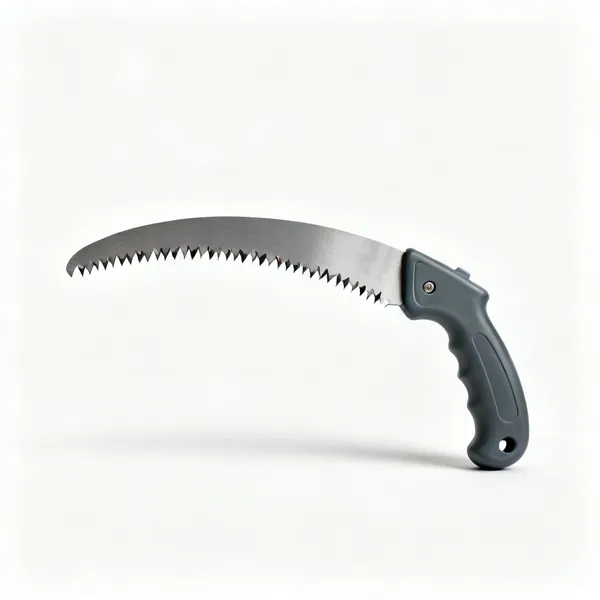
  • A curved root saw with coarse aggressive teeth and a moulded plastic handle

    Root saw

    A coarse curved saw for the existing roots you meet digging near established trees. It cuts where an axe has no swinging room, which in a 500mm hole is always.

Getting the tree in 7

Depth and root orientation, which are the two things that decide whether it is still alive in five years.

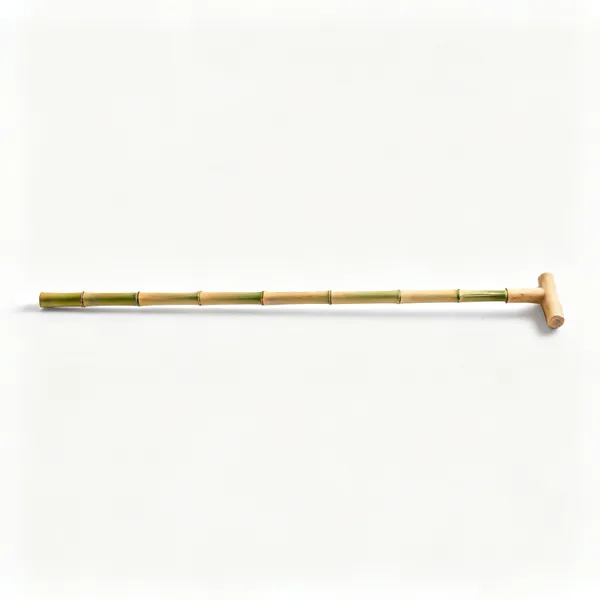
  • Depth cane: A long straight bamboo garden cane lying flatEssential

    Depth cane

    A straight cane laid across the hole to check the root flare sits at or slightly above finished level. Planting too deep is the commonest fatal error and this is what prevents it.

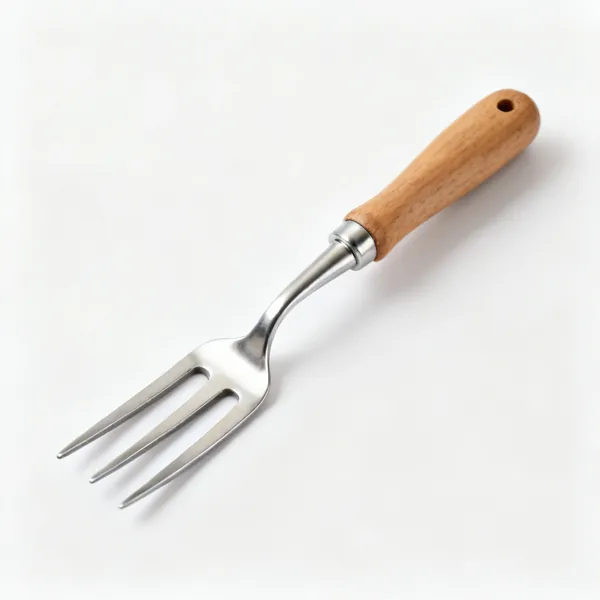
  • A stainless steel hand fork with three short tines and a wooden handleEssential

    Hand fork

    Teases circling roots out straight before backfilling. Left circling they eventually strangle the trunk, and this is the two minutes that avoids it.

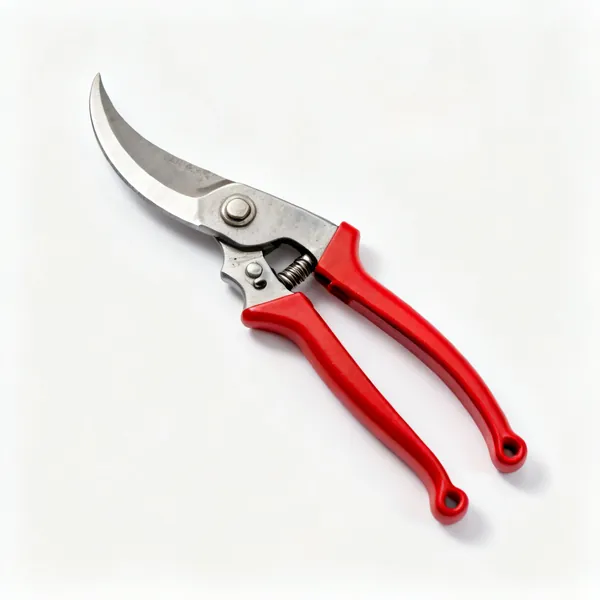
  • A pair of bypass secateurs with a curved steel blade, red handles and a locking catchEssential

    Secateurs

    Cut through badly spiralled or damaged roots and trim any broken ends. A clean cut root regrows; a torn one dies back and can rot into the root ball.

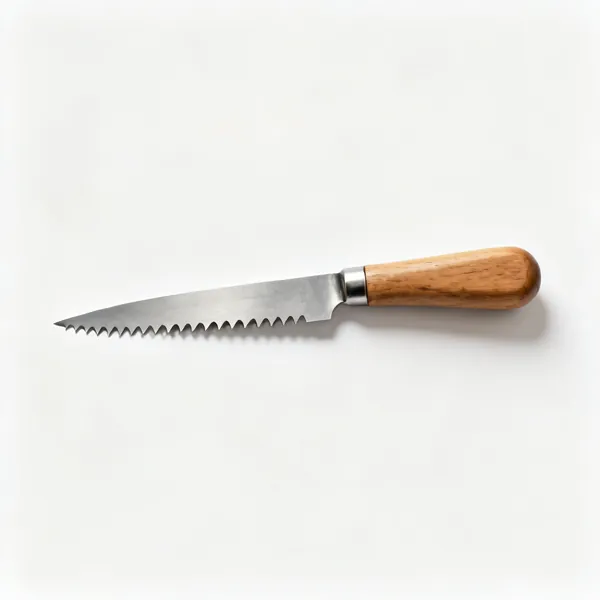
  • Root ball knife: A serrated root cutting knife with a stiff steel blade and a wooden handle

    Root ball knife

    A serrated blade for slicing down the sides of a pot bound root ball to break the circling pattern. It looks brutal and it is standard practice for a badly bound tree.

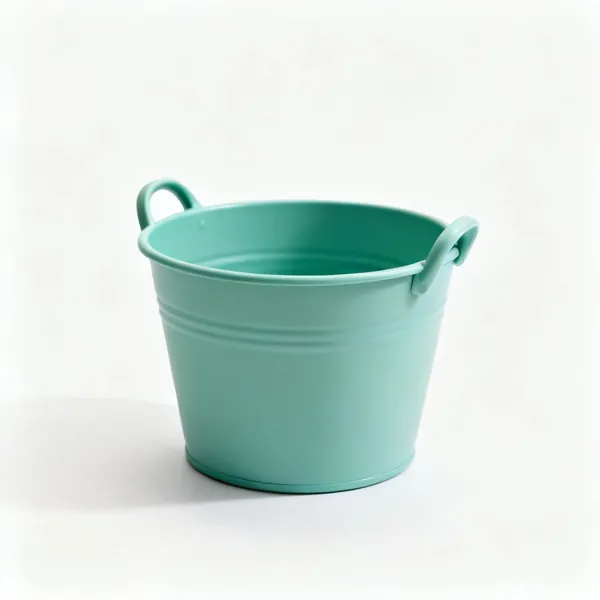
  • A single small round flexible plastic garden trug tub with two moulded side handles, empty

    Garden trug

    Holds water to soak a root ball before planting, and carries the offcuts away. A dry root ball put into wet soil often stays dry, because water travels around it.

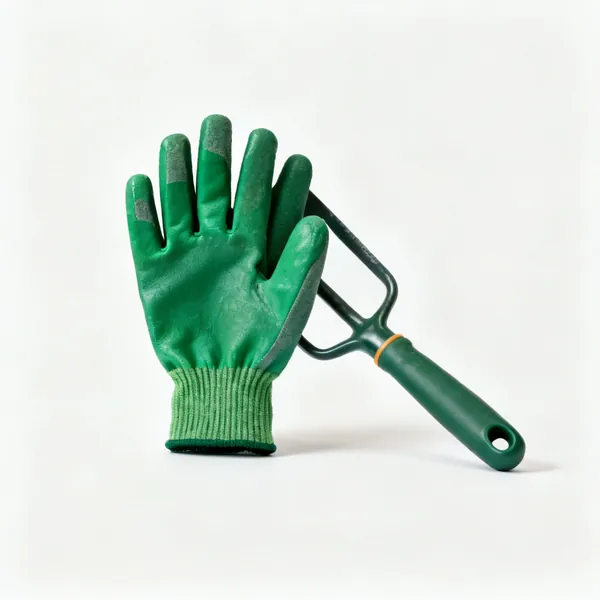
  • A pair of green gardening gloves with a coated palm and a knitted cuffEssential

    Gardening gloves

    Handling a root ball, a stake and a mesh guard in one job. Also warmth, since the right time to plant is between autumn and early spring.

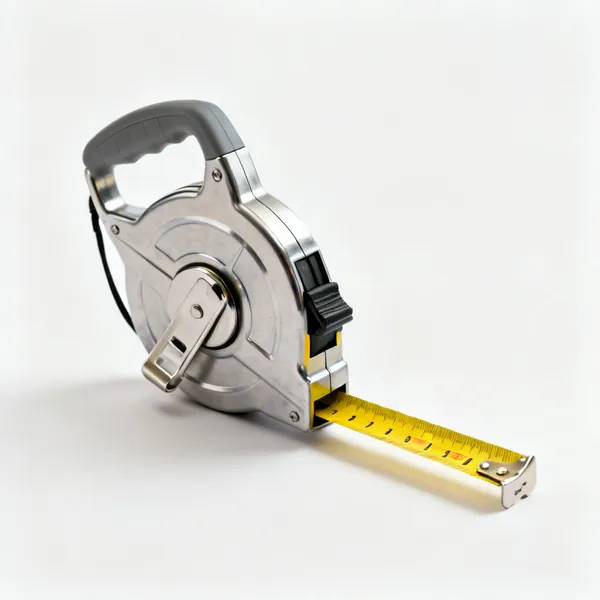
  • A retractable steel tape measure with a yellow blade and a belt clip

    Tape measure

    Checks the hole width against the root ball and sets the stake at a third of the tree's height. Both are figures worth measuring rather than judging by eye.

Staking and protecting 8

Low stake, one tie, removed after two seasons. A forgotten tie kills more young trees than almost anything else.

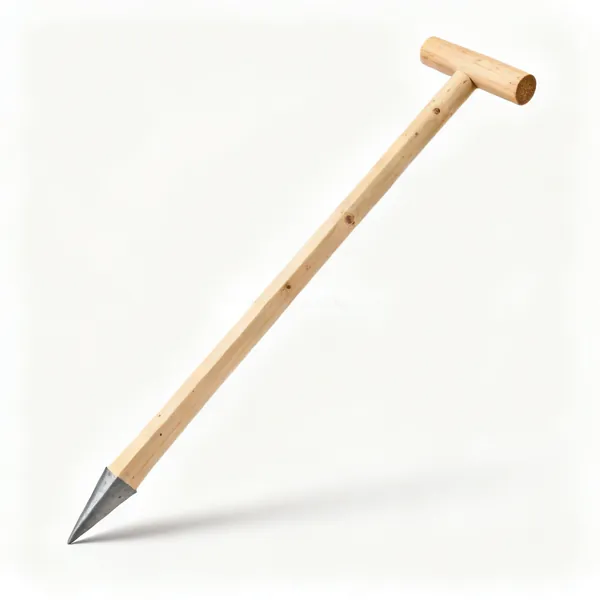
  • A pointed treated timber tree stakeEssential

    Tree stake

    A treated timber stake driven outside the root ball to about a third of the tree's height. Low is the point: it stops the roots rocking while letting the trunk flex and thicken.

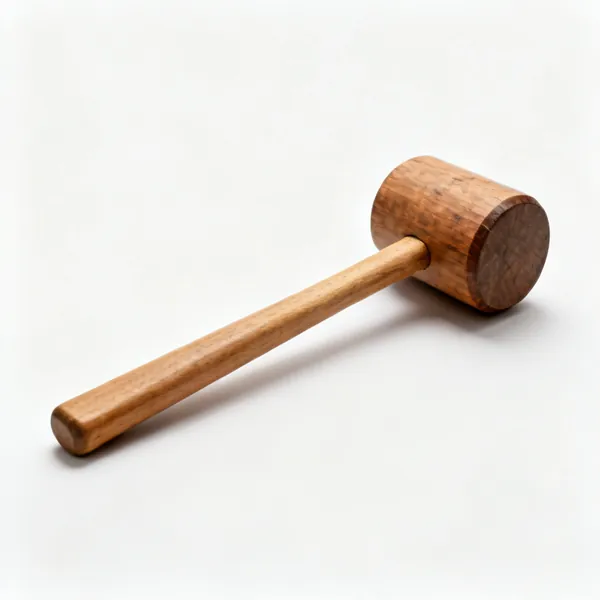
  • A heavy wooden post mallet with a large cylindrical head and a long handleEssential

    Post mallet

    A heavy wooden or nylon mallet that drives a stake without splitting its top. A steel hammer mushrooms the stake head and then the wood splits down its length.

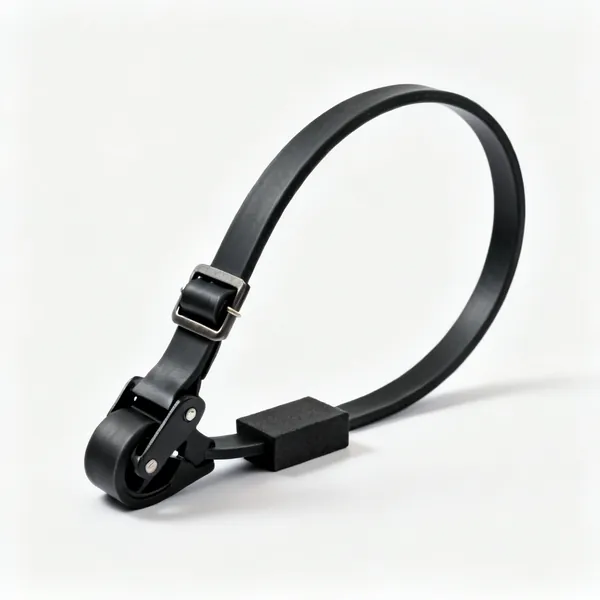
  • Tree tie with spacer: A black rubber tree tie strap with a buckle and a spacer blockEssential

    Tree tie with spacer

    A buckled strap with a rubber block that holds the trunk off the stake. One tie only, at the top of the stake, and checked every few months so it never girdles the trunk.

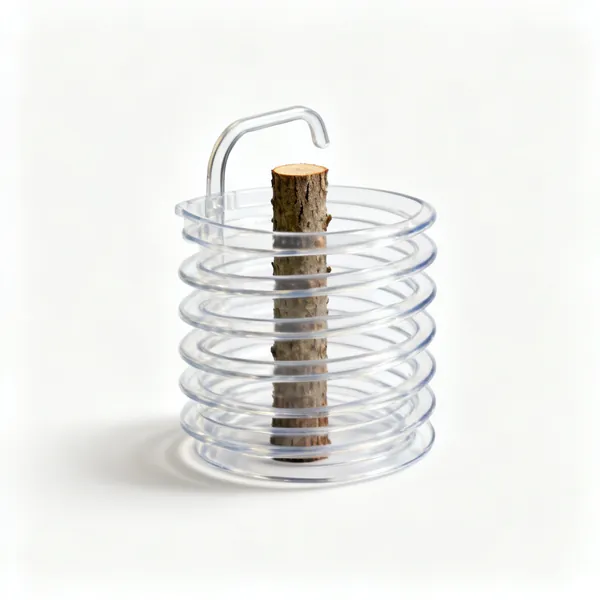
  • A clear plastic spiral tree guard coiled around a thin trunk sectionEssential

    Spiral tree guard

    A plastic spiral around the lower trunk against rabbits and voles. A young tree ringed by bark stripping in one winter is dead, and this costs almost nothing.

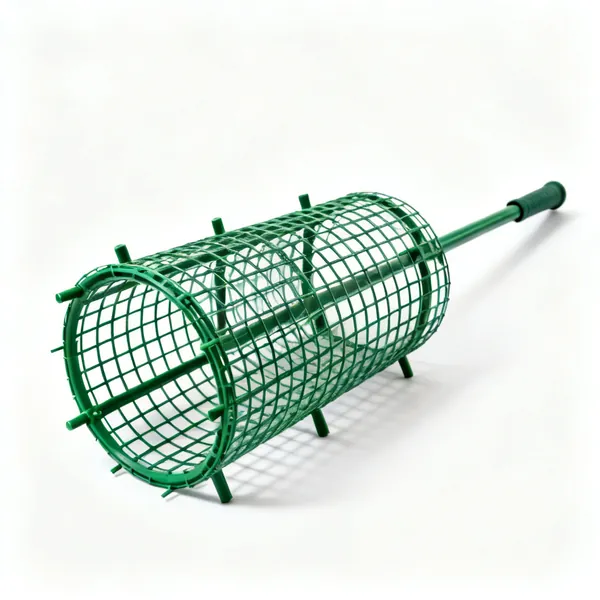
  • A cylindrical green plastic mesh tree guard with support canes

    Mesh tree guard

    A taller wire or plastic mesh sleeve for where deer are present. A short spiral guard is no use against deer, which browse well above rabbit height.

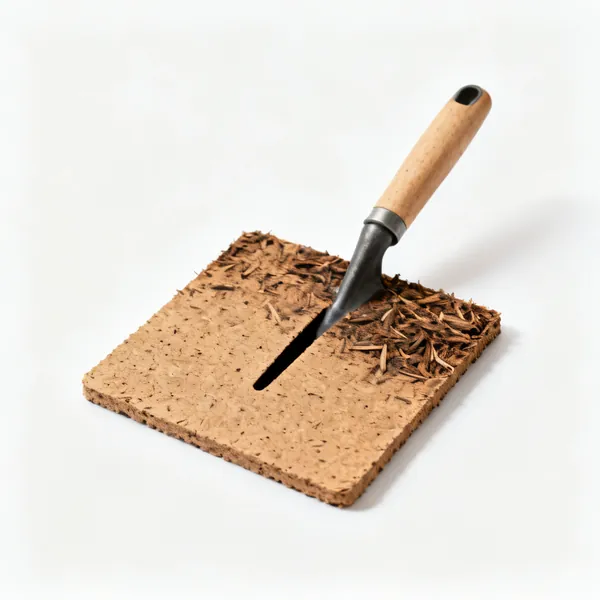
  • A square biodegradable tree mulch mat with a central slit

    Mulch mat

    A biodegradable mat around the base that suppresses grass competition. Grass right up to a young trunk competes hard for water in exactly the two years that matter.

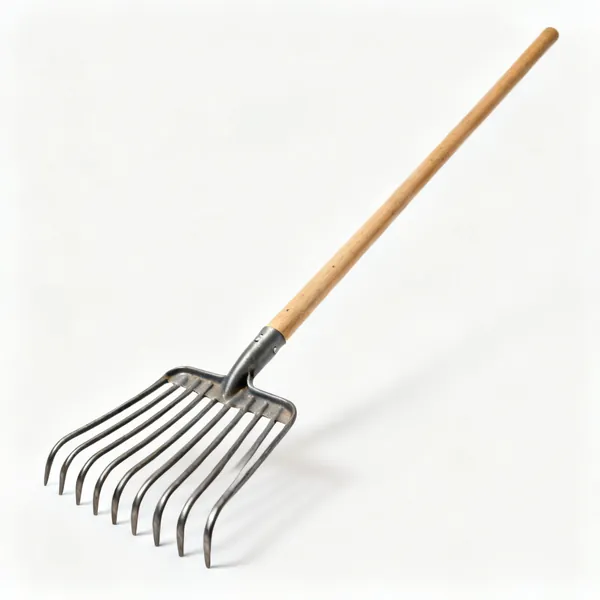
  • Mulch fork: A muck fork with many long slender curved steel tines and a long wooden shaftEssential

    Mulch fork

    Spreads a 75mm ring of bark or compost, kept clear of the trunk itself. Mulch piled against bark holds it wet and rots it, which is the mistake to avoid here.

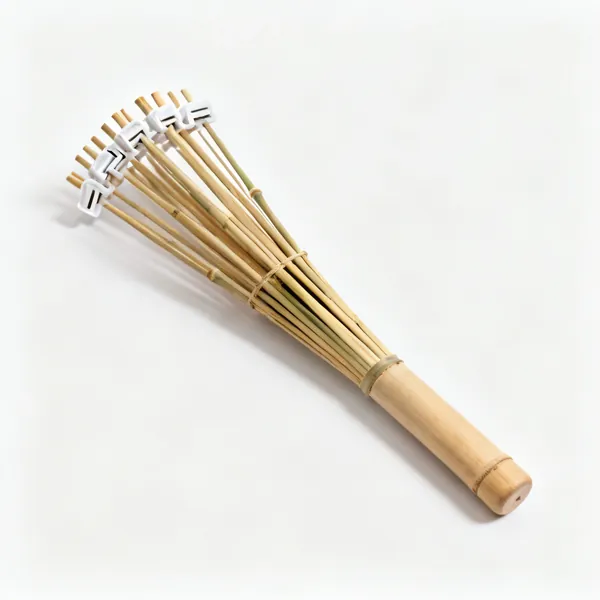
  • Guard canes and clips: A bundle of thin bamboo canes with small plastic clips

    Guard canes and clips

    Hold a mesh guard clear of the trunk and upright. A guard resting on the bark abrades it in wind, which is the fault it was fitted to prevent.

Watering for two years 8

The group that decides survival. The second summer is when a well planted tree most often dies.

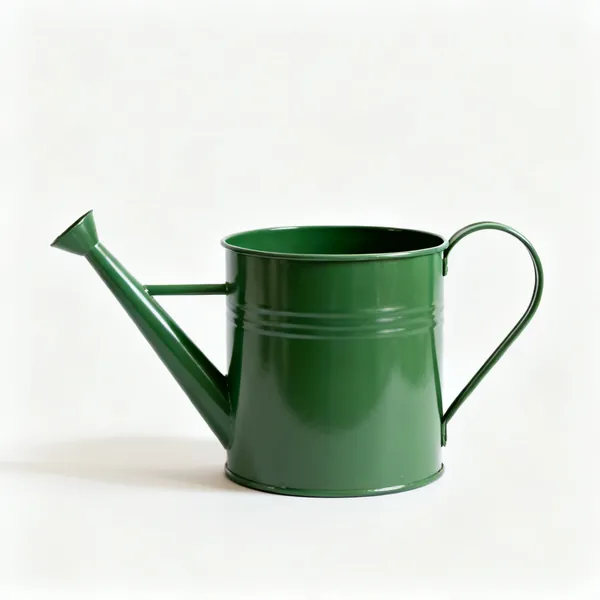
  • Large watering can: A large green metal watering can with a long spout and a curved handleEssential

    Large watering can

    A genuine soak of 20 to 50 litres weekly in dry weather, which is several cans. Light frequent watering keeps roots shallow and is worse than none at all.

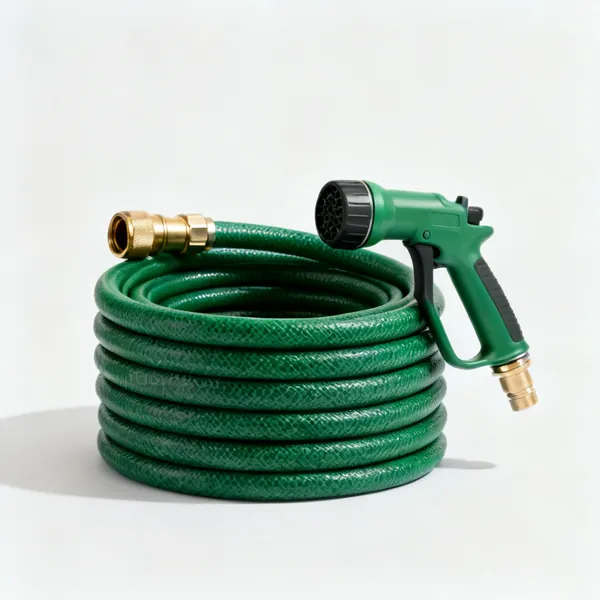
  • A coiled green garden hose with a brass connectorEssential

    Hose

    Reaches the tree without carrying cans across a garden. A trickle left at the base for twenty minutes soaks better than the same volume poured on quickly.

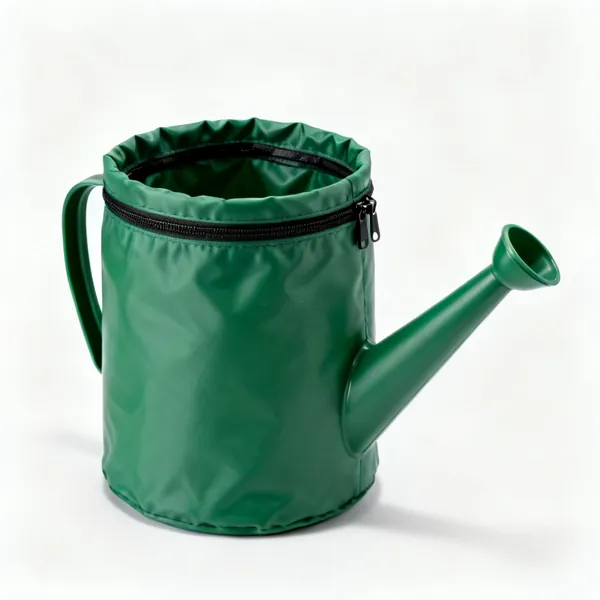
  • A green tree watering bag collar with a zip and fill opening

    Tree watering bag

    A collar filled and left to release slowly over hours. It gets the whole volume into the root ball rather than running off, which on sloping or dry ground it otherwise does.

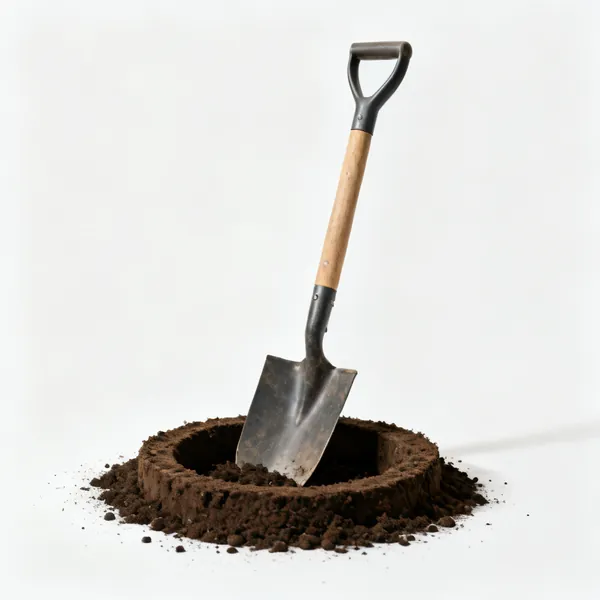
  • Watering basin ring: A garden spade standing upright in soil beside a shallow circular soil ring

    Watering basin ring

    A low soil ring around the root ball that holds water where it is wanted. Free to make with a spade, and it is the reason old planting instructions say to leave a saucer.

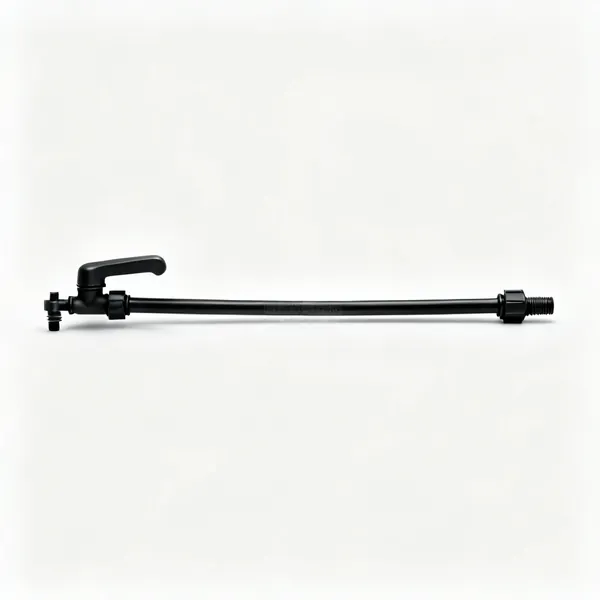
  • Drip irrigation line: A length of black drip irrigation pipe with small emitters and a connector

    Drip irrigation line

    Emitters laid around a young tree on a timer, for anyone who will forget. Automation matters here because the failure mode is missing three weeks in July.

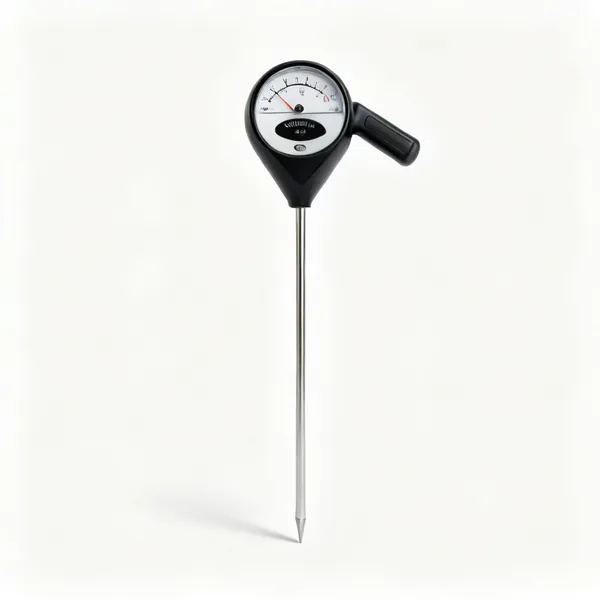
  • A handheld soil moisture meter with a dial display and a long metal probe

    Soil moisture meter

    A probe that reads moisture at root depth rather than at the surface. A surface that looks dry over damp soil is why people water trees that do not need it.

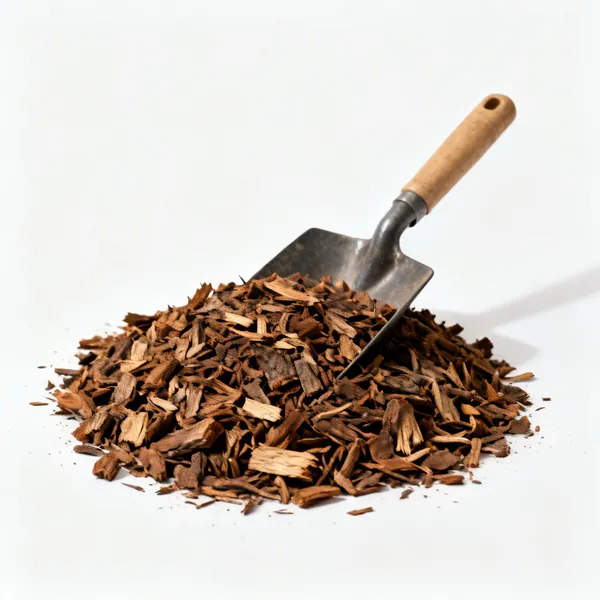
  • Bark mulch: A pile of coarse bark chip mulchEssential

    Bark mulch

    A 75mm ring holds moisture and suppresses the grass competing for it, kept clear of the trunk. It is the cheapest thing on this page and it halves the watering needed.

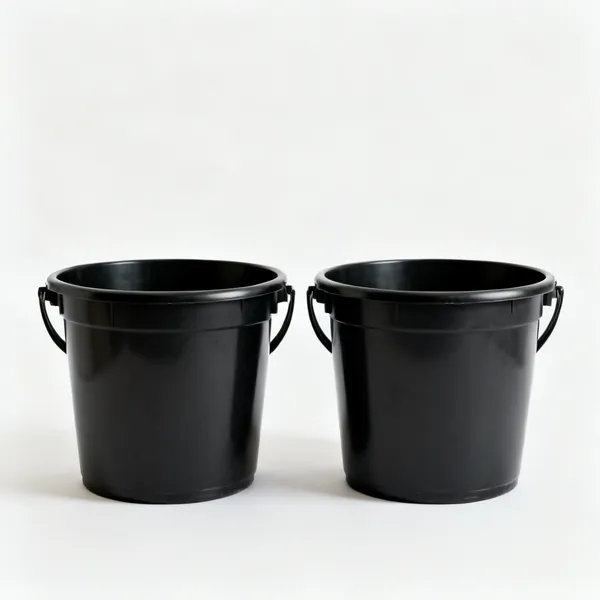
  • Two black plastic builders buckets side by side

    Buckets

    Measure the volume going on, since 20 to 50 litres is a figure rather than an impression. Two buckets is roughly the weekly soak for a young standard tree.

Planting a tree so it lives

Wide hole, not deep. Stake low, not high. Water through the second summer, not just the first.

Wide, not deep

The single most common fatal mistake is planting too deep. The root flare, where the trunk widens into the roots, must sit at or very slightly above the finished soil level. Buried, the bark stays permanently wet, it rots, and the tree declines over several years in a way nobody connects to the planting.

The hole wants to be two to three times the width of the root ball and no deeper than it is tall. Loose soil under a root ball compacts and the tree settles, which buries the flare after the fact. Firm ground underneath, loosened soil all around.

Root flare at or above soil level
Never buried. Buried bark stays wet and rots, and the tree declines over years.
Two to three times as wide
Roots spread sideways into loosened soil. Width is what a new tree uses, not depth.
Never deeper than the root ball
Loose soil beneath compacts and the tree sinks, which buries the flare afterwards.
Do not dig a pot shape
Break up the sides. A smooth walled hole in clay is a sump that roots will not leave.

What to do with the roots

A container grown tree usually has roots circling the pot, and those will keep circling once planted and eventually strangle the trunk. Tease them out straight, and cut through any that are badly spiralled. It feels destructive and it is the right thing to do.

A bare root tree should go in while dormant and must not dry out for even an hour before planting. Keep the roots covered and damp until the moment the tree goes in the hole, because bare roots die from wind and sun faster than from anything else.

Uncircle container roots
Tease them straight and cut the badly spiralled ones. Left circling they strangle the trunk.
Never let bare roots dry
Covered and damp until the moment it goes in. Wind and sun kill exposed roots within the hour.
Plant bare root while dormant
Late autumn to early spring. Bare root in leaf almost never establishes.
No fertiliser in the hole
It encourages roots to stay in the enriched pocket rather than spreading into the surrounding soil.

Stake low, and remove it

A stake exists to stop the root ball rocking while the roots take hold, not to hold the trunk upright. So it goes low, about a third of the tree's height, with a single tie at the top of the stake. Staked high, the trunk cannot flex, and a trunk that never flexes never thickens or strengthens.

The stake comes out after one or two growing seasons. Left on, the tie girdles the trunk as it thickens and the tree either snaps at that point or dies. Forgotten ties are one of the most common causes of loss in young street and garden trees.

A third of the height, no more
The stake holds the roots still. The trunk needs to flex in order to thicken and strengthen.
One tie, at the top of the stake
With a spacer so the trunk does not rub. Two ties immobilise the trunk entirely.
Stake outside the root ball
Driven in before the tree goes in, or angled. A stake through the root ball damages roots.
Remove after one or two seasons
A forgotten tie girdles the trunk as it thickens. This kills a great many young trees.

The second summer is the one that kills them

Almost everyone waters a new tree through its first summer and stops. The second summer is when it dies, because the roots have not yet reached beyond the planting hole and the tree is carrying much more leaf than it was.

A young tree needs a genuine soak, meaning 20 to 50 litres, weekly through dry weather for two growing seasons. Light frequent watering is worse than none, because it keeps the roots shallow and in the top 50mm where the soil dries out first.

Two summers, not one
The second is when a well planted tree most often dies, and it is the one people skip.
20 to 50 litres, weekly
A real soak. Light frequent watering keeps roots shallow, which is worse than not watering.
Water the root ball
Not a wide circle. For the first two years the roots are still where the pot was.
Mulch, but not against the trunk
75mm of mulch in a ring, kept clear of the bark. Mulch piled on the trunk rots it.

Protection and the mower

Rabbits, deer and voles will strip the bark off a young tree in a winter, and a ring of bark removed all the way round kills it outright. A spiral guard or a mesh sleeve costs very little and prevents the commonest form of total loss.

The other threat is a strimmer. Nylon line strips bark faster than any animal, and the damage goes unnoticed because it is at ground level. A mulched circle around the tree means nothing needs to be cut close to it at all.

Guard against bark stripping
Rabbits and voles ring a young trunk in one winter, and a ringed tree is dead.
Keep strimmers away entirely
Nylon line strips bark at ground level where nobody looks. A mulch circle removes the need.
Check guards do not constrict
A spiral guard left on too long does the same thing a forgotten tie does.
Deer need height
A short guard is useless against deer. Match the guard to what is actually in your area.

Frequently asked questions

What tools do I need to plant a tree?
A spade, a garden fork, a wheelbarrow, a stake and mallet, a tree tie, a watering can or hose, and mulch. Add a planting bar or mattock for hard or stony ground and a guard if rabbits or deer are present. Most of the tool list is short and the technique is what matters.
How deep should I plant a tree?
No deeper than the root ball is tall, with the root flare where the trunk widens into the roots sitting at or very slightly above finished soil level. Planting too deep keeps the bark permanently wet so it rots, and the tree declines over several years.
How wide should the planting hole be?
Two to three times the width of the root ball, with the sides broken up rather than left smooth. New roots spread sideways into loosened soil, so width is what a young tree uses. A smooth walled hole in clay acts as a sump that roots will not leave.
How should I stake a new tree?
Low, at about a third of the tree's height, with a single tie at the top of the stake and a spacer to stop rubbing. The stake stops the root ball rocking, not the trunk swaying, and a trunk that cannot flex never thickens properly.
When should I remove a tree stake?
After one or two growing seasons. Leaving it on is actively harmful: the tie girdles the trunk as it thickens and the tree snaps at that point or dies. Forgotten ties are one of the most common causes of loss in young trees.
How much should I water a newly planted tree?
A genuine soak of 20 to 50 litres, weekly through dry weather, for two full growing seasons. Light frequent watering is worse than none because it keeps the roots shallow. The second summer matters most and is the one people stop watering in.
Should I add fertiliser or compost to the planting hole?
Generally no. An enriched pocket encourages roots to stay in it rather than spreading into the surrounding soil, which leaves the tree poorly anchored and dependent. Improve a wide area if the soil is very poor, rather than filling the hole with something better.
When is the best time to plant a tree?
Autumn to early spring while the tree is dormant, so it establishes roots before it has to support leaf. Bare root trees must be planted in that window. Container grown trees can go in at other times but will need much more watering if planted in summer.