Disclosure

Tools for bonsai

Concave cutters, shears, root rakes and wiring tools, all 28 grouped by what they are for, each saying whether a first tree actually needs it. Three tools do the great majority of the work, and a ten piece set is mostly technique you have not reached yet.

10 are marked essential, which is genuinely all a first tree needs.

Part of the full garden tools list, 122 tools in 10 groups.

The three that matter 6

These do the great majority of the work on a bonsai for years. Buy these three properly instead of a set.

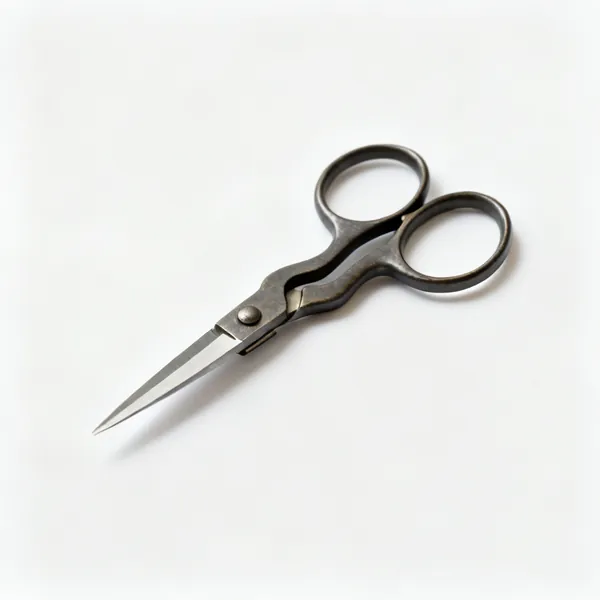
  • A pair of japanese bonsai shears with two large round looped handles and small steel bladesEssential

    Bonsai shears

    Large looped handles and small precise blades, so the whole hand drives a very small cut. The loops let you brace the tool against a branch you are cutting millimetres away from.

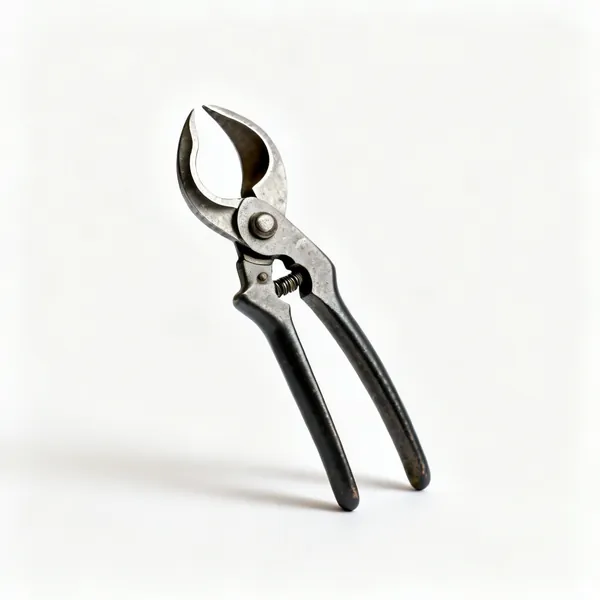
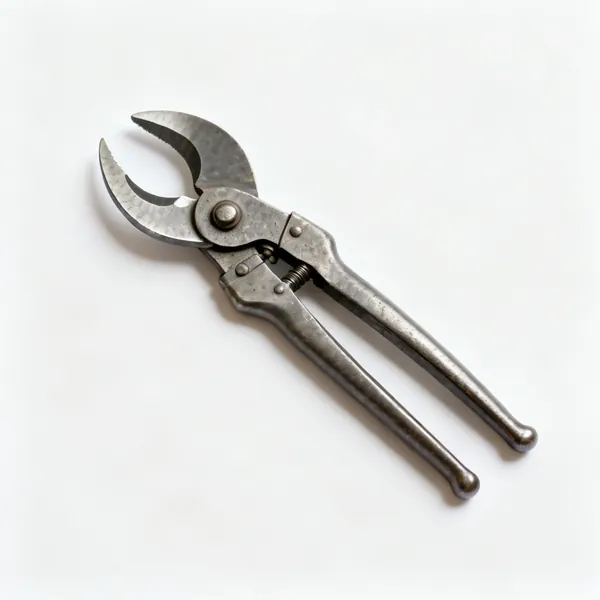
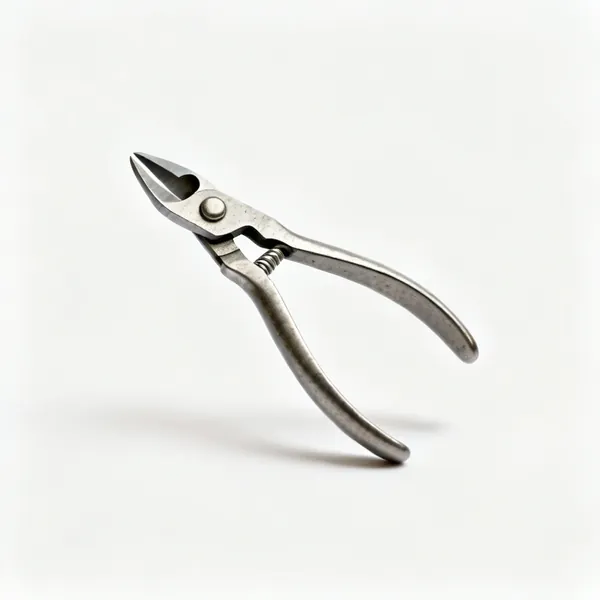
  • Concave branch cutter: A pair of japanese concave bonsai branch cutters with curved hollow jawsEssential

    Concave branch cutter

    Curved jaws that take a shallow hollow below the surface when removing a branch, so the wound closes flush rather than over a stub. At bonsai scale a stub is permanently visible.

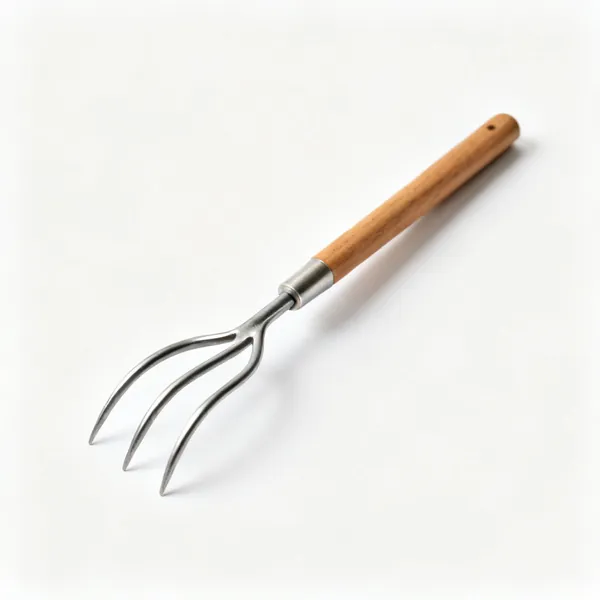
  • A japanese bonsai root rake with three curved steel tines and a wooden handleEssential

    Root rake

    Three curved tines for combing a root ball apart at repotting. Combing rather than pulling is what preserves the fine feeder roots the tree actually lives on.

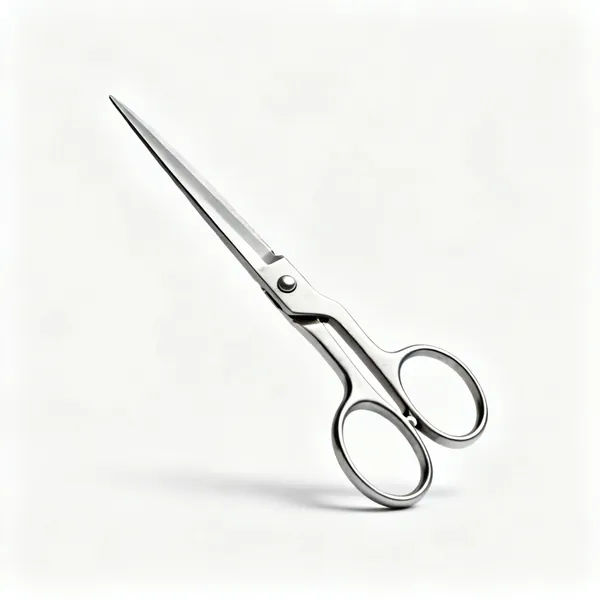
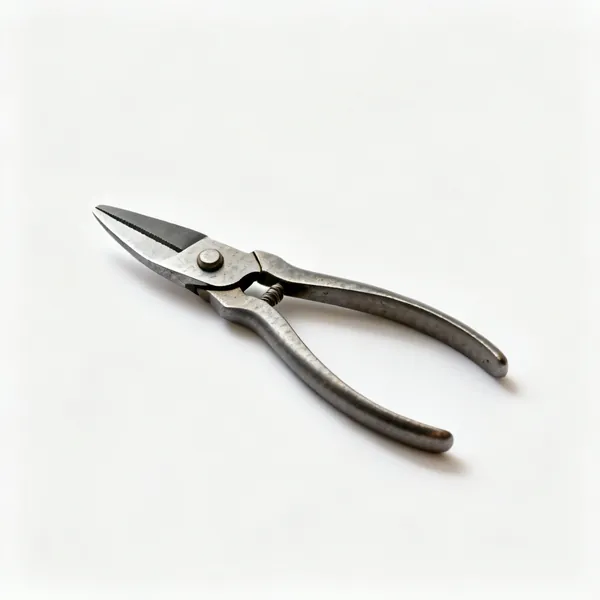
  • Fine trimming shears: A pair of long nosed bonsai trimming shears with narrow steel blades and looped handles

    Fine trimming shears

    Narrower blades and a longer nose for reaching into dense foliage without cutting what surrounds it. Where the standard shears are too broad to get to the shoot you want.

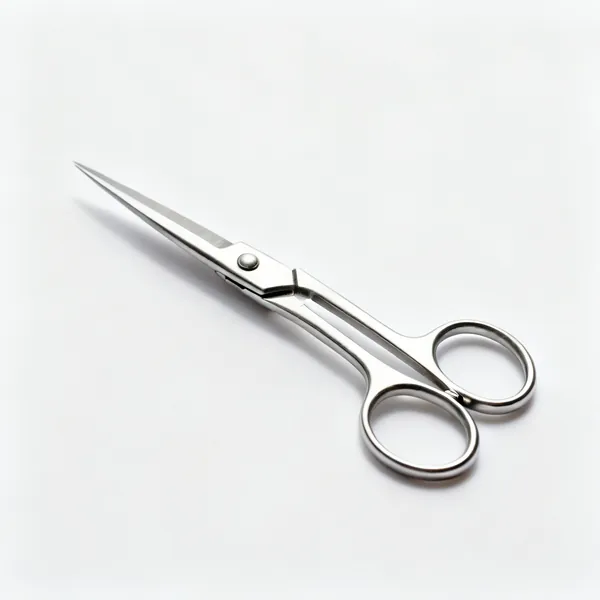
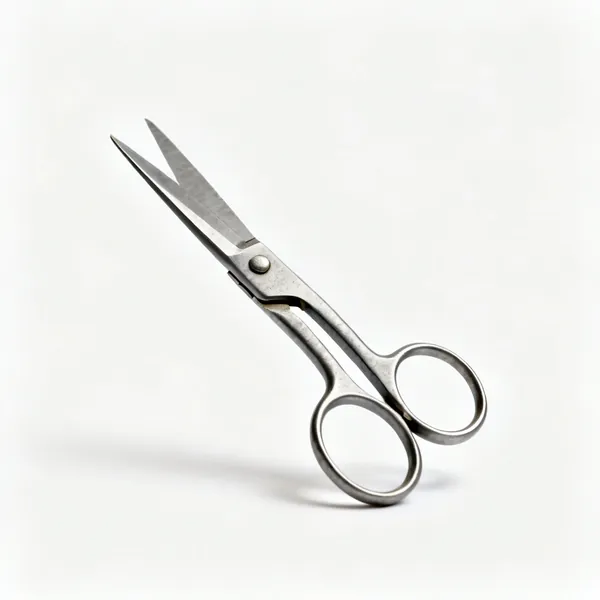
  • Stainless shears: A pair of stainless steel bonsai shears with looped handles and small blades

    Stainless shears

    The same tool in stainless, which needs no drying and takes a slightly less keen edge. A reasonable choice for anyone who will not oil a carbon steel blade after use.

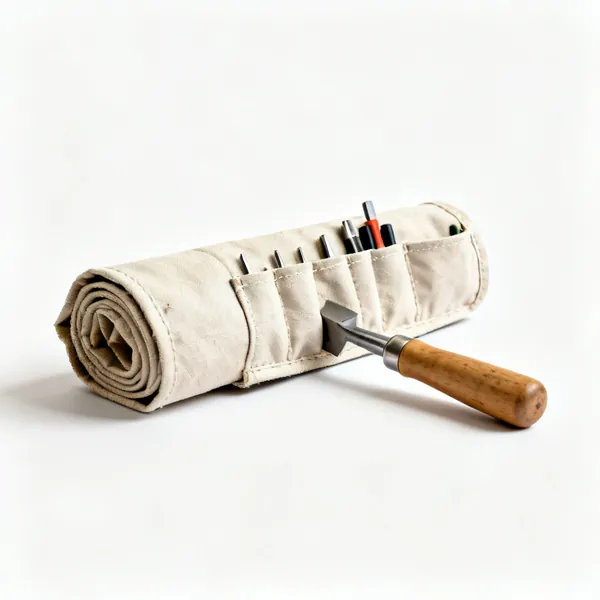
  • A canvas tool roll partly unrolled with pockets for small tools

    Tool roll

    A fabric roll that keeps blades apart and dry. Bonsai tools are fine edged and small, and a drawer full of them loose is how the edges get nicked.

Branch and trunk work 7

For removals and for the deadwood features. Every cut here is visible for the life of the tree.

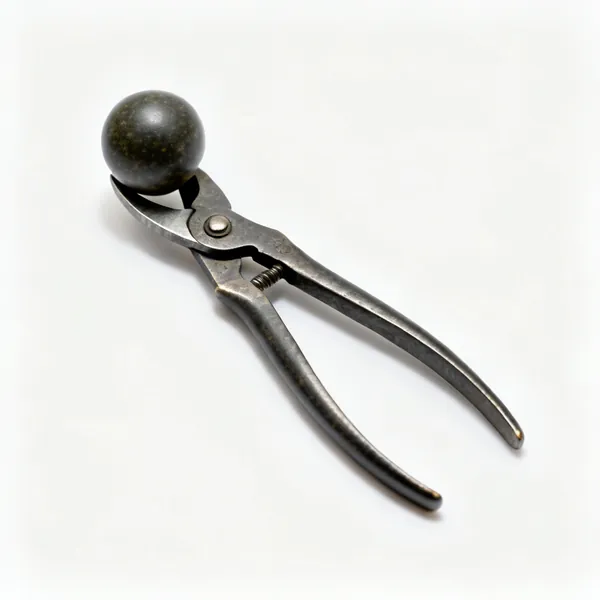
  • A pair of japanese bonsai knob cutters with rounded spherical jaws

    Knob cutter

    Rounder jaws taking a deeper hemispherical bite than a concave cutter, for removing a stub or a swelling. It is the tool for correcting a cut somebody else made badly.

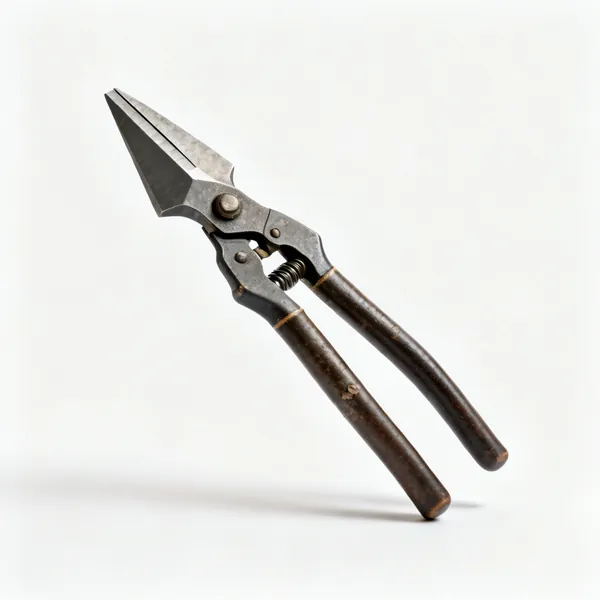
  • A pair of japanese bonsai branch splitters with thick blunt wedge shaped jaws

    Branch splitter

    Thick blunt jaws that split a branch or trunk lengthways rather than cutting across it. Used to hollow a trunk or reduce a thick stub without leaving a flat cut face.

  • A pair of japanese bonsai jin pliers with heavy flat gripping jaws

    Jin pliers

    Heavy jaws for stripping bark and tearing fibres to create deadwood features. It is a shaping tool for a specific aesthetic rather than anything a tree needs.

  • A pair of large japanese bonsai trunk cutters with heavy concave jaws

    Trunk cutter

    A large concave cutter for removing a whole trunk section on a bigger tree. It is the same principle at a scale where the standard cutter simply will not close.

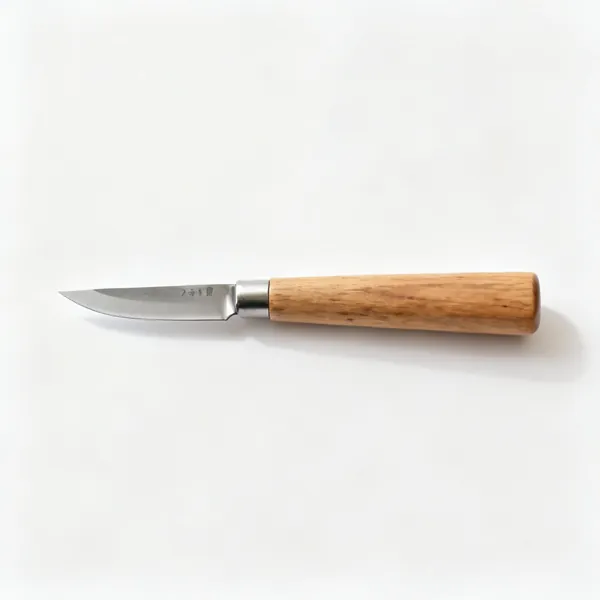
  • A japanese grafting knife with a small single bevel steel blade and a wooden handle

    Grafting knife

    A single bevel blade ground flat on one face, so two cut surfaces match exactly. The flat back is the reference that makes a graft join with no gap for a callus to bridge.

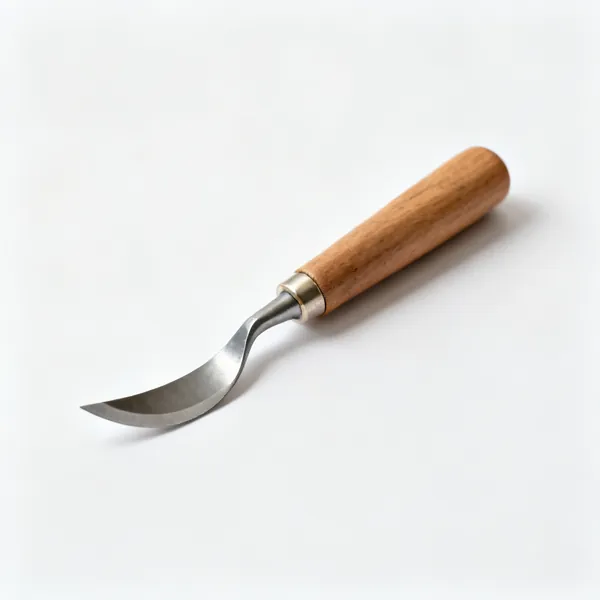
  • A small bonsai carving gouge with a curved hollow steel blade and a wooden handle

    Carving gouge

    A small curved chisel for hollowing deadwood and refining a cut. Advanced work, and it is how a large removal is made to look like it happened decades ago.

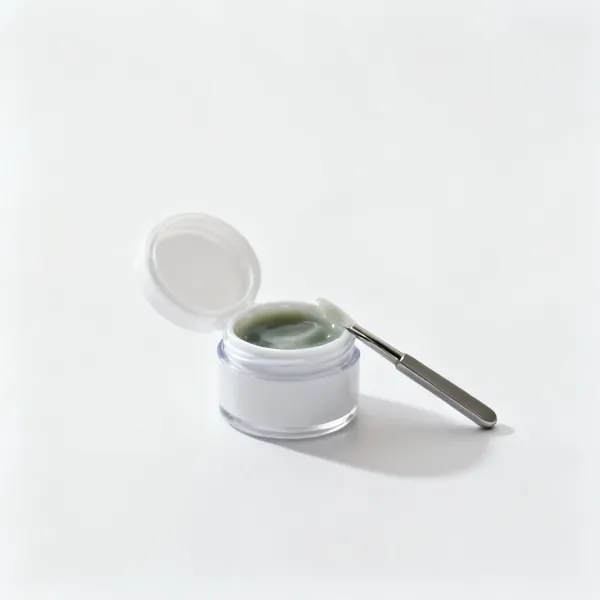
  • A small tub of bonsai cut paste wound sealant with the lid off

    Cut paste

    A putty pressed over a large cut to keep it from drying out while it calluses. Used on bonsai where it is not used on garden trees, because the wound is a large share of the trunk.

Wiring and shaping 7

Holding a branch where you want it while it sets. Taking the wire off in time matters more than putting it on well.

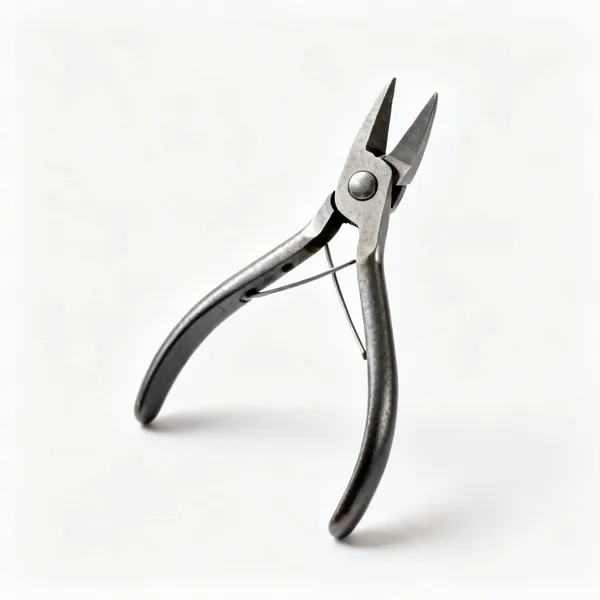
  • A pair of japanese bonsai wire cutters with short rounded jawsEssential

    Bonsai wire cutters

    Rounded jaws that snip wire close to the bark without gouging it. Wire is always cut off rather than unwound, because unwinding snaps the branch you spent a season positioning.

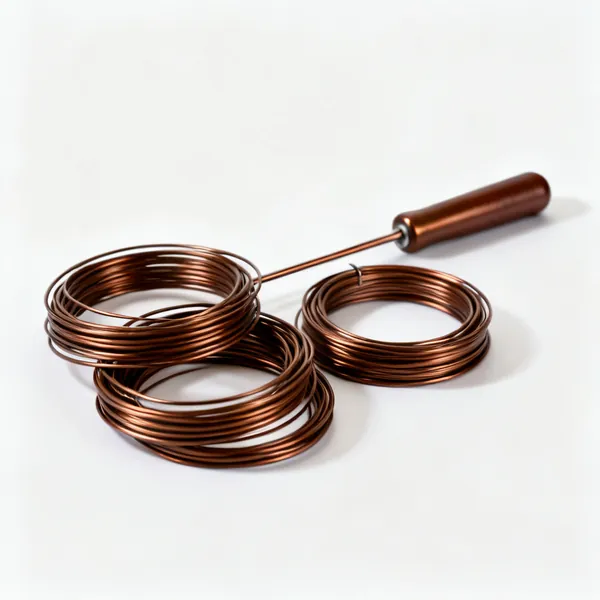
  • Aluminium wire: Several coils of brown anodised aluminium bonsai wire in different thicknessesEssential

    Aluminium wire

    Soft anodised wire in several gauges, easy to apply and to remove. Far more forgiving than copper for a first tree, and it holds a light branch perfectly well.

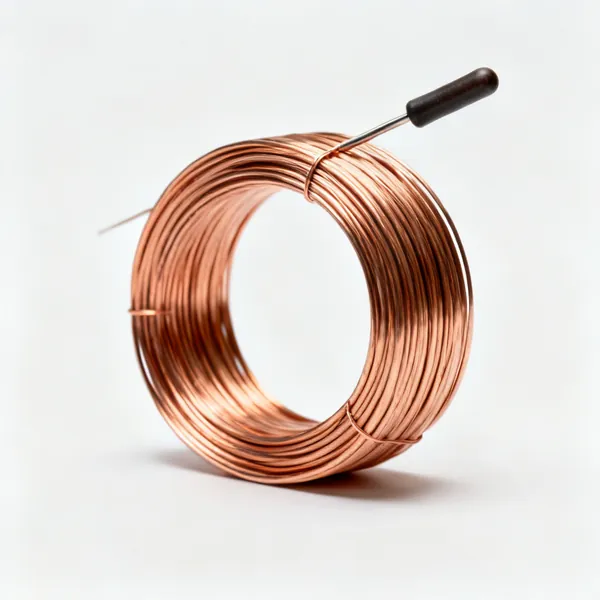
  • Copper wire: A coil of annealed copper bonsai wire

    Copper wire

    Work hardens as it is applied so it holds a heavier branch with a thinner gauge. Harder to apply and to remove, and it is what is used once technique is reliable.

  • Jin and wire pliers: A pair of bonsai wiring pliers with flat round nosed jaws

    Jin and wire pliers

    Flat jaws for gripping and twisting wire and guy lines. Round nosed rather than serrated, since a serrated jaw marks soft wire and then it kinks where it was held.

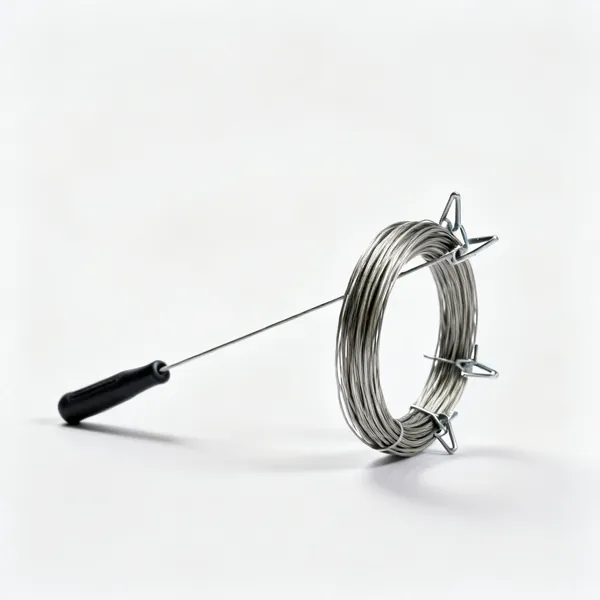
  • Guy wire and clips: A coil of thin bonsai guy wire with small metal anchor clips

    Guy wire and clips

    Anchors a heavy branch down to the pot rather than wrapping it. It leaves no marks at all on the bark, which on a mature branch is the reason to use it.

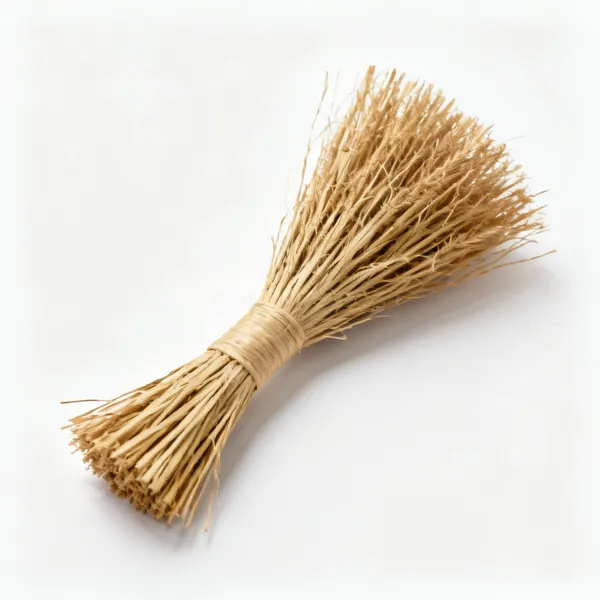
  • A bundle of natural raffia fibre strands

    Raffia

    Wrapped around a branch before it is bent hard, to hold the fibres together and stop it splitting. Soaked first, and it is what allows a bend that would otherwise break the branch.

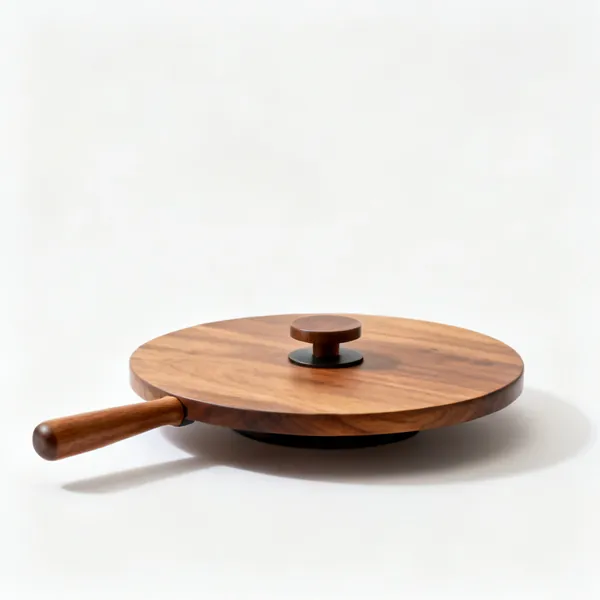
  • Bonsai turntable: A round wooden bonsai display turntable with a rotating top

    Bonsai turntable

    A rotating stand so the tree can be turned rather than walked around. It matters because a bonsai is judged from all sides and shaped by comparing them constantly.

Repotting and care 8

Where a tree is most easily lost. Free draining soil, combed roots, and the right time of year.

  • Single root hook: A japanese single curved steel root hook tool with a wooden handleEssential

    Single root hook

    One curved hook for teasing individual roots out of a dense ball. Finer than a rake, so it works a congested root mass apart without tearing through it.

  • A pair of japanese bonsai root scissors with short heavy steel blades and looped handlesEssential

    Root scissors

    Short heavy blades for cutting roots, kept separate from foliage shears because grit in a root ball blunts an edge quickly. Using your good shears on roots ruins them.

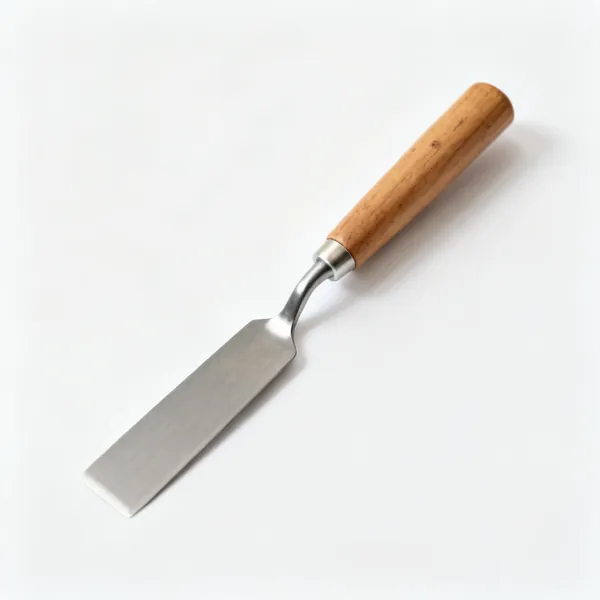
  • A japanese bonsai root spatula with a flat steel blade and a wooden handle

    Root spatula

    A flat blade for working soil into a root ball and firming it around the roots. Air pockets left around roots after repotting are what kills a tree a fortnight later.

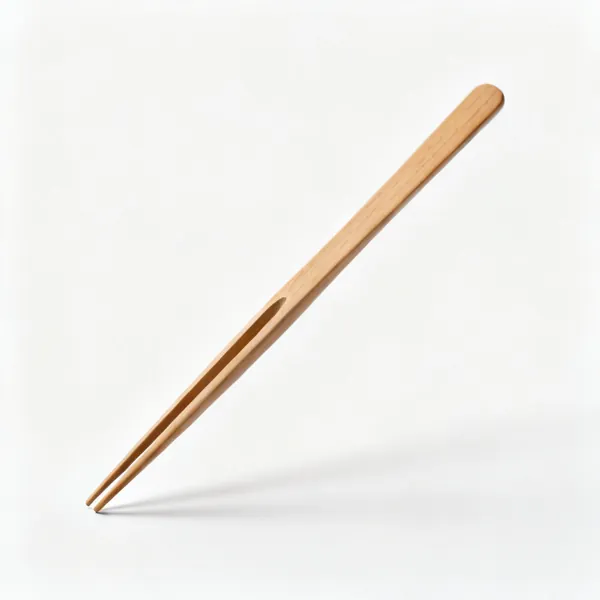
  • Soil chopstick: A plain wooden bonsai soil working chopstickEssential

    Soil chopstick

    A plain wooden stick for working soil between roots and for checking moisture below the surface. It costs nothing and it is used on every repot and most waterings.

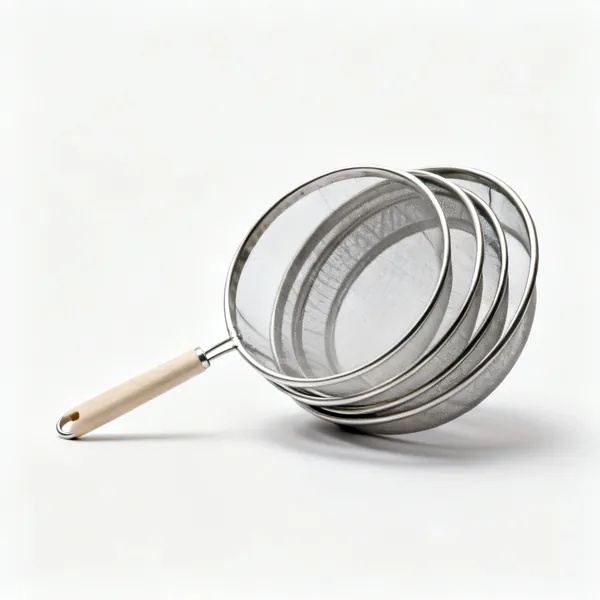
  • Soil sieve set: A set of round bonsai soil sieves with different mesh sizes stacked together

    Soil sieve set

    Graded meshes for sorting bonsai soil into particle sizes and removing dust. Fines are what block drainage in a shallow pot, and free drainage is the whole point of the mix.

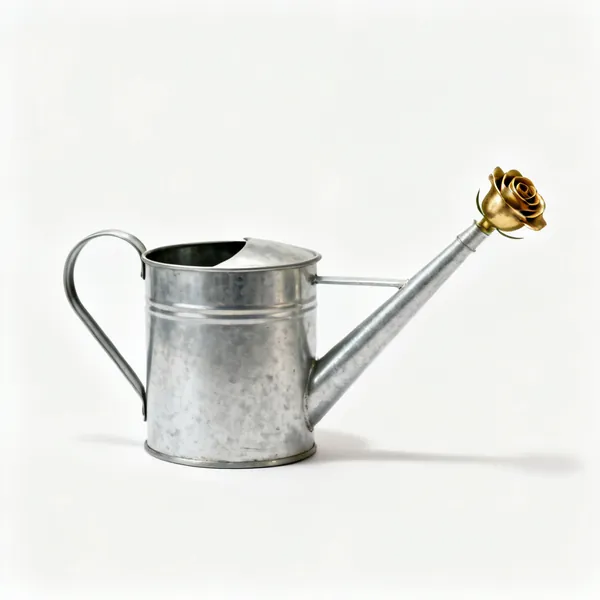
  • Fine rose watering can: A metal watering can with a very long spout and a fine brass rose headEssential

    Fine rose watering can

    A very fine rose that wets the surface without washing the soil out of a shallow pot. A normal watering can displaces bonsai soil and exposes the roots.

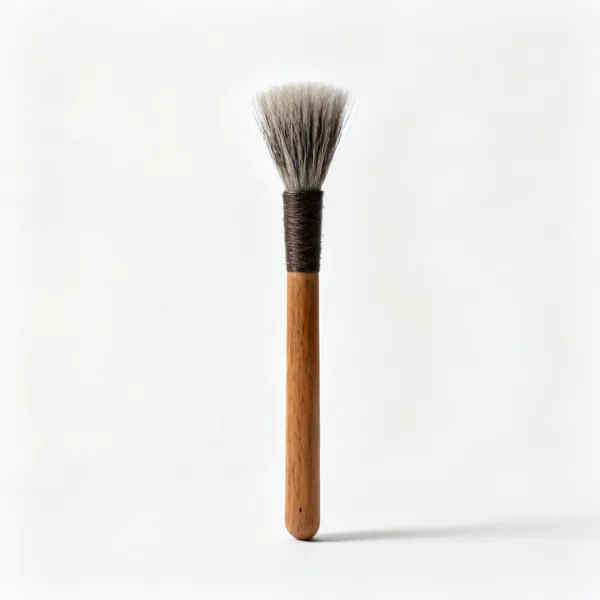
  • Soil brush: A small soft bristled bonsai cleaning brush with a wooden handle

    Soil brush

    A soft brush for dressing the soil surface and cleaning the trunk. Presentation is part of bonsai, and a swept surface is what makes a finished tree look finished.

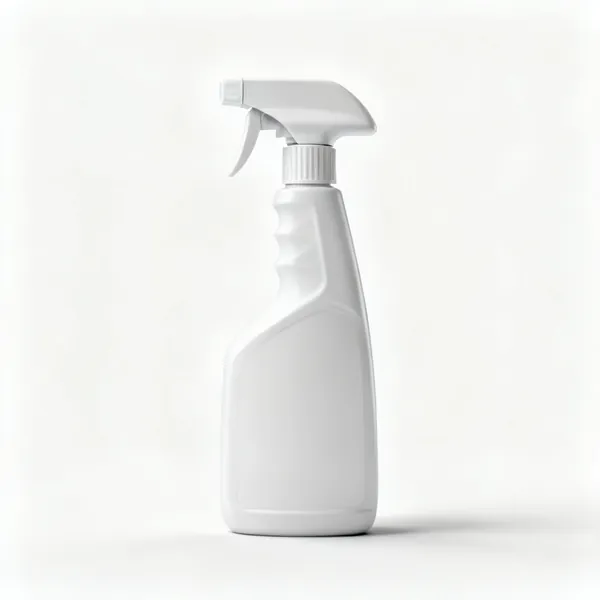
  • Blade disinfectant: A spray bottle of tool disinfectant with a trigger nozzleEssential

    Blade disinfectant

    Wiped on between trees, because pruning tools move disease from one to the next. On a collection of trees kept close together that transfer happens easily.

Working on a bonsai

A cut on a bonsai is visible for decades, so the tool and where you put it matter more than they do anywhere else in a garden.

Three tools do almost everything

A pair of bonsai shears for foliage and thin shoots. A concave branch cutter for removing anything woody, because it leaves a hollow that heals almost flush instead of a stub. A root rake for combing out a root ball at repotting time.

With those three you can maintain and repot a tree for years. Jin pliers, knob cutters, trunk splitters and wire cutters are all real tools for real techniques, and they are techniques a first tree does not need.

Shears
Foliage, thin shoots, deadheading. The tool that gets used every time you look at the tree.
Concave cutter
Anything woody. It hollows the cut so the wound heals flush rather than leaving a visible stub.
Root rake
Combing a root ball apart at repotting. Pulling instead tears the fine roots the tree lives on.
The rest can wait
Not because they are gimmicks. Because they belong to techniques a first tree is years from.

Why a concave cutter rather than secateurs

Ordinary secateurs cut flush or leave a short stub, and on a small tree either is permanently visible. A concave cutter has curved jaws that remove a shallow hollow below the surface, so as the wound closes it fills level with the trunk rather than leaving a bump.

On a full sized tree this would not matter. On a 300mm trunk that will be looked at closely for thirty years it is the difference between a tree with a history and a tree with scars.

It cuts below the surface
A shallow hollow, so the wound closes flush instead of over a stub.
Scale is why it matters
A 5mm bump on a 300mm trunk is prominent. On a real tree nobody would notice it.
Knob cutter for bigger removals
Rounder jaws that take a deeper hollow, for a branch stub already left too long.
Sharp, always
A crushed cut on a bonsai dies back further than a clean one, and that dieback is permanent.

Repotting is root work

A bonsai stays small because its roots are periodically combed out and trimmed, not because it is starved. At repotting the root ball is teased apart with a rake or a hook, the circling roots are cut back, and it goes into fresh free draining soil.

The rule is to comb rather than pull. Fine feeder roots do the actual work of keeping the tree alive, and pulling a root ball apart strips them off while leaving the thick anchoring roots that do very little.

Comb, do not pull
A rake or a single hook teases roots apart. Pulling strips the fine roots the tree feeds through.
Trim the circling roots
Roots spiralling the pot will strangle the trunk eventually. They come off at repotting.
Free draining soil
Bonsai soil is mostly grit and akadama rather than compost. Ordinary compost holds water and rots roots.
Timing matters
Early spring before growth starts for most species. Repotting in full leaf is a real setback.

Wiring, and taking it off in time

Wire is wrapped around a branch to hold it in a new position while it sets. The two errors are wrapping too tightly, which marks the bark immediately, and leaving it on too long, which is worse: the branch thickens and the wire cuts a permanent spiral scar into it.

Check wired branches every few weeks in the growing season. On a vigorous tree wire can start biting in six weeks. The cut is not reversible, and it is the most common way a beginner damages a tree.

Firm, not tight
Enough to hold the position. Tight enough to mark the bark is already too tight.
Check every few weeks
On a vigorous tree wire bites within six weeks, and that scar is permanent.
Cut it off, do not unwind it
Unwinding snaps the branch you spent a season positioning. Wire cutters, every time.
Aluminium for a first tree
Softer, easier to apply and remove, and far more forgiving than copper.

Buying tools rather than a set

A ten piece boxed set costs about the same as three good individual tools, and the three will be better and will be the three you use. Sets are priced on piece count, which is the same trap as every other tool category on this site.

For steel, black carbon steel takes and holds a finer edge and needs drying and oiling. Stainless is easier to look after and slightly duller. Either is fine; a pressed and riveted tool with a stamped blade is not.

Three tools, bought properly
Shears, concave cutter, root rake. It costs what a ten piece set does and works far better.
Carbon or stainless both work
Carbon takes a finer edge and must be dried. Stainless is easier and slightly less keen.
Avoid pressed and riveted
A stamped blade riveted into a handle will not hold an edge or stay in line.
Clean between trees
Pruning tools carry disease. A wipe of disinfectant between trees costs nothing.

Frequently asked questions

What tools do I need for bonsai?
Three to start: a pair of bonsai shears for foliage, a concave branch cutter for anything woody, and a root rake for repotting. Add wire cutters once you begin wiring. A ten piece set costs about the same and most of it is for techniques a first tree will not need.
What is a concave cutter for?
Removing a branch with curved jaws that take a shallow hollow below the surface, so the wound closes flush with the trunk rather than over a stub. On a 300mm tree a small bump is prominent and permanent, which is why ordinary secateurs are not used for this.
Are bonsai tool sets worth buying?
Usually not. They are priced on piece count, so most of the contents are for advanced techniques, and the quality of the three tools you will actually use is lower than buying those three individually for about the same money.
What is the difference between a concave cutter and a knob cutter?
A concave cutter has jaws curved in one plane, taking a shallow hollow when removing a branch. A knob cutter has rounder, more spherical jaws that take a deeper hemispherical bite, which suits removing a stub or a knob that has already been left too long.
How do I repot a bonsai without killing it?
Comb the root ball apart with a rake or hook rather than pulling it, since pulling strips the fine feeder roots the tree lives on. Trim the circling roots, use a free draining bonsai soil rather than compost, and do it in early spring before growth starts.
How long should bonsai wire stay on?
Until the branch holds its position, checking every few weeks. On a vigorous tree wire can begin biting into the bark within six weeks, and that leaves a permanent spiral scar. Always cut wire off with cutters rather than unwinding it, which snaps branches.
Can I use ordinary secateurs on a bonsai?
For thin green shoots, at a push. For anything woody, no, because they leave a flush cut or a stub and both are permanently visible at bonsai scale. They are also usually too large to get into the position a cut needs to be made from.
What soil do bonsai need?
A free draining mix, usually mostly akadama, pumice and lava rather than compost. Ordinary potting compost holds too much water around a confined root ball and roots rot. Free drainage is the single most important thing about bonsai soil.