Disclosure

Japanese garden tools

Hori hori knives, kama sickles, nejiri gama and bonsai shears, all 27 grouped by the job. These cut on the pull and tend to do several jobs each, which is why buying one often ends up replacing three.

10 are marked essential: for most gardeners a hori hori and a nejiri gama.

Part of the full garden tools list, 122 tools in 10 groups.

Knives and multi tools 6

The tools that replace several others. If you buy two Japanese tools, they come from this group.

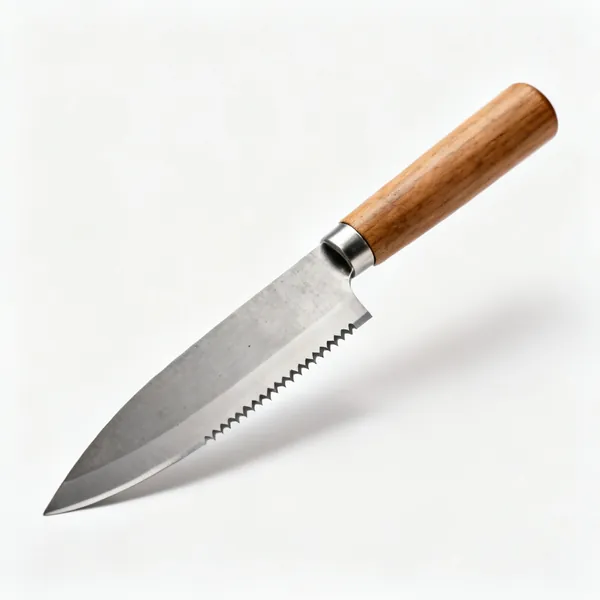
  • Hori hori knife: A japanese hori hori garden knife with a heavy pointed steel blade, one serrated edge and a wooden handleEssential

    Hori hori knife

    A heavy pointed blade with one straight edge, one serrated, and depth marks along it. It digs, cuts roots, slices turf, saws matted growth and levers out tap roots, which is five tools in one hand.

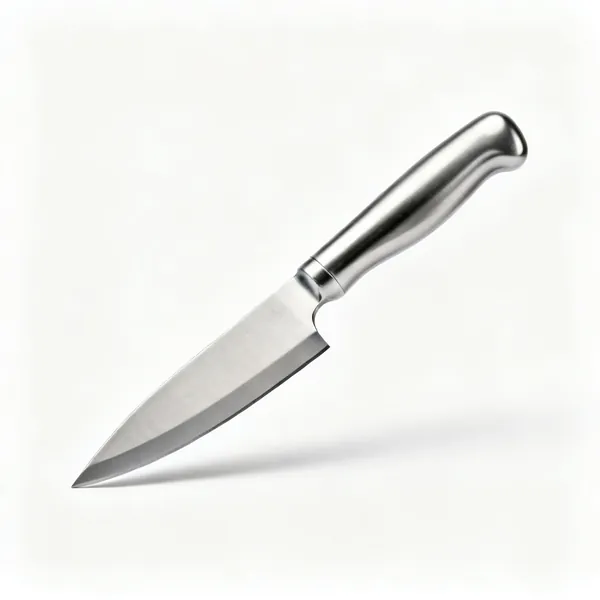
  • Stainless hori hori: A stainless steel japanese hori hori garden knife with a pointed blade and a moulded handle

    Stainless hori hori

    The same shape in stainless steel, which will not rust if it is left out. It takes a less fine edge than the carbon version, which is the trade for not having to dry it.

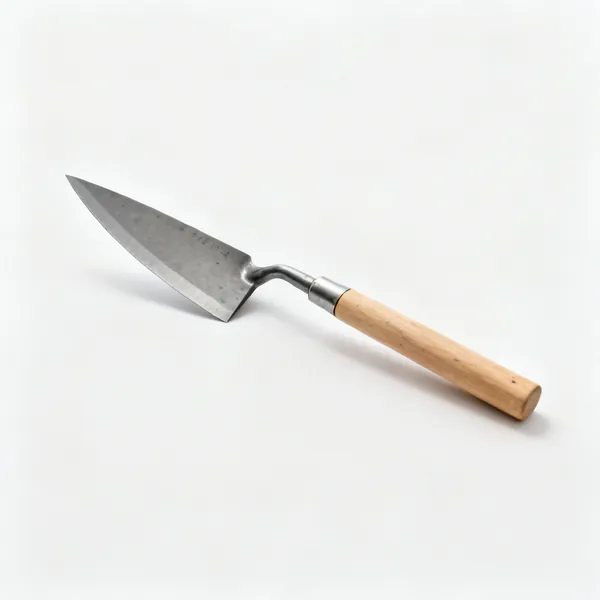
  • Kusakari weeding knife

    Kusakari weeding knife

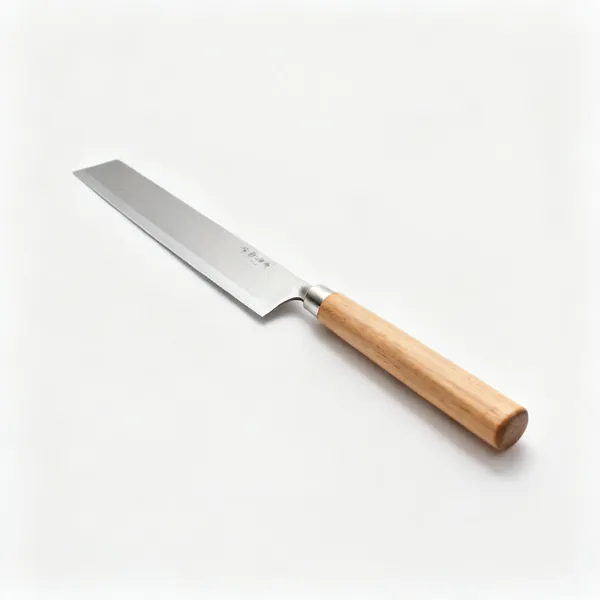
    A narrow angled blade for slicing weeds out from between plants. Narrower than a hori hori so it goes into a tighter gap, and it will not dig a planting hole.

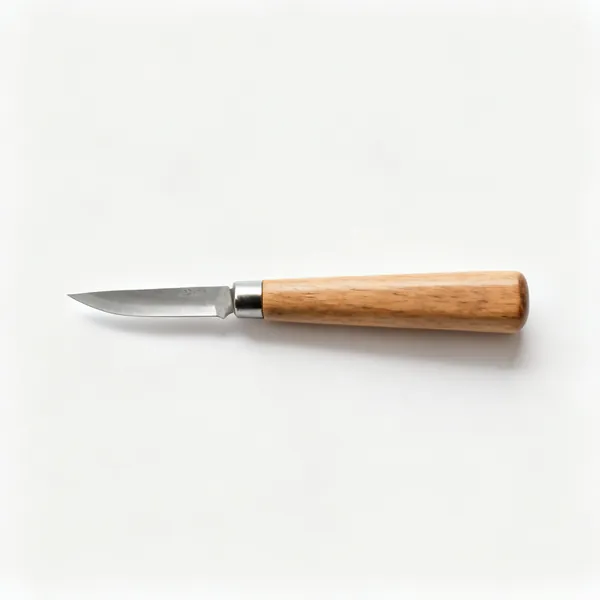
  • A japanese grafting knife with a small single bevel steel blade and a wooden handle

    Grafting knife

    A single bevel blade ground flat on one face, for cuts that have to match exactly. The flat back is the reference that makes a graft join with no gap, which a double bevel cannot.

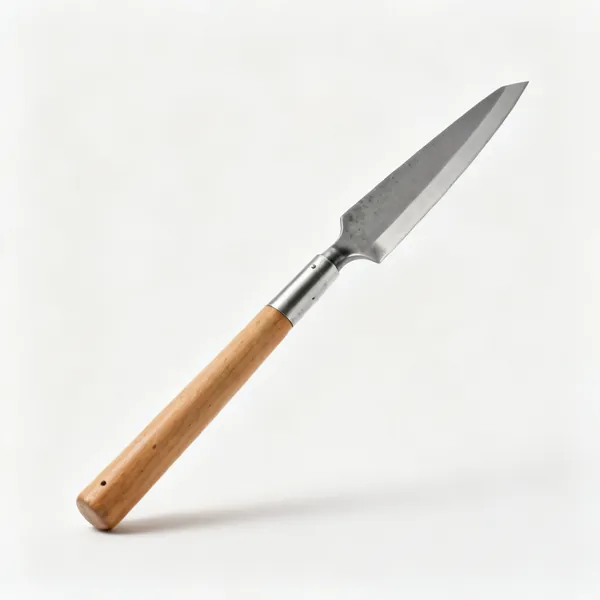
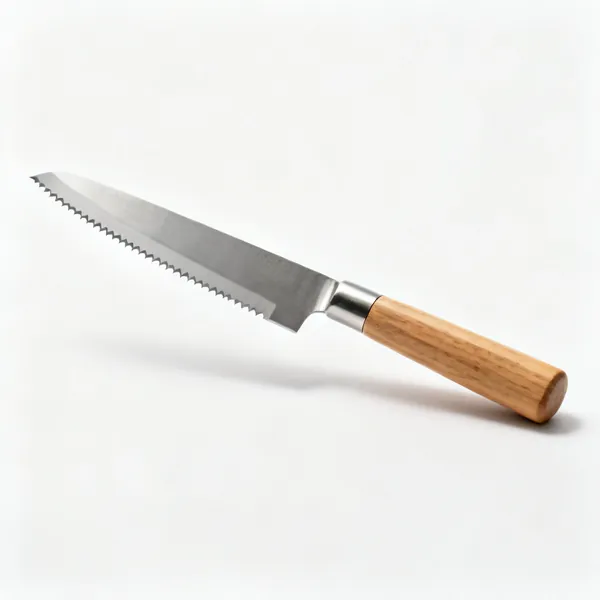
  • A japanese root cutting knife with a stiff serrated steel blade and a wooden handle

    Root cutting knife

    A stiff serrated blade for cutting through a root ball when dividing a plant or removing a pot bound shrub. It saws where a spade would tear and a knife would jam.

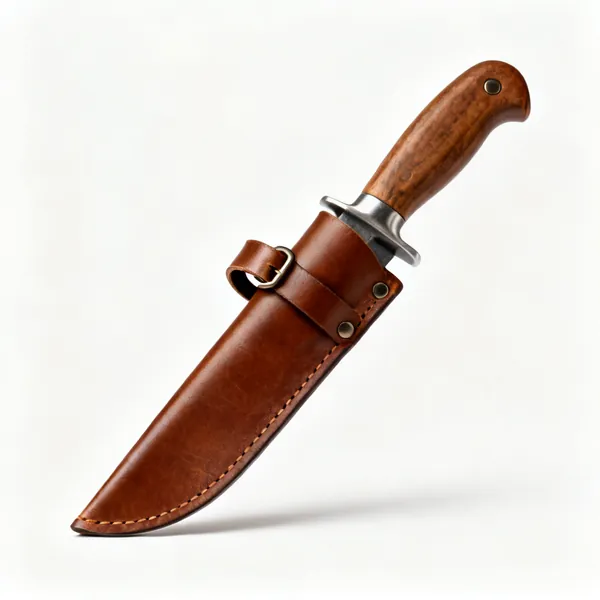
  • Leather sheath: A brown leather garden knife sheath with a belt loopEssential

    Leather sheath

    A sheath for a hori hori, which is sharp on both edges and pointed at the tip. It goes on a belt so the knife is with you, which is most of why the tool gets used.

Weeding and cultivating 6

Drawn toward you just under the surface. Slicing rather than scraping, which is the difference in how little effort it takes.

  • Nejiri gamaEssential

    Nejiri gama

    A short handled hoe with a sharp blade at a right angle, drawn toward you to slice weeds off their roots. It also cultivates and cuts a small edge, so it replaces three hand tools.

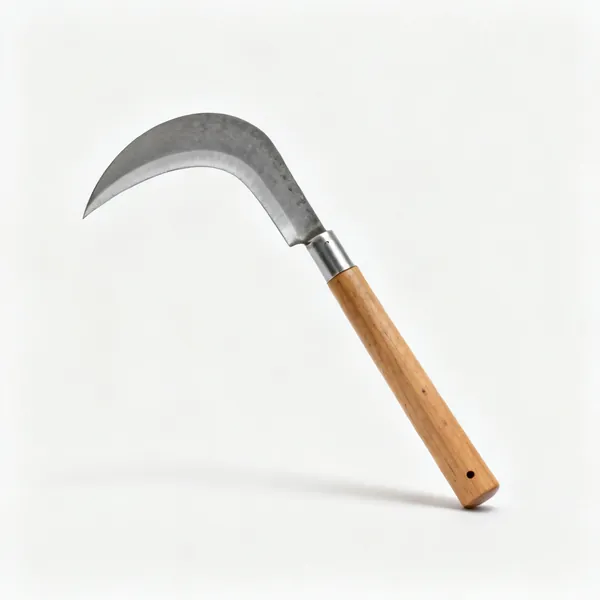
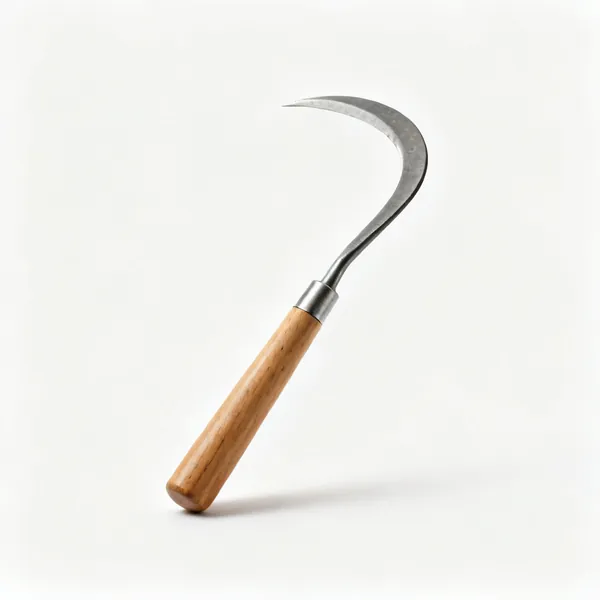
  • Kama sickleEssential

    Kama sickle

    A very sharp blade at almost a right angle to a short handle, drawn through grass and soft stems close to the ground. Lighter and sharper than a Western sickle and used by drawing, not swinging.

  • Kusakaki hoe

    Kusakaki hoe

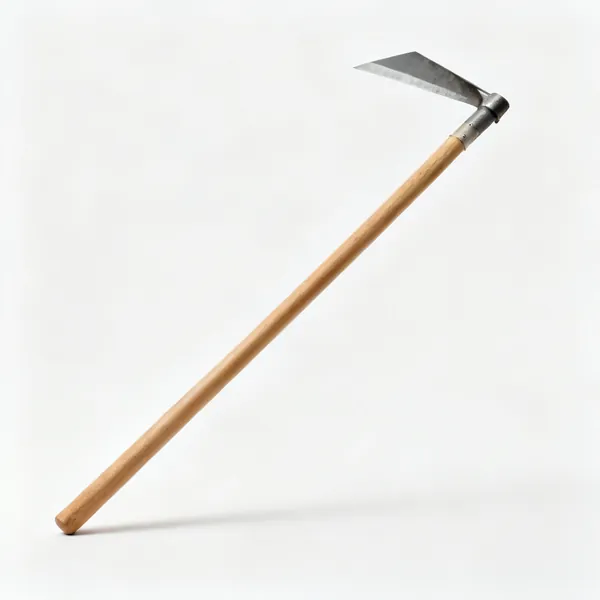
    A long handled version of the nejiri gama, so the same slicing action can be used standing up. It covers a whole bed without kneeling, at the cost of accuracy near plants.

  • Three prong cultivator: A japanese forged three prong hand cultivator with curved steel tines and a wooden handle

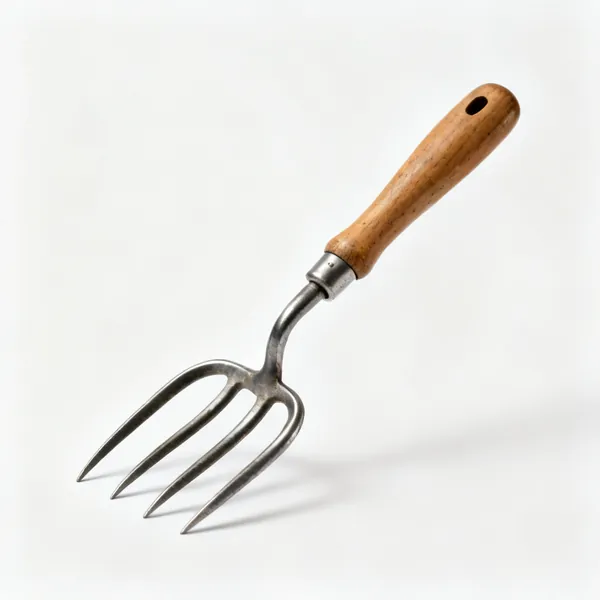
    Three prong cultivator

    Forged curved tines drawn through the surface to break a crust and aerate the top layer. It works the top 30mm, which is the layer a seedling has to push through.

  • A japanese narrow two tine weeding fork with forged steel tines and a wooden handle

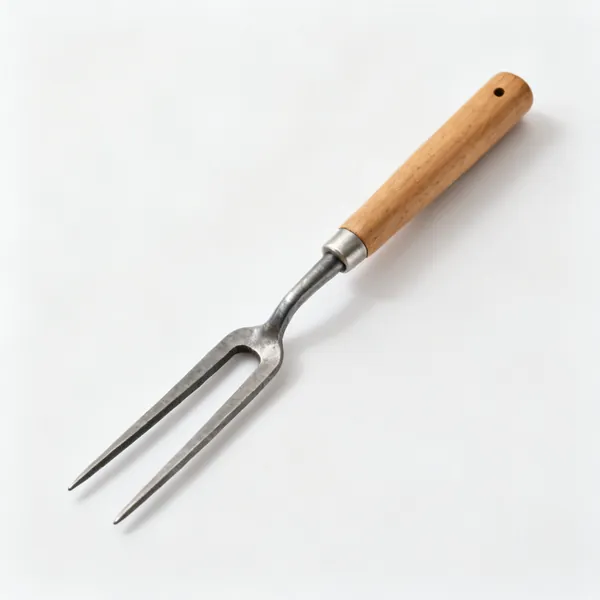
    Weeding fork

    A narrow two tine fork for levering a tap root out between plants. Narrower than a Western hand fork, which is what lets it get in without disturbing what you are keeping.

  • Moss scraper: A japanese thin flat bladed moss scraping tool with a wooden handle

    Moss scraper

    A thin flat blade for lifting moss off stone, paving and between paving joints. In a Japanese garden moss is often the point, so this shapes it rather than removing it.

Pruning and cutting 7

Where the harder steel is most obvious. A fine edge on a pull cut leaves a wound that closes cleanly.

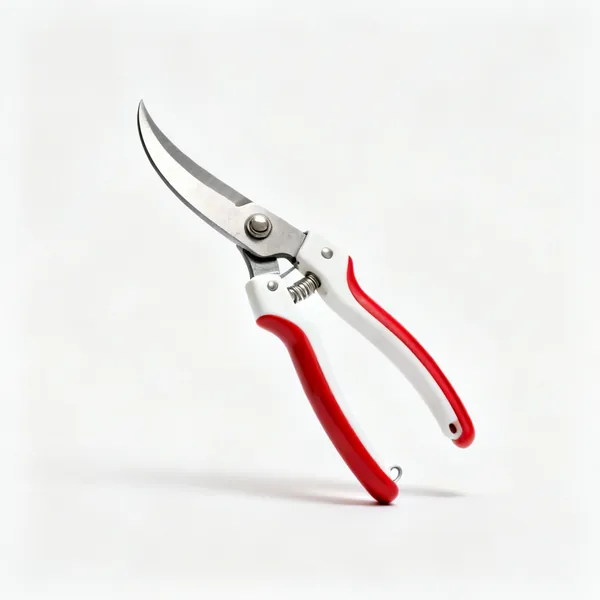
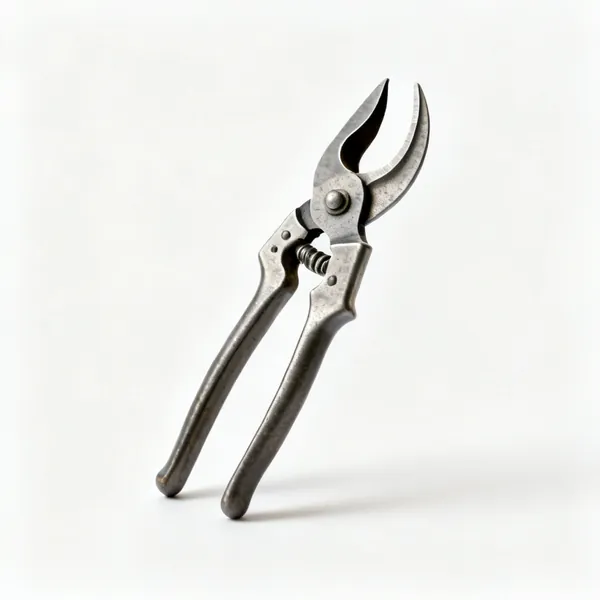
  • Japanese secateurs: A pair of japanese bypass secateurs with red and white handles and a curved steel bladeEssential

    Japanese secateurs

    Bypass pruners in hard laminated steel with a simple two part construction and no adjustment to lose. They hold an edge markedly longer and there is very little on them to fail.

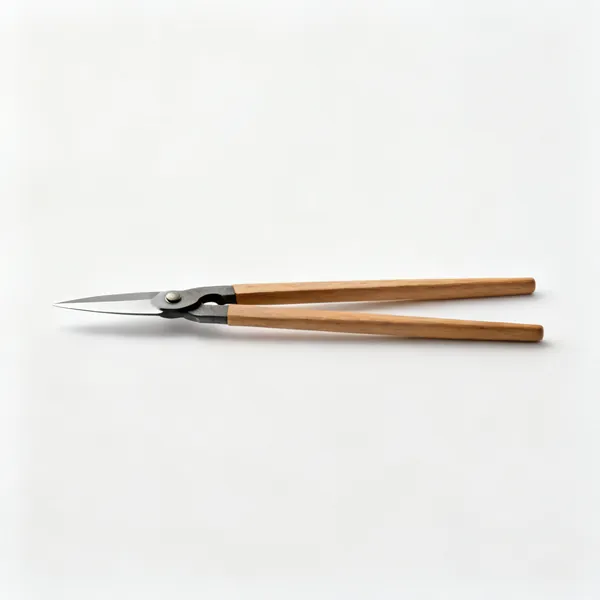
  • Long handled shears: A pair of japanese ashinaga shears with two very long wooden handles and small steel blades

    Long handled shears

    Two long wooden handles with small precise blades, used two handed for trimming shrubs and small topiary. The length gives reach and the small blades give control, which loppers do not.

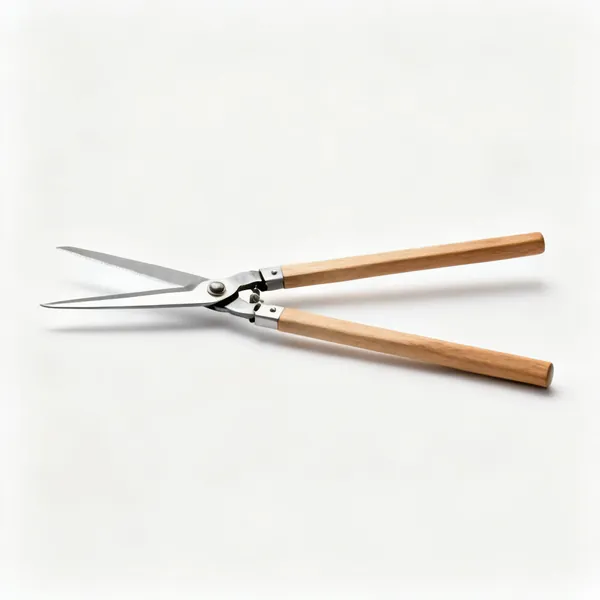
  • A pair of japanese hedge shears with long thin steel blades and long wooden handles

    Japanese hedge shears

    Long thin blades on long handles, balanced to be held out at arm's length. They cut soft growth cleanly enough that the cut face does not brown, which matters on a formal hedge.

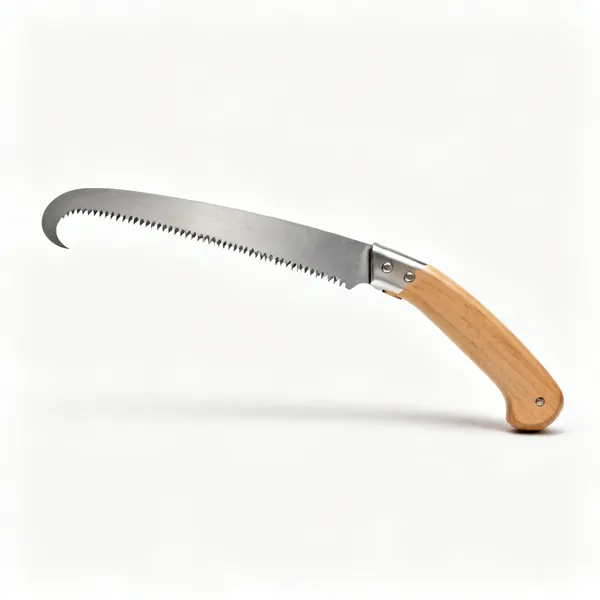
  • A japanese pruning saw with a curved hooked blade, coarse teeth and a straight wooden handleEssential

    Japanese pruning saw

    A curved blade with coarse teeth cutting on the pull, so the curve draws it deeper as you draw it back. It cuts green wood faster than any Western pruning saw of the same size.

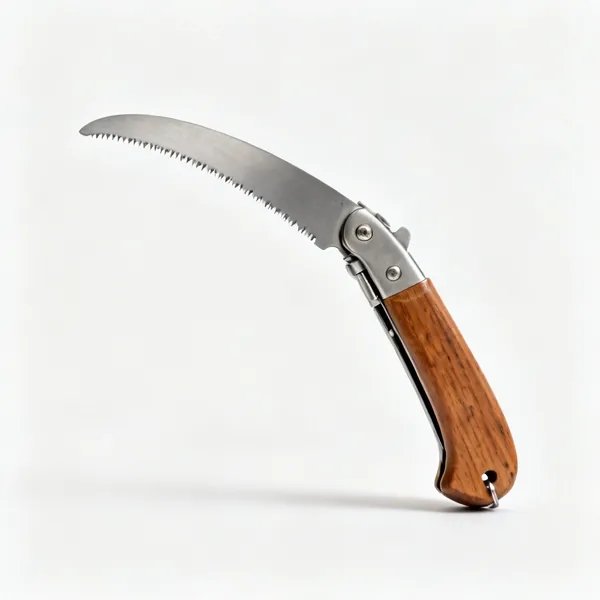
  • Folding pull saw: A japanese folding pruning saw with a curved blade folded into a wooden handleEssential

    Folding pull saw

    The same blade folding into its handle so it lives in a pocket. It is the saw that is with you when you notice a branch, which is why it is the one that gets used.

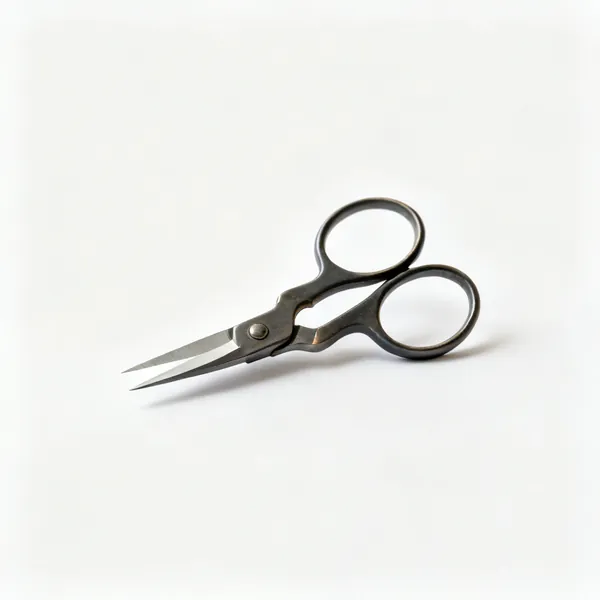
  • A pair of small japanese topiary shears with round steel blades and looped handles

    Topiary shears

    Small round bladed shears worked in one hand for shaping cloud pruned forms. They cut a few leaves at a time, which is the only way to shape rather than shear a plant.

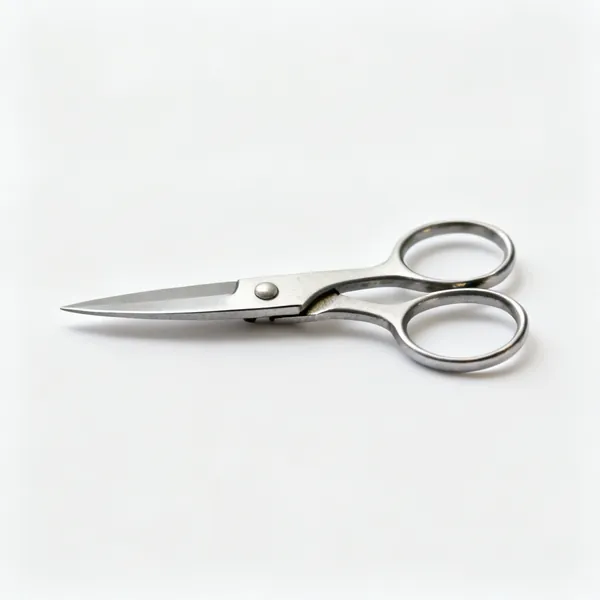
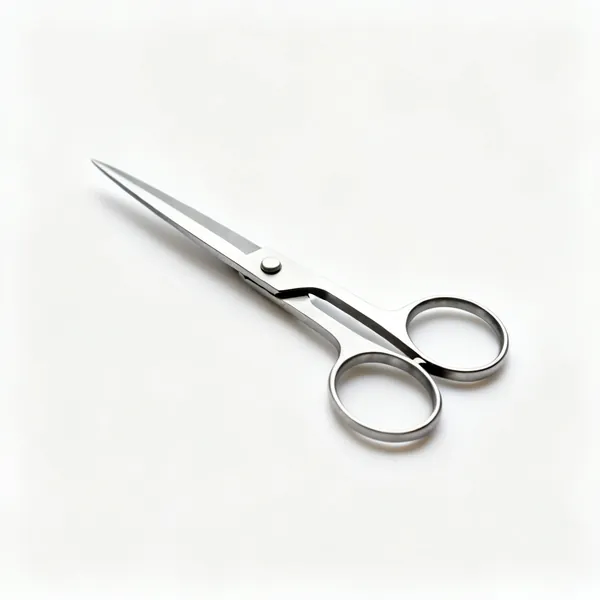
  • A pair of japanese flower shears with short straight steel blades and round looped handles

    Flower shears

    Short straight blades with looped handles for cutting stems and deadheading. The blades meet along their whole length, so a stem is cut rather than crushed at the tip.

Fine work and care 8

Bonsai and container work, and the routine that keeps carbon steel alive.

  • A pair of japanese bonsai shears with two large round looped handles and small steel blades

    Bonsai shears

    Large looped handles and small precise blades, so the whole hand drives a very small cut. The loops let you hold the tool steady against a branch you are cutting millimetres from.

  • Concave branch cutter: A pair of japanese concave bonsai branch cutters with curved hollow jaws

    Concave branch cutter

    Curved jaws that remove a branch slightly below the surface, leaving a hollow that heals almost flush. On a bonsai it is the difference between an invisible scar and a permanent stub.

  • A japanese single curved steel root hook tool with a wooden handle

    Root hook

    A single curved hook for teasing a root ball apart without tearing the fine roots. Combing rather than pulling, which is what a plant survives being repotted from.

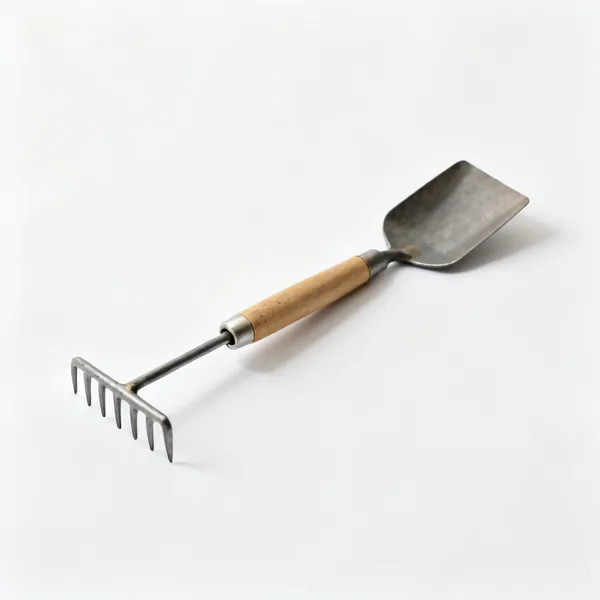
  • A japanese root rake and spatula combination tool with a small rake at one end

    Root rake and spatula

    A small rake at one end and a spatula at the other, for working soil into a root ball and firming it. Air pockets left around roots are what kills a repotted plant.

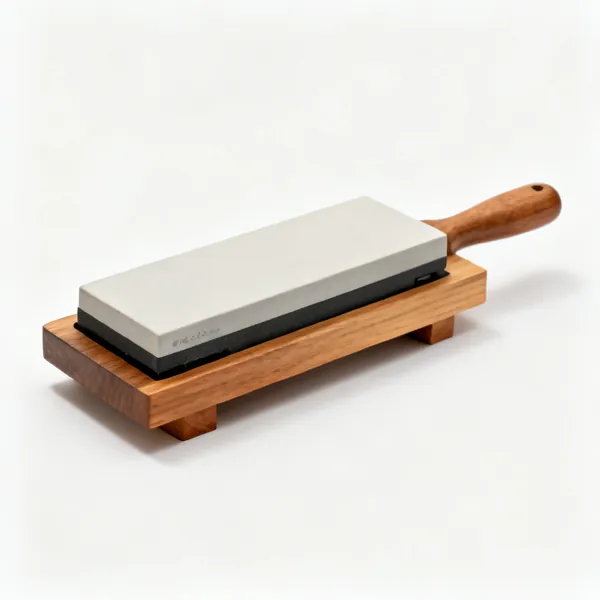
  • A rectangular japanese waterstone sharpening stone on a wooden baseEssential

    Waterstone

    A 1000 grit stone soaked in water, worked on the bevel side only. These edges are fine enough that a coarse file removes several times more steel than the job needs.

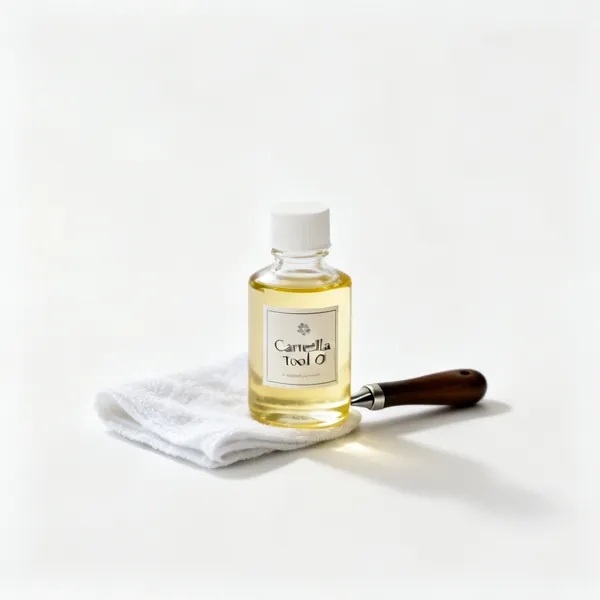
  • Camellia oil: A small bottle of camellia tool oil with a cloth beside itEssential

    Camellia oil

    A light non drying oil wiped onto bare carbon steel after use. Any light machine oil does the same job, and the point is that something goes on before the tool is put away.

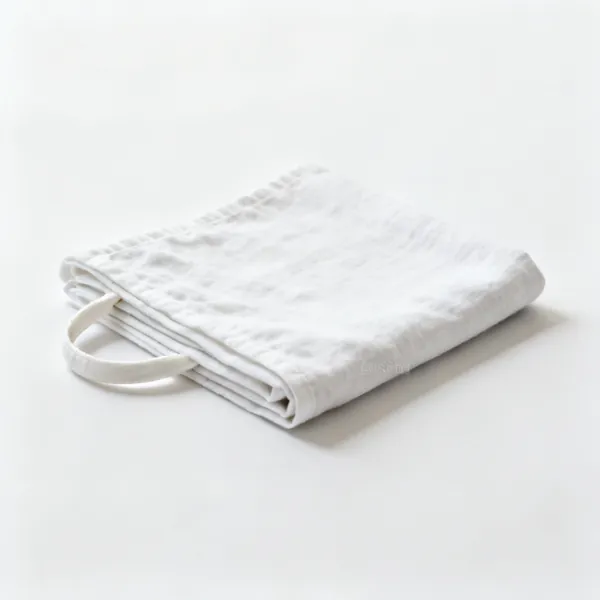
  • Wiping cloth: A folded cotton clothEssential

    Wiping cloth

    Kept in the tool bag, because carbon steel put away damp shows rust by the next morning. It is the least interesting item here and the one that decides how long the rest last.

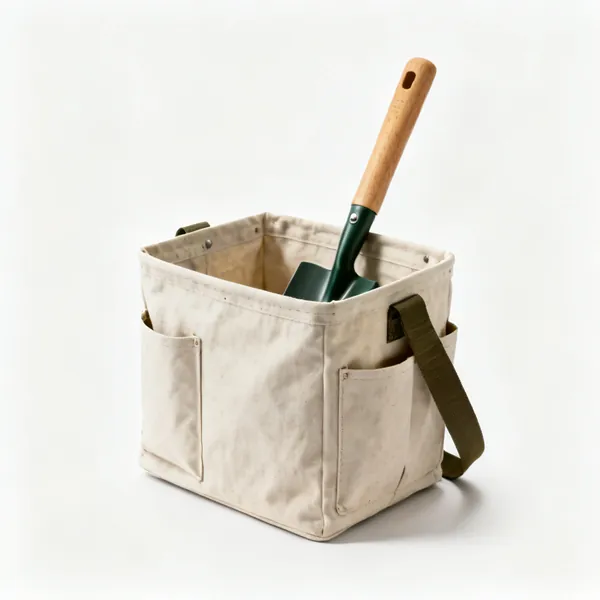
  • An open topped canvas garden tool bag with side pockets and a shoulder strap

    Garden tool bag

    An open topped bag so tools go back rather than being left in a bed. A carbon steel blade lost in a border for a week is usually not worth recovering.

Working with Japanese garden tools

Pull rather than push, keep them dry, and let the steel do the work instead of forcing it.

These tools cut on the pull

Japanese saws, sickles and knives are designed to be drawn toward you rather than pushed away. A blade in tension can be thinner than one in compression, so it cuts a finer kerf with less effort, and it starts with almost no pressure.

The habit takes a few minutes to acquire and then it is obvious. The commonest mistake is forcing a pull tool on the push stroke, which on a thin saw blade kinks it permanently.

Draw, do not push
The blade is in tension, so it cuts on the pull and needs very little pressure to start.
Let it find its line
Forcing a thin pull blade sideways kinks it, and a kinked blade never tracks straight again.
Less effort, finer cut
A thinner blade removes less material. That is the whole design advantage.

The steel is harder, which cuts both ways

Most Japanese garden tools use a harder steel than the Western equivalent, often laminated with a hard cutting layer on a softer body. It takes and holds a much finer edge, and it is why a hori hori still cuts after a season of work that would have blunted a stainless trowel.

The trade is brittleness. Harder steel chips rather than bending, so levering a hori hori against a stone can break the tip off. It also rusts, because most of it is carbon steel rather than stainless, so it must be dried after use.

Holds an edge far longer
The reason these tools feel different after a few weeks rather than on the first day.
Chips instead of bending
Levering hard against a stone can break the tip. Reposition rather than forcing it.
Carbon steel rusts
Dry it and oil it after use. Left wet in a shed overnight it will show rust by morning.
Sharpen on the bevel side
Most are single bevel. Grinding the flat back removes the reference the edge depends on.

One tool doing several jobs

The hori hori is the clearest example. Its point digs a planting hole, its straight edge cuts roots and slices turf, its serrated edge saws through matted growth, and its blade levers a tap root out. Depth marks along it turn it into a measuring tool as well.

That is genuinely useful because it means one tool in your hand rather than four on the ground. It is also why these tools appear across several of the other lists on this site: the same knife is a weeding tool, a planting tool and a dividing tool.

Fewer tools carried
One knife rather than a trowel, a weeder, a saw and a rule. That is the practical gain.
Depth marks matter
Planting depth read off the blade you are digging with, without putting it down.
It replaces the trowel
A hori hori digs a planting hole faster than a trowel in all but the loosest soil.

Keeping them

Wipe the blade, dry it, and put a film of oil on bare steel. That is the whole routine and it takes under a minute. Skipping it on carbon steel means visible rust the next morning and pitting within a season.

Sharpen on a waterstone rather than a file where you can. These edges are fine enough that a coarse file removes far more than it needs to, and a 1000 grit stone restores most of them in a couple of minutes.

Dry immediately
Carbon steel and damp soil are a bad combination. A cloth in the tool bag is enough.
Oil bare steel
Camellia oil traditionally, and any light machine oil works. A wiped film, not a coating.
Waterstone over file
The edges are fine. A file removes several times more steel than the job needs.
Never in a dishwasher
It sounds unlikely and it happens. It destroys both the steel and a wooden handle.

What to look for when buying

A forged blade with a visible lamination line, a tang running well into the handle, and a ferrule. Pressed blades stamped from sheet and riveted into a plastic handle are sold under the same names and they are not the same tool.

Named makers cost more and the difference is real, mostly in the steel and the heat treatment. For a first purchase a mid priced forged hori hori will still outlast a stainless trowel several times over.

Forged, not pressed
A lamination line on the blade and a tang into the handle. Pressed sheet is a different product.
Check the ferrule
The metal collar where blade meets handle. Without one the handle splits along the tang.
Stainless is a compromise
Easier to look after, and it will not take as fine an edge as the carbon steel version.
Start with two
A hori hori and a nejiri gama between them replace most of a hand tool set.

Frequently asked questions

What are Japanese garden tools?
Garden tools made in the Japanese tradition, generally forged from harder laminated steel, designed to cut on the pull rather than the push, and often doing several jobs each. A hori hori knife digs, cuts roots, saws and levers, which is why it replaces several Western tools.
What is a hori hori knife used for?
Digging planting holes, cutting through roots, slicing turf, levering out tap roots and sawing through matted growth. It has one straight edge, one serrated edge, a pointed tip and depth marks along the blade, and many gardeners end up using it for most hand work.
What is a nejiri gama?
A short handled Japanese weeding hoe with a sharp blade set at a right angle to the handle. It is drawn toward you just under the surface, slicing weeds off their roots, and it also cultivates and cuts a small edge. It is the other tool most people buy first.
Why do Japanese tools cut on the pull stroke?
Because a blade being pulled is in tension rather than compression, so it can be made much thinner without buckling. A thinner blade removes less material, so the cut takes less effort and comes out finer. It also starts with almost no downward pressure.
Do Japanese garden tools rust?
Most do, because they are carbon steel rather than stainless. Wipe and dry the blade after use and put a film of light oil on bare steel, which takes under a minute. Left damp in a shed overnight, a carbon steel blade will show rust by the morning.
How do I sharpen a Japanese garden tool?
On a waterstone around 1000 grit, working the bevel side only. Most of these blades are single bevel, so the flat back is a reference surface and grinding it removes what the edge depends on. A file removes several times more steel than the job needs.
Are Japanese garden tools worth the money?
The forged ones are, because the steel holds an edge far longer and one tool often replaces three. Pressed blades riveted into plastic handles are sold under the same names and are not the same product, so look for a lamination line and a tang running into the handle.
What is a kama?
A Japanese sickle with a short handle and a very sharp blade set almost at a right angle, drawn toward you to cut grass, weeds and soft stems close to the ground. It is lighter and sharper than a Western sickle and it is used with a drawing motion rather than a swing.