Disclosure

Tools for pruning trees

Pole saws, loppers, pruning saws and chainsaws, all 28 grouped by reach rather than by tool type, because reach decides both the difficulty and the risk. The page also says plainly where the honest answer is an arborist.

13 are marked essential: enough for the pruning most gardens actually need.

Part of the full garden tools list, 122 tools in 10 groups.

Within reach 7

Cuts you can make standing on the ground with both feet planted. Most domestic pruning happens here.

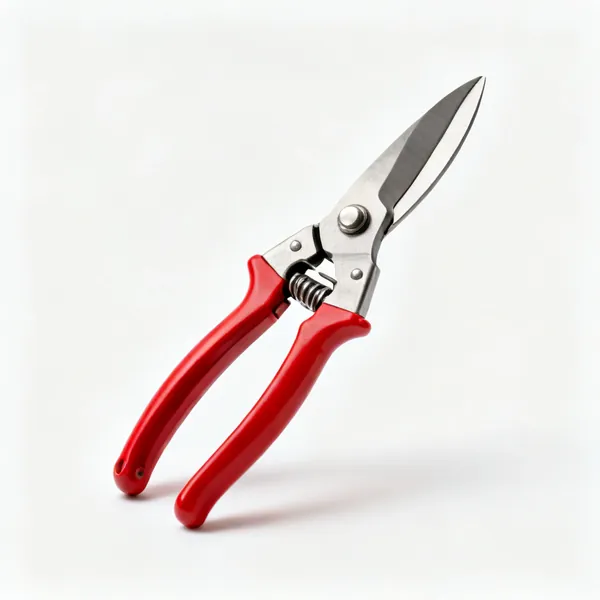
  • A pair of bypass secateurs with a curved steel blade, red handles and a locking catchEssential

    Bypass secateurs

    Two curved blades passing each other like scissors, giving a clean cut on living wood up to about 15mm. Anvil types crush the stem instead, which on a cut that has to heal is the wrong action.

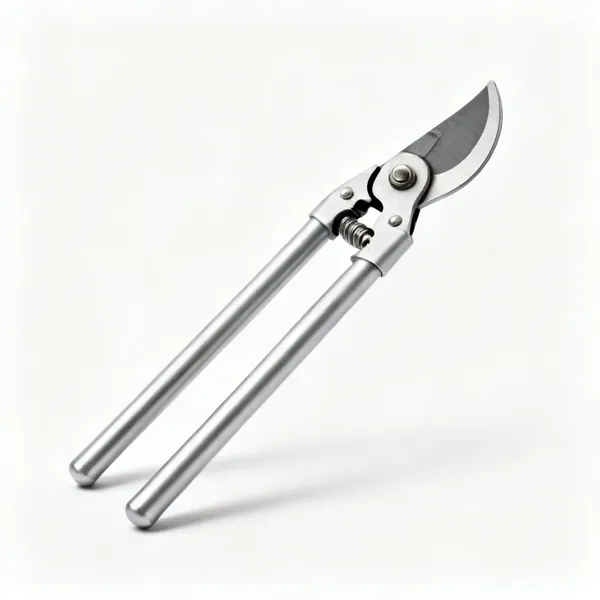
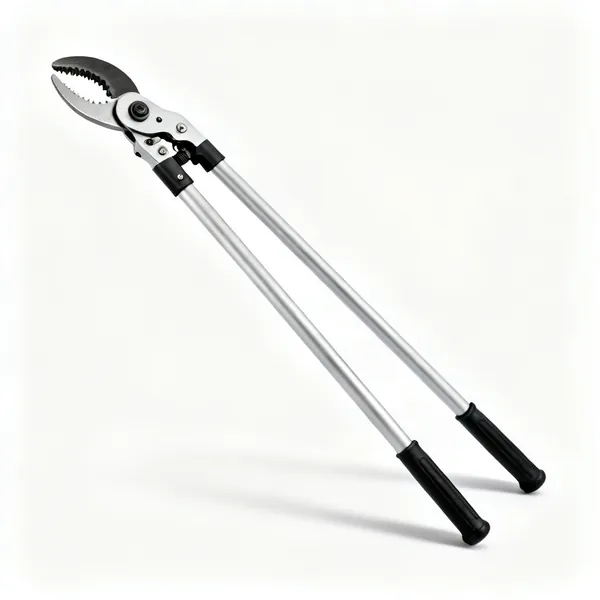
  • A pair of bypass loppers with two long tubular handles and a curved cutting headEssential

    Bypass loppers

    Long handled bypass cutters for branches up to about 30mm, using leverage rather than strength. Forcing them past capacity springs the blades out of line and they never close cleanly again.

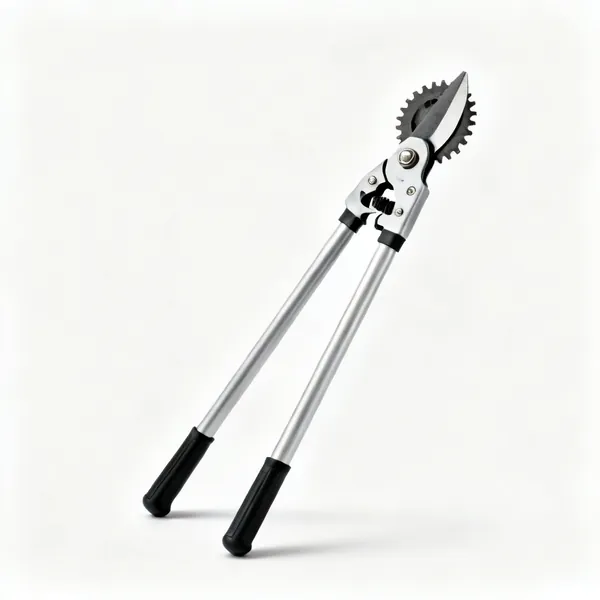
  • Geared loppers: A pair of geared bypass loppers with long handles and a compound gear mechanism at the head

    Geared loppers

    A compound linkage that multiplies your squeeze several times, taking them to about 50mm in soft wood. Slower per cut than plain loppers and it handles what would otherwise need a saw.

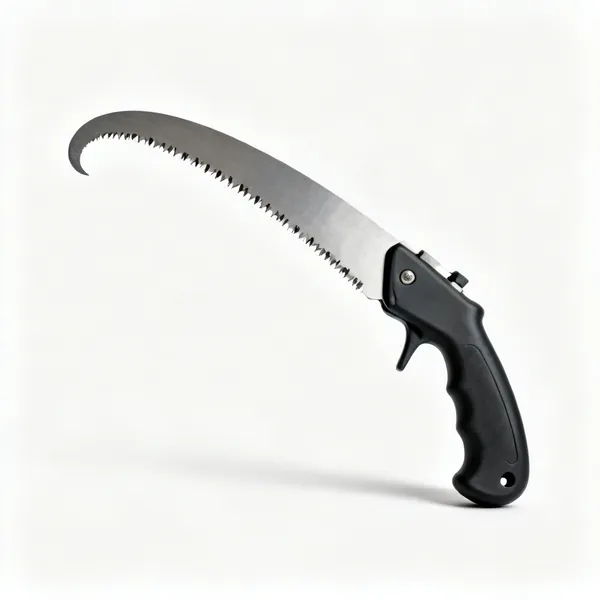
  • A curved pruning saw with a hooked blade, coarse teeth and a moulded pistol grip handleEssential

    Curved pruning saw

    A curved blade with coarse hooked teeth cutting on the pull, so the curve draws it into the branch. Green wood clogs a fine saw immediately, which is why the teeth are set this coarsely.

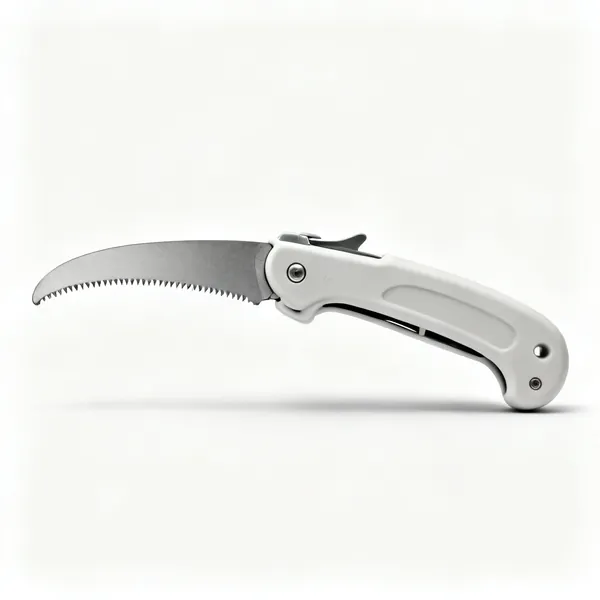
  • A folding pruning saw with a curved blade folded into a moulded plastic handleEssential

    Folding pruning saw

    The same blade folding into its handle so it goes in a pocket. It is the saw that is actually with you when you notice a branch, which makes it the one that gets used.

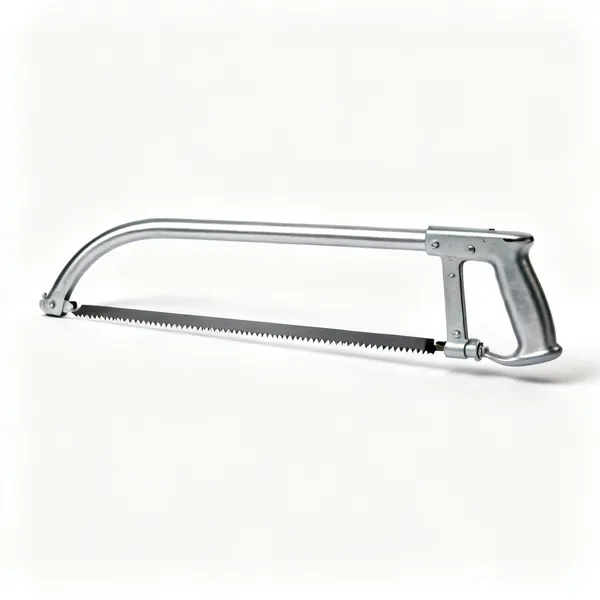
  • Bow saw

    Bow saw

    A tensioned blade in a tubular frame for cutting a limb already on the ground into pieces. Fast on thick green wood and the frame stops it reaching into anything.

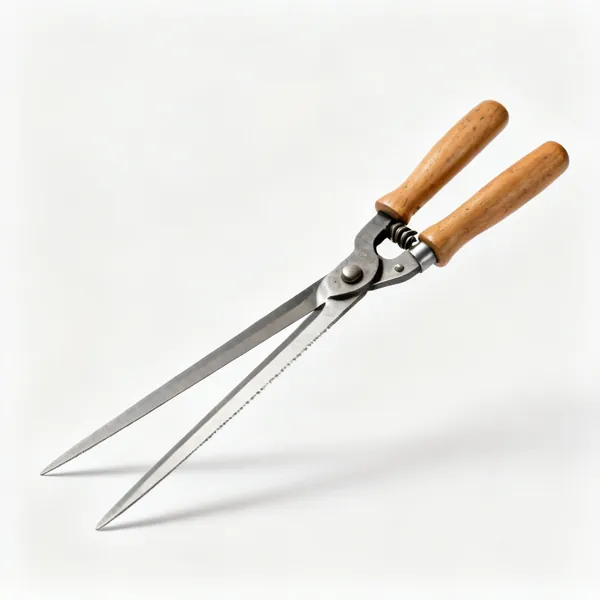
  • A pair of hedge shears with two long straight blades and wooden handles

    Hedge shears

    Two long blades for soft growth and light regrowth around a cut. Not a pruning tool for anything woody, and it tidies a tree's lower growth faster than secateurs.

Out of reach, from the ground 7

The safe way to work at height, because you stay on the ground. Everything you cut falls toward you, so a hard hat belongs in this group.

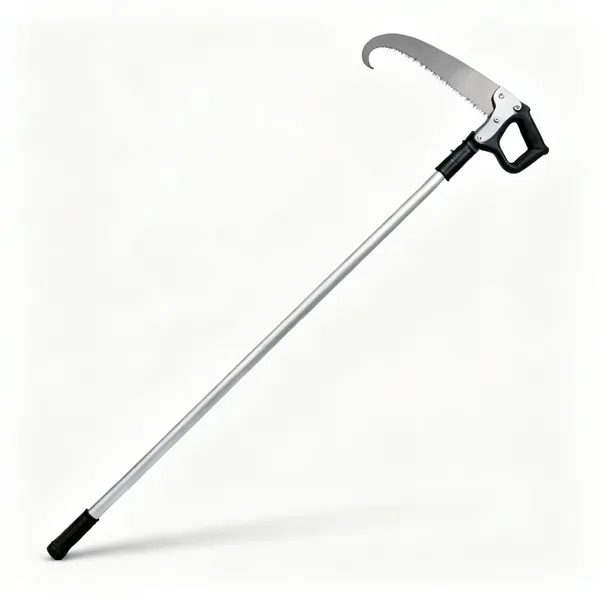
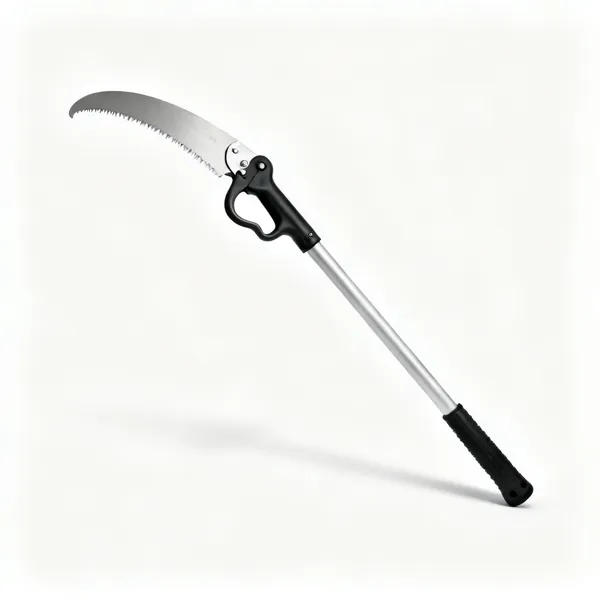
  • Pole saw: A pole pruning saw with a curved hooked blade on a long telescopic aluminium poleEssential

    Pole saw

    A curved pruning blade on a telescopic pole reaching about five metres. Rigidity matters more than length, because a whippy pole at full extension cannot be placed accurately on a cut.

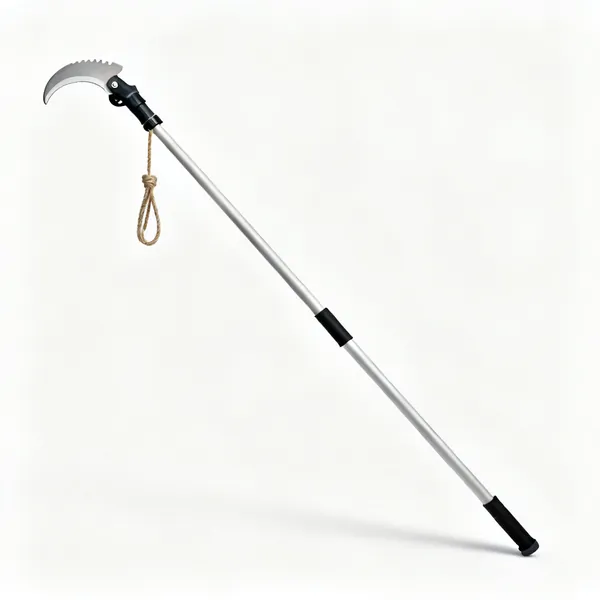
  • A pole lopper with a hooked cutting head, pull rope and a long telescopic poleEssential

    Pole lopper

    A hooked jaw and blade on a pole, worked by a rope or a lever, for branches up to about 30mm overhead. Cleaner than a saw on a small branch and much faster.

  • Combination pole head: A combination pole pruner head with both a curved saw blade and a hooked lopper jaw

    Combination pole head

    A pole carrying both a saw blade and a lopper head, so one tool covers both jobs overhead. It is heavier than either alone, which matters after twenty minutes of holding it up.

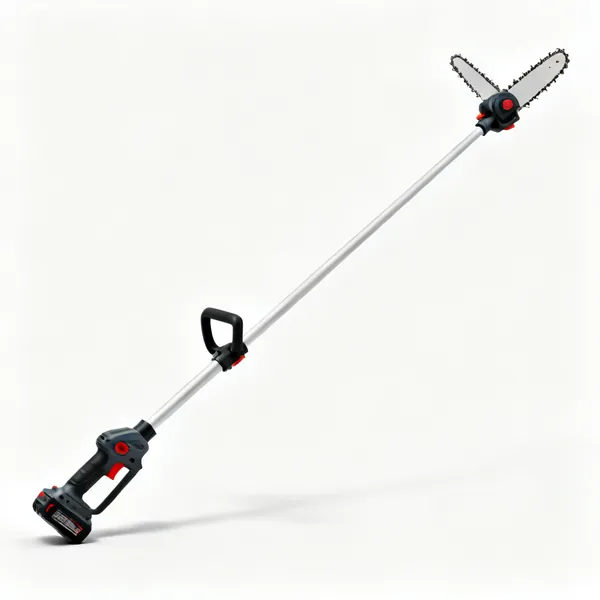
  • A cordless pole chainsaw with a small bar and chain on a long extending pole

    Pole chainsaw

    A small chainsaw head on a pole, for repeated overhead cuts a manual saw would take all day over. Powerful, heavy, and everything it cuts comes down while you are directly beneath it.

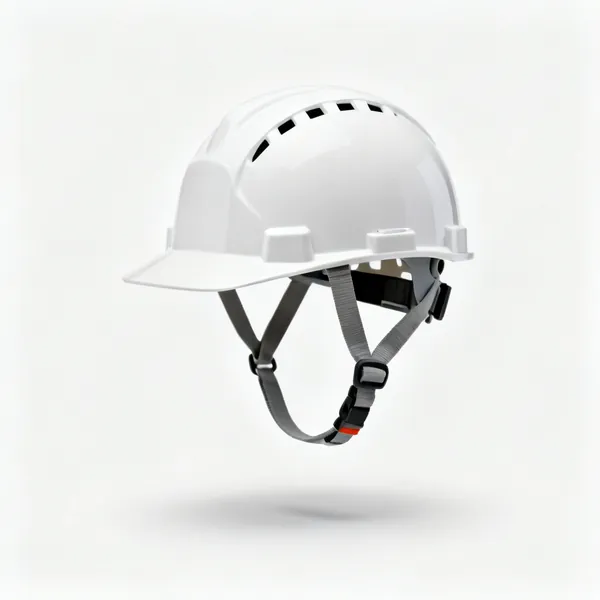
  • Hard hat: A white safety helmet with a chinstrap and ventilation slotsEssential

    Hard hat

    Everything cut from below arrives at head height. Marked essential because a branch dropped from four metres is the most likely injury in this entire group, and the cheapest to prevent.

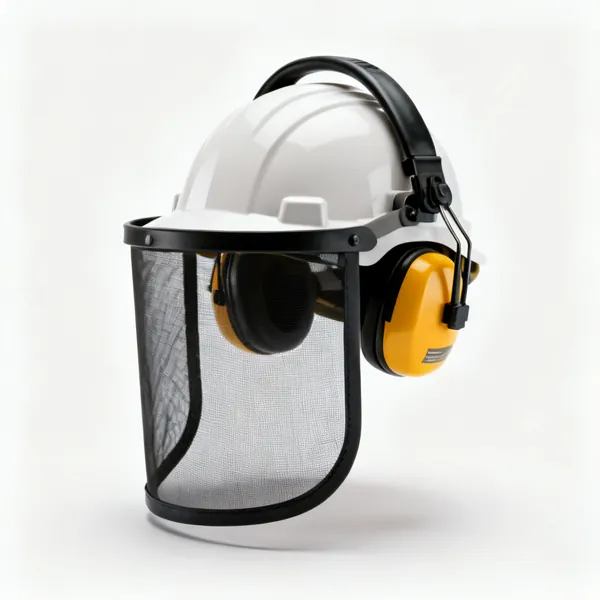
  • A forestry safety helmet with an integrated mesh face visor and ear defendersEssential

    Visor and ear defenders

    A combined mesh visor and ear muffs, for sawdust and debris falling into your face and for the noise of powered cutting. Both hazards come from directly overhead.

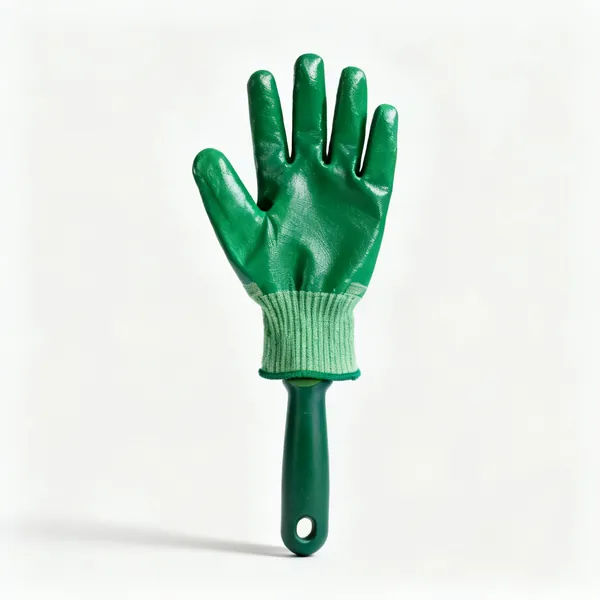
  • A pair of green gardening gloves with a coated palm and a knitted cuffEssential

    Gloves

    Grip on a pole and protection from bark and thorns. A close fitting pair, since a loose glove on a pole tool at full extension loses you the control the cut depends on.

Heavy cutting and clearing up 8

Limbs already down, and the sectioning that follows. Chainsaw work needs training and the protective kit that goes with it.

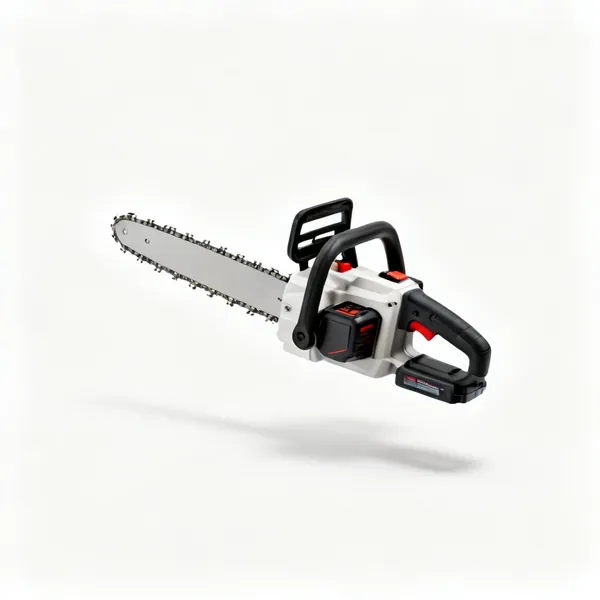
  • A cordless chainsaw with a bar and chain, rear handle and a battery

    Chainsaw

    For sectioning a limb on the ground, not for use at height or up a ladder. Kickback is the characteristic injury and it happens at the top of the bar nose, which is why training matters.

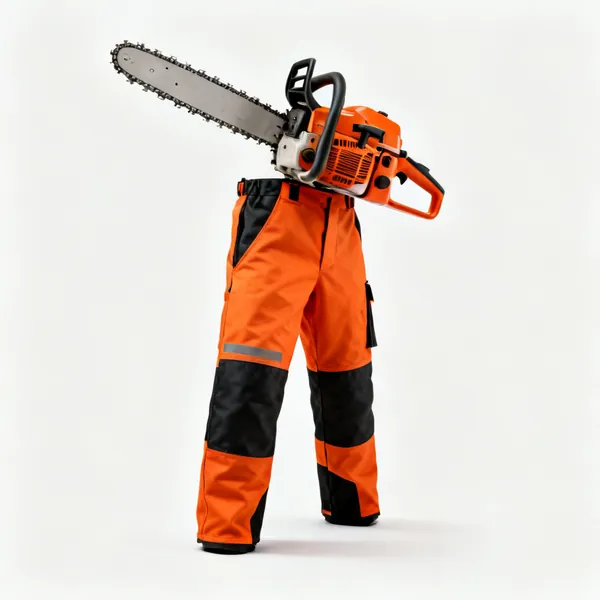
  • Chainsaw trousers: A pair of orange and black chainsaw protective trousers

    Chainsaw trousers

    Layers of loose fibre that jam a chain within a fraction of a second of contact. Marked alongside the saw rather than optional to it, because the saw should not be used without them.

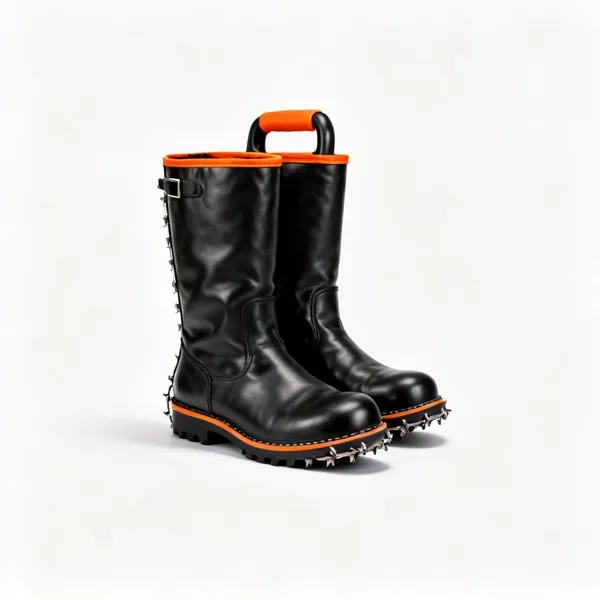
  • Chainsaw boots: A pair of black leather chainsaw protective boots with orange trim

    Chainsaw boots

    Cut protection over the foot and a steel toe, because the bar drops toward your feet at the end of every cut. The other place chainsaw injuries happen most.

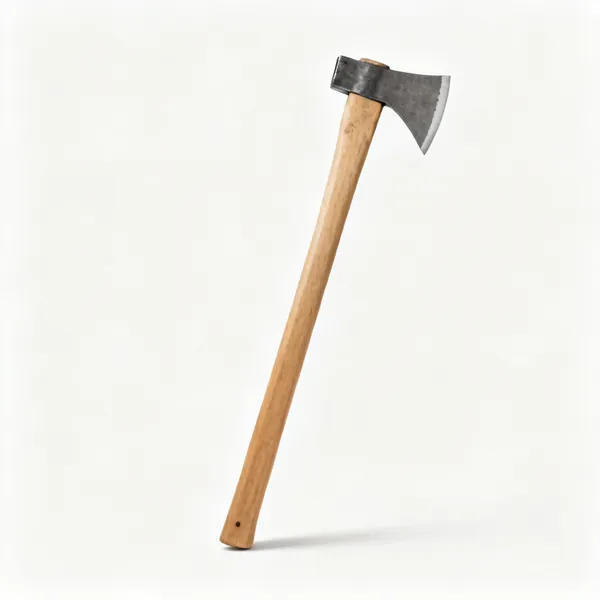
  • A felling axe with a long straight wooden handle and a thin sharp steel head

    Felling axe

    A thin sharp bit that slices across fibres, for limbing and for small trees. Its narrow profile is what lets it bite deep, and it is exactly why it is poor at splitting.

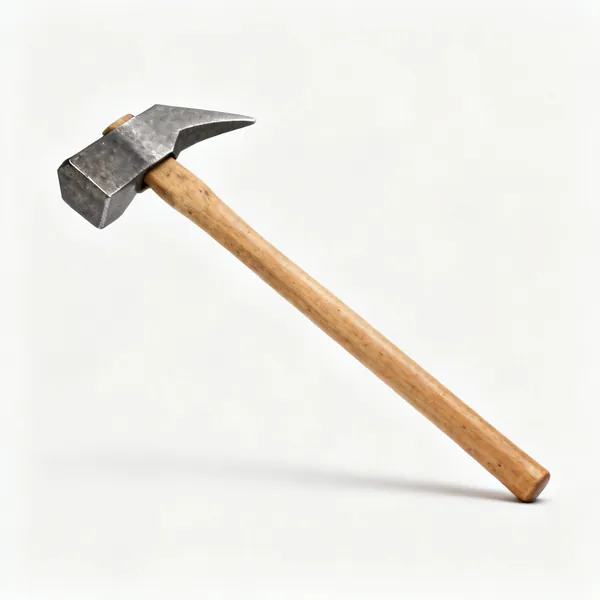
  • A splitting maul with a heavy blunt wedge shaped steel head and a long wooden handle

    Splitting maul

    A heavy blunt wedge that forces fibres apart along the grain, for turning the wood you have cut into something burnable. A thin axe head buries itself instead.

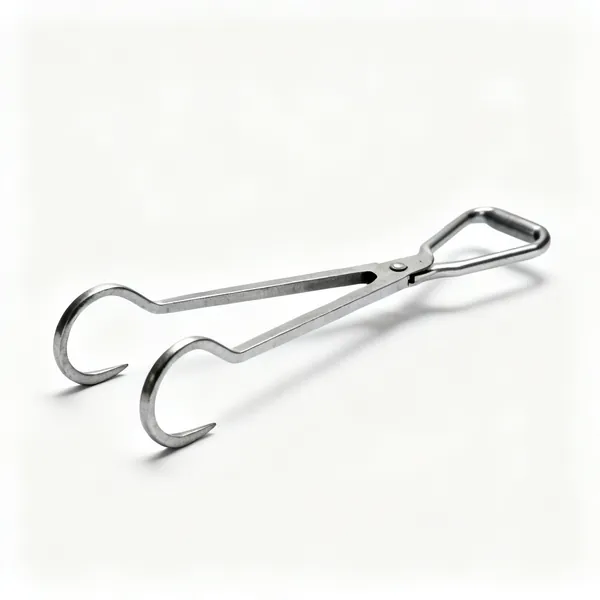
  • Log tongs: A pair of steel log lifting tongs with two curved hooked arms and a handle

    Log tongs

    Hinged hooks that grip a round so it can be lifted and carried without bending over it. Clearing up is most of the time on a tree job and most of the back strain.

  • Ratchet loppers: A pair of ratcheting loppers with long handles and a visible ratchet mechanism at the head

    Ratchet loppers

    Cut in stages, holding progress between squeezes, so a thick branch takes three light presses. It suits anyone whose grip is the limiting factor rather than their reach.

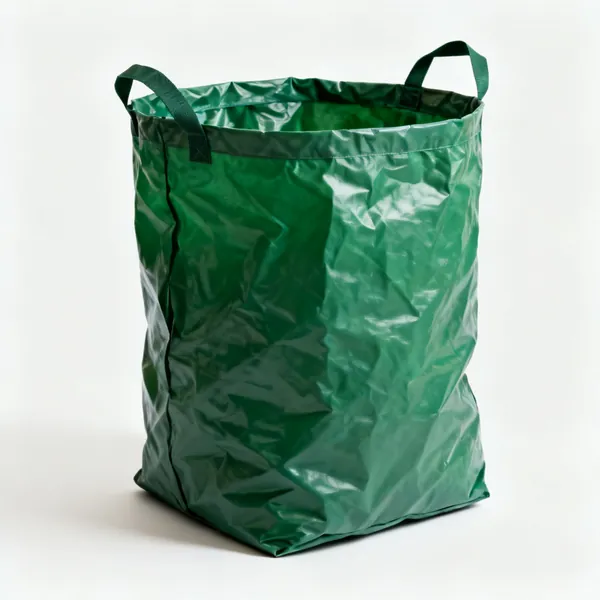
  • Garden waste bags: A large collapsible green garden waste bag with two handlesEssential

    Garden waste bags

    Prunings take up several times the volume of the branch they came from. Collapsible tubs make clearing up a stage of the job rather than an afternoon after it.

Sharpening and hygiene 6

A clean sharp cut heals. A crushed or torn one is where disease enters, so this group is part of the pruning rather than maintenance after it.

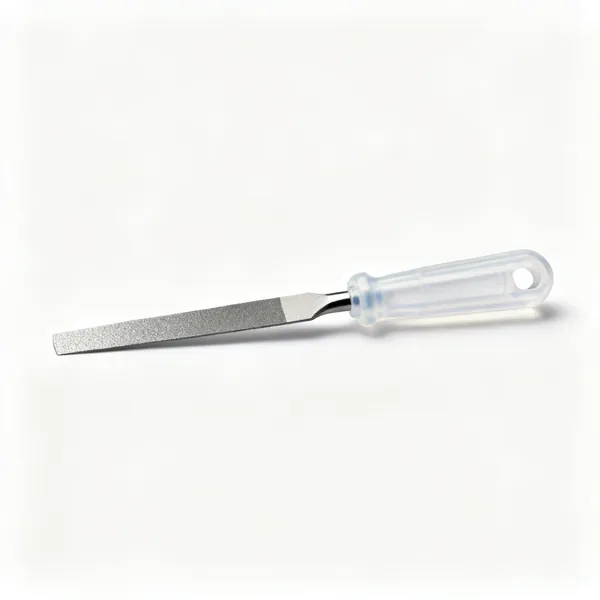
  • A small diamond sharpening file with a plastic handleEssential

    Diamond sharpening file

    Restores the bevel on secateurs and loppers in a few strokes. A blunt blade crushes the stem rather than cutting it, and a crushed cut is where dieback and disease start.

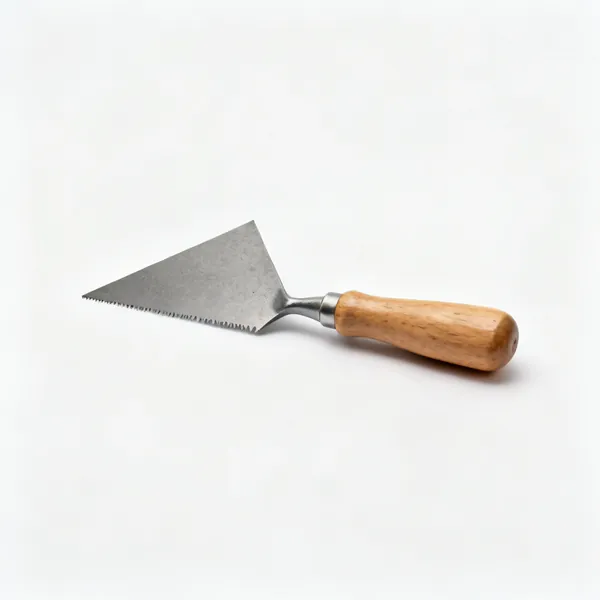
  • A small triangular saw sharpening file with a wooden handle

    Saw sharpening file

    A fine triangular file matched to the tooth pitch of a pruning saw. Many modern pruning saws are hardpoint and cannot be filed, so check before buying one.

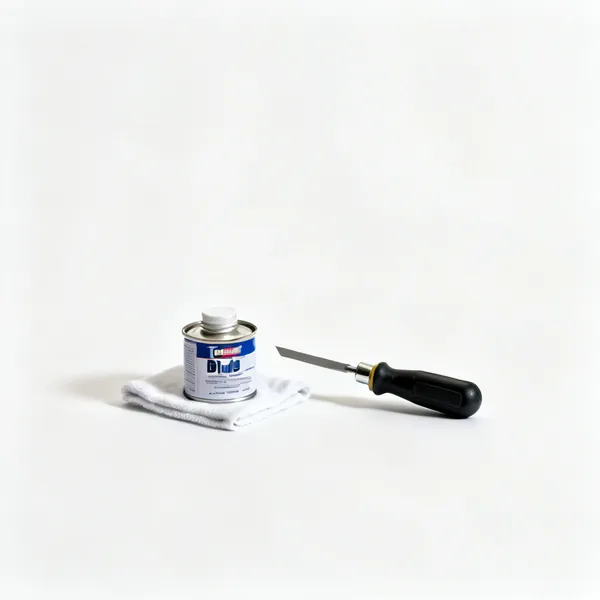
  • A small can of tool blade oil with a cloth beside itEssential

    Blade oil

    Sap is corrosive and sticky, and a blade left coated pits underneath and then drags. Wiped and oiled after each session, which takes about thirty seconds.

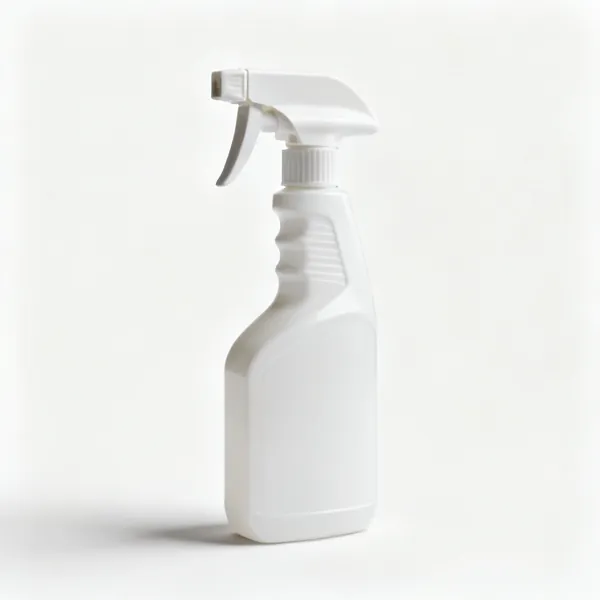
  • Blade disinfectant: A spray bottle of tool disinfectant with a trigger nozzleEssential

    Blade disinfectant

    Wiped on between trees, because pruning tools carry disease from one to the next. It matters most on fruit trees, where canker and silver leaf both move on a dirty blade.

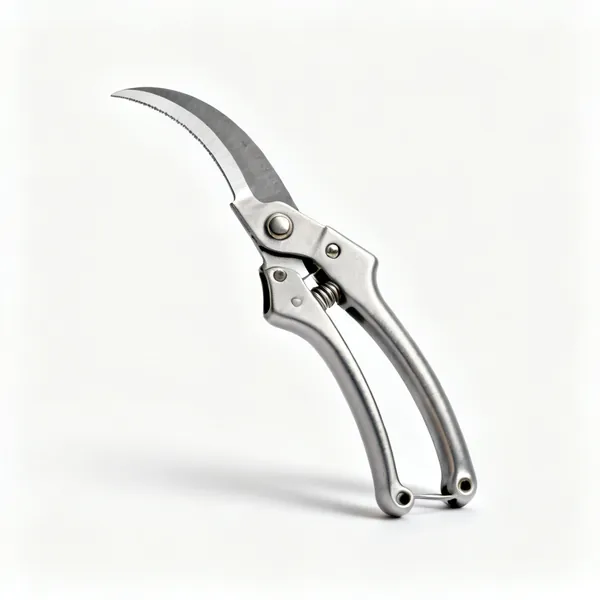
  • Replacement blades: A pair of replacement curved secateur blades

    Replacement blades

    Secateur and lopper blades are consumable, and a nicked one leaves a ragged cut no sharpening fixes. Buying a brand that sells spares is a decision made at purchase.

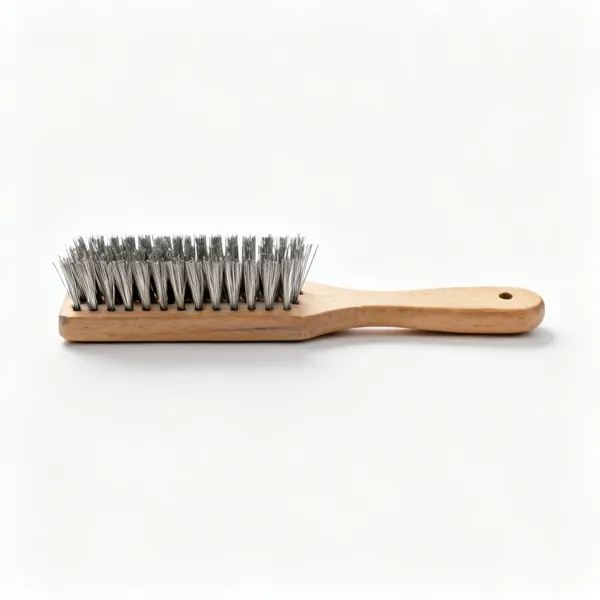
  • A hand wire brush with rows of stiff steel bristles and a wooden handle

    Wire brush

    Removes dried sap and rust from a blade and a saw. Sap sets hard enough that a cloth will not shift it, and a coated blade cuts noticeably worse.

Pruning a tree properly

Cut in the right place, at the right time, and know the point where the job stops being yours.

Cut at the collar, not flush

A branch meets the trunk at a slightly swollen ring called the branch collar, and that collar contains the tissue the tree uses to seal the wound. Cut outside it and the tree closes the wound over a season or two. Cut flush to the trunk and you remove the collar, so the wound never seals properly and decay enters the trunk.

Leaving a long stub is the opposite error and almost as bad: the stub dies back and rots, and the decay travels inward. The cut goes just outside the collar, angled to follow it.

Just outside the collar
The swollen ring at the base of the branch. It holds the tissue that seals the wound.
Never flush to the trunk
It removes the collar, the wound cannot seal, and decay gets into the trunk itself.
Never leave a stub
It dies back and rots inward. Both errors are permanent and both are avoidable.
No wound paint
It seals moisture in rather than out. A correct cut left alone heals better than a painted one.

Three cuts on anything heavy

A branch heavy enough to tear will strip bark down the trunk as it goes, and that wound is far larger than the cut you intended. The three cut method prevents it: an undercut a short way out from the collar, a top cut slightly further out that drops the weight, then the final cut at the collar with no weight on it.

The first cut is the one people skip, and it is the one that stops the tear. Once the weight is off, the final cut is small and controlled.

Undercut first
A third of the way through from below, out from the collar. This is what stops the bark tearing.
Top cut further out
Slightly beyond the undercut. The branch drops cleanly at the undercut rather than peeling.
Final cut at the collar
With no weight on it, so it is small, accurate and controlled.
Anything over about 25mm
Use three cuts. The weight it takes to tear bark is less than most people expect.

When to prune, and when not to

Most deciduous trees are pruned in late winter while dormant, when the structure is visible and there is no leaf to work around. Some are exceptions with real consequences: prunus, meaning cherries and plums, must be pruned in summer because winter cuts invite silver leaf disease.

In the UK it is an offence to damage an active bird nest, so between roughly March and August any cutting needs checking first. Trees can also be protected individually or by a conservation area, and cutting one without consent is a prosecutable offence with substantial fines.

Late winter for most
Dormant, structure visible, no leaf in the way. The default for deciduous trees.
Summer for cherries and plums
Winter cuts on prunus invite silver leaf. This exception matters and catches people out.
Check for nests, March to August
It is an offence to damage an active nest. A look before cutting takes a minute.
Check for a TPO
Tree Preservation Orders and conservation areas. Cutting without consent is prosecutable, and the council will tell you free.

Working at height, and the wrong ways to do it

A pole saw from the ground handles most domestic pruning up to about five metres, and it is the safe option because you are standing on the ground. The two things it demands are a hard hat, since everything you cut falls toward you, and awareness of where the branch will actually go.

The wrong ways are a chainsaw up a ladder, which is how people are seriously injured, and cutting above head height with anything you cannot control the fall of. A ladder is not a working platform, and a chainsaw needs both hands and a stable stance.

Pole saw from the ground
Up to about five metres. Safe because you are standing on it, and a hard hat is not optional.
Never a chainsaw up a ladder
It needs both hands and a stable stance. This is one of the most common causes of serious injury in tree work.
Plan the fall
Look up, then look at where you are standing. A cut branch swings and rolls rather than dropping straight.
Nothing near power lines
Not with a pole, not with anything. Contact does not require touching, and it is fatal.

When to call an arborist

Anything requiring you to leave the ground, anything near a power line, anything over about 100mm on a limb you cannot control the fall of, and any felling. Also anything on a protected tree, and anything where the tree is already damaged or leaning, because those behave unpredictably when cut.

This is not caution for its own sake. Tree work causes a disproportionate share of serious injuries among people doing it occasionally, because the loads are heavy, they move once cut, and the consequences of a misjudgement are immediate.

Off the ground
Climbing or a platform means a trained arborist with the right rigging and insurance.
Near power lines
Always the network operator or a qualified contractor. Never a domestic job at any height.
Felling anything of size
A tree falls where its lean and its weight decide, not where you intend, unless it is rigged.
Damaged or leaning trees
Stored tension behaves unpredictably when released. This is specialist work.
Check insurance
Any contractor should carry public liability. Ask to see it, since damage to a neighbour's property is the usual claim.

Frequently asked questions

What tools do I need to prune a tree?
Secateurs for anything up to about 15mm, loppers to about 40mm, a curved pruning saw above that, and a pole saw or pole lopper for anything out of reach. Add a hard hat, gloves and eye protection, because everything you cut from below falls toward you.
Where exactly should I cut a branch?
Just outside the branch collar, the slightly swollen ring where the branch meets the trunk. That collar contains the tissue the tree uses to seal the wound. Cutting flush removes it so the wound never seals, and leaving a long stub lets it rot inward.
What is the three cut method?
An undercut a third of the way through from below, out from the collar. Then a top cut slightly further out, which drops the weight cleanly at the undercut. Then the final cut at the collar with no weight on it. The first cut is what stops the bark tearing down the trunk.
When is the best time to prune trees?
Late winter for most deciduous trees, while they are dormant and the structure is visible. Cherries and plums are an important exception and must be pruned in summer, because winter cuts on prunus invite silver leaf disease.
Do I need permission to prune a tree?
Possibly. A Tree Preservation Order or a conservation area both require consent, and cutting without it is a prosecutable offence with substantial fines. Your council will confirm free of charge. Between March and August also check for active bird nests, which are protected.
Can I use a chainsaw up a ladder?
No. A chainsaw needs both hands and a stable stance, and a ladder gives you neither. It is one of the most common causes of serious injury in tree work. If a cut cannot be reached from the ground with a pole saw, it is a job for a trained arborist.
Should I paint a pruning wound?
No. Wound paints and sealants trap moisture against the cut and slow the tree's own sealing process rather than helping it. A cut made correctly just outside the branch collar and then left alone heals faster and more reliably than a painted one.
How thick a branch can loppers cut?
Bypass loppers handle up to about 30mm, and geared or ratcheting versions up to about 50mm in soft wood. Beyond that a pruning saw is faster and puts less strain on you, and forcing loppers past their capacity springs the blades out of alignment permanently.