Levelling a lawn without killing it
Under 15mm, topdress and let it grow through. Over about 25mm, lift the turf. There is no shortcut between the two.
Find out how uneven it actually is
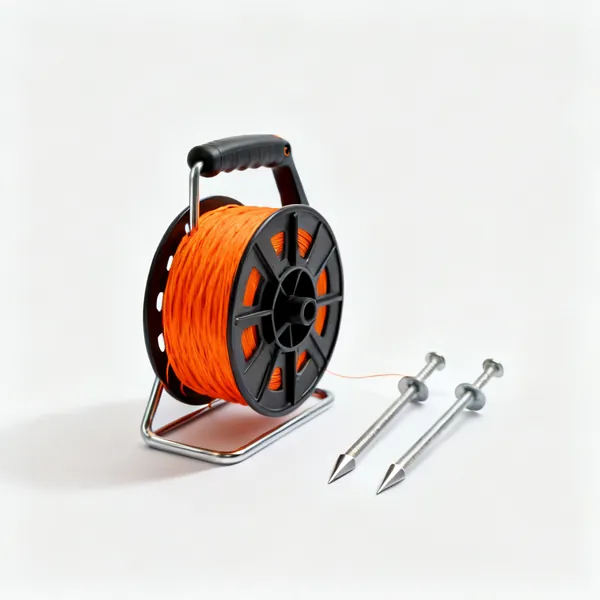
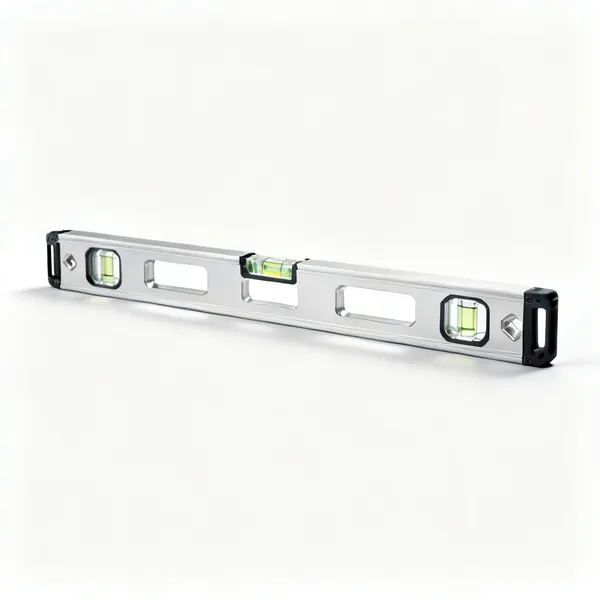
Pull a string line taut across the lawn at a known height and measure down to the surface every metre. That gives you numbers rather than an impression, and the numbers decide the method. A long straight edge laid across a dip does the same over a shorter distance.
It also finds out whether you have a few dips or a slope. A lawn that is uniformly sloping is usually fine and does not need levelling at all, and trying to flatten it means moving a great deal of soil for no benefit.
- String line and a rule
- Measured every metre. It turns an impression into figures, and the figures pick the method.
- Distinguish dips from slope
- A uniform slope usually needs nothing. Only local hollows and bumps are worth correcting.
- Check when it is wet
- Where water sits after rain is where the dips are, and it costs nothing to look.
- Find the cause
- A settling trench, a rotted stump or a burst pipe will simply dip again. Fix that first.
The 15mm rule
Grass will grow up through about 15mm of topdressing without much difficulty. Around 25mm it struggles. Beyond that it is smothered and dies, which leaves a bare patch exactly where you were trying to improve the lawn.
So a deep dip is filled in stages over two or three seasons, 15mm at a time, or the turf is lifted and the ground regraded underneath. Filling a 50mm hollow in one go is the commonest mistake and it produces a level patch of bare soil.
- 15mm per application
- Grass grows through it in a few weeks. Much more and it is smothered.
- Repeat rather than deepen
- Two or three seasons of 15mm, or lift the turf. There is no way to shortcut it.
- Growing season only
- Topdress when the grass is growing so it can come through. Autumn or spring, not midwinter.
- Brush it in
- Work it down into the sward rather than leaving it lying on top of the leaf.
Lifting turf for anything deeper
For a serious hollow, cut the turf, roll it back, add or remove soil underneath, firm it, and relay the turf. Done properly it is invisible within a month, and the turf survives because it was never buried.
Cut it in manageable strips rather than one large piece, because turf is heavy and it tears under its own weight. Keep it damp and relay within a day or two, since lifted turf dies quickly in sun or wind.
- Cut, roll back, regrade, relay
- The turf is never buried, so it survives. Invisible within a month done properly.
- Manageable strips
- Turf is heavy and tears under its own weight. A metre at a time rolls without damage.
- Firm the subsoil
- Loose fill settles and the dip returns. Compact in layers before the turf goes back.
- Relay within a day or two
- Keep it damp and shaded. Lifted turf dies fast in sun or wind.
What to fill with
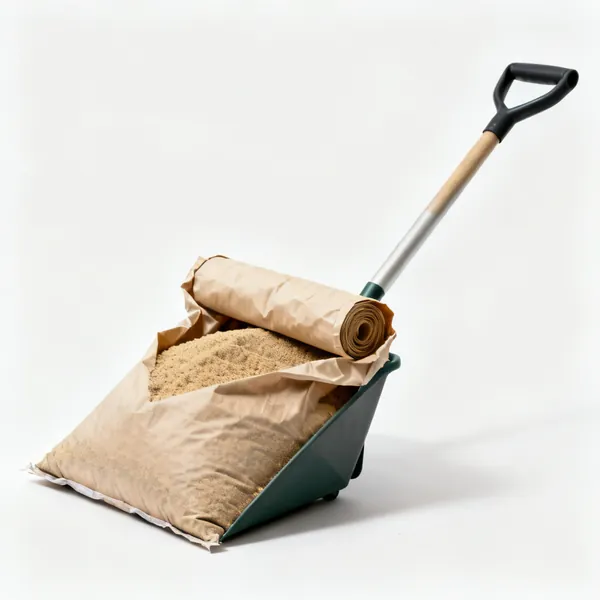
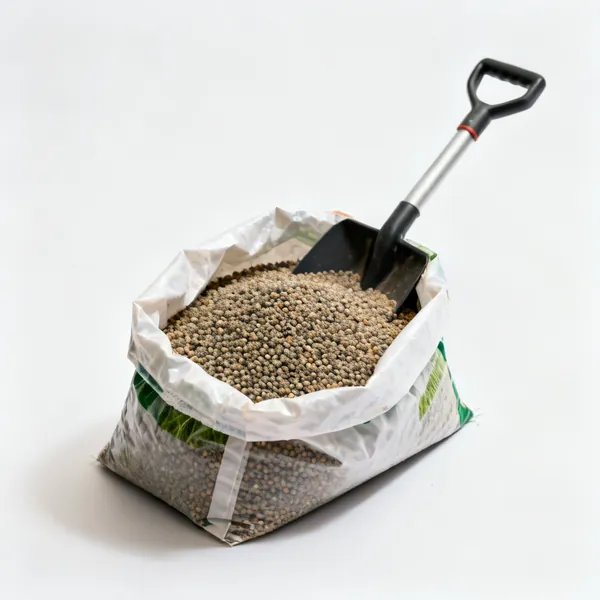
Topdressing is mostly sand with some screened soil and a little compost, and the sand matters because it does not compact and it lets water through. Ordinary topsoil or compost alone holds water, compacts, and creates a soft layer the mower sinks into.
Match it roughly to your existing soil so you are not creating a distinct layer, because water moves badly between two different textures. On a sandy soil a sandier mix, on clay a mix with more soil in it.
- Mostly sand
- It does not compact and water passes through. Compost alone holds water and goes soft.
- Match your existing soil
- Water moves badly between two different textures, so a distinct layer perches water above it.
- Screened, not lumpy
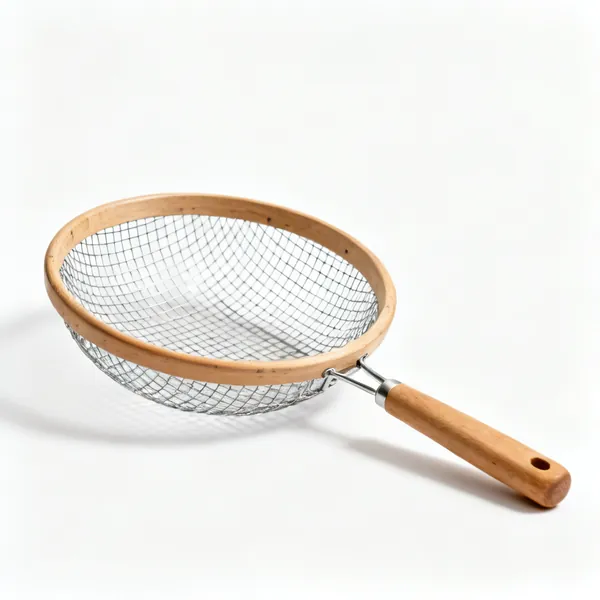
- A lump under a mower is a scalped patch. Sieve it or buy it screened.
- Never builders sand
- It is too fine and it sets hard. Kiln dried or horticultural sand, which is coarse and washed.
Rolling, and why it is usually wrong
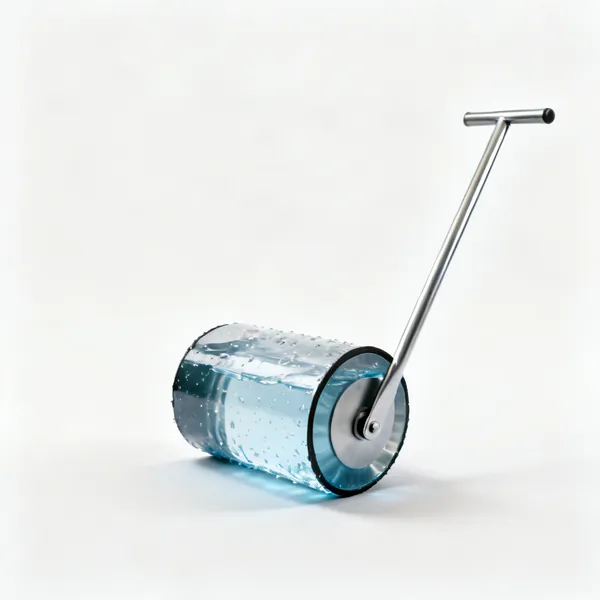
A roller does not level a lawn. It compacts it, and on anything other than freshly laid turf on prepared ground it makes the underlying problem worse by squeezing the air out of the soil.
The exception is settling new turf or seed into contact, done lightly and on soil that is damp rather than wet. Rolling a lawn to flatten bumps pushes the high spots down temporarily and creates the compaction that aerating exists to undo.
- It compacts, it does not level
- The high spots come back and the soil is worse. This is the most common misconception here.
- Only for settling new turf
- Lightly, once, on damp soil. That is the whole legitimate use in a domestic lawn.
- Never on wet soil
- It smears the structure and the damage takes years and a lot of aerating to undo.
- Aerate instead
- If the lawn feels hard, the answer is hollow tining rather than anything pressing down on it.
Frequently asked questions
- What tools do I need to level a lawn?
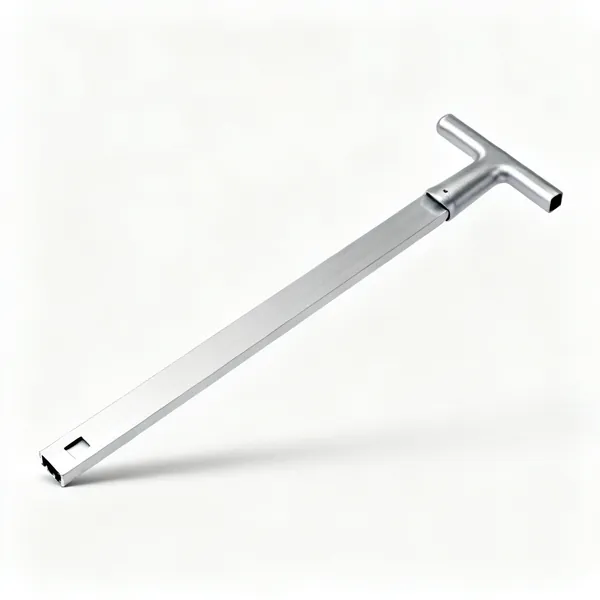
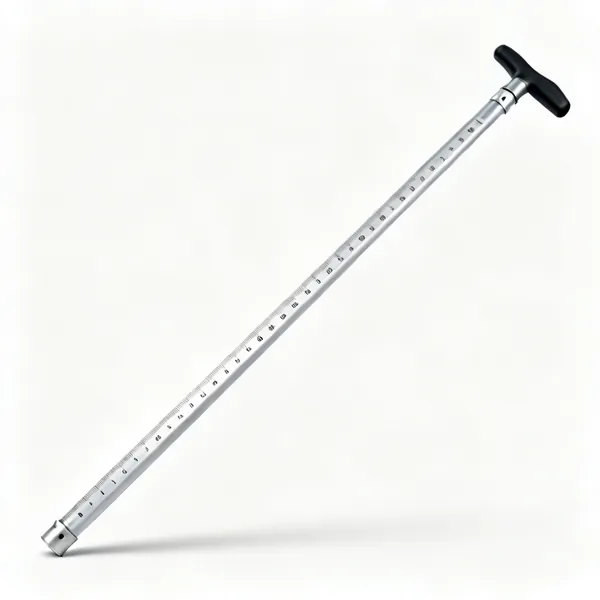
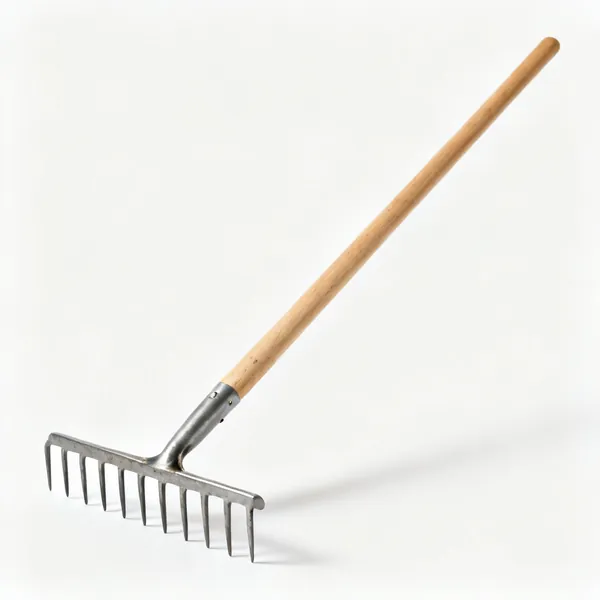
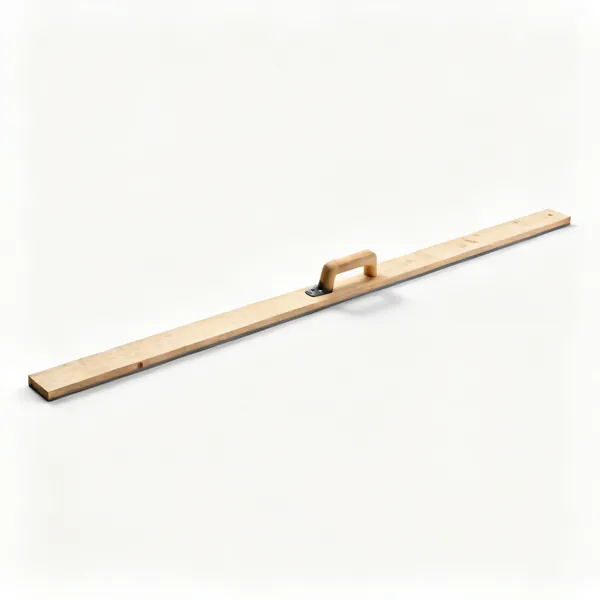
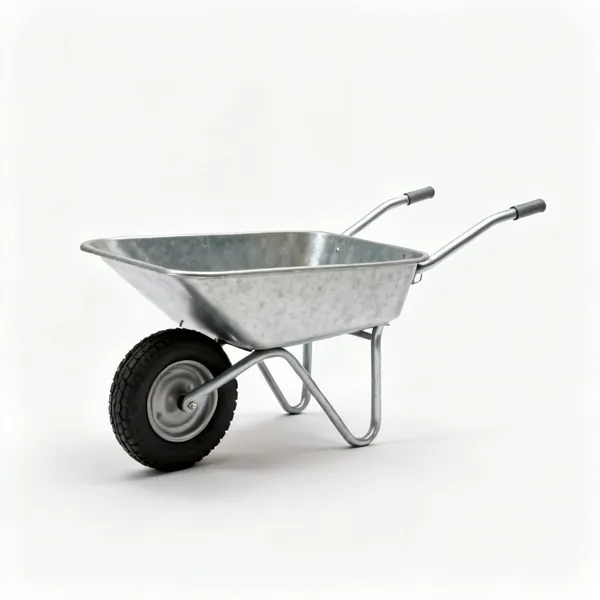
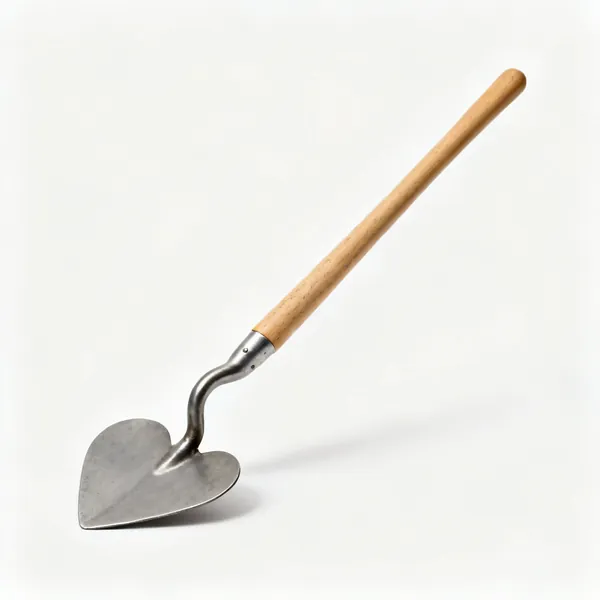
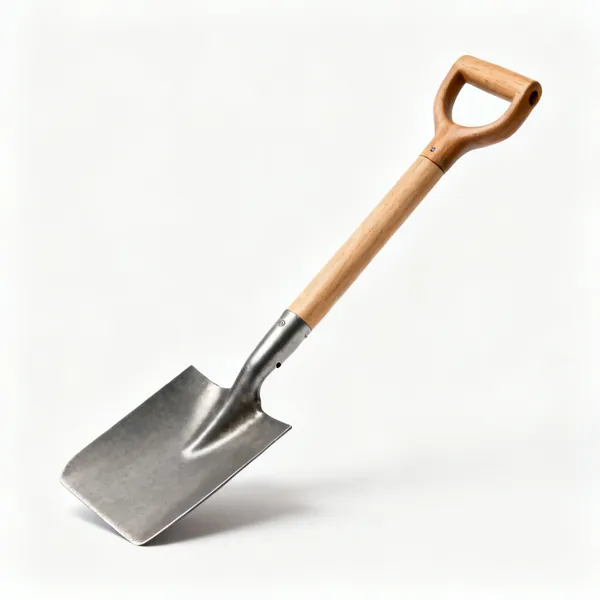
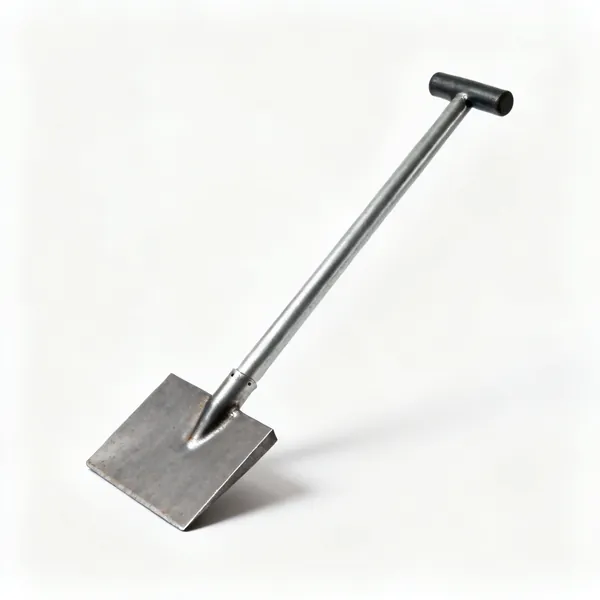
- A levelling rake or lute, a soil rake, a wheelbarrow, a string line and a straight edge, a stiff brush and topdressing mix. For anything deeper than about 25mm add a turfing iron or spade to lift the turf, and a tamper to firm the ground underneath.
- How much topdressing can I put on a lawn at once?
- About 15mm. Grass grows through that in a few weeks. Around 25mm it struggles, and beyond that it is smothered and dies, leaving bare soil exactly where you were trying to improve the lawn. Deeper dips are filled in stages over two or three seasons.
- What is a lawn lute?
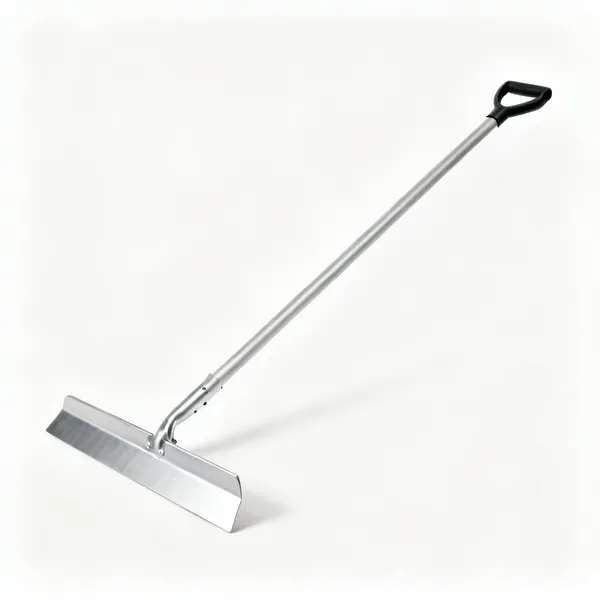
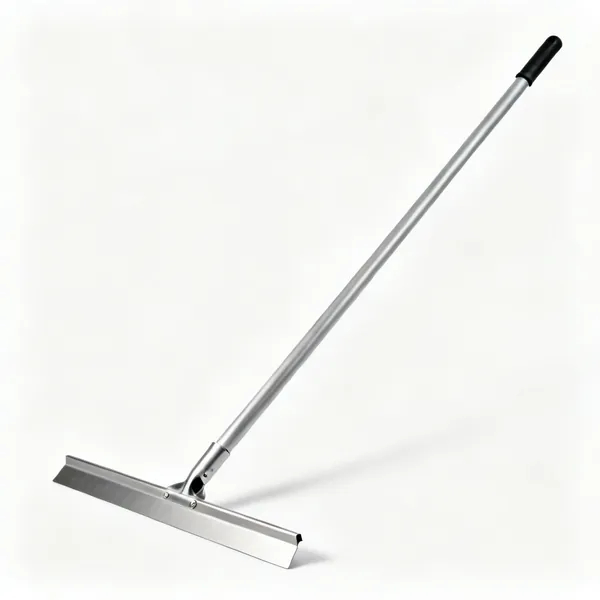
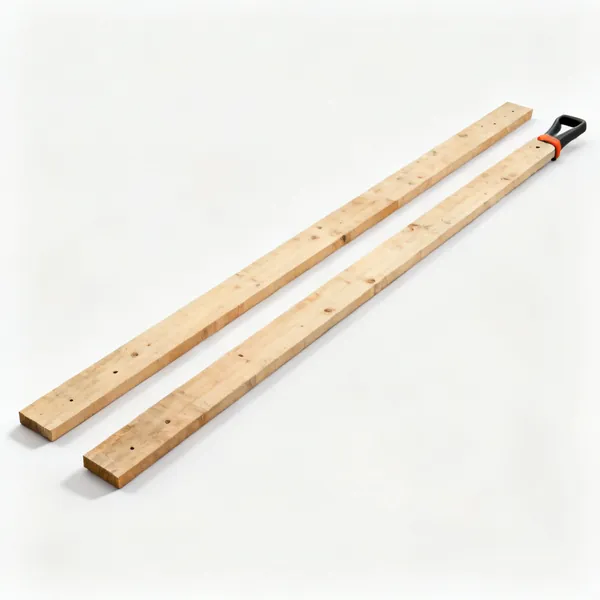
- A long flat blade on a handle, drawn across the lawn to spread and work topdressing evenly into the sward. Its width is what makes the finish level rather than following the bumps, and it works the material down into the grass rather than leaving it on top.
- How do I fix a deep hollow in a lawn?
- Cut the turf, roll it back in manageable strips, add and firm soil underneath, then relay the turf. The turf is never buried so it survives, and it is invisible within a month. Filling a deep hollow with topdressing instead just kills the grass.
- Will a roller level my lawn?
- No. A roller compacts a lawn rather than levelling it, so the high spots return and the soil is worse for having the air squeezed out of it. Its only legitimate use is lightly settling new turf or seed into contact on damp soil.
- What mix should I use for topdressing?
- Mostly sand with some screened soil and a little compost. Sand matters because it does not compact and water passes through it, whereas compost or topsoil alone holds water and goes soft. Match it roughly to your existing soil so you do not create a distinct layer.
- When is the best time to level a lawn?
- During the growing season, so the grass can grow up through the topdressing. Early autumn is usually best because the soil is still warm and moisture is reliable, with spring the second choice. Topdressing in midwinter leaves it sitting on the surface.
- Why does my lawn keep sinking in the same place?
- Something underneath is still settling: a service trench, a rotted tree stump, made up ground or a leaking pipe. Levelling the surface repeatedly treats the symptom. Find and fix the cause first, or you will be topdressing the same spot every year.