Running a vegetable plot
Beds rather than rows, a hoe used weekly, and succession sowing. Those three do more than any tool you can buy.
Beds rather than rows
A bed no more than 1.2m wide, reachable from both sides, means you never walk on the soil. Uncompacted soil drains better, warms earlier and needs far less digging, and over a few years a bed system becomes noticeably easier to work than open ground.
It also lets you crop closely rather than in widely spaced rows, which suppresses weeds by shading the soil. Paths take the compaction and the beds take the crops, which is the whole idea.
- 1.2m maximum width
- Reachable from both sides without stepping on the soil. That is the number that matters.
- Never walk on the beds
- Compaction is the thing digging exists to undo. Not causing it is easier than fixing it.
- Crop closely
- Close planting shades the soil, which suppresses weeds. Wide rows are for tractor access.
- Firm paths
- Bark, boards or grass. The paths take the wear so the beds do not need it undone each spring.
The hoe is the most important tool on the plot
Ten minutes with a hoe every week, on a dry day, on weeds too small to identify, is the single highest return activity in a vegetable garden. It takes almost no effort because the weeds have no root system yet, and it prevents the afternoon of hand weeding that follows if you leave them.
The plot that gets away from people is always the one where the hoeing was skipped for three weeks in May. Nothing else on this page compensates for that, and a sharpened hoe makes it a pleasant job rather than a chore.
- Weekly, on a dry day
- Severed seedlings dry out and die. In damp soil they re-root and nothing is achieved.
- Before you can identify them
- A weed too small to name has no root worth the name either. That is the moment.
- Sharpen it
- A file along the leading edge. It should slice, and almost nobody does this to a hoe.
- Shallow
- Just under the surface. Deep hoeing brings buried weed seed up into the light.
Sow in succession, not all at once
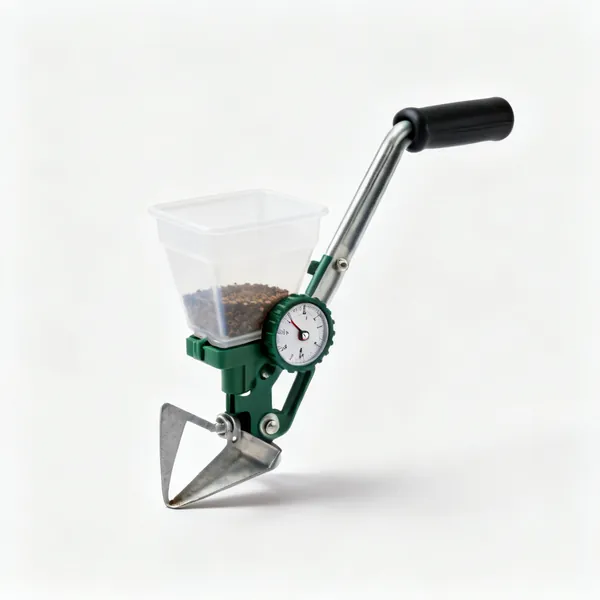
A whole row of lettuce sown on one day gives you forty lettuces in one week and none for the rest of the summer. Sowing a short length every two or three weeks gives a continuous supply from the same total area, and it is the single most useful habit on a plot.
It also spreads the risk. One sowing lost to slugs, drought or a cold week is a fortnight's gap rather than a whole crop, which matters more on an allotment visited twice a week than in a garden looked at daily.
- Short rows every two or three weeks
- Continuous supply from the same area, rather than a glut then nothing.
- It spreads the risk
- One sowing lost is a gap rather than the crop. Slugs and dry weather both take a whole sowing.
- Label everything, with the date
- By the time seedlings appear you will not remember what or when, and the date decides the thinning.
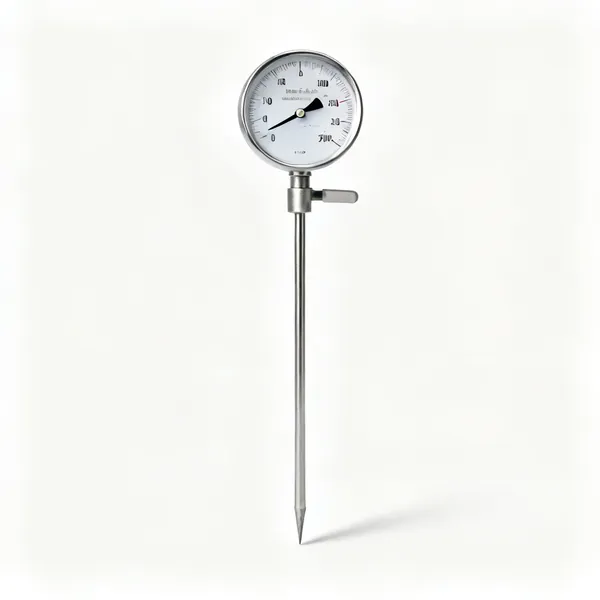
- Soil temperature, not the calendar
- Most seed needs the soil above a threshold. A thermometer answers what a packet cannot.
Water heavily and rarely
Frequent light watering keeps roots in the top 50mm, which is the layer that dries out first, so the plants become dependent on you. A heavy soak less often drives roots down to where the moisture is and produces plants that survive a week without you.
Some crops care much more than others. Anything setting fruit, meaning beans, tomatoes, courgettes and peas, will drop flowers if it dries at the wrong moment. Root crops mostly cope, and a dry patch produces smaller but perfectly good carrots.
- Heavy, and less often
- It drives roots down. Light frequent watering keeps them shallow and dependent.
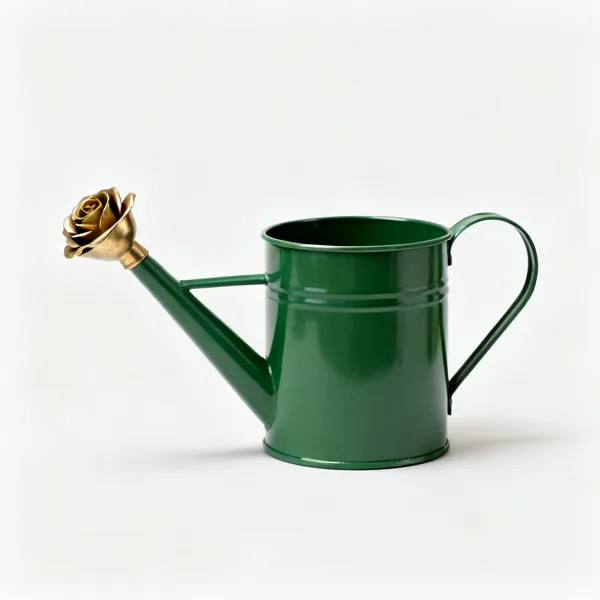
- Water the soil, not the leaf
- Wet foliage in the evening is how blight and mildew establish. A can at the base, not a sprinkler.
- Prioritise anything fruiting
- Beans, tomatoes, courgettes and peas drop flowers if they dry out while setting.
- Mulch after watering
- It holds what you have just put on. Mulching dry soil seals the dryness in.
Harvesting and what happens after
Most vegetables are better picked small and often than left to reach full size. Courgettes at 150mm, beans before the pods swell, salad as leaves rather than hearts. Leaving a courgette to become a marrow also tells the plant to stop producing.
Storage decides how much of the crop you actually eat. Onions and garlic need drying properly before they go anywhere. Potatoes need dark and cool. Almost nothing keeps in a sealed plastic bag, which is where a surprising amount of a first harvest ends up.
- Pick small and often
- Better eating, and it keeps the plant producing. One marrow stops a courgette plant.
- Cut, do not pull
- Pulling a bean or a salad plant disturbs the roots of what is still growing beside it.
- Dry onions and garlic properly
- Two to three weeks somewhere airy. Undried alliums rot within a month of storage.
- Dark, cool, ventilated
- Potatoes in paper or hessian, never sealed plastic, which sweats and then rots the lot.
Frequently asked questions
- What tools do I need for a vegetable garden?
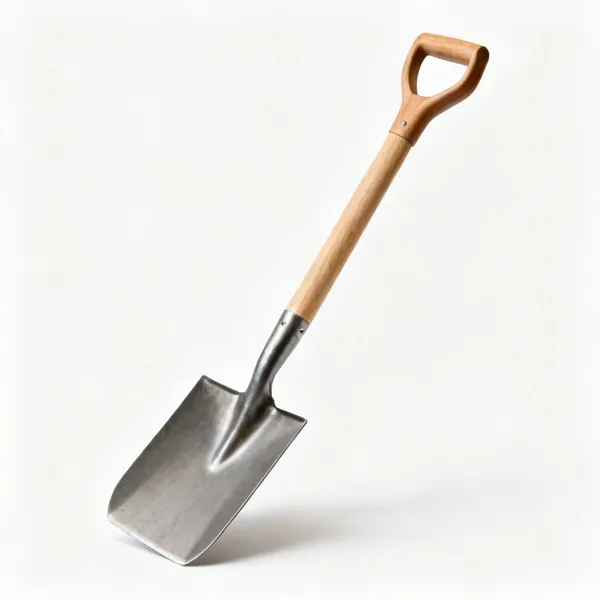
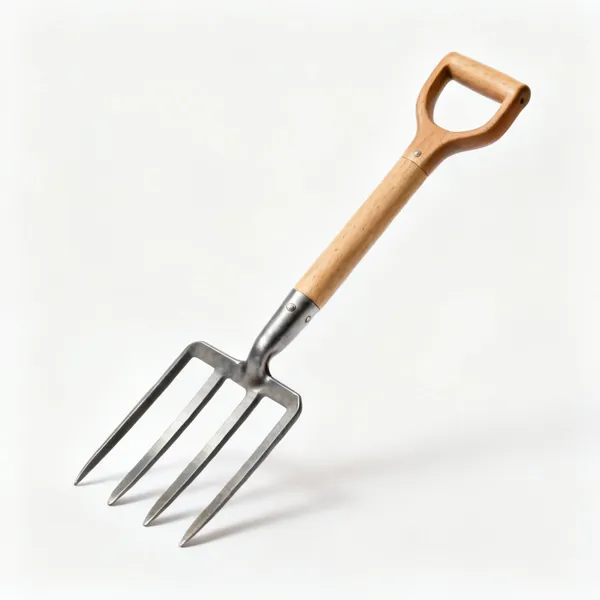
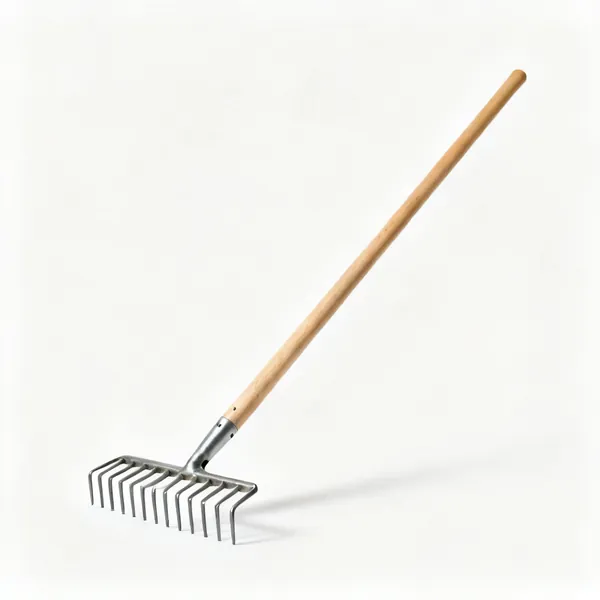
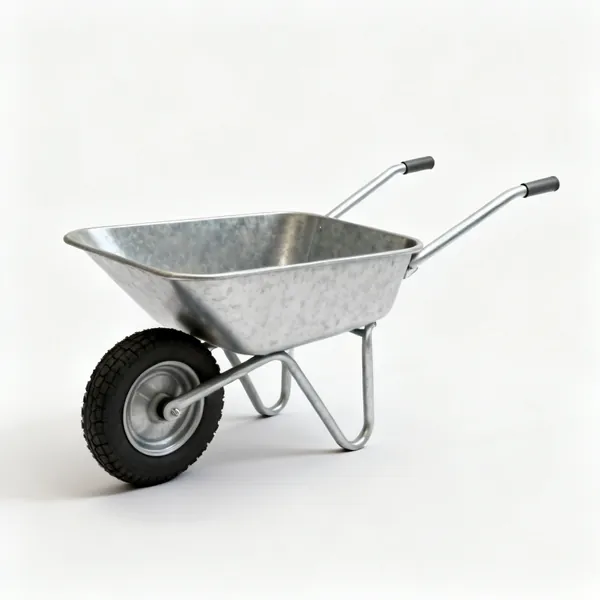
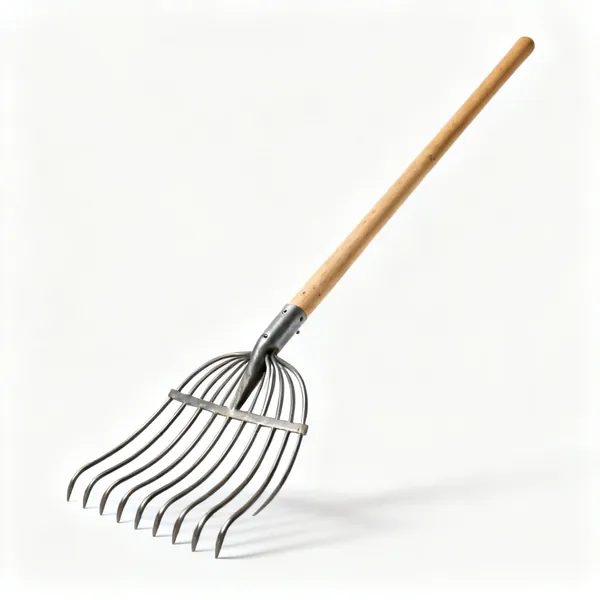
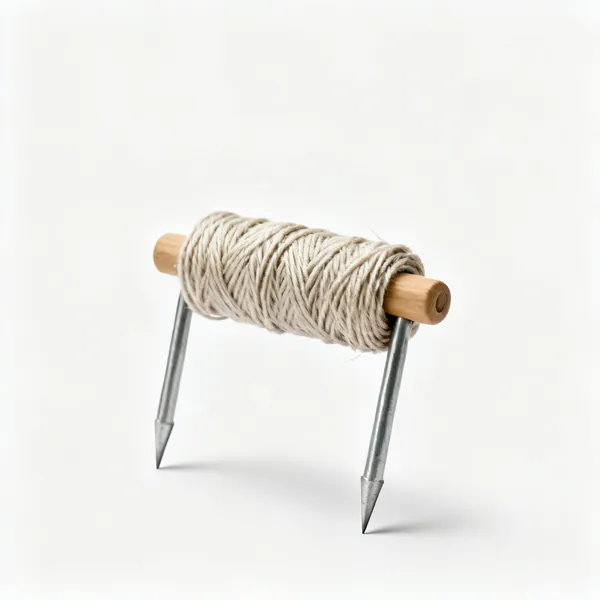
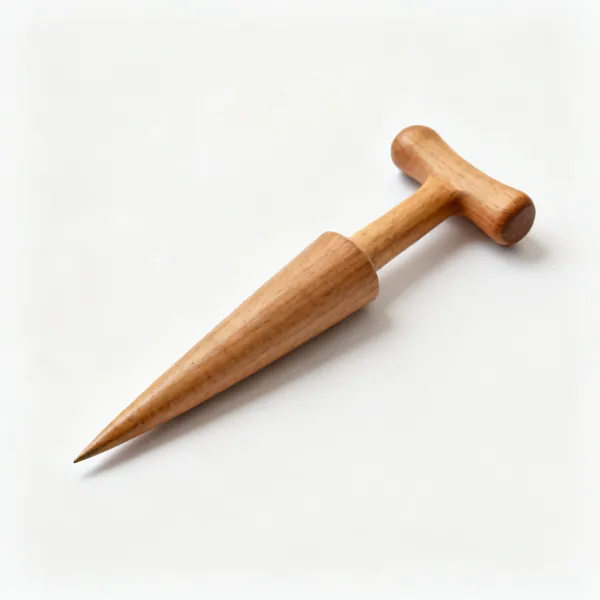
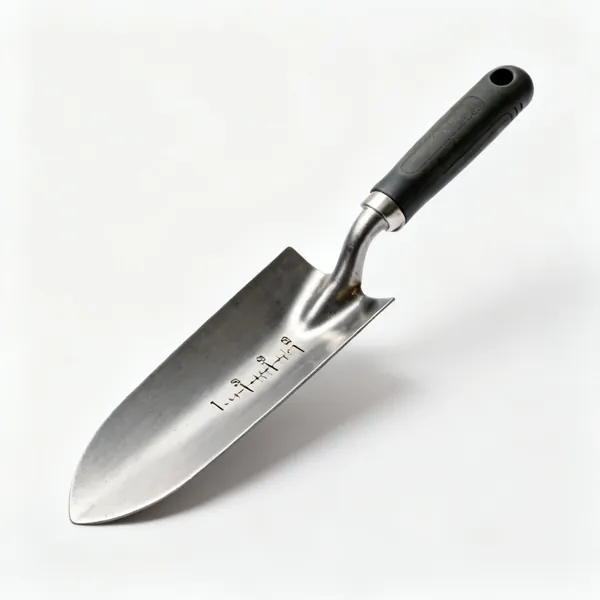
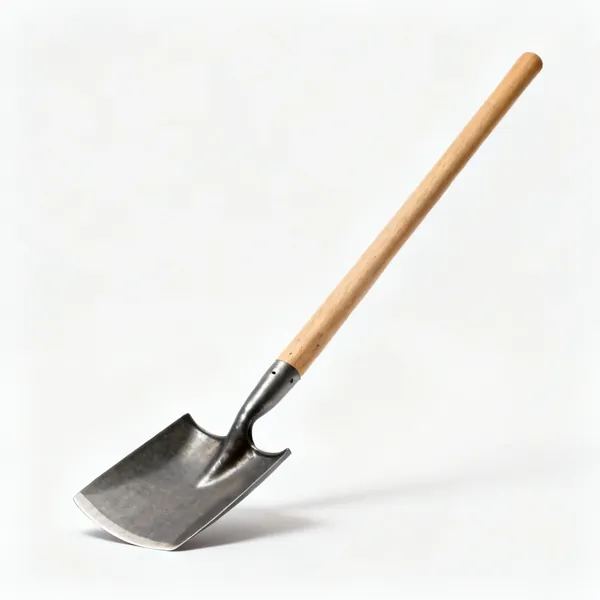
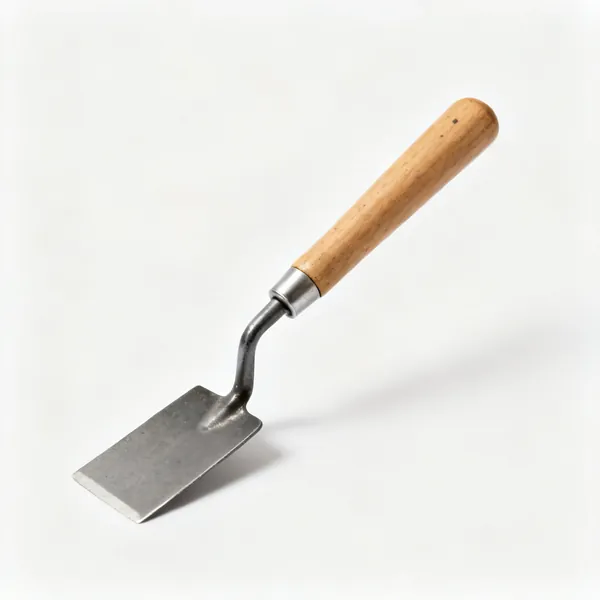
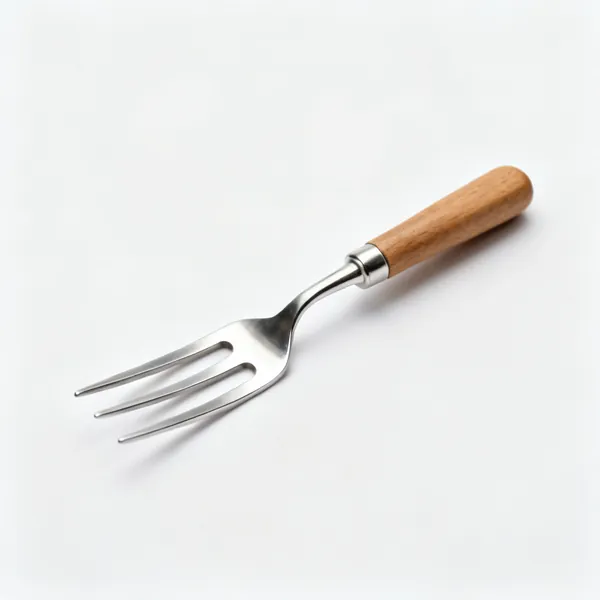
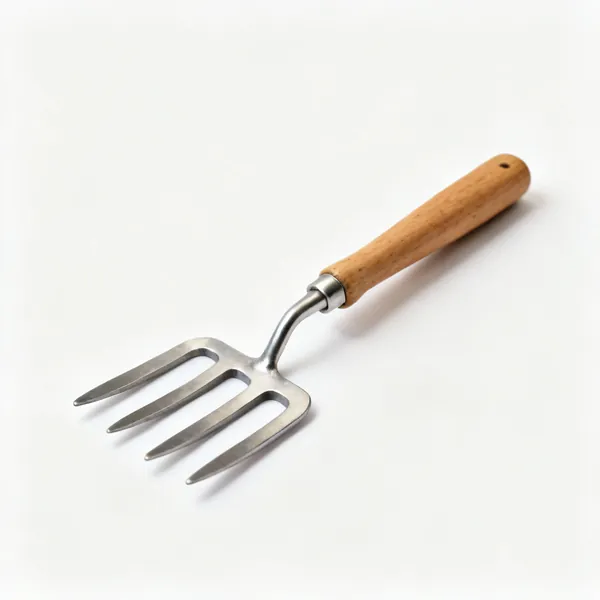
- A spade, a digging fork, a hoe, a rake, a hand trowel and fork, a watering can, a dibber and a line. Add a wheelbarrow and a hoe you keep sharp. That will run a first plot for a season, and the hoe is the one that matters most.
- What is the most useful tool on a vegetable plot?
- A sharp hoe. Ten minutes weekly on a dry day, on weeds too small to identify, prevents almost all hand weeding for the season. The plot that gets away from people is always the one where hoeing was skipped for three weeks in May.
- How wide should a vegetable bed be?
- No more than about 1.2 metres if reachable from both sides, or 600mm against a wall. The point is never having to step on the soil, because compaction is what makes digging necessary and uncompacted soil drains better and warms earlier.
- Do I need to dig my vegetable beds every year?
- Not if you are not walking on them. A bed system with paths taking the traffic stays open enough to work with a fork rather than turning it over, and the surface can simply be mulched. Annual digging is largely undoing compaction that need not have happened.
- What is succession sowing?
- Sowing a short length of a row every two or three weeks rather than the whole row at once. It gives a continuous supply from the same area instead of a glut then nothing, and it spreads the risk so one sowing lost to slugs or drought is a gap rather than the crop.
- How often should I water vegetables?
- Heavily and less often rather than lightly and daily, because a soak drives roots down while frequent light watering keeps them shallow and dependent. Water the soil rather than the leaf, since wet foliage in the evening is how blight and mildew establish.
- When should I harvest vegetables?
- Earlier than most people do. Courgettes at about 150mm, beans before the pods swell, salad as individual leaves. Small and often is better eating and it keeps the plant producing, whereas letting one courgette become a marrow tells the plant to stop.
- How do I store what I grow?
- Dark, cool and ventilated, never sealed plastic. Onions and garlic need two to three weeks drying somewhere airy before storage or they rot. Potatoes go in paper or hessian sacks. Most of a first harvest is lost to storage rather than to growing.