Taking grass off an area
Match the method to the area and to how soon you need it. Lifting is fast and hard; mulching is easy and slow.
Four methods, and they are not interchangeable
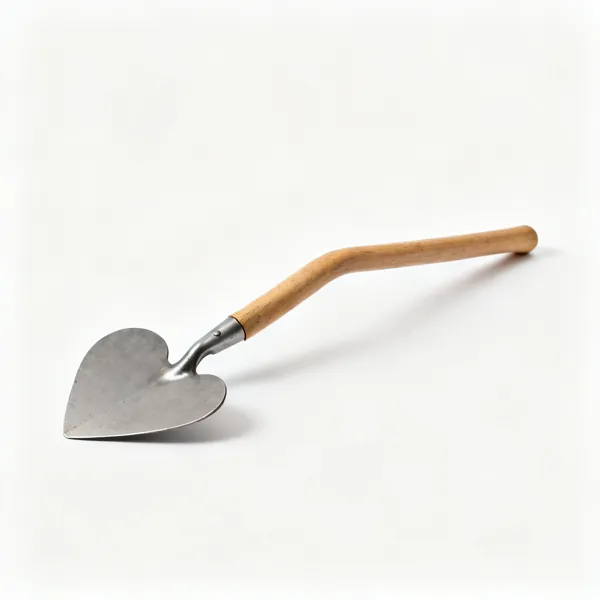
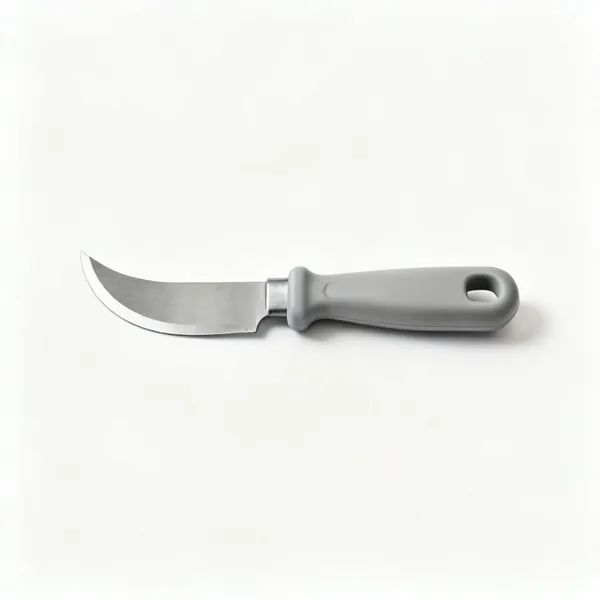
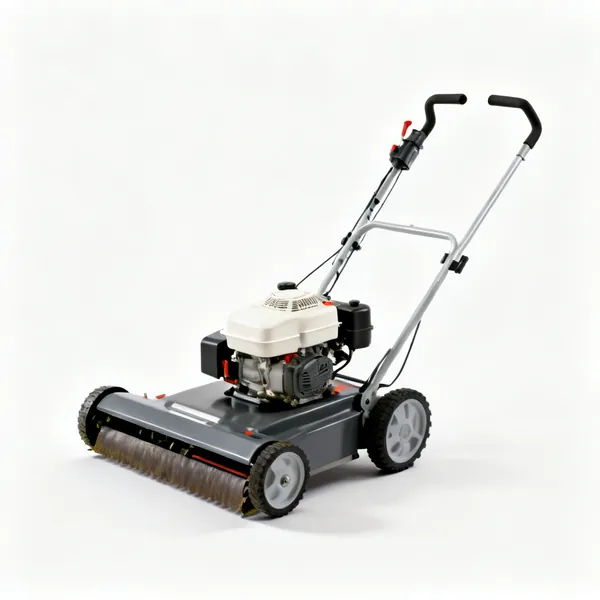
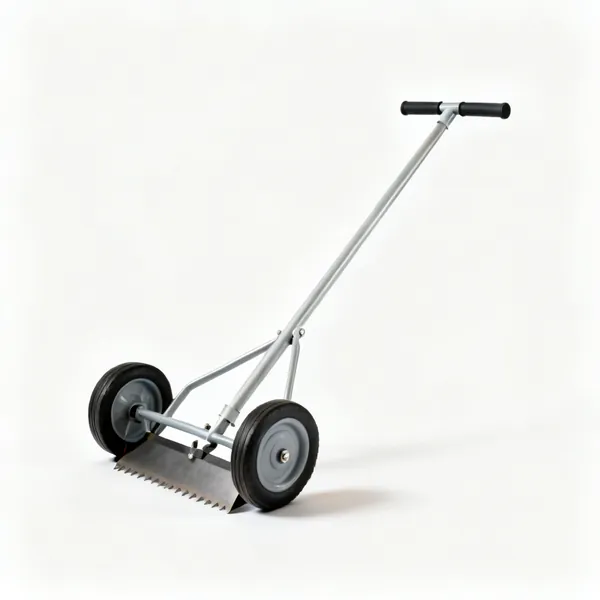
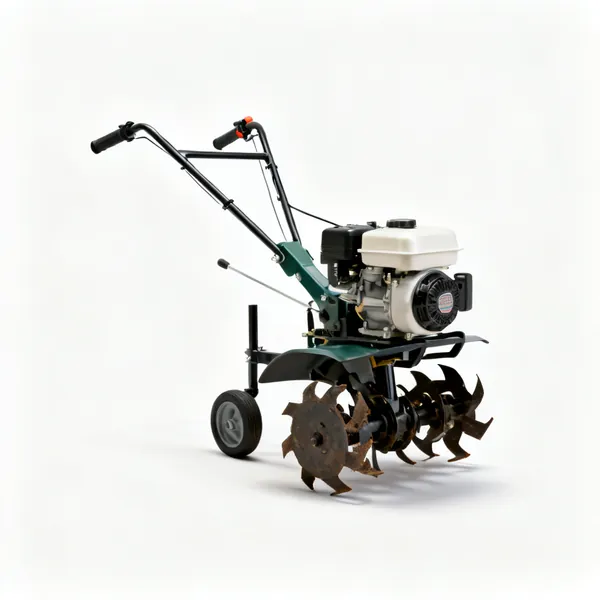
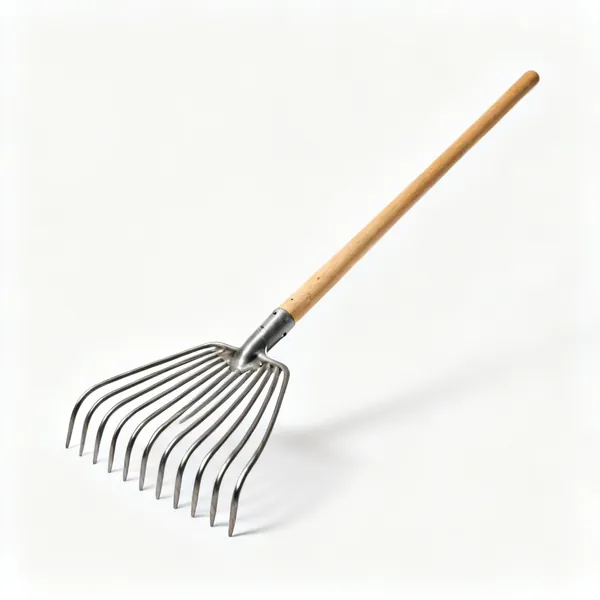
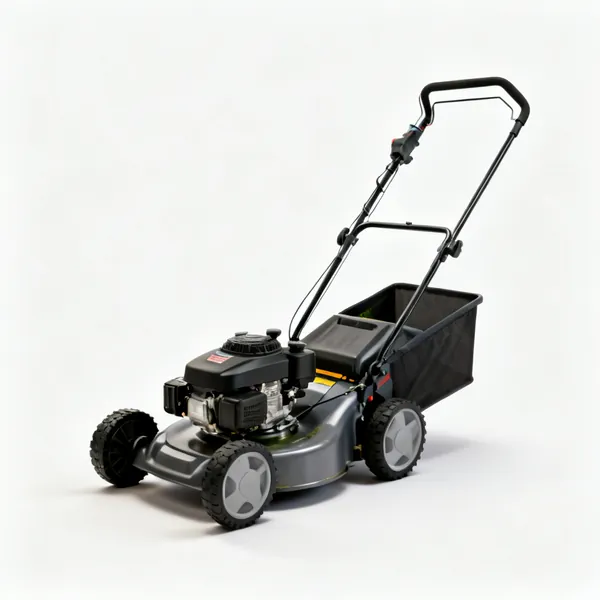
Lifting the turf with a turfing iron gives you bare soil the same day and it is genuinely hard work over anything larger than a few square metres. A hired powered turf cutter does the same in an hour for a lawn sized area and costs a day's hire.
Digging it in, meaning turning the turf face down and burying it, is fast and works on fine lawn grass. It fails on couch and other runner grasses, which regrow from buried fragments. Sheet mulching, covering the grass with cardboard and compost, needs almost no effort and takes three to six months.
- Lift it
- Bare soil today, and hard work. A turfing iron over about 10 square metres is a real day.
- Hire a turf cutter
- A lawn sized area in an hour. The right answer above roughly 20 square metres.
- Dig it in
- Fast on fine lawn grass. It fails completely on couch, which regrows from every fragment.
- Sheet mulch
- Cardboard and compost, three to six months, almost no effort. The easiest and the slowest.
Find out what grass it is first
Fine lawn grasses spread mostly by tillering at the crown, so removing the crown removes the plant. Couch grass, and to a lesser extent creeping bent, spread by underground rhizome, and every fragment of that rhizome left in the soil becomes a new plant.
That single distinction decides the method. On couch, digging it in multiplies it, rotavating it multiplies it dramatically, and the only reliable approaches are lifting it out with the top 50mm of soil, or covering it for a full season.
- Pull a piece up and look
- White underground running stems mean couch. Roots only from a crown means ordinary lawn grass.
- Never rotavate couch
- It chops the rhizome into hundreds of cuttings and plants every one of them.
- Lift couch with the topsoil
- The rhizome sits in the top 50mm, so take that away rather than trying to pick it out.
- Or cover it for a season
- Light exclusion works on couch where digging does not. It needs the full growing season.
Lifting turf properly
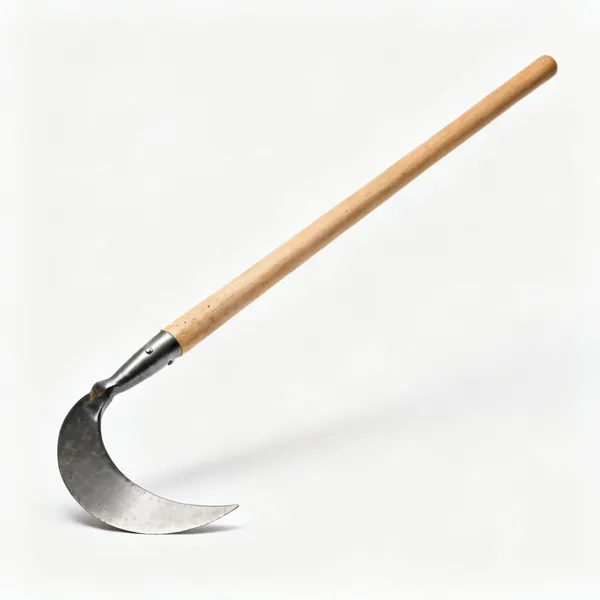
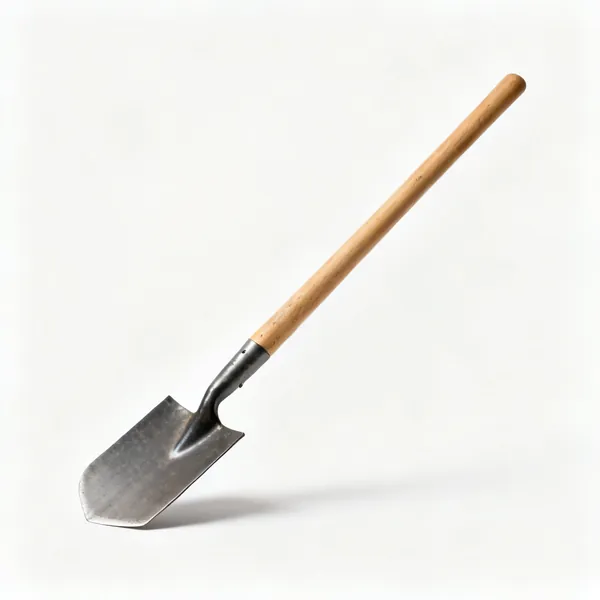
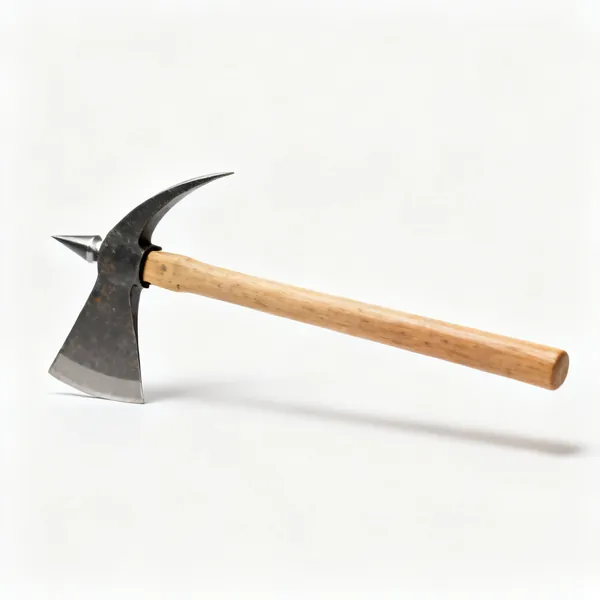
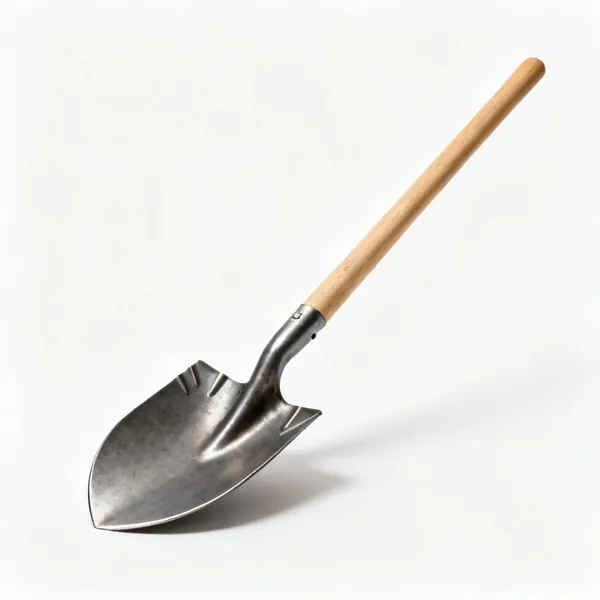
Cut the area into strips about 300mm wide with a half moon iron first, then work along each strip with a turfing iron held almost flat, about 40mm down. Cutting it into strips is what stops the turf tearing under its own weight as it is rolled.
Rolled turf is heavy, roughly 25kg per square metre. Roll it grass side in so the surface is protected, and either relay it within a day or two or stack it upside down to rot into loam, which takes a year and produces good soil.
- Strips of about 300mm
- Cut with a half moon iron first. Wider than that and the turf tears as it rolls.
- 40mm deep, blade almost flat
- Deep enough for the roots, shallow enough that you are not lifting soil you want to keep.
- Roll grass side in
- It protects the surface, and it makes a roll that holds together while it is carried.
- 25kg per square metre
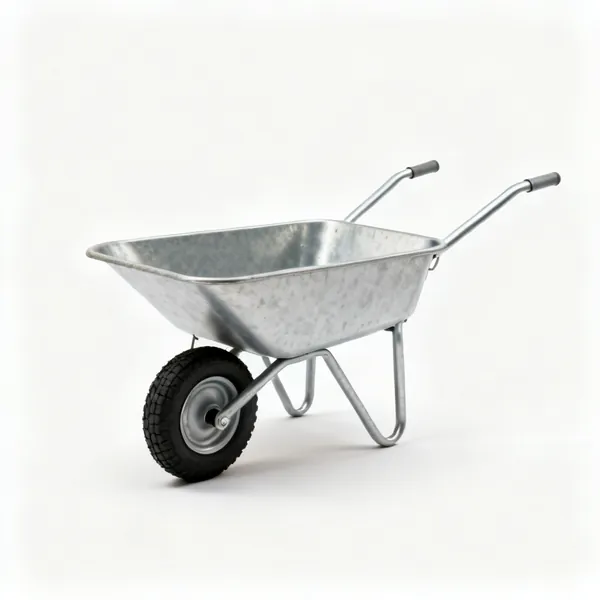
- Turf is heavy. Small rolls and a barrow, rather than large rolls and your back.
- Stack it to rot
- Upside down in a heap. A year later it is excellent loam rather than a disposal problem.
Sheet mulching, the lazy method that works
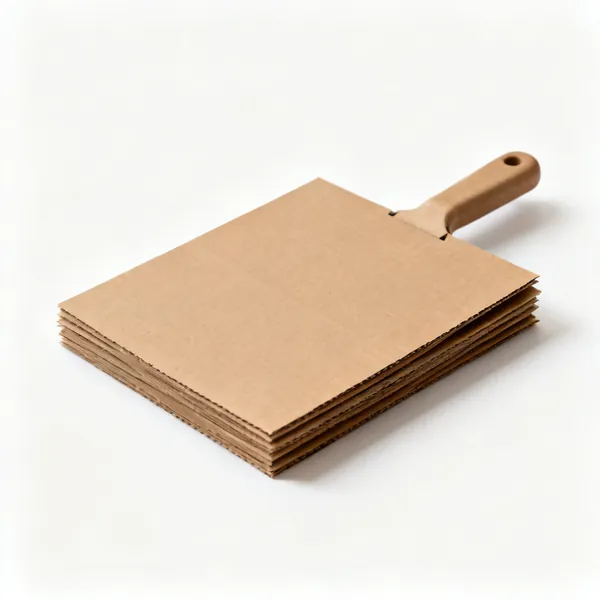
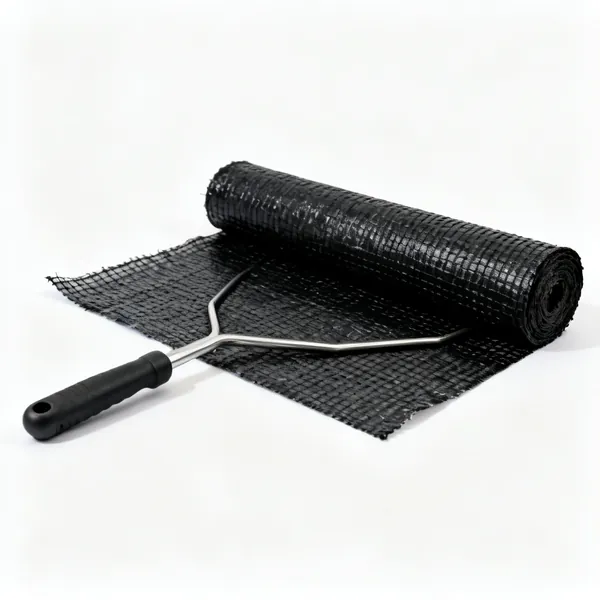
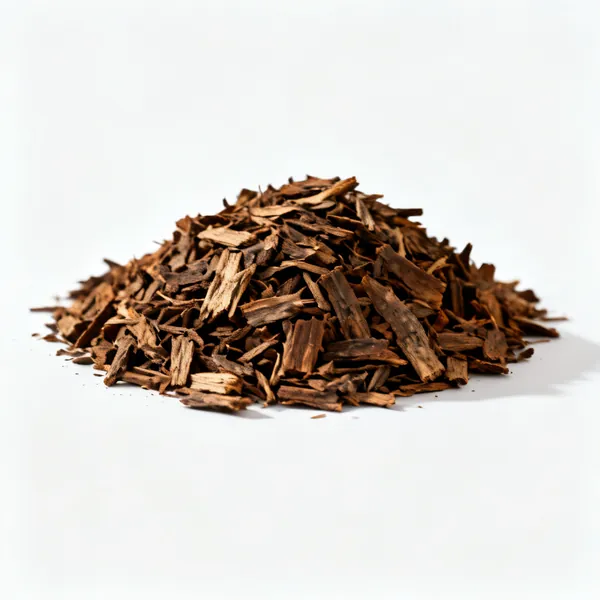
Mow the grass short, lay plain cardboard with the tape removed and generous overlaps, then 100mm to 150mm of compost or bark on top. The grass dies from lack of light, the cardboard rots, and the worms take everything down. In three to six months you have a plantable bed.
It is the least work of any method by a wide margin and it improves the soil rather than removing any. Its only real cost is time, and it works on couch grass where digging does not.
- Mow it short first
- Less material to break down, and the cardboard lies flat rather than bridging over tufts.
- Plain cardboard, overlapped
- Tape and labels removed, 150mm overlaps. A gap is where grass comes straight back through.
- 100 to 150mm on top
- Compost or bark. Too thin and light gets through at the edges, which is where it fails.
- Three to six months
- A full growing season for couch. Autumn to spring is the natural window for it.
- It adds soil
- Unlike lifting, which removes the top 40mm. On thin soil this matters a great deal.
What to do with the ground afterwards
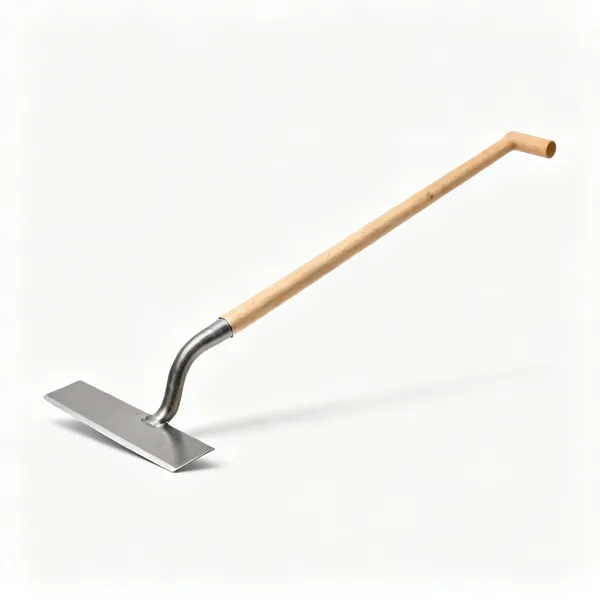
Freshly cleared ground has a weed seed bank in it that has been waiting for light. Expect a flush of seedlings within three weeks, and deal with them with a hoe while they are too small to identify rather than letting them establish.
Then mulch it. Bare soil is an invitation, and 50mm to 75mm of mulch over cleared ground is what stops you doing the whole job again in two years. Planting closely does the same thing more attractively.
- Expect a weed flush
- Within three weeks. Seed that was buried now has light, and there is a lot of it.
- Hoe it weekly
- While the seedlings are too small to name. Ten minutes now against an afternoon later.
- Mulch immediately
- 50 to 75mm over cleared soil. Bare ground will be colonised by something.
- Check for rhizome regrowth
- On couch, for a full season. One missed fragment rebuilds the patch within two years.
Frequently asked questions
- What is the best tool for removing grass?
- For a bed sized area, a half moon iron to cut it into strips and a turfing iron to lift them. Above about 20 square metres, hire a powered turf cutter. For the least effort, sheet mulch with cardboard and compost and wait three to six months.
- How do I remove grass to make a new bed?
- Cut the outline with a half moon iron, then cut the area into 300mm strips and lift each one with a turfing iron held almost flat at about 40mm deep. Or cover the area with cardboard and 100mm of compost and plant into it the following season.
- Can I just dig the grass in?
- On fine lawn grass, yes: turning the turf face down and burying it works and adds organic matter. On couch grass it fails completely, because couch spreads by underground rhizome and every buried fragment regrows. Identify the grass before choosing this method.
- How do I get rid of couch grass?
- Lift it out with the top 50mm of soil, since the rhizome sits in that layer, or exclude light for a full growing season with cardboard and mulch. Never rotavate it, because that chops the rhizome into hundreds of cuttings and plants every one of them.
- Is a turf cutter worth hiring?
- Above about 20 square metres, almost certainly. A powered turf cutter does a lawn in an hour, cuts to a consistent depth, and costs a day's hire against a day of very hard work with a turfing iron. Below that a hand tool is quicker than collecting the machine.
- What is sheet mulching?
- Mowing the grass short, covering it with plain overlapped cardboard, then 100mm to 150mm of compost or bark. The grass dies from lack of light, the cardboard rots and worms take it all down. It takes three to six months, needs almost no effort, and adds soil rather than removing it.
- What should I do with the turf I have lifted?
- Relay it within a day or two if you want it elsewhere, keeping it damp and shaded. Otherwise stack it upside down in a heap and leave it for a year, after which it becomes excellent loam. It is a resource rather than waste, and it is heavy to take away.
- Why do weeds appear after I remove grass?
- Because the soil holds a bank of weed seed that has been waiting for light, and clearing the grass gives it that. Expect a flush within three weeks. Hoe it weekly while the seedlings are tiny, then mulch the ground so nothing else germinates.