Removing weeds so they stay removed
Identify how the weed grows first. Tap root, runner or seedling, and each one needs a different tool and a different technique.
Tap root, runner or seedling
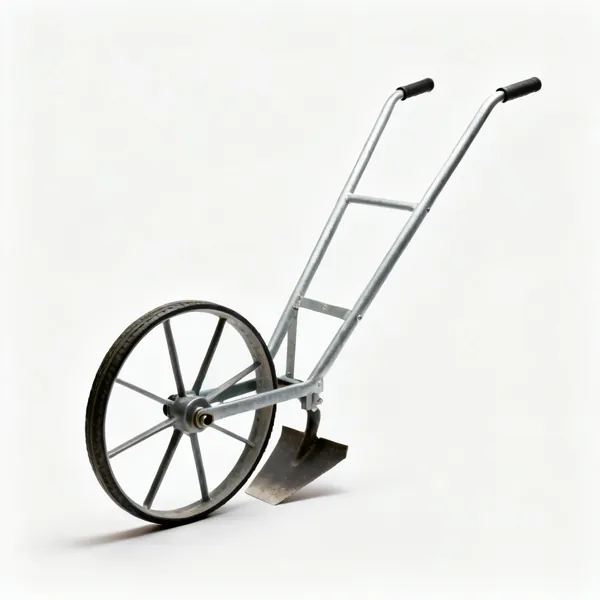
A seedling annual has almost no root and dies if it is separated from the soil, so a hoe drawn through the surface on a dry day kills a whole bed of them in minutes. Nothing has to be lifted or removed.
A perennial with a tap root, such as a dandelion or a dock, regrows from any piece of root left behind. It has to be extracted whole, which needs a tool that goes deep and levers rather than one that cuts. A runner spreader like couch grass or bindweed is worse again: every fragment left in the soil becomes a new plant, so partial removal actively multiplies the problem.
- Seedling annual
- Hoe on a dry day. Sever it at the surface and leave it. Nothing needs lifting.
- Tap root perennial
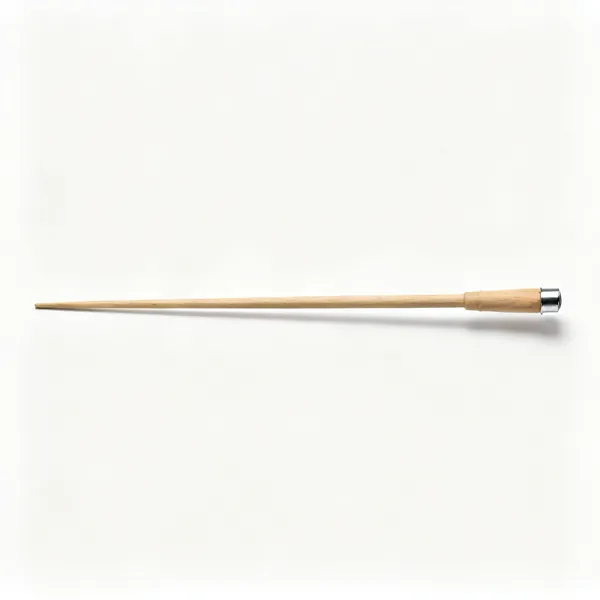
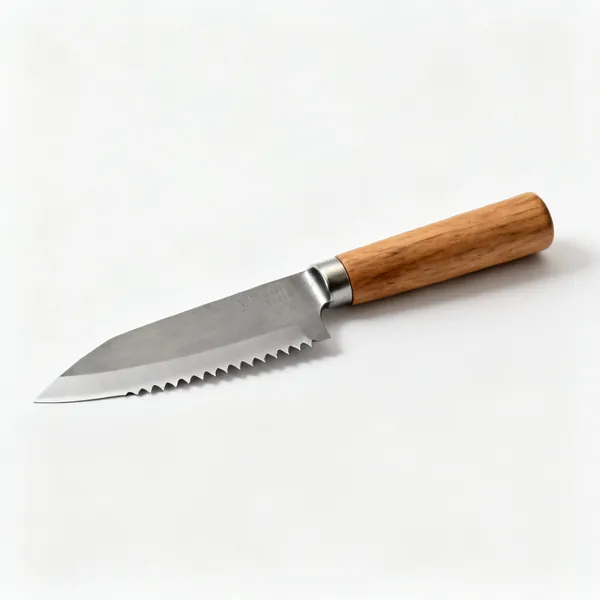
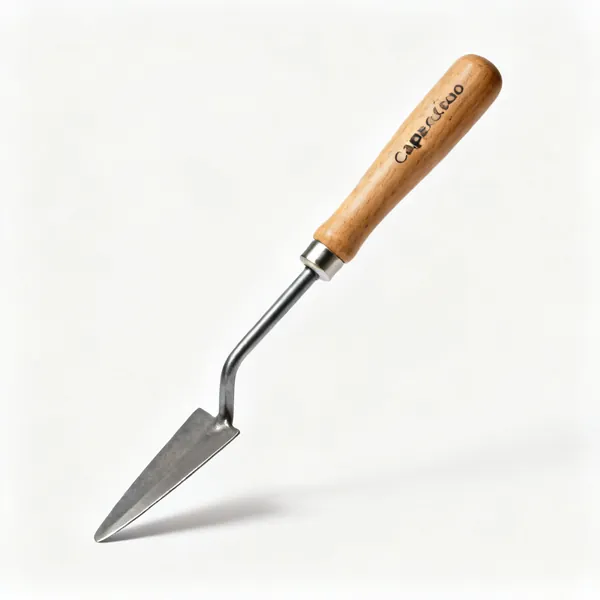
- Lever it out whole. A dandelion weeder or a hori hori. A broken root regrows in weeks.
- Runner spreader
- Every fragment regrows, so partial digging makes it worse. Trace and lift the whole run.
- Identify before you start
- The wrong tool on a runner does not just fail, it propagates it across the bed.
Hoe in dry weather, and keep it sharp
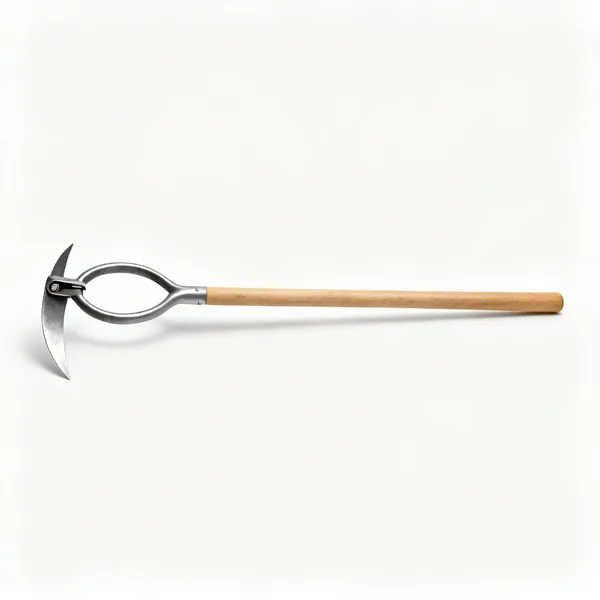
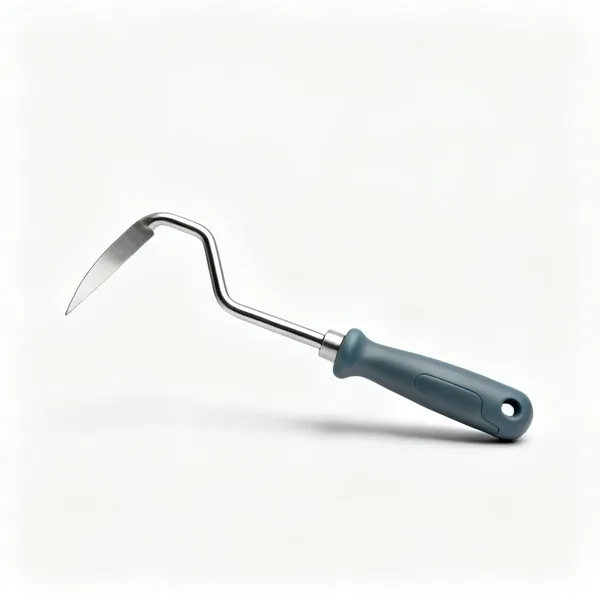
A hoe works by severing seedlings just below the surface and leaving them on top to dry out and die. In damp weather they re-root instead, so hoeing in the rain is close to useless. A dry, breezy day is worth several times a wet one.
The other half is sharpness. A hoe should slice, not scrape, and a few strokes with a file along the leading edge transforms how little effort it takes. Most people have never sharpened a hoe and are surprised by the difference.
- Dry day, dry soil
- Severed seedlings die in the sun. In damp soil they re-root and you have achieved nothing.
- Sharpen the blade
- A file along the leading edge. It should slice through the surface, not drag across it.
- Shallow, not deep
- Just under the surface. Deep hoeing brings buried weed seed up into the light to germinate.
- Little and often
- Ten minutes weekly on seedlings beats an afternoon on established weeds, by a wide margin.
Getting a tap root out whole
The technique that works is to loosen the soil beside the root first, then lever rather than pull. Pulling a dandelion by its leaves snaps the root at around 50mm and leaves the rest, which regrows within a few weeks and often comes back as two crowns instead of one.
Soil condition matters more than the tool. After rain, when the ground is soft but not sodden, a whole root comes out with very little force. In dry summer soil the same weed snaps every time, so watering the area first genuinely helps.
- Lever, do not pull
- Loosen beside the root, then lever it out. Pulling snaps it and it regrows, often doubled.
- Damp soil, not dry
- A day after rain the whole root lifts. In baked soil it snaps whatever tool you use.
- Go deeper than you think
- A mature dock root can be 300mm. Anything left below the cut regrows.
- Check what came out
- Look at the root end. A clean taper came out whole; a blunt break means part of it is still in there.
Paving, gravel and block paving
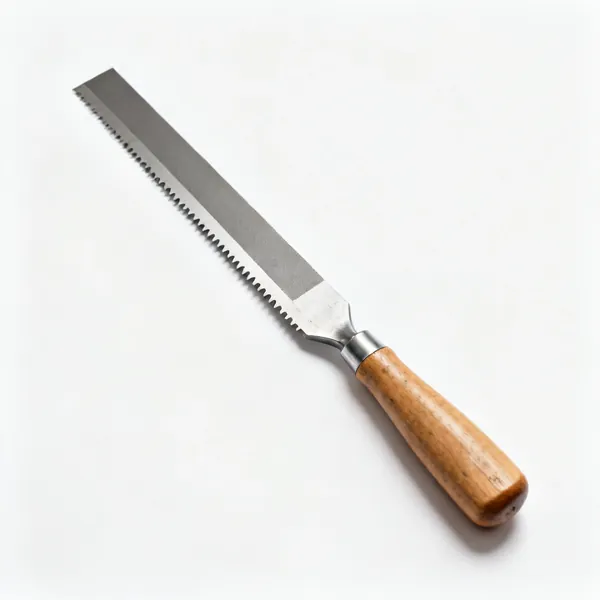
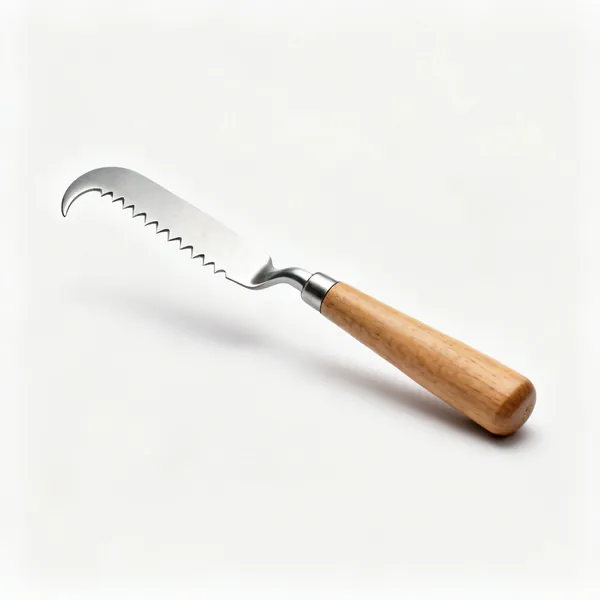
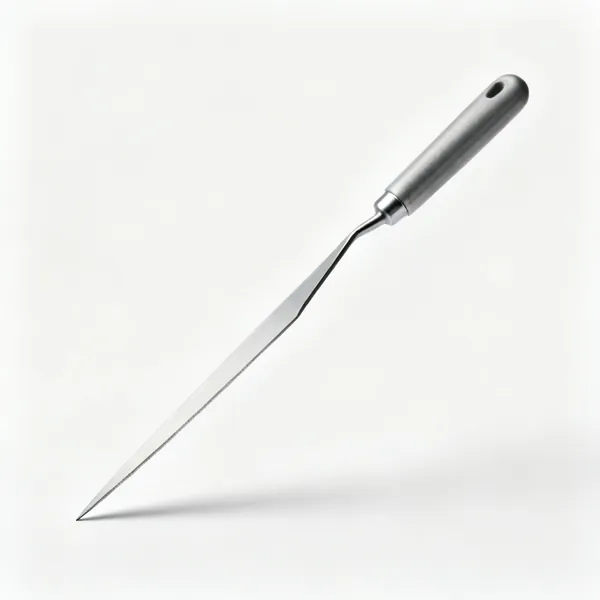
Weeds in a joint are rooted in the sand or the accumulated debris rather than in soil, and they have to be scraped out of a narrow slot. A hooked patio knife pulled along the joint does this in one pass, and it also removes the material the weed was rooted in, which is what stops the next one.
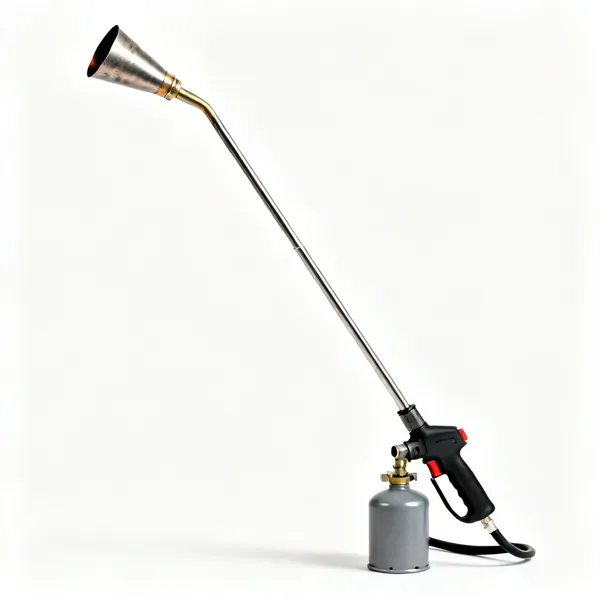
For a large area a weed burner is quicker than any blade and it kills the top growth without touching the root, so perennials return. Neither is a permanent answer: refilling the joints with a proper jointing compound is.
- Clear the joint, not just the weed
- It is rooted in accumulated debris. Remove that and the next seed has nowhere to sit.
- A hooked blade beats a straight one
- It pulls along the joint and lifts the material out rather than skating over it.
- Burners kill top growth only
- Fine on annuals in gravel. Perennials in a joint regrow from the root every time.
- Rejoint to fix it properly
- A jointing compound or fresh kiln dried sand. Weeding paving repeatedly treats a symptom.
Doing much less of it
The single biggest reduction in weeding comes from mulch. A 50mm to 75mm layer of bark, compost or gravel over a cleared bed blocks the light that weed seed needs to germinate, and it cuts new weeds by most of what you had.
The second is to weed before they seed. One dandelion left to flower produces enough seed to keep you busy for two years, so the ten minutes spent on a bed in flower is worth more than an hour on it in autumn.
- Mulch 50 to 75mm
- Over cleared soil. It blocks the light weed seed needs, and it is the biggest single reduction.
- Never let one seed
- A single dandelion in flower is two years of work. Getting it before that is the cheapest weeding there is.
- Do not dig unnecessarily
- Digging brings buried seed to the surface. An undisturbed mulched bed stays cleaner.
- Plant closely
- Ground covered by something you want is ground unavailable to something you do not.
Frequently asked questions
- What is the best tool for weeding?
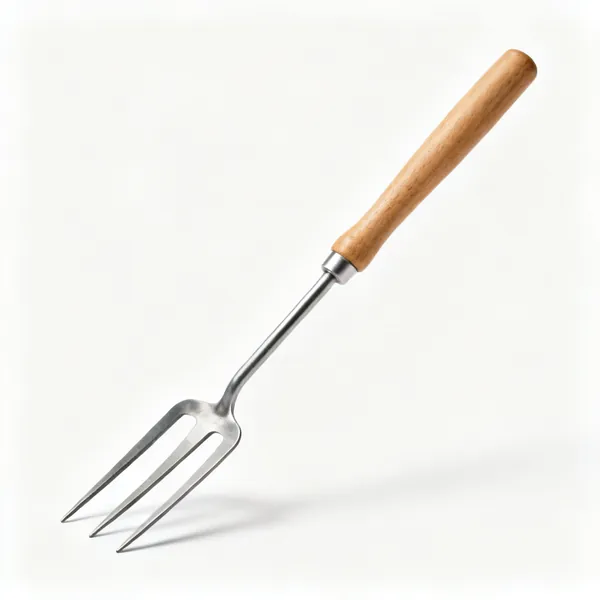
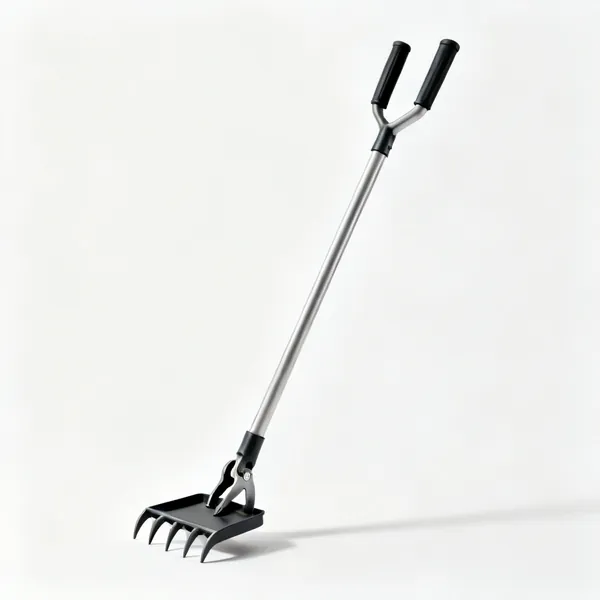
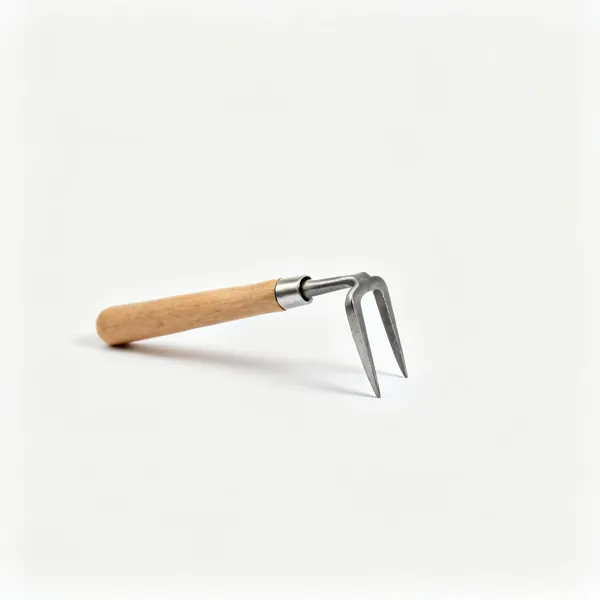
- It depends how the weed grows. A hoe for seedling annuals, a dandelion weeder or hori hori for tap roots, a long handled grubber for weeding standing up, and a hooked patio knife for paving joints. There is no single tool because the three weed types need three actions.
- How do I remove weeds so they do not come back?
- Get the whole root. Loosen the soil beside a tap root and lever it out rather than pulling, because pulling snaps it at about 50mm and it regrows, often as two crowns. For runner weeds like couch grass, trace and lift the whole run, since every fragment left becomes a new plant.
- What is a hori hori knife?
- A Japanese weeding knife with a heavy pointed blade, one straight edge and one serrated, and depth marks along it. It digs, cuts roots, levers out tap roots and saws through matted growth, which is why many gardeners end up using it for most of their weeding.
- When is the best time to weed?
- For hoeing, a dry breezy day, because severed seedlings dry out and die whereas in damp soil they re-root. For pulling tap roots, a day or so after rain when the soil is soft but not sodden, since the whole root lifts instead of snapping.
- Are long handled weeders any good?
- For tap roots in a lawn, very. A stand up weed puller with a foot plate and a lever takes out a dandelion without kneeling, and on a lawn full of them that is the difference between doing the job and not. They are less useful in a planted bed where accuracy matters.
- How do I get weeds out of block paving?
- A hooked patio knife pulled along the joint, which lifts the weed and the accumulated debris it was rooted in. Clearing the joint matters as much as the weed, because the next seed lands in the same material. Then rejoint with a compound or kiln dried sand.
- Do weed burners work?
- On seedlings and annuals in gravel or paving, yes, and they are quicker than any blade over a large area. They only kill top growth, so perennials with a root system regrow within weeks. Treat them as a fast way to tidy rather than a way to remove weeds.
- What is the easiest way to reduce weeding?
- Mulch. A 50mm to 75mm layer of bark, compost or gravel over cleared soil blocks the light weed seed needs to germinate and removes most new weeds. After that, weeding before anything sets seed, since one dandelion in flower is roughly two years of extra work.