How to choose tools for a weak or painful grip
Grip diameter, lever length and whether the tool returns on its own. Those three tell you most of what you need to know before you buy.
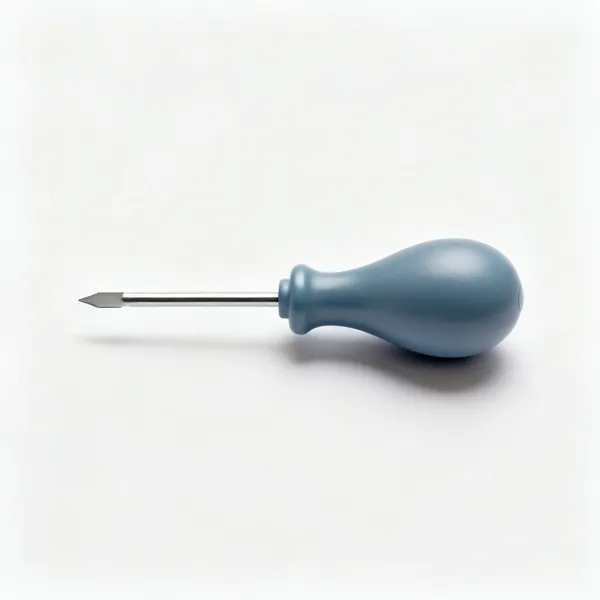
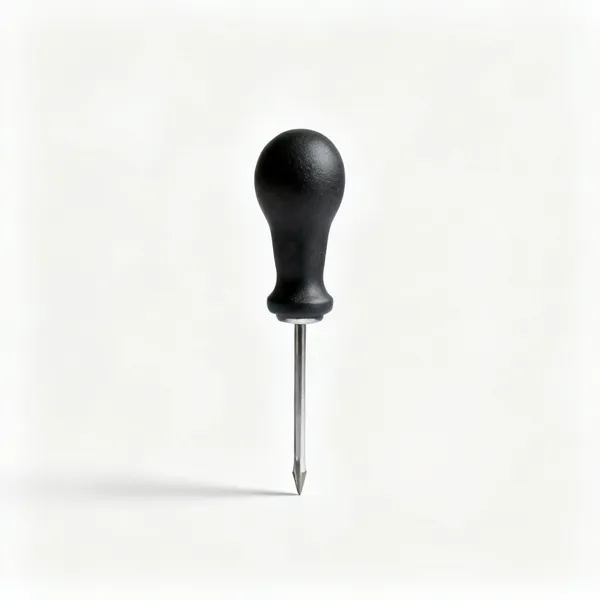
Handle thickness changes everything
A thin handle forces the fingers into a tight fist and loads the small joints at the base of each finger. A thicker handle spreads the same force across the whole palm and keeps the fingers in a more open position, which most people find markedly less painful.
Around 32mm to 38mm is where most hands are strongest. Below about 25mm you are relying on finger flexion; above about 50mm you start losing control because the fingers cannot wrap far enough to hold it steady.
- Aim for 32 to 38mm
- The range where grip strength peaks for most adults, and where the load moves off the finger joints and onto the palm.
- Soft, not squashy
- A slightly compliant surface spreads pressure. A very soft one deforms so much that you squeeze harder to keep control.
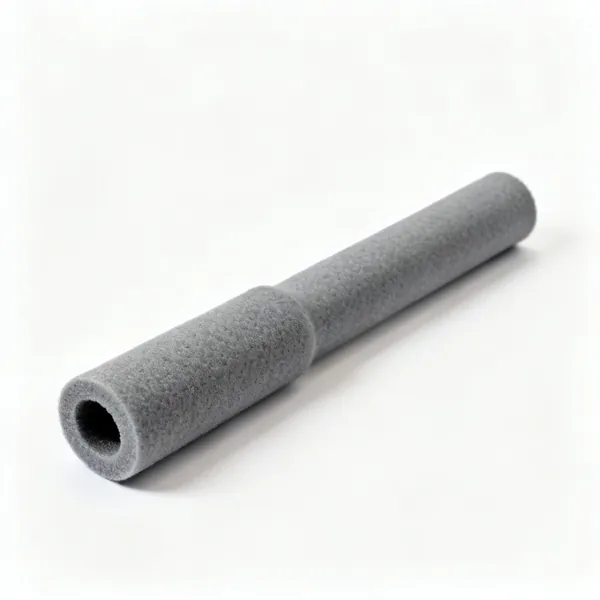
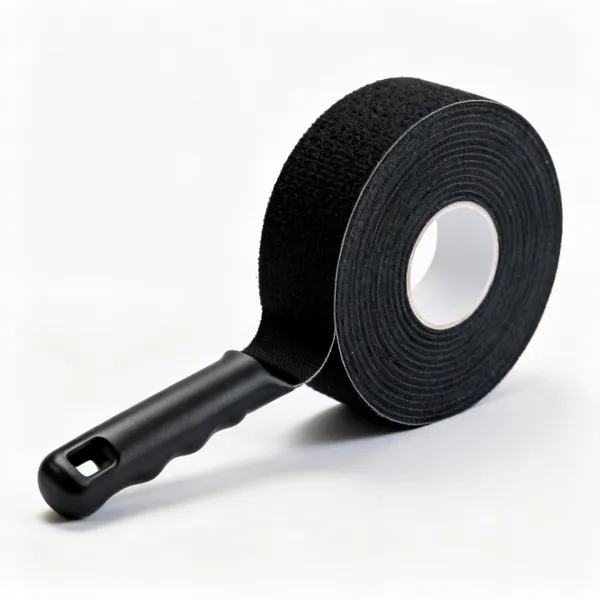
- Build up what you own
- Foam tubing or a self-fusing silicone tape thickens a handle you already have for very little money.
Let the tool do the squeezing
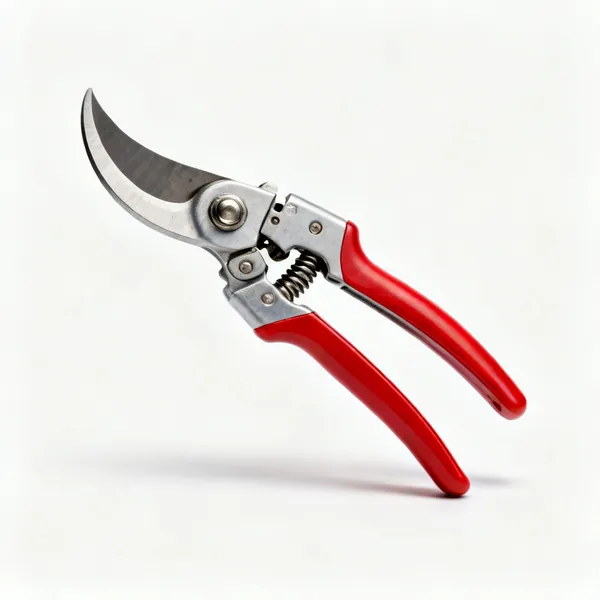
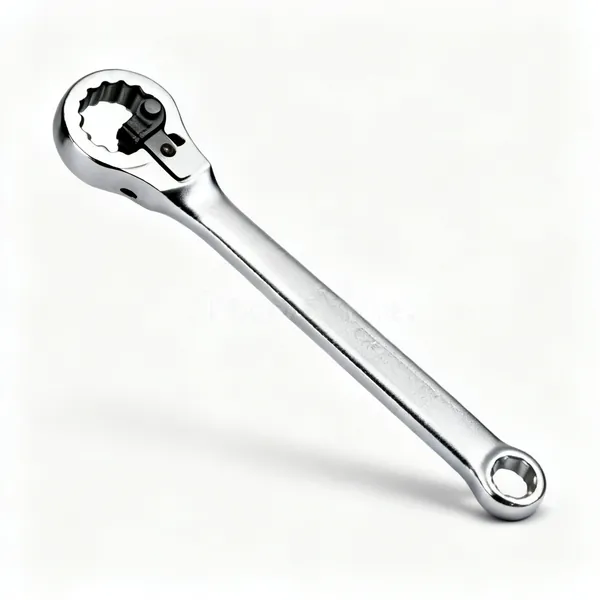
A ratchet mechanism lets you squeeze in several small stages instead of one hard one, so no single movement needs full strength. Ratcheting secateurs, cable cutters and crimpers all work this way, and the difference is not marginal.
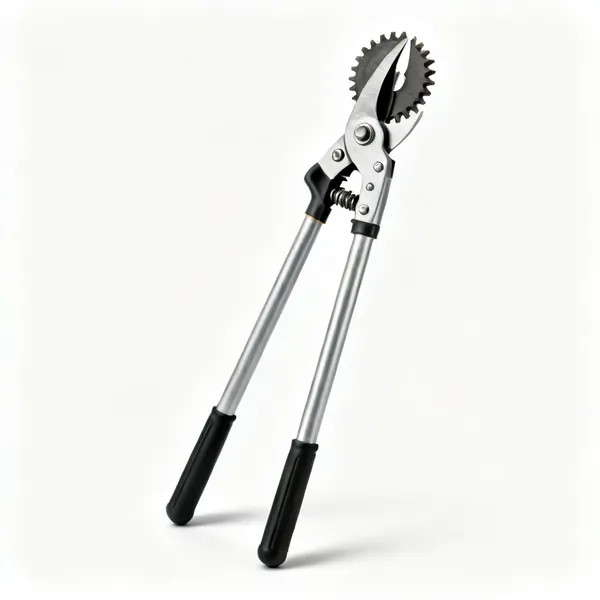
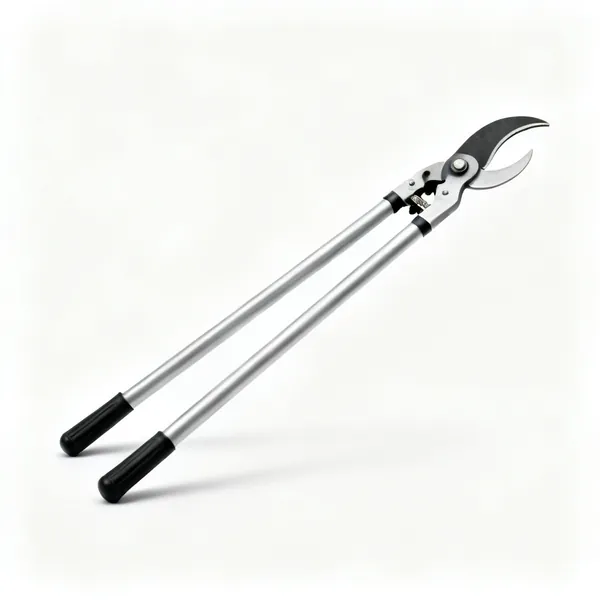
Longer handles do the same thing differently, by multiplying whatever force you can make. Doubling the handle length roughly halves the effort at the jaw, which is why a long-handled loppers pruning a branch is easier than secateurs on the same branch.
- Ratchet
- Splits one hard squeeze into three or four easy ones. The single most useful mechanism on this list.
- Length
- More handle is more leverage. It costs reach and storage space, and nothing else.
- Two hands
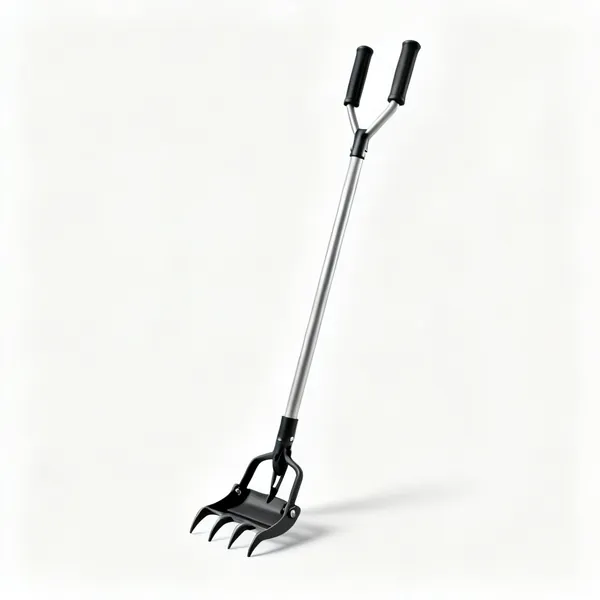
- Anything designed for two hands halves what each hand has to do, which is often enough on its own.
Springs stop the second half of the work
Opening a tool is work too, and it uses the muscles that extend the fingers rather than the ones that close them. Repeatedly forcing a pair of pliers or scissors open is a common and avoidable source of fatigue.
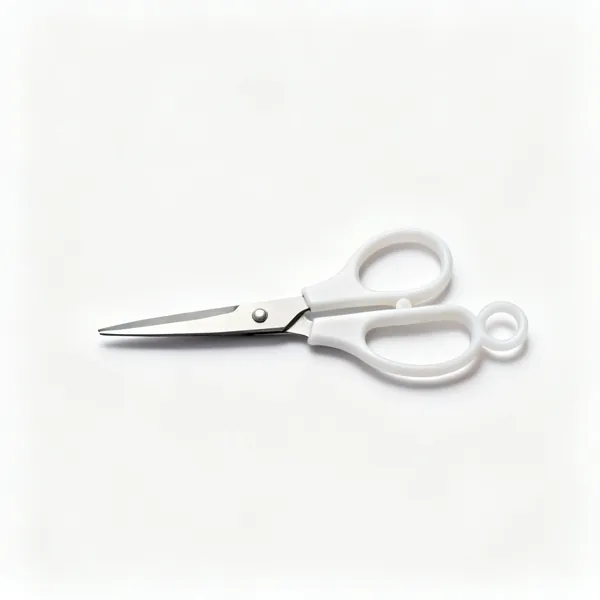
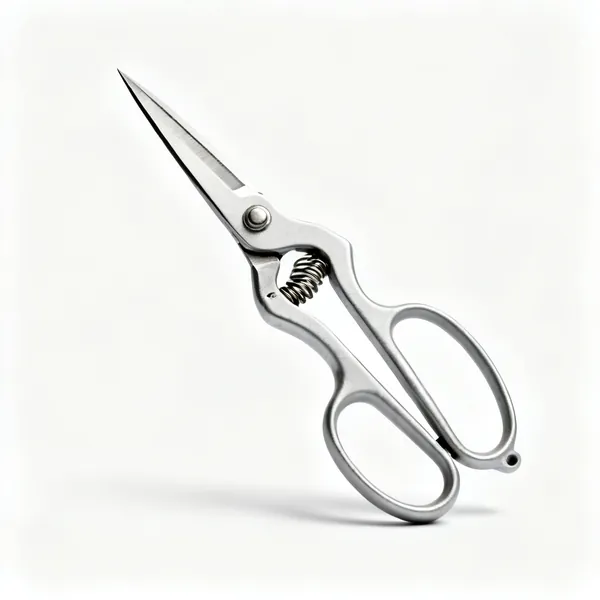
A spring return does that half for you. On scissors, a loop or self-opening design means you only ever push, never prise. Over a long job the saving is larger than the saving on any single cut.
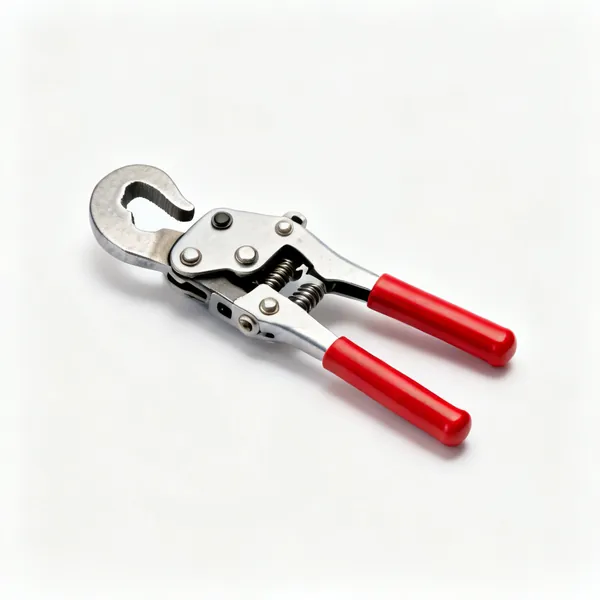
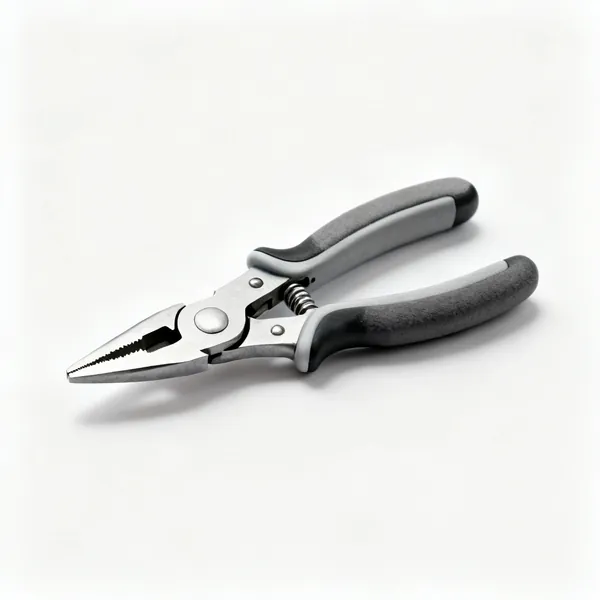
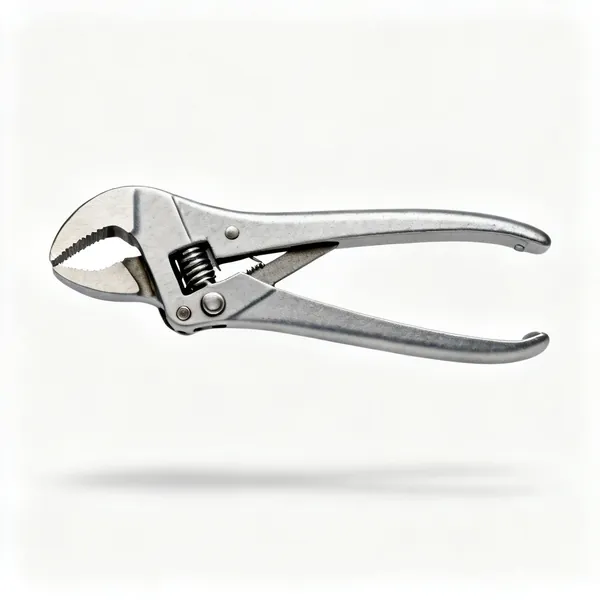
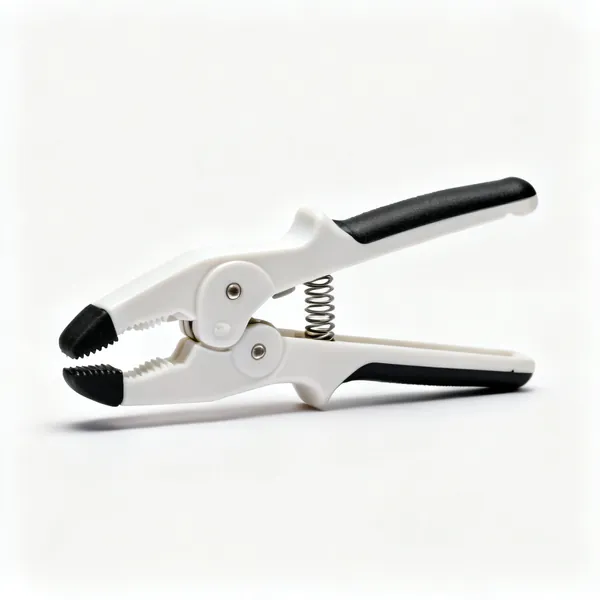
- Self-opening pliers
- A leaf spring between the handles resets the jaws, so every cycle is one squeeze rather than a squeeze and a pull.
- Loop scissors
- A continuous sprung loop instead of finger holes. Push to cut, release to open, and no thumb-and-finger pinch at all.
- Locking jaws
- A tool that clamps and stays clamped removes sustained grip entirely, which is usually what hurts most.
Keep the wrist straight
A bent wrist loses a large share of its available grip strength, and it puts load through the joint at an angle. Tools with an angled handle, or a handle set above the working end, let you keep the wrist in line with the forearm.
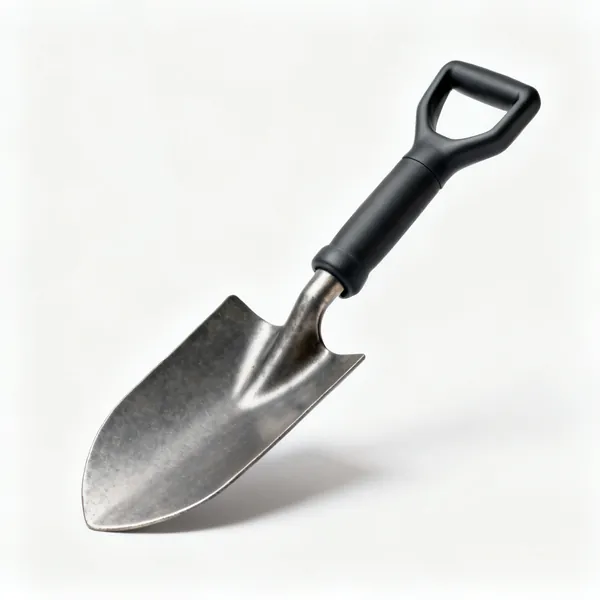
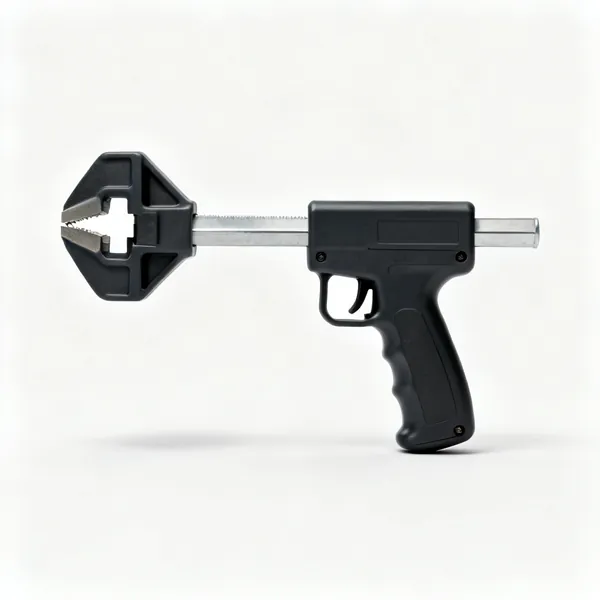
This is why a D-handled or pistol-gripped tool often feels easier than a straight one doing the identical job. Nothing about the cut changed. The wrist angle did.
- Bent tool, straight wrist
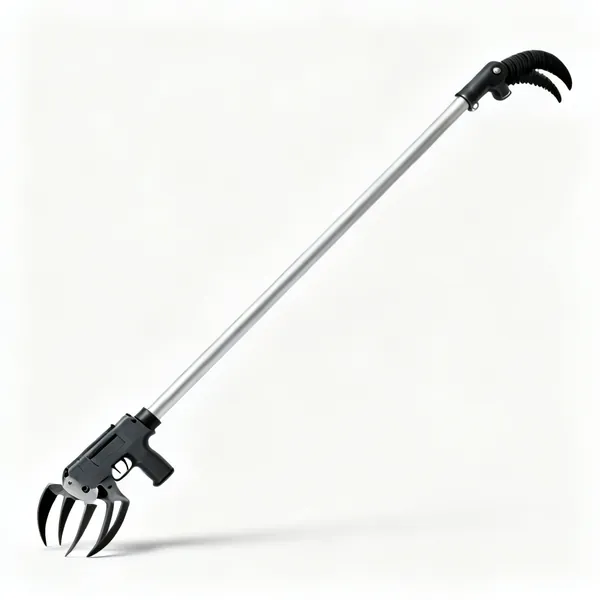
- The angle belongs in the tool. Add-on grips exist for garden tools specifically to move it there.
- Work at elbow height
- Raising the work is often easier than changing the tool, and it costs nothing.
- Push, do not twist
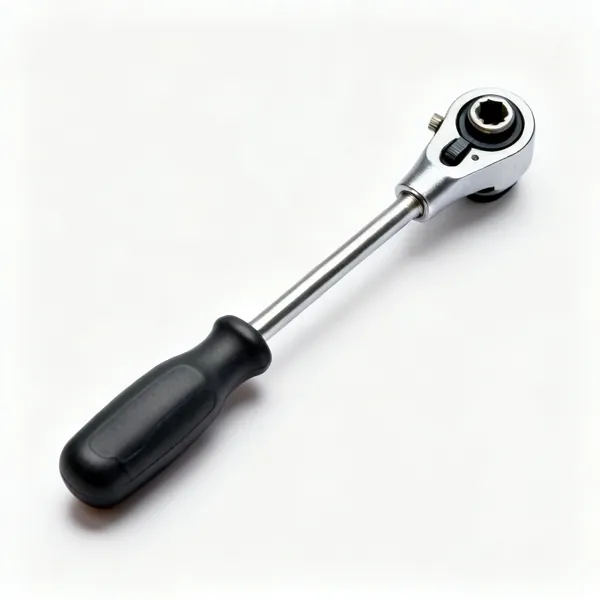
- Rotation under load is the movement most people find worst. A ratchet screwdriver removes almost all of it.
Where this page stops
This is a tool selection page. It can tell you which mechanisms reduce force and which handle shapes load the hand less, because those are properties of the tools and they are the same for everyone.
It cannot tell you what is right for your hands. Arthritis differs enormously between people and between joints, and an occupational therapist can assess your grip and recommend adaptations specific to you, often including ones no catalogue sells. If a tool hurts, that is information, and the answer is rarely to push through it.
- Try before buying where you can
- Handle shape is personal in a way that specifications do not capture. Ten minutes holding one tells you more than any review.
- Ask an occupational therapist
- They assess the specific joints affected and can recommend or make adaptations that are not sold as products.
- Spread the work
- Shorter sessions with breaks beat one long one, and no tool choice substitutes for that.
Frequently asked questions
- What makes a hand tool easier to use with arthritis?
- Four things: a thicker handle around 32 to 38mm that loads the palm rather than the finger joints, a ratchet or gear mechanism that splits one hard squeeze into several easy ones, a spring that opens the tool for you, and a longer handle that multiplies whatever force you can make.
- What thickness of handle is best for arthritic hands?
- Around 32mm to 38mm suits most adults, because grip strength peaks in that range and the load moves off the small finger joints. Thinner handles force a tight fist. Much thicker than 50mm and the fingers cannot wrap far enough to control the tool properly.
- Can I adapt tools I already own?
- Yes, and it is usually the cheapest useful change. Foam pipe insulation or self-fusing silicone tape wrapped around a handle takes it to a comfortable diameter in a couple of minutes. Slip-on rubber grips and add-on garden tool handles do the same more permanently.
- Are ratcheting secateurs really easier?
- Noticeably, on anything thicker than a pencil. The mechanism holds your progress between squeezes, so cutting a 20mm branch becomes three light squeezes instead of one at the limit of your strength. On thin stems the ratchet adds nothing and standard secateurs are quicker.
- What are loop scissors and who are they for?
- Scissors with a single continuous sprung loop instead of two finger holes. You cut by squeezing anywhere on the loop with the whole hand and they reopen themselves, which removes both the thumb-and-finger pinch grip and the effort of prising them open again.
- Should I use electric tools instead?
- Often yes, and there is no virtue in doing it the hard way. A cordless screwdriver removes the twisting that most people find worst. The caveats are weight, which a heavy tool held out from the body makes worse, and vibration, which can be uncomfortable in affected joints.
- Why does a straight screwdriver hurt more than a ratchet one?
- A standard screwdriver needs you to grip hard and rotate at the same time, then release and re-grip for every turn. A ratchet handle keeps the tool in your hand and turns without the wrist rotation, so the painful part of the movement mostly disappears.
- Is there professional help for choosing tools?
- An occupational therapist can assess which of your joints are affected and how, then recommend specific adaptations, including custom ones that are not sold as products. That is worth doing before spending much on equipment, because handle shape suits individual hands very differently.