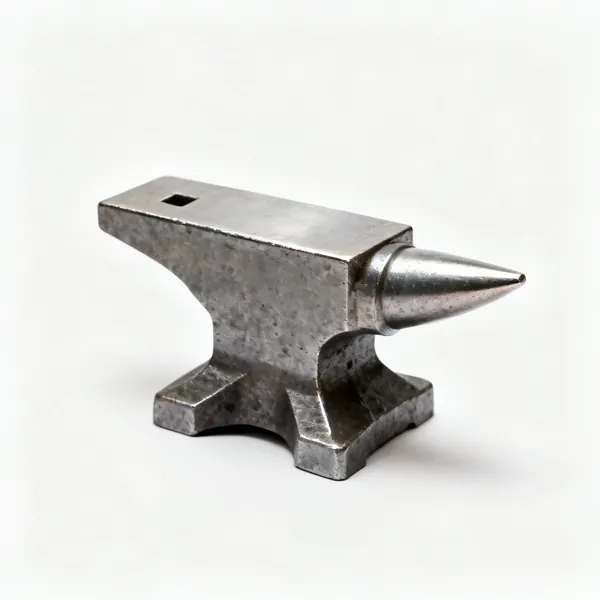
Working metal by hand
Mark it accurately, cut outside the line, then file to the line. Almost every hand metalworking job is that sequence.
Marking out comes first
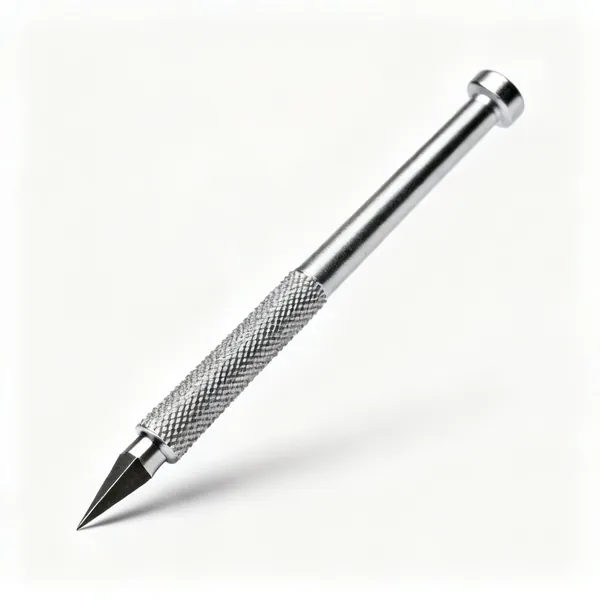
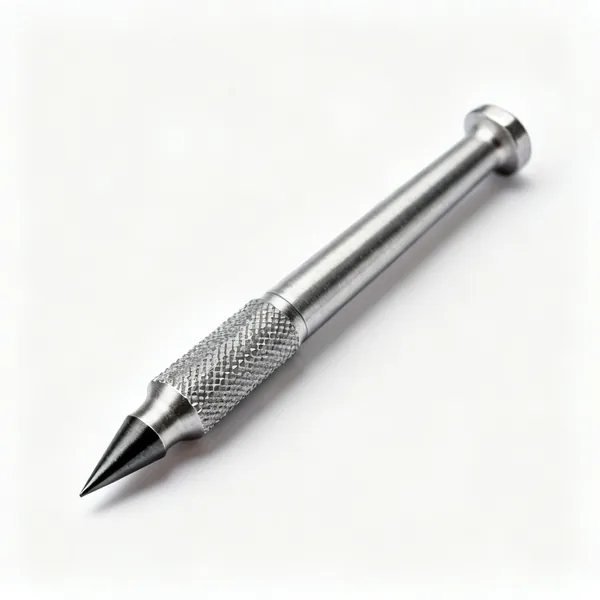
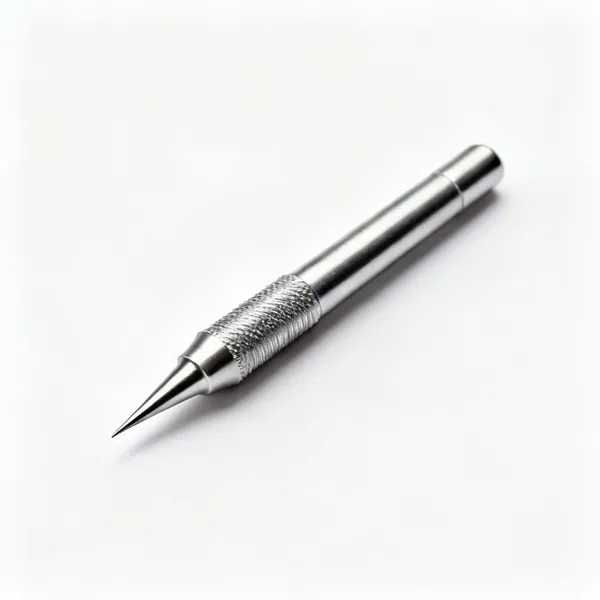
A pencil line on steel is useless: it is wide, it rubs off, and you cannot see it under cutting fluid. Metalwork is marked with a scriber, which scratches a line into the surface, usually over a coat of layout blue so the bright scratch stands out.
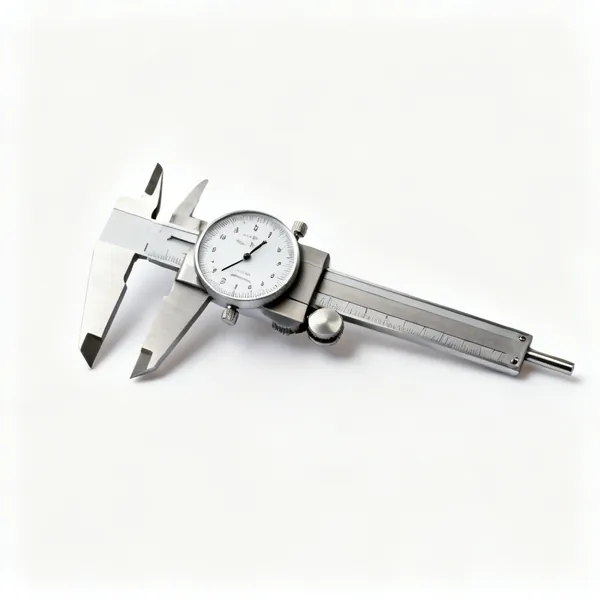
Everything downstream depends on that line being right, because you cannot move it later. This is why a metalworking bench carries more measuring and marking tools than cutting ones.
- Scribe, do not draw
- A scratched line is thin, permanent and visible through oil. A pencil line is none of those things.
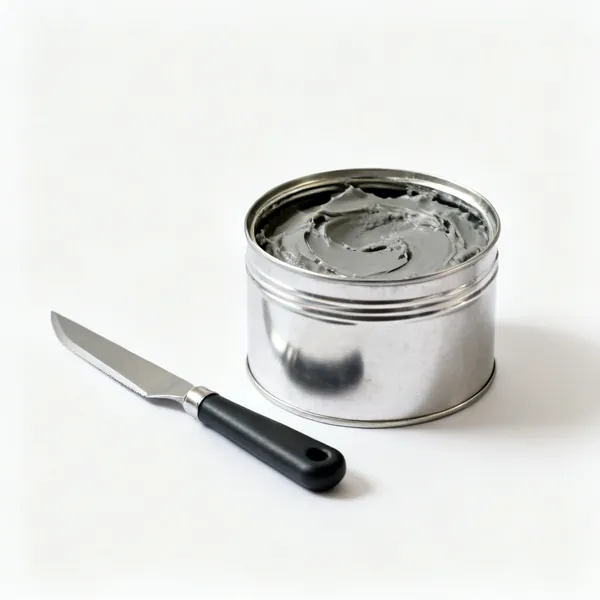
- Layout blue
- A quick-drying dye that makes a scribed line show as bright metal against dark. Cheap, and it transforms visibility.
- Punch before you drill
- A centre punch dimple is the only thing that stops a drill skating across a smooth surface.
Files are the finishing tool, not the shaping tool
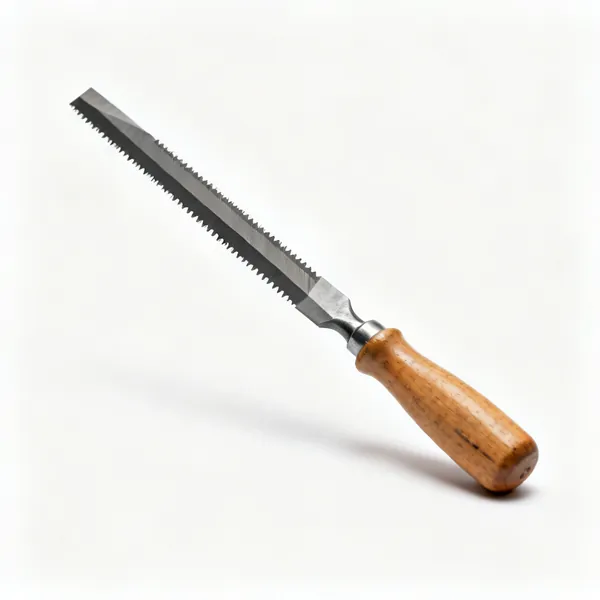
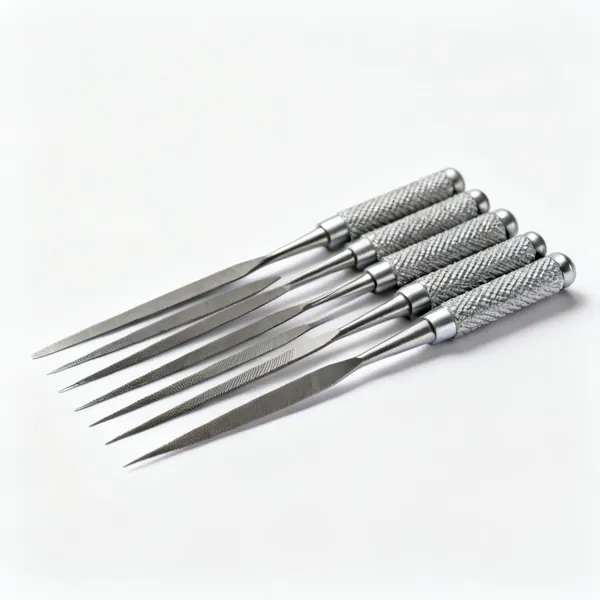
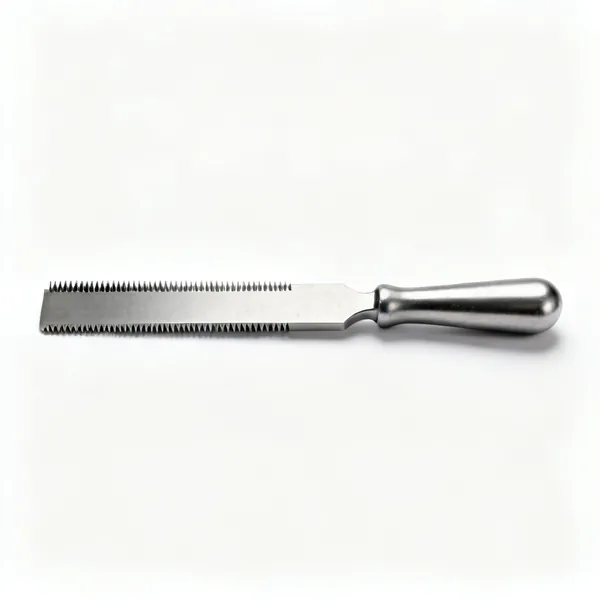
A file cuts on the push stroke only. Dragging it back on the work rounds the teeth over and shortens its life for nothing. Lift it, or at minimum unload it, on the return.
Cut grades run from bastard through second cut to smooth. Work coarse to fine, the same as with abrasive, and never expect a smooth file to remove real material. It is there to take out the marks the coarse one left.
- Push only
- Cutting happens forward. The return stroke should be lifted, which roughly doubles how long a file lasts.
- Chalk the teeth
- Chalk in the gullets stops soft metals like aluminium pinning, which is what makes a file suddenly start scratching.
- Always fit a handle
- A bare tang is a spike. This is the most common workshop injury with a tool that is otherwise entirely safe.
Blade choice and speed
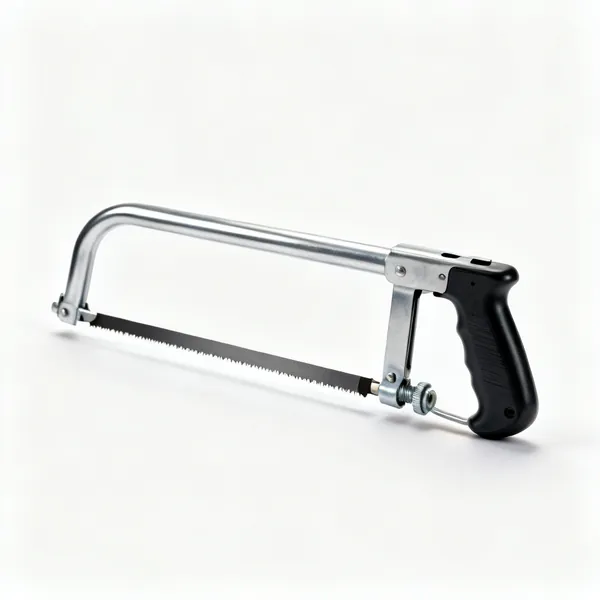
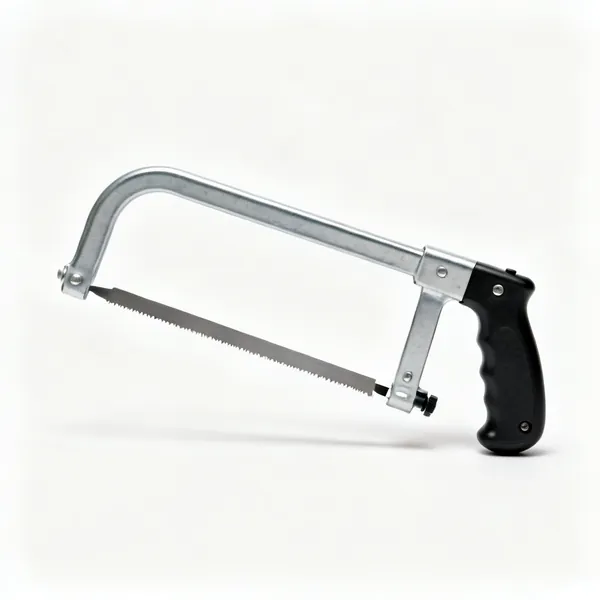
A hacksaw blade needs at least three teeth in the material at once. Fewer, and a tooth catches on the edge and strips. That single rule dictates the blade for the job: 18 TPI for solid bar, 24 for thicker tube, 32 for thin sheet and conduit.
Slow strokes with the full length of the blade cut faster than fast short ones, because heat is what kills a blade and speed is what makes heat. Around one stroke per second is right.
- Three teeth minimum
- In the material at all times. On thin wall tube that means 32 TPI, no matter how slow it feels.
- Teeth forward
- A hacksaw cuts on the push. Fitted backwards it will rub for a long time before you work out why.
- Slow and long
- One stroke a second using the whole blade. Fast strokes generate heat and heat blunts teeth.
Cutting a thread by hand
Threading is the operation where hand tools are still routinely the right answer, and where breaking the tool is easiest. A tap is hard and brittle. It snaps if you force it, and a snapped tap in a blind hole is a serious problem.
The rhythm is a half turn forward, a quarter turn back to break the chip, and cutting fluid throughout. Taper, second and plug taps exist to be used in that order, each cutting a little deeper.
- Drill the right hole
- The tapping size is not the thread size. M6 needs a 5mm hole; get this wrong and the tap will jam or the thread will be hollow.
- Half forward, quarter back
- Reversing snaps the chip. Continuous forward pressure packs it solid and that is what breaks taps.
- Start square
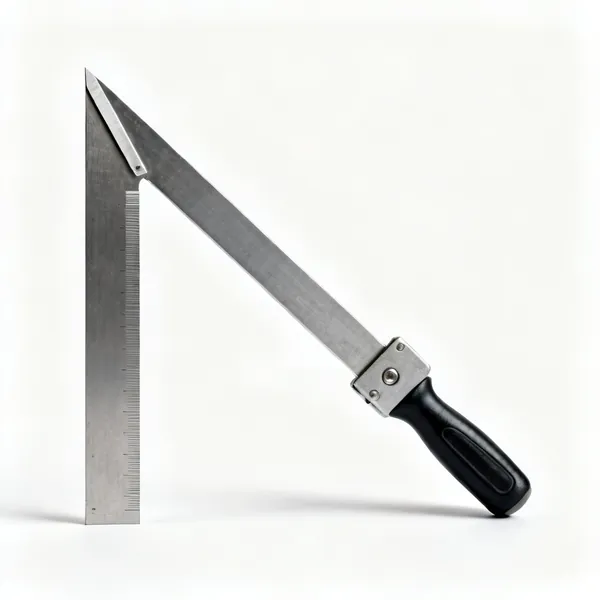
- A tap that enters crooked cuts a crooked thread and takes the bolt with it. Check against a square on the first turn.
Forming sheet without a machine
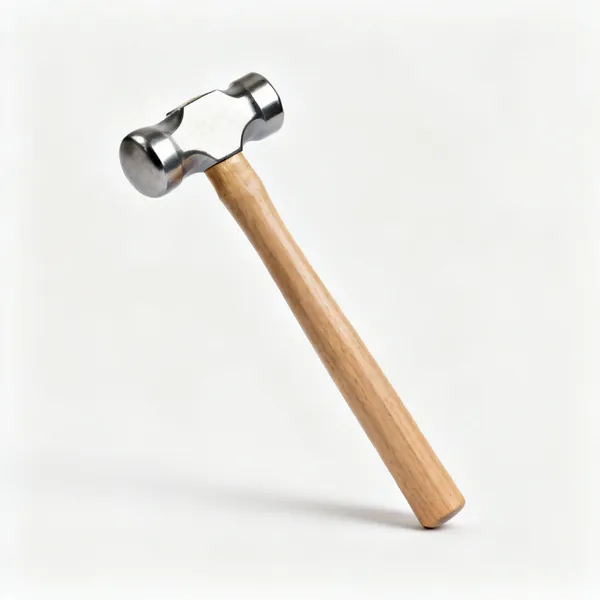
Sheet metal is shaped by stretching and shrinking rather than by cutting, and both are done with a hammer against a form. Hammer over a stake and the metal thins and stretches; hammer into a hollow and it gathers and shrinks.
The key discipline is many light blows rather than few heavy ones. A heavy blow leaves a mark that has to be planished out afterwards, which is more work than never making it.
- Light and often
- Many soft blows move metal more predictably than a few hard ones, and leave far less to clean up.
- Polished faces
- A hammer or stake with a mark on its face prints that mark into every panel it touches.
- Anneal soft metals
- Copper and brass work-harden as you form them, and will split unless heated to soften them again partway through.
Frequently asked questions
- What hand tools do I need to start metalwork?
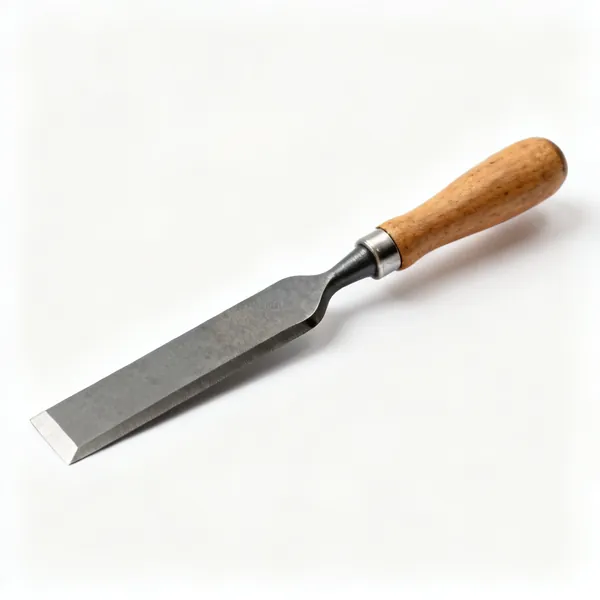
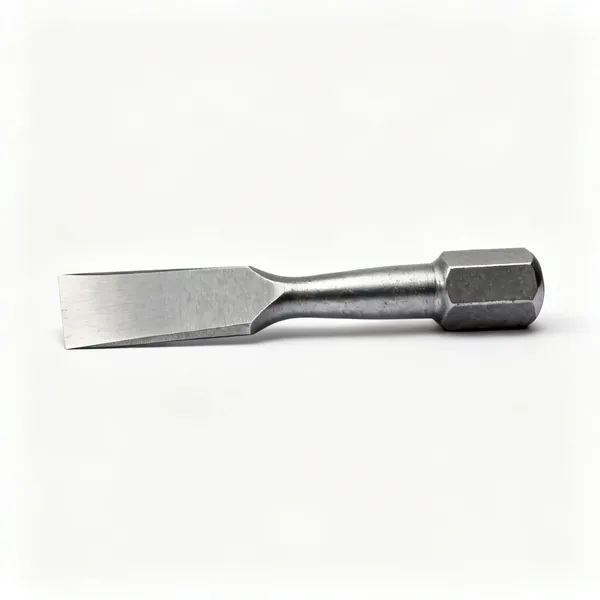
- A bench vice, a hacksaw with spare blades, a set of files with handles, a steel rule and engineer's square, a scriber and centre punch, a ball pein hammer, cold chisels, and a tap and die set. That covers marking, cutting, filing and threading, which is most hand metalwork.
- What is the difference between a ball pein and a claw hammer?
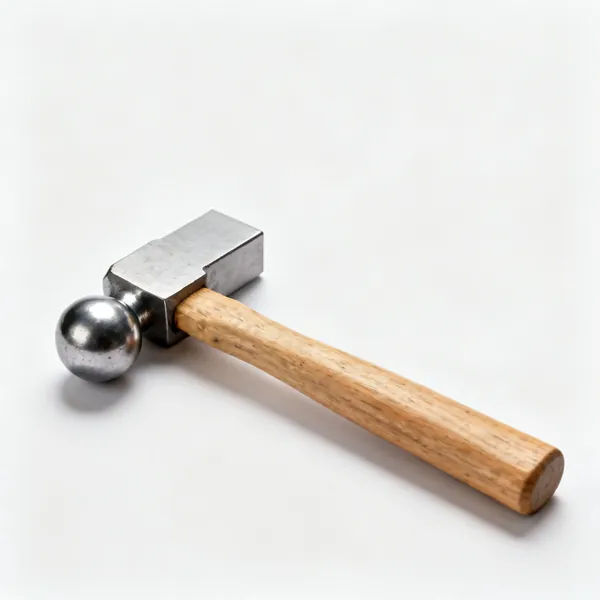
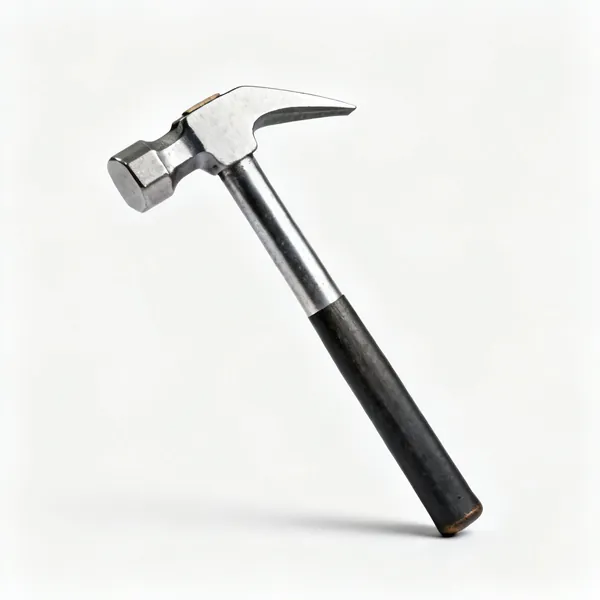
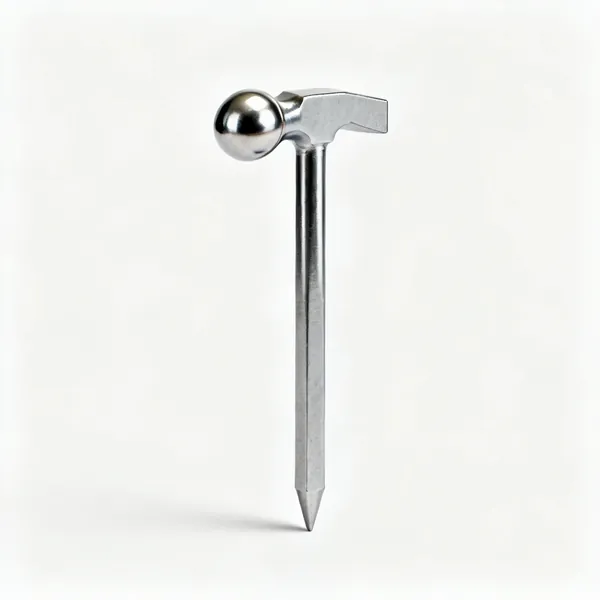
- A ball pein has a flat face and a rounded pein, and its head is hardened to strike other steel tools like punches and chisels. A claw hammer is for nails and its face is softer, so striking a chisel with one can chip the face and send a fragment flying.
- Which file should I buy first?
- A 250mm second cut flat file with a handle. Second cut removes material at a useful rate while still leaving a surface you can work with, and flat covers straight edges and outside curves. Add a half round next, because a flat file cannot reach into a concave curve.
- Why does my hacksaw blade keep breaking?
- Usually too much downward pressure, or twisting the frame so the blade binds in the kerf. Sometimes the blade is too coarse, so a tooth catches on the edge of thin material and snatches. Let the weight of the saw do the cutting and keep the frame square to the cut.
- What size hole do I drill before tapping a thread?
- Roughly the thread diameter minus the pitch. M6 with a 1mm pitch takes a 5mm hole, M8 with 1.25mm takes 6.8mm. Undersize and the tap jams or snaps; oversize and the thread has too little material to hold. Every tap set should come with a chart.
- Can I cut steel with an ordinary hacksaw?
- Yes, that is what it is for. Mild steel bar cuts readily with an 18 TPI bimetal blade and a slow steady stroke. Hardened steel is a different matter and will simply blunt the blade, which is when you reach for an abrasive disc instead.
- What is layout blue for?
- It is a quick-drying dye brushed or sprayed onto the metal before marking out. A scriber cuts through it to leave a bright line against a dark background, which is far easier to see and to follow than a scratch on bare steel.
- Do I need a vice for metalwork?
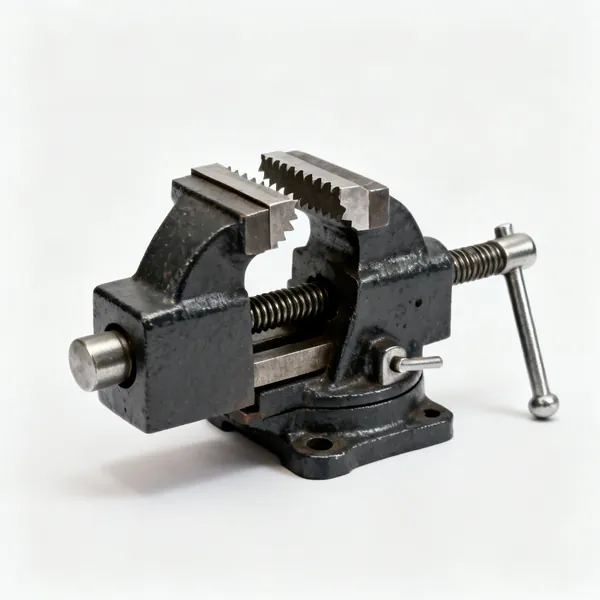
- More than any other single tool. Metal has to be held rigidly to be cut, filed, tapped or bent, and hand pressure is nowhere near enough. An engineer's vice with a decent jaw width is the first purchase for a metalworking bench, not an accessory to it.