Equipping a workshop with hand tools
Buy holding first, then marking, then cutting. Most half finished workshops have it the other way round.
Buy holding before cutting
The most common mistake in a new workshop is a drawer of saws and chisels and nothing to hold the work. Every cutting tool assumes the workpiece is rigid, and hand pressure is nowhere near enough for that.
A bench with a vice fitted, plus half a dozen clamps, changes what every other tool in the room can do. It is also the least exciting money you will spend, which is exactly why it gets postponed.
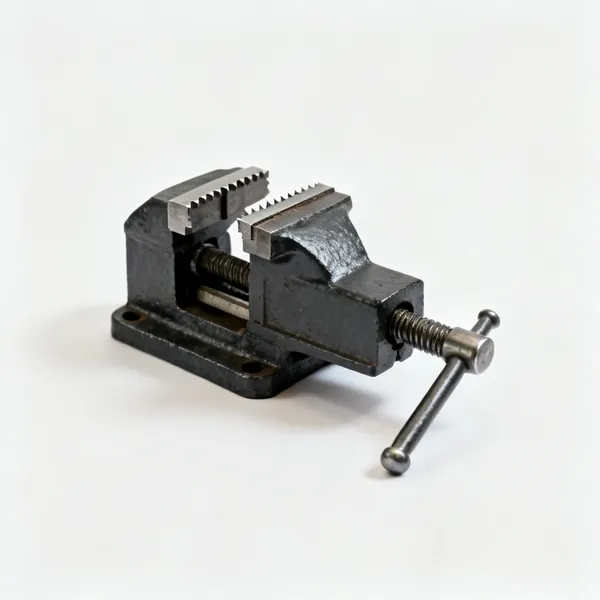
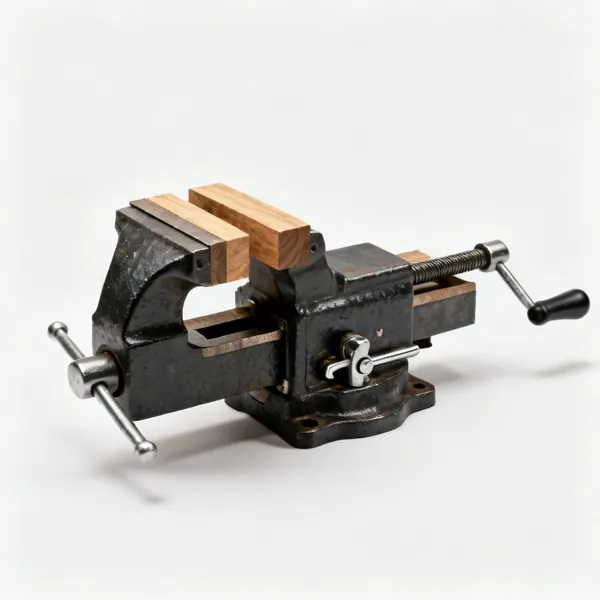
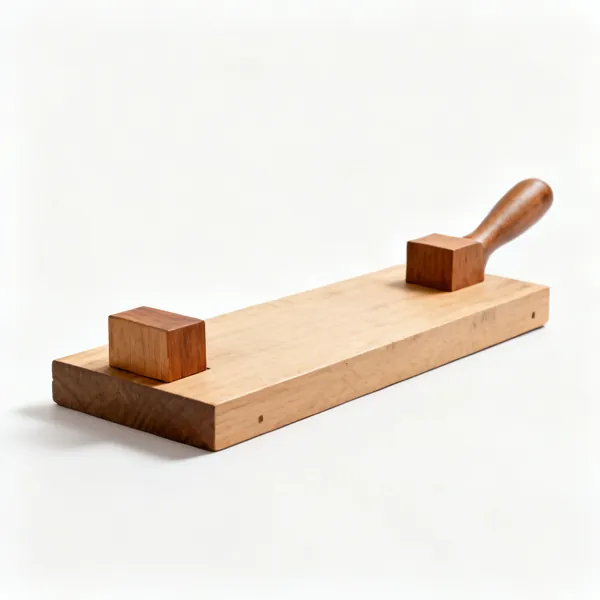
- A vice first
- Everything else assumes the work is held. This is the purchase that unlocks the rest of the kit.
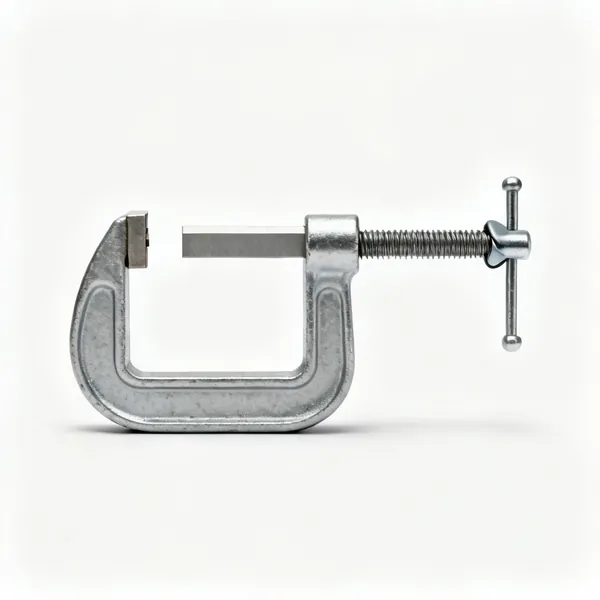
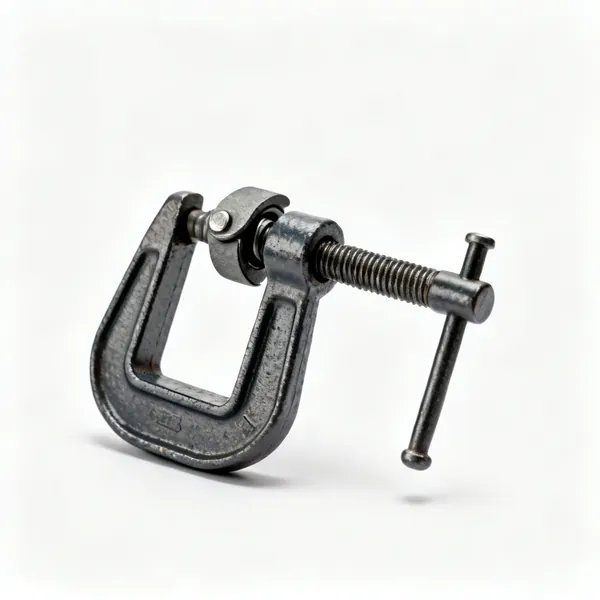
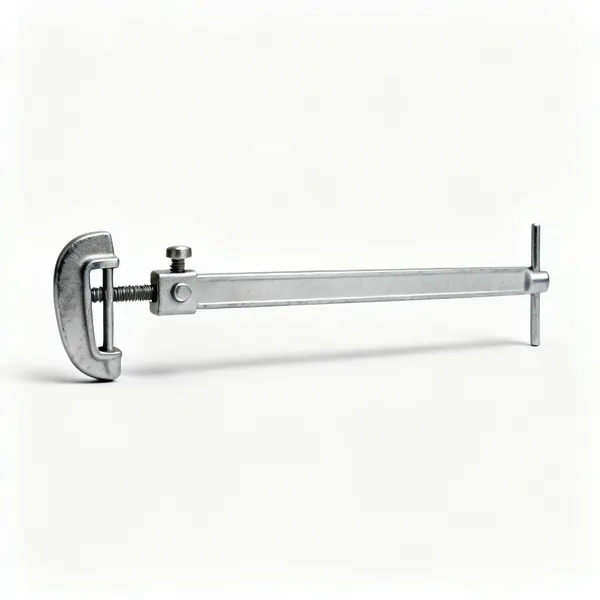
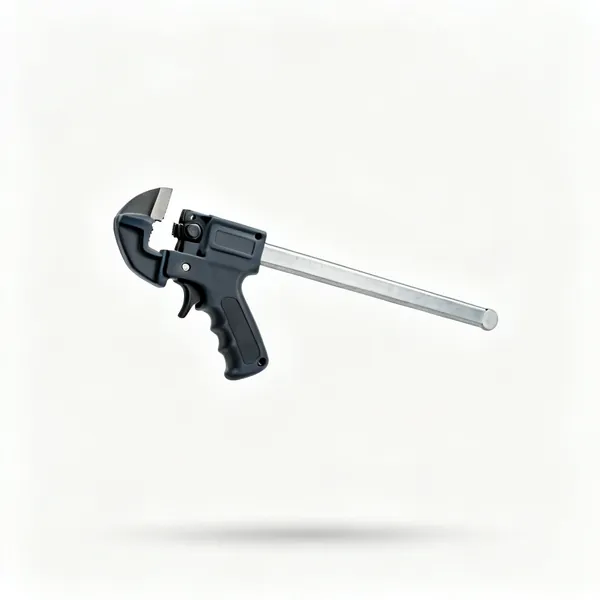
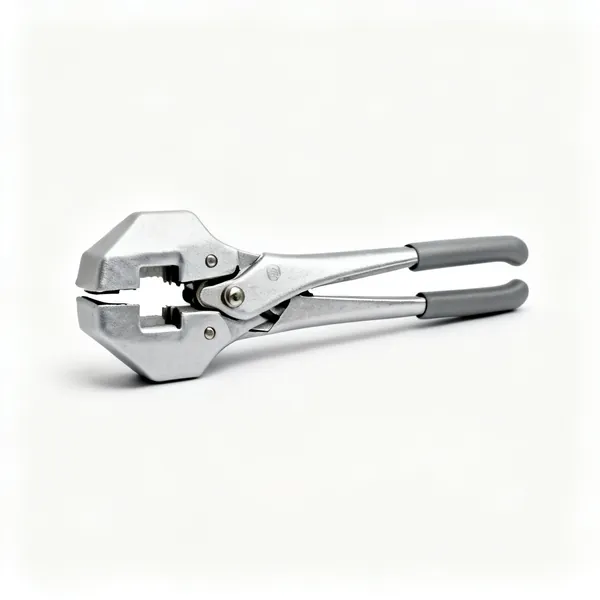
- More clamps than you think
- Nobody has ever finished a glue-up wishing they owned fewer. Six is a start, not a set.
- Soft jaws
- Hardened serrations print into anything finished. A pair of covers costs almost nothing and saves real work.
Accuracy is bought at the marking stage
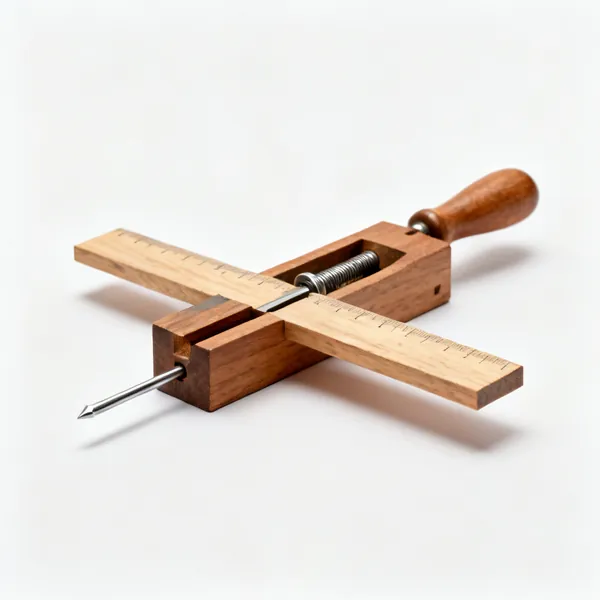
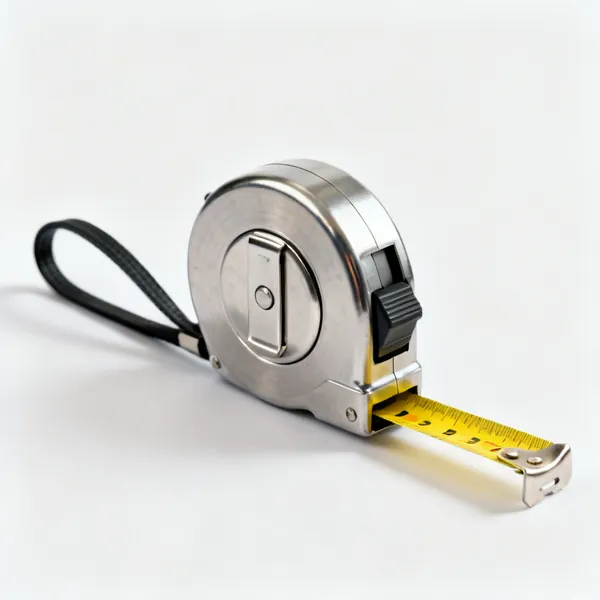
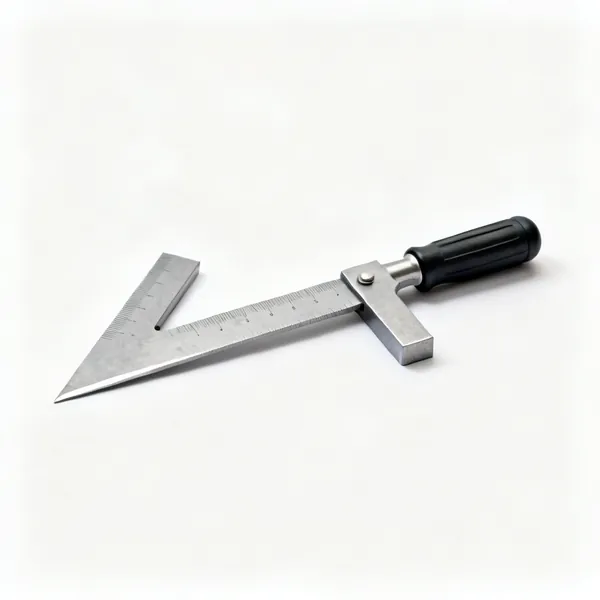
No cutting tool can be more accurate than the line it follows. A square that is not square, or a tape that reads differently from your rule, puts an error into everything made in the room and it will not be obvious where it came from.
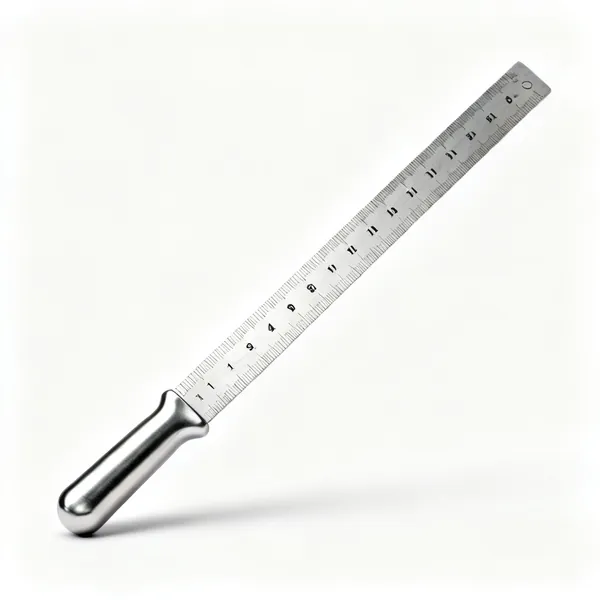
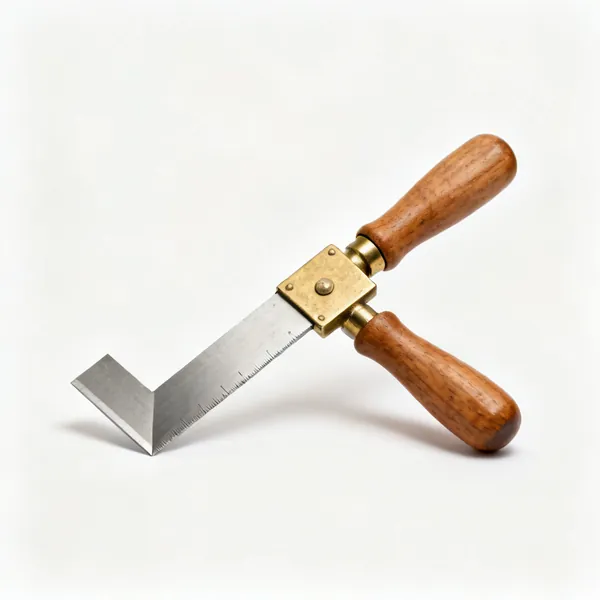
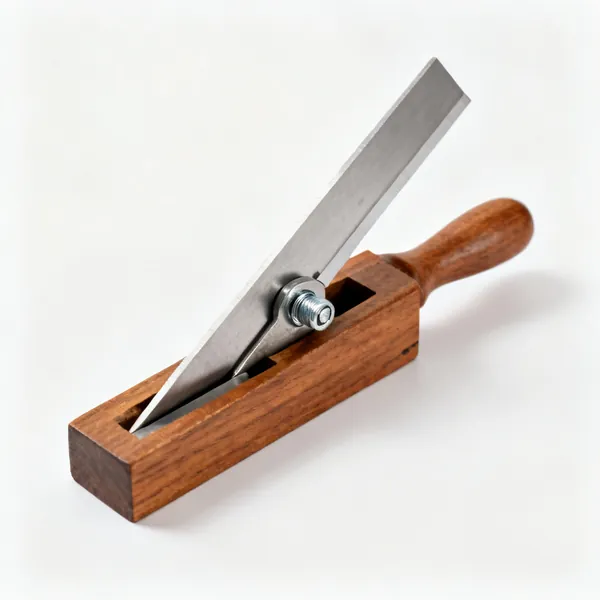
Buy one good square and one good rule and treat them as the references everything else is checked against. Check the square against itself by scribing a line, flipping it, and scribing again: if the two lines diverge, the square is wrong.
- One reference each
- One square, one rule. Two of either that disagree is worse than owning one, because you will not know which to trust.
- Check the square
- Scribe, flip, scribe again. Diverging lines mean the square is out and everything made with it will be too.
- Knife beats pencil
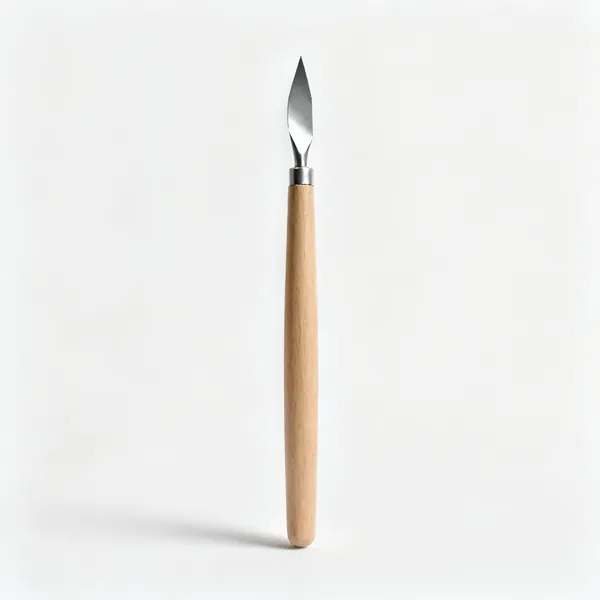
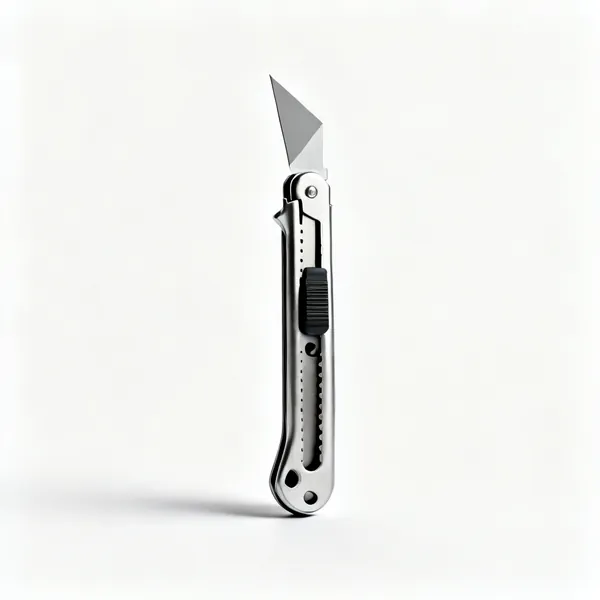
- A marking knife severs fibres and gives the saw or chisel a wall to register against. A pencil line is three times wider.
Sharpening is a capability, not a chore
A blunt chisel is not a chisel. Until you can put an edge on a tool, buying more edge tools does nothing, because they all arrive usable and all become blunt within an afternoon of real work.
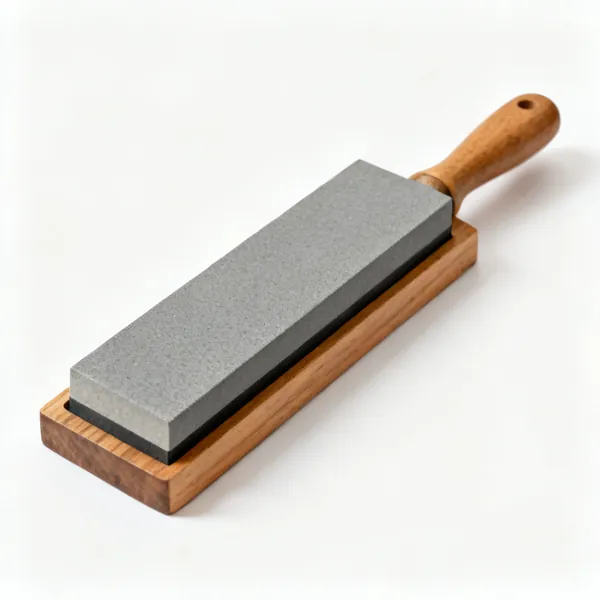
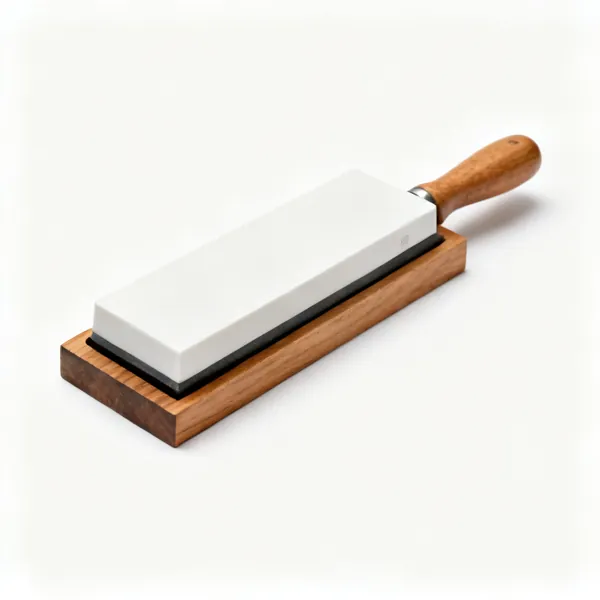
The kit is small: a coarse and a fine stone, a honing guide if you want repeatability, and something flat to strop on. That is enough to keep every edge in the room working, and it is a smaller outlay than one good plane.
- Two grits is enough
- Something coarse to reshape and something fine to hone. Elaborate stone collections come much later, if ever.
- Flat matters most
- A dished stone puts a curve on the edge. Flatten the stone before blaming the technique.
- Hone often, grind rarely
- Thirty seconds every few uses beats a full regrind once a year, and the tool is sharp the whole time.
The right hammer for the material
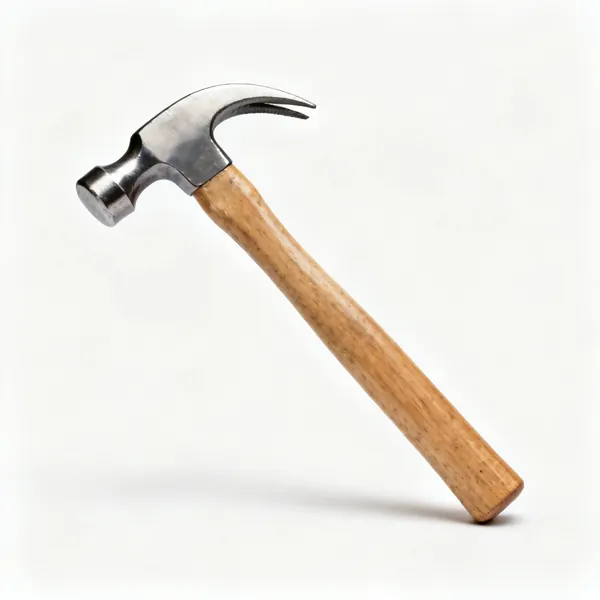
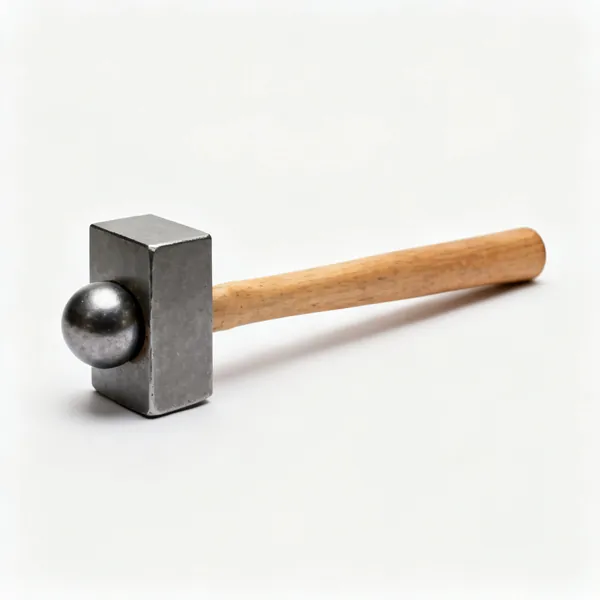
Hammer faces are hardened to different degrees on purpose. A ball pein is hardened to strike steel punches and chisels. A claw hammer face is softer, for nails, and striking a hardened punch with one can chip the face and send a fragment flying.
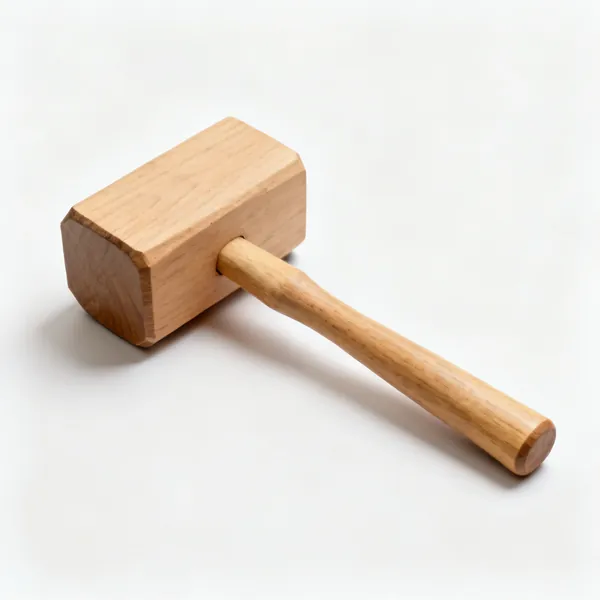
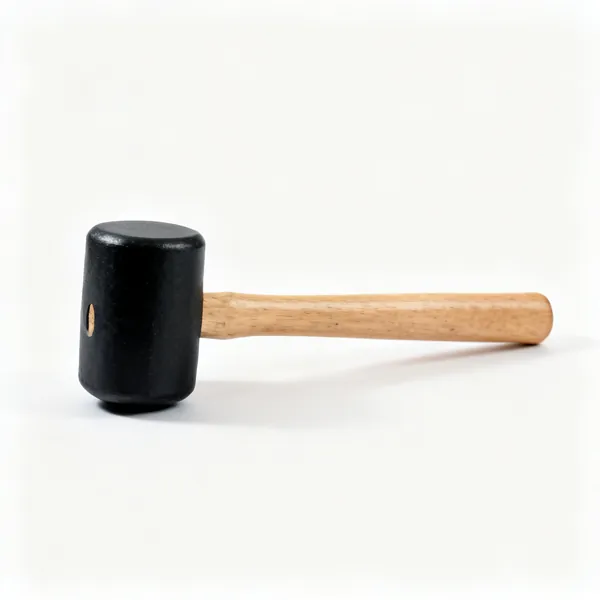
Soft faced mallets and hammers exist so you can move something without marking it. Assembling a joint or seating a bearing with a steel hammer leaves a permanent record of the fact.
- Ball pein for steel
- Hardened face, made to strike punches and cold chisels. The right tool whenever the target is another tool.
- Claw for nails only
- Softer face. Using it on a hardened punch risks chipping it, and a chip travels fast.
- Soft face for finished work
- Rubber, hide or nylon moves a part without printing a dent into it.
- Dress mushroomed heads
- A punch or chisel with a spread head throws fragments. File it back, it takes a minute.
A sensible buying order
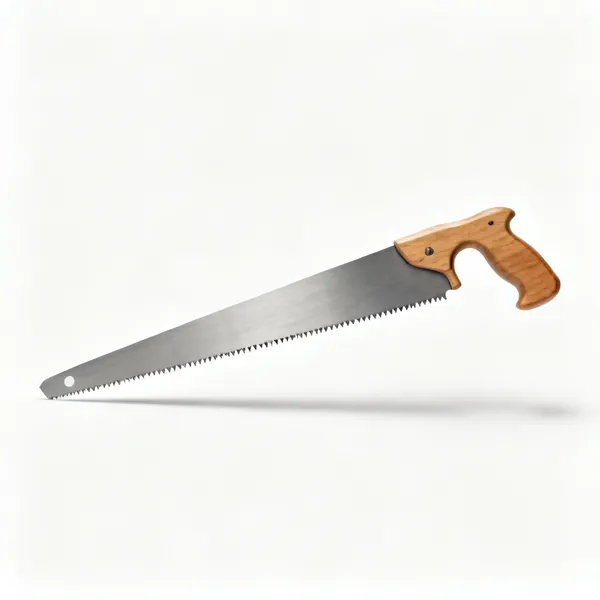
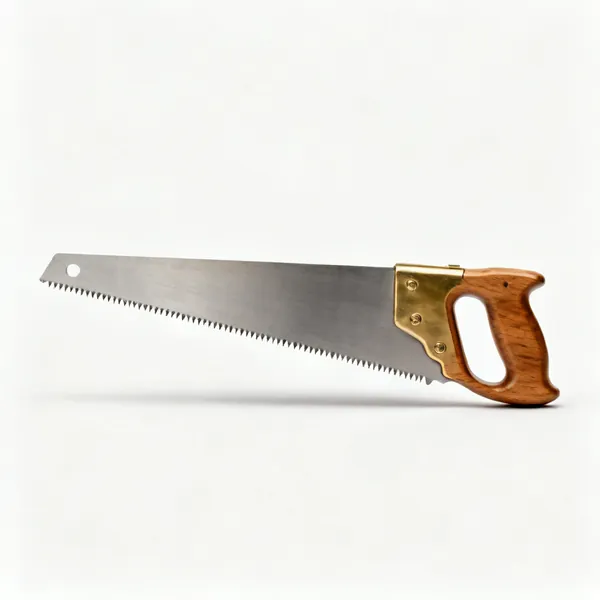
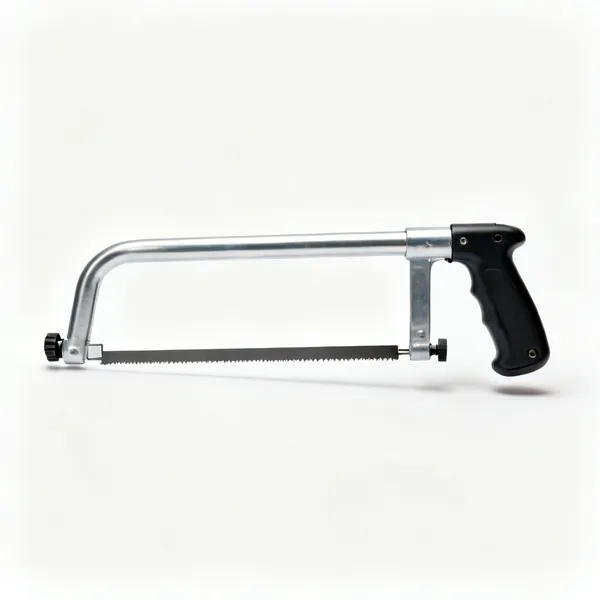
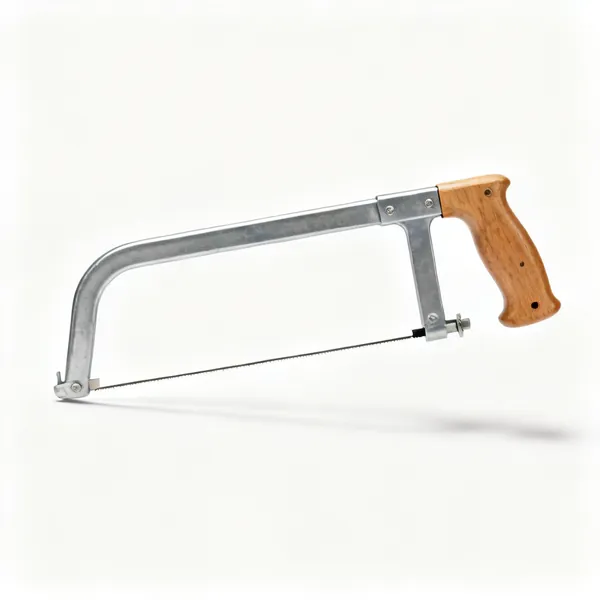
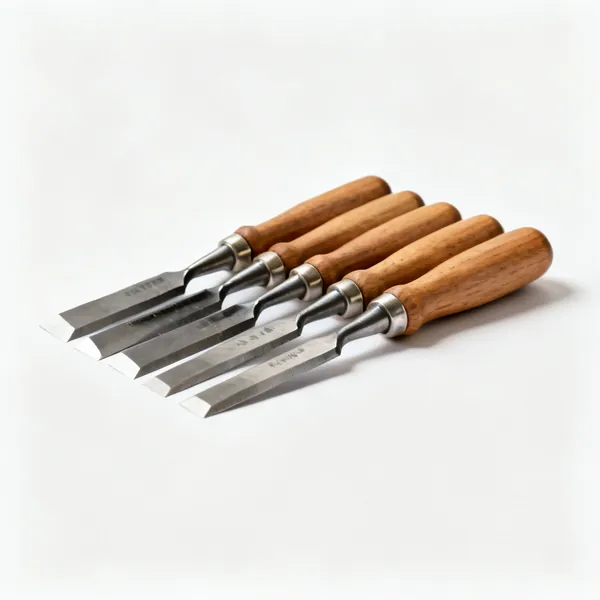
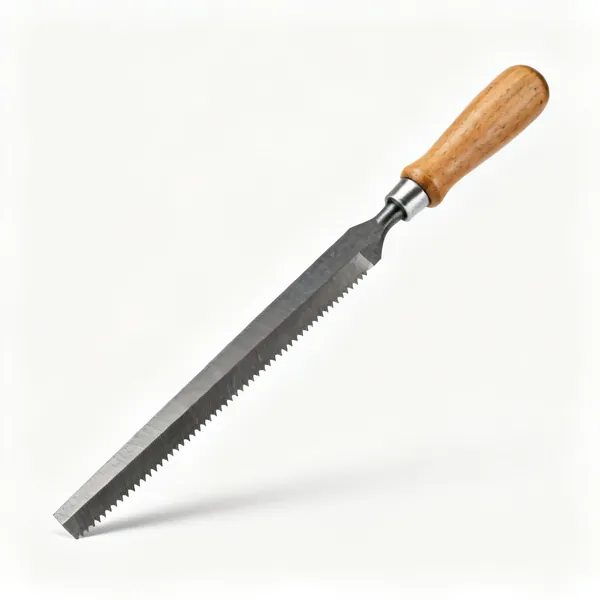
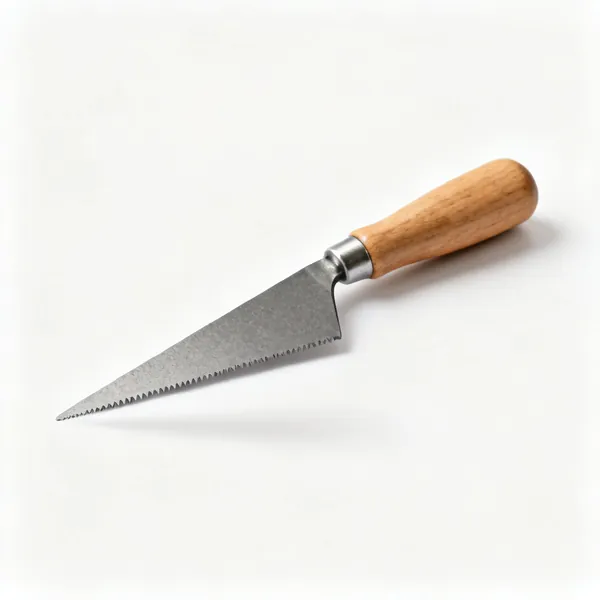
Holding first: bench, vice, clamps. Then marking: rule, square, marking knife, pencil. Then the general cutting tools: a panel saw, a hacksaw, a chisel or two, a file. Then sharpening. Then fastening.
Beyond that, let the jobs decide. A tool bought for a specific job you actually have gets used; a tool bought because it completes a set usually does not. This is a better filter than any list, including this one.
- First hundred
- Vice, four clamps, steel rule, try square, marking knife, panel saw, hacksaw, two chisels, a file, a ball pein hammer.
- Then sharpening
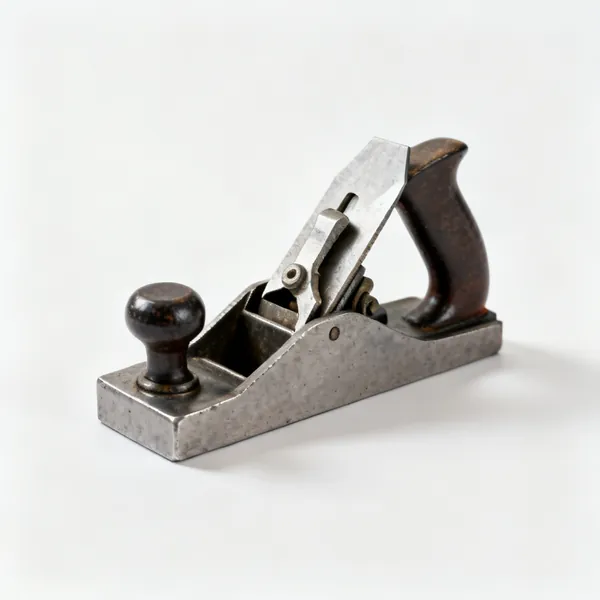
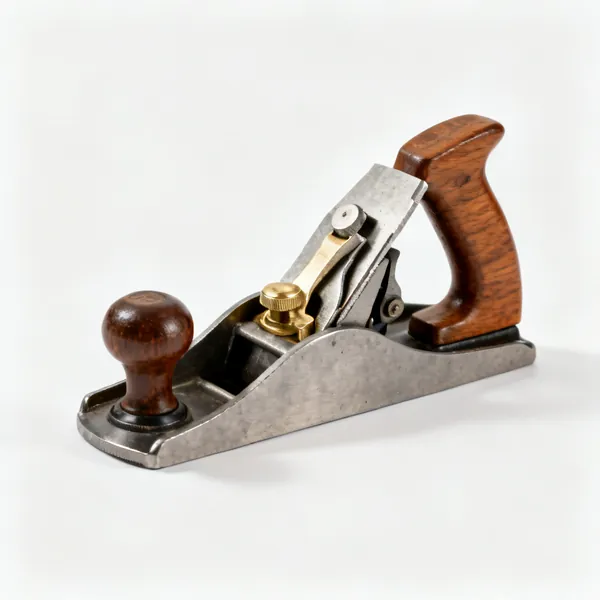
- Two stones and a guide. It makes the chisels and the plane you already own work properly.
- Then by job
- Buy for work in front of you. Sets are priced on piece count, not on how many pieces you will use.
Frequently asked questions
- What hand tools do I need to start a workshop?
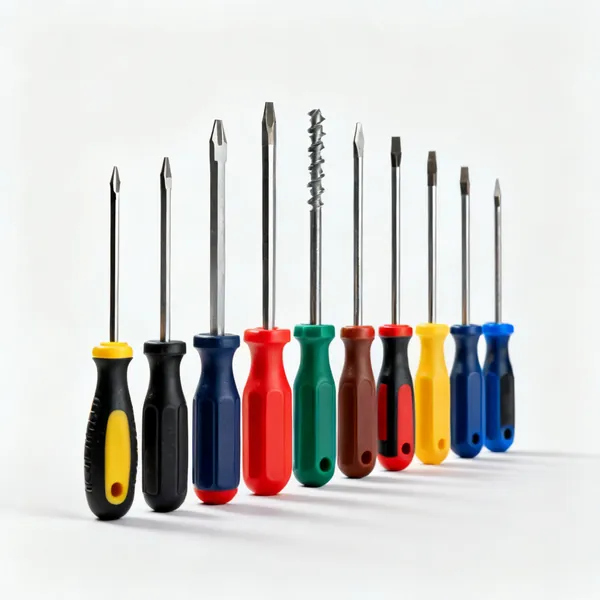
- A bench vice, several clamps, a steel rule and try square, a marking knife, a panel saw, a hacksaw, a couple of bevel edge chisels, a flat file, a ball pein hammer and a screwdriver set. That covers holding, marking, cutting and fixing, which is everything a workshop does.
- Which should I buy first, a vice or a set of clamps?
- A vice, because it holds work rigidly enough for sawing, filing and chiselling, which clamps alone struggle to do. Then clamps immediately after, since a vice holds one thing in one place and most assembly needs several things held at once.
- How many clamps do I need?
- More than you plan to buy. Six is a workable start for small work, and a glue-up of any size will use every one you own. Sash cramps for panels and F clamps or trigger clamps for general holding cover most situations between them.
- Do I need both a woodworking vice and an engineer's vice?
- If you work in both materials, yes. A woodworking vice has wide flat wooden-faced jaws that grip a board without marking it. An engineer's vice has narrow hardened serrated jaws that hold steel rigidly. Each is poor at the other's job.
- What is the difference between a ball pein and a claw hammer?
- A ball pein has a hardened face for striking punches and cold chisels, plus a rounded pein for peening. A claw hammer has a softer face for nails and a claw for pulling them. Striking a hardened punch with a claw hammer can chip the face.
- Are hand tool sets worth buying?
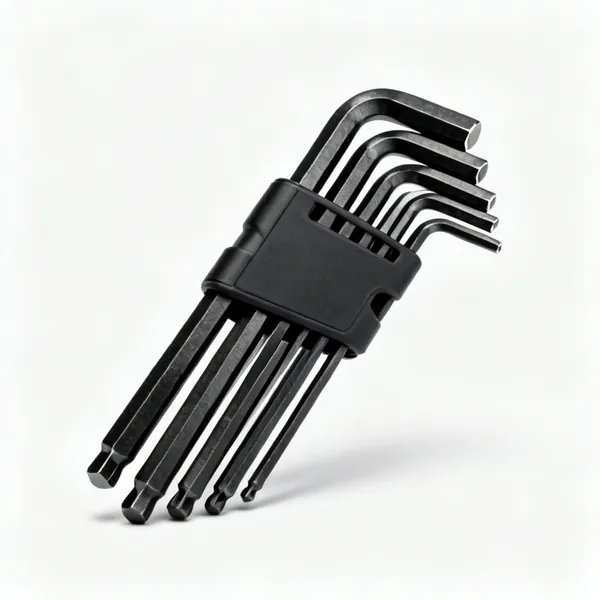
- Rarely. Sets are priced on piece count, so most of the contents are sizes or types you will not use, and the quality of the pieces you do use is lower than buying those few individually. The exception is genuinely graduated sets like sockets, drill bits and hex keys.
- What sharpening equipment does a workshop need?
- A coarse stone to reshape an edge, a fine stone to hone it, and something flat to strop on. A honing guide helps if you want a repeatable angle. That is enough to keep every chisel, plane and knife in the room working, and it costs less than one good plane.
- How should I store hand tools?
- Dry, off the floor, and where you can see them. A damp shed floor is enough to pit steel over one winter, and a tool you cannot find gets replaced rather than used. A wall rack or shadow board also tells you at a glance what is missing.