What goes in an HVAC bag first
Buy the tube tools properly and buy them first. A poor flare is the single most common cause of a leak.
The flare is where leaks come from
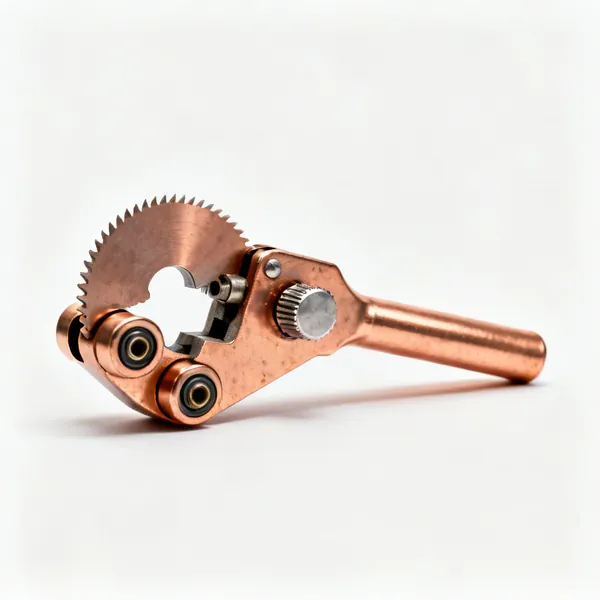
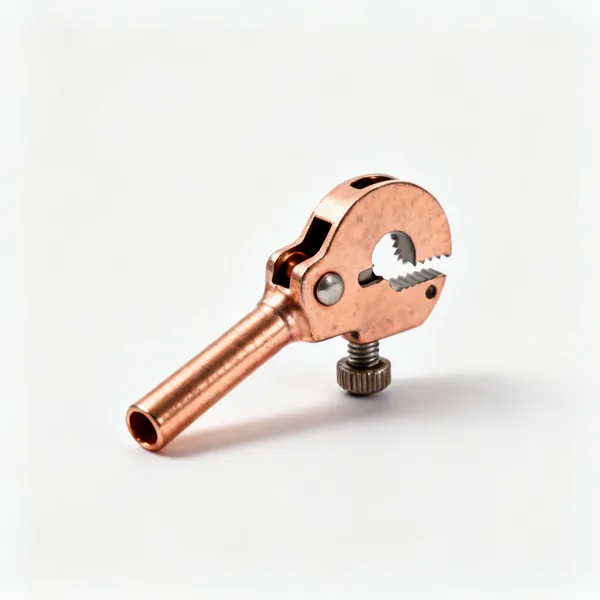
Most split system joints are 45 degree flares, and most leaks are bad flares. The sequence is: cut square with a tube cutter, deburr the inside edge, fit the nut before you flare, then form the cone with an eccentric flaring tool.
Skipping the deburr is the classic mistake. A burr on the inside edge either tears the flare face as it forms or sits proud and stops the cone seating. Neither shows up until the system is charged and losing gas.
- Cut, do not saw
- A tube cutter leaves a square end with no filings. A hacksaw leaves swarf inside the pipe, which then travels into the compressor.
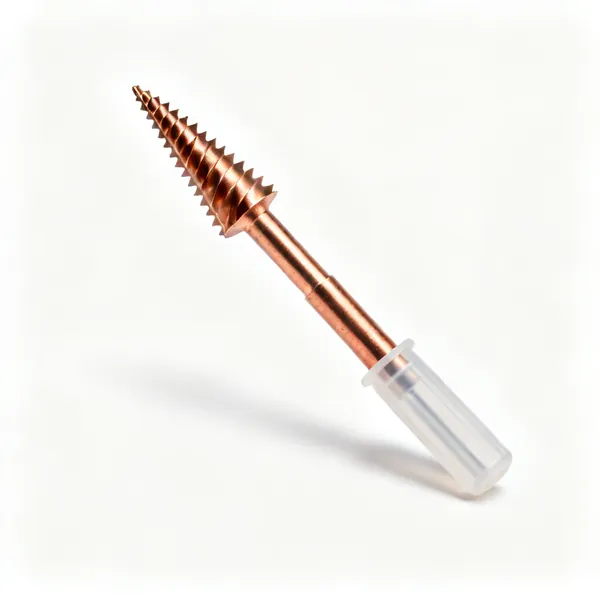
- Deburr every time
- Ten seconds with a reamer. It is the step that decides whether the flare seals.
- Nut first
- Flare a tube with the nut still on the reel side and the only way to fit it is to cut the flare off and start again.
- Eccentric cone
- An eccentric flaring tool burnishes the face as it forms it. A plain screw type leaves a rougher surface that seals less well.
Flare nuts have torque figures
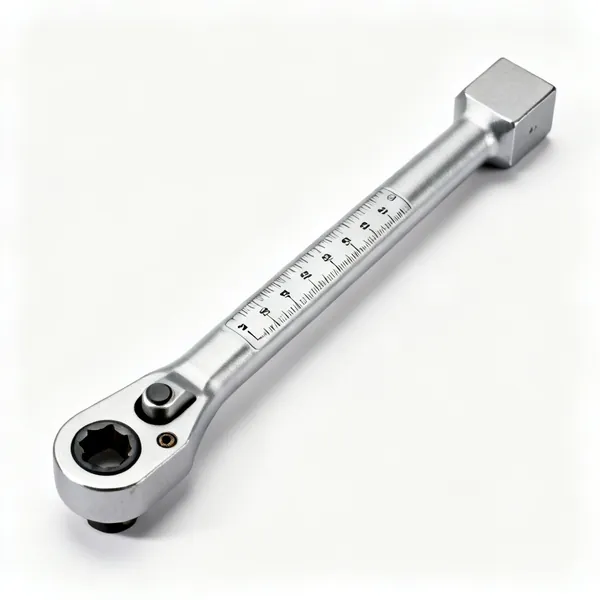
Overtightening a flare nut is as likely to cause a leak as undertightening it, because it cracks the flare or extrudes the copper. Manufacturers publish figures for each tube size, and they are much lower than most people guess.
As a rough guide, a quarter inch nut is around 18Nm and a half inch around 55Nm. Use a torque wrench and check the figure for the equipment in front of you, because they do vary.
- Use the figure
- Feel is not good enough on a joint that has to hold refrigerant for a decade. The numbers are in the manual.
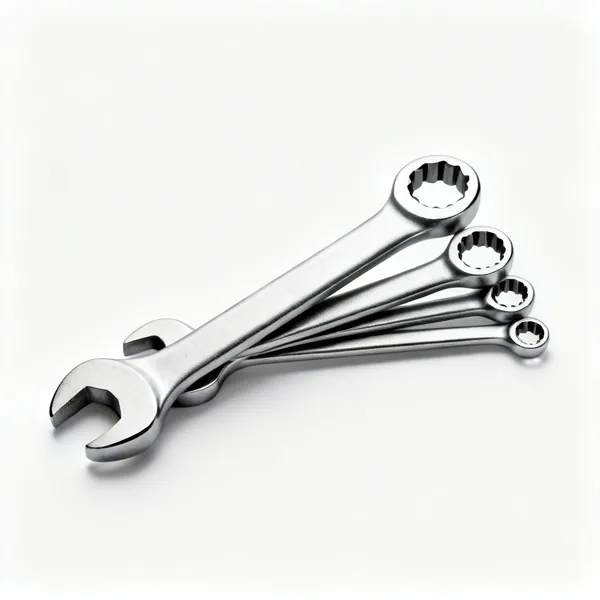
- Two spanners
- Back up the body while you torque the nut, or the tube twists and the flare distorts.
- Never reuse a cracked flare
- If a joint has leaked, cut the flare off and make a new one. Retightening a damaged one does not fix it.
Duct work is sheet metal work
Ductwork means cutting, folding and joining thin galvanised sheet, and the tools are sheet metal tools. Left and right cut aviation snips matter more than they sound, because cutting a curve with the wrong hand of snip forces the offcut into your wrist.
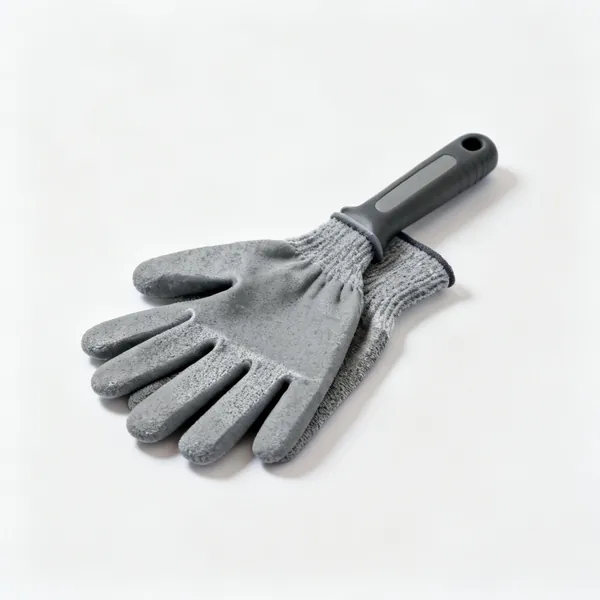
The edges are genuinely sharp. Cut galvanised sheet will open a hand faster than most tools in a workshop, and gloves are not optional on this part of the job.
- Three snips
- Straight, left and right. The curved patterns let the waste roll away from your hand instead of into it.
- Hand seamers
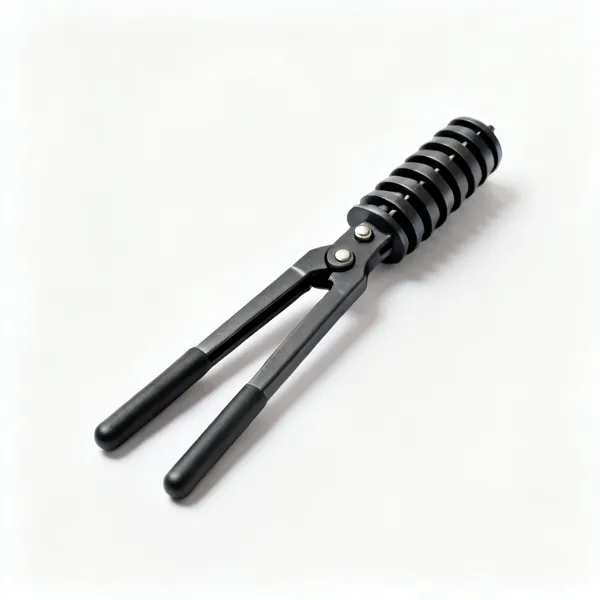
- Fold a clean edge and close a seam by hand where no brake will reach.
- Gloves on
- Freshly cut galvanised edge is the sharpest thing on the job, and it does not look it.
Refrigerant work is regulated
Worth saying plainly, because some of the searches that reach this page are from people starting out. In the UK, the EU and the United States alike, handling refrigerant requires certification, and venting it to atmosphere is illegal.
That does not stop you owning these tools or doing the mechanical and duct work. It does mean that breaking into a sealed system, recovering gas or charging one is work that needs the qualification, and the fines for getting it wrong are substantial.
- Certification
- F-Gas in the UK and EU, Section 608 in the US. Required to buy refrigerant as well as to handle it.
- Recover, never vent
- Releasing refrigerant is an offence, and recovery equipment exists precisely so there is no reason to.
- The rest is open
- Duct, mounting, condensate, electrical and diagnostics need no refrigerant handling ticket.
What actually lives in the bag
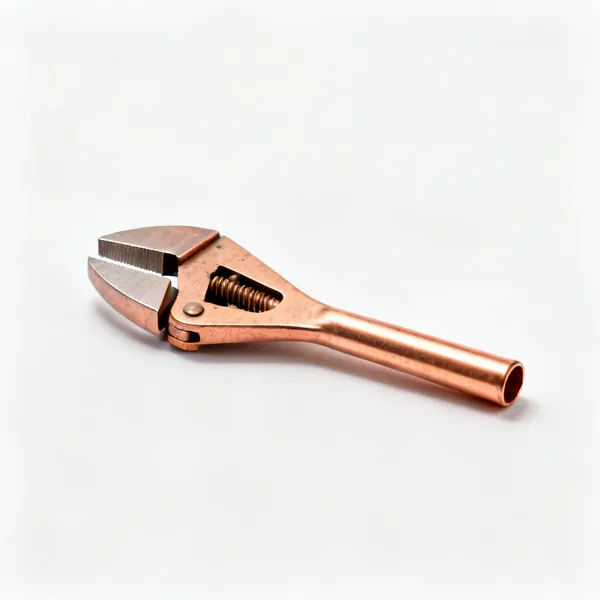
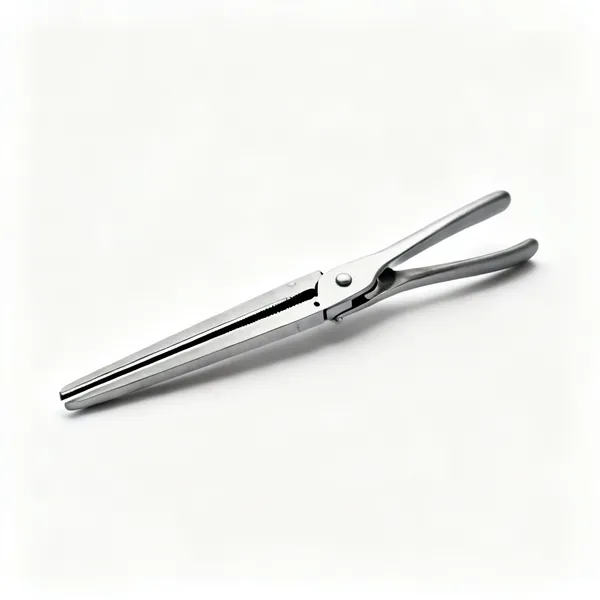
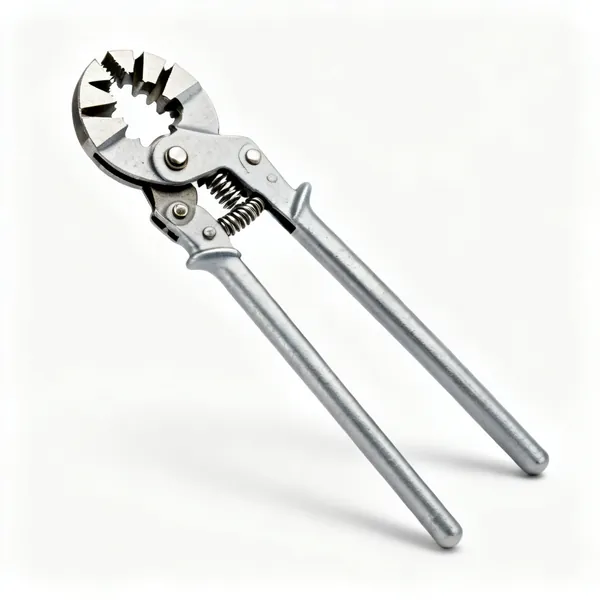
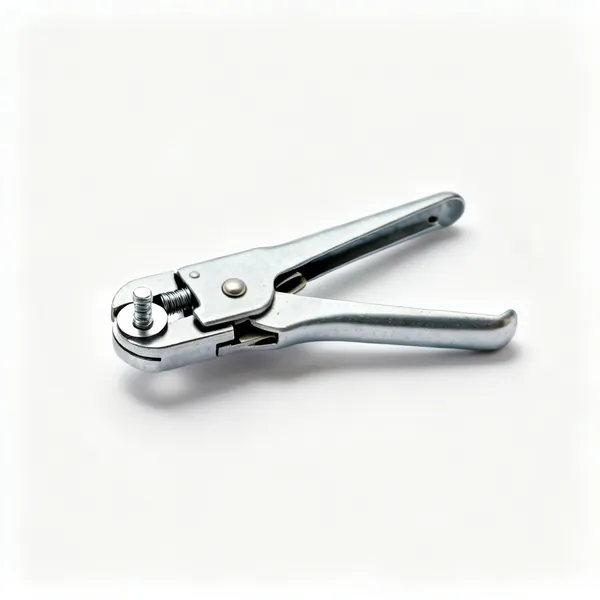
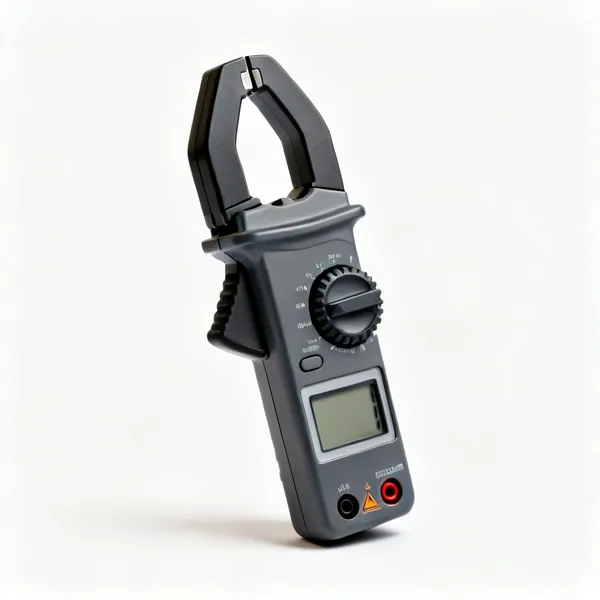
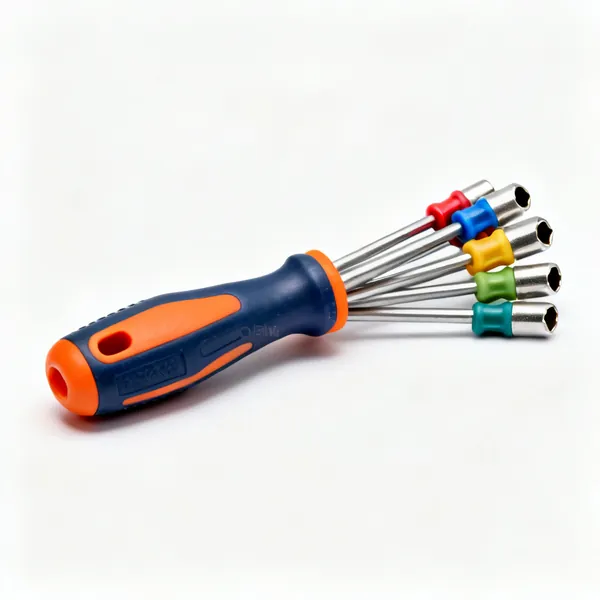
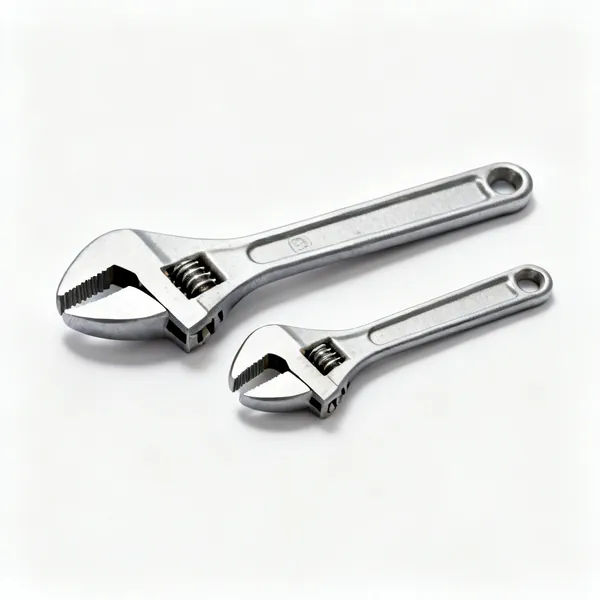
The tools that come out every single day are unglamorous: a tube cutter, a deburring reamer, adjustable spanners, nut drivers, a multimeter and a fin comb. That set handles a service call.
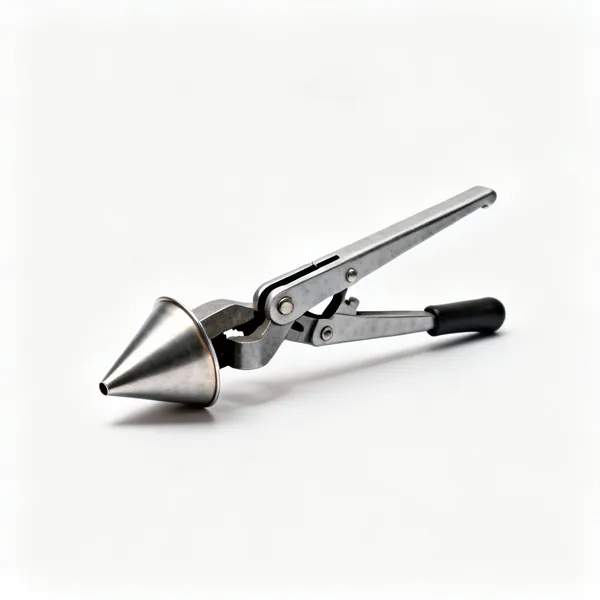
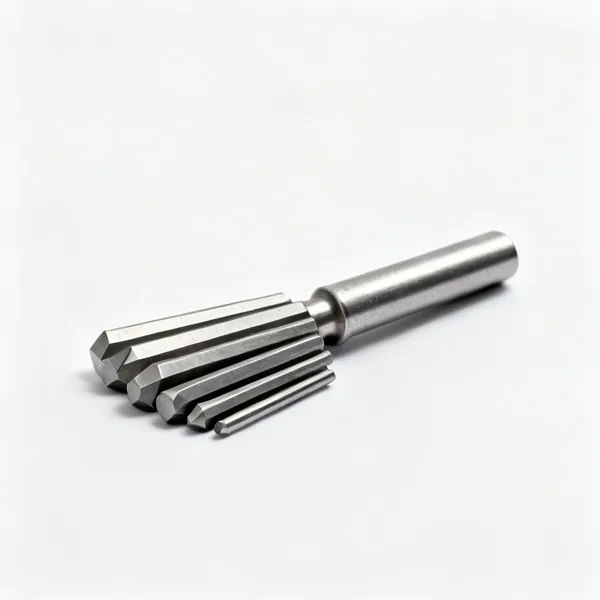
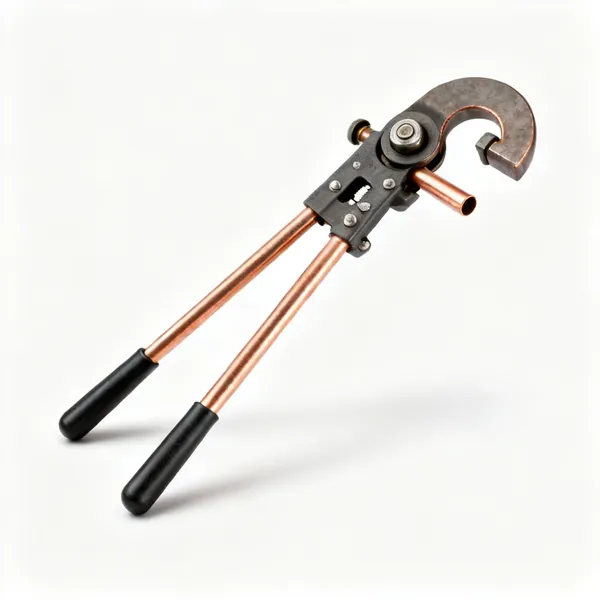
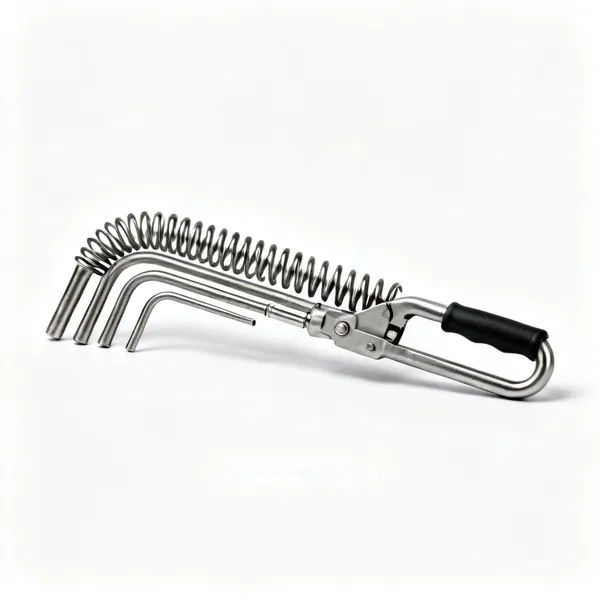
Everything else earns its place by the specific job. Swaging punches, tube benders and hand expanders come out when you are making pipework rather than servicing it, and they can live in the van until then.
- Every call
- Tube cutter, reamer, nut drivers, adjustable spanners, multimeter, fin comb, torch.
- Installs only
- Flaring block, swaging punches, benders, hand expander, seamers, hole punches.
- Buy the cutter well
- A cheap tube cutter wanders off square, and a tube that is not square cannot be flared properly.
Frequently asked questions
- What hand tools does an HVAC beginner need?
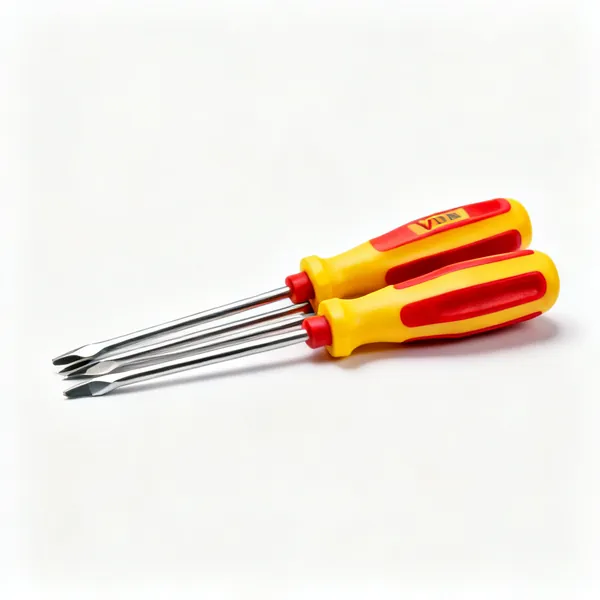
- A tube cutter, a deburring reamer, a flaring tool, adjustable spanners, a nut driver set, insulated screwdrivers, aviation snips, a multimeter, a fin comb and a torque wrench. That set covers a service call and most of the mechanical side of an install.
- Why does my flare joint keep leaking?
- Most often the tube was not deburred before flaring, so the flare face is torn or does not seat. Other common causes are a tube cut out of square, the nut overtightened past its torque figure and cracking the flare, or reusing a flare that has already leaked once.
- What is the difference between flaring and swaging?
- Flaring forms a 45 degree cone on the end of a tube so a flare nut can clamp it against a matching seat. Swaging expands the end of one tube so another of the same size slides inside it, making a joint you then braze. Different joints and different tools.
- Do I need a licence to work on air conditioning?
- To handle refrigerant, yes. The UK and EU require F-Gas certification and the United States requires EPA Section 608, both to buy refrigerant and to work on a sealed system. Duct work, mounting, condensate, electrical and diagnostics do not require it.
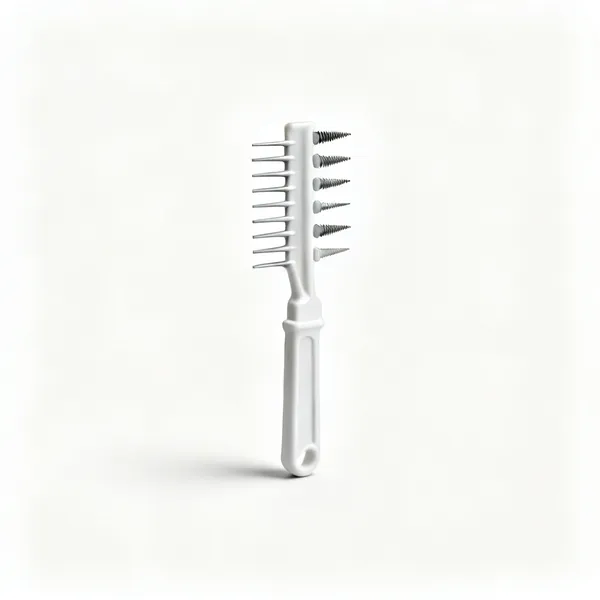
- What is a fin comb for?
- Straightening the flattened aluminium fins on a condenser or evaporator coil. Bent fins block airflow, which raises head pressure and cuts efficiency. The comb has several tooth pitches on it so you can match the fin spacing of the coil you are working on.
- Can I use a hacksaw instead of a tube cutter on copper?
- You can, and you should not. A hacksaw leaves a ragged out-of-square end and drops filings inside the tube, which travel into the compressor and destroy it. A tube cutter leaves a square burnished end with nothing loose inside.
- Why do I need left and right cut snips?
- The offset jaws send the cut-off strip away from your hand as it curls. Cutting a right-hand curve with left-hand snips forces that sharp strip into your wrist, and it also makes it hard to see the line. Most people carry all three patterns.
- How tight should a flare nut be?
- To the figure the manufacturer specifies, which is lower than most people expect. Roughly 18Nm on a quarter inch and 55Nm on a half inch as a general guide, but check the manual for the unit. Use a torque wrench and back the fitting up with a second spanner.