Choosing a hand drilling tool
Which of these you need comes down to hole size, and whether you can get a power drill into the space.
Why drill by hand at all
Three reasons, and none of them is nostalgia. Control is the first: an eggbeater drill turns a 3mm bit slowly enough that you feel the moment it exits the far face, which is the moment tearout happens. Access is the second, since a brace with a short bit reaches into a cabinet corner no drill body fits. Power is the third, or the lack of it, on a site with no supply and a flat battery.
Against that, hand drilling is slow. Nobody bores forty holes with a brace by choice. These are precision and access tools, not production tools.
- Feel
- You sense breakthrough before it splinters the far face, which a cordless drill at 1,200rpm gives you no chance to catch.
- Reach
- A brace and a short auger get into corners a drill body cannot enter.
- Silence
- No noise, no dust extraction, nothing to unplug, which matters indoors and in occupied rooms.
Match the tool to the hole size
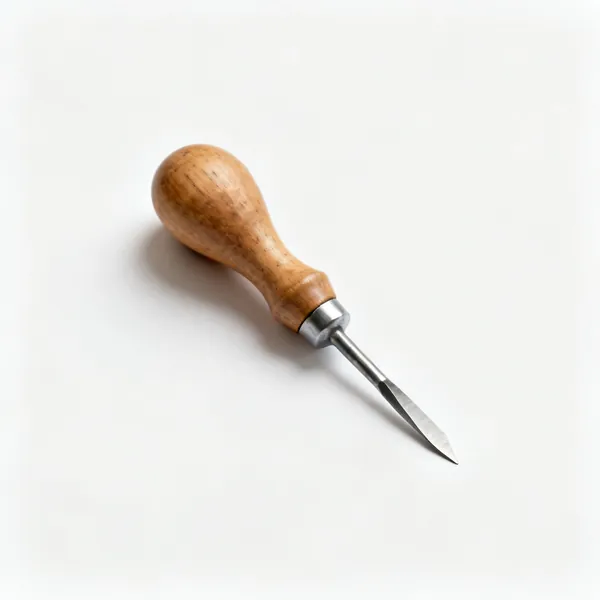
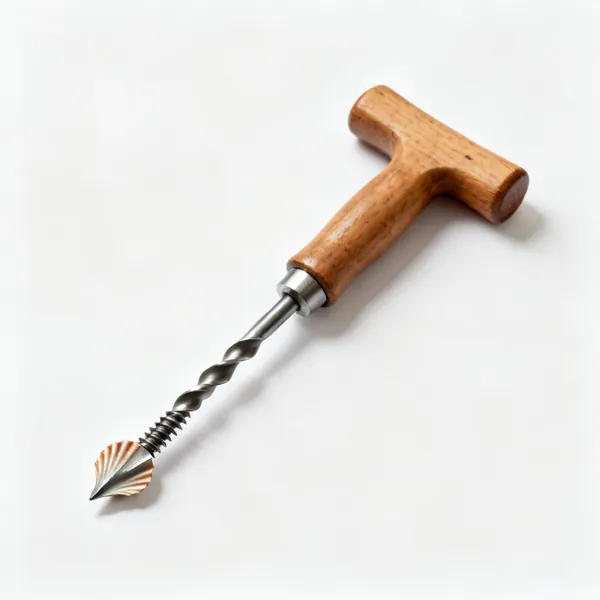
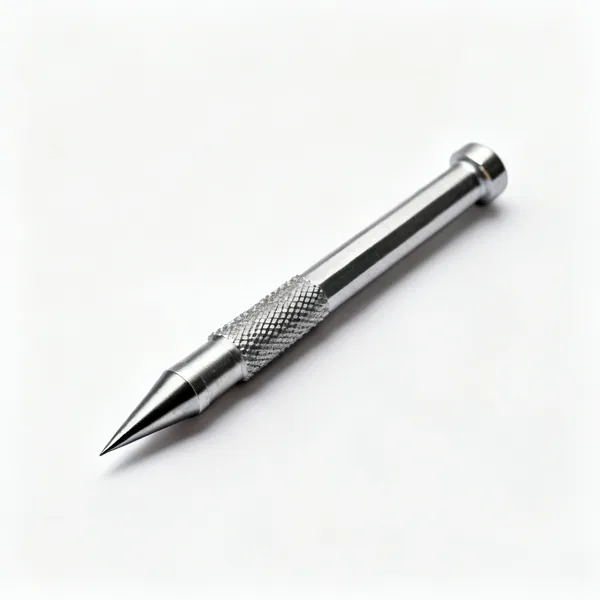
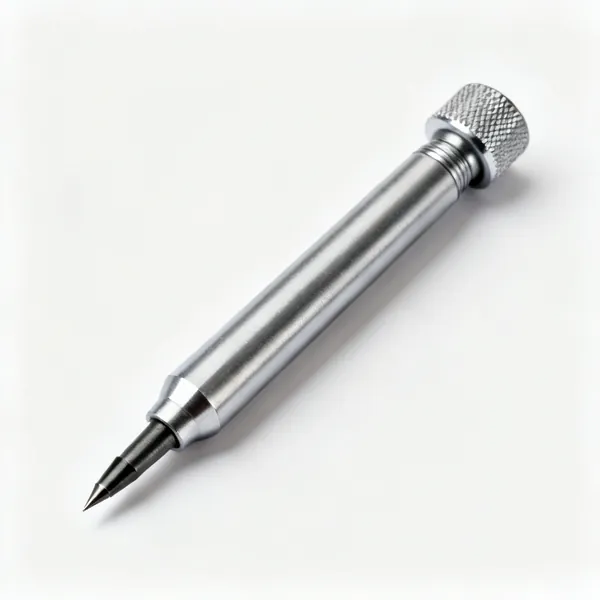
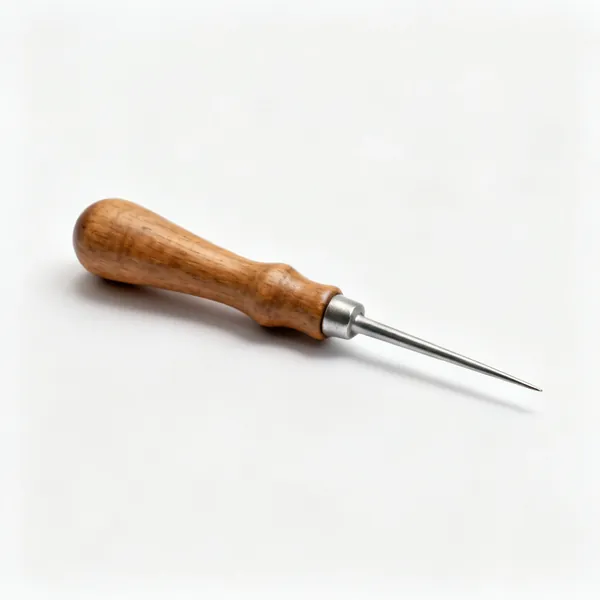
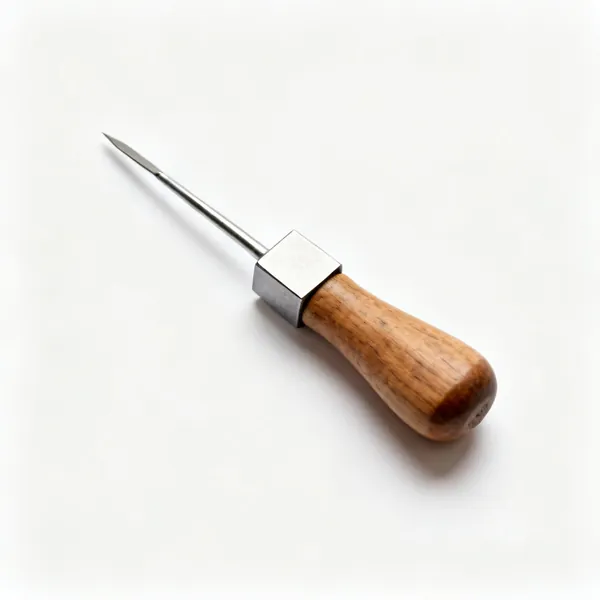
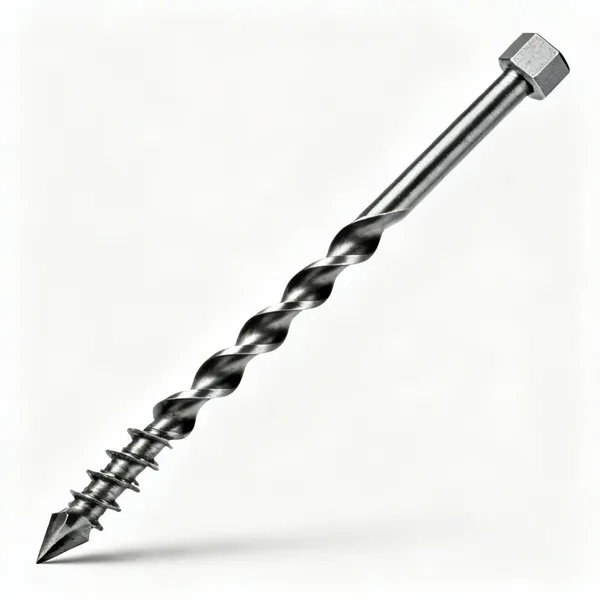
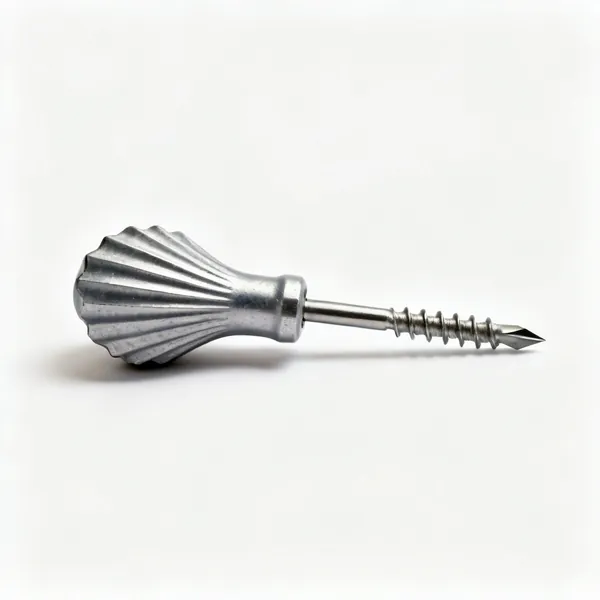
Hand drilling splits cleanly by diameter, and picking the wrong tool for the size is the usual mistake. Under 3mm, a gimlet or a bradawl is faster than anything with a crank, because you are really just displacing wood fibres rather than cutting a bore.
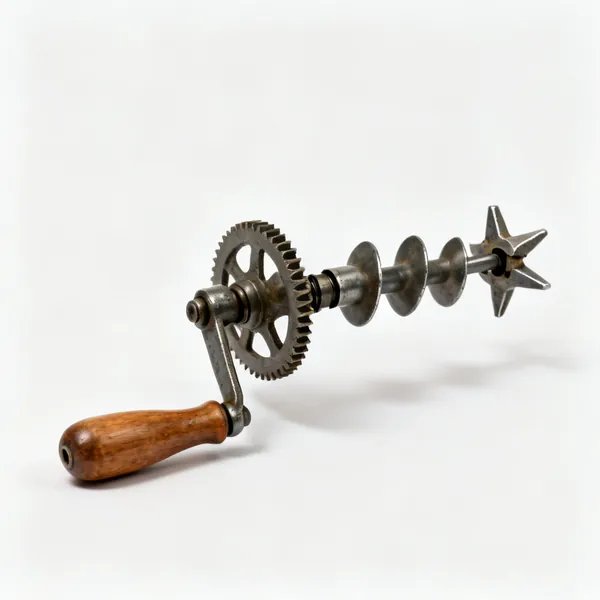
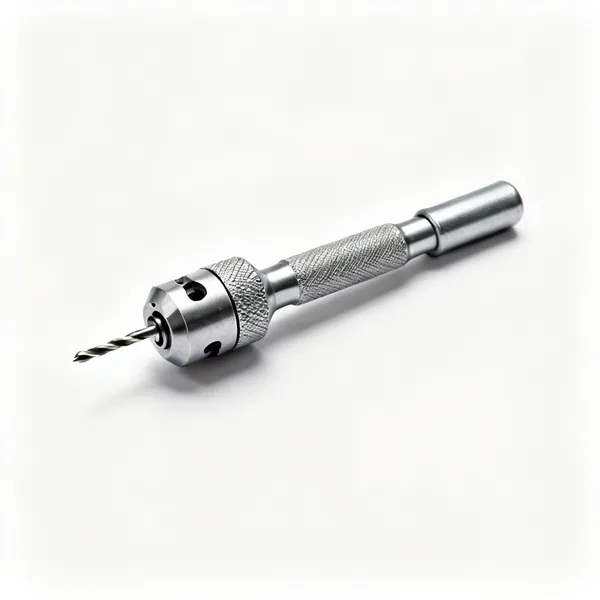
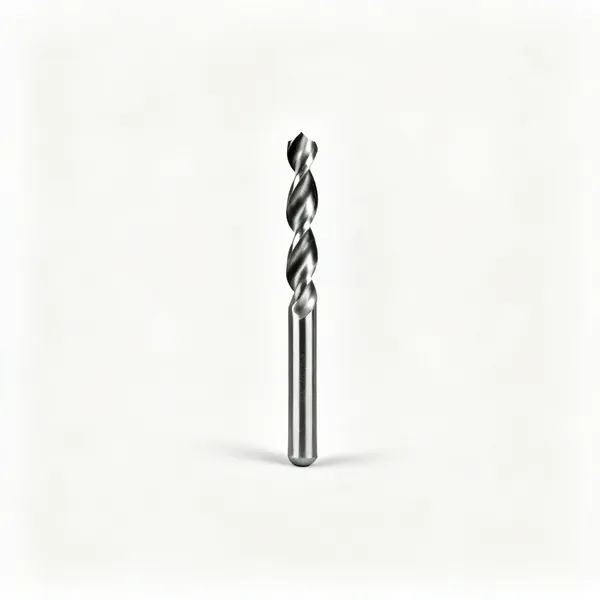
From 3mm to 8mm an eggbeater drill is the right tool: geared, two-handed, and happy with ordinary twist bits. Above 8mm the gearing runs out of torque and you want a brace, which trades speed for leverage through its sweep.
- Under 3mm
- Bradawl or gimlet. No chuck, no gearing, and the hole is started and finished in one motion.
- 3mm to 8mm
- Eggbeater drill with a twist bit. Fast enough to be practical, slow enough to stay accurate.
- 8mm and up
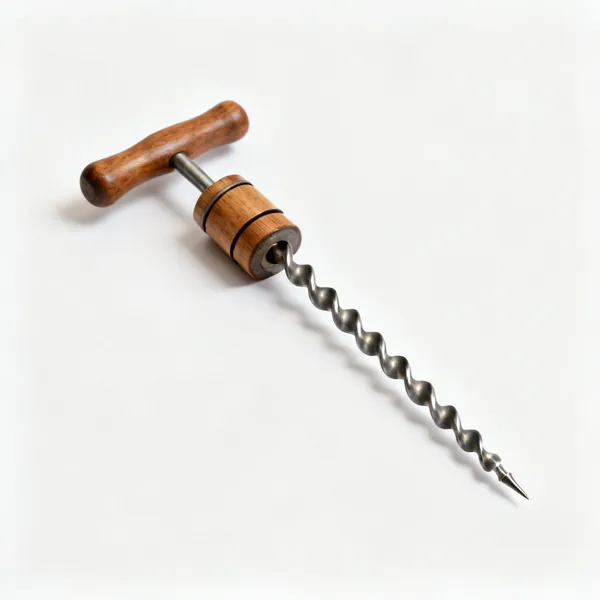
- Brace with an auger bit. The sweep gives the leverage the gears cannot.
The bits are not interchangeable
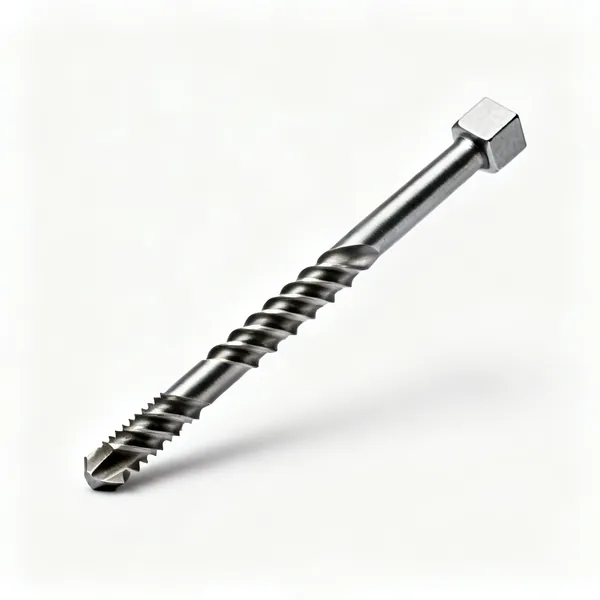
A brace takes a tapered square shank, which is what the two jaws of its chuck are shaped to grip. Put a round twist bit in a brace and it will slip under load. Put a square-shank auger in a three-jaw hand drill chuck and it will sit crooked.
This catches people who buy a secondhand brace and a box of modern bits and cannot understand why nothing holds. Check the shank before you buy either.
- Square taper
- Brace only. Auger bits, expansive bits, and the older centre bits all use it.
- Round shank
- Eggbeater and breast drills, same as any power drill takes.
- Depth
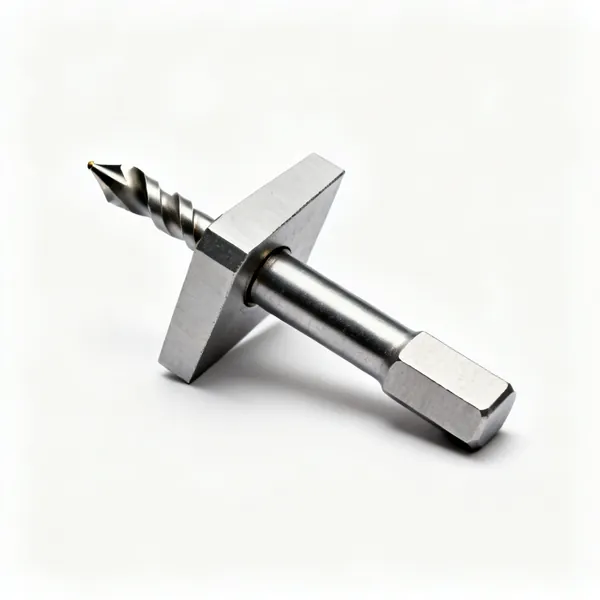
- A brace auger has a lead screw that pulls itself in, so it needs a stop or a backing board to avoid punching through.
Keeping the hole straight
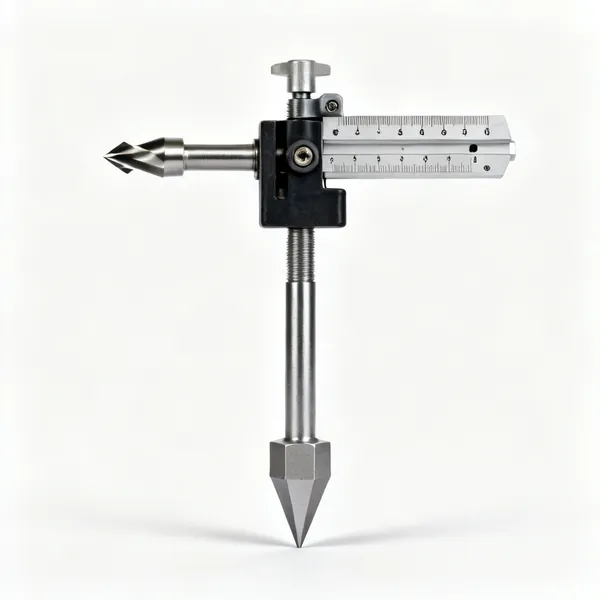
Nothing here has a guide, so straight is on you. The reliable method is to start the hole, then sight the tool against a square stood on the workpiece, correct once, and carry on. Checking from two directions at ninety degrees catches the lean that one view hides.
For anything that has to be genuinely square, a simple wooden guide block with a hole already bored through it costs nothing and works better than a steady hand.
- Start with an awl
- A punched centre stops the bit wandering on the first turn, which is where most crooked holes begin.
- Sight twice
- Check against a square from the front and the side, not one or the other.
- Back the work
- A scrap block behind the exit face turns tearout into a clean hole.
Buying old rather than new
This is one of the few tool categories where the secondhand market is genuinely better than the new one. Braces and eggbeater drills were made in enormous numbers for decades, they have few parts that fail, and a good one costs less than a poor new one.
What to check: the chuck jaws should close on a bit without slipping, the crank should turn without side play, and the gear teeth should be unchipped. Surface rust is cosmetic. A cracked chuck or a stripped gear is not worth the repair.
- Test the chuck
- Grip a bit and try to twist it by hand. Any slip means worn jaws, which is the one fault worth walking away from.
- Feel the gears
- Turn the crank slowly. A regular catch means a chipped tooth.
- Ignore rust
- Surface rust comes off with abrasive and oil. It tells you nothing about whether the tool works.
Frequently asked questions
- What is the difference between a hand drill and a brace?
- A hand drill, often called an eggbeater, uses gears and a side crank to spin a round-shank bit quickly, and suits holes up to about 8mm. A brace uses a wide sweep for leverage instead of gearing, turns a square-shank auger slowly with much more torque, and is the tool for larger holes.
- Can I use ordinary drill bits in a hand drill?
- In an eggbeater or breast drill, yes. Both take round-shank bits in a three-jaw chuck, exactly like a power drill. A brace is different: its two-jaw chuck is made for a tapered square shank, and a round bit will slip in it under load.
- What is the largest hole a brace can drill?
- With an expansive bit, around 75mm in softwood. With ordinary auger bits, sets usually run to about 25mm. The limit is not the brace but your leverage, and hardwood at the top of that range is genuinely hard work.
- Do I still need a bradawl if I own a drill?
- For pilot holes in softwood under about 3mm, a bradawl is faster than fetching a drill and it cannot wander off the mark. It also displaces fibres rather than cutting them, which grips a screw slightly better. It stays useful, which is why it is marked essential here.
- Why does my hand drill wander off the centre mark?
- Almost always because the hole was not started. A twist bit has a chisel point that skates on a flat surface, so punch a centre with an awl or a centre punch first. The other cause is pushing sideways while cranking, which a guide block fixes.
- Is a breast drill just a bigger hand drill?
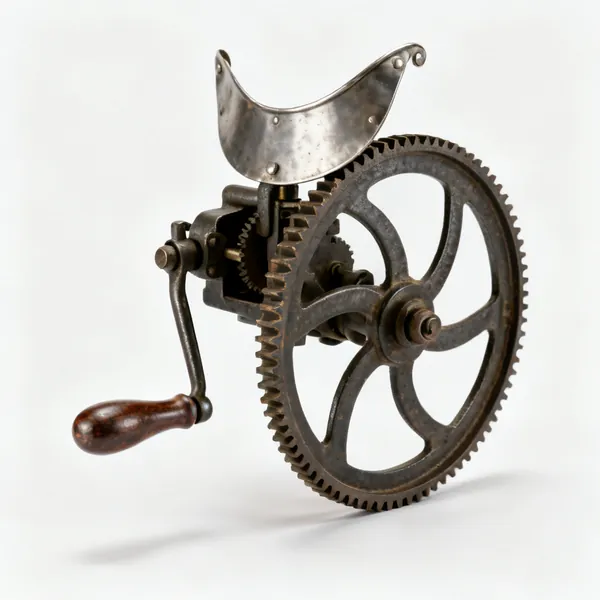
- Effectively yes, with one important difference. The curved plate at the top lets you lean your chest into the work, so you can apply far more feed pressure than two hands allow. That makes it the tool for larger bits and for drilling metal, where feed pressure is what keeps the bit cutting.
- Can these tools drill metal?
- A breast drill can, with a HSS twist bit and cutting oil, and it was a standard fitter's tool for exactly that. An eggbeater will manage thin sheet. A brace will not, because auger bits are wood-cutting geometry and the speed is wrong.
- What is a gimlet used for now?
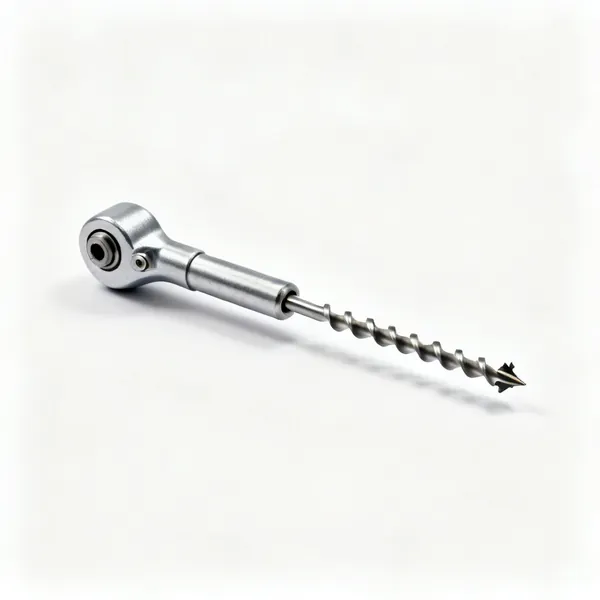
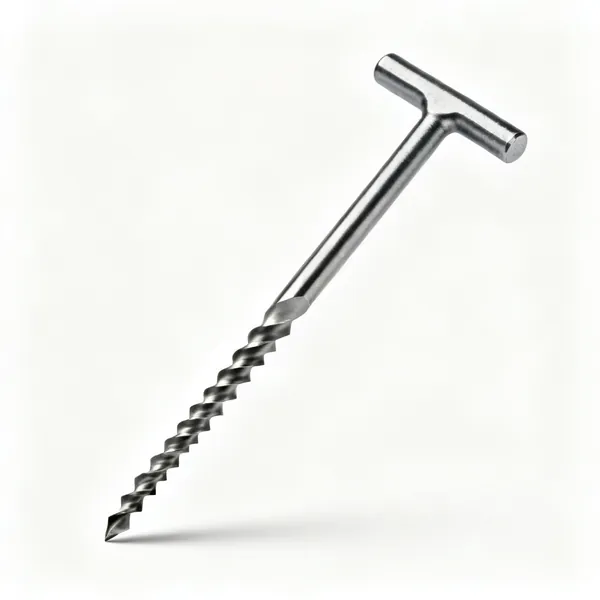
- Small pilot holes in softwood, particularly where a drill will not fit. It is a shell-shaped cutter on a T-handle that pulls itself in like a tiny auger, and it will start and finish a 3mm hole in one motion without any chuck at all.