Choosing a metal cutting tool
Thickness first, then whether the cut is straight or curved, then how clean the edge has to be.
Four mechanisms, and they behave differently
Sawing removes a kerf, so it wastes a strip of material and works at any thickness the blade can reach. Shearing slices between two edges, which is fast and clean but distorts thin sheet near the cut. Punching removes a slug at a time and leaves the surrounding sheet undisturbed. Abrading grinds material away, which is slow and the only option on hardened steel.
Most frustration with these tools comes from asking one mechanism to do another's job. Snips will not cut bar. A hacksaw will not follow a tight curve. A nibbler will not cut a metre of straight line in any reasonable time.
- Saw
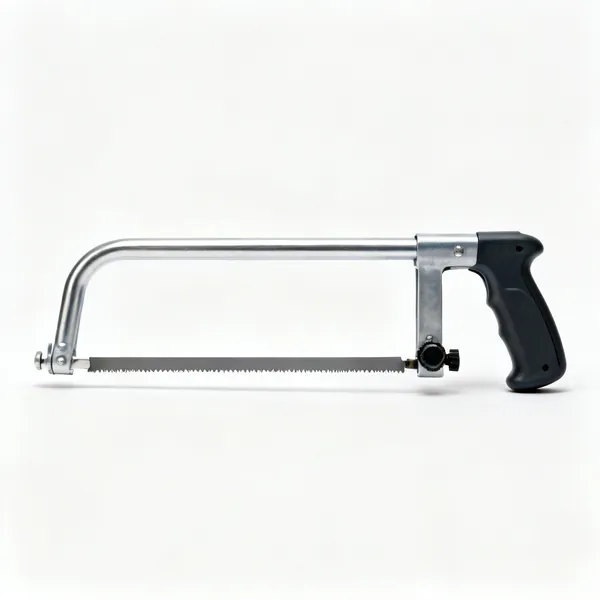
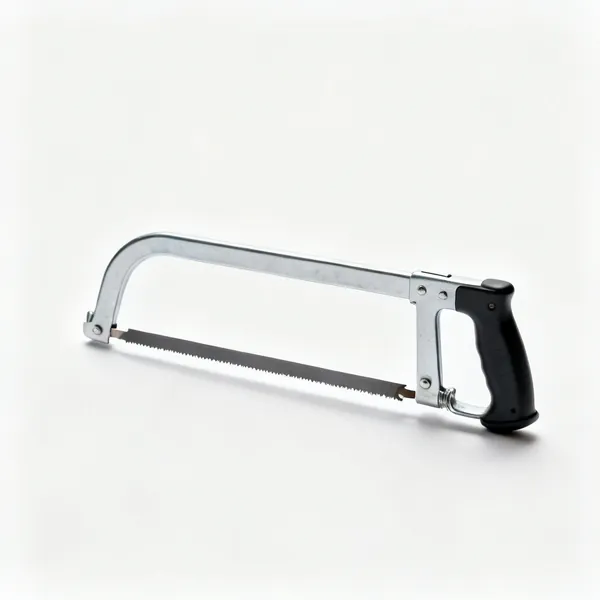
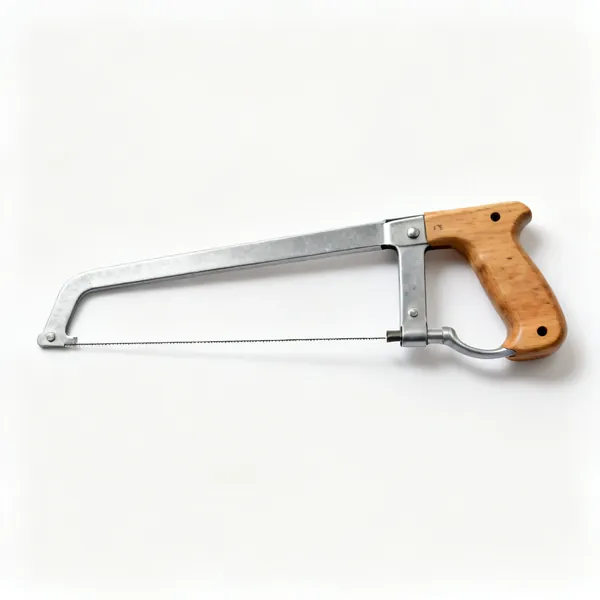
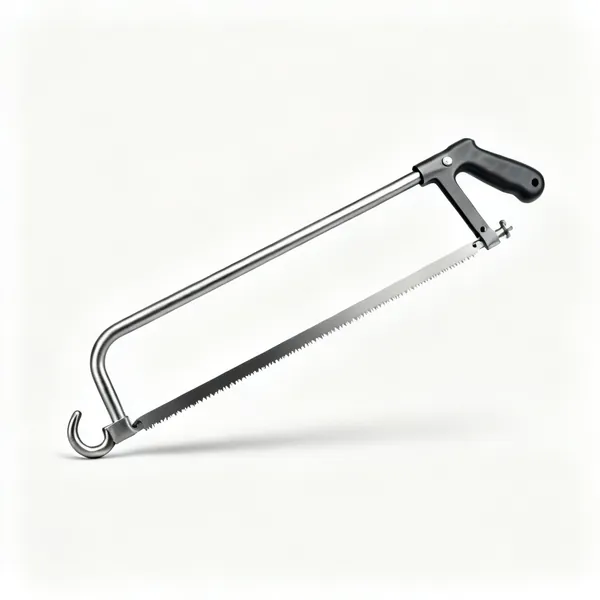
- Any thickness, straight or gentle curves, wastes a kerf. Hacksaws and their variants.
- Shear
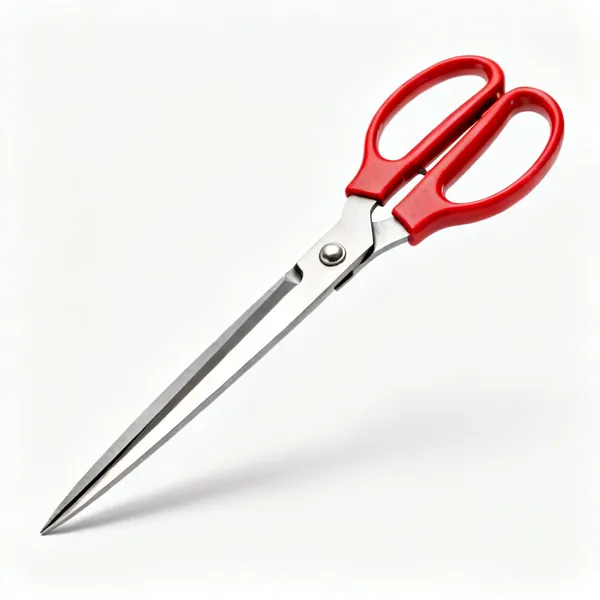
- Sheet up to about 1.5mm, fast and clean, distorts the edge slightly. Snips and shears.
- Punch
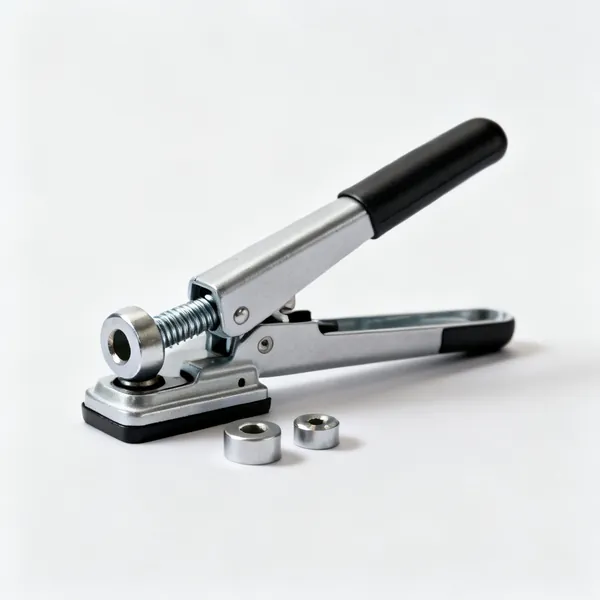
- Sheet, any shape including internal cutouts, leaves the panel flat. Nibblers and hole punches.
- Abrade
- Slow, works on hardened steel, and the only hand option once the metal is too hard to cut.
Hacksaw blade selection
Three teeth must be in the material at all times. That is the entire rule, and it is why cutting thin wall tube with an 18 TPI blade strips teeth: at that pitch only one or two teeth touch the wall, so each one catches on the edge instead of cutting.
Bimetal blades are worth the extra over carbon steel. The hardened teeth stay sharp several times longer while the flexible spine resists snapping, which is exactly the combination a carbon blade cannot give you.
- 18 TPI
- Solid bar and thick section. The fastest cut where thickness allows it.
- 24 TPI
- General purpose, thicker tube and angle. The blade to fit if you are only fitting one.
- 32 TPI
- Thin sheet, conduit and thin wall tube. Feels slow, and it is the only pitch that will not strip.
- Bimetal
- Hard teeth on a flexible back. Lasts several times longer than carbon steel for a small premium.
Cutting sheet without wrecking the edge
Snips distort sheet because shearing pushes the two sides apart as it cuts. The trick is to never let the blades close fully: stop about 10mm short, reposition and continue. Closing them completely leaves a kink at each blade tip that has to be flattened out afterwards.
For an internal cutout, or where the panel must stay dead flat, a nibbler is the right answer. It punches a slug at a time and puts almost no stress into the surrounding material.
- Never close the blades
- Stop short, reposition, continue. Full closure leaves a kink at the blade tip every time.
- Cut on the waste side
- The distorted edge should be the piece you are throwing away, not the one you are keeping.
- Match the hand of the snips
- Left, right and straight patterns exist so the offcut curls away from your hand rather than into it.
When the metal is too hard to cut
A hacksaw blade is around 64 HRC. Anything approaching that hardness will not be cut, it will simply polish the teeth off the blade. Hardened bolts, spring steel, files and case-hardened padlock shackles all fall into this category.
The hand options then are abrasive, or annealing the metal first by heating it and letting it cool slowly. Most of the time the honest answer is that this is where hand tools end and an angle grinder begins.
- Test with a file
- If a file skates rather than bites, a hacksaw will not cut it either. Two seconds, and it saves a blade.
- Anneal or abrade
- Heat to soften, or grind. There is no third hand option on genuinely hardened steel.
- Know when to stop
- Persisting ruins blades without progressing the cut. This is the limit of the category, not a technique problem.
The edges and the offcuts
Every cut here leaves a burr sharp enough to open a hand, and cut sheet metal is worse than any tool on the page. Deburr as part of the cut rather than as a separate job you might not get round to.
Sawing and shearing both throw fragments. A snapping hacksaw blade in particular releases stored tension and can throw a piece some distance, which is reason enough for eye protection on every cut.
- Deburr immediately
- The burr is sharper than the tool that made it, and it will find you later if you leave it.
- Eye protection
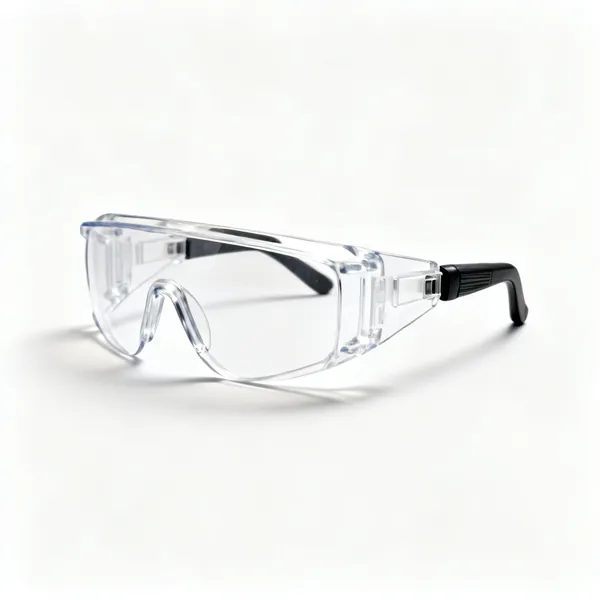
- A snapping blade or a flying swarf chip does not give a warning. This is the one item with no substitute.
- Clamp the work
- Metal held by hand chatters, which blunts blades and is how most cuts go somewhere unintended.
Frequently asked questions
- What is the best hand tool to cut metal?
- For anything solid, a hacksaw with a bimetal blade. For sheet up to about 1mm, aviation snips. For bolts and rod up to about 10mm, bolt croppers. There is no single answer because sawing, shearing and punching are different mechanisms suited to different thicknesses.
- What TPI hacksaw blade should I use?
- Keep at least three teeth in the material. That means 18 TPI for solid bar, 24 TPI for general work and thicker tube, and 32 TPI for thin sheet and conduit. Too coarse a blade on thin material catches a tooth on the edge and strips it.
- Can hand tools cut hardened steel?
- Generally no. A hacksaw blade is around 64 HRC, so hardened bolts, spring steel and case-hardened shackles simply polish the teeth off. Test with a file first: if the file skates, nothing with teeth will cut it. Abrasive or annealing are the remaining hand options.
- How do I cut sheet metal without bending it?
- Use a nibbler, which punches out a slug at a time and puts almost no stress into the surrounding panel. If using snips, never let the blades close fully, and keep the distorted edge on the offcut side rather than on the piece you are keeping.
- What is the difference between tin snips and aviation snips?
- Tin snips have long plain blades and cut a straight line in a single sweep, like scissors. Aviation snips use a compound lever for more cutting force with short serrated jaws, and come in left, right and straight patterns so the offcut curls away from your hand.
- Why does my hacksaw blade snap?
- Usually too much downward force, or twisting the frame so the blade binds in the kerf. Insufficient tension does it too, because a slack blade wanders and then jams. Let the saw's own weight provide most of the pressure and keep the frame square.
- Can I cut a bolt without a grinder?
- Yes. Bolt croppers cut mild steel bolts and rod up to about 10mm cleanly, and a hacksaw will cut any of it more slowly. A nut splitter is often better still on a seized nut, because it destroys the nut and leaves the stud and thread usable.
- What is a nut splitter?
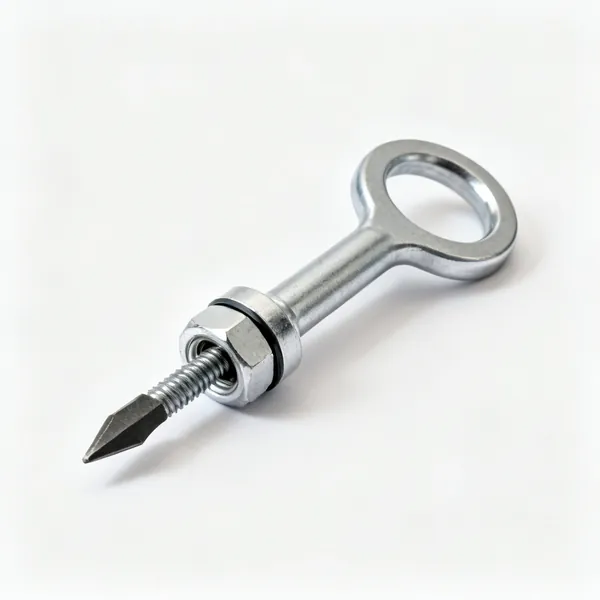
- A ring that fits over a seized nut with a hardened chisel driven in by a screw until the nut cracks off. It saves the stud and the thread, which cutting the whole fastener off would destroy, and it works where there is no room for any saw.