Disclosure

Tools for chiselling

A chisel is a wedge, and a wedge pushes sideways as well as forward. Which way it pushes depends on which face is against the wood, and that single fact explains why a paring cut wanders off line or stays on it. All 35 here are grouped by the material they cut, since a wood chisel struck with a lump hammer is ruined and a masonry chisel will not pare anything.

17 are marked essential: a working set plus what keeps the edges sharp.

Part of the full hand tools list, 73 tools in 11 groups.

Wood chisels 8

Hard, keen, and struck with a mallet or pushed by hand. Never hit with a steel hammer.

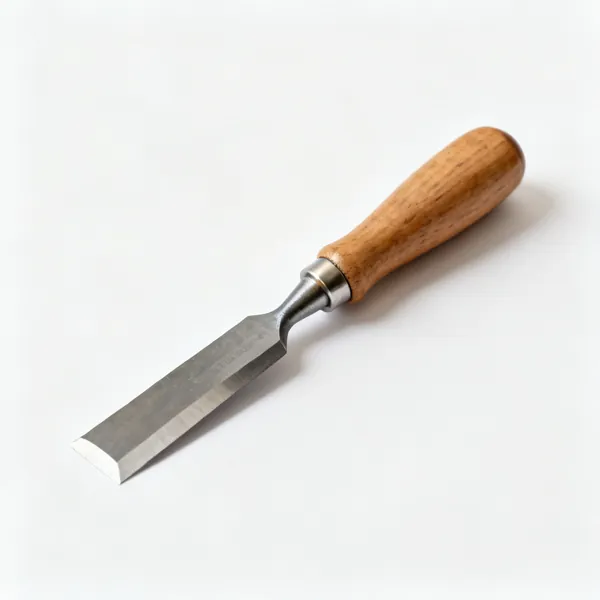
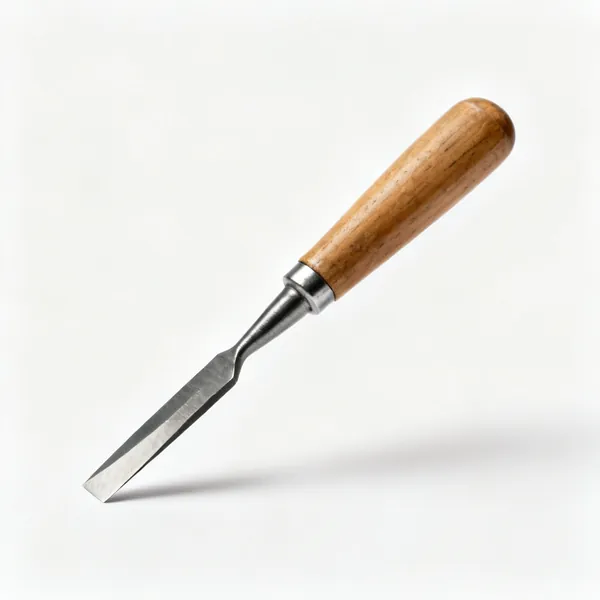
  • Bevel edge chisel: A bevel edge wood chisel with a wooden handle and a bevelled bladeEssential

    Bevel edge chisel

    The general purpose joinery chisel, with the sides bevelled so it reaches into an acute corner like a dovetail. Four sizes cover almost all work.

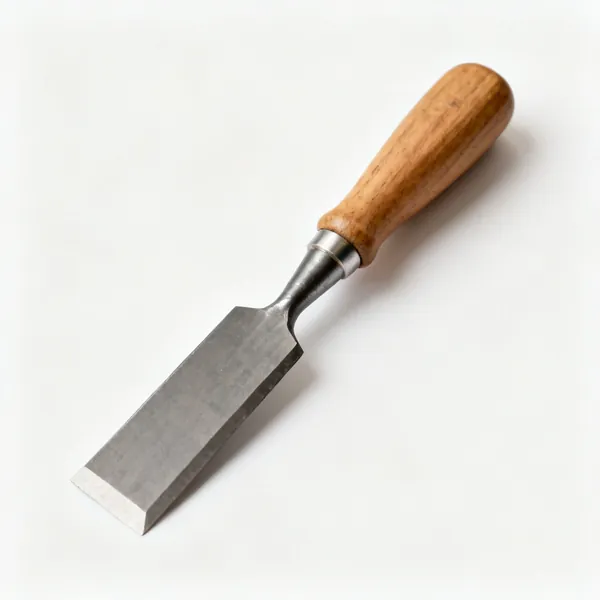
  • Firmer chisel: A firmer wood chisel with a thick square sided blade and a wooden handle

    Firmer chisel

    Square sided and thicker, so it takes heavier mallet work without flexing. Stronger than a bevel edge and it cannot get into an undercut corner.

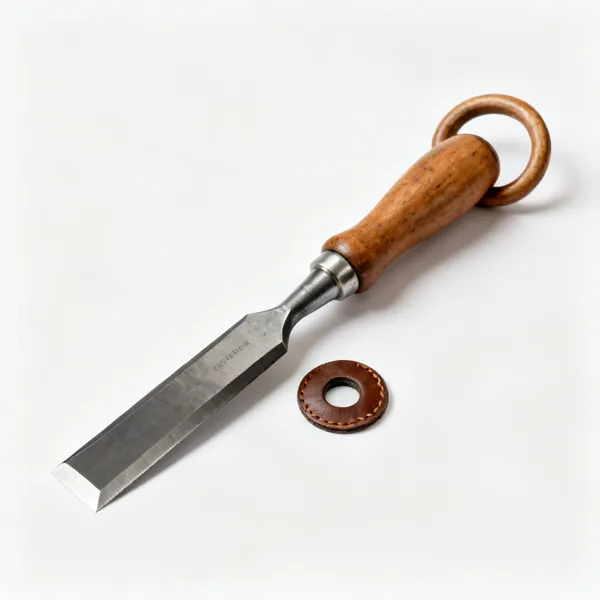
  • A heavy mortise chisel with a thick deep blade, a leather washer and a hooped wooden handle

    Mortise chisel

    Very thick in section with a hooped handle, designed to be levered as well as struck. Chopping a mortise means prising waste out, which a bevel edge would snap doing.

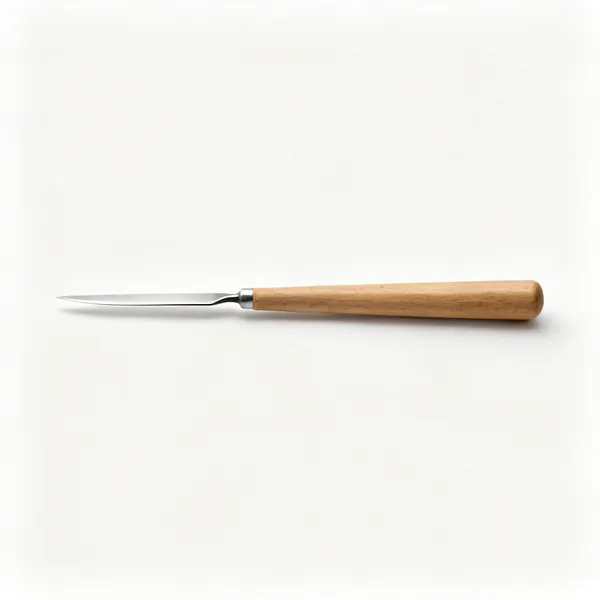
  • A long thin paring chisel with a slender blade and a long wooden handle

    Paring chisel

    Long, thin and never struck. Pushed by hand along a surface to shave a joint to fit, where the length is what keeps the cut flat over a distance.

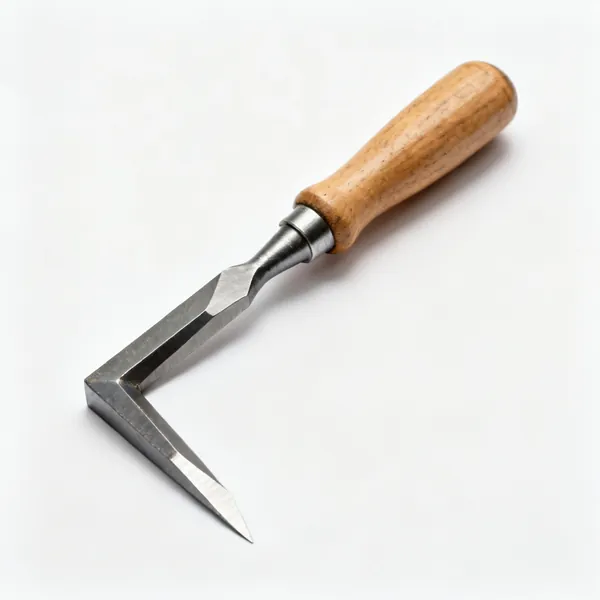
  • Corner chisel

    Corner chisel

    An L shaped edge that squares out both walls of an internal corner in one blow. For cleaning up a router cut mortise, which comes out with rounded corners.

  • Skew chisel

    Skew chisel

    Edge ground at an angle so the long point reaches into a corner. Also slices end grain more cleanly than a square edge, because it enters as a shear rather than a chop.

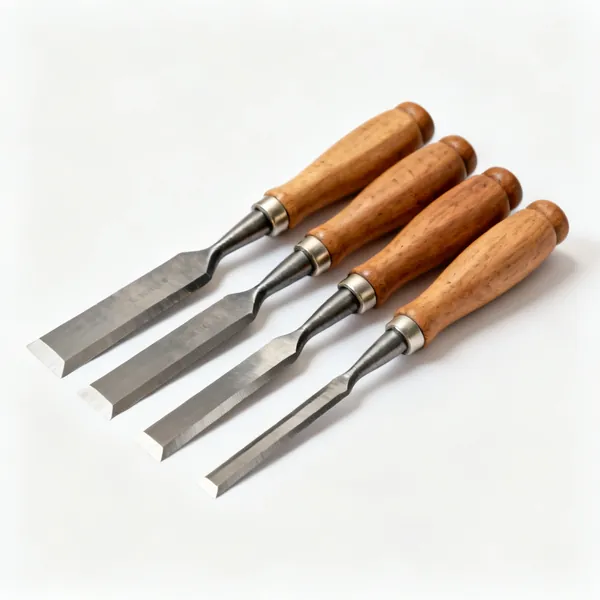
  • Chisel set: A set of four bevel edge wood chisels of graduated widths with wooden handlesEssential

    Chisel set

    Bevel edge chisels at 6, 12, 18 and 25mm. Buy for steel that holds an edge rather than for the number of pieces, since an unsharpenable set is worthless.

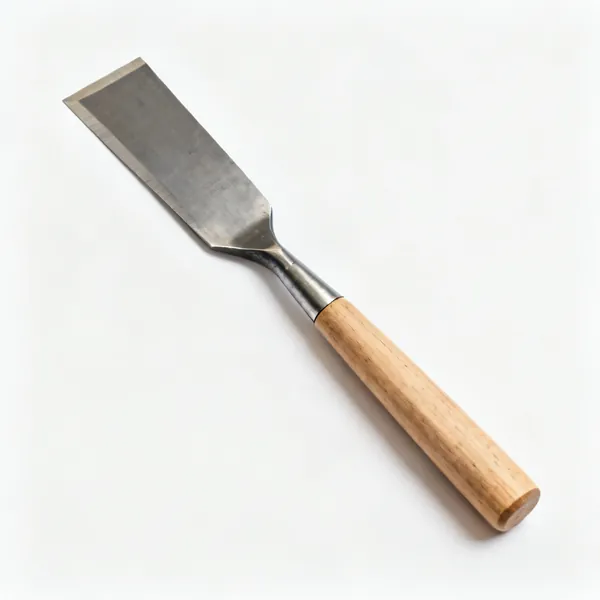
  • Timber framing chisel: A very large timber framing slick chisel with a wide blade and a long handle

    Timber framing chisel

    A very large paring chisel for structural timber, pushed with the shoulder rather than struck. Rare, and the only hand tool that pares a large tenon flat.

Masonry and stone chisels 8

Tough rather than keen, struck hard with a club hammer, and useless for anything fine.

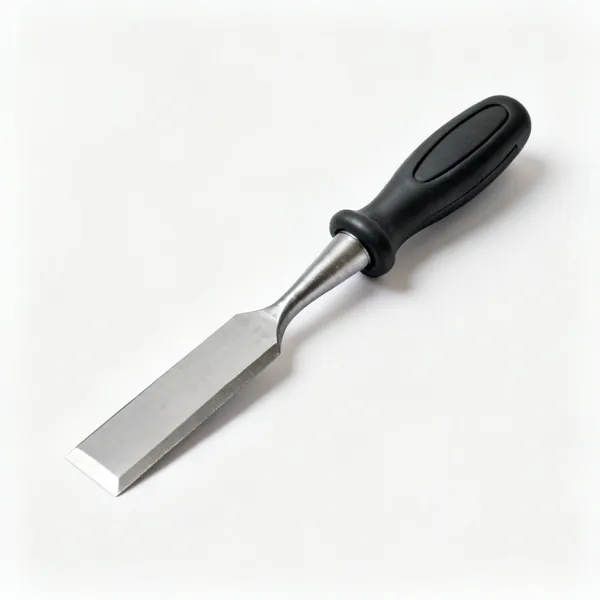
  • Bolster chisel: A wide bolster masonry chisel with a broad flat blade and a rubber hand guardEssential

    Bolster chisel

    A wide flat blade for splitting bricks and blocks and lifting tiles. The width spreads the blow along a line so the brick breaks where you marked it.

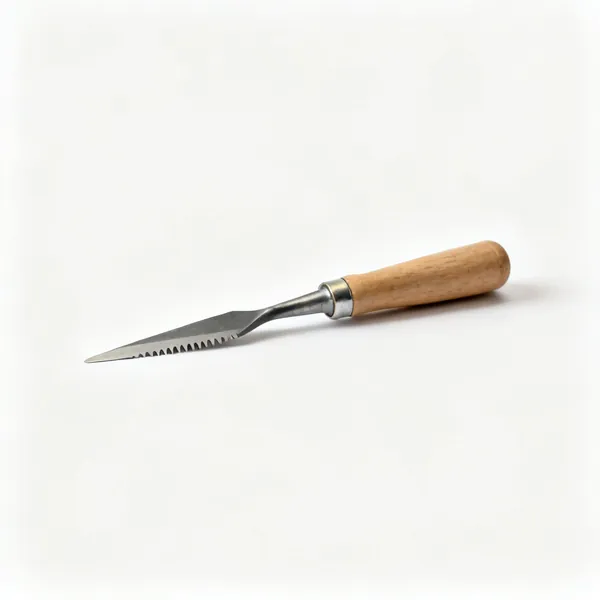
  • A narrow plugging chisel with a tapered flat blade for raking mortar joints

    Plugging chisel

    Narrow and tapered for raking old mortar out of a joint without touching the brick faces. The correct tool for repointing, and slow work whatever you use.

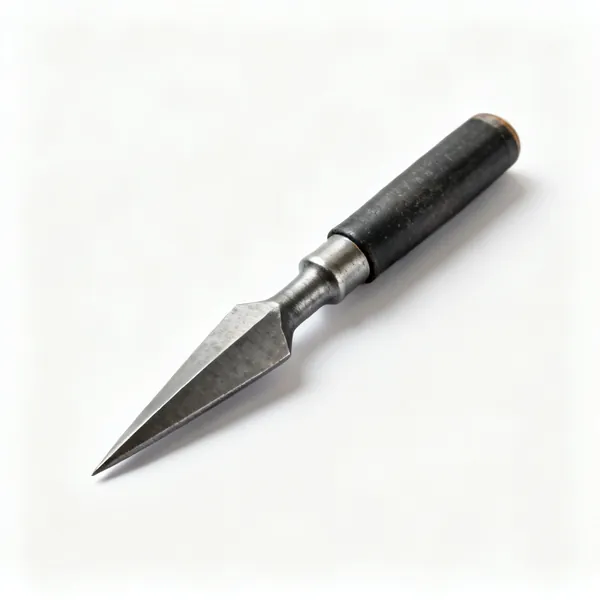
  • Point chisel: A pointed masonry chisel with a sharp conical tip

    Point chisel

    Comes to a point, concentrating the blow to break stone or start a hole in concrete. What you use before anything flat can get a purchase.

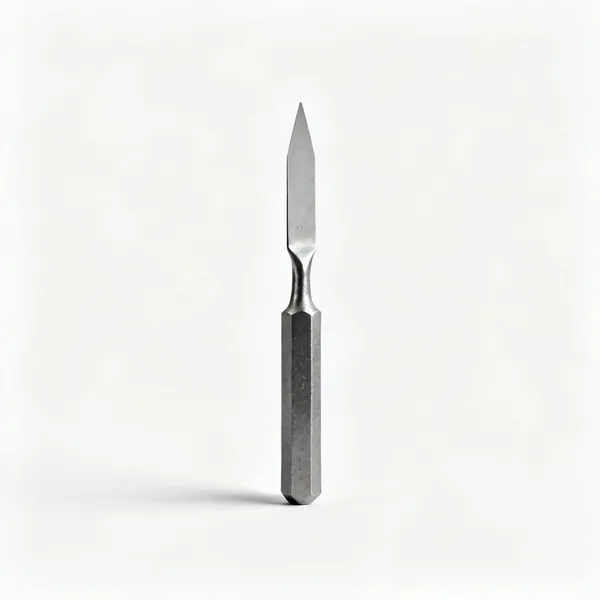
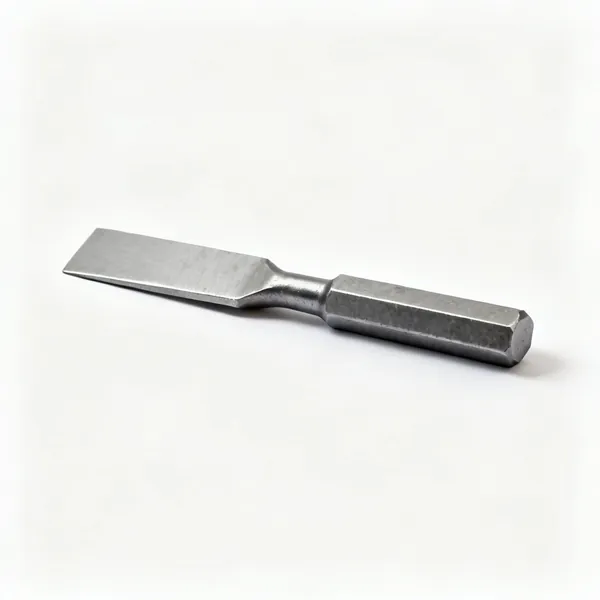
  • A flat masonry chisel with a narrow blade and a hexagonal shaftEssential

    Flat masonry chisel

    A narrow flat chisel for cutting a chase in brick or removing render. The everyday one, and it does more work than the bolster on most jobs.

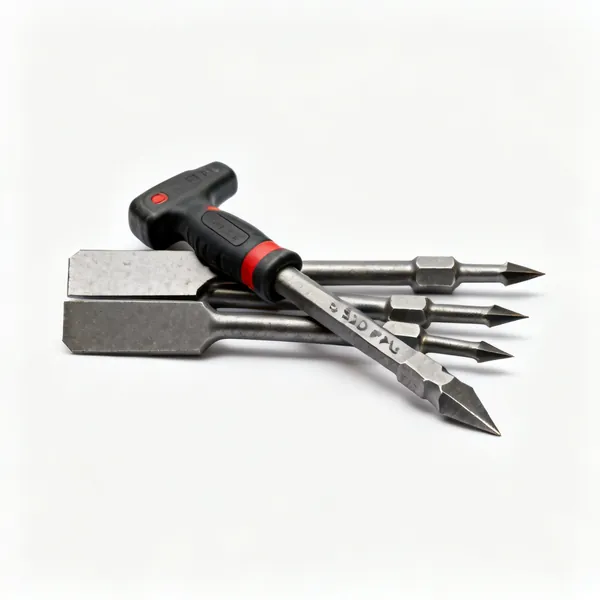
  • SDS chisels: A set of SDS Plus hammer drill chisels with flat and pointed tips

    SDS chisels

    Fit an SDS hammer drill, so the machine does the striking thousands of times a minute. Faster than a hand chisel by an order of magnitude and much less controllable.

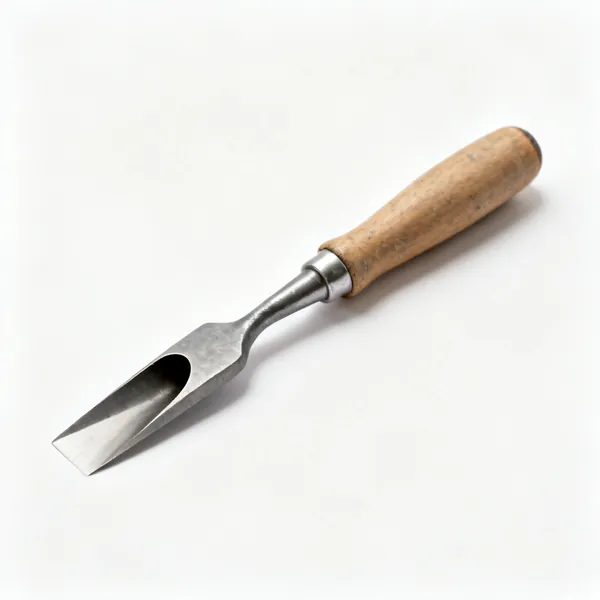
  • A masonry gouge chisel with a hollow curved cutting blade

    Masonry gouge

    A hollow blade that cuts a channel for a pipe or a cable in brick. Leaves a rounded chase, so the pipe sits in rather than on the surface.

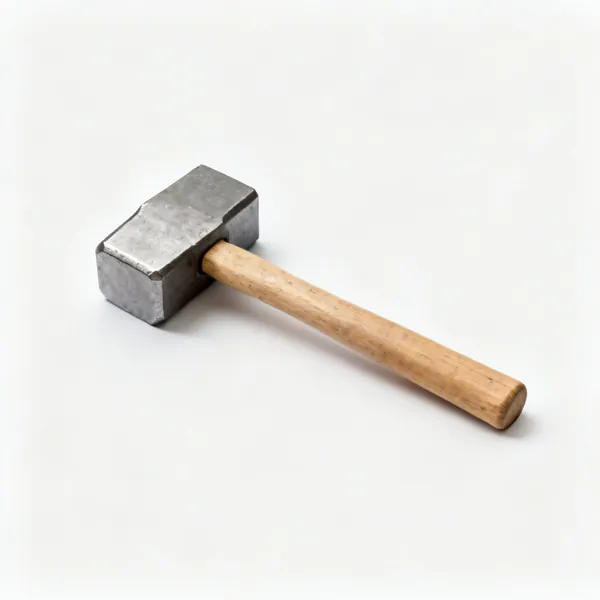
  • A steel club hammer with a heavy square head and a short wooden handle, laid diagonally with clear space at every edgeEssential

    Club hammer

    A heavy short handled hammer, the correct partner for every masonry chisel. Weight does the work, so let it fall rather than swinging hard.

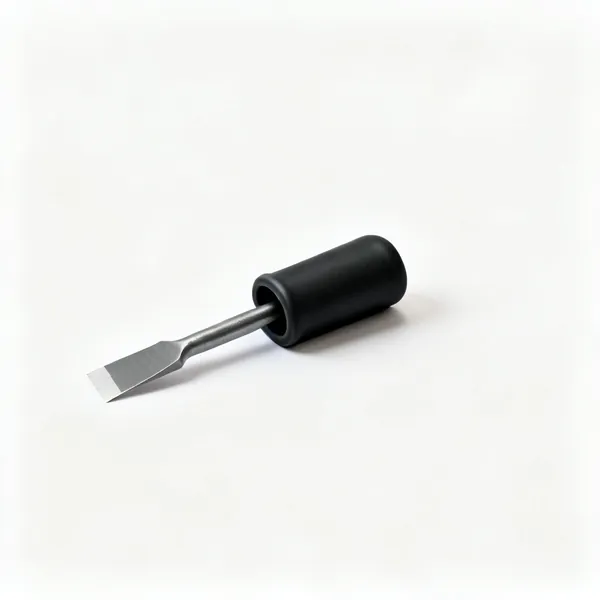
  • A black rubber chisel hand guard collar on a chisel shaftEssential

    Hand guard

    A rubber collar that slides over the chisel shaft. It does not stop the hammer missing, and it does stop the miss reaching your hand.

Metal chisels and punches 8

Blunt wedges that deform steel rather than slicing it, plus the punches that go with them.

  • A steel cold chisel with a blunt flat cutting edge and a hexagonal shaftEssential

    Cold chisel

    A stout wedge at around 60 degrees that splits and shears steel cold. Too blunt for wood by design, since a keener angle would fold over on the first blow.

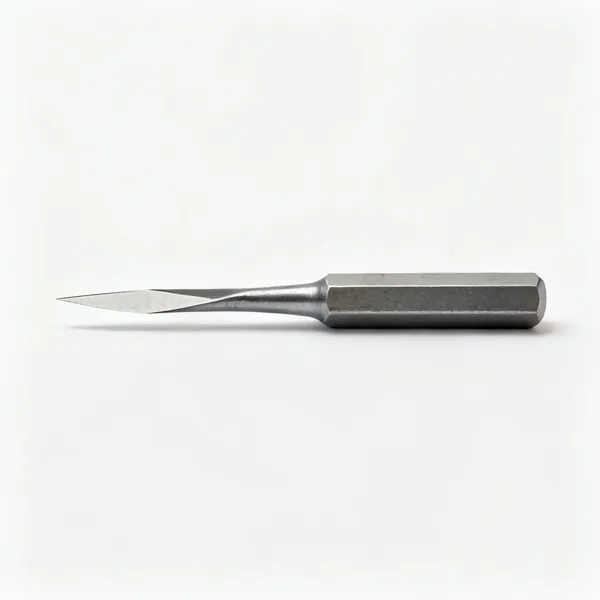
  • Cross cut chisel: A cross cut cape chisel with a narrow cutting edge and a hexagonal shaft

    Cross cut chisel

    A narrow edge for cutting a groove or a keyway in steel. Cuts a channel that a flat cold chisel then widens, which is how a slot gets made by hand.

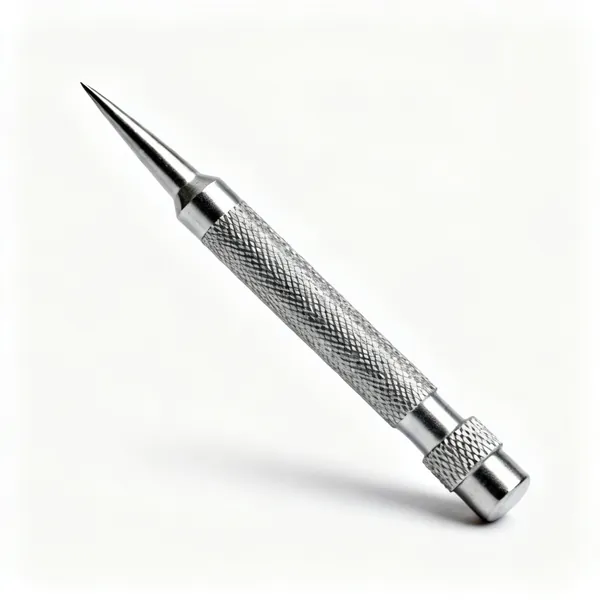
  • A steel centre punch with a pointed tip and a knurled bodyEssential

    Centre punch

    Marks a dimple so a drill bit starts where you meant rather than walking. On steel that is the difference between a hole in place and a scratch across the panel.

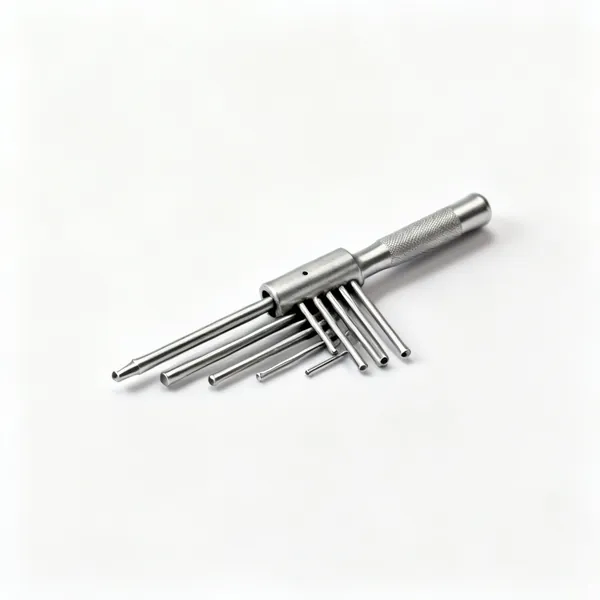
  • A set of steel pin punches of graduated diameters

    Pin punches

    Parallel shafts for driving a pin out of a hole once a taper punch has started it. Sized to the pin, since an oversized punch spreads the hole.

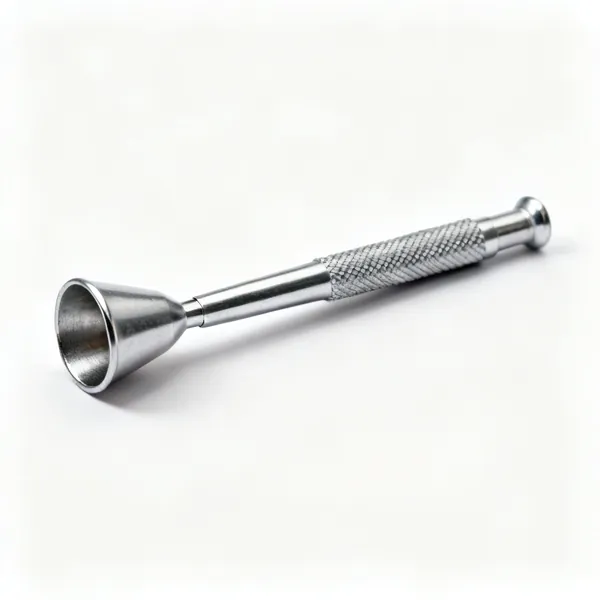
  • A steel nail punch with a cupped tip and a knurled bodyEssential

    Nail punch

    Drives a nail head below the surface so it can be filled. Cupped tip so it sits on the head without slipping off and marking the timber.

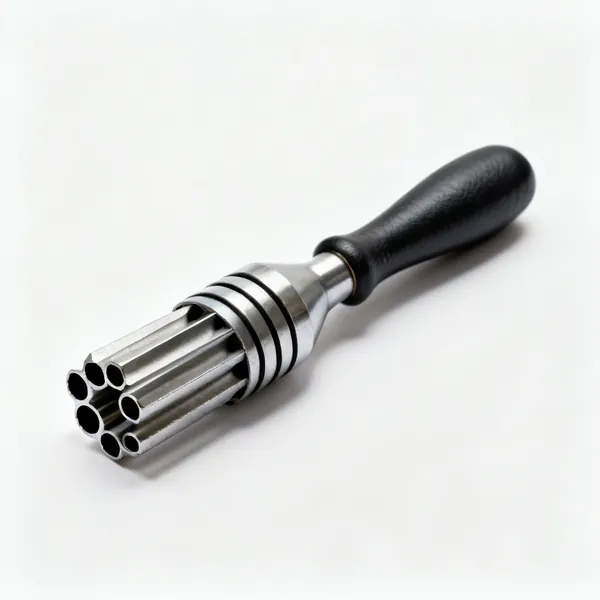
  • Hollow punches: A set of hollow leather punches of graduated diameters

    Hollow punches

    Cut a round hole in leather, gasket material or thin sheet by shearing against a soft backing. Backed with wood or nylon, never against steel.

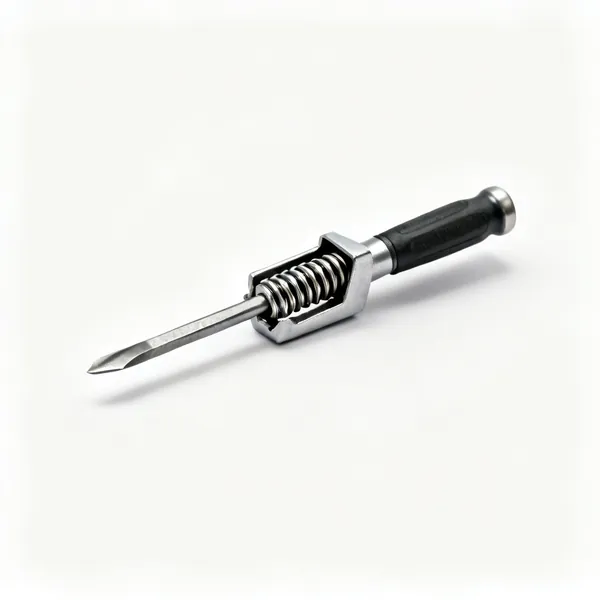
  • A spring steel chisel holder gripping a cold chisel shaft

    Chisel holder

    A spring grip on the shaft so your hand is not near the struck end. What is used when the blow is heavy or the chisel is short.

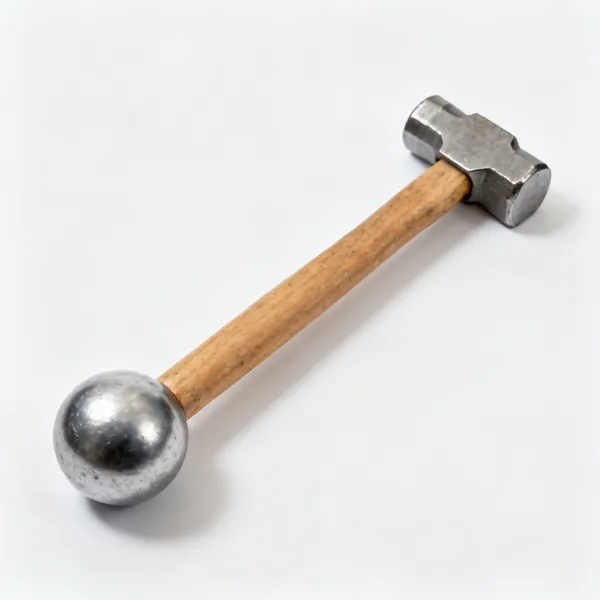
  • A steel ball pein hammer with a rounded pein and a wooden handleEssential

    Ball pein hammer

    The correct hammer for cold chisels and punches, with a face hardened to strike hardened steel. A claw hammer face can chip against a punch end.

Sharpening and holding 11

A chisel is a sharpening problem more than a cutting one. Sharp goes where it is pointed.

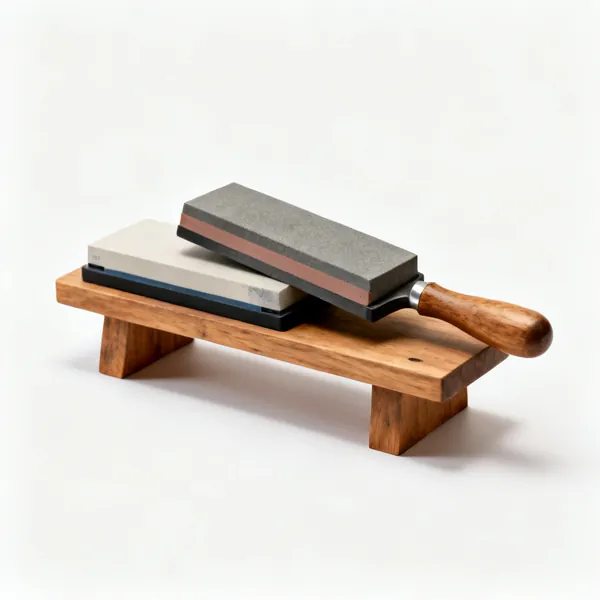
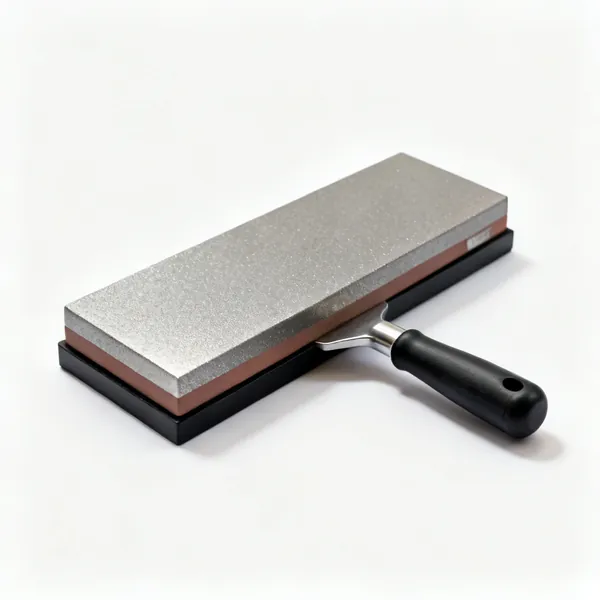
  • Two rectangular sharpening stones of different grits on a wooden benchEssential

    Sharpening stones

    A coarse and a fine face for grinding and honing. Diamond plates stay flat, which matters because a hollowed stone puts a curve on a straight edge.

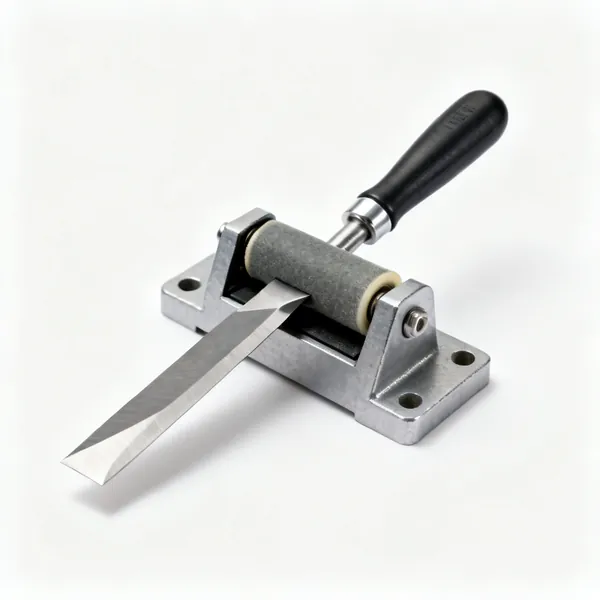
  • A metal honing guide jig clamping a chisel blade with a rollerEssential

    Honing guide

    Holds the chisel at a set angle so honing is a minute rather than a rebuild. It removes the one variable that makes freehand sharpening slow to learn.

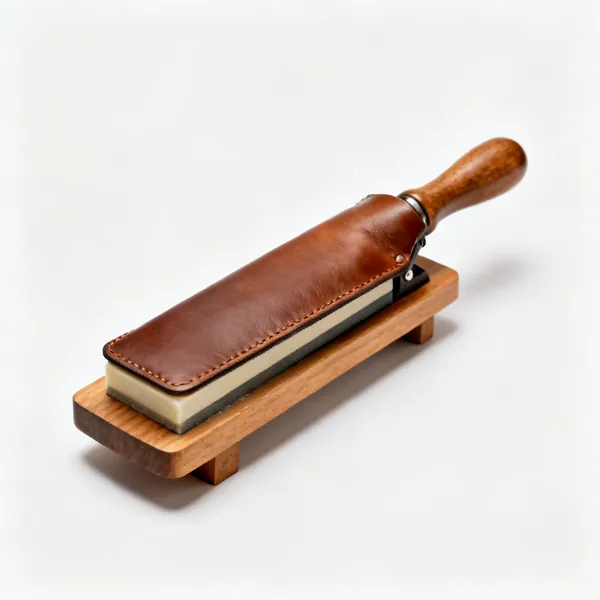
  • A leather strop on a wooden paddle with a bar of honing compoundEssential

    Leather strop

    Loaded leather that realigns the edge in seconds. Used between cuts it means the chisel never becomes dull enough to need the stones.

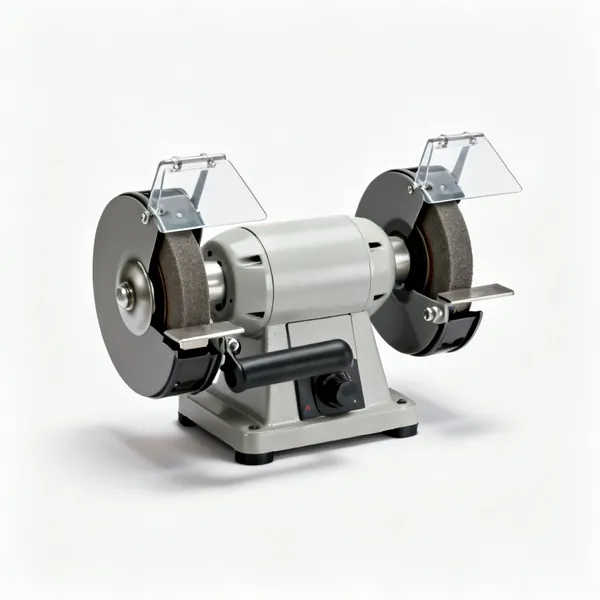
  • A bench grinder with two wheels, guards and a tool rest

    Bench grinder

    For re establishing a primary bevel or removing a chip. Dip in water often, because a blued edge has lost its hardness and will not hold sharpness again.

  • Flattening plate: A flat diamond lapping plate for flattening sharpening stones

    Flattening plate

    Keeps waterstones flat. A hollow stone rounds the edge it is meant to be straightening, and the hollow appears faster than most people expect.

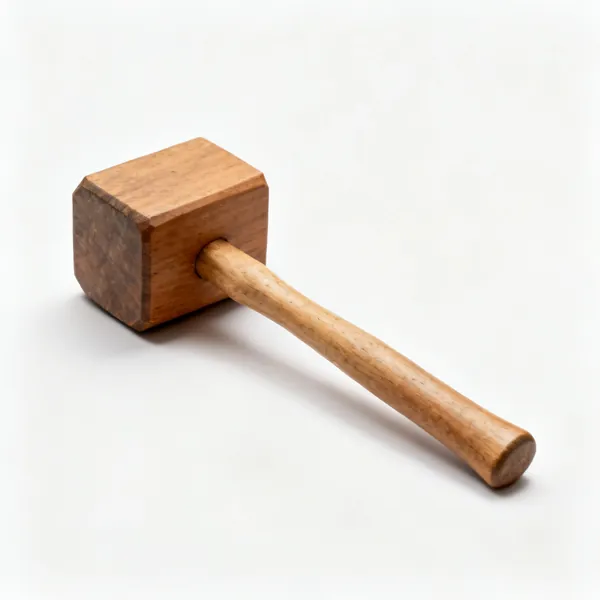
  • Wooden mallet: A square headed wooden joiner's mallet with a tapered handleEssential

    Wooden mallet

    A broad wooden face that spreads the blow and does not mark the handle. This and the chisel are one purchase, since the wrong hammer ruins the tool.

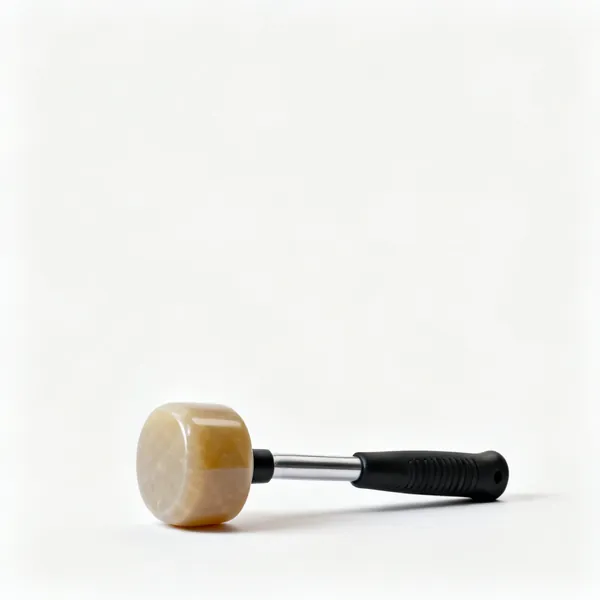
  • Resin mallet: A round resin faced mallet with a rubber grip handle

    Resin mallet

    Denser than wood so it delivers more energy per blow, and it will not split. Slightly harder on a handle than beech, and considerably kinder than steel.

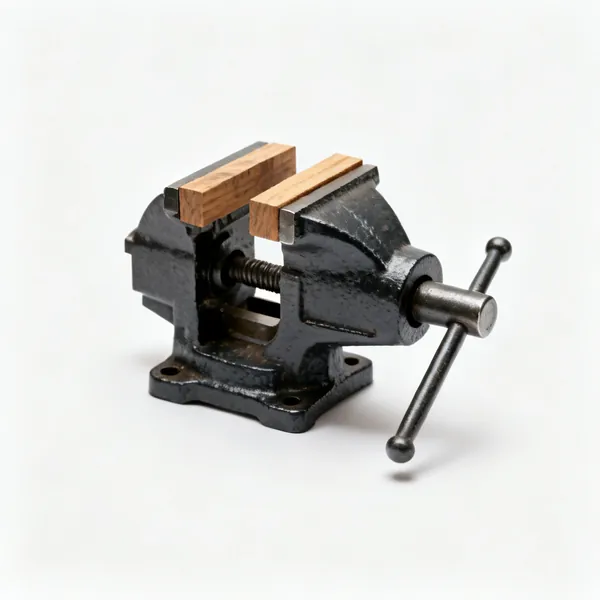
  • A compact cast iron bench vice with wooden jaw liners, complete tool centred with clear space around itEssential

    Bench vice

    The work has to be held, because both hands belong on the chisel. Wooden jaw liners so the vice does not mark what it is holding.

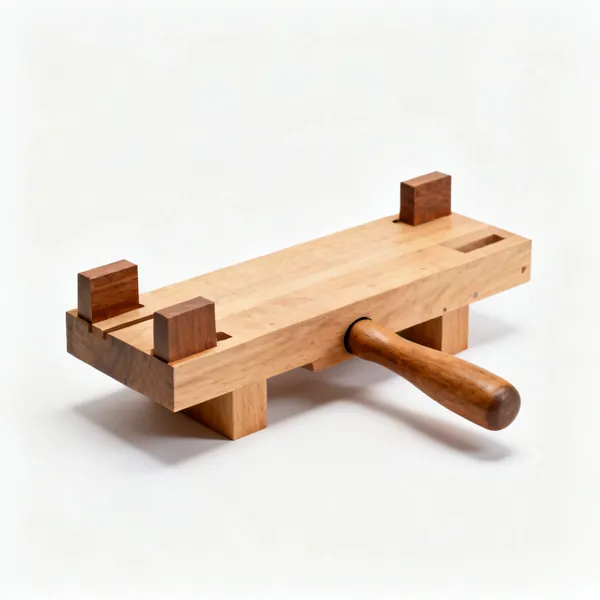
  • A wooden bench hook with a raised stop at each end

    Bench hook

    A board that hooks over the bench edge and stops the work sliding away from a chisel or a saw. Shop made in ten minutes and used every day after.

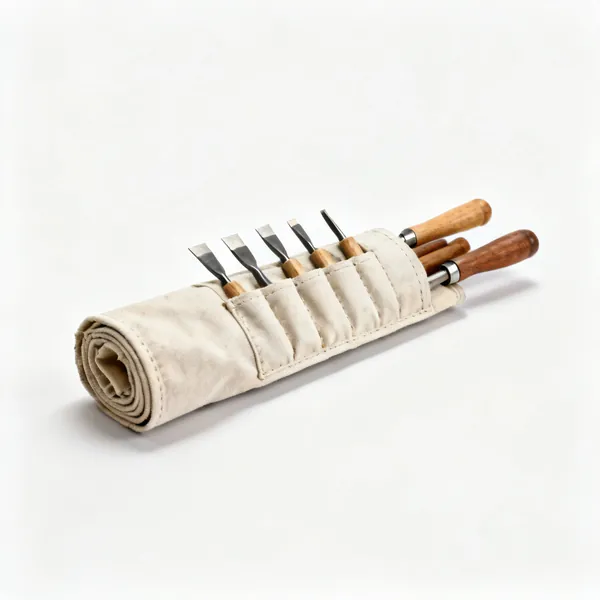
  • Chisel roll: A rolled canvas tool roll with individual pockets holding wood chiselsEssential

    Chisel roll

    Canvas pockets so edges never meet each other. Chisels loose in a drawer come out chipped, which is a slow and avoidable way to lose an edge.

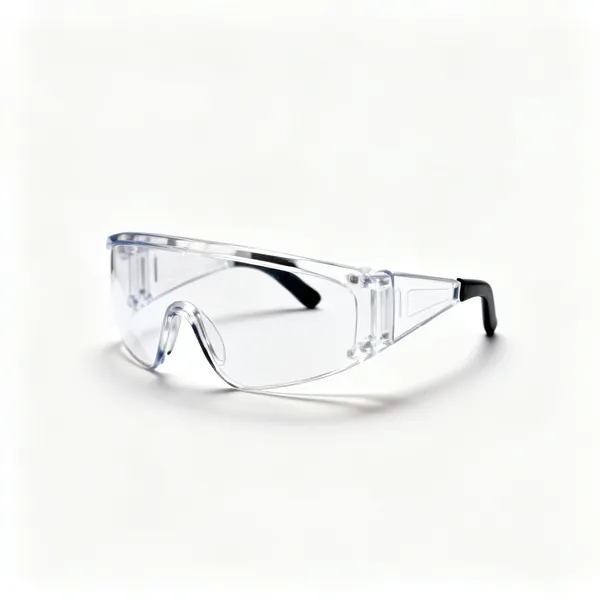
  • A pair of clear wraparound safety glasses with side coverageEssential

    Safety glasses

    Masonry spalls sharply and travels, and a mushroomed struck face throws steel. This group is the one where eye protection is genuinely load bearing.

Choosing chiselling tools

The list above is what exists. This is how to decide which of it you actually need, what separates a tool worth keeping from one that ends up at the back of a drawer.

Which face goes against the wood

A chisel has a flat back and a bevelled front. Bevel down, the flat back rides the wood and the bevel lifts the shaving away, so the cut runs shallow and controlled. Bevel up against the work, the wedge drives itself deeper the harder you push.

Paring a joint flat means bevel up with the flat back on the reference surface, so the back becomes the guide. Chopping waste out of a mortise means bevel facing into the waste so the wedge pushes the chip toward the space rather than into the wall you want straight.

Flat back is the reference
It rides the surface you want flat. That is what keeps a paring cut from diving.
Bevel toward the waste
When chopping, so the wedge pushes the chip into the space rather than the good side.
It dives if you push
Bevel down against the work, the harder you push the deeper it goes. That is the wedge working.
Short cuts, not long
A chisel that has gone off line will not come back within the same cut. Reset and go again.

Sharp is not optional

A dull chisel needs force, and force is what makes it skid off a line or split the timber ahead of the edge. A sharp one is pushed by hand and goes where it is pointed, which means sharpening is a control issue rather than a finish issue.

The back has to be flat as well as the bevel keen. A back that is not flat behind the edge means the edge is not straight, and a honing guide is worth having simply because a consistent angle sharpens faster than a freehand one you keep re establishing.

Flatten the back
Once, properly, on a new chisel. The back is half the edge and it never needs doing again.
25 then 30 degrees
A ground primary and a small honed secondary. Only the secondary needs touching up.
Honing guide
Removes the angle from the list of things to get right, so honing takes a minute.
Strop between cuts
A few strokes on loaded leather keeps an edge that would otherwise slowly go.

What to hit it with

A wooden or resin mallet spreads the blow over a broad face and does not mark the handle. A steel hammer concentrates it, which splits a wooden handle and, on a chisel not designed for it, mushrooms the end into a burr that will eventually break off.

Masonry and metal chisels are the exception: they have hardened struck ends and are meant for a club hammer. Their mushroomed heads should still be ground back, because a spalled edge on a struck face throws fragments.

Mallet for wood chisels
Broad face, softer material. It spreads the blow and leaves the handle intact.
Never a claw hammer
A steel face on a wooden handle splits it. On a plastic one it mushrooms into a burr.
Club hammer for masonry
Those are designed to be struck hard and have hardened ends for it.
Grind a mushroomed head
A spalled struck face throws steel fragments. Ten seconds on a grinder fixes it.

Wood, masonry and metal are separate tools

A wood chisel is hardened to hold a very keen edge, which makes it brittle. Used on brick it chips instantly. A masonry chisel is tougher and softer, ground blunter, and cannot be brought to a paring edge at all.

A cold chisel for metal is different again: a stout blunt wedge that deforms steel rather than slicing it. Using any one of the three for another's job either destroys the tool or does the job badly, and usually both.

Wood, hard and keen
Holds a paring edge, chips if it meets masonry or steel. Never struck with a hammer.
Masonry, tough and blunt
Survives a club hammer and brick. Cannot take a fine edge and does not need one.
Cold chisel, blunt wedge
Deforms steel to split or cut it. Roughly 60 degrees, on purpose.
Do not swap them
The three are metallurgically different tools. Using one wrong ruins it in a stroke.

Both hands and where they are

A chisel goes where it is pointed and keeps going. The rule is the same as carving: nothing you own is on the far side of the edge, and the work is clamped so no hand is holding it in line with the cut.

Masonry chiselling adds fragments. Brick and concrete spall sharply and travel, so eye protection is not conditional, and a hand guard on the chisel shaft prevents the injury that happens when the hammer misses.

Clamp the work
Both hands on the chisel, one pushing and one braking. That is how an overrun gets stopped.
Nothing beyond the edge
It goes where it points. Assume it will travel further than intended, because sometimes it does.
Eye protection on masonry
Concrete spalls and travels. This is the one place people are consistently caught out.
Hand guard
A rubber collar on a masonry chisel for the blow that misses. It will miss eventually.

Frequently asked questions

What are the different types of chisel?
Three families that are not interchangeable. Wood chisels are hard and keen for paring and chopping joints. Masonry chisels are tough and blunt for brick and concrete under a club hammer. Cold chisels are stout wedges for cutting and deforming metal.
Which way should the bevel face when chiselling?
Flat back against the surface you want flat, so the back becomes your guide. When chopping waste out, turn the bevel toward the waste so the wedge pushes the chip into the space rather than into the wall you are trying to keep straight.
Can I hit a wood chisel with a hammer?
Not with a steel hammer. It splits a wooden handle and mushrooms a plastic one into a burr that eventually breaks off. Use a wooden or resin mallet, which spreads the blow. Masonry and cold chisels are different: those have hardened ends made for a club hammer.
What angle should a wood chisel be sharpened to?
A 25 degree primary bevel from grinding, with a small 30 degree secondary bevel honed on it. Only the narrow secondary needs touching up, which takes a minute rather than ten. Softer paring work can go a little shallower, chopping a little steeper.
How do I sharpen a chisel?
Flatten the back first on a coarse stone, once, on a new chisel: the back is half the edge. Then hone the bevel on progressively finer stones with a honing guide holding the angle, and finish on a loaded leather strop. Strop between cuts rather than resharpening later.
Why does my chisel keep wandering off the line?
Usually a dull edge, which needs force, and force makes it skid. Otherwise it is bevel direction: with the bevel against the work the wedge drives itself deeper the harder you push. Also take short cuts, since a chisel that has left the line will not return within the same cut.
What chisels do I need to start with?
Four bevel edge wood chisels at 6, 12, 18 and 25mm covers most joinery. Add a mallet, a sharpening stone and a honing guide, because a set that cannot be sharpened is worse than three that can. Masonry chisels only when there is masonry to cut.
What is a cold chisel used for?
Cutting and shaping metal cold, without heat. It is a blunt wedge at around 60 degrees that deforms steel to split it, so it cuts rivets, bolts and sheet, and shears off anything that will not undo. It is far too blunt to cut wood and would only split it.