Disclosure

Hand tools for digging holes

Post hole diggers, augers, bulb planters and the bars and scoops that empty a deep hole, all 27 grouped in the order the job runs. A hole is deep relative to its width, so the spoil has to come up rather than out.

12 are marked essential: for fencing, a digger, a bar and a tamper.

Part of the full hand tools list, 73 tools in 11 groups.

Cutting the hole 8

Tools that make a hole no wider than it needs to be. That narrowness is the whole saving in both digging and backfilling.

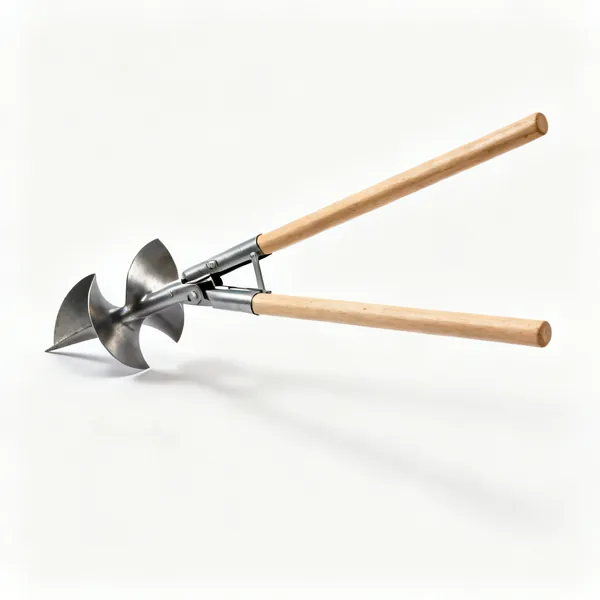
  • A clamshell post hole digger with two hinged curved steel blades and two long wooden handlesEssential

    Clamshell post hole digger

    Two hinged blades driven down open then closed to grip a plug of soil and lift it out. It works around stones and roots by repositioning, which is why it beats an auger in most real ground.

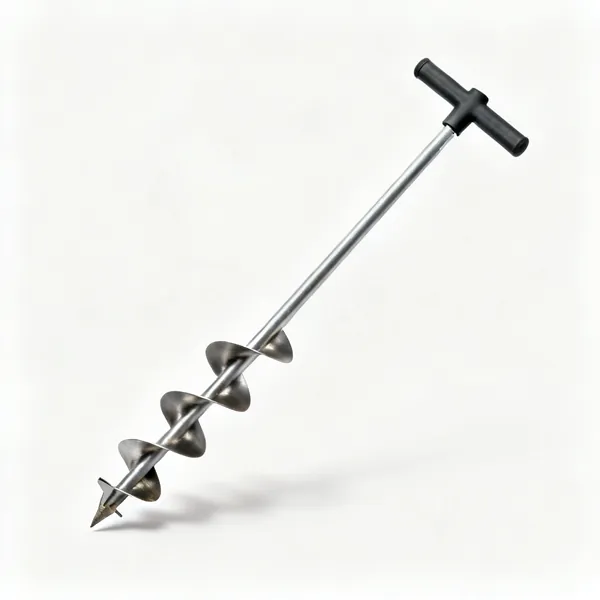
  • A hand earth auger with a helical spiral steel blade and a T shaped cross handleEssential

    Earth auger

    A helical blade on a T handle screwed into the ground, lifting spoil up its flights as it goes. Fast and neat in clean soil, and stopped dead by the first stone larger than a fist.

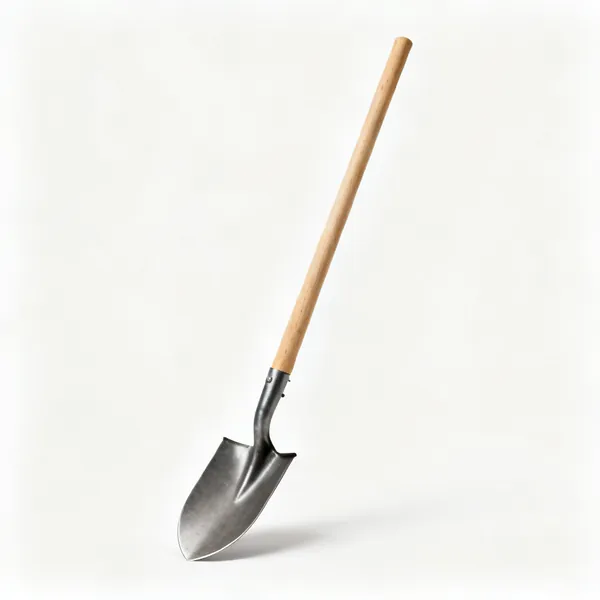
  • A post hole spade with a long narrow curved steel blade and a long wooden shaft

    Post hole spade

    A long narrow curved blade around 130mm wide that cuts a small hole with straight sides. Slower than a clamshell and it will reach past a stone the clamshell would need to lift out.

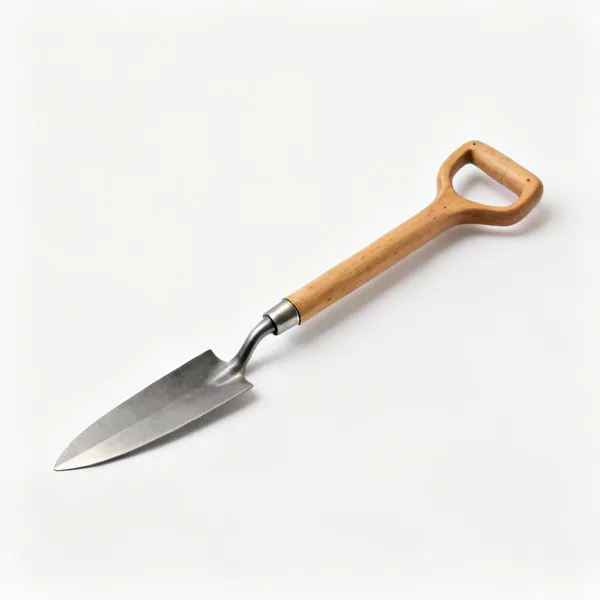
  • A grafting spade with a long narrow dished steel blade and a wooden shaft with a D handle

    Grafting spade

    A long dished blade that drives deep and slices through roots on the way down. It is the tool for starting a hole in ground where the first 200mm is a mat of roots.

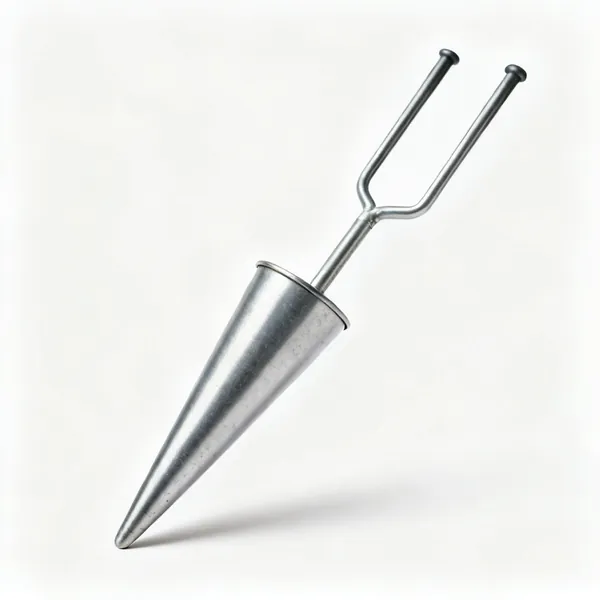
  • A long handled bulb planter with a tapered steel cylinder and two upright handles

    Bulb planter

    A tapered steel cylinder pushed into turf to take out a plug of soil, so a bulb goes in and the plug goes back. Consistent depth and a neat finish, which a trowel in a lawn cannot manage.

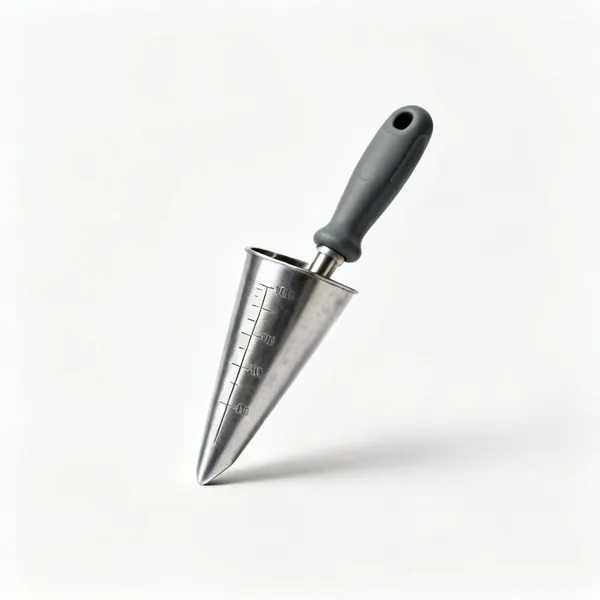
  • A hand bulb planter, a short tapered steel cylinder with depth markings and a moulded handle

    Hand bulb planter

    A short version used kneeling, with a graduated scale on the barrel so depth is repeatable. For planting in beds and containers where a long handled version has no room to work.

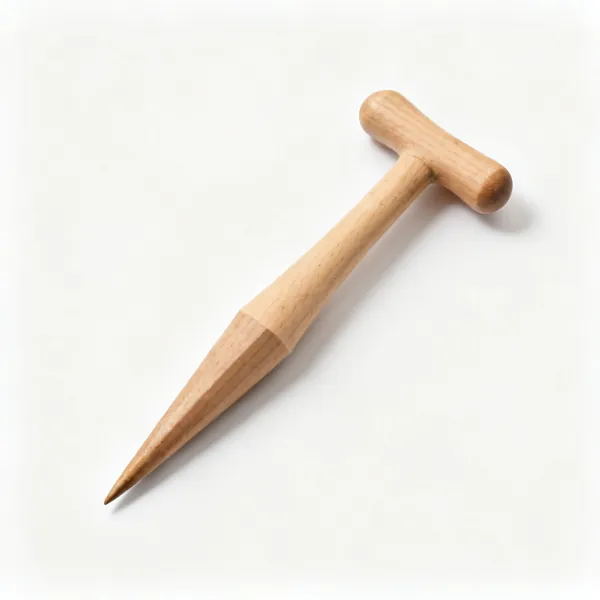
  • A wooden dibber, a tapered pointed wooden tool with a rounded T handle

    Dibber

    A pointed wooden or steel spike pushed in to make a narrow planting hole for seedlings and small bulbs. It makes a hole by displacing soil rather than removing it, so nothing has to be backfilled.

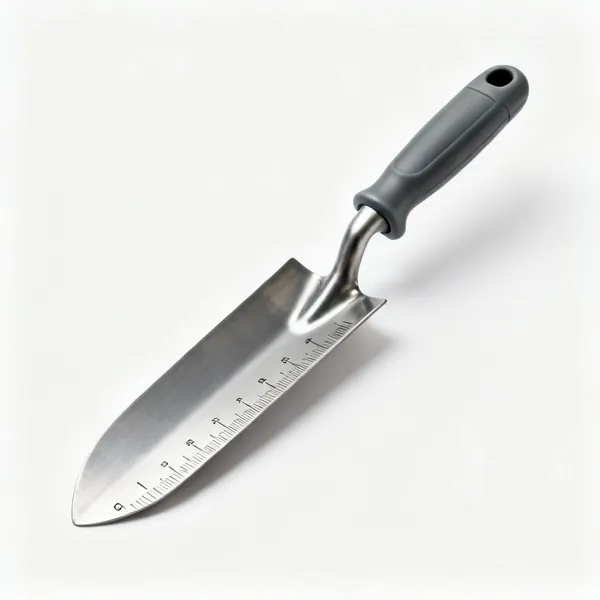
  • A narrow transplanting trowel with a long deep steel blade with depth markings and a moulded handleEssential

    Transplanting trowel

    A narrow deep blade with depth markings for small planting holes. Narrower than a standard trowel by design, because a planting hole should match the root ball rather than the tool.

Breaking hard ground 6

Nothing above will start in compacted ground, dry clay or hardcore. Break in layers, clear, repeat.

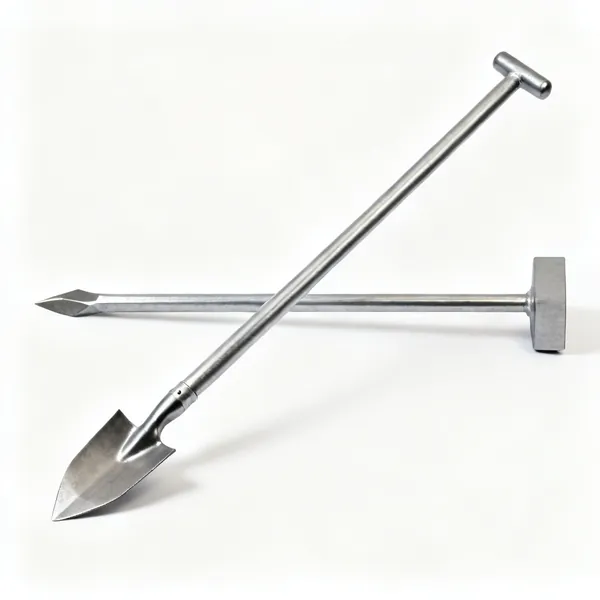
  • A long solid steel digging bar with a chisel point at one end and a flat tamping head at the otherEssential

    Digging bar

    A solid steel bar of 15kg or more, lifted and dropped point first so its own mass breaks the ground. Lifting and releasing works; swinging it wastes energy and misses the same spot twice.

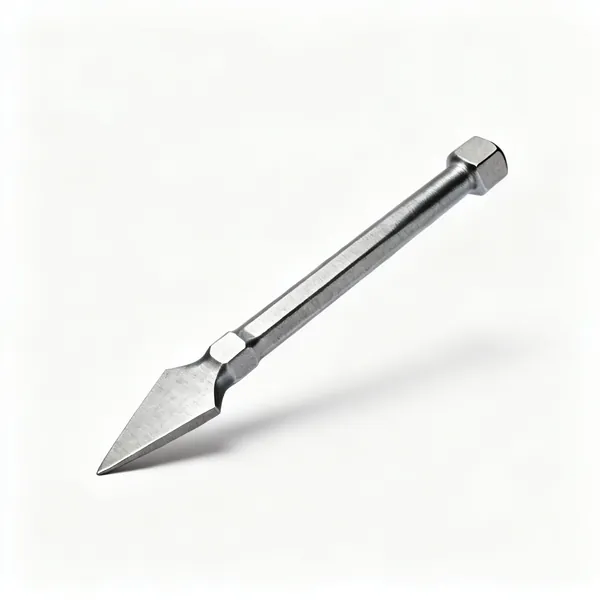
  • A steel pinch point bar with a flattened chisel wedge tip and a hexagonal shaft

    Pinch point bar

    A bar with a flattened wedge tip for levering stones and roots out of a started hole. The wedge slides under a stone where a plain point would only skate off it.

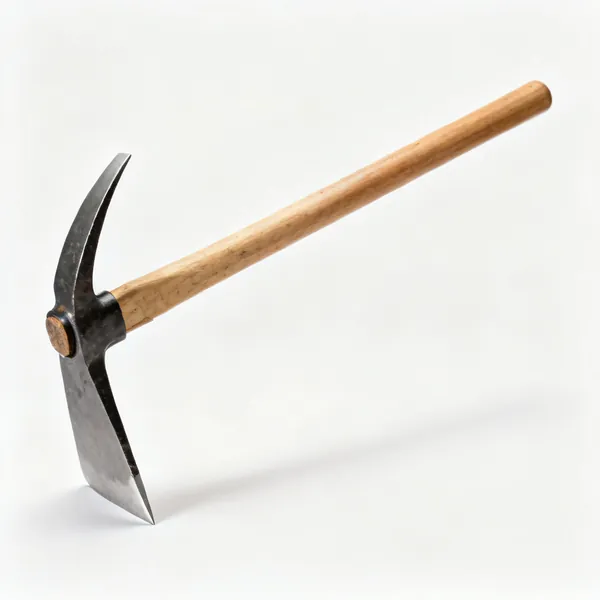
  • A pick mattock with a broad adze blade one side and a sharp point the other on a wooden handleEssential

    Pick mattock

    A point one side and a broad adze the other, swung to break ground and then clear it. In a hole it is used short handed, choking up on the handle so the head still works in a confined space.

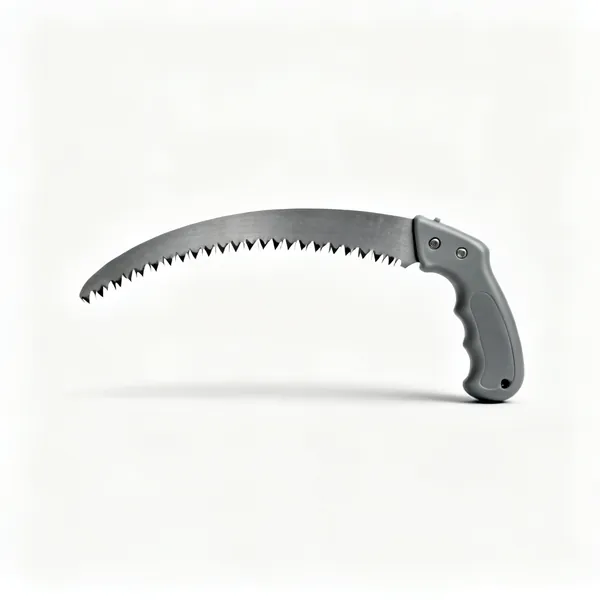
  • A curved root saw with coarse aggressive teeth and a moulded plastic handle

    Root saw

    A coarse curved saw for cutting a root you have exposed at the bottom of a hole. It cuts where no axe has swinging room, which in a 200mm hole is most of them.

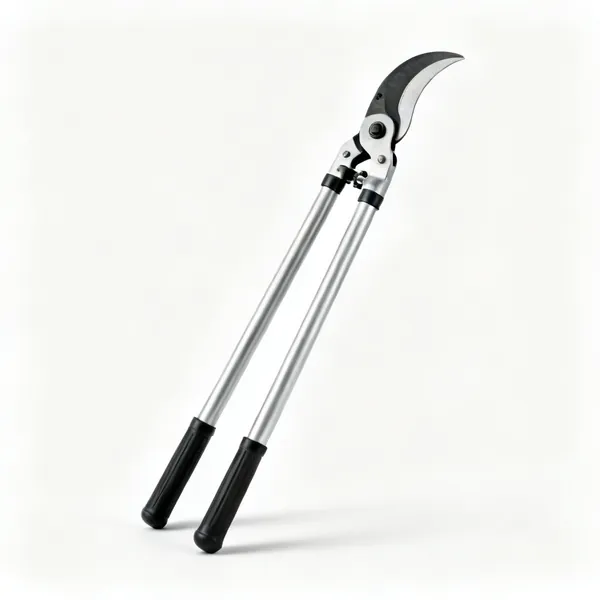
  • Root loppers: A pair of long handled bypass loppers with two tubular handles and a curved cutting head

    Root loppers

    Long handled cutters used down a hole to cut roots up to about 30mm. Reaching into a hole with two handles is often the only way to apply real force at the bottom of it.

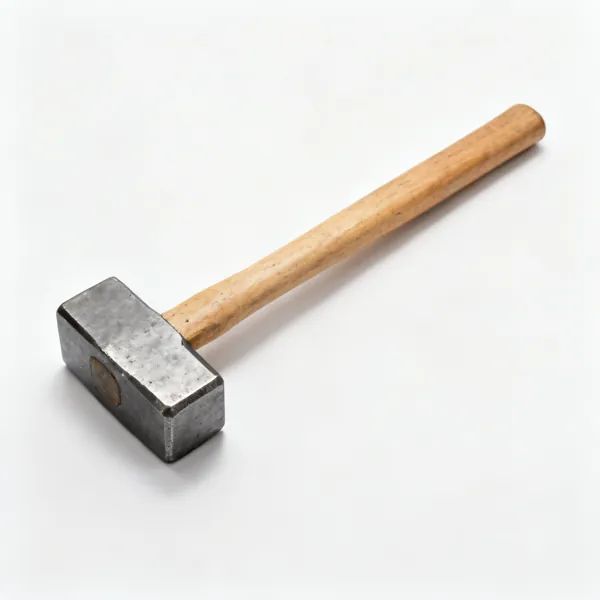
  • A sledgehammer with a heavy rectangular steel head and a long wooden handle

    Sledgehammer

    Drives a bar or wedge into ground too hard to break by dropping, and breaks up the buried concrete that turns up in most established gardens. Kept for when the bar alone stops making progress.

Lifting spoil and measuring 7

Past 400mm the spoil will not come out with a spade. Everything here lifts vertically instead.

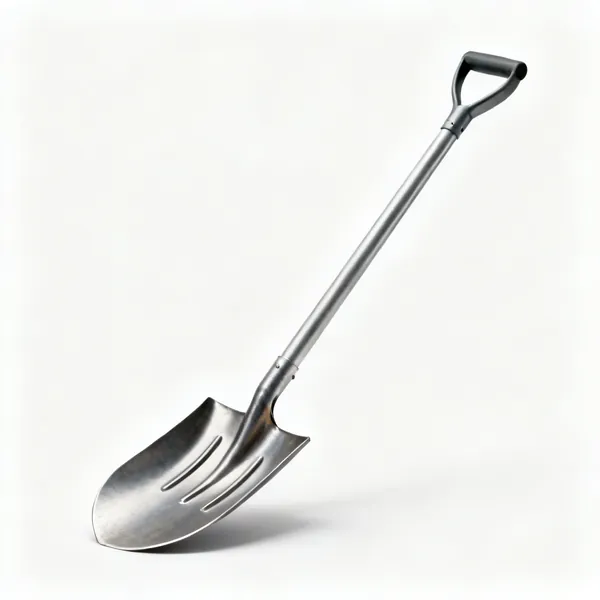
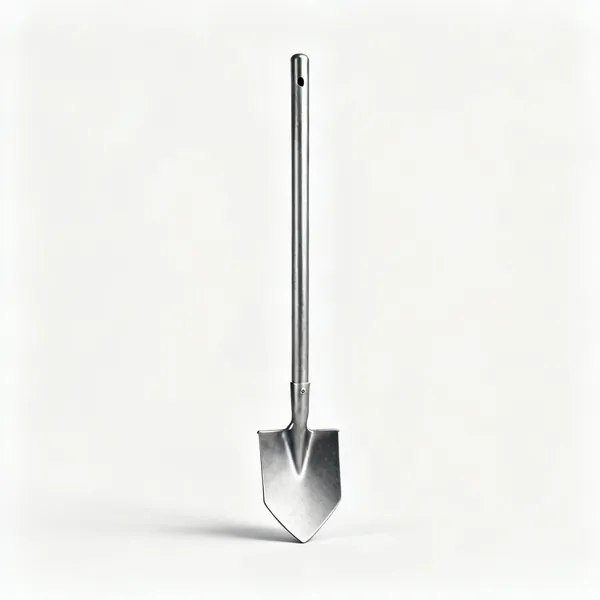
  • A drainage shovel with a long narrow curved steel blade with raised sides and a long shaftEssential

    Drainage shovel

    A long narrow blade with raised sides that reaches into a deep hole and lifts loose spoil straight up. Once a hole is deeper than a spade can be angled in, this is what empties it.

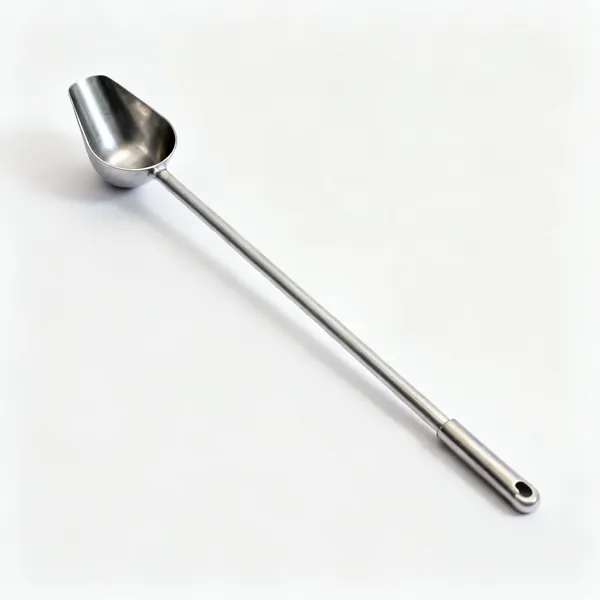
  • A long handled hole scoop with a narrow deep steel cup on a straight metal shaft

    Hole scoop

    A narrow deep cup on a long shaft for clearing water and slurry from the bottom of a hole. Nothing else works once a hole has filled with water, which in winter is most of them.

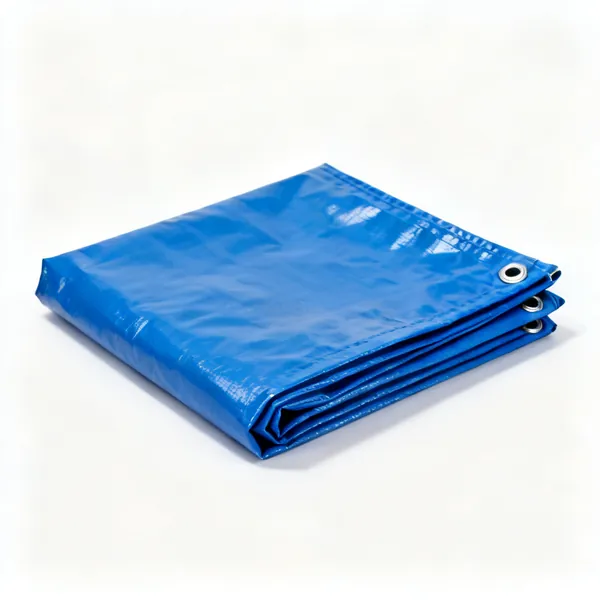
  • Spoil sheet: A folded blue polypropylene tarpaulin sheet with reinforced eyeletsEssential

    Spoil sheet

    A tarpaulin for the excavated soil so it goes back in clean and the lawn survives. Spoil piled on grass takes the grass with it and mixes turf into the backfill.

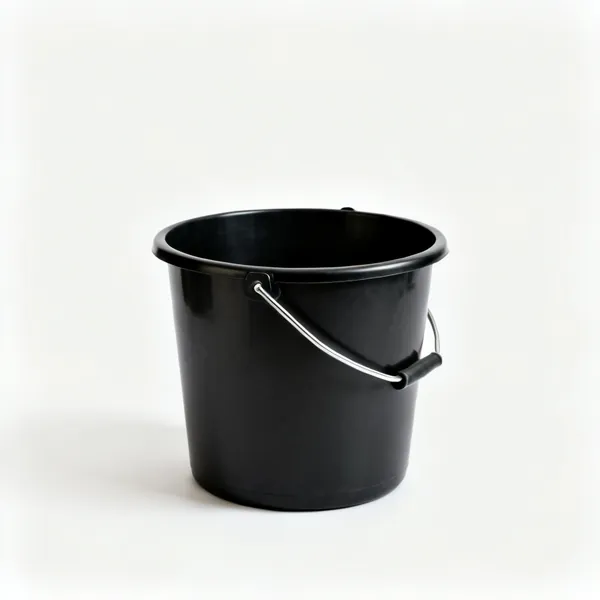
  • Builder's bucket: A black plastic builders bucket with a steel handleEssential

    Builder's bucket

    Carries spoil away and measures backfill and gravel. Two buckets of gravel per layer is a more repeatable measure than judging it by eye down a dark hole.

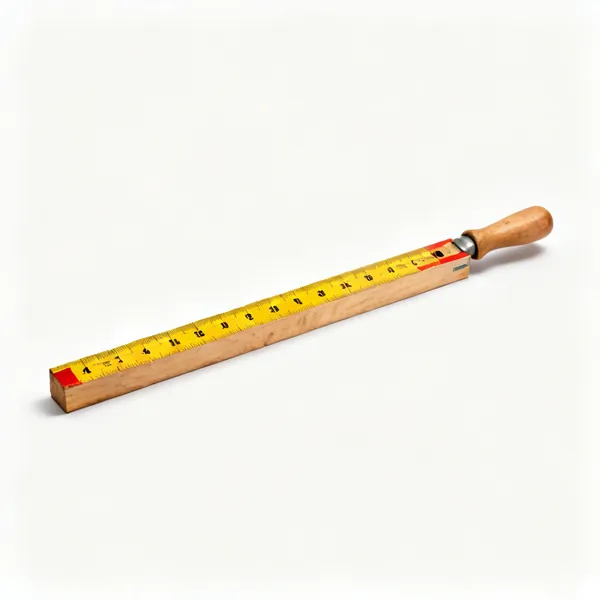
  • Depth rod: A wooden depth measuring rod, a straight timber batten with painted depth markingsEssential

    Depth rod

    A marked batten dropped into the hole to check depth without guessing. Holes dug by eye come out at different depths, and a fence built on those does not line up.

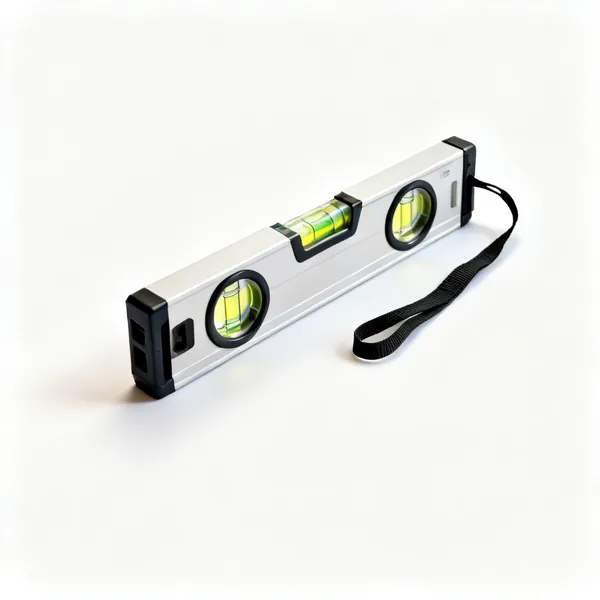
  • Post levelEssential

    Post level

    A strap-on level reading two faces of a post at once, leaving both hands free to hold and backfill. Checking two faces separately with a spirit level means the second adjustment undoes the first.

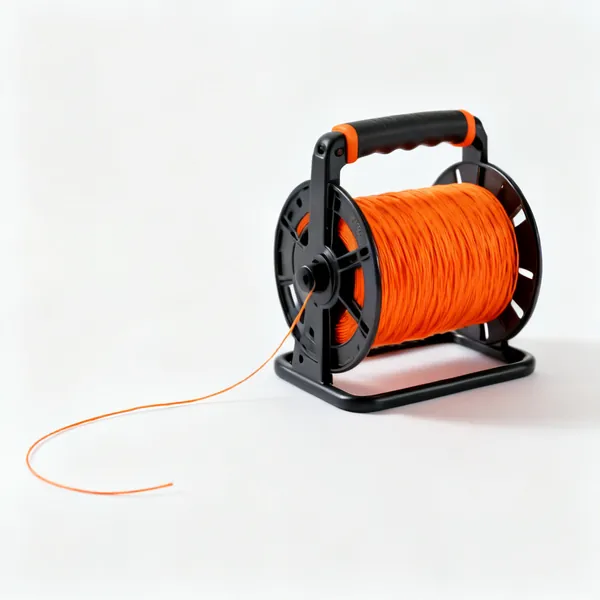
  • A string line reel with bright orange builders line partly unwoundEssential

    String line

    Sets the line and spacing of a row of holes before any digging starts. Repositioning a hole afterwards means digging a new one, so this is the cheapest accuracy on the page.

Backfilling 6

Half the job, and the half that decides whether the post is still upright next year.

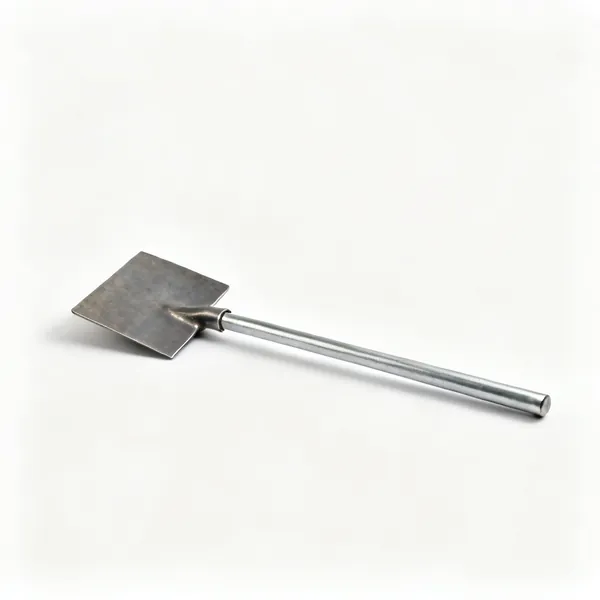
  • An earth tamper with a heavy square flat steel plate on a long straight metal shaftEssential

    Earth tamper

    A heavy flat plate on a shaft, dropped to compact backfill in layers. Uncompacted fill settles from the bottom regardless of how firm the top feels, and that settlement is what loosens posts.

  • Bar tamping end: The flat tamping head end of a steel digging bar shown upright

    Bar tamping end

    The flat head on a digging bar, used to compact fill in a hole too narrow for a plate tamper. It reaches the bottom of a 150mm hole, which a tamper plate cannot enter at all.

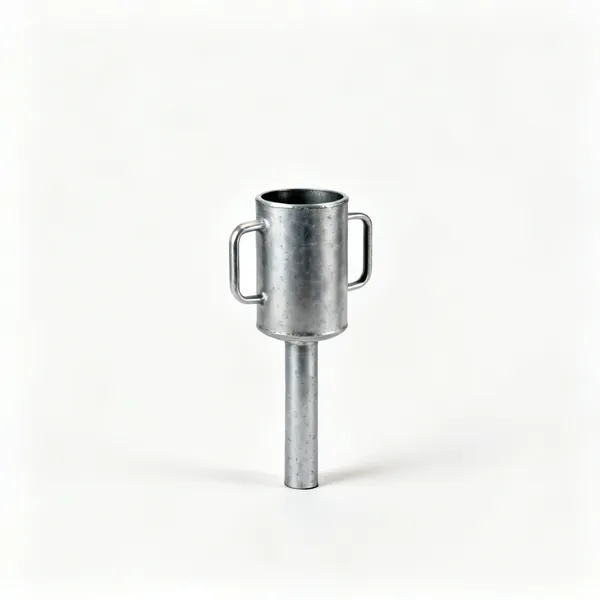
  • A steel post rammer, a heavy closed ended tube with two side handles

    Post rammer

    A heavy closed steel tube with side handles dropped over a post to drive it in. For soft ground it removes the hole entirely, since a driven post is firmer than a backfilled one.

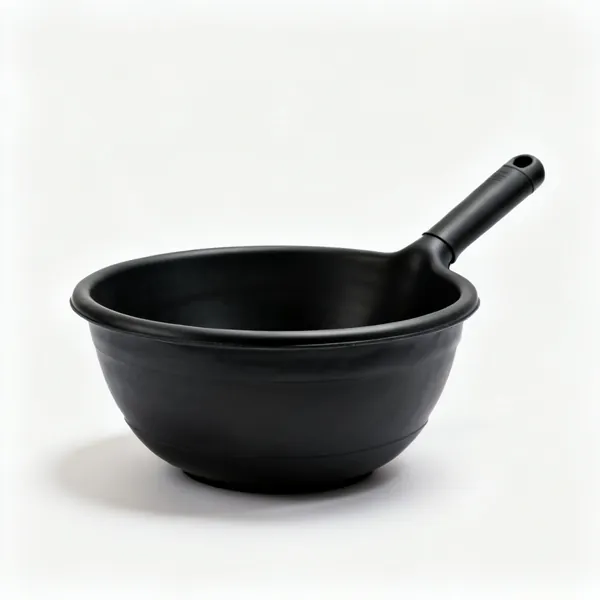
  • A large black rubber mixing tub, a shallow flexible round container

    Mixing tub

    A shallow tub for mixing postcrete or concrete beside the hole. Mixing in the hole gives an uneven mix and there is no way to correct it once it is in there.

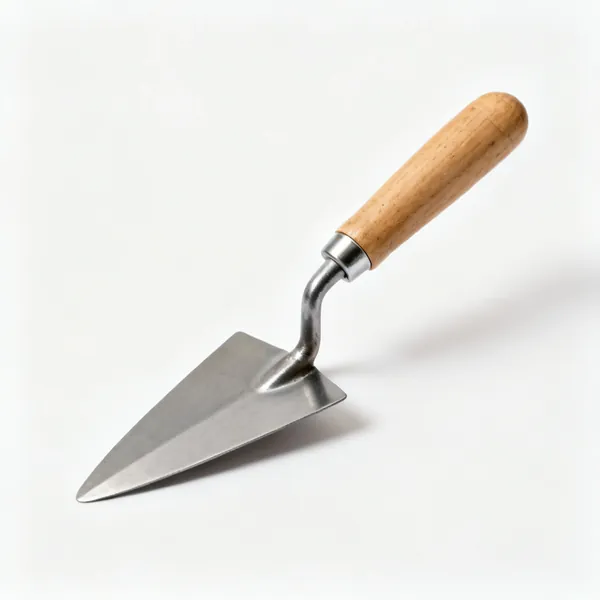
  • A small pointed gauging trowel with a steel blade and a wooden handle

    Gauging trowel

    A small pointed trowel for placing and finishing concrete around a post. It shapes the top of the fill so water runs away from the post rather than collecting against it.

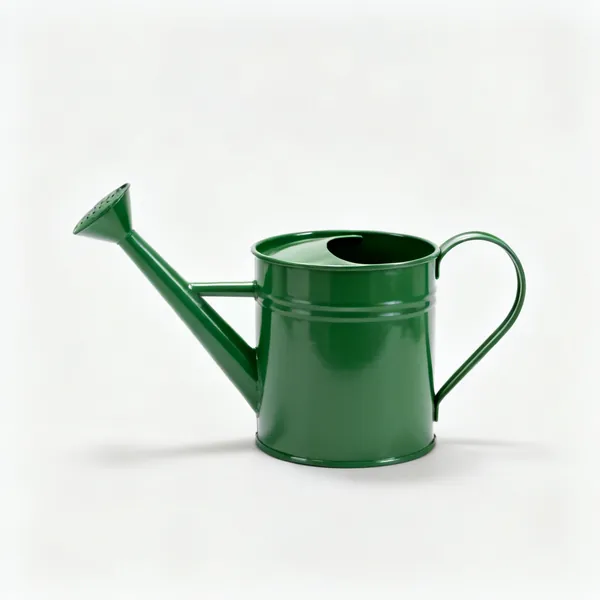
  • A green metal watering can with a long spout and a curved handle

    Watering can

    Softens dry clay overnight before digging, and wets postcrete after placing. Filling a started hole and leaving it is the cheapest way to make hard ground diggable.

Digging a hole by hand

Match the tool to the ground and to the diameter. A hole any wider than necessary is spoil you have to lift and backfill you have to compact.

A narrow hole is less work in every respect

Every extra centimetre of diameter is spoil you lift, backfill you replace and compaction you have to do. A 200mm post hole and a 300mm one differ by more than half again in volume, and all of that difference is wasted effort.

This is the whole reason post hole diggers and augers exist. A spade cuts a hole as wide as the spade, then wider still because you need room to angle it. A purpose made tool cuts a hole the size of the hole.

Volume rises fast
Diameter is squared in the volume. A third more width is more than half again the digging.
Straight sides matter
A tapered hole gives a post less lateral support and takes more concrete to fill.
Depth rule for posts
A quarter to a third of the post height in the ground, and always below the frost line.

Clamshell digger or auger

A clamshell post hole digger has two hinged blades that are driven down open and closed to grip a plug of soil. It handles stones and roots because you can work around them, and it will go to about a metre with practice.

An earth auger screws into the ground and lifts spoil up its flights. It is faster and neater in clean soil and it stops dead at the first stone of any size, which in most British and much American ground happens fairly soon.

Clamshell
Stony ground, roots, mixed fill. Slower in clean soil and it copes with almost anything.
Auger
Clean loam and sand. Much faster, and defeated by a single stone larger than a fist.
Both if fencing
Auger to get down quickly, clamshell to clear the stone the auger has just stopped on.

Breaking ground before you dig it

Neither a digger nor an auger will start in ground that is compacted, dry clay or full of hardcore. The sequence is to break the ground first with a bar, then remove what you have loosened, then repeat.

A digging bar does this by being dropped rather than swung. Its own weight, often 15kg or more, does the work, and the technique is to lift and release rather than to strike.

Drop, do not swing
A digging bar works on its own mass. Swinging it wastes energy and misses the same spot.
Water helps clay
Filling a started hole and leaving it overnight softens dry clay dramatically. Free, and it works.
Work in layers
Break 150mm, clear it, break again. Trying to break a full depth at once achieves nothing.

Getting the spoil out of the bottom

Below about 400mm nothing you have loosened will come out with a spade, because the spade cannot be angled inside the hole. This is the point at which most hand dug holes stop being dug and start being widened, which is exactly wrong.

A long narrow scoop, a drainage shovel or the digger itself lifts loose material straight up. Keep the hole narrow and lift vertically, and the depth is limited only by your reach.

Lift vertically
A narrow scoop or the digger blades. Anything that needs angling will widen the hole instead.
Clear as you go
Loose spoil in the bottom stops the next stroke cutting. Remove it every few strokes.
Pile it on a sheet
Spoil on a tarpaulin goes back into the hole cleanly. Spoil on grass takes the grass with it.

Backfilling and compacting

The hole is half the job. Backfill that is not compacted in layers will settle, and a post set in loose spoil moves within a season however deep the hole was.

Fill in 100mm to 150mm layers, tamping each one before adding the next. If you are using concrete, keep it below the surface and finish with soil or gravel so water drains away from the post rather than sitting in a collar around it.

Layers of 100 to 150mm
Tamp each one. A single fill compacted at the top settles from the bottom regardless.
Slope the top
Shed water away from the post. A flat or dished finish holds water exactly where it rots.
Gravel at the base
150mm of compacted gravel under a post lets water drain out instead of standing at the end grain.

Frequently asked questions

What is the best hand tool for digging post holes?
A clamshell post hole digger for most ground, because it copes with stones and roots and cuts a hole no wider than needed. An earth auger is faster in clean stone free soil. In hard or compacted ground you will need a digging bar to break the ground first.
How deep should a post hole be?
A quarter to a third of the post's above ground height, and always below the local frost line. A 1.8 metre fence post typically needs 600mm in the ground. Deeper matters more than wider, because depth is what resists the post being levered over.
What is the difference between a post hole digger and an auger?
A clamshell digger has two hinged blades driven down and closed to grip a plug of soil, and it works around stones and roots. An auger screws into the ground and lifts spoil up its flights, which is faster in clean soil and stops at the first significant stone.
How do I dig a hole in very hard ground?
Break it in layers with a digging bar dropped rather than swung, clearing the loosened material before breaking again. For dry clay, filling the started hole with water and leaving it overnight softens the ground considerably and costs nothing.
Why does my post hole keep getting wider than I want?
Almost always because a spade is being used below the depth it can reach. Past about 400mm a spade cannot be angled inside the hole, so each attempt takes material from the sides. Switch to a clamshell digger or a narrow scoop that lifts straight up.
Do I need concrete in a post hole?
Not always. Well compacted gravel or the original spoil tamped in layers holds a fence post firmly and lets water drain away, which extends the post's life. Concrete suits gate posts and anything carrying a real load, and should be finished below the surface.
What is a bulb planter for?
Cutting a small plug of turf and soil out cleanly so a bulb can be dropped in and the plug replaced. It makes a hole around 60mm to 80mm across at a consistent depth, which is far quicker and neater than a trowel for planting in an established lawn.
How do I stop a post moving after a year?
Compact the backfill in 100mm to 150mm layers rather than filling the hole in one go, and slope the top so water runs away from the post. Settlement, not depth, is what causes most posts to loosen in their first season.