Disclosure

Hand tools for digging

Spades, forks, mattocks, grafters and trenching tools, all 28 grouped by the job. The ground picks the tool: loose loam takes a spade, heavy clay takes a fork, and stony ground takes a mattock before anything else will enter it.

10 are marked essential: most digging jobs need them at some point.

Part of the full hand tools list, 73 tools in 11 groups.

Spades 7

Flat bladed and sharp edged, for cutting into ground and lifting a measured load. The blade size decides how much work each lift is.

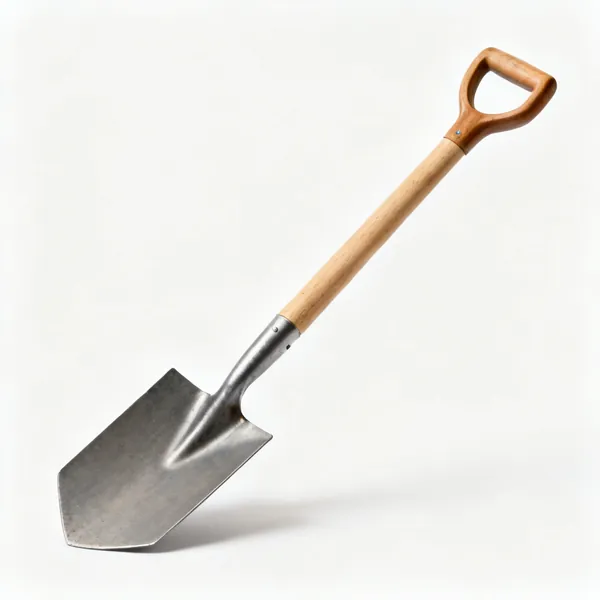
  • A garden digging spade with a flat rectangular steel blade and a wooden shaft with a D handleEssential

    Digging spade

    A flat rectangular blade around 290mm by 190mm on a D handle, and the default tool for turning ground. It slices rather than scoops, which is what makes it right for soil that parts and wrong for wet clay.

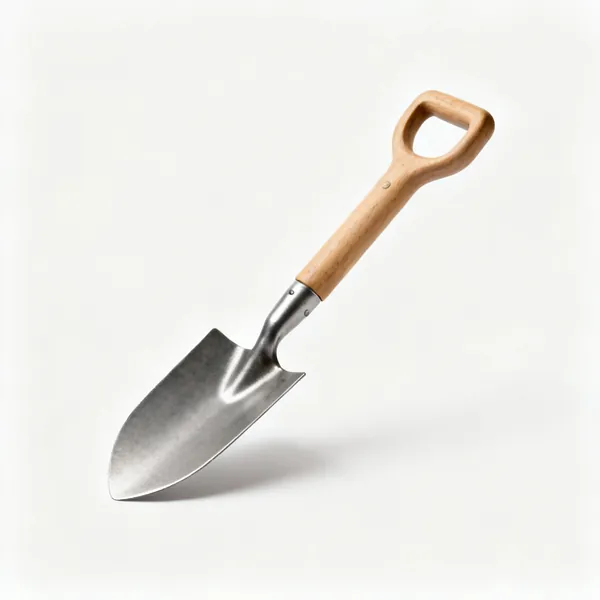
  • A small border spade with a narrow flat steel blade and a short wooden shaft with a D handleEssential

    Border spade

    A smaller blade around 230mm by 140mm, taking a lighter load per lift and fitting between established plants. Not a lesser tool: many people move more soil per hour with one because each lift costs so much less.

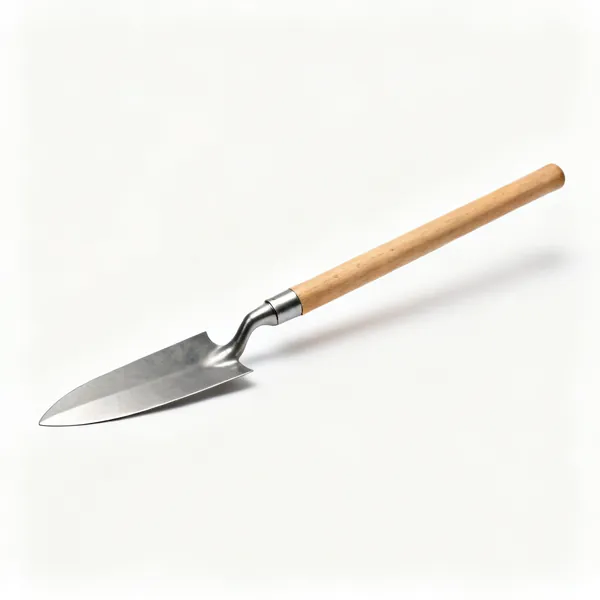
  • A grafting spade with a long narrow slightly curved steel blade and a wooden shaft

    Grafting spade

    A long narrow slightly dished blade that drives deep and slices through roots. Built for planting and for breaking into ground where an ordinary spade would stop at the first root it met.

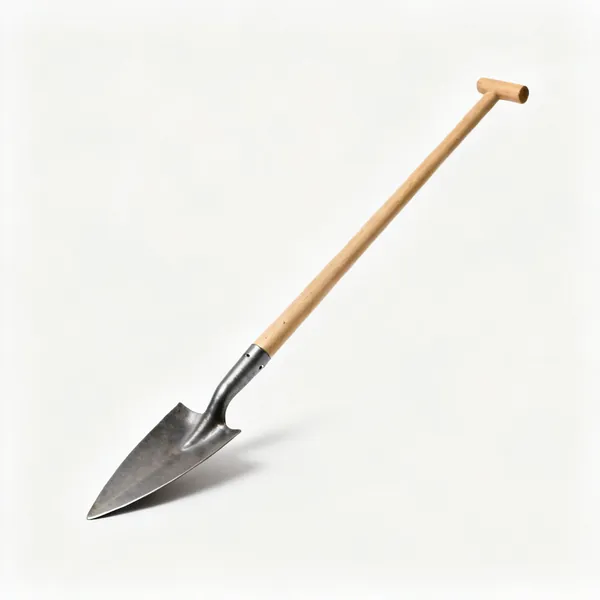
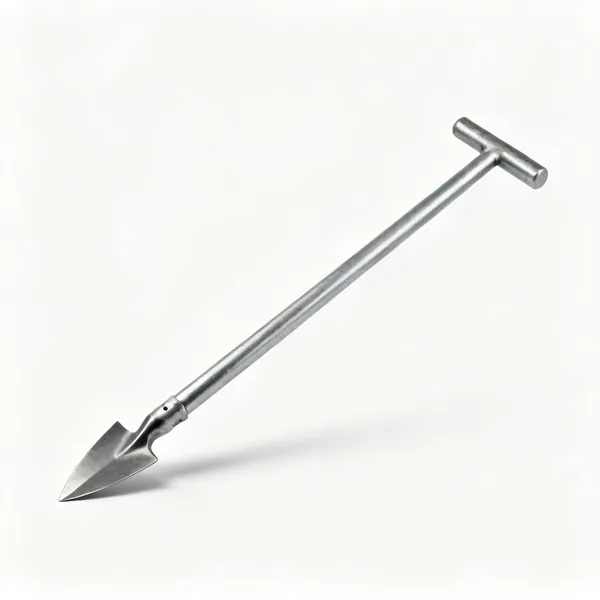
  • A trenching spade with a very narrow tapered steel blade and a long wooden shaft

    Trenching spade

    A narrow tapered blade about 130mm wide that cuts a trench with clean vertical sides. A standard spade cannot dig narrower than its own blade, so every millimetre of extra width is wasted digging.

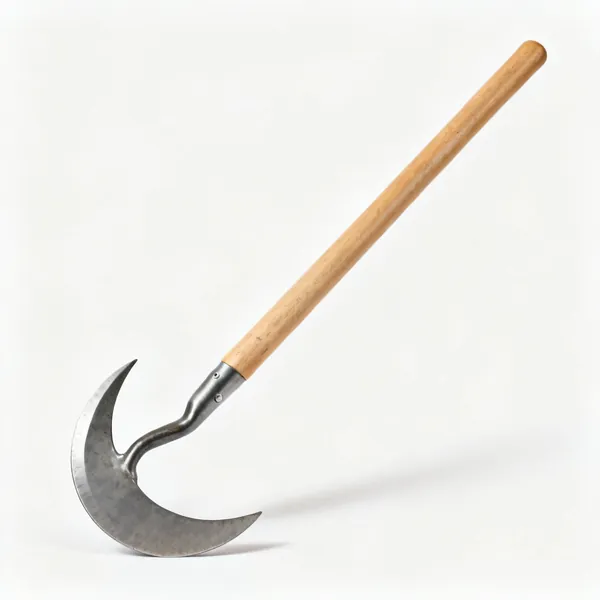
  • A garden edging iron with a half moon crescent shaped steel blade and a wooden shaft

    Edging iron

    A half moon blade on a shaft, pushed down to cut a clean line along a lawn edge. The curve lets you rock it along the line, which a straight spade blade cannot do without leaving a scalloped edge.

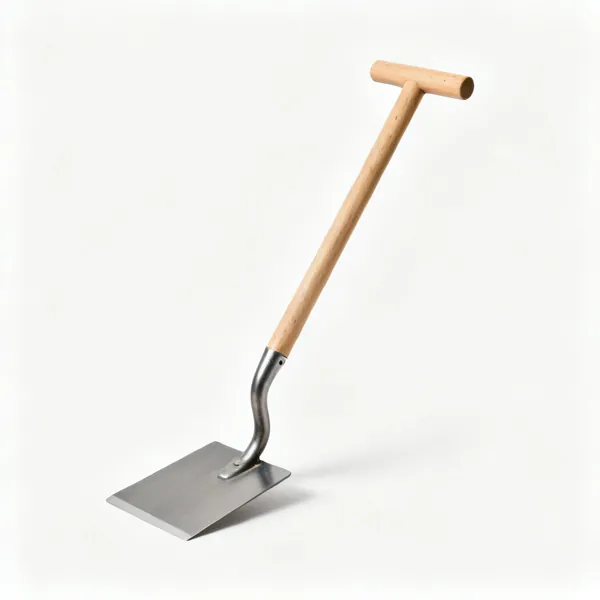
  • A turf lifter tool with a flat horizontal steel blade on a bent wooden shaft

    Turf lifter

    A flat blade set almost horizontal on a bent shaft, pushed under turf to slice the roots and lift it in one piece. It keeps the turf reusable, which a spade chopping downward does not.

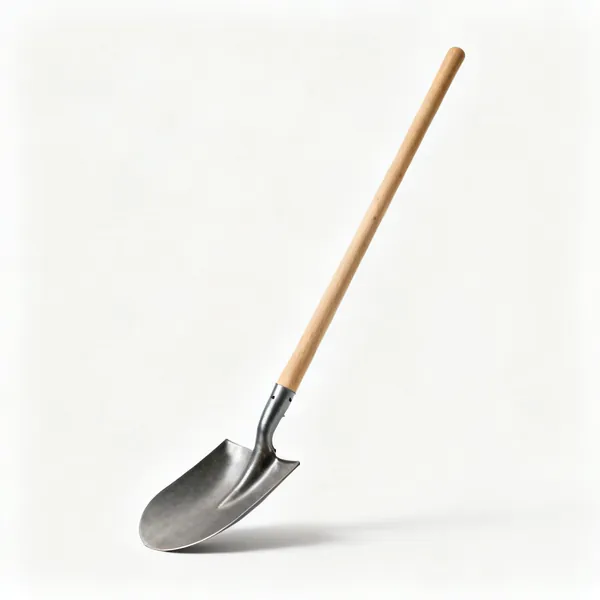
  • A drainage shovel with a long narrow curved steel blade and a long wooden shaft

    Drainage shovel

    A long narrow shovel with slightly raised sides for clearing spoil out of a deep narrow trench. Once a trench is deeper than about 400mm, nothing else will lift the loose earth out of the bottom of it.

Forks 6

Tines instead of a blade. They split heavy soil along its fracture lines and nothing sticks to them, which is why they beat a spade in clay.

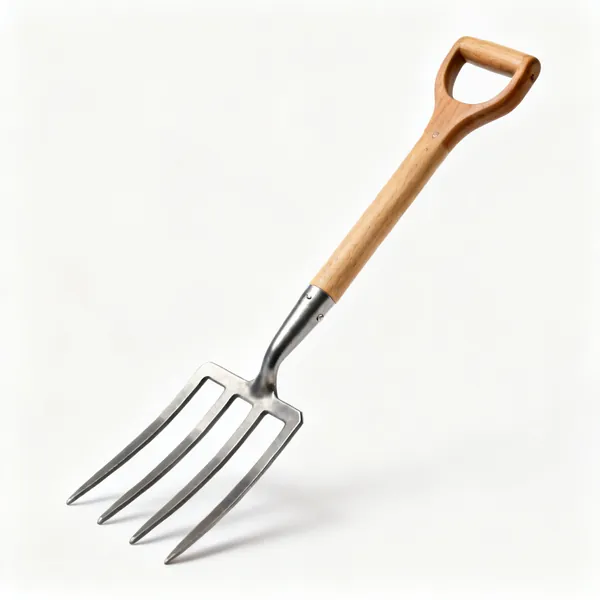
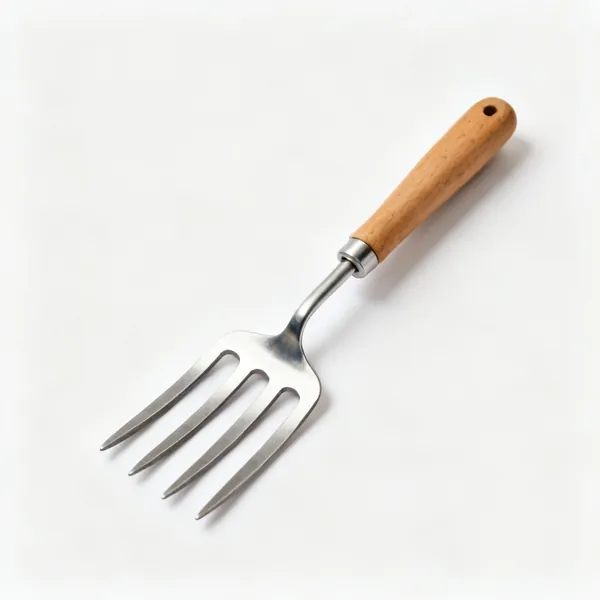
  • A garden digging fork with four square section steel tines and a wooden shaft with a D handleEssential

    Digging fork

    Four square-sectioned tines that penetrate heavy soil and break it up as you lever back. In clay this is the tool a spade is often mistaken for, and it moves wet ground several times faster.

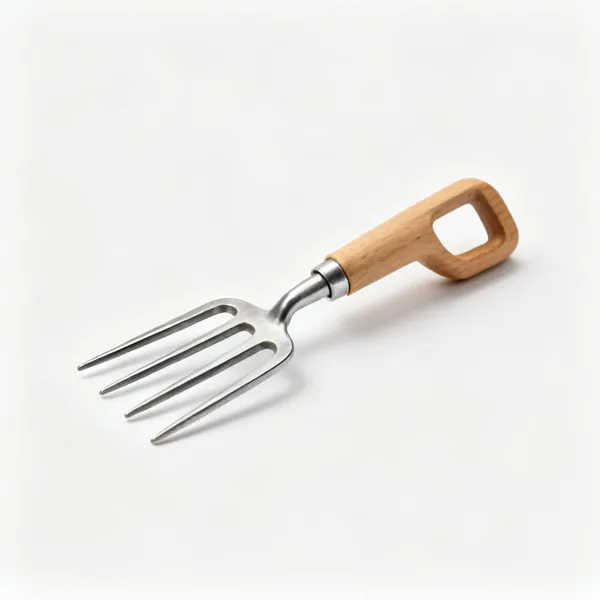
  • A small border fork with four short steel tines and a short wooden shaft with a D handle

    Border fork

    A smaller four-tine fork for working soil between plants without cutting through their roots. The narrower head lets you get in close, and the lighter load suits repetitive bed work.

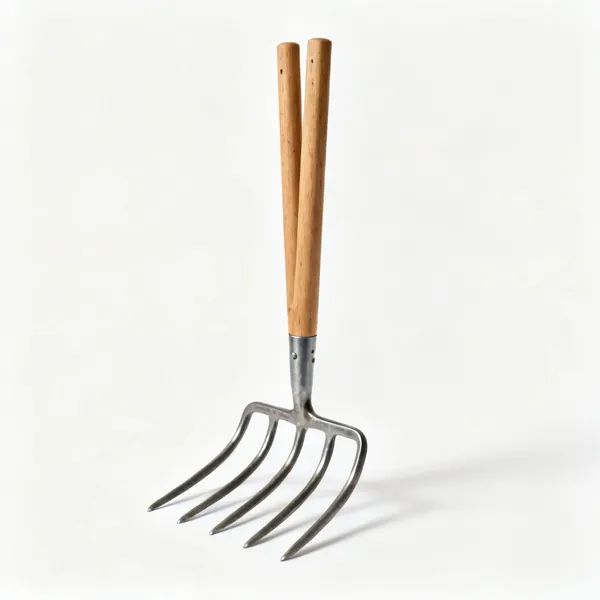
  • A broadfork with a wide head of five long steel tines and two tall upright wooden handles

    Broadfork

    A wide head with long tines and two upright handles, stepped in and levered back to loosen deep soil without turning it over. It aerates and breaks compaction while leaving the soil structure intact.

  • A potato fork with four flat wide blunt ended steel tines and a wooden shaft

    Potato fork

    Flattened blunt-ended tines that lift root crops out of the soil without spearing them. The flat section is the whole design: a normal fork's square tines pierce and ruin what you are trying to harvest.

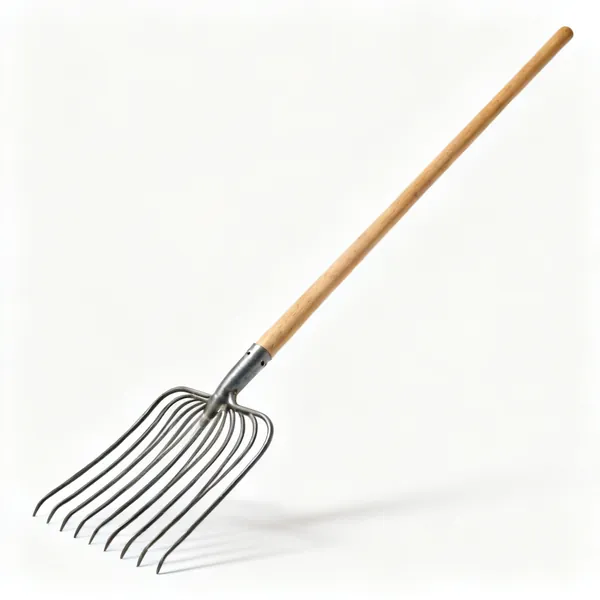
  • A muck fork with many long slender curved steel tines and a long wooden shaft

    Muck fork

    Many long slender curved tines for moving manure, compost and loose bulky material. The curve holds a load that would slide off a digging fork, and the extra tines stop it falling through.

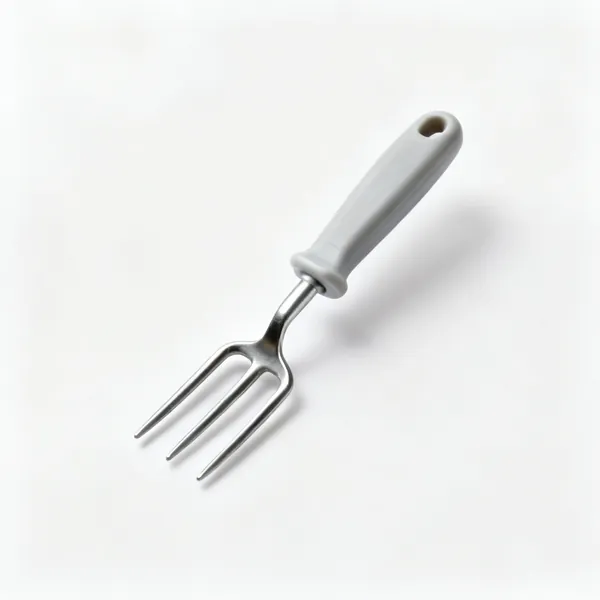
  • A small hand fork with three short steel tines and a moulded plastic handleEssential

    Hand fork

    A short three-tine fork for close work, loosening soil around plants and lifting weeds by the root. The tool most gardeners actually use most often, and it costs almost nothing to buy well.

Breaking hard ground 7

Where pushing stops working. These tools use swung weight or pure leverage to break ground that no blade will enter.

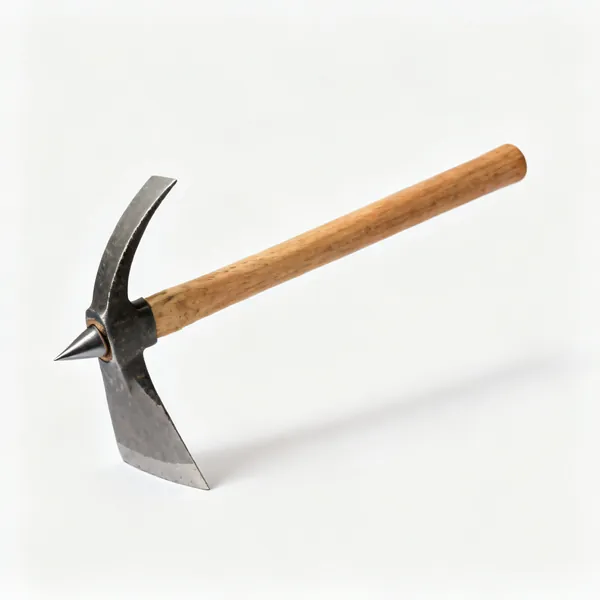
  • A pick mattock with a broad adze blade on one side and a sharp point on the other, wooden handleEssential

    Pick mattock

    A broad adze blade one side and a point the other, swung so its weight breaks the ground. The point splits stone and compacted subsoil, and the adze then clears what the point has loosened.

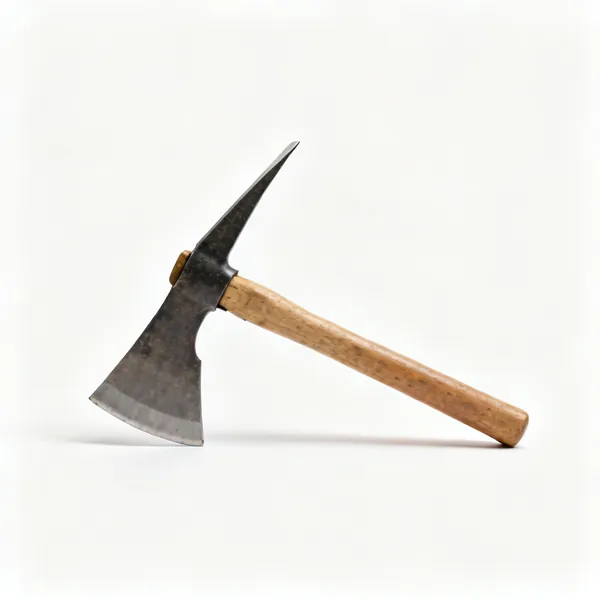
  • A cutter mattock with a broad adze blade on one side and a vertical axe blade on the other

    Cutter mattock

    An adze blade opposite an axe blade, for ground full of roots rather than stone. The axe edge severs a root in one swing where a spade would bounce off it and blunt itself.

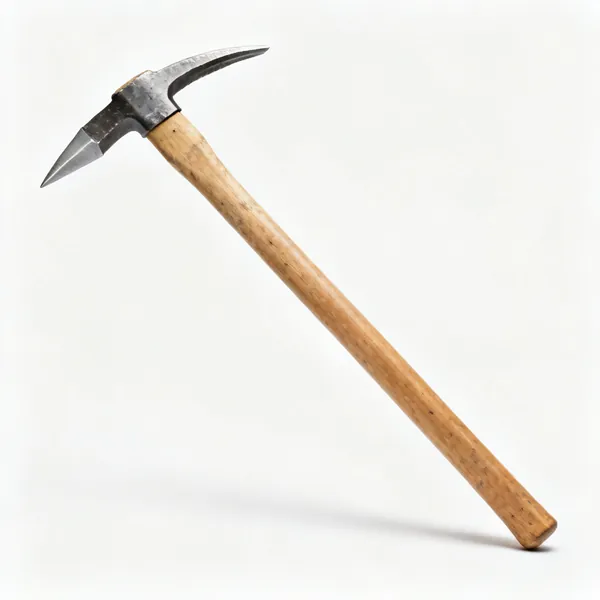
  • A pickaxe with a long wooden handle and a steel head with a point at one end and a chisel at the other

    Pickaxe

    A point one end and a chisel the other on a long handle, for rock, hardcore and frozen ground. All the work is done by the head's momentum, so a heavier head is genuinely easier on hard material.

  • A long solid steel digging bar with a chisel point at one end and a flat tamping end at the otherEssential

    Digging bar

    A solid steel bar, often 15kg or more, dropped point first to break compacted ground and lever out stone. Nothing else in a hand kit will start a hole in ground this hard, and its own weight does the work.

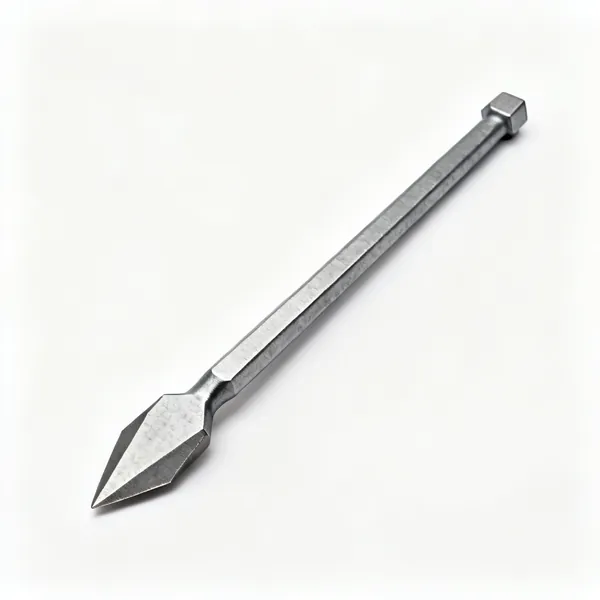
  • A hexagonal steel crow bar with a chisel shaped flattened end

    Crow bar

    A hexagonal steel bar with a chisel end for levering roots and stones out of a hole. Shorter and lighter than a digging bar, so it is used as a lever rather than dropped as a breaker.

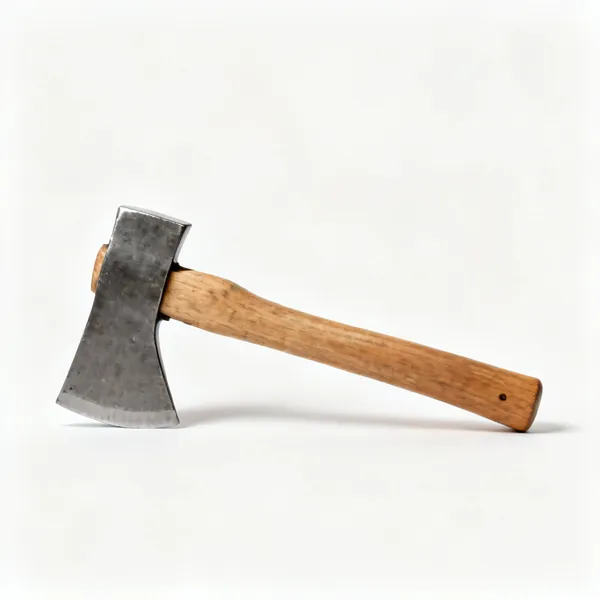
  • A heavy root axe with a short thick steel blade and a short wooden handle

    Root axe

    A short heavy axe with a thick reground edge, for chopping roots in soil where grit would destroy a good axe. Deliberately a sacrificial tool, and no felling axe should be used for the job instead.

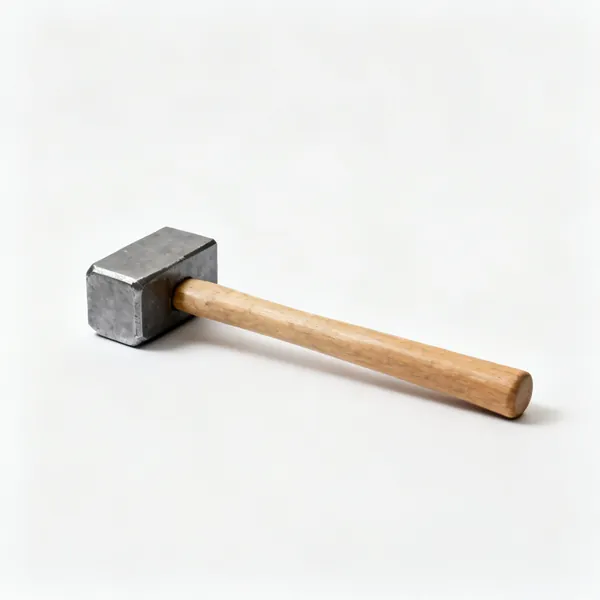
  • A sledgehammer with a heavy rectangular steel head and a long wooden handle

    Sledgehammer

    For driving a bar or a wedge into ground too hard to break by dropping. It also breaks up the concrete and hardcore that turns up in almost every garden with a history.

Moving and finishing 8

Getting the spoil out and levelling what is left. A spade is poor at both, which is why these exist.

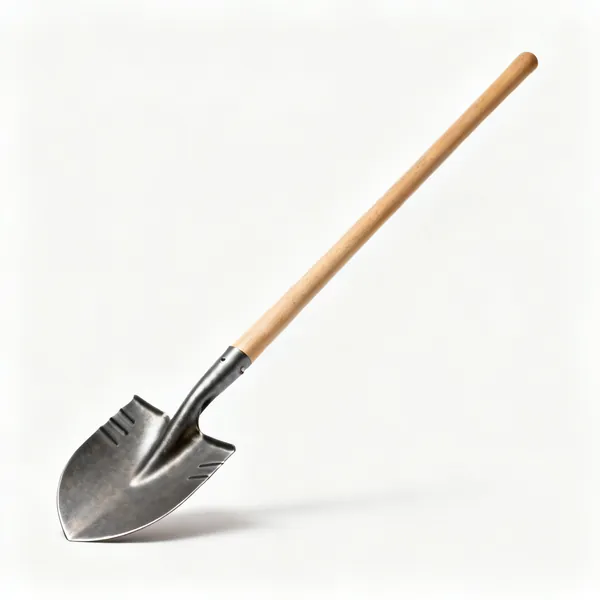
  • A round point shovel with a curved pointed steel blade with raised sides and a long wooden shaftEssential

    Round point shovel

    A curved pointed blade with raised sides for scooping and throwing loose material. The point will break light ground and the curve holds a load, which a flat spade blade spills at the first lift.

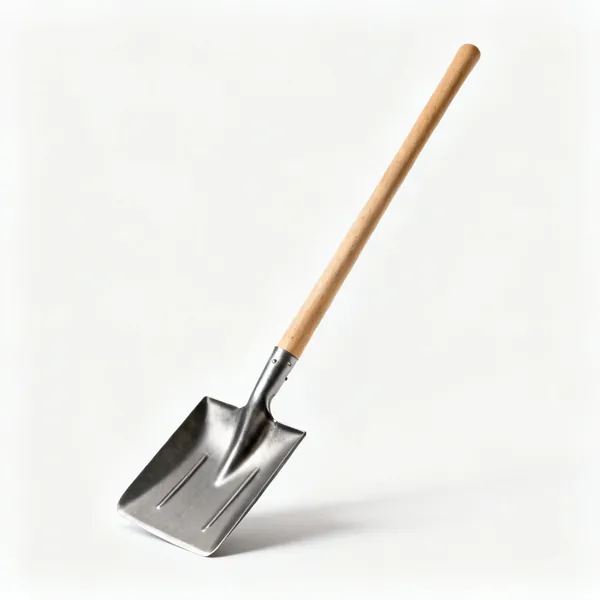
  • A square mouth shovel with a flat fronted steel blade with raised sides and a long wooden shaftEssential

    Square mouth shovel

    A flat-fronted blade for clearing loose spoil off a hard surface and shifting sand or gravel. The straight edge reaches into a corner and scrapes a slab clean, which a pointed blade cannot.

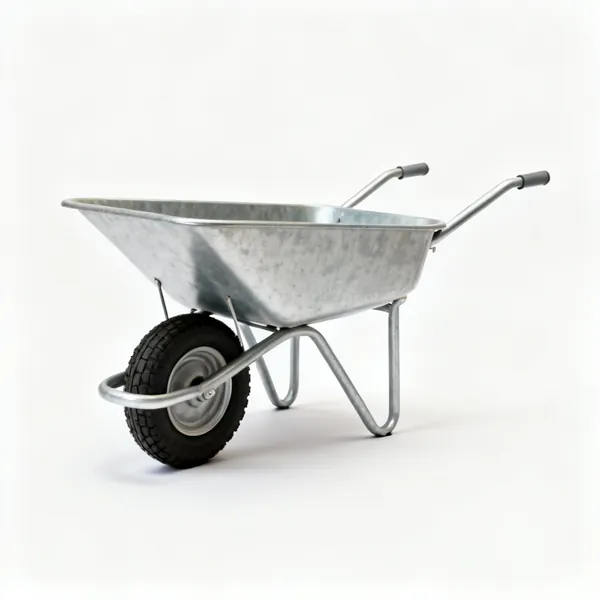
  • A metal wheelbarrow with a single pneumatic wheel, two tubular handles and two legsEssential

    Wheelbarrow

    Moves spoil in one trip instead of twenty, and doubles as a mixing tray. Barrow capacity is usually what sets the pace of a digging job, not the digging itself.

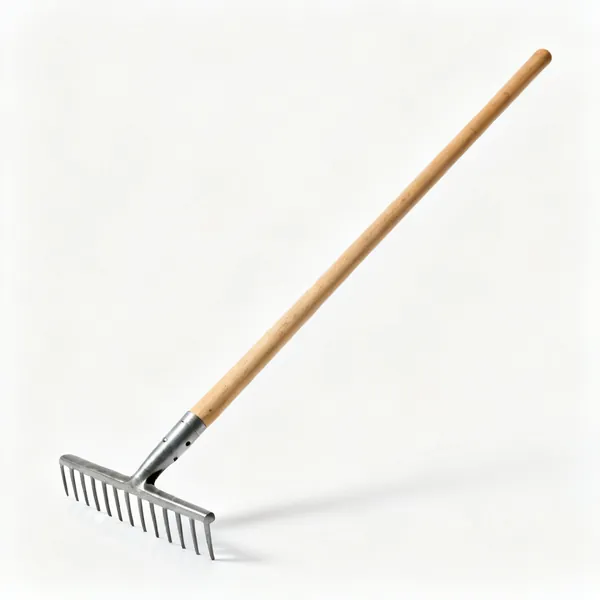
  • A garden soil rake with a straight steel head of short rigid tines and a long wooden shaftEssential

    Soil rake

    Short rigid steel tines on a long shaft for levelling and breaking down clods after digging. Used back edge first it also drags a rough surface flat, which is how a seed bed is finished.

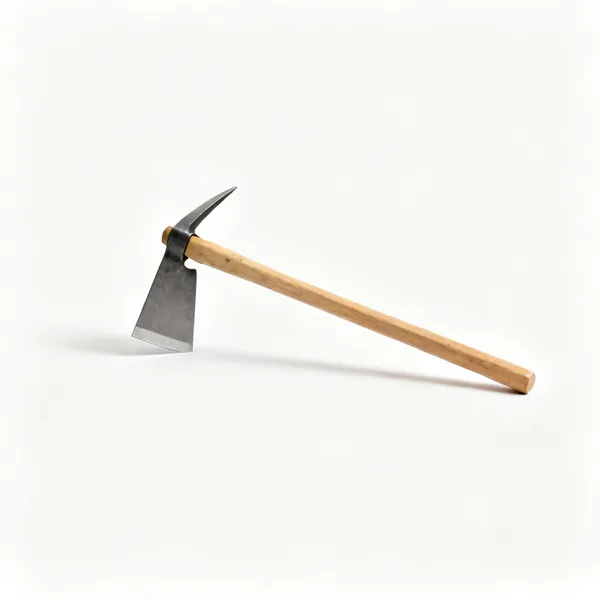
  • Draw hoe

    Draw hoe

    A flat blade set at right angles, pulled toward you to cut a drill, earth up a row or slice weeds off. It works standing upright, which for surface work is far easier than kneeling with a hand tool.

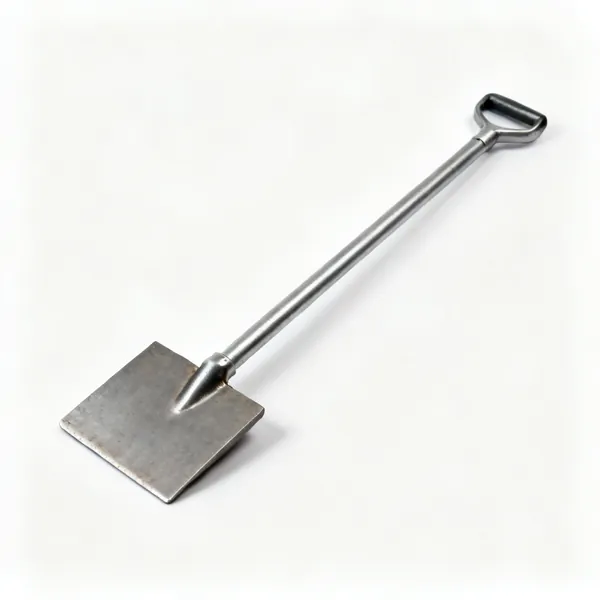
  • An earth tamper with a heavy square flat steel plate on a long straight metal shaft

    Earth tamper

    A heavy flat steel plate on a shaft, dropped to compact backfill in layers. Backfill that is not compacted settles later, and a path or a post set in loose spoil will move within a season.

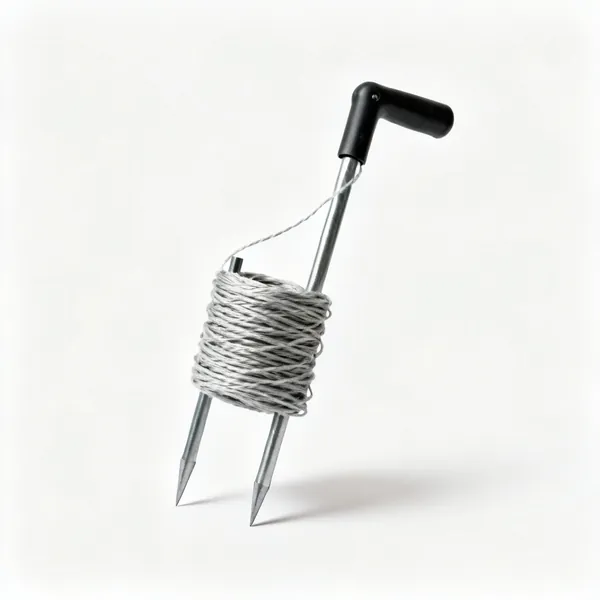
  • A garden line with a length of string wound on two pointed metal pegs

    Garden line

    String on two pegs, marking a straight edge to dig or plant to. The cheapest tool here and the one that decides whether a trench or a row looks deliberate or approximate.

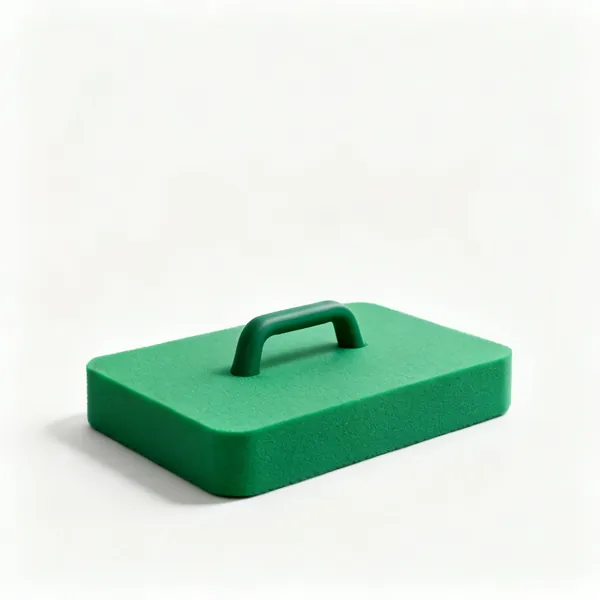
  • A thick green closed cell foam garden kneeling pad

    Kneeling pad

    Closed cell foam that keeps knees off cold wet ground during close work. It belongs on a digging list because how long you can keep working is as much a limit as the tools are.

Choosing a digging tool

Read the ground first. A spade in clay and a fork in loose sand are both the wrong tool, and both feel like hard work rather than a mistake.

The soil decides the tool

A spade blade is designed to slice, so it works in soil that parts. In heavy clay it does not slice, it compresses, and the clay sticks to the blade and to itself. A fork's tines separate clay along its natural fracture lines instead, which is why a fork moves wet clay perhaps three times faster than a spade does.

Stony ground defeats both, because neither will penetrate past a stone. That is what a mattock is for: it swings and its weight breaks ground rather than being pushed into it.

Loam and sand
Spade. It slices cleanly and lifts a full load, which is exactly what these soils allow.
Clay
Fork. The tines split clay along its fracture lines and, unlike a blade, nothing sticks to them.
Stony or compacted
Mattock or bar. Swung weight breaks ground that no amount of pushing will enter.
Roots
A grafting spade or a root axe. A spade blade blunts on roots and then stops cutting anything.

Digging spade or border spade

A digging spade has a blade around 290mm by 190mm and is the general tool. A border spade is noticeably smaller, and that is not simply a cheaper version: a smaller blade means a smaller load, which means less strain per lift and easier work between established plants.

Anyone who finds a full size spade heavy going should try a border spade before concluding that digging is beyond them. Many people move more soil in an hour with the smaller tool.

Digging spade
The default. Full blade, full load, and best on open ground where the weight per lift is not the limit.
Border spade
Narrower and shorter. Less soil per lift, so more lifts per hour, and it fits between plants.
Treaded blade
A rolled top edge to stand on. Worth having if you wear soft shoes, and it does add weight.

Handle shape and length

A D or YD handle gives a positive grip for levering and lifting, which suits a spade. A long straight T handle or a plain shaft suits a shovel and a fork, where the motion is more of a scoop and a throw.

Length matters more than most people check. A shaft that is too short makes you bend, and bending under load is what hurts backs. Standing upright with the tool blade on the ground, the handle should reach roughly to your hip.

D and YD handles
Positive grip for levering, and the standard on a spade because a spade is levered as much as pushed.
Long shafts
More reach and leverage, less control. Right for a shovel and a trenching tool, wrong for close work.
Check the height
Handle to hip with the blade on the ground. Too short means bending, which is where back injuries come from.
Ash beats fibreglass for repair
Both are strong. A broken ash shaft can be replaced; most fibreglass handles cannot.

Digging without wrecking your back

The two rules are to keep the load close and to turn your feet rather than your spine. A twisting lift with a full spade at arm's length is the movement that causes most digging injuries, and it is entirely avoidable.

Use your foot on the blade to drive it in rather than your arms, and lever the load up on the shaft rather than lifting it dead. The tool is a lever, and using it as one is the difference between a morning's work and three days of recovery.

Foot, not arms
Step the blade in. Your body weight is far greater than your arm strength and costs you nothing.
Lever, do not lift
Pull back on the handle to break the load out. The shaft over the ground is a lever, so use it.
Move your feet
Never twist under load. Turn the whole body to throw, and the spine stays in line.
Smaller loads
Half a spade twice beats a full spade once, in both speed and in how you feel afterwards.

A clean blade is a sharp blade

Soil left on steel holds moisture, and moisture pits the blade. Pitted steel drags in the ground, which means more effort for the same hole. Scraping the blade clean after use is thirty seconds that measurably reduces how hard the tool is to use.

A spade also benefits from being sharpened, which surprises people. A file run along the leading edge at a shallow angle makes a real difference in root-filled soil and turf.

Scrape and dry
Soil holds water against the steel. Pitting follows, and a pitted blade drags in every cut afterwards.
Sharpen the leading edge
A few strokes of a file at a shallow angle. It cuts turf and roots noticeably more easily.
Oil bare steel
An oily rag before storage prevents the rust that a damp shed will otherwise create over winter.
Store off the floor
Hung up, blade off the concrete. A shed floor is the dampest place in it.

Frequently asked questions

What is the difference between a spade and a shovel?
A spade has a flat, roughly rectangular blade with a sharp straight edge, for cutting into ground and slicing turf. A shovel has a curved, usually pointed blade with raised sides, for scooping and moving loose material. A spade digs, a shovel moves what has been dug.
Should I use a spade or a fork in clay soil?
A fork, and the difference is large. A spade compresses wet clay rather than slicing it, and the clay then sticks to the blade. A fork's tines split clay along its natural fracture lines and nothing clings to them, so the same work takes a fraction of the effort.
What is a border spade for?
A smaller blade than a digging spade, around 230mm by 140mm, for working between established plants and for anyone who finds a full size spade heavy. The smaller load per lift means less strain, and many people move more soil per hour with one.
What tool do I need to dig through roots?
A grafting spade for slicing through them, or a root axe or mattock for chopping through anything thick. An ordinary spade blade will blunt on roots and then stop cutting soil properly either, so it is worth keeping a dedicated tool for root-filled ground.
What is a mattock used for?
Breaking hard, stony or compacted ground by swinging its weight rather than pushing a blade in. A cutter mattock has an axe blade for roots on one side; a pick mattock has a point for stone. Both do work no spade can start.
Are stainless steel spades better?
Soil releases from stainless more easily and it does not rust, which makes it pleasanter to use in clay. Carbon steel takes and holds a sharper edge and is usually cheaper for the same strength. Stainless is the better choice for wet heavy soil, carbon for general work.
How do I dig a narrow trench by hand?
A trenching spade or a drainage shovel, both of which have long narrow blades that cut a straight vertical side. A standard spade will not make a trench narrower than its own blade without collapsing the walls, and the extra width is all wasted digging.
How do I avoid hurting my back when digging?
Drive the blade in with your foot rather than your arms, lever the load out on the shaft instead of lifting it dead, keep the load close to your body, and turn your feet rather than twisting your spine to throw. Smaller loads more often also help considerably.