Disclosure

Tools for hammering

A hammer is a weight on a handle, and the weight and the face material are the whole specification. Too light and you hit a nail six times instead of three, which is how bent nails and dented timber happen. Too heavy and accuracy goes. All 37 here are grouped by what the face is meant to strike, since a steel face on a chisel handle or a soft face on a masonry nail both end badly.

10 are marked essential: the ones that cover almost every job before anything specialist.

Part of the full hand tools list, 73 tools in 11 groups.

Hammers for nails 9

Steel faced, hardened, and the ones most people mean by hammer.

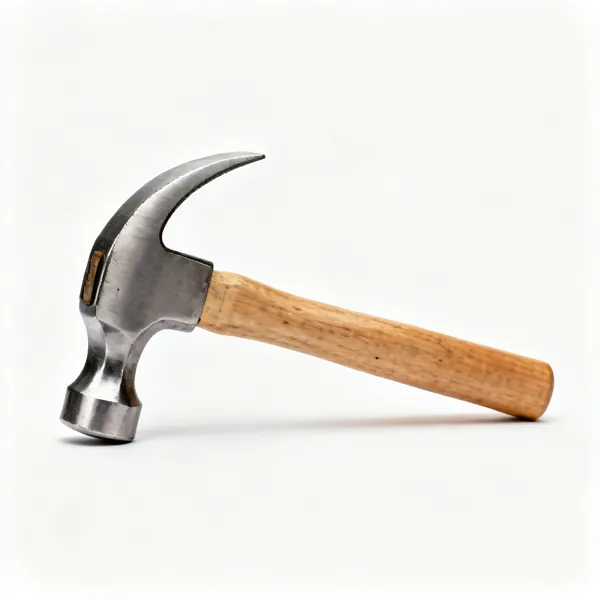
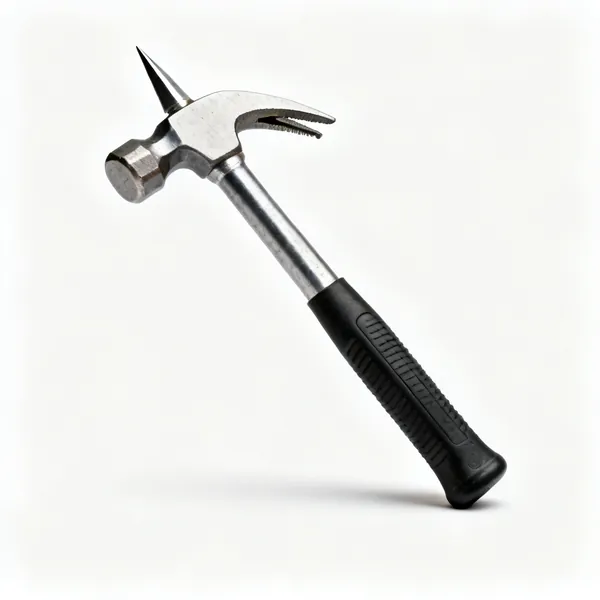
  • A claw hammer with a steel head, curved claw and a wooden handleEssential

    Claw hammer

    A flat face for driving and a curved claw for pulling. At 16oz it is the default hammer for almost everything, and the curved claw gives good leverage on a nail.

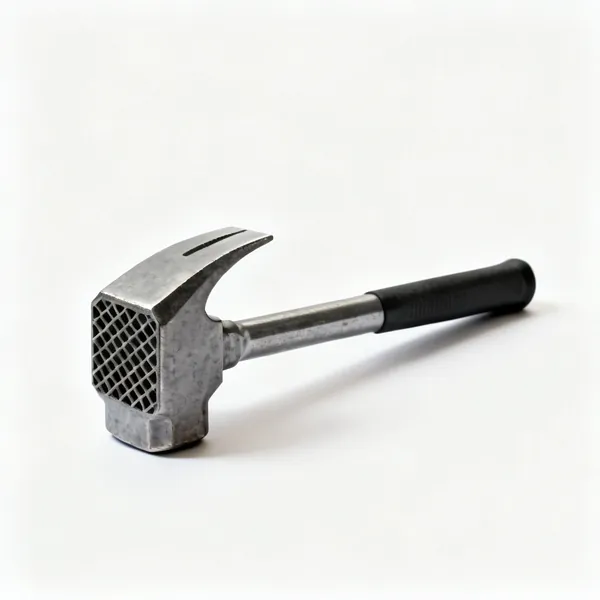
  • A heavy framing hammer with a milled waffle face and a straight claw

    Framing hammer

    Heavier at 20 to 24oz with a straighter claw and often a milled face that grips a nail head. Two blows a nail, and it will tire your forearm by the afternoon.

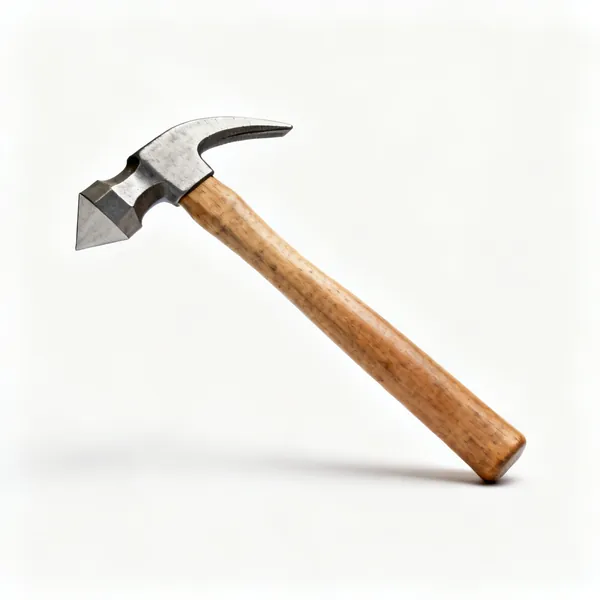
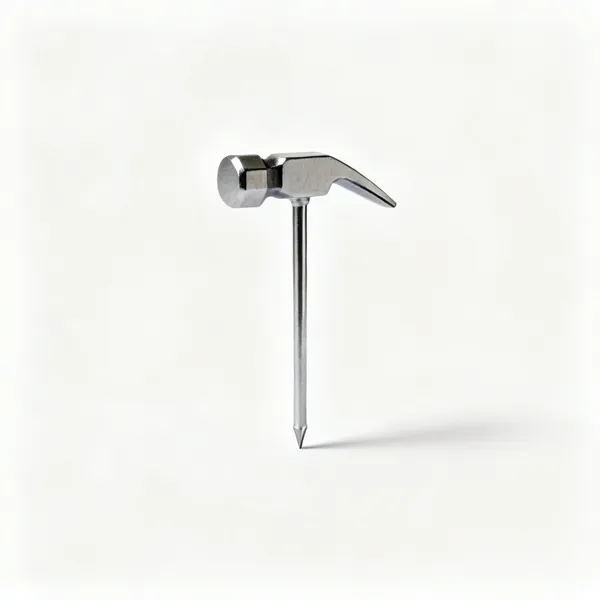
  • Cross pein hammer: A cross pein joiner's hammer with a wedge shaped pein and a wooden handle

    Cross pein hammer

    A wedge shaped pein for starting a small nail held between finger and thumb, which the pein reaches past. The traditional joiner's hammer for panel pins.

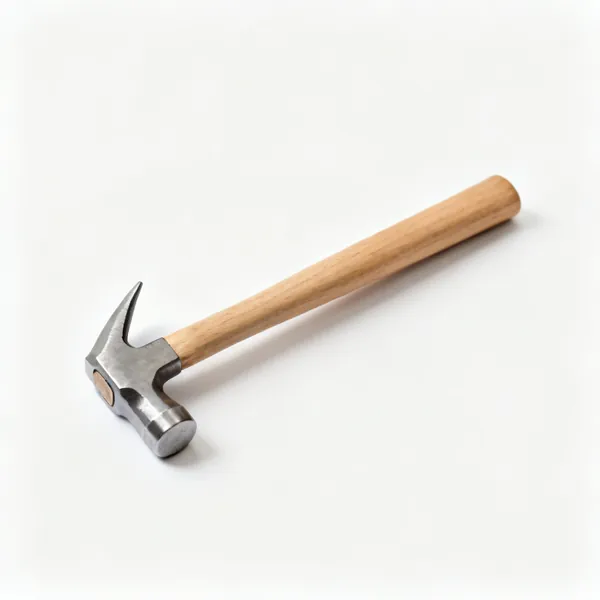
  • A small light pin hammer with a cross pein and a slim wooden handleEssential

    Pin hammer

    Light, around 4oz, with a cross pein, for panel pins and tacks. A 16oz hammer on a panel pin bends it, so this is not a lesser version of one.

  • A small upholstery tack hammer with a narrow magnetic face and a long thin handle

    Tack hammer

    One magnetic face holds and starts a tack one handed, which upholstery needs since the other hand is holding fabric under tension.

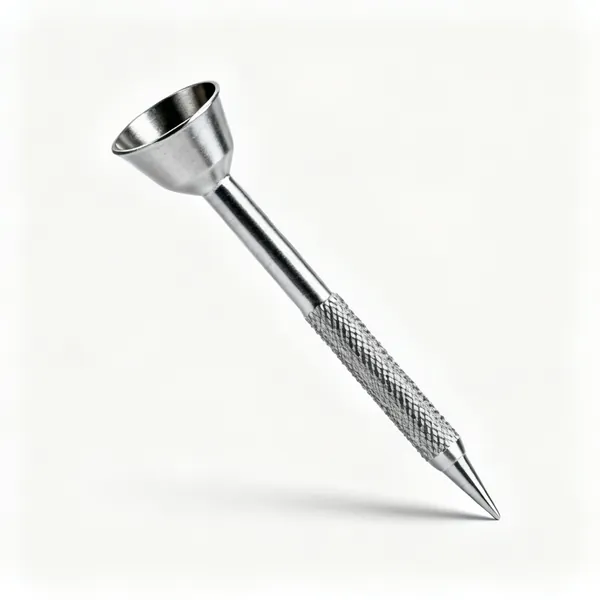
  • A steel nail punch with a cupped tip and a knurled bodyEssential

    Nail punch

    Drives a nail head below the surface for filling, without the hammer face ever touching the timber. Cupped tip so it does not slide off the head.

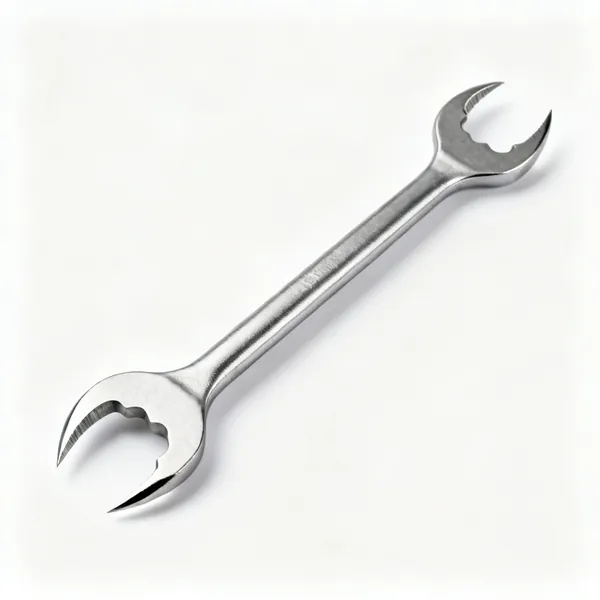
  • A steel cat's paw nail puller with a sharpened curved claw at each end

    Cat's paw

    A sharpened claw driven under a nail head that is already flush or below the surface. It damages the timber, which a hammer claw cannot even reach to do.

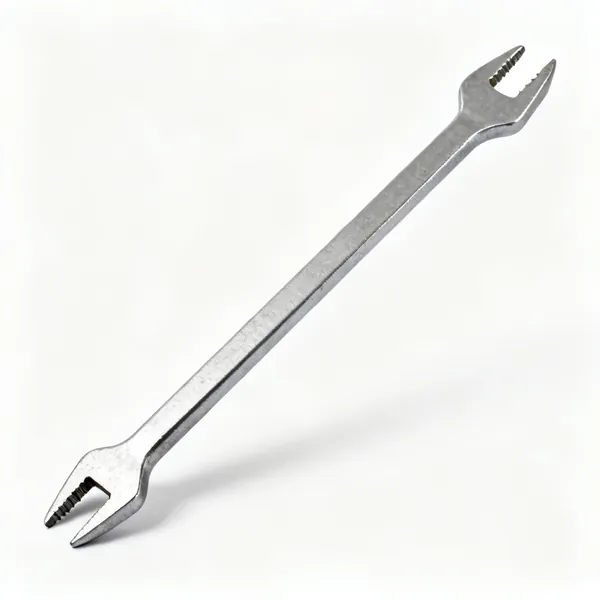
  • A flat steel pry bar with a nail slot at each endEssential

    Pry bar

    Longer leverage than a hammer claw, and a wider foot that does not crush the timber. What to reach for once a nail resists the claw.

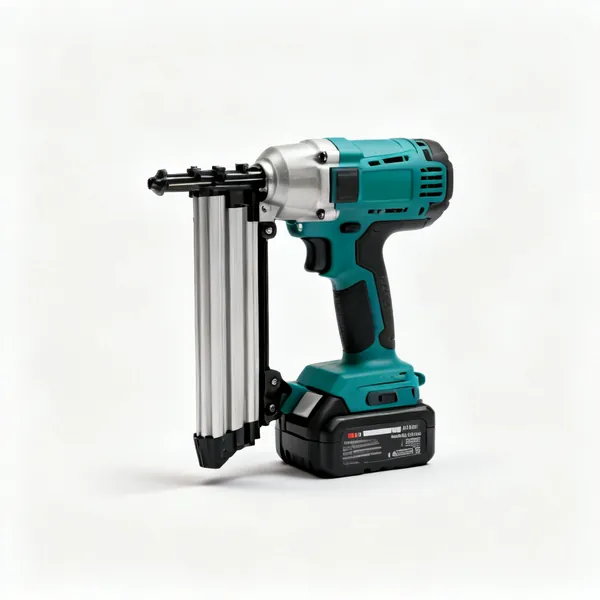
  • A cordless finish nail gun with a magazine and a battery

    Nail gun

    Drives and sets a nail in one action, hundreds of times an hour. It replaces the hammer for volume work and cannot get into the awkward places a hammer reaches.

Mallets and soft faces 7

Spread the blow instead of concentrating it. For chisels, joints and anything that must not be marked.

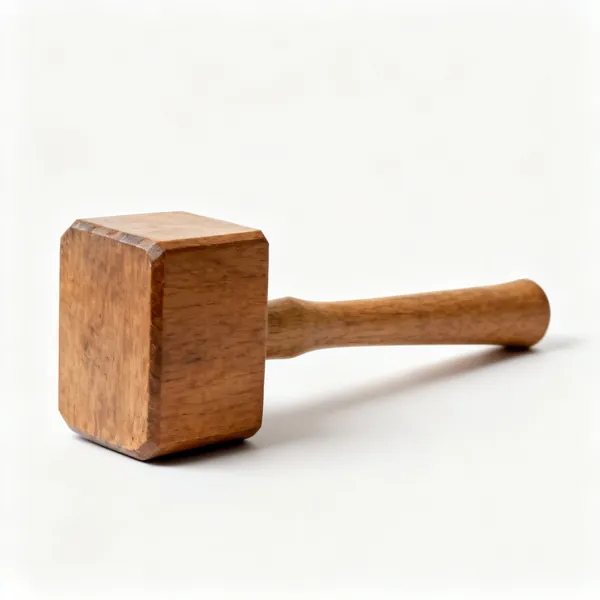
  • Wooden mallet: A square headed wooden joiner's mallet with a tapered handleEssential

    Wooden mallet

    A broad beech face for wood chisels, spreading the blow so the handle survives. Buying this alongside a chisel set prevents the commonest tool damage there is.

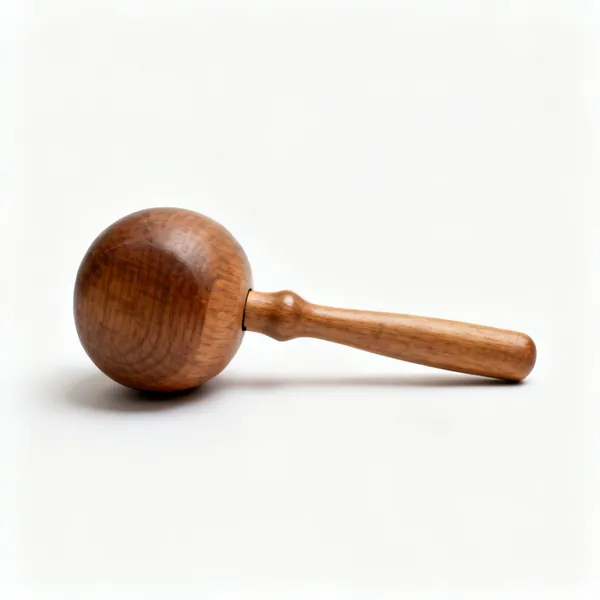
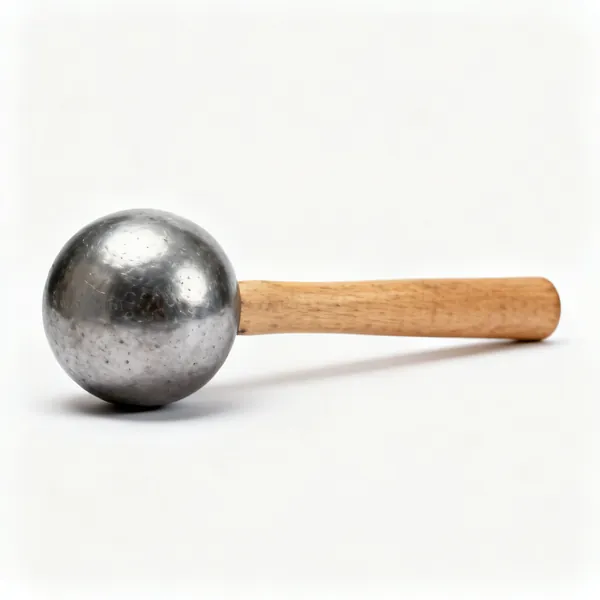
  • A round headed wooden carver's mallet with a turned handle

    Carver's mallet

    Round headed so it strikes squarely from any angle without turning your wrist to aim. That is why carving mallets are round and joinery mallets are not.

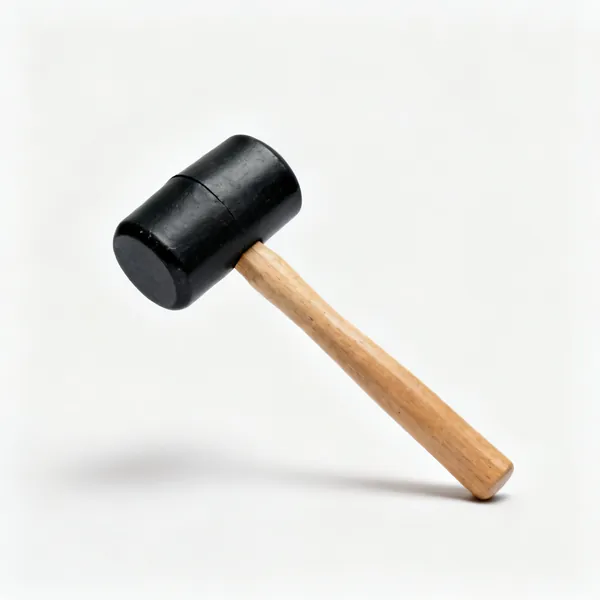
  • A black rubber mallet with a wooden handleEssential

    Rubber mallet

    Seats paving, taps a joint together and adjusts a fitting without a mark. It gives up a good deal of energy in the bounce, which is exactly its purpose.

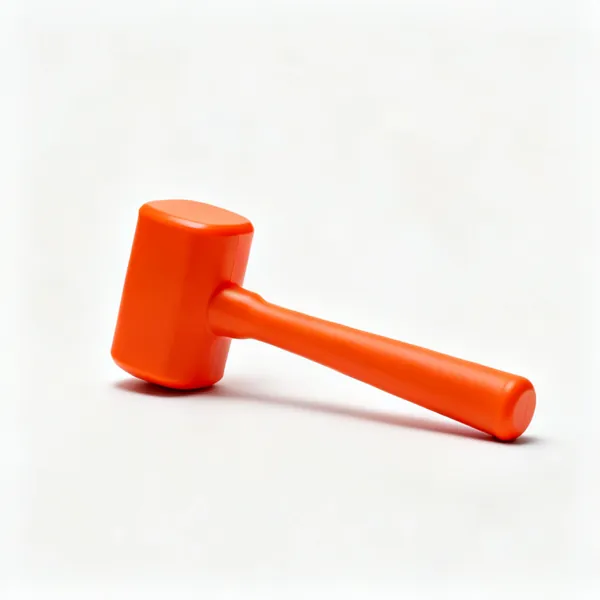
  • A bright orange dead blow hammer with a moulded one piece body

    Dead blow hammer

    A hollow head part filled with shot that shifts forward on impact and kills the rebound. More of the blow goes into the work and it does not jump back.

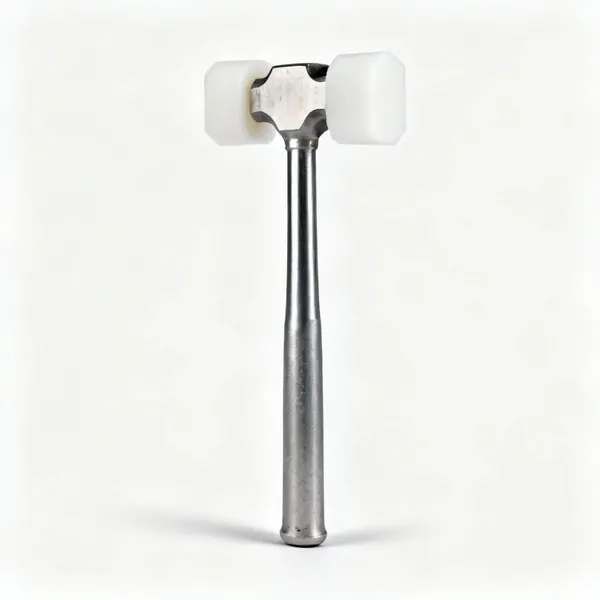
  • Nylon faced hammer: A hammer with two white replaceable nylon faces and a steel body

    Nylon faced hammer

    Replaceable nylon faces, harder than rubber and still not marking. For assembling machinery and driving a bearing home without a steel dent.

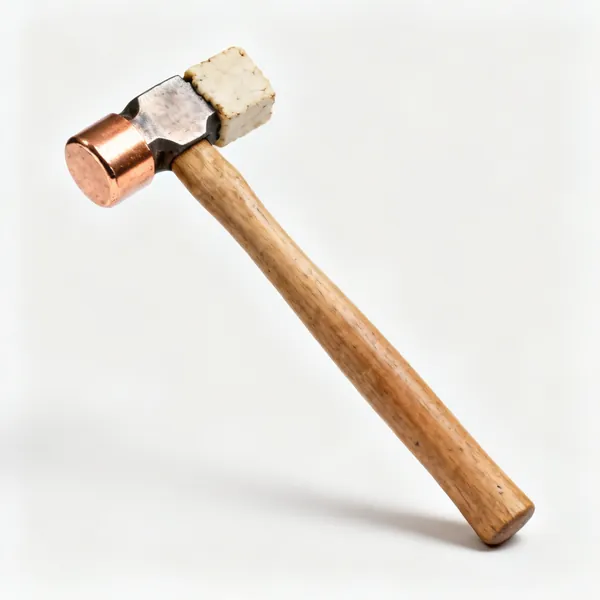
  • Copper and hide hammer: A hammer with one copper face and one rawhide face on a wooden handle

    Copper and hide hammer

    One copper face and one rawhide, both softer than the workpiece so they deform instead of it. The engineer's answer to hitting finished metal.

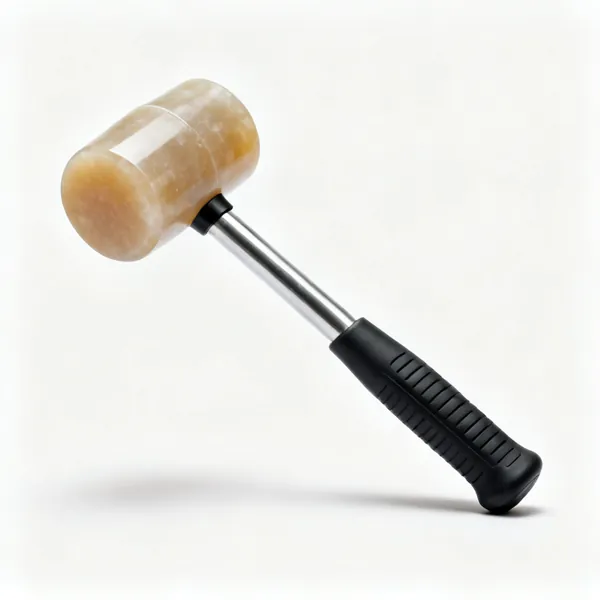
  • Resin mallet: A round resin faced mallet with a rubber grip handle

    Resin mallet

    Denser than wood so more energy arrives per blow, and it will not split. Slightly harder on a chisel handle than beech, and far kinder than steel.

Heavy and demolition hammers 7

Weight rather than accuracy. For masonry, steel pins and taking things apart.

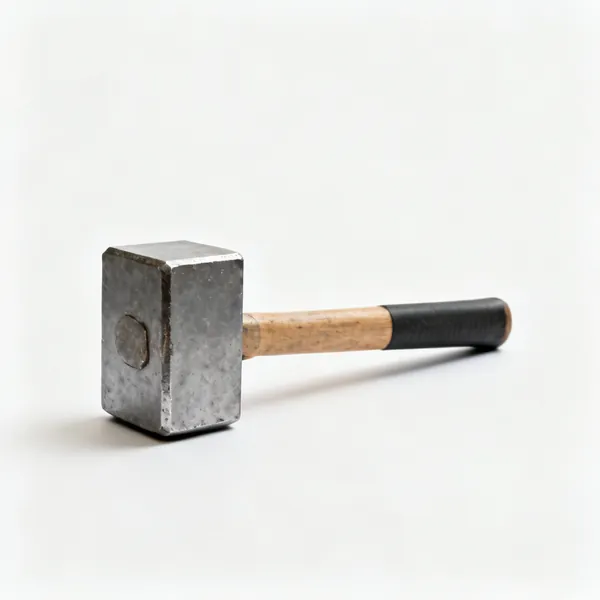
  • A steel club hammer with a heavy square head and a short wooden handleEssential

    Club hammer

    A heavy short handled hammer, around 2 to 4lb, and the correct partner for every masonry chisel. Let the weight fall rather than swinging hard.

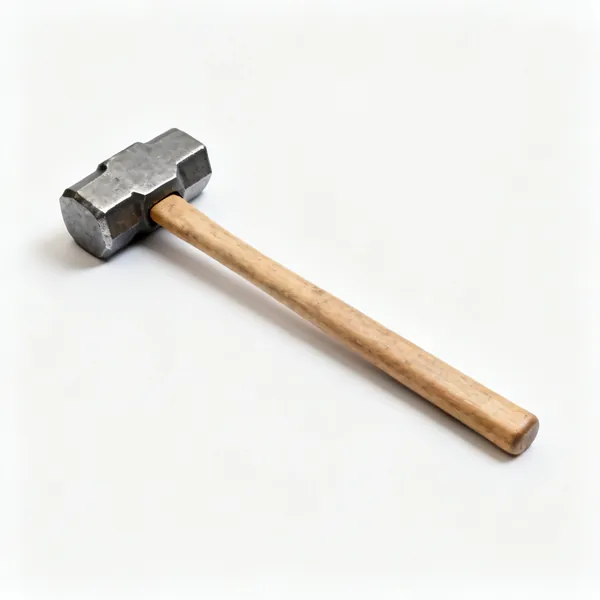
  • A long handled sledgehammer with a heavy double faced steel head

    Sledgehammer

    Two hands and a long handle for demolition, driving stakes and breaking concrete. Accuracy is limited by design, so keep everything else clear of the arc.

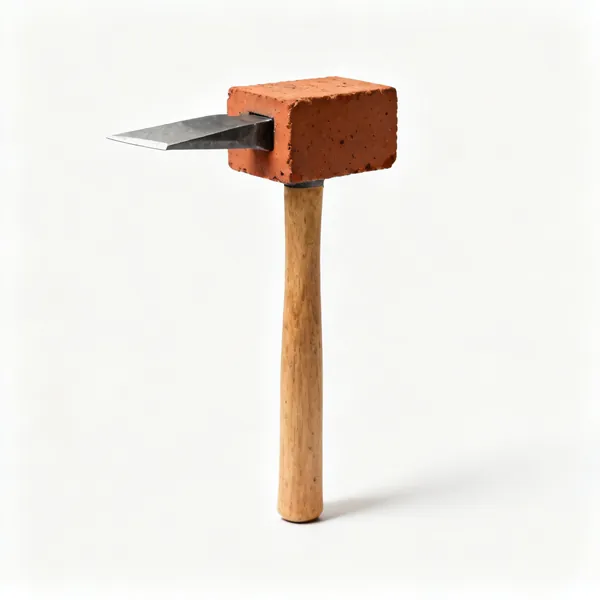
  • A brick hammer with a square face and a chisel shaped blade on a wooden handle

    Brick hammer

    A square face and a chisel blade, so one tool splits a brick and trims it. The blade means no separate bolster for a rough cut.

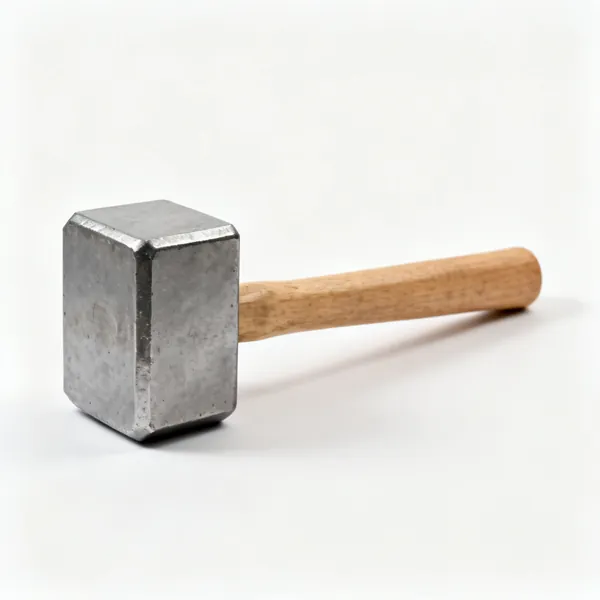
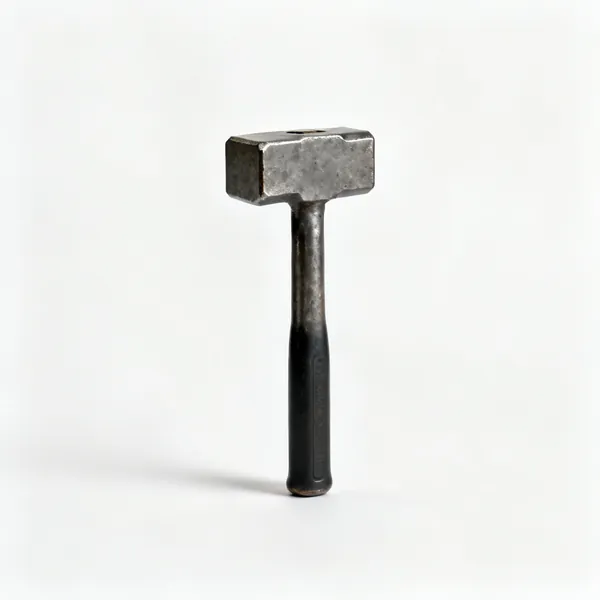
  • A short handled lump hammer with a heavy square steel head

    Lump hammer

    The stubbier club hammer, used one handed close to the work. What most people already own and call a sledge, at a quarter of the weight.

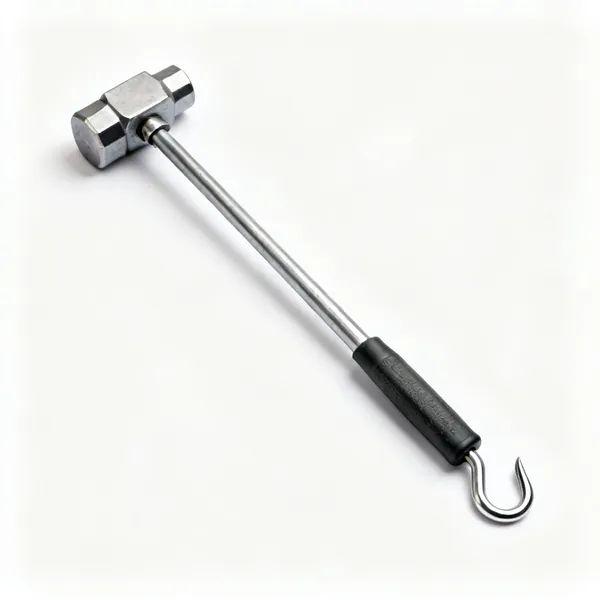
  • A steel slide hammer puller with a sliding weight on a shaft and a hook end

    Slide hammer

    A weight that slides along a shaft to deliver a pulling blow, for dents and stuck bearings. It hits in the direction nothing else can hit.

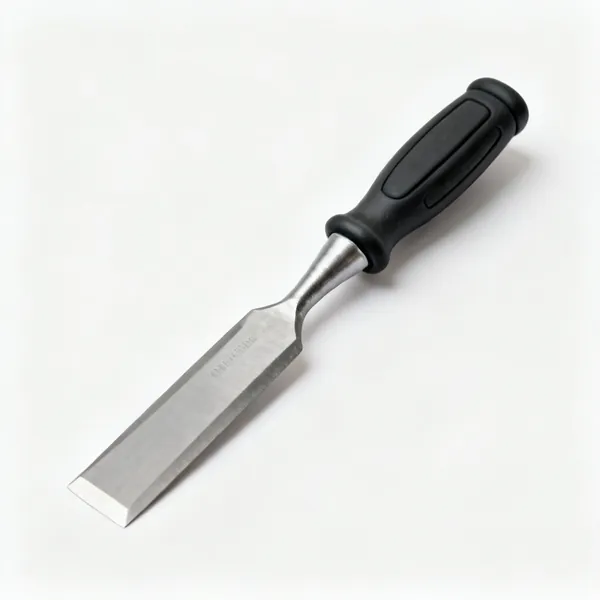
  • Bolster chisel: A wide bolster masonry chisel with a broad flat blade and a rubber hand guard

    Bolster chisel

    The wide chisel a club hammer strikes to split brick and lift tiles. Listed here because the two are one tool in practice.

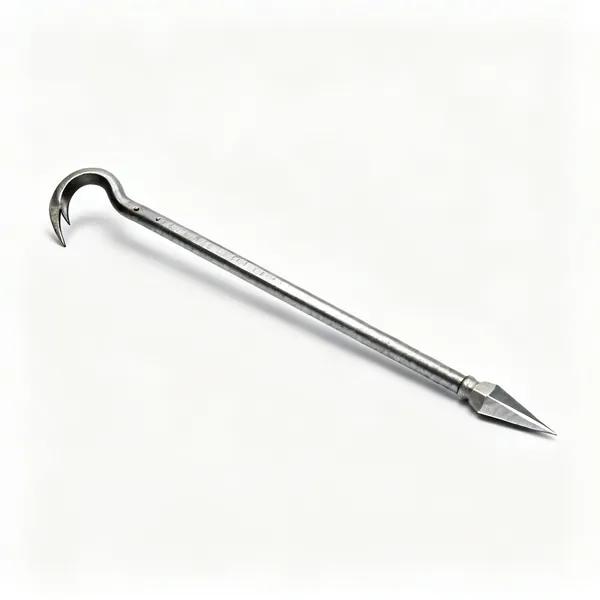
  • A long steel wrecking bar with a hooked claw at one end and a chisel at the other

    Wrecking bar

    A long crowbar with a hooked claw and a chisel end for demolition. Where a pry bar stops being long enough to shift what needs shifting.

Specialist and precision hammers 7

Hardened faces for striking steel, and small ones for work where a miss matters.

  • A steel ball pein hammer with a rounded pein and a wooden handleEssential

    Ball pein hammer

    A face hardened to strike cold chisels and punches, with a rounded pein for peening rivets. A claw hammer face can chip against a punch end.

  • A heavy engineer's hammer with a short handle and a square hardened head

    Engineer's hammer

    A heavier ball pein with a short handle for metalwork at a bench. Enough weight to move steel, short enough to place a blow precisely.

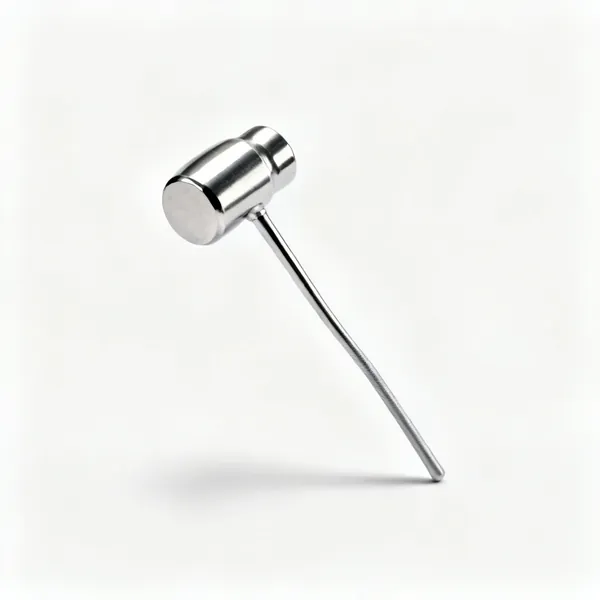
  • A small chasing hammer with a polished round face and a thin flexible handle

    Chasing hammer

    A light polished face on a flexible handle for metal shaping and jewellery. The handle flex adds speed to a very small swing.

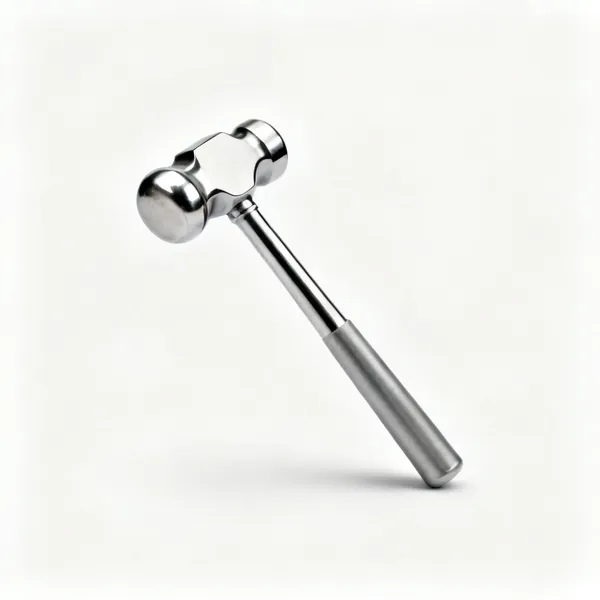
  • A planishing hammer with a domed polished face and a slim handle

    Planishing hammer

    A domed polished face that smooths sheet metal against a dolly, leaving a pattern of small overlapping blows rather than dents.

  • Slater's hammer: A slater's roofing hammer with a pointed spike, a cutting edge and a nail claw

    Slater's hammer

    A spike for punching nail holes in slate and a blade for trimming it, with a claw for pulling nails. One tool because a roofer cannot carry three.

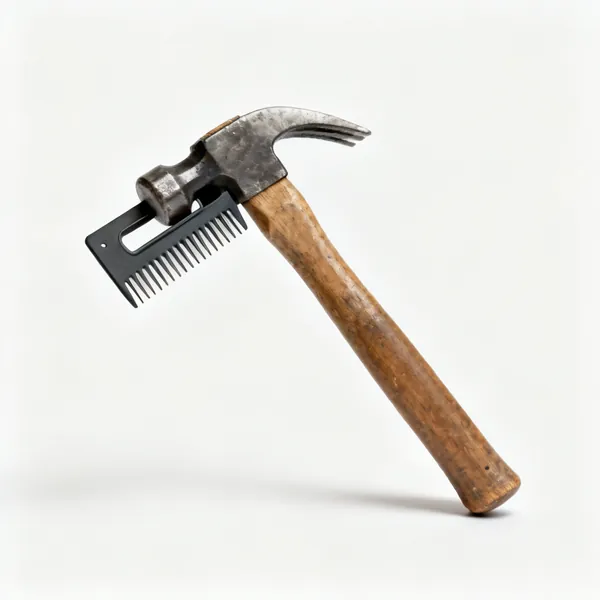
  • A scutch hammer with a slot holding a toothed comb insert

    Scutch hammer

    Holds replaceable toothed combs for dressing brick and removing old mortar. The combs wear out, which is what makes them replaceable.

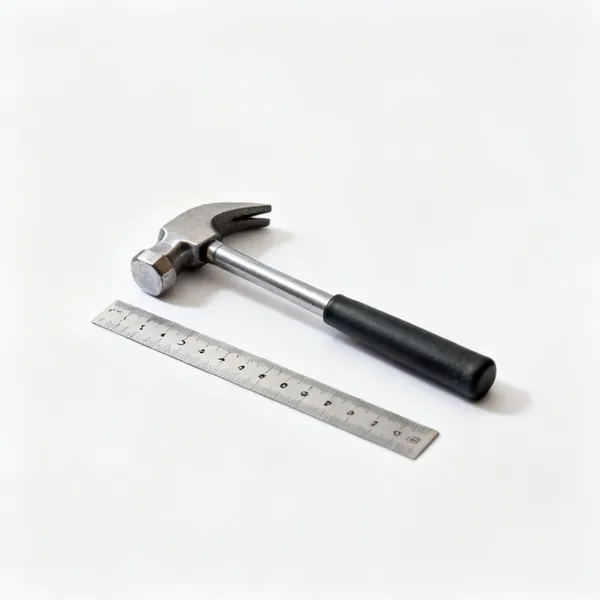
  • A very small pein hammer with a slim handle beside a ruler for scale

    Small pein hammer

    A few ounces, for setting pins, seating small parts and tapping a punch on delicate work. Where a full sized hammer would simply destroy the piece.

Using them safely 7

The holding hand, the eye and the loose head. Those three cover almost every hammer injury.

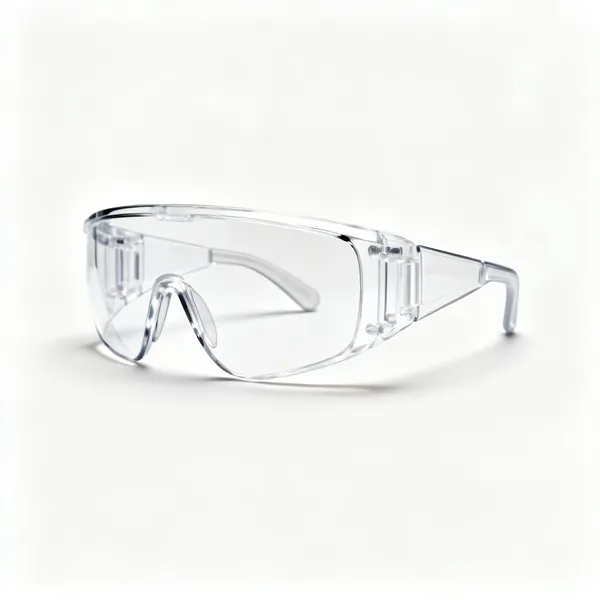
  • A pair of clear wraparound safety glasses with side coverageEssential

    Safety glasses

    Chipped faces and mushroomed punch ends throw hardened fragments at speed. Masonry work adds spalled concrete, which travels further than it seems it should.

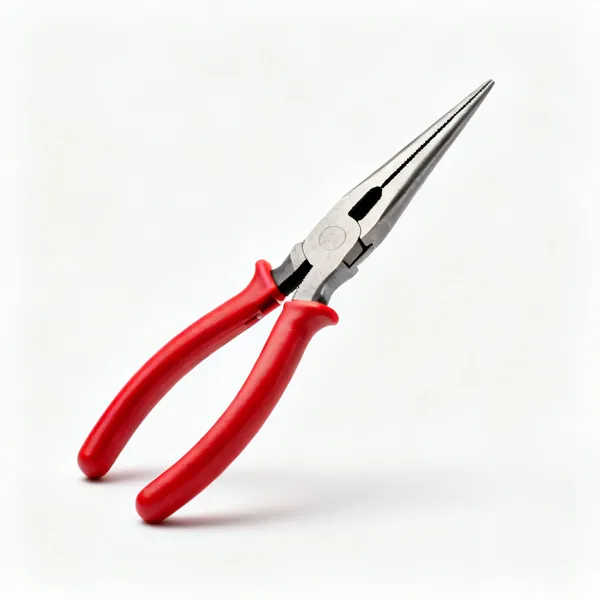
  • A pair of long nose pliers with red insulated handlesEssential

    Long nose pliers

    Hold a small nail or tack for the first tap so your fingers are not there. The blow that sets a nail is the one that catches a thumb.

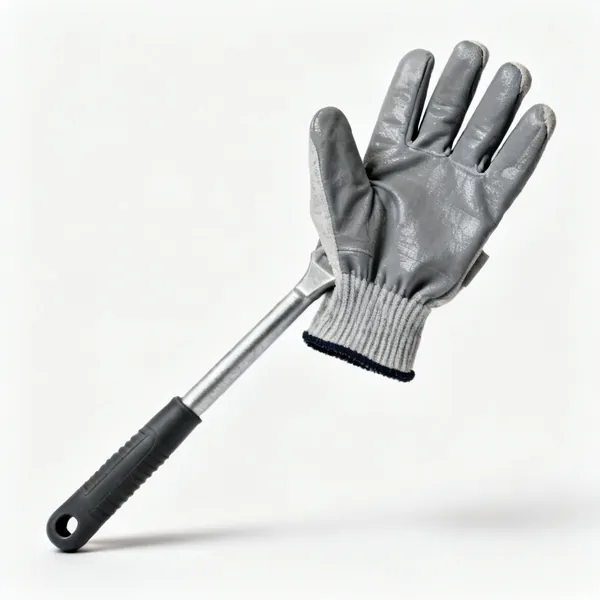
  • A pair of grey work gloves with coated palms and knitted cuffs

    Work gloves

    For handling rough timber and demolition debris rather than for hammering itself. A glove reduces feel on the handle, which reduces accuracy.

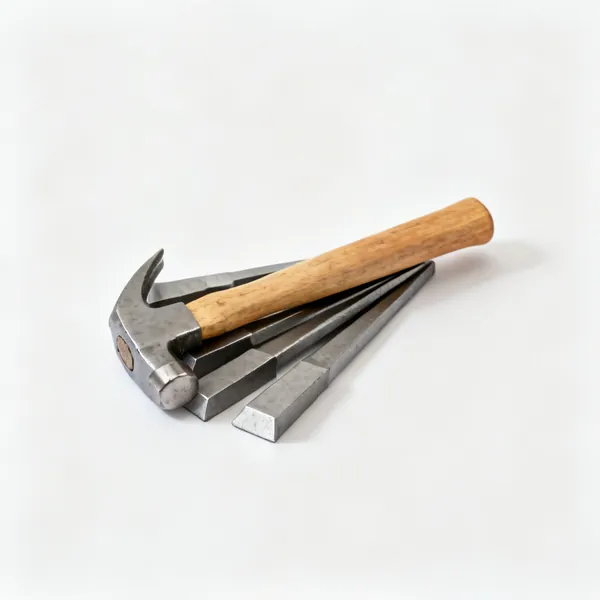
  • A small group of steel and wooden hammer handle wedges arranged in a tight cluster with clear space at every edge

    Handle wedges

    Steel and wooden wedges that re tighten a loose head. A wooden handle shrinks, and a head leaving mid swing travels a long way.

  • Spare handle: A hickory hammer replacement handle lying on a bench

    Spare handle

    A hickory replacement, since over striking breaks handles rather than heads. Rehandling a good head is cheaper and better than a new hammer.

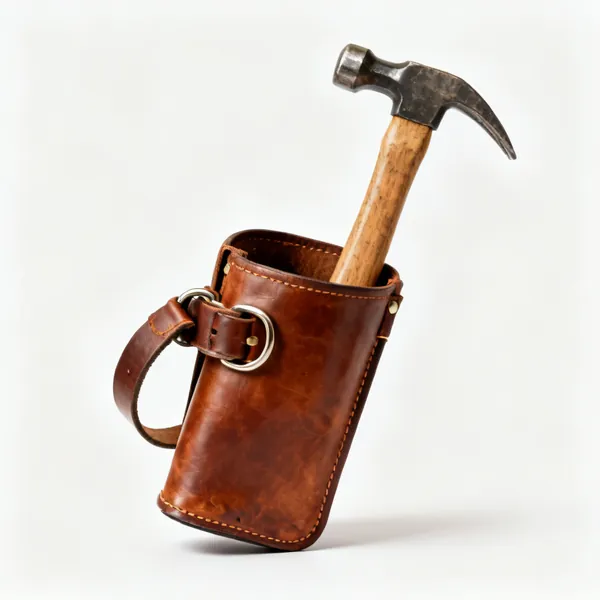
  • A leather nail bag tool pouch with a hammer loop on a belt

    Nail bag

    A pouch with a hammer loop, so the hammer is on you and the nails are reachable one handed. What makes nailing at height possible at all.

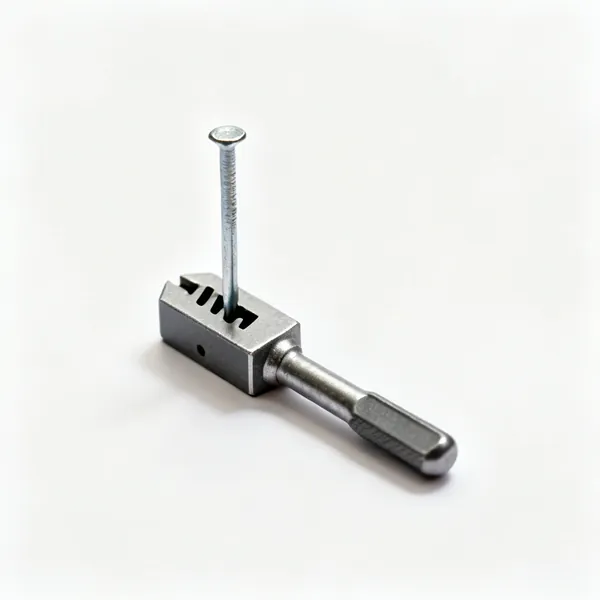
  • A small magnetic nail holder tool with a slotted head holding a nail upright

    Magnetic nail holder

    Holds a nail upright and away from your fingers for the starting tap. The same job as pliers, one handed, and it lets go when the nail bites.

Choosing hammering tools

The list above is what exists. This is how to decide which of it you actually need, what separates a tool worth keeping from one that ends up at the back of a drawer.

Weight, and why too light is worse

A hammer drives a nail with momentum, so a light hammer needs more blows and a faster swing to do the same work. More blows means more chances to miss, and a fast swing is less accurate than a relaxed one. That is why a 16oz claw hammer is standard rather than a 10oz.

Too heavy is a real limit too, but it arrives later than people expect. A 20oz framing hammer drives a nail in two blows and will tire your forearm over a day, which is a fair trade if you are nailing all day and a bad one if you hang a picture.

16oz for general use
Drives a nail in three blows without wearing you out. The default for a reason.
20 to 24oz for framing
Two blows a nail. Worth the fatigue only if you are nailing all day.
Light hammers miss more
More blows and a faster swing. Both reduce accuracy, which is what bends nails.
Let it fall
The weight does the work. A relaxed swing hits harder and straighter than a forced one.

Face material decides what you can hit

Steel drives nails and strikes hardened punches. It also splits a wooden chisel handle, mushrooms a plastic one, and dents any finished surface it touches. That is not a quality issue: a steel face is meant to concentrate force.

Soft faces spread it. Wood, rubber, nylon, hide and copper each give up a little energy in exchange for not marking what they hit, which is why assembling a joint, seating a paving slab and driving a chisel all use different faces.

Steel for nails and punches
Concentrates force and marks anything it touches. Hardened for hardened steel.
Wood and resin for chisels
Broad, softer, spreads the blow. Protects both the handle and the striker's wrist.
Rubber and nylon for finished work
Seats and assembles without a mark. Loses energy, which is the point.
Copper and hide for metal
Deforms itself rather than the workpiece. Used where a steel dent would matter.

Handle material and shock

Wood absorbs vibration best and breaks. Fibreglass absorbs nearly as much and survives an over strike that would snap hickory. One piece steel is unbreakable and transmits the most shock into your wrist, which matters over hundreds of blows rather than ten.

The failure mode to watch is the over strike: hitting with the handle just below the head. That is what breaks wooden handles, and it is why fibreglass and steel hammers have a collar there.

Hickory absorbs best
Kindest on the wrist, and replaceable when it breaks, which it eventually does.
Fibreglass is the compromise
Nearly as comfortable and it survives the over strike that snaps wood.
Steel transmits shock
Indestructible, and you feel every blow. Fine for occasional use, tiring all day.
Check the wedge
A loose wooden head is how a hammer head leaves the handle mid swing.

Hitting it where you meant to

Look at the nail head, not the hammer. Hold near the end of the handle for power and closer to the head for control, and let the weight fall rather than driving it. Most people grip too close to the head and then swing harder to compensate.

Start a nail with a light tap to set it, then swing properly. Nails bend because they were struck off centre or because the timber is hard and the nail was too thin, not because the hammer was too heavy.

Watch the nail
Not the hammer. The hand follows the eye, which is why looking at the head works.
Grip near the end
For power. Choke up toward the head for accuracy on small work.
Tap, then swing
Set the nail with a light blow first so it is standing on its own before the real one.
Blunt the point in hardwood
A blunted nail crushes fibres instead of wedging them apart, so it splits far less.

The things that actually go wrong

Hammer injuries are the holding hand, the eye and the back of a loose head coming off. Pliers to hold a small nail solves the first, safety glasses the second, and checking the wedge or the collar solves the third.

The other one is a mushroomed struck tool. A chisel or punch with a spalled end throws steel fragments when hit, and so does a hammer face that has chipped. Both should be ground back rather than used one more time.

Hold small nails with pliers
Not fingers. The tap that sets a nail is the blow that catches a thumb.
Eye protection
Chipped faces and mushroomed punch ends throw hardened fragments at speed.
Check for a loose head
A wooden handle shrinks. A head coming off mid swing travels a long way.
Never strike two hammers together
Both faces are hardened. They chip and the pieces leave fast.

Frequently asked questions

What are the different types of hammer?
Grouped by what the face is meant to strike. Steel faced claw and ball pein hammers for nails and punches. Wooden and resin mallets for chisels. Rubber and nylon mallets for finished surfaces and assembly. Sledges and club hammers for demolition and masonry.
What weight hammer should I buy?
A 16oz claw hammer for general use: heavy enough to drive a nail in three blows and light enough to stay accurate. Go to 20oz or above only if you are framing all day. A hammer that is too light is worse than one slightly too heavy, since it needs more blows.
What is the difference between a claw hammer and a ball pein hammer?
A claw hammer has a split claw for pulling nails and is for woodwork. A ball pein has a rounded pein instead and a face hardened to strike other hardened steel, so it is the correct hammer for cold chisels and punches. A claw hammer face can chip on a punch.
Can I hit a chisel with a claw hammer?
Not a wood chisel. A steel face splits a wooden handle and mushrooms a plastic one into a burr that eventually breaks off. Use a wooden or resin mallet. Masonry and cold chisels are different, having hardened struck ends made for a club or ball pein hammer.
Is a wooden or fibreglass hammer handle better?
Wood absorbs the most vibration and is kindest over a long day, and it breaks on an over strike. Fibreglass absorbs nearly as much and survives that. One piece steel is unbreakable and transmits the most shock. Fibreglass is the usual compromise.
Why do my nails keep bending?
Almost always struck off centre, which is a matter of watching the nail head rather than the hammer. Otherwise the nail is too thin for the timber, or the hammer is too light so it takes six blows instead of three and each one is a chance to hit it crooked.
How do you stop wood splitting when nailing?
Blunt the nail point with a tap of the hammer first, which makes it crush fibres rather than wedge them apart. Stagger nails so they are not in the same grain line, keep them away from the end of the board, and drill a pilot hole in hardwood or near an edge.
What is a dead blow hammer for?
Assembling and seating things without a rebound. The head is hollow and part filled with shot, which shifts forward on impact and kills the bounce. That delivers more of the blow into the work and stops the hammer jumping back at you.