Disclosure

Tools for wrenching

Almost every rounded nut was rounded by a tool that fit loosely. An open ended spanner grips two flats, a ring spanner grips six, and a six point socket grips six corners squarely. That difference is why the same fastener comes off cleanly with one tool and is destroyed by another. All 37 here are grouped by how they grip, then by what gets a seized one moving.

17 are marked essential: enough to undo most things without reaching for a chisel.

Part of the full hand tools list, 73 tools in 11 groups.

Spanners 8

Fixed sizes, and the choice between them is how many flats the tool holds.

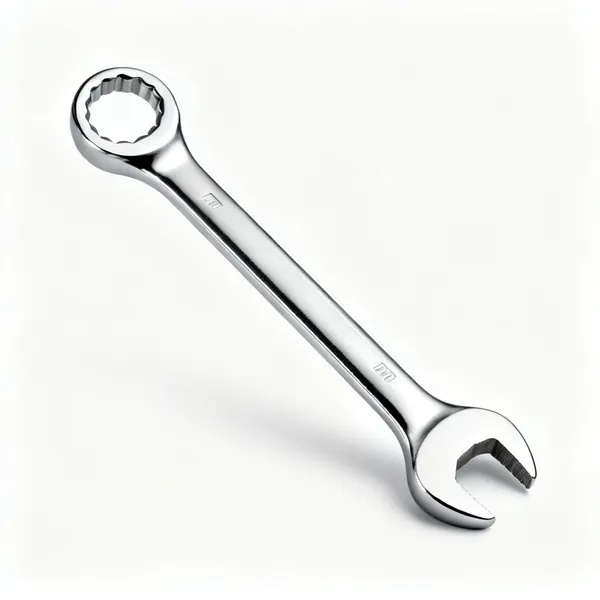
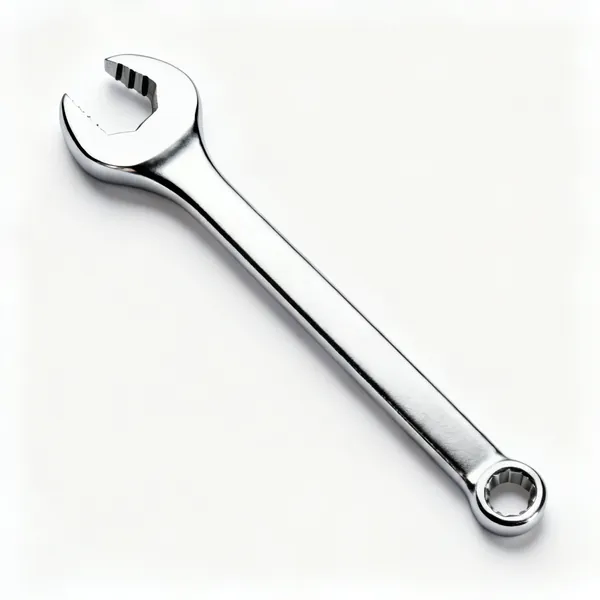
  • A chrome combination spanner with a ring end and an open endEssential

    Combination spanner

    Ring at one end, open at the other, both the same size. Break the nut with the ring end and spin it off with the open end, which is the reason this shape won.

  • A chrome double ended ring spanner with offset ring heads at both endsEssential

    Ring spanner

    A closed loop surrounding all six flats so nothing can spread. Offset ones lift your knuckles clear of the surface, which is most of why they are offset.

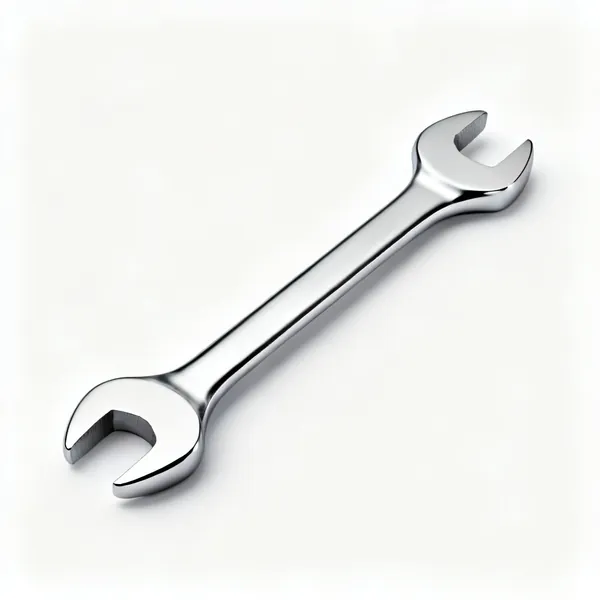
  • A chrome double open ended spanner with two different sized jaws

    Open ended spanner

    Two flats only, and it slides on sideways where nothing else fits. That access is its whole purpose, and it is the tool most likely to round a tight nut.

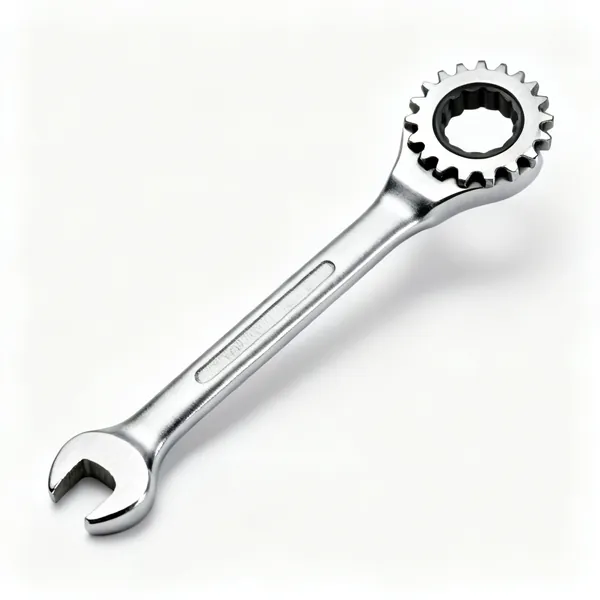
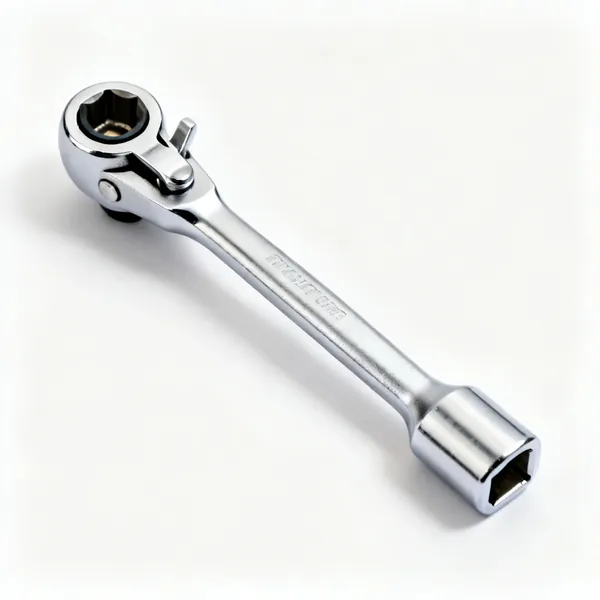
  • Ratchet ring spanner: A chrome ratcheting ring spanner with a geared ring head

    Ratchet ring spanner

    A ratchet built into the ring, so the spanner never leaves the nut. Fast in a confined space, and the mechanism limits how much torque it will take.

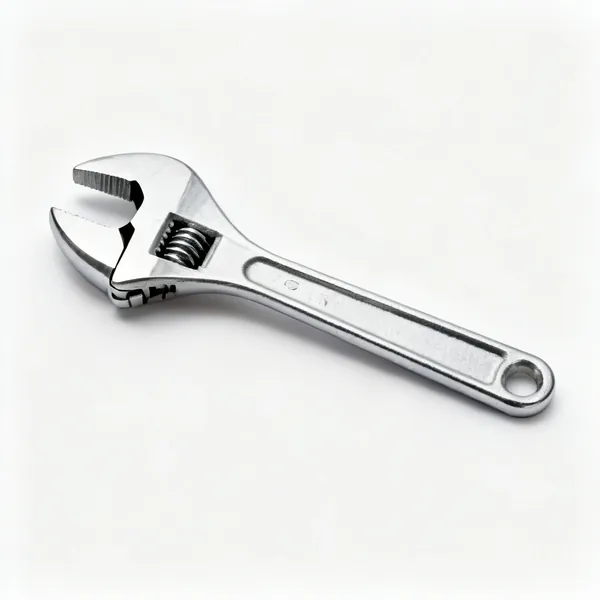
  • A chrome adjustable spanner with a worm screw and a moveable jawEssential

    Adjustable spanner

    Covers every size badly. Pull toward the moveable jaw so the load closes it, and accept that this is the tool most likely to mark a fastener.

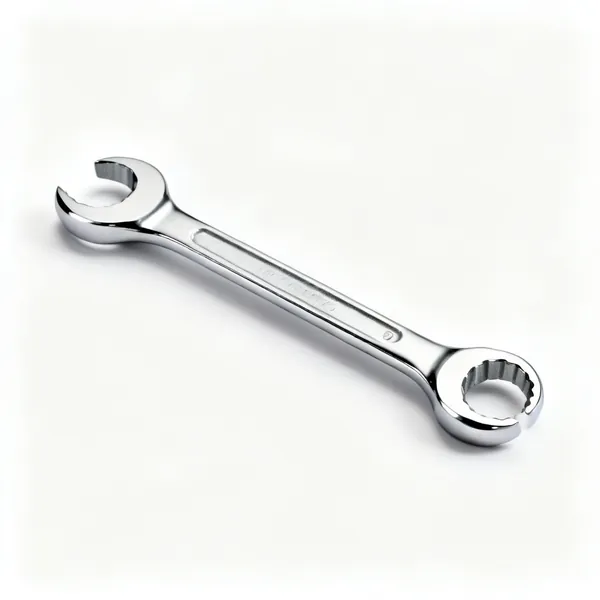
  • A chrome flare nut spanner with a slotted ring head

    Flare nut spanner

    A ring with a slot, so it drops over a brake or fuel pipe and still grips five flats. The only correct tool for a pipe union, which soft brass rounds instantly.

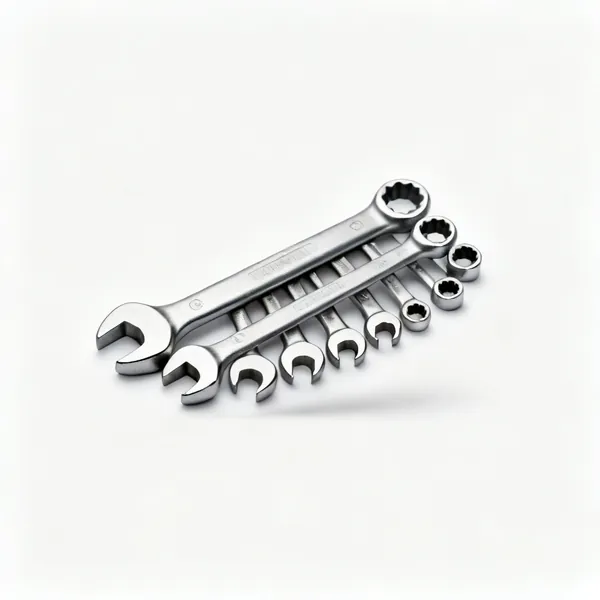
  • Stubby spanners: A set of short stubby combination spanners of graduated sizes

    Stubby spanners

    Short handles for where a full spanner will not swing. Less leverage by design, which is fine because a nut that needs leverage needs a different approach anyway.

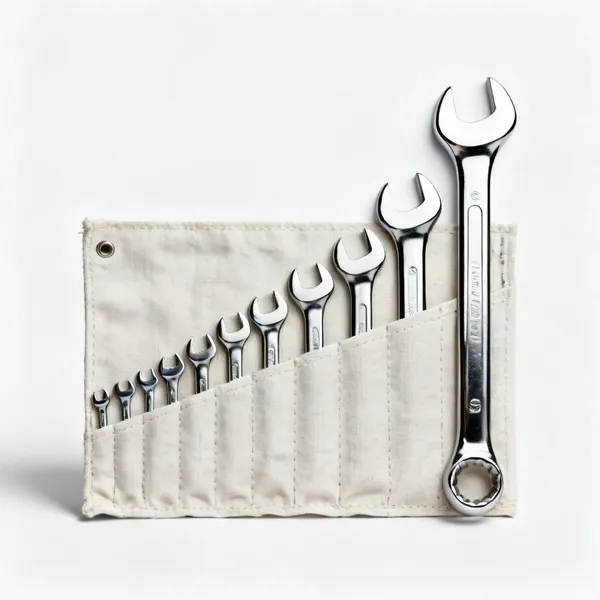
  • Spanner set: A set of chrome combination spanners of graduated sizes in a canvas rollEssential

    Spanner set

    Combination spanners from 8 to 19mm covers most fasteners on a car and around a house. Buy metric first, and add imperial only if you own something that needs it.

Sockets and drivers 12

Surround the fastener completely, and the drive size decides how much force can go through them.

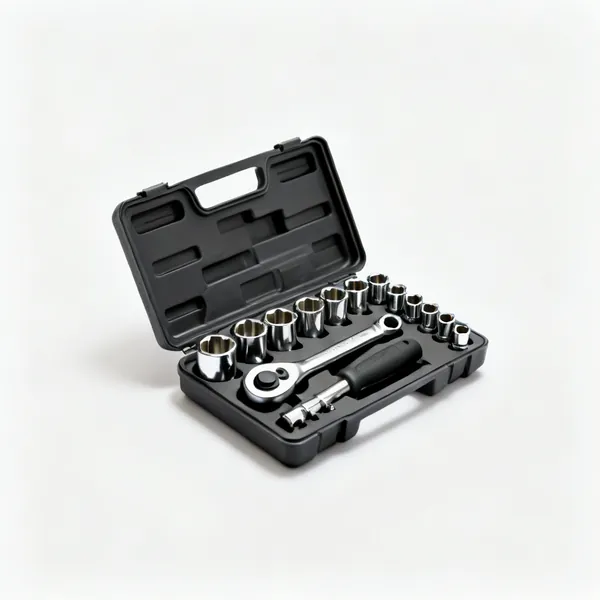
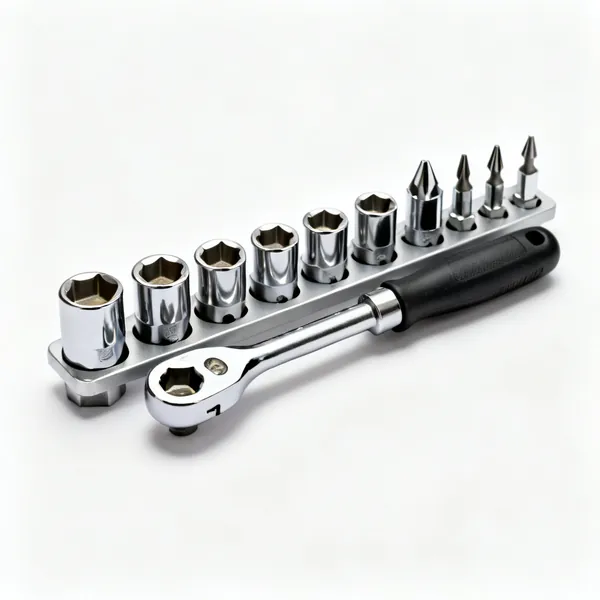
  • An open socket set case with chrome sockets of graduated sizes and a ratchetEssential

    Socket set

    A 3/8 inch drive set from 8 to 19mm covers most work. Drive size matters more than piece count: it decides both the torque and the size range available.

  • A chrome socket ratchet handle with a reversing lever and a square driveEssential

    Ratchet handle

    Turns without lifting off, with a reversing lever. A finer tooth count means a shorter swing to catch, which is what matters in a confined engine bay.

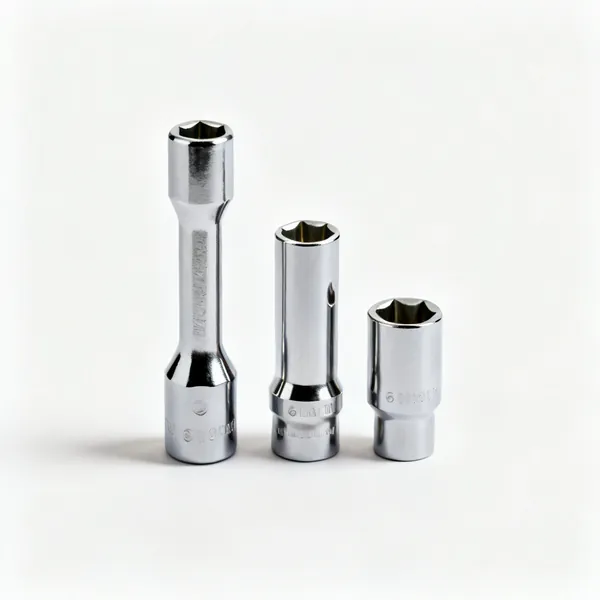
  • Three chrome six point sockets of different sizes standing uprightEssential

    Six point sockets

    Bear on the flats rather than near the corners, so they grip a marked or seized fastener where a twelve point slips. What to reach for when it matters.

  • Three chrome deep sockets of different lengths standing uprightEssential

    Deep sockets

    Reach a nut part way down a long stud, which a standard socket bottoms out on. Spark plugs, suspension bolts and anything on a protruding thread.

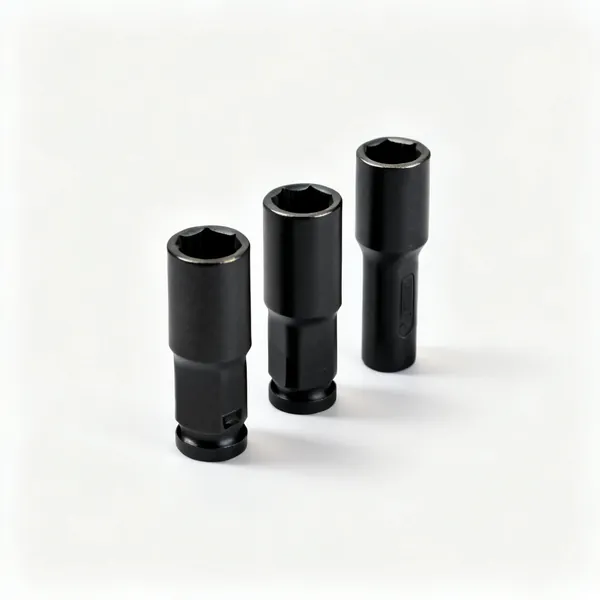
  • Three black impact sockets with thick walls standing upright

    Impact sockets

    Thicker walls in softer steel, so they deform rather than shatter under hammer action. A chrome socket on an impact gun can break and send fragments out.

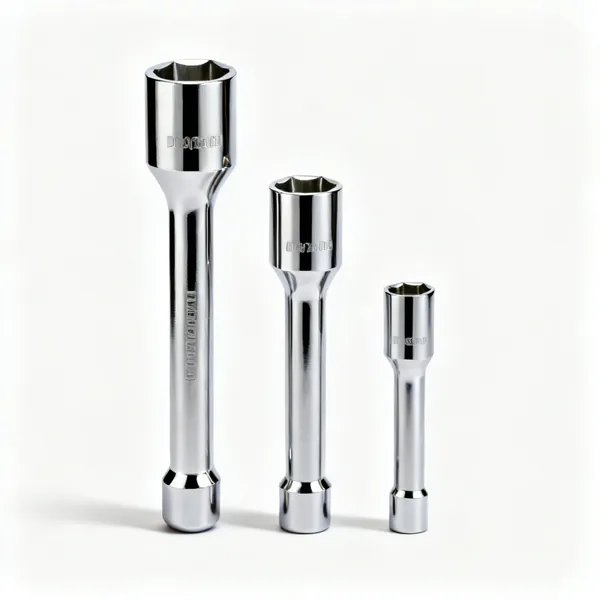
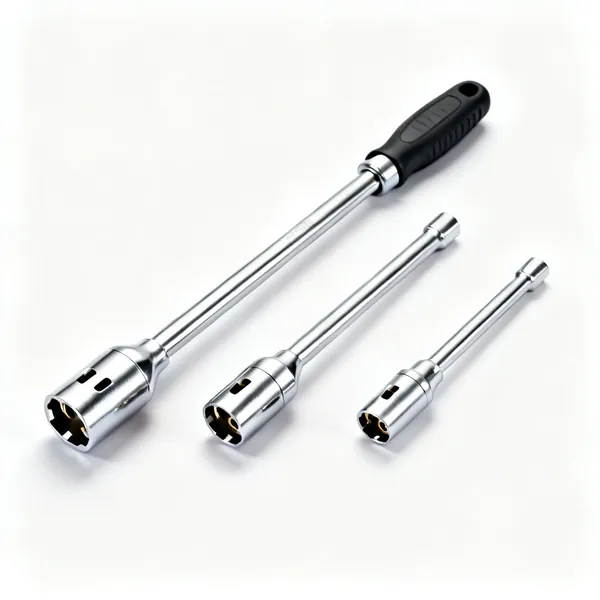
  • Three chrome socket extension bars of different lengthsEssential

    Extension bars

    Reach past obstructions. Each one also adds flex and a little lost motion, so use the shortest that reaches rather than stacking three.

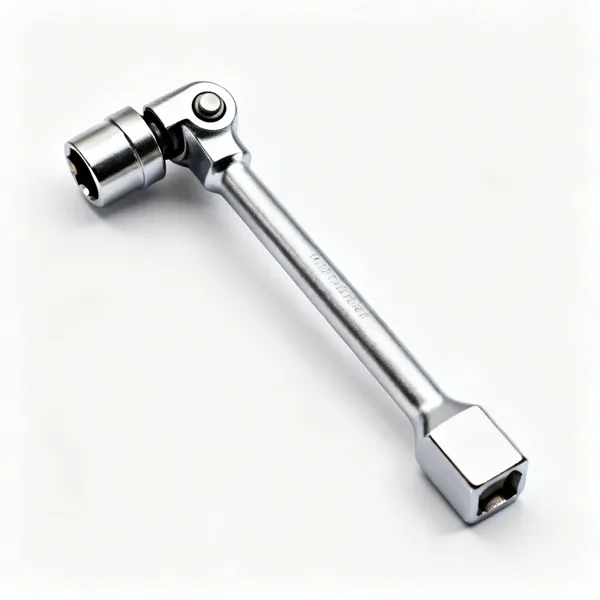
  • A chrome socket universal joint with a pivoting knuckle and square drives

    Universal joint

    Lets a socket turn at an angle to the handle. Loses torque and the socket wants to walk off the nut, so it is a last resort rather than a convenience.

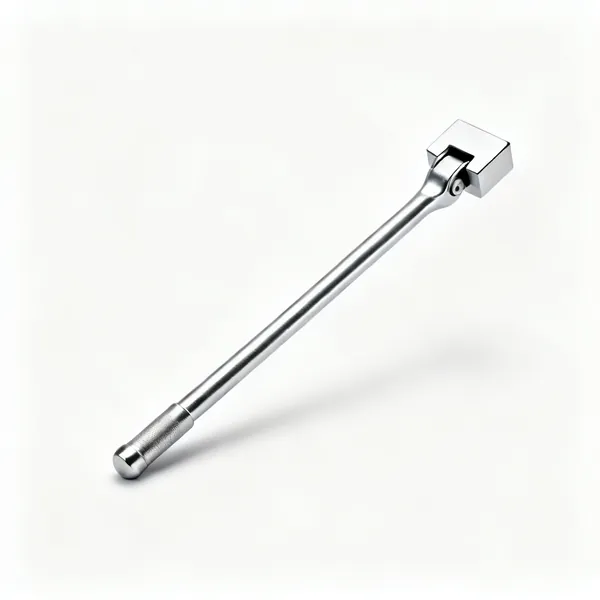
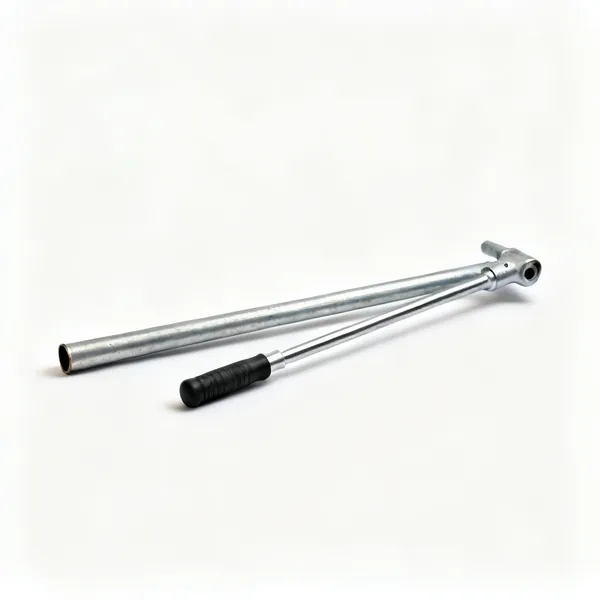
  • A long chrome breaker bar with a hinged square drive headEssential

    Breaker bar

    A long solid handle with a hinged head and no ratchet to break. This is what applies real leverage safely, rather than a cheater pipe on a ratchet.

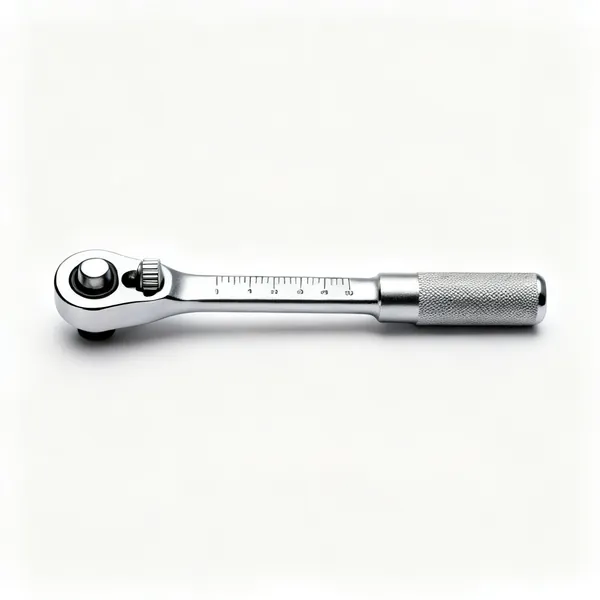
  • A chrome click type torque wrench with a scale on the handle and a knurled adjusterEssential

    Torque wrench

    Clicks at a set figure. Wind it back to its lowest setting for storage, or the spring takes a set and it starts reading high without telling you.

  • Hex and Torx sockets: A set of chrome hex and Torx bit sockets on a rail

    Hex and Torx sockets

    Internal drive fasteners on a socket drive rather than an L key, so a ratchet and a torque wrench can be used. Common on anything modern.

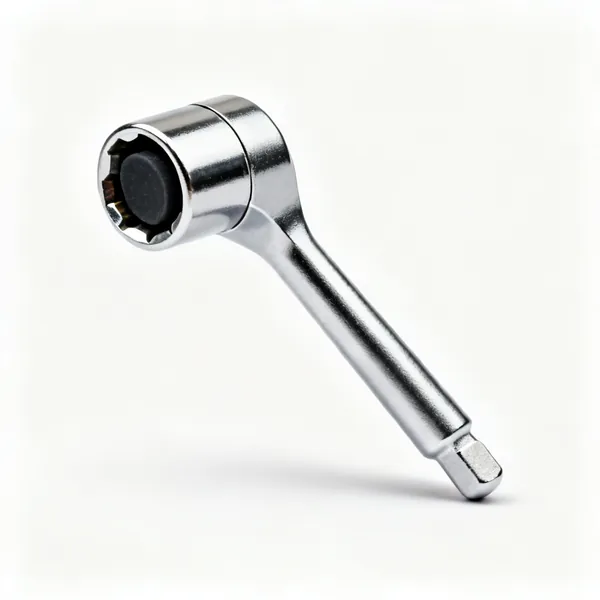
  • A chrome spark plug socket with a rubber insert visible inside

    Spark plug socket

    Deep, thin walled, with a rubber insert that holds the plug and stops it dropping. The insert is the point: a dropped plug cracks its insulator.

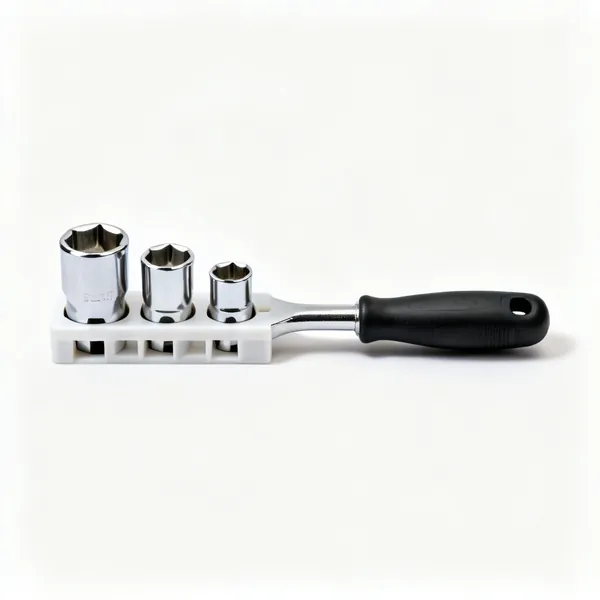
  • Three plastic socket rails holding chrome sockets in size order

    Socket rails

    Clips that hold sockets in size order so you can see the gap where one is missing. Loose sockets in a drawer means finding the right one takes longer than the job.

Gripping and specialist wrenches 8

For round things, damaged things and fasteners a hexagon tool cannot hold.

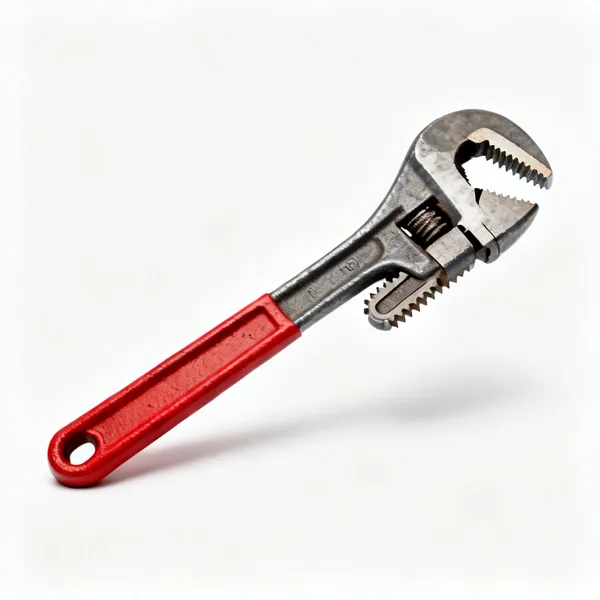
  • A heavy pipe wrench with serrated toothed jaws and a red handle

    Pipe wrench

    Hardened toothed jaws that bite into a round pipe and tighten as you pull. It marks whatever it grips, which is fine on pipe and not on a finished fitting.

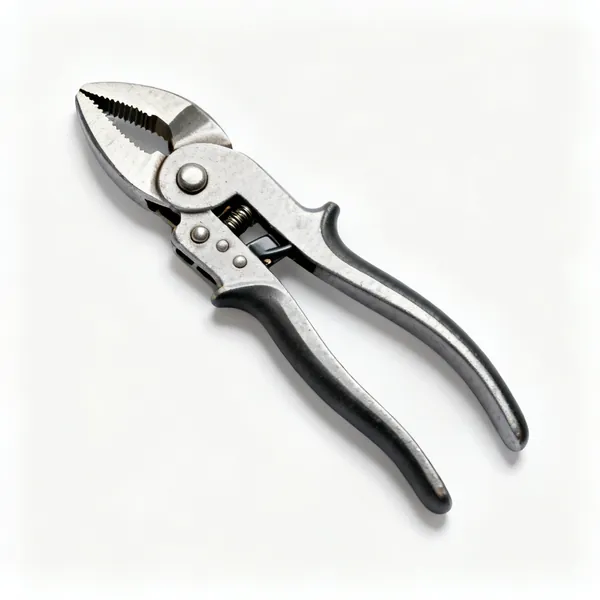
  • A pair of curved jaw locking pliers with an adjustment screw and a release leverEssential

    Locking pliers

    Clamp onto a rounded head, a snapped stud or anything else with no flats left. Adjust so they lock with real force rather than just closing on it.

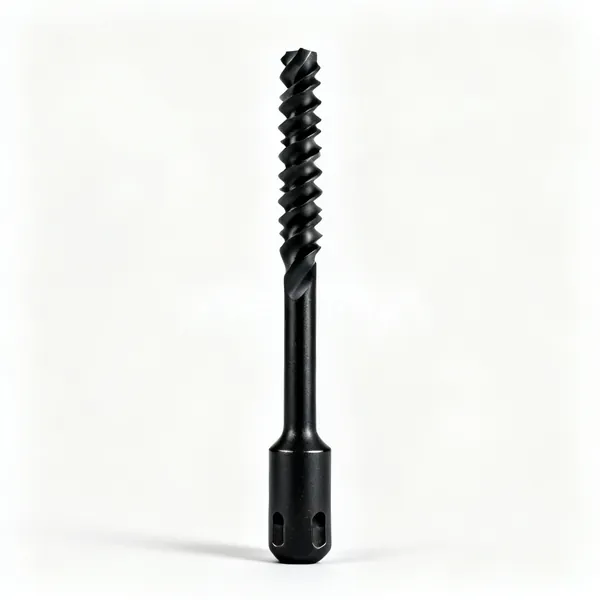
  • Gripping sockets: A set of black spiral fluted damaged nut removal sockets

    Gripping sockets

    Spiral flutes inside that bite into a rounded fastener as they turn. They mark it further, which does not matter on something already destroyed.

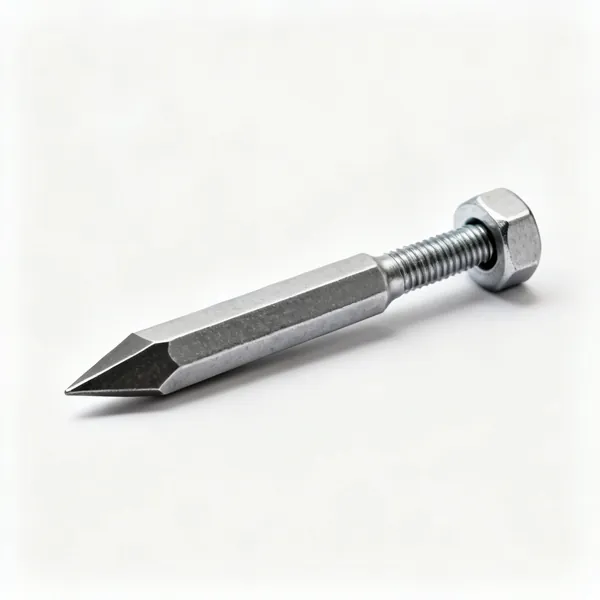
  • A steel nut splitter tool with a hardened chisel point and a screw

    Nut splitter

    A hardened chisel driven through the nut wall by a screw. Destroys the nut and leaves the stud and thread intact, which is usually the outcome you want.

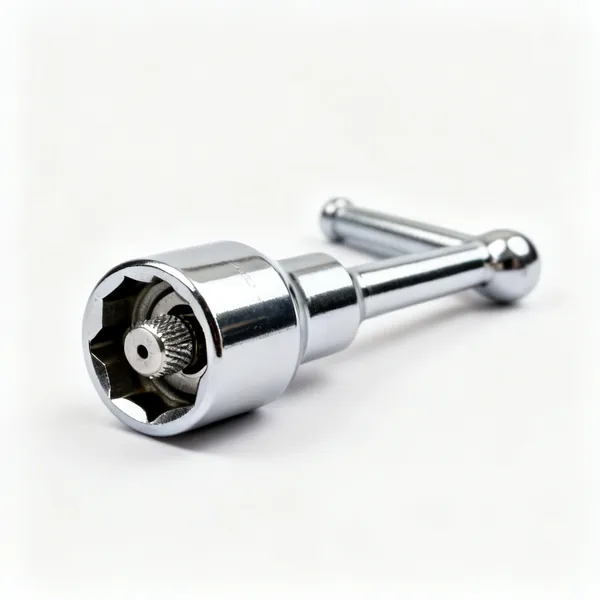
  • A chrome stud extractor socket with an eccentric knurled cam inside

    Stud extractor

    An eccentric cam that grips a plain stud with no head at all. The alternative is welding a nut on, which works and needs a welder.

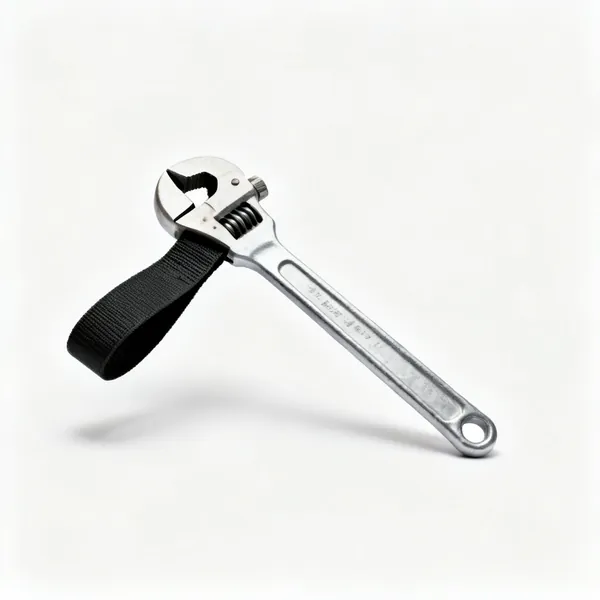
  • A strap wrench with a rubber strap and a metal handle

    Strap wrench

    A rubber or nylon strap that tightens around anything round without marking it. For filters, chrome fittings and plastic housings that a toothed tool would ruin.

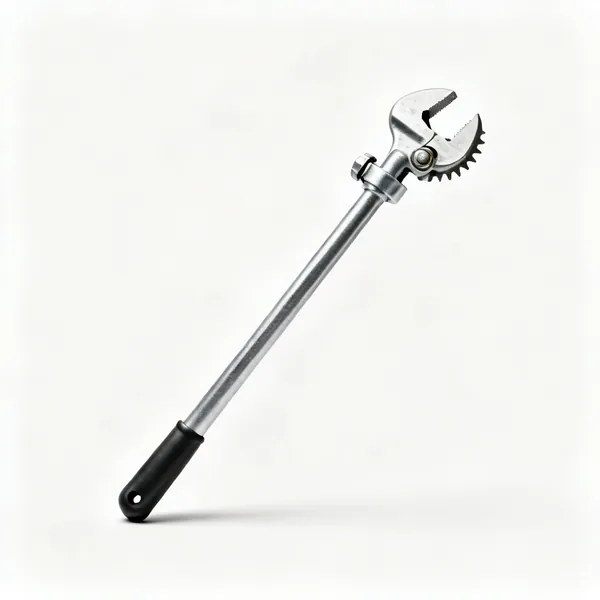
  • A basin wrench with a long shaft, a T handle and a pivoting toothed jaw

    Basin wrench

    A pivoting jaw on a long shaft that reaches up behind a basin to a tap nut you cannot see. Awkward, and there is genuinely nothing else that reaches.

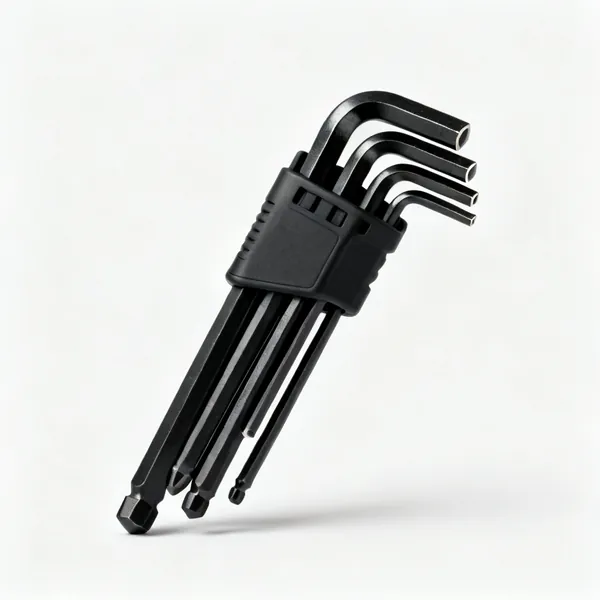
  • Hex keys: A set of black hex key allen wrenches of graduated sizes on a holderEssential

    Hex keys

    L shaped bars for internal hex fasteners. Ball ended ones work at an angle and take less torque, so use the plain end when the fastener is tight.

Getting it moving 9

Oil, heat and shock, in that order. Force last, because force is what rounds fasteners.

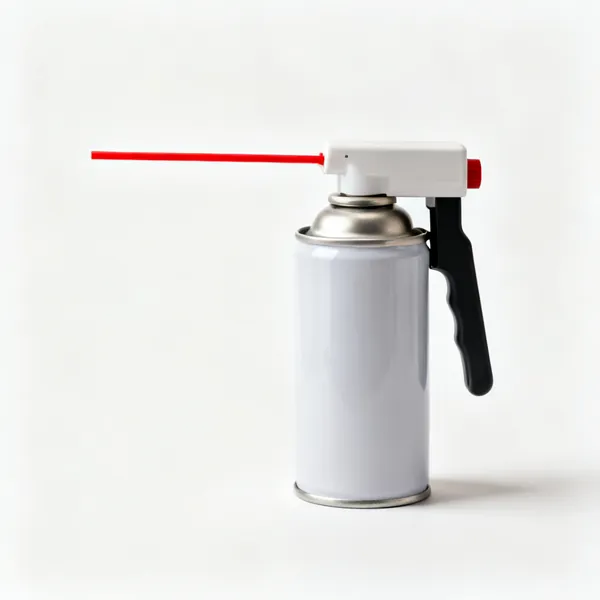
  • An aerosol can of penetrating oil with a red nozzle strawEssential

    Penetrating oil

    Creeps into the thread by capillary action, which takes hours rather than seconds. Applied and left overnight it does more than any amount of extra leverage.

  • Manual impact driver: A manual hand impact driver with a knurled body and a square drive end

    Manual impact driver

    Struck with a hammer, converting the blow into a sharp twist. Shock breaks a corrosion bond that steady pull only tightens against, and it does not round the head.

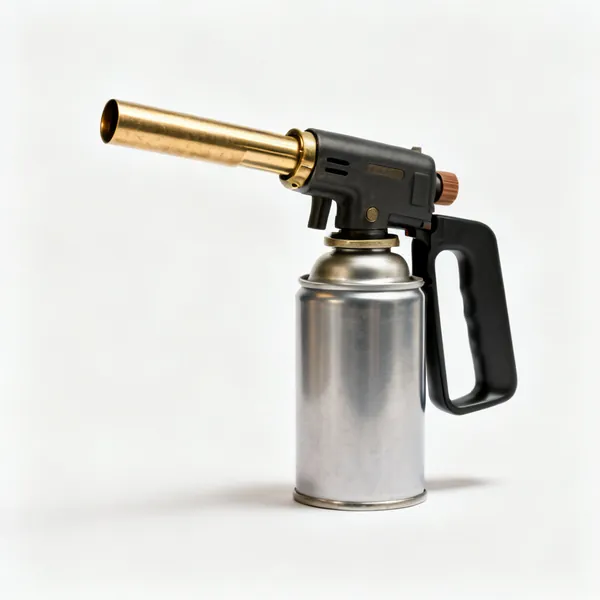
  • A handheld gas blow torch with a brass burner head and a gas canister

    Blow torch

    Heat the nut, not the bolt, so it expands away from the thread. Check for fuel, brake fluid and paint first, and think about what is behind the panel.

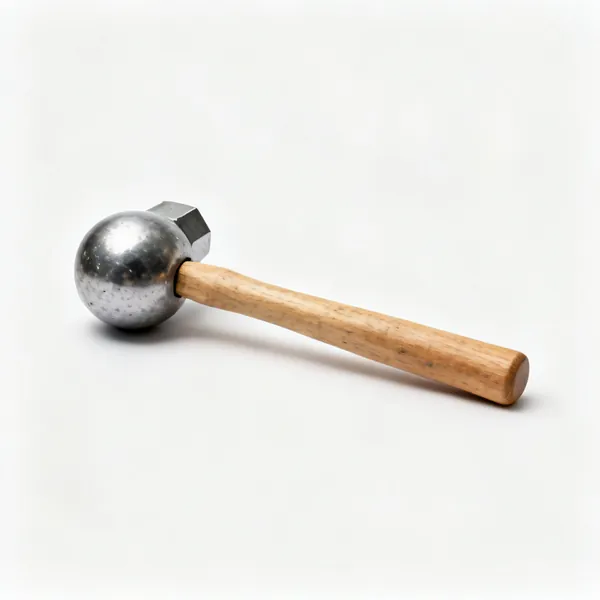
  • A steel ball pein hammer with a wooden handleEssential

    Hammer

    A few sharp blows on the flats or on the end of a bar cracks corrosion. Also the tool that seats a socket fully before any load goes on it.

  • Extension pipe: A length of steel scaffold pipe lying beside a breaker bar

    Extension pipe

    A pipe over a breaker bar handle. Effective and it is how ratchets get broken and knuckles get hit, so use it on a breaker bar and nothing else.

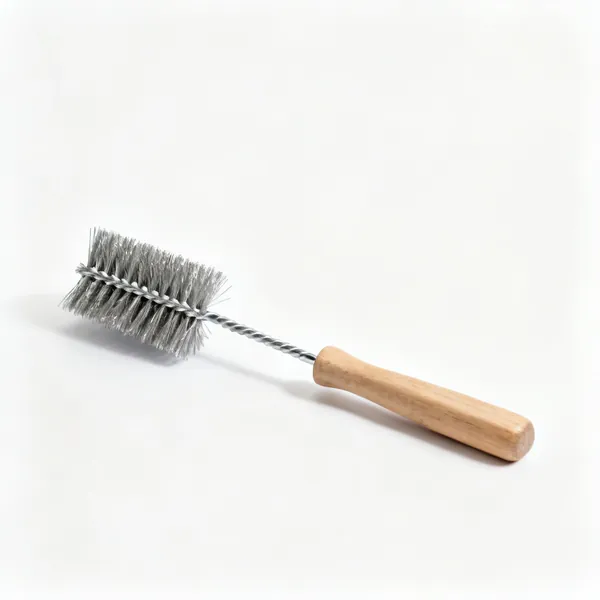
  • A steel wire brush with a wooden handleEssential

    Wire brush

    Cleaning the thread and the flats before you start. Rust and paint in the corners is what makes a correctly sized tool feel loose on a fastener.

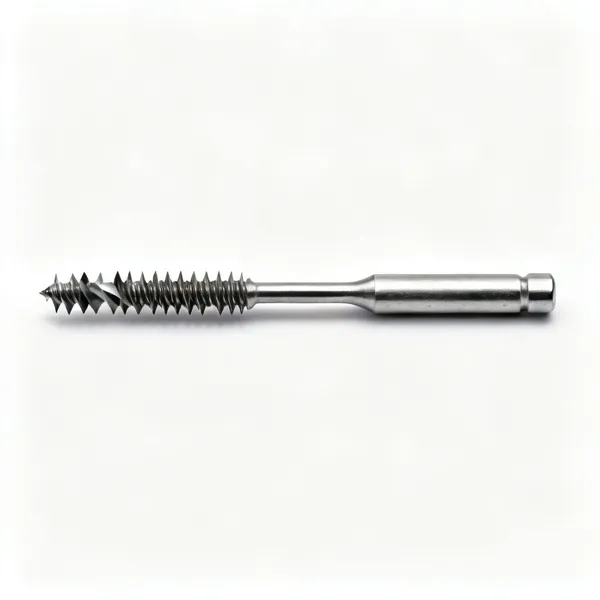
  • Thread file: A steel thread restoring file with multiple pitched cutting faces

    Thread file

    Recuts a damaged thread on a stud so a nut will run down it again. Cheaper and faster than replacing a stud that is otherwise perfectly sound.

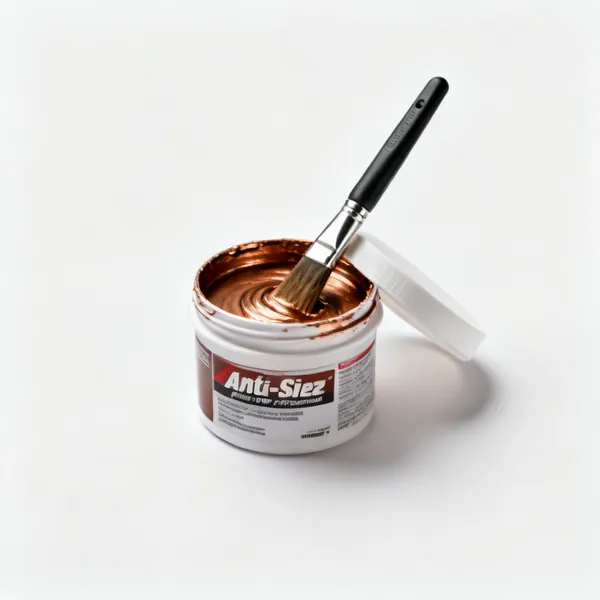
  • A tub of copper anti seize compound with a brush in the lidEssential

    Anti seize compound

    Copper or ceramic paste on the thread as it goes back together, so next time it comes apart. The five seconds that prevents this entire section next time.

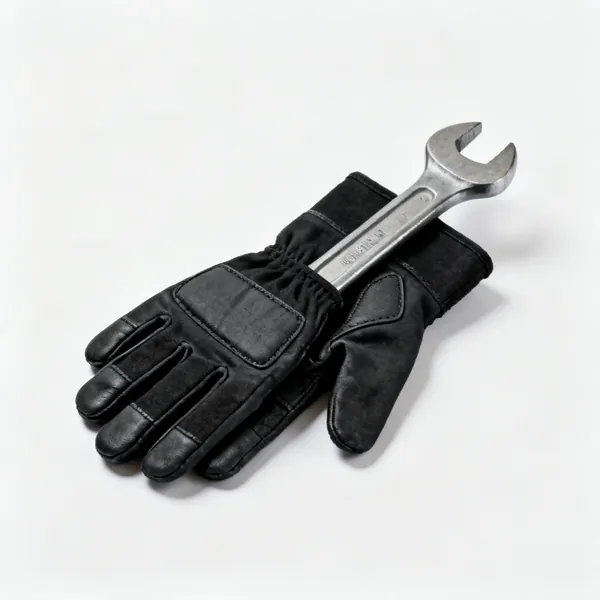
  • A pair of black mechanic's gloves with reinforced palms

    Mechanic's gloves

    For the moment a spanner slips and your knuckles hit the block. Thin enough to feel a fastener seat, which is what separates these from work gloves.

Choosing wrenching tools

The list above is what exists. This is how to decide which of it you actually need, what separates a tool worth keeping from one that ends up at the back of a drawer.

How many flats the tool actually holds

An open ended spanner touches two flats of a hexagon. All the force goes through those two faces and it wants to spread open, so on a tight fastener it slips and rounds the corners. It exists because sometimes there is no room for anything better.

A ring spanner surrounds all six. A six point socket does too, and bears on the flats rather than the corners. A twelve point socket fits in twice as many positions and bears closer to the corners, which is faster in tight spaces and more likely to round a tight nut.

Open end, two flats
Fastest to use, most likely to slip. For access, not for tight fasteners.
Ring, all six
Surrounds the nut so it cannot spread. Use this whenever it will go on.
Six point socket
Bears on the flats. The right choice on anything seized or already marked.
Twelve point socket
Twice the engagement positions and closer to the corners. Convenient, less secure.

Size, and the near misses

Metric and imperial sizes overlap closely enough to be dangerous. A 1/2 inch spanner is 12.7mm and will go onto a 13mm nut with a little play, which is exactly the play that rounds it. 19mm and 3/4 inch differ by a third of a millimetre.

The rule is that the correct spanner goes on with no perceptible rock. If it rocks, it is the wrong size, and no amount of care makes up for that. This is the single commonest cause of a damaged fastener.

No rock, no play
The right size goes on snug. Any rock at all and you are on the wrong tool.
The dangerous pairs
13mm and 1/2 inch, 19mm and 3/4 inch, 16mm and 5/8 inch. All close enough to fit badly.
Whitworth exists
Anything British and pre 1970 may be Whitworth, which matches neither set.
Check before force
The moment to find the wrong size is before the pull, not during it.

Getting a seized fastener moving

Force is the last thing to try, not the first. Penetrating oil and time, then heat, then shock from a hammer, then leverage. Each of those has a better chance of breaking the corrosion bond than simply pulling harder, and none of them rounds the nut.

When leverage is needed, a breaker bar with a six point socket spreads the load across all six flats. Sharp shock helps more than steady pull: an impact driver or a few hammer blows on the end of a bar break a bond that constant force will not.

Oil and wait
Penetrating oil needs hours, not seconds. Applied and left overnight it does most of the work.
Heat expands
Warm the nut, not the bolt. It grows away from the thread and breaks the rust bond.
Shock over pull
Sharp blows crack corrosion that steady force only tightens against.
Tighten first
A fraction tighter often breaks the bond, and then it comes loose. Counterintuitive and it works.

Tightening, and why torque is a number

Tight enough is not a feeling. A bolt is a spring: the correct torque stretches it into its elastic range so it stays clamped, and past that it yields and loses clamping force even though it feels tighter than ever.

That is why a torque wrench matters on anything structural, on alloy castings, and on wheels. Alloy strips at surprisingly low figures, and a wheel nut over torqued can crack the stud. Under torqued is not safer, just a different failure.
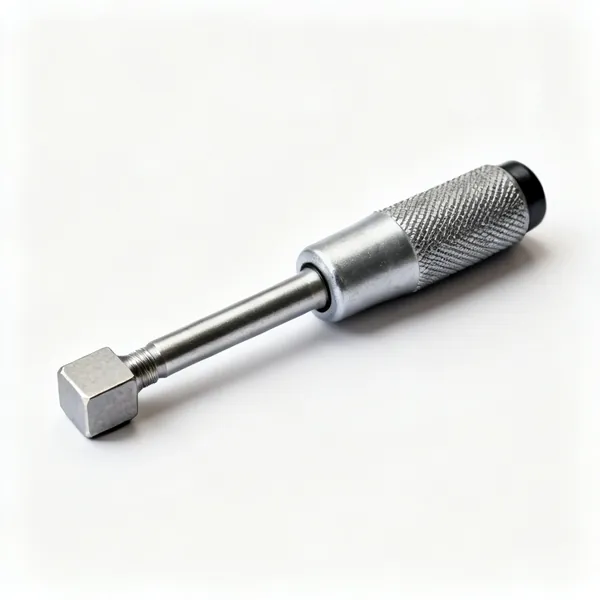
A bolt is a spring
Correct torque stretches it elastically. Past that it yields and the clamp is lost.
Alloy strips early
Aluminium threads take far less than the steel bolt going into them. Look the figure up.
Click and stop
A click wrench releases once. Pulling through it again applies more than the setting.
Wind it back
Store a click wrench at its lowest setting or the spring takes a set and the reading drifts.

When it is already rounded

Once the corners are gone, no correctly sized tool will grip. What works is a tool that bites into what is left: a gripping socket with spiral flutes, a nut splitter that cracks the nut off the thread, or vice grips if there is enough left to hold.

Cutting is the last resort and often the fastest one. A nut splitter, a grinder or a hacksaw destroys the nut and leaves the thread usable, which is a better outcome than three hours spent on a fastener that is worth pennies.

Gripping sockets
Spiral flutes bite into a rounded head. They mark the fastener, which is already the case.
Nut splitter
A hardened chisel driven through the nut wall. Destroys the nut, saves the thread and the stud.
Weld or braze a nut on
Where a head has sheared. Adds heat too, which helps on its own.
Know when to cut
A nut costs pennies. Three hours does not. Cut it and move on.

Frequently asked questions

What is the difference between a wrench and a spanner?
Mostly geography. British usage calls the fixed sized tool a spanner and reserves wrench for adjustable and specialised tools. American usage calls all of them wrenches. The tools are the same, so a 13mm spanner and a 13mm wrench are one item.
Why do open ended spanners round nuts?
Because they only touch two flats of the hexagon. All the force goes through those two faces and the jaws want to spread, so on a tight fastener the tool slips and takes the corners with it. A ring spanner or a six point socket surrounds all six instead.
Should I use a six point or twelve point socket?
Six point for anything tight, seized or already marked, because it bears on the flats rather than near the corners. Twelve point fits in twice as many positions, which is genuinely useful in a tight space, and it is more likely to round a stubborn fastener.
How do you loosen a seized nut?
In this order: penetrating oil left for hours, heat applied to the nut so it expands away from the bolt, sharp shock from a hammer or an impact driver, then leverage with a breaker bar and a six point socket. Trying to loosen it slightly tighter first often breaks the bond.
Can I use an adjustable spanner instead of the right size?
For light work, yes, and it grips two flats with a jaw that has play in it, which is why it rounds fasteners more readily than anything else in the box. Always pull toward the moveable jaw so the load closes it rather than opening it.
What size socket set should I buy?
A 3/8 inch drive set covering 8 to 19mm handles most jobs on a car or around a house. Add 1/4 inch drive for small fasteners in tight places and 1/2 inch for wheel nuts and suspension. Buying by drive size rather than piece count is the useful way to choose.
Do I really need a torque wrench?
For wheels, engine work, alloy castings and anything structural, yes. A bolt clamps by stretching elastically, and past its correct torque it yields and loses that clamp while feeling tighter than ever. Aluminium threads in particular strip well below what feels tight.
How do I remove a nut with rounded corners?
A gripping socket with spiral flutes bites into what is left of the head. If there is nothing to grip, a nut splitter cracks the nut off the thread and leaves the stud usable. Cutting it off with a grinder or hacksaw is a legitimate answer rather than a failure.